Are Hiccups a Sign of Pregnancy? Medical Evidence and Safe Relief

Many expecting mothers closely monitor their bodies for subtle shifts that might signal the arrival of new life. Among the myriad of symptoms discussed in prenatal forums and family chats, a curious question frequently emerges: are hiccups a sign of pregnancy? While not listed among the classic early indicators like morning sickness or missed periods, hiccups have gained traction in anecdotal circles as a potential early clue. Understanding why this happens requires diving into the complex interplay of reproductive hormones, gastrointestinal adaptations, and nervous system responses that occur during the first weeks of conception. In this comprehensive guide, we will explore the physiological mechanisms behind diaphragmatic spasms, evaluate the scientific evidence linking them to early gestation, and provide safe, evidence-based strategies for relief. Whether you are actively trying to conceive, awaiting test results, or simply navigating early pregnancy changes, this article will equip you with accurate, information to help you interpret your body’s signals confidently and responsibly.
Understanding Hiccups: The Physiology Behind the Spasms
Hiccups, medically known as singultus, are involuntary, rhythmic contractions of the diaphragm followed immediately by the sudden closure of the vocal cords. This rapid sequence produces the characteristic "hic" sound that we all recognize. The diaphragm is a large, dome-shaped muscle located at the base of the lungs, playing a critical role in breathing. When functioning normally, it contracts downward during inhalation and relaxes upward during exhalation. However, when the diaphragm experiences sudden, uncontrolled spasms, breathing patterns are briefly interrupted, leading to hiccups.
Free calculatorLab Values Reference ChartComplete reference chart for medical lab valuesOpen the calculatorWhat Causes Hiccups in the First Place?
The triggering of hiccups involves a complex reflex arc primarily governed by the phrenic and vagus nerves. These nerves communicate with the brainstem to coordinate diaphragmatic movement. When irritated, they can send erratic signals that cause the diaphragm to contract prematurely. Common triggers include rapid eating or drinking, which causes stomach distension and mechanical pressure against the diaphragm, consumption of carbonated beverages, sudden temperature changes, emotional stress, and swallowing excess air. In healthy individuals, these episodes are self-limiting, typically resolving within a few minutes as the nervous system resets its rhythm.
The Vagus Nerve and Diaphragm Connection
The vagus nerve, also known as the tenth cranial nerve, is a vital component of the parasympathetic nervous system. It extends from the brainstem down through the neck and into the abdomen, innervating the heart, lungs, and digestive tract. Because of its extensive reach, vagal stimulation or irritation can easily disrupt normal respiratory patterns. Activities that stimulate the vagus nerve, such as sipping cold water or holding one's breath, are often effective at interrupting the hiccup reflex arc. Conversely, conditions that inflame the esophagus or cause gastric bloating can overstimulate these pathways, making the diaphragm more prone to spasms. Understanding this neurological pathway is essential when evaluating why certain bodily changes, including those during early gestation, might increase hiccup frequency.
Early Pregnancy Signs: A Comprehensive Overview
Conception initiates a cascade of biological transformations that prepare the uterus for implantation and support fetal development. The body undergoes rapid hormonal shifts, increased blood volume, metabolic adjustments, and immune system modulation. Recognizing early pregnancy symptoms can be challenging because many overlap with premenstrual syndrome or mild viral illnesses. However, understanding the timeline and physiological basis of these signs helps separate myth from medical reality.
Hormonal Shifts in the First Trimester
Following fertilization, the developing blastocyst begins producing human chorionic gonadotropin (hCG), which signals the corpus luteum to continue secreting progesterone and estrogen. Progesterone is particularly influential during early gestation. It maintains the uterine lining, prevents uterine contractions, and significantly affects smooth muscle tissue throughout the body. Elevated progesterone levels are directly responsible for common early symptoms like fatigue, breast tenderness, constipation, and increased urinary frequency. Additionally, rising estrogen stimulates increased blood flow to the pelvic region and enhances olfactory sensitivity, which can trigger nausea. These hormonal fluctuations do not occur overnight; they build progressively over weeks, creating a unique physiological environment that can manifest in unexpected ways.
Common vs. Uncommon Symptoms
The most widely recognized early pregnancy indicators include a missed menstrual period, light implantation bleeding, nausea with or without vomiting, heightened sense of smell, frequent urination, mood swings, and mild cramping. Uncommon or lesser-known symptoms that are frequently documented in clinical literature but rarely discussed publicly include metallic taste in the mouth (dysgeusia), excessive saliva production (ptyalism salivary), nasal congestion due to increased mucosal blood flow, and changes in appetite or food aversions. When evaluating whether unusual bodily signals are connected to conception, it is essential to look for clusters of symptoms rather than isolated occurrences. Medical professionals emphasize that symptom presentation varies widely among individuals, with some experiencing pronounced changes while others remain entirely asymptomatic.
Are Hiccups a Sign of Pregnancy? Examining the Evidence
The central question many women ask is whether hiccups truly correlate with early conception. To answer accurately, we must separate cultural folklore from peer-reviewed research. Mainstream obstetric organizations, including the American College of Obstetricians and Gynecologists (ACOG), do not classify hiccups as a diagnostic early pregnancy sign. However, dismissing the phenomenon entirely overlooks the underlying physiological mechanisms that make the connection biologically plausible.
Why Hiccups Might Occur During Pregnancy
During the first trimester, rapid hormonal elevation and early uterine expansion can indirectly influence the diaphragm. While the uterus remains nestled within the pelvis during early weeks, systemic changes begin immediately. Progesterone-induced smooth muscle relaxation slows gastrointestinal motility, leading to delayed gastric emptying. This delayed digestion increases bloating and intra-abdominal pressure, which can mechanically irritate the diaphragm. Additionally, heightened blood volume, which increases by up to 40 percent over the course of pregnancy, begins subtly within the first few weeks, placing mild circulatory stress on the cardiovascular and respiratory systems. When combined with heightened nerve sensitivity, these factors can create an environment where the diaphragm is more easily triggered into spasms. Therefore, while hiccups are not a definitive sign, they are a plausible secondary symptom rooted in verifiable physiological shifts.
Hormones, Gastric Changes, and the Connection
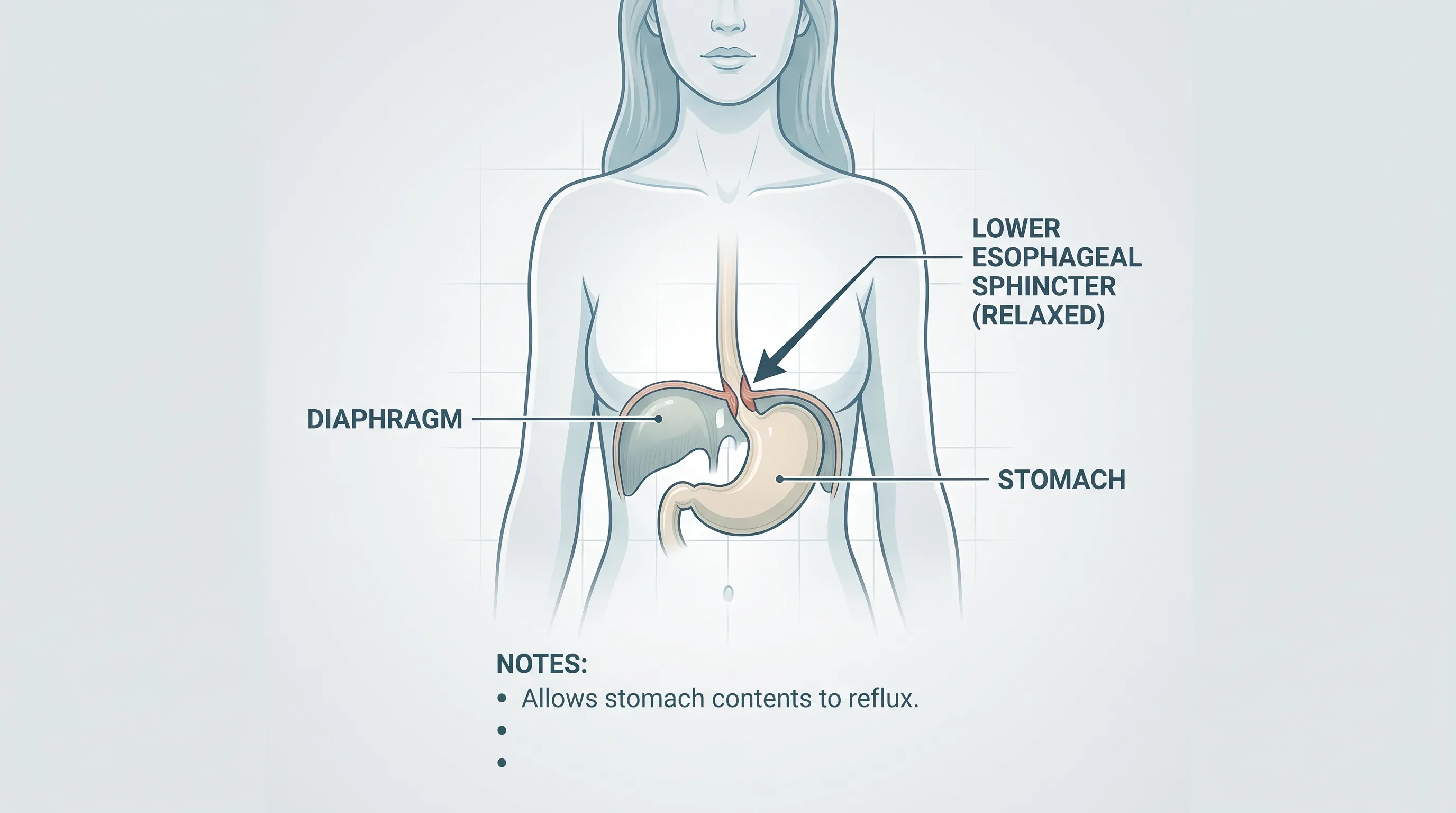
The relationship between reproductive hormones and gastrointestinal function is well-documented in gastroenterology literature. Progesterone specifically targets the lower esophageal sphincter (LES), the muscular valve that prevents stomach acid from refluxing into the esophagus. When the LES relaxes excessively, it can lead to silent reflux or micro-aspiration, both of which can irritate the vagus nerve. Vagal irritation is a primary catalyst for hiccup episodes. Furthermore, slowed intestinal transit time increases gas accumulation, which physically pushes upward against the diaphragm. Women who track are hiccups a sign of pregnancy often report that these spasms coincide with meal times, carbonated drink consumption, or periods of heightened stress, all of which amplify gastric distension. Understanding this cascade helps reframe hiccups not as a standalone diagnostic tool, but as a potential indicator of how the digestive system is adapting to early gestational hormones.
| Symptom Category | Classic Early Pregnancy Indicators | Less Common / Indirect Indicators | Clinical Relevance |
|---|---|---|---|
| Reproductive | Missed period, light spotting | Changes in cervical mucus | Highly reliable for tracking gestation |
| Gastrointestinal | Morning sickness, food aversions | Frequent burping, bloating, hiccups | Hormonally driven, varies significantly |
| Neurological | Fatigue, headaches | Heightened smell, metallic taste | Linked to estrogen and blood flow changes |
| Musculoskeletal | Mild pelvic cramping | Diaphragm irritation, mild back ache | Often overlooked, usually benign |
Fetal Movement vs. Maternal Hiccups
A common point of confusion arises later in gestation when women feel rhythmic twitching in the abdomen. It is crucial to distinguish maternal hiccups from fetal hiccups, as they serve entirely different physiological purposes. Maternal hiccups involve the adult diaphragm and vagal reflexes. Fetal hiccups, typically felt between 24 and 32 weeks, represent the developing baby practicing breathing mechanics. The fetus rhythmically contracts the diaphragm to strengthen respiratory muscles and regulate amniotic fluid swallowing. Maternal hiccups occur independently of fetal activity and are localized to the chest or upper abdomen rather than the lower uterine region. Recognizing this distinction prevents unnecessary anxiety and ensures appropriate symptom tracking throughout all trimesters.
When to Pay Attention to Hiccups in Pregnancy
While occasional hiccups are generally harmless and self-resolving, persistent or unusually severe episodes warrant clinical attention. The body communicates through symptoms, and understanding when a benign sign crosses into a potential complication is vital for maternal and fetal well-being.
Persistent or Painful Hiccups: Red Flags
Medical guidelines define chronic hiccups (persistent singultus) as episodes lasting more than 48 hours. When hiccups extend beyond this threshold, they can interfere with sleep, nutritional intake, and daily functioning. During pregnancy, prolonged spasms may indicate underlying gastrointestinal dysmotility, severe gastroesophageal reflux disease, electrolyte imbalances, or, rarely, diaphragmatic nerve compression. If hiccups are accompanied by chest pain, shortness of breath, vomiting, or significant weight loss, immediate consultation with a healthcare provider is necessary. Obstetricians will typically evaluate thyroid function, review medication safety, assess gallbladder health, and rule out hiatal hernias before determining the appropriate intervention pathway.
Differentiating from Gastroesophageal Reflux (GERD)
GERD is highly prevalent during pregnancy due to the combined effects of progesterone-induced LES relaxation and mechanical pressure from the growing uterus. While hiccups and heartburn share overlapping triggers, they present differently. Heartburn manifests as burning chest discomfort, sour regurgitation, and difficulty swallowing after meals or when lying down. Hiccups present as involuntary rhythmic contractions, often triggered by rapid eating or gas accumulation. However, silent reflux can stimulate vagal pathways without classic burning sensations, making hiccups an indirect marker of underlying acid dysregulation. Tracking meal timing, posture, and trigger foods helps clinicians determine whether antacids, dietary modification, or safe prescription medications are appropriate. Never self-medicate for persistent gastrointestinal symptoms without consulting your prenatal care provider, as some over-the-counter remedies contain ingredients that may not be suitable for early gestation.

Safe and Effective Relief Strategies for Expecting Mothers
Managing early pregnancy symptoms requires a careful balance of natural techniques, lifestyle modifications, and medical supervision. Since pharmacological interventions are often limited during the first trimester, evidence-based home strategies take precedence. The following methods are widely endorsed by obstetricians and gastroenterologists for safely interrupting hiccup episodes without compromising fetal development.
Home Remedies and Breathing Techniques
The most effective relief strategies target the vagus nerve and restore normal diaphragmatic rhythm. Sipping ice-cold water slowly is highly effective because the temperature shift stimulates the phrenic nerve and resets neural signaling. Gentle breath control exercises, such as inhaling for four seconds, holding for two, and exhaling for six, activate the parasympathetic nervous system and reduce diaphragmatic irritability. Another safe technique involves gently pressing the fingertips just below the ribcage to apply mild counterpressure on the diaphragm. Avoid aggressive breath-holding or sudden fright-based remedies, as these can elevate heart rate and blood pressure, which is counterproductive during pregnancy. Acupressure points, such as the LI4 (located on the back of the hand) or PC6 (on the inner wrist), have shown mild efficacy in clinical trials for reducing nausea and smooth muscle spasms, though results vary by individual.
Dietary Adjustments and Lifestyle Tweaks
Preventing hiccups often proves more effective than treating them after onset. Expecting mothers should adopt smaller, more frequent meals to avoid gastric distension. Chewing food thoroughly and eating slowly minimizes air swallowing. Eliminating carbonated beverages, spicy foods, and highly acidic items reduces LES irritation and gas production. Staying upright for at least thirty minutes after eating leverages gravity to aid digestion and prevent upward pressure on the diaphragm. Hydration remains critical, but fluids should be consumed between meals rather than during them to prevent stomach overfilling. Additionally, managing stress through gentle prenatal yoga, guided meditation, or walking helps regulate the autonomic nervous system, which directly influences diaphragmatic control. Consistency in daily routines, adequate sleep, and mindful posture all contribute to a more stable digestive and respiratory environment.
Recommendations and Medical Guidelines
Navigating pregnancy symptoms requires partnering with qualified healthcare professionals who can provide personalized guidance. General wellness advice must always be adapted to individual medical history, gestational age, and concurrent conditions. Obstetric care emphasizes proactive monitoring, symptom documentation, and evidence-based intervention.
Consulting Your OB-GYN or Midwife
When uncertain whether a symptom like frequent hiccups warrants clinical attention, scheduling a prenatal visit is the safest course of action. Healthcare providers will review your complete medical history, assess baseline gastrointestinal function, and determine whether additional testing is necessary. Routine blood work can evaluate thyroid function, liver enzymes, and electrolyte balance, all of which influence nerve and muscle function. Midwives and OB-GYNs are trained to differentiate between normal gestational adaptations and pathological presentations. Always bring a detailed symptom log, including onset times, duration, associated discomfort, dietary patterns, and relief methods attempted. This documentation accelerates diagnostic accuracy and ensures that recommendations align with your unique physiological profile.
Medication and Supplement Safety
During pregnancy, medication safety follows strict risk-benefit frameworks categorized by fetal development stages. Most conventional hiccup remedies, such as over-the-counter antacids containing calcium carbonate, are generally considered safe but should still be approved by a provider. Avoid herbal supplements like valerian root, peppermint oil in concentrated forms, or unregulated digestive blends, as their pharmacological effects on early fetal development are not adequately studied. If pharmacological intervention is required for severe refractory hiccups, clinicians may prescribe pregnancy-compatible options such as certain H2 blockers or proton pump inhibitors, carefully weighing maternal benefit against fetal risk. Never self-prescribe or discontinue prenatal vitamins without medical guidance, as nutrient deficiencies can exacerbate nerve and muscle dysfunction.
Frequently Asked Questions
Are hiccups a sign of pregnancy?
While not a primary diagnostic indicator, hiccups can occur more frequently during early gestation due to progesterone-driven smooth muscle relaxation, increased gastric bloating, and vagus nerve sensitivity. They should be interpreted alongside classic symptoms like missed periods, fatigue, and breast changes rather than in isolation.
Can early pregnancy hormones actually cause hiccups?
Yes. Elevated progesterone relaxes the lower esophageal sphincter and slows digestive motility. This combination increases stomach distension, gas accumulation, and micro-reflux, all of which can irritate the phrenic and vagus nerves, triggering involuntary diaphragmatic contractions commonly known as hiccups.
How long should pregnancy-related hiccups last?
Most episodes resolve within several minutes to an hour. If spasms persist beyond 48 hours, disrupt sleep or eating, or accompany chest pain, shortness of breath, or severe nausea, medical evaluation is necessary to rule out gastroesophageal complications or neurological irritation.
Are there any unsafe hiccup remedies to avoid during pregnancy?
Yes. Aggressive breath-holding techniques, unverified herbal tinctures, excessive caffeine consumption, and high-dose magnesium or vitamin B6 supplements should be avoided without clinical approval. These can elevate blood pressure, cause nutrient imbalances, or introduce untested compounds to early fetal development.
Should I take a pregnancy test if I experience hiccups with a missed period?
Yes. When hiccups coincide with a delayed menstrual cycle, it is reasonable to take a home pregnancy test after the first missed period. For optimal accuracy, use first-morning urine and follow up with quantitative hCG blood testing or a clinical ultrasound as recommended by your healthcare provider.
Conclusion
The question of whether are hiccups a sign of pregnancy ultimately bridges anecdotal experience with established physiological science. While they do not serve as definitive diagnostic markers, their increased frequency during early gestation reflects the profound impact of reproductive hormones on the nervous and digestive systems. Progesterone-driven smooth muscle relaxation, delayed gastric emptying, and heightened vagal sensitivity create an environment where the diaphragm becomes more susceptible to involuntary contractions. By understanding these mechanisms, expecting mothers can approach symptom tracking with greater clarity and reduced anxiety. Practical relief strategies, dietary mindfulness, and professional medical guidance form the foundation of safe symptom management throughout pregnancy. Always prioritize evidence-based information, maintain open communication with your prenatal care team, and remember that every gestational journey is unique. Whether you are navigating the delicate early weeks or preparing for later trimester changes, informed awareness remains your most valuable tool for supporting a healthy, balanced pregnancy.
For additional reading on early gestational changes, refer to clinical resources from the Mayo Clinic, the American College of Obstetricians and Gynecologists, and the National Health Service. Always consult your licensed healthcare provider before implementing new symptom management protocols or making significant lifestyle changes during pregnancy.
How we work
Researched and drafted with AI assistance, then reviewed by a human editor against the cited sources.
This article is general health information, not medical advice. Consult a qualified healthcare professional about your own situation.