Gum Swollen Around 1 Tooth: Causes, Relief, and When to See a Dentist

Waking up with a noticeable puffiness in your mouth can be an unsettling experience, particularly when the irritation seems isolated to a specific spot. You might find yourself running your tongue over the area, feeling a tender, raised bump that wasn't there before. This condition, commonly described as having a gum swollen around 1 tooth, is a frequent complaint in dental practices worldwide. While it may seem like a minor annoyance, localized gum swelling can be a signal from your body indicating underlying issues ranging from simple food impaction to more serious dental infections. Understanding the root cause is essential not only for immediate relief but also for preserving the long-term health of your teeth and supporting structures.
The mouth is a complex ecosystem teeming with bacteria, and the gums serve as the primary defense barrier protecting the roots of your teeth and the underlying bone. When this barrier is compromised, inflammation occurs as the body’s immune system attempts to fight off irritants or pathogens. Unlike generalized gingivitis, which affects the entire gum line, swelling confined to a single tooth suggests a localized trigger. This distinction is crucial because it narrows down the potential diagnoses and guides the appropriate treatment path. Ignoring these signs can lead to progressive damage, including bone loss, tooth mobility, and even systemic health complications if an infection spreads.
In this comprehensive guide, we will delve deep into the myriad reasons why you might experience a gum swollen around 1 tooth. We will explore common culprits such as dental abscesses, periodontal pockets, and physical trauma, while also providing evidence-based home remedies to manage symptoms. Furthermore, we will outline clear guidelines on when self-care is sufficient and when professional intervention is non-negotiable. By arming yourself with knowledge and practical strategies, you can take proactive steps to resolve the swelling and maintain optimal oral health.
Common Causes of Localized Gum Swelling
Identifying the precise cause of a gum swollen around 1 tooth is the first step toward effective treatment. While only a dentist can provide a definitive diagnosis through clinical examination and imaging, understanding the most common etiologies can help you assess the severity of your situation. The causes generally fall into three categories: infectious, traumatic, and obstructive.
Free calculatorHeadache Location ChartIdentify headache types by locationOpen the calculatorDental Abscesses and Infections
One of the most serious causes of localized gum swelling is a dental abscess. An abscess is a pocket of pus that forms due to a bacterial infection. There are two primary types relevant to gum swelling: periapical and periodontal abscesses. A periapical abscess originates at the tip of the tooth root, usually resulting from untreated tooth decay that has penetrated the enamel and dentin to reach the pulp. As the infection spreads out of the root tip, it can cause swelling in the adjacent gum tissue. On the other hand, a periodontal abscess occurs in the space between the tooth and the gum, often due to advanced gum disease where bacteria become trapped in a deep pocket Mayo Clinic.
Symptoms of an abscess often include intense, throbbing pain that may radiate to the jaw, neck, or ear. The gum may appear red, shiny, and swollen, and you might notice a small, pimple-like bump called a parulis on the surface. If left untreated, the infection can destroy the surrounding bone and lead to tooth loss. In rare cases, the infection can spread to other parts of the body, posing significant health risks. Therefore, if you suspect an abscess, it is critical to seek immediate dental care.
Food Impaction and Debris
A surprisingly common cause of a gum swollen around 1 tooth is simply trapped food. Pieces of popcorn hulls, meat fibers, or seed shells can easily become lodged beneath the gumline, particularly if there are existing gaps between teeth or receding gums. The body recognizes this foreign material as an irritant and initiates an inflammatory response, leading to localized swelling, redness, and tenderness. This type of swelling is often acute, meaning it appears suddenly after eating.
If the debris is not removed, it can lead to further complications. The trapped food provides a nutrient source for bacteria, accelerating plaque formation and potentially leading to a localized periodontal infection. Patients often report a feeling of pressure or fullness in the affected area. Fortunately, this cause is usually reversible with proper cleaning, but it requires diligence to ensure all particles are removed to allow the gum tissue to heal.
Trauma and Physical Irritation
Physical trauma to the gum tissue can also result in localized swelling. This can occur from aggressive brushing or flossing, where the bristles or floss snap into the gum sulcus, causing micro-tears and inflammation. Additionally, habits such as chewing on ice, pens, or fingernails can inflict direct injury to the gums surrounding a specific tooth. Orthodontic appliances, such as braces or retainers, can also rub against the gums, causing irritation and swelling in localized areas.
Another form of trauma is chemical irritation. Some individuals may have sensitivities to certain ingredients in toothpaste, mouthwash, or whitening products. If a product is applied unevenly or if a high concentration comes into contact with a specific area of the gum, it can cause a chemical burn or allergic reaction, manifesting as swelling and redness around one tooth. Identifying and eliminating the source of trauma is key to resolving this type of swelling.
Periodontal Disease and Gum Health
While generalized gingivitis affects the entire mouth, periodontal disease can sometimes present with localized symptoms, especially in its early to moderate stages. Understanding the role of gum disease in causing a gum swollen around 1 tooth is vital for long-term oral health management. According to the Centers for Disease Control and Prevention (CDC), nearly half of adults aged 30 years and older have some form of periodontal disease CDC.
Gingivitis vs. Periodontitis
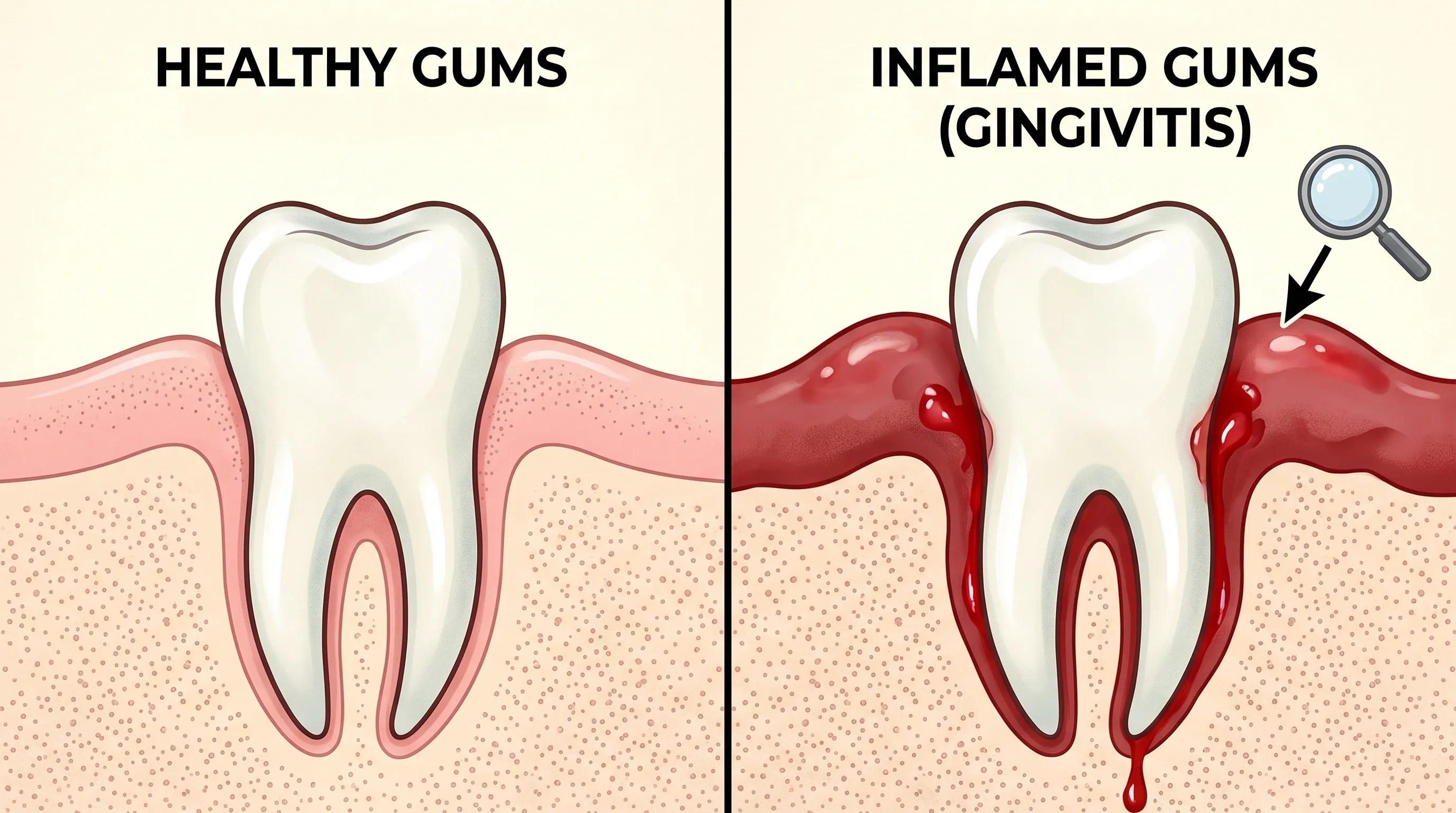
Gingivitis is the earliest stage of gum disease, characterized by inflammation of the gums due to plaque buildup. It is typically reversible with good oral hygiene. However, if left untreated, gingivitis can progress to periodontitis, a more severe form of gum disease that affects the supporting structures of the teeth, including the bone. In periodontitis, the inner layer of the gum and bone pull away from the teeth, forming pockets. These pockets collect debris and become infected, leading to localized swelling and bleeding.
It is possible to have periodontitis affecting only one area of the mouth while the rest of the gums remain relatively healthy. This can happen due to anatomical factors, such as crowded teeth that are difficult to clean, or local factors like a rough filling margin that traps plaque. If you notice persistent swelling around one tooth despite good overall oral hygiene, it may be a sign of localized periodontal disease that requires professional cleaning and possibly surgical intervention.
The Role of Plaque and Tartar
Plaque is a sticky film of bacteria that constantly forms on your teeth. If not removed regularly through brushing and flossing, it hardens into tartar (calculus), which cannot be removed by brushing alone. Tartar acts as a shield for bacteria, allowing them to thrive and produce toxins that irritate the gum tissue. When tartar builds up below the gumline around a specific tooth, it can cause chronic inflammation and swelling in that area.
Regular dental cleanings are essential to remove tartar and prevent the progression of gum disease. Your dentist or hygienist uses specialized tools to scale away tartar from above and below the gumline, smoothing the root surfaces to discourage further plaque accumulation. Without these professional interventions, the cycle of inflammation and tissue destruction continues, potentially leading to a gum swollen around 1 tooth that does not respond to home care.
Home Remedies and Self-Care Strategies
While professional dental care is often necessary to address the root cause of swelling, several home remedies can provide temporary relief and support the healing process. These strategies are designed to reduce inflammation, kill bacteria, and soothe irritated tissues. However, they should not replace professional treatment for serious conditions like abscesses.
Salt Water Rinses
One of the most effective and time-tested remedies for gum swelling is a warm salt water rinse. Salt is a natural disinfectant that helps draw out fluid from the tissues, reducing swelling and pain. It also creates an environment that is less hospitable to bacteria. To prepare a salt water rinse, dissolve half a teaspoon of salt in a cup of warm water. Swish the solution around your mouth for 30 seconds, focusing on the affected area, and then spit it out. Repeat this process two to three times a day until the swelling subsides.
This simple remedy is safe for most people and can be used alongside other treatments. It helps to cleanse the area of debris and bacteria, promoting a cleaner environment for healing. For those with a gum swollen around 1 tooth due to minor irritation or food impaction, salt water rinses can often resolve the issue within a few days.
Cold Compresses
Applying a cold compress to the outside of your cheek near the swollen area can help reduce inflammation and numb pain. The cold causes blood vessels to constrict, which limits blood flow to the area and reduces swelling. Wrap an ice pack or a bag of frozen peas in a thin towel and apply it to your cheek for 15 minutes at a time, with breaks in between. This method is particularly useful for swelling caused by trauma or acute inflammation.
Avoid applying ice directly to the skin to prevent frostbite. Also, do not use heat packs, as heat can increase blood flow and worsen swelling in the acute phase of inflammation. Cold therapy is a supportive measure and should be combined with other hygiene practices for best results.

Natural Anti-Inflammatories
Certain natural substances have anti-inflammatory and antimicrobial properties that can aid in reducing gum swelling. Turmeric, for example, contains curcumin, which has been shown to reduce inflammation and fight bacteria. You can make a paste by mixing turmeric powder with a little water and applying it to the swollen gum. Leave it on for a few minutes before rinsing. Similarly, aloe vera gel, known for its soothing properties, can be applied directly to the gums to reduce irritation and promote healing.
Tea tree oil is another potent antimicrobial agent. However, it must be used with caution as it can be irritating if undiluted. Mix a drop of tea tree oil with a carrier oil like coconut oil and apply it sparingly to the affected area. Always perform a patch test first to ensure you do not have an allergic reaction. While these remedies can be helpful, they are adjunctive therapies and should not be relied upon exclusively for treating infections.
Professional Dental Treatments
When home remedies fail to alleviate the swelling, or if the underlying cause is serious, professional dental intervention is required. Dentists have access to diagnostic tools and treatment modalities that are not available at home. Understanding what to expect during a dental visit can help alleviate anxiety and ensure you receive appropriate care.
Diagnosis and Examination
Upon visiting your dentist for a gum swollen around 1 tooth, the first step will be a thorough clinical examination. The dentist will inspect the gum tissue for signs of redness, swelling, pus, or recession. They will likely use a periodontal probe to measure the depth of the gum pockets around the affected tooth. Deep pockets indicate periodontal disease, while shallow pockets with swelling may suggest an acute issue like food impaction or trauma.
X-rays are often taken to visualize the bone structure and the roots of the tooth. Radiographs can reveal hidden decay, bone loss, or abscesses that are not visible to the naked eye. In some cases, a cone-beam CT scan may be recommended for a more detailed three-dimensional view of the area. This diagnostic phase is crucial for determining the exact cause of the swelling and formulating an effective treatment plan.
Scaling and Root Planing
If the swelling is due to periodontal disease, the dentist or hygienist will perform a deep cleaning procedure known as scaling and root planing. Scaling involves removing plaque and tartar from above and below the gumline. Root planing smooths the root surfaces to remove bacterial toxins and encourage the gum tissue to reattach to the tooth. This procedure is typically done under local anesthesia to ensure comfort.
Scaling and root planing can significantly reduce inflammation and swelling, allowing the gums to heal. In some cases, multiple visits may be required to treat all affected areas. Follow-up appointments are essential to monitor healing and ensure that the pockets are shrinking. Maintaining excellent oral hygiene at home is critical to the success of this treatment.
Drainage and Antibiotics
For a dental abscess, the primary treatment is drainage. The dentist will make a small incision in the swollen gum to allow the pus to escape, relieving pressure and pain. The area is then cleaned with a saline solution. In some cases, a root canal treatment may be necessary to remove the infected pulp from inside the tooth, followed by a crown to restore its function. If the tooth is severely damaged and cannot be saved, extraction may be the only option.
Antibiotics may be prescribed to help clear the infection, especially if it has spread beyond the immediate area or if the patient has a weakened immune system. However, antibiotics alone are not a cure for an abscess; the source of the infection must be physically removed or drained. Completing the full course of antibiotics as prescribed is vital to prevent recurrence and antibiotic resistance. More information on when antibiotics are appropriate can be found via the Cleveland Clinic.
Prevention and Long-Term Oral Hygiene
Preventing a gum swollen around 1 tooth requires a consistent and thorough oral hygiene routine. By adopting healthy habits, you can minimize the risk of gum disease, tooth decay, and other conditions that lead to swelling.
Proper Brushing and Flossing Techniques
Brushing twice a day with a fluoride toothpaste is fundamental. Use a soft-bristled toothbrush and gentle circular motions to clean all surfaces of the teeth and the gumline. Avoid scrubbing horizontally, as this can damage the enamel and irritate the gums. Electric toothbrushes can be more effective at removing plaque and are often recommended by dentists.
Flossing daily is equally important, as it removes plaque and food particles from between the teeth where a brush cannot reach. Use a gentle sawing motion to guide the floss between the teeth, then curve it around each tooth and slide it under the gumline. If traditional floss is difficult to use, consider water flossers or interdental brushes, which can be effective alternatives for cleaning tight spaces and around dental work.
Regular Dental Check-ups
Visiting your dentist every six months for routine check-ups and cleanings is essential for early detection and prevention of oral health issues. During these visits, your dentist can identify early signs of gum disease, decay, or other problems before they become severe. Professional cleanings remove tartar that cannot be removed at home, reducing the risk of inflammation and swelling.
If you have a history of gum disease or other risk factors, your dentist may recommend more frequent visits. Adhering to these recommendations can help maintain healthy gums and prevent the recurrence of localized swelling. Open communication with your dental team about any changes in your oral health is also crucial for timely intervention.
Lifestyle Factors
Lifestyle choices play a significant role in oral health. Smoking and tobacco use are major risk factors for gum disease, as they impair blood flow to the gums and weaken the immune system’s ability to fight infection. Quitting smoking can significantly improve gum health and reduce the risk of swelling and other complications.
Diet also impacts oral health. A balanced diet rich in vitamins and minerals, particularly vitamin C and calcium, supports healthy gums and teeth. Limiting sugary and acidic foods and drinks can reduce the risk of tooth decay and gum irritation. Staying hydrated helps wash away food particles and bacteria, keeping the mouth clean and moist.
Frequently Asked Questions
Why is my gum swollen around just one tooth?
Swelling localized to a single tooth is often caused by food debris trapped under the gumline, a dental abscess, periodontal disease affecting a specific pocket, or trauma from aggressive brushing or flossing. It can also indicate a cracked tooth or failing restoration. Identifying the specific cause requires a dental examination.
How can I reduce gum swelling at home quickly?
You can reduce swelling by rinsing with warm salt water several times a day, applying a cold compress to the outside of your cheek, using over-the-counter anti-inflammatory medication like ibuprofen, and ensuring the area is clean by gently flossing to remove any trapped debris. Consistency is key for these remedies to be effective.
Is a swollen gum around one tooth a sign of an abscess?
Yes, it can be. If the swelling is accompanied by throbbing pain, sensitivity to hot or cold, a bad taste in the mouth, or a pimple-like bump on the gum, it may indicate a dental abscess. This is a serious infection that requires immediate professional treatment to prevent the spread of bacteria to other parts of the body.
When should I see a dentist for swollen gums?
You should see a dentist if the swelling persists for more than a few days, is accompanied by severe pain, fever, difficulty swallowing or breathing, or if you notice pus discharge. Immediate care is necessary if you suspect an abscess or if the swelling interferes with daily activities such as eating or sleeping.
Can stress cause gum swelling around one tooth?
While stress itself does not directly cause localized swelling, it can weaken the immune system, making you more susceptible to infections like gingivitis or periodontal disease. Stress may also lead to teeth grinding (bruxism), which can traumatize the gums and supporting structures around specific teeth, leading to inflammation.
Conclusion
Experiencing a gum swollen around 1 tooth is a common yet concerning symptom that should not be ignored. Whether caused by a simple piece of trapped food, a traumatic injury, or a more serious infection like an abscess, the underlying issue requires attention to prevent further complications. By understanding the potential causes and recognizing the signs of serious conditions, you can take informed actions to protect your oral health.
Home remedies such as salt water rinses, cold compresses, and natural anti-inflammatories can provide temporary relief and support healing for minor issues. However, they are not substitutes for professional dental care. If the swelling persists, worsens, or is accompanied by severe pain or systemic symptoms, seeking prompt treatment from a dentist is crucial. Professional interventions like scaling, root planing, or drainage can effectively address the root cause and restore gum health.
Prevention remains the best strategy. Maintaining a rigorous oral hygiene routine, including proper brushing and flossing, attending regular dental check-ups, and adopting a healthy lifestyle, can significantly reduce the risk of gum swelling and other oral health problems. By prioritizing your oral health, you not only preserve your smile but also contribute to your overall well-being. Remember, your gums are the foundation of your teeth; caring for them ensures a lifetime of healthy smiles.
How we work
Researched and drafted with AI assistance, then reviewed by a human editor against the cited sources.
This article is general health information, not medical advice. Consult a qualified healthcare professional about your own situation.