Wisdom Teeth Removal Day 5: Recovery Milestones, Diet, and Healing Tips

Reaching wisdom teeth removal day 5 marks a significant turning point in your post-operative journey. For most patients, the initial shock of surgery has faded, the heavy fog of anesthesia is long gone, and the acute discomfort of the first 48 hours has begun to subside. However, this stage of recovery is often characterized by a unique set of challenges and questions. You might find yourself wondering if your healing progress is on track, why certain symptoms persist, or when you can finally return to your normal routine. Understanding what is typical during this specific window can alleviate anxiety and help you make informed decisions about your care.
The fifth day after extraction is rarely a milestone marked by complete freedom from symptoms, but it is certainly a phase where improvement becomes more noticeable. The body is actively working to repair the gum tissue and fill the empty sockets with granulation tissue, a crucial step in the healing process. While you may still experience some stiffness, mild swelling, or residual soreness, these symptoms should be manageable and gradually diminishing. It is a time when patience remains vital, but so does proactive self-care. Navigating wisdom teeth removal day 5 requires a balance between rest and gentle reintegration into daily activities, ensuring that you do not push your body too hard before it is ready.
Many patients report feeling a sense of frustration around this time. The urgency of the immediate post-op period has passed, but full recovery is still days or weeks away. This limbo state can lead to complacency, where individuals might inadvertently engage in behaviors that jeopardize their healing, such as eating foods that are too tough or neglecting oral hygiene because the pain is less severe. Conversely, some may become overly cautious, fearing any movement or sensation. This guide aims to provide a comprehensive roadmap for wisdom teeth removal day 5, offering evidence-based advice on diet, hygiene, pain management, and warning signs. By understanding the physiological changes occurring in your mouth and following best practices, you can optimize your recovery and minimize the risk of complications like dry socket or infection.
Understanding the Healing Process at Day 5
To appreciate what your body is going through on wisdom teeth removal day 5, it is helpful to understand the biological stages of wound healing in the oral cavity. The mouth is a highly vascular area, meaning it has a rich blood supply, which aids in rapid healing but also contributes to initial swelling and bleeding. By the fifth day, the inflammatory phase, which dominates the first 2-3 days, is transitioning into the proliferative phase. During this stage, the body focuses on rebuilding tissue and closing the wound.
Free calculatorWater Intake CalculatorCalculate daily water needsOpen the calculatorThe Role of Granulation Tissue
One of the most critical developments occurring around wisdom teeth removal day 5 is the formation of granulation tissue. This creamy white or yellowish tissue often appears in the extraction socket and can be mistaken for pus or infection by anxious patients. However, granulation tissue is a positive sign of healing. It consists of new blood vessels and connective tissue that serve as a scaffold for new gum tissue to grow over the socket. Disturbing this delicate tissue by poking it with your tongue, using straws, or aggressive rinsing can delay healing and increase the risk of dry socket. Therefore, recognizing and protecting this tissue is paramount.
Swelling and Bruising Trajectory
Swelling typically peaks between 48 and 72 hours post-surgery. By wisdom teeth removal day 5, you should notice a gradual reduction in facial swelling. However, it is not uncommon for some residual puffiness to persist, particularly if the extraction was complex or involved impacted teeth. Bruising, which may have appeared on days 3 or 4, might now be changing colors from purple to green or yellow as the body reabsorbs the blood under the skin. This discoloration is a normal part of the healing process and will fade over the next week. If swelling suddenly increases after day 5, it could indicate an infection or hematoma, warranting immediate professional evaluation.
Jaw Stiffness and Trismus
Trismus, or lockjaw, is a common side effect of wisdom tooth extraction due to inflammation of the muscles used for chewing. On wisdom teeth removal day 5, you may still experience limited mouth opening or stiffness when trying to yawn or chew. This is caused by muscle spasms and inflammation in the temporomandibular joint (TMJ) area. Gentle stretching exercises, warm compresses, and anti-inflammatory medications can help alleviate this stiffness. It is important not to force your jaw open, as this can strain the healing tissues. Instead, allow the range of motion to return gradually as the inflammation subsides.
Dietary Guidelines for Day 5 Recovery
Nutrition plays a pivotal role in healing, and your diet on wisdom teeth removal day 5 should reflect the transitional nature of this recovery stage. While you are likely eager to return to your regular eating habits, introducing solid foods too quickly can cause pain, bleeding, or damage to the extraction sites. The goal is to consume nutrient-dense foods that require minimal chewing while avoiding particles that can get trapped in the sockets.
Transitioning from Liquid to Soft Solids
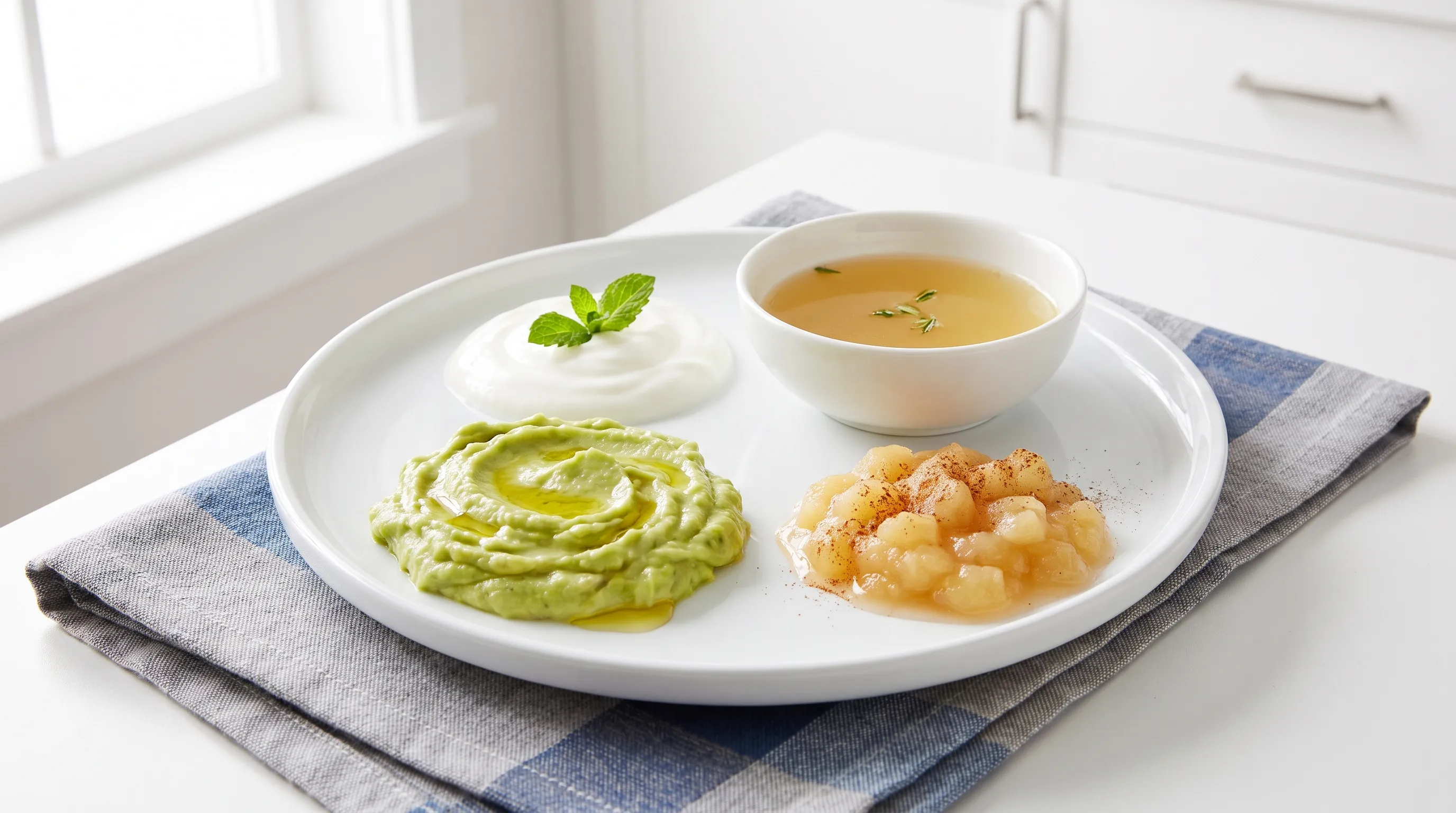
By day 5, most patients can move beyond a strictly liquid diet. You can introduce semi-soft foods that are easy to mash with a fork. Excellent options include scrambled eggs, well-cooked pasta, flaky fish, steamed vegetables, and soft fruits like bananas or avocados. These foods provide essential proteins, vitamins, and minerals needed for tissue repair without requiring vigorous chewing. It is crucial to cut food into small pieces and chew slowly, using the teeth farthest from the extraction sites if possible.
Foods to Avoid
Even though you may feel better, certain foods remain off-limits on wisdom teeth removal day 5. Hard, crunchy, or chewy foods such as nuts, chips, popcorn, steak, and crusty bread can dislodge the blood clot or irritate the healing gums. Additionally, avoid small grains like rice or quinoa, as these tiny particles can easily become lodged in the extraction sockets, leading to infection or bad breath. Spicy and acidic foods should also be consumed with caution, as they can sting the sensitive tissue and cause discomfort.
| Food Category | Recommended Options | Foods to Avoid |
|---|---|---|
| Proteins | Scrambled eggs, tofu, flaky fish, Greek yogurt | Steak, chicken breast, nuts, jerky |
| Carbohydrates | Mashed potatoes, oatmeal, well-cooked pasta, bread without crust | Rice, quinoa, chips, crackers, toast |
| Fruits & Veggies | Applesauce, bananas, avocado, steamed carrots | Raw apples, corn, leafy greens, berries with seeds |
| Dairy | Yogurt, pudding, milk, smooth cheese | Hard cheeses, ice cream with chunks |
Hydration and Temperature Considerations
Staying hydrated is essential for overall health and healing. On wisdom teeth removal day 5, continue to drink plenty of water. However, avoid using straws, as the suction can dislodge the blood clot. Drink directly from a cup or use a spoon. Temperature-wise, you can now tolerate lukewarm or room-temperature foods and beverages. Extremely hot items should still be avoided as they can increase blood flow to the area and potentially cause bleeding or irritation. Cold foods like ice cream or smoothies can still be soothing if you experience any residual swelling or discomfort.
Pain Management and Medication Protocols
Pain management on wisdom teeth removal day 5 typically involves a shift from prescription-strength opioids to over-the-counter anti-inflammatories. By this stage, the acute surgical pain should have diminished significantly. If you are still relying heavily on strong painkillers, it may be worth discussing with your surgeon to ensure there are no underlying complications.
Over-the-Counter Options
Non-steroidal anti-inflammatory drugs (NSAIDs) like ibuprofen are highly effective for managing residual pain and swelling. They work by reducing inflammation at the source, providing both pain relief and therapeutic benefits for healing. Acetaminophen can be used in conjunction with ibuprofen for added pain control, as they work through different mechanisms. Always follow the dosage instructions on the label or those provided by your healthcare provider. Taking these medications with food can help prevent stomach upset.
When to Use Prescription Medication
If your surgeon prescribed antibiotics, it is crucial to complete the full course, even if you feel better on wisdom teeth removal day 5. Stopping antibiotics early can lead to antibiotic-resistant bacteria and recurrent infection. Similarly, if you were prescribed stronger pain medication, use it only as needed for breakthrough pain. Relying on opioids for mild discomfort can lead to unnecessary side effects like constipation, drowsiness, and dependency. Try to taper off prescription painkillers as soon as your pain level allows.

Natural Pain Relief Techniques
In addition to medication, several natural techniques can help manage discomfort on wisdom teeth removal day 5. Applying a warm compress to the outside of your cheek can help relax stiff jaw muscles and improve blood circulation, promoting healing. Salt water rinses, as mentioned earlier, not only keep the area clean but also have mild anti-inflammatory properties. Rest and elevation of the head while sleeping can also reduce throbbing pain by minimizing blood pressure in the head and neck region.
Oral Hygiene Best Practices
Maintaining oral hygiene is critical to preventing infection and ensuring proper healing on wisdom teeth removal day 5. However, the approach must be gentle to avoid disturbing the extraction sites. Many patients neglect brushing or rinsing due to fear of pain, but this can lead to plaque buildup and bacterial growth, increasing the risk of complications.
Salt Water Rinses
Continue to perform gentle salt water rinses after every meal and before bed. Mix one teaspoon of salt in a cup of warm water and swish it gently around your mouth. Do not gargle vigorously; instead, let the solution bathe the extraction sites passively. This helps remove food debris and bacteria without creating suction or pressure. Salt water also promotes healing by creating an environment that is less hospitable to harmful bacteria.
Brushing Techniques
You can resume brushing your teeth on wisdom teeth removal day 5, but exercise extreme caution near the surgical sites. Use a soft-bristled toothbrush and brush gently, avoiding the extraction sockets entirely. Focus on cleaning the chewing surfaces and fronts of the teeth away from the wounds. If you have stitches, be careful not to snag them with the bristles. Electric toothbrushes should still be avoided near the surgical area, as the vibrations can be too intense for the healing tissue.
Avoiding Mouthwashes with Alcohol
Commercial mouthwashes containing alcohol should be avoided during the initial recovery period. Alcohol can dry out the oral tissues and irritate the extraction sites, delaying healing. If you feel the need for a fresher breath, stick to salt water rinses or ask your dentist for an alcohol-free antimicrobial rinse. Chlorhexidine gluconate rinses, if prescribed, should be used as directed, typically twice a day, to reduce bacterial load without causing irritation.
Recognizing Complications and Warning Signs
While wisdom teeth removal day 5 is generally a period of steady improvement, it is essential to remain vigilant for signs of complications. Early detection of issues like dry socket, infection, or excessive bleeding can prevent more serious problems and ensure a smoother recovery.
Dry Socket (Alveolar Osteitis)
Dry socket occurs when the blood clot in the extraction site is dislodged or dissolves prematurely, exposing the underlying bone and nerves. Although the risk is highest in the first 3-4 days, it can still occur on wisdom teeth removal day 5, especially if you have been smoking, using straws, or engaging in vigorous physical activity. Symptoms include severe, throbbing pain that radiates to the ear, an empty-looking socket, and bad breath or taste. If you suspect dry socket, contact your oral surgeon immediately for treatment, which typically involves cleaning the socket and placing a medicated dressing.
Infection Signs
Infection is another potential complication to watch for. Signs include increasing swelling after day 5, fever, pus discharge from the socket, and persistent bad taste or odor. While some white tissue (granulation) is normal, yellow or green pus is not. If you experience these symptoms, you may need a course of antibiotics or further intervention. Do not ignore these signs, as untreated infections can spread and become serious.
Excessive Bleeding
Minor oozing or pink-tinged saliva is normal for several days after surgery. However, active bleeding that does not stop with gentle pressure is a cause for concern. If you experience heavy bleeding on wisdom teeth removal day 5, place a clean gauze pad or moist tea bag over the site and bite down firmly for 30-45 minutes. If the bleeding persists, contact your surgeon or seek emergency care. Avoid spitting or rinsing vigorously, as this can exacerbate bleeding.
Returning to Normal Activities
As you navigate wisdom teeth removal day 5, you may be eager to return to work, school, or social activities. While many people feel well enough to resume light duties by this time, it is important to listen to your body and avoid overexertion. Gradual reintroduction of activities helps prevent setbacks in your recovery.
Work and School
Most patients can return to sedentary work or school by day 5, provided they feel comfortable and are not experiencing significant pain or dizziness. If your job involves physical labor or heavy lifting, you may need to wait longer or request modified duties. Communicate with your employer or teachers about your condition, and take breaks as needed to rest and manage discomfort. Keeping your head elevated and staying hydrated can help you maintain energy levels throughout the day.
Exercise and Physical Activity
Light exercise, such as walking, is generally safe on wisdom teeth removal day 5 and can even promote circulation and healing. However, avoid high-intensity workouts, weightlifting, or activities that involve bending over or straining. These activities can increase blood pressure in the head and neck, leading to swelling, bleeding, or throbbing pain. Wait until your surgeon gives you the all-clear before resuming your full exercise routine, which is typically around 7-10 days post-op.
Social Interactions and Sleep
Socializing is fine, but avoid environments with loud noise or excessive talking if it causes jaw fatigue. Get plenty of rest, as sleep is crucial for healing. Continue to sleep with your head elevated on extra pillows to reduce swelling and prevent fluid accumulation in the face. Avoid sleeping on your stomach or side if it puts pressure on the extraction sites. Maintaining a consistent sleep schedule can help regulate your body's healing processes and improve your overall well-being.
Frequently Asked Questions
Is it normal to still have swelling on wisdom teeth removal day 5?
Yes, some residual swelling is normal on day 5. While peak swelling typically occurs between days 2 and 3, it can take up to a week or more to fully subside. If swelling suddenly increases after day 5 or is accompanied by fever, contact your surgeon.
Can I eat solid foods on wisdom teeth removal day 5?
By day 5, many patients can transition to semi-soft foods like scrambled eggs, pasta, or tender fish. However, you should still avoid hard, crunchy, or chewy foods that require significant jaw movement or could get stuck in the extraction sites.
When should I be concerned about pain on day 5 after wisdom teeth removal?
Pain should be gradually decreasing by day 5. If you experience a sudden spike in pain, especially if it radiates to your ear or is not relieved by medication, it could indicate dry socket or infection. Contact your oral surgeon immediately.
How should I clean my mouth on wisdom teeth removal day 5?
Continue gentle salt water rinses after meals to keep the area clean. You can usually resume gentle brushing of other teeth, but avoid brushing directly over the extraction sites. Do not use electric toothbrushes near the surgical area yet.
Can I exercise on wisdom teeth removal day 5?
Light activity like walking is generally acceptable on day 5 if you feel up to it. However, avoid strenuous exercise, heavy lifting, or activities that increase blood pressure significantly, as this can disrupt healing or cause bleeding.
Conclusion
Navigating wisdom teeth removal day 5 is a pivotal moment in your recovery journey. It is a time when the acute phase of healing has passed, and your body is actively rebuilding tissue and restoring function. By understanding the normal progression of symptoms, adhering to dietary guidelines, maintaining proper oral hygiene, and recognizing warning signs, you can ensure a smooth and complication-free recovery. Remember that healing is a individual process, and what works for one person may differ for another. Always prioritize your comfort and consult your oral surgeon if you have any concerns or questions. With patience and care, you will soon be back to enjoying your favorite foods and activities without restriction. Stay hydrated, rest well, and celebrate the progress you have made so far.
For more detailed information on post-operative care, you can refer to resources from the American Association of Oral and Maxillofacial Surgeons or the Mayo Clinic. These authoritative sources provide additional insights and guidelines to support your healing process.
How we work
Researched and drafted with AI assistance, then reviewed by a human editor against the cited sources.
This article is general health information, not medical advice. Consult a qualified healthcare professional about your own situation.