Why Do My Balls Hurt After Sex? Causes, Relief, and What to Know

Experiencing discomfort in the scrotum following sexual activity can be both physically unsettling and emotionally distressing. While many men occasionally notice a dull ache or lingering heaviness after intimacy, understanding the underlying mechanisms is essential for effective management and long-term wellness. When balls hurt after sex, the discomfort often stems from temporary physiological shifts, muscular fatigue, or underlying urological conditions that require professional attention. Recognizing the difference between benign postcoital strain and symptoms that signal a more serious medical issue empowers individuals to make informed decisions about their reproductive health. This comprehensive guide explores the anatomical, physiological, and clinical factors contributing to testicular pain, alongside evidence-based relief strategies, diagnostic pathways, and preventative measures designed to support sustainable sexual wellness.
Understanding the Anatomy Behind Postcoital Discomfort
The male reproductive and pelvic systems undergo profound physiological changes during sexual arousal, climax, and recovery. Comprehending how blood flow, nerve signaling, and muscular activity interact during these phases provides crucial context for why balls hurt after sex. The scrotum houses the testes, epididymides, vas deferens, and an intricate network of blood vessels and lymphatic channels. During arousal, arterial blood flow increases significantly to facilitate erection and testicular engorgement. Simultaneously, the cremasteric and dartos muscles contract to elevate and tighten the scrotum, optimizing temperature regulation and protecting delicate tissues from mechanical friction.
Free calculatorBMI CalculatorCalculate Body Mass IndexOpen the calculatorHow Blood Flow and Vascular Dynamics Shift During Intimacy
Sexual activity triggers a complex neurovascular response that redirects a substantial volume of blood toward the pelvic region and external genitalia. As arousal intensifies, the internal pudendal arteries dilate, allowing oxygen-rich blood to flood the corpora cavernosa and scrotal tissues. Following ejaculation, parasympathetic nervous system activation initiates the detumescence process, gradually constricting arteries and facilitating venous drainage. When this physiological transition is disrupted, prolonged congestion can occur, leading to a heavy, aching sensation. Men who frequently engage in extended sexual sessions without climax, or those with compromised vascular elasticity, are particularly susceptible to delayed blood clearance, which directly explains why balls hurt after sex in certain clinical scenarios.
The Role of Pelvic Floor Muscles and Nerve Signaling
Beneath the reproductive organs lies the pelvic floor, a muscular hammock that supports bowel, bladder, and sexual function. During intercourse and orgasm, these muscles contract rhythmically to propel semen and stabilize the pelvic girdle. Over time, repetitive contraction without adequate relaxation can lead to chronic tension, referred pain, and localized inflammation. The pudendal nerve, which supplies sensation to the perineum, scrotum, and genitalia, becomes hypersensitive when surrounding tissues are fatigued or compressed. This neurological feedback loop often manifests as lingering soreness, tingling, or radiating discomfort along the inner thighs and lower abdomen. Addressing muscular imbalances through targeted relaxation protocols is a cornerstone of modern urological rehabilitation.
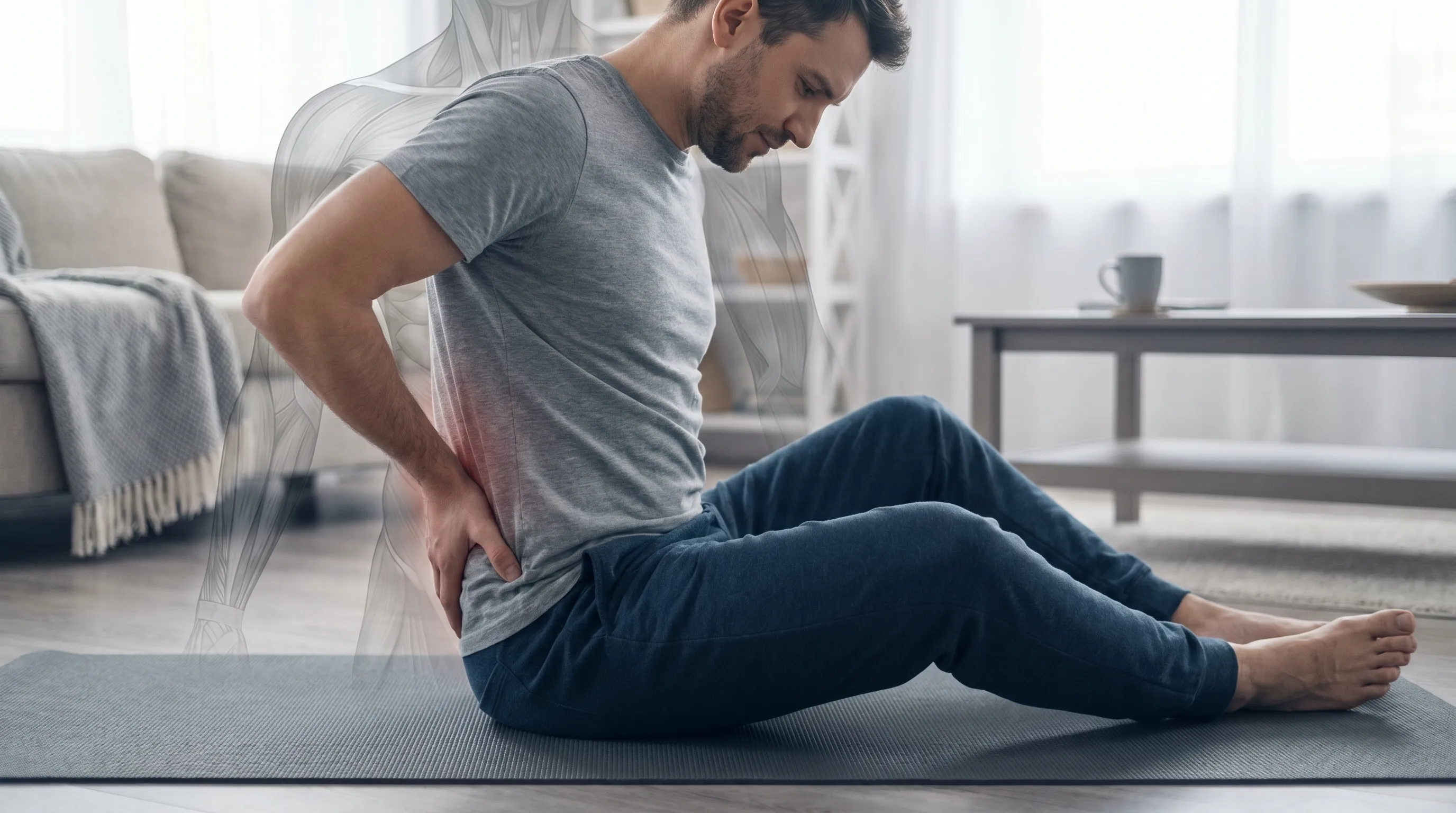
Primary Causes of Testicular Pain After Sexual Activity
Identifying the specific etiology behind postcoital scrotal discomfort is essential for selecting appropriate interventions. Medical literature categorizes these causes into physiological, musculoskeletal, and pathological domains. While many instances resolve spontaneously with conservative care, understanding the root mechanism ensures that men receive timely, targeted treatment when necessary.
Epididymal Congestion and Vascular Pressure
Epididymal hypertension, colloquially referred to as blue balls, occurs when prolonged sexual arousal is not followed by ejaculation. The epididymis, a coiled tube responsible for sperm maturation and storage, becomes engorged with blood and seminal fluid. Without release, hydrostatic pressure builds within the confined scrotal space, triggering nociceptors that transmit aching or cramping signals to the central nervous system. Research published in urology journals confirms that this temporary vascular stasis typically dissipates within hours as blood flow normalizes. However, recurrent episodes may indicate autonomic dysregulation or pelvic circulatory inefficiency.
Muscle Fatigue, Strain, and Pelvic Tension
The physical exertion involved in sexual intercourse engages the hip flexors, adductors, lower back, and pelvic stabilizers. When these muscle groups operate beyond their endurance threshold, microtears and lactic acid accumulation occur, mimicking or exacerbating scrotal soreness. Additionally, prolonged thrusting or maintaining static, awkward positions places abnormal tensile forces on the spermatic cord and gubernaculum ligaments. Men with sedentary lifestyles or pre-existing postural imbalances often lack the core stability required to distribute mechanical stress evenly, resulting in localized trauma that directly explains why balls hurt after sex in physically demanding encounters.
Underlying Medical Conditions to Consider
While transient discomfort is common, persistent or escalating pain may reflect systemic urological or gastrointestinal disorders. Clinical guidelines emphasize ruling out pathological conditions before attributing symptoms solely to physiological strain.
Infections, Inflammation, and Chronic Prostatitis
Bacterial, viral, or sexually transmitted pathogens can infiltrate the epididymis, vas deferens, or prostate gland, triggering inflammatory cascades that persist beyond intercourse. Epididymitis and orchitis often present with unilateral swelling, warmth, and dysuria, but early stages may only manifest as mild postcoital aching. Chronic pelvic pain syndrome (CPPS) and nonbacterial prostatitis represent complex inflammatory conditions where immune dysregulation and nerve sensitization create a persistent pain loop, as extensively documented by the National Institute of Diabetes and Digestive and Kidney Diseases. The American Urological Association recommends urinalysis, culture testing, and prostate fluid analysis when symptoms recur frequently or coincide with urinary frequency, urgency, or hematuria, aligning with Mayo Clinic diagnostic protocols.
Structural Anomalies, Varicoceles, and Inguinal Hernias
Anatomical variations significantly influence scrotal comfort during and after physical activity. Varicoceles, characterized by dilated testicular veins, impair venous return and increase scrotal temperature, leading to oxidative stress and dull aching. Symptoms often worsen with exertion or prolonged standing, including sexual intercourse. Similarly, indirect inguinal hernias allow abdominal contents to protrude near the spermatic cord, creating tension during pelvic muscle engagement. Physical examination and Doppler ultrasound remain gold-standard diagnostic tools for identifying these structural contributors, ensuring that surgical or conservative management aligns with individual anatomical findings.
How to Recognize Warning Signs and When to Seek Care
Distinguishing between self-limiting discomfort and acute medical emergencies requires careful symptom monitoring. Understanding red flags empowers individuals to act decisively, preventing complications that could compromise fertility or long-term reproductive function.
Acute Versus Chronic Pain Differentiation
Acute testicular pain is typically sudden, intense, and localized, often accompanied by visible swelling, erythema, or positional tenderness. Conditions such as testicular torsion require immediate surgical intervention to prevent ischemic necrosis, as blood supply can be compromised within four to six hours according to Mayo Clinic emergency guidelines. Conversely, chronic discomfort develops gradually, fluctuates in intensity, and correlates with activity patterns, stress levels, or dietary triggers. Keeping a detailed symptom journal documenting onset, duration, intensity, and associated factors assists clinicians in narrowing diagnostic pathways and tailoring therapeutic interventions.
Red Flags Requiring Immediate Medical Intervention
Men should seek emergency care if pain is severe and unrelenting, radiates to the lower back or abdomen, or coincides with fever, chills, nausea, or vomiting. Additional warning signs include palpable masses, asymmetrical testicular enlargement, sudden heaviness, or urinary retention. Delaying evaluation for these symptoms increases the risk of irreversible tissue damage, infertility, or systemic infection. Prompt imaging, laboratory testing, and specialist consultation ensure accurate diagnosis and appropriate management timelines.
Medical Evaluation and Diagnostic Pathways
A thorough clinical assessment integrates patient history, physical examination, and diagnostic imaging to identify the precise etiology of postcoital scrotal discomfort. Modern urological protocols prioritize minimally invasive testing while maintaining high diagnostic accuracy.
Clinical Assessments and Imaging Modalities
During a urological consultation, physicians perform a meticulous scrotal palpation to assess testicular consistency, epididymal enlargement, varicocele presence, and hernia protrusion. The cremasteric reflex is routinely evaluated to screen for neurological integrity. Transrectal or scrotal ultrasound provides real-time visualization of vascular flow, tissue density, and structural anomalies. Color Doppler imaging specifically evaluates arterial perfusion and venous drainage patterns, distinguishing between congestive phenomena and obstructive pathologies. Magnetic resonance imaging (MRI) may be utilized when complex pelvic anatomy or suspected nerve entrapment requires higher-resolution mapping.
Laboratory Testing and Urinalysis Protocols
Biochemical analysis remains essential for identifying infectious or inflammatory drivers. Standard urinalysis screens for leukocytes, nitrites, hematuria, and proteinuria, while urethral swabs or first-void urine cultures detect sexually transmitted pathogens. Prostate-specific antigen (PSA) testing and inflammatory markers such as C-reactive protein (CRP) or erythrocyte sedimentation rate (ESR) provide additional insight into systemic immune responses. Comprehensive metabolic panels help rule out endocrine imbalances or renal dysfunction that could indirectly influence pelvic vasculature and tissue health.
Evidence-Based Treatment Strategies
Effective management of postcoital testicular discomfort requires a multifaceted approach that addresses physiological congestion, muscular tension, and underlying pathologies. Treatment protocols are stratified based on symptom severity, duration, and diagnostic findings.
Pharmacological and Therapeutic Interventions
When inflammation or infection is confirmed, targeted antibiotic regimens aligned with CDC treatment guidelines are prescribed. Nonsteroidal anti-inflammatory drugs (NSAIDs) such as ibuprofen or naproxen effectively reduce prostaglandin-mediated pain and vascular permeability. Alpha-blockers may be recommended for men experiencing concurrent lower urinary tract symptoms or pelvic floor hypertonicity. Physical therapy interventions, including myofascial release, trigger point therapy, and biofeedback training, restore neuromuscular coordination and alleviate chronic tension. For structural abnormalities like symptomatic varicoceles or hernias, microsurgical ligation or minimally invasive repair procedures restore anatomical integrity and improve venous hemodynamics.
At-Home Relief and Conservative Management
Immediate symptom mitigation relies on accessible, low-risk interventions. Cold compresses applied intermittently for ten to fifteen minutes reduce localized inflammation and vascular engorgement. Supportive underwear minimizes gravitational strain and stabilizes the spermatic cord during daily movement. Gentle stretching routines targeting the hips, hamstrings, and lower back improve fascial mobility and prevent compensatory tension. Adequate hydration supports lymphatic drainage and maintains tissue elasticity, while magnesium supplementation aids in smooth muscle relaxation and nerve conduction regulation. Men should avoid prolonged heat exposure, tight clothing, and aggressive physical exertion during the acute recovery phase.
Proactive Prevention and Long-Term Sexual Wellness
Sustained reproductive comfort hinges on consistent lifestyle modifications, mindful intimacy practices, and routine health monitoring. Implementing preventative strategies reduces recurrence rates and optimizes overall pelvic function.
Optimizing Intimacy and Recovery Protocols
Pacing sexual activity, incorporating extended foreplay, and ensuring complete ejaculatory release when appropriate prevents vascular stagnation and muscular overload. Communicating openly with partners about comfort levels, preferred positions, and recovery intervals fosters mutual understanding and reduces performance-related tension. Integrating post-intimacy relaxation techniques such as diaphragmatic breathing, progressive muscle relaxation, or guided meditation accelerates parasympathetic recovery and restores homeostatic balance.
Long-Term Lifestyle Adjustments and Health Maintenance
Regular cardiovascular exercise enhances systemic circulation and pelvic vascular resilience. Strength training focusing on core stabilization and pelvic alignment prevents mechanical stress transfer to the scrotal region. Maintaining a balanced diet rich in antioxidants, omega-3 fatty acids, and zinc supports testicular endocrine function and reduces oxidative stress. Routine urological screenings, annual physical examinations, and prompt evaluation of emerging symptoms ensure early intervention and long-term reproductive vitality. Men experiencing recurrent episodes where balls hurt after sex should maintain detailed symptom logs and collaborate with healthcare providers to refine personalized management plans.
| Condition Category | Primary Mechanism | Typical Symptoms | Recommended First-Line Management |
|---|---|---|---|
| Epididymal Congestion | Prolonged arousal without ejaculation, vascular stasis | Dull ache, scrotal heaviness, resolves within 24 hours | Rest, hydration, supportive underwear, gradual cooling |
| Pelvic Muscle Strain | Repetitive contraction, poor posture, fatigue | Radiating soreness, tightness, worsens with movement | Stretching, heat therapy, pelvic floor relaxation, NSAIDs |
| Epididymitis/Orchitis | Bacterial/viral infection, immune response | Localized swelling, warmth, dysuria, fever | Targeted antibiotics, anti-inflammatories, scrotal elevation |
| Varicocele/Hernia | Venous insufficiency, anatomical protrusion | Heavy dragging sensation, visible veins, exertional pain | Compression garments, surgical consultation, activity modification |
| Chronic Pelvic Pain | Neuromuscular dysfunction, central sensitization | Persistent aching, urinary frequency, stress correlation | Physical therapy, alpha-blockers, biofeedback, lifestyle changes |
Frequently Asked Questions
How long does testicular pain after sex typically last?
Mild discomfort from epididymal congestion or pelvic muscle fatigue usually resolves within a few hours to 24 hours with rest, hydration, and supportive care. Persistent pain lasting longer than 48 hours warrants medical evaluation per urological symptom guidelines.
Is it normal to experience scrotal pain every time after intercourse?
Occasional mild aching can be normal due to prolonged arousal without ejaculation, but consistent or severe pain is not. Recurrent discomfort may indicate pelvic floor dysfunction, chronic inflammation, or underlying anatomical issues requiring clinical assessment.
Can pelvic floor exercises help relieve post-sex testicular discomfort?
Yes. Targeted pelvic floor relaxation techniques, such as reverse Kegels and diaphragmatic breathing, can significantly reduce muscle tension and improve blood flow, preventing strain-related testicular pain. Physical therapists specializing in male pelvic health can design personalized routines.
When should I see a doctor about balls hurting after sex?
Seek immediate medical attention if pain is sudden, severe, or accompanied by swelling, redness, fever, nausea, or urinary symptoms. Chronic or worsening discomfort over several weeks should also prompt a urological consultation to rule out infections, hernias, or vascular conditions.
Are there specific lubricants or positions that reduce testicular strain?
Using high-quality, water-based or silicone-based lubricants reduces friction and mechanical stress. Positions that avoid prolonged tension or awkward pelvic angles can minimize scrotal compression. Experimenting with slower pacing and incorporating warm-up stretches can also improve comfort.
Conclusion
Navigating the complex intersection of sexual activity, pelvic physiology, and reproductive comfort requires a foundation of medical literacy, proactive self-care, and timely professional guidance. When balls hurt after sex, the underlying cause typically falls within a spectrum ranging from transient vascular congestion and muscular fatigue to chronic inflammatory or structural conditions. By understanding anatomical responses, recognizing warning signs, and implementing evidence-based relief strategies, men can effectively manage discomfort while preserving long-term sexual wellness. Prioritizing hydration, optimizing intimacy practices, engaging in pelvic rehabilitation, and maintaining routine urological screenings form the cornerstone of sustainable reproductive health. Open communication with healthcare providers ensures that personalized interventions align with individual physiological needs, ultimately fostering confidence, comfort, and enduring vitality in both intimate relationships and everyday life. Men experiencing persistent symptoms should never hesitate to seek specialized care, as early diagnosis remains the most effective pathway to lasting relief and optimal pelvic function.
How we work
Researched and drafted with AI assistance, then reviewed by a human editor against the cited sources.
This article is general health information, not medical advice. Consult a qualified healthcare professional about your own situation.