Understanding Why My Nose Is So Itchy: Causes, Relief & Prevention

That relentless, nagging sensation deep inside your nostrils is more than just a minor annoyance. When you find yourself asking why my nose is so itchy, you are experiencing a complex interplay of neurological signals, immune responses, and environmental exposures. The nasal cavity is lined with a highly sensitive mucous membrane packed with thousands of nerve endings, particularly branches of the trigeminal nerve, which detect touch, temperature, and chemical irritants. When these nerve fibers become hyperactive or inflamed, the brain interprets the stimulation as an intense urge to rub or sneeze. While occasional nasal itching is a normal physiological response to dust, pollen, or dry air, chronic or severe itching often signals an underlying medical trigger that requires targeted intervention. Understanding the precise mechanisms behind this symptom is the first step toward lasting relief.
This comprehensive guide explores the anatomical, medical, and lifestyle factors that contribute to persistent nasal irritation. We will examine evidence-based treatment protocols, differentiate between benign environmental triggers and conditions requiring professional evaluation, and provide actionable strategies to soothe inflamed nasal tissue safely. Whether your discomfort stems from seasonal allergies, overuse of nasal products, or an unrecognized dermatological condition, the following sections will equip you with clinically sound information to restore comfort and respiratory health.
Understanding the Anatomy and Physiology of Nasal Itching
To effectively manage nasal discomfort, it is essential to understand the structural and biochemical pathways responsible for the itching sensation. The interior of the nose is not a simple hollow cavity; it is a highly specialized filtration and conditioning system designed to warm, humidify, and cleanse inhaled air. The nasal vestibule, located just inside the nostrils, is lined with skin that contains hair follicles and sebaceous glands. Deeper inside, the respiratory region is covered by a ciliated pseudostratified columnar epithelium known as the nasal mucosa. This tissue produces mucus, traps particulate matter, and houses a dense network of sensory nerves.
Free calculatorBMI CalculatorCalculate Body Mass IndexOpen the calculatorThe Role of the Nasal Mucosa and Mast Cells
The nasal mucosa serves as the body's first line of defense against airborne pathogens and pollutants. Embedded within this tissue are mast cells, which act as immune sentinels. When allergens like pollen, pet dander, or dust mite proteins penetrate the mucosal barrier, they bind to immunoglobulin E (IgE) antibodies attached to mast cell surfaces. This binding triggers mast cell degranulation, releasing histamine, prostaglandins, leukotrienes, and other inflammatory cytokines into the surrounding tissue. Histamine is the primary mediator responsible for vasodilation, increased vascular permeability, and the characteristic itching sensation. The release of these compounds stimulates H1 and H4 histamine receptors on peripheral nerve endings, sending rapid signals to the brainstem that are interpreted as an urgent need to itch or sneeze.
How Nerve Pathways Amplify the Itch Signal
The trigeminal nerve (cranial nerve V) is responsible for transmitting facial sensation, including touch, pain, and itch from the nasal cavity. When inflammatory mediators sensitize nociceptors (pain and itch receptors) in the nasal epithelium, even minor airflow or microscopic particle movement can trigger exaggerated responses. This phenomenon, known as peripheral sensitization, explains why some individuals experience intense nasal itching from non-allergic triggers like temperature changes, strong odors, or smoke. Additionally, the nasal cycle—a natural, alternating congestion and decongestion of nasal turbinates—can temporarily increase mucosal sensitivity during certain phases, making the nose feel more ticklish or dry.
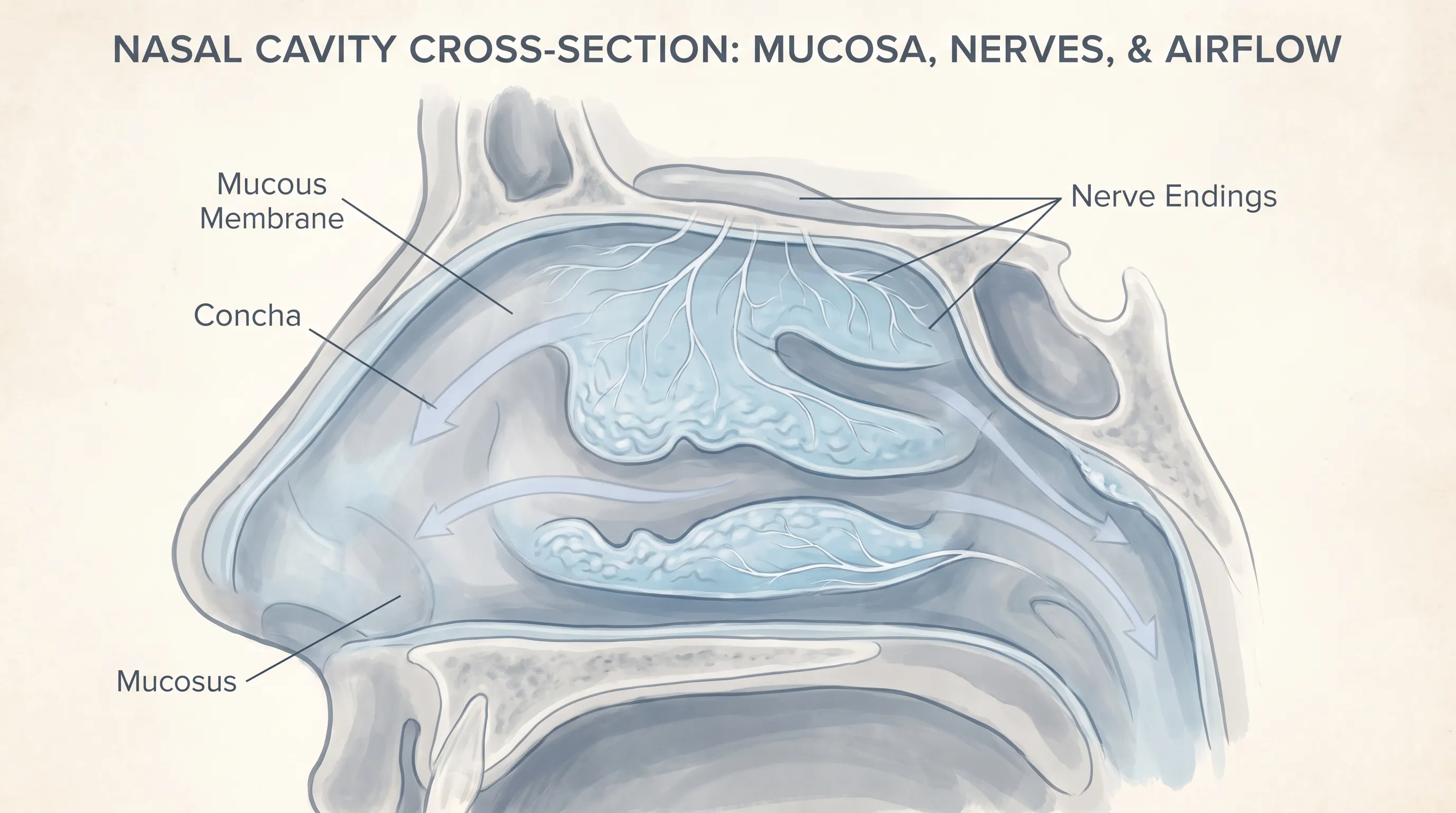
When examining why my nose is so itchy during specific seasons or in certain environments, it becomes clear that the intensity of the response depends heavily on mucosal health and immune reactivity. Chronic exposure to irritants can lead to epithelial damage, reducing the protective mucus layer and exposing raw nerve endings. This creates a feedback loop where minor irritants provoke major symptoms, often leading patients to seek relief through over-the-counter medications, which can sometimes exacerbate the problem if misused.
Primary Medical Triggers: Why My Nose Is So Itchy
Persistent nasal itching rarely occurs in isolation. It is frequently a primary symptom of underlying medical conditions that alter nasal physiology or trigger systemic inflammatory responses. Recognizing the specific etiology is critical for selecting the appropriate therapeutic approach.
Allergic Rhinitis and Environmental Allergens
Allergic rhinitis is the most common medical cause of nasal itching, affecting millions globally. The condition occurs when the immune system overreacts to otherwise harmless airborne substances. Seasonal allergic rhinitis, commonly known as hay fever, is triggered by tree, grass, and weed pollens. Perennial allergic rhinitis is driven by indoor allergens such as dust mites, mold spores, cockroach debris, and animal dander. In both cases, the immune response follows the same IgE-mediated pathway described earlier, resulting in histamine-driven itching, clear rhinorrhea, and repetitive sneezing.
Clinical guidelines from the American Academy of Allergy, Asthma & Immunology recommend allergen avoidance as the first-line strategy. This includes using HEPA air purifiers, washing bedding in hot water weekly, and keeping windows closed during high-pollen days. When avoidance is insufficient, second-generation oral antihistamines (e.g., cetirizine, loratadine, fexofenadine) and intranasal corticosteroid sprays (e.g., fluticasone, budesonide) are clinically proven to reduce mucosal inflammation and block histamine receptors. You can learn more about evidence-based allergy management at Understanding Allergy Facts.
Viral Infections and Upper Respiratory Illness
Before the onset of classic cold or flu symptoms, many patients experience a dry, ticklish, or intensely itchy nose. This prodromal phase occurs when respiratory viruses (such as rhinovirus or influenza) initially infect the nasal epithelium. The viral replication process triggers local interferon release and inflammatory cytokine production, which temporarily sensitizes nasal nerves. As the immune response escalates, mucus production increases, and itching typically transitions to congestion, sore throat, and systemic fatigue.
Unlike allergic rhinitis, viral infections rarely respond to antihistamines during the initial phase. Instead, supportive care with saline irrigation, adequate hydration, and rest allows the mucosa to heal naturally. Symptoms typically peak within 48 to 72 hours and resolve within 7 to 10 days. If nasal itching persists beyond this window or is accompanied by purulent discharge and facial pain, bacterial superinfection should be considered.
Nasal Vestibulitis and Bacterial Overgrowth
Nasal vestibulitis is a localized bacterial infection of the anterior nasal cavity, often caused by Staphylococcus aureus. Frequent nose picking, excessive blowing, or plucking nasal hairs can create microscopic tears in the epithelial lining, allowing bacteria to colonize hair follicles. Early symptoms include localized itching, mild tenderness, redness, and crusting around the nostrils. If left untreated, it can progress to painful furuncles or spread to deeper facial tissues.
Treatment involves gentle cleansing, application of prescription topical antibiotics (e.g., mupirocin ointment), and strict avoidance of nasal trauma. The Mayo Clinic provides detailed guidance on managing localized nasal infections at Hay Fever and Nasal Irritation Management.
Dermatological and Environmental Contributors
The skin and mucosal surfaces inside and around the nose share similar structural vulnerabilities to environmental stressors and contact allergens. Dermatological conditions often manifest at the nasal vestibule due to constant exposure to external elements.
Contact Dermatitis and Allergic Reactions
Allergic and irritant contact dermatitis frequently affect the nasal rim and anterior nasal passage. Common culprits include fragrances in skincare products, preservatives in tissues, nickel in facial jewelry, and chemical residues from nasal wipes. When an individual develops a delayed-type hypersensitivity reaction, exposure leads to T-cell-mediated inflammation, resulting in intense itching, erythema, scaling, and sometimes weeping or crusting.
Identifying and eliminating the offending agent is paramount. Patch testing performed by a dermatologist can pinpoint specific allergens. In the interim, switching to fragrance-free, hypoallergenic products and applying a thin barrier of medical-grade petroleum jelly can protect compromised skin. The National Institutes of Health offers comprehensive resources on dermatological inflammation and management at Eczema and Atopic Dermatitis.
Eczema and Psoriasis in the Nasal Area
While eczema and psoriasis typically affect extensor surfaces, flexural areas, or the scalp, they can occasionally involve the nasal vestibule or perinasal region. Nasal eczema presents with dry, scaly, and intensely pruritic patches that worsen with stress or temperature fluctuations. Psoriatic plaques in the nasal cavity are rarer but can cause significant discomfort, flaking, and occasional minor bleeding.
Management requires a gentle skincare regimen, regular moisturization with ceramide-rich creams, and short courses of topical calcineurin inhibitors or low-potency corticosteroids under medical supervision. Overuse of potent steroids on facial skin can cause telangiectasia, perioral dermatitis, or skin thinning, emphasizing the need for professional guidance.
Environmental Dryness and Seasonal Shifts
Low ambient humidity is a major, yet often overlooked, trigger for nasal itching. Central heating systems in winter and air conditioning in summer drastically reduce indoor relative humidity, sometimes dropping it below 30%. When inhaled air is excessively dry, the nasal mucosa loses moisture rapidly, leading to micro-cracks in the epithelial layer, crusting, and exposed nerve endings. This environmental desiccation is a primary reason individuals wonder why my nose is so itchy during seasonal transitions or after prolonged flights.
Implementing environmental controls significantly alleviates symptoms. Using a hygrometer to monitor indoor humidity, placing cool-mist humidifiers in bedrooms, and avoiding direct exposure to heating vents or air conditioning drafts can restore mucosal integrity. Additionally, staying hydrated and incorporating omega-3 fatty acids into the diet supports systemic skin and mucosal health.

Medication Side Effects and Nasal Cycle Disruptions
Certain pharmacological interventions and habitual behaviors can inadvertently worsen nasal itching or create dependency cycles that disrupt normal nasal physiology.
Overuse of Decongestant Nasal Sprays
Topical decongestants like oxymetazoline or phenylephrine provide rapid relief by constricting dilated blood vessels in the nasal mucosa. However, prolonged use (exceeding three to five consecutive days) leads to tachyphylaxis and rebound congestion, medically termed rhinitis medicamentosa. As blood vessels dilate excessively upon drug withdrawal, mucosal edema increases, compressing nerve endings and triggering secondary itching, dryness, and congestion.
Breaking this cycle requires gradual tapering under medical supervision, often substituting the decongestant with a saline spray or intranasal corticosteroid. Patients should never use OTC vasoconstrictors as long-term solutions.
Antihistamine-Induced Dryness
First-generation antihistamines (e.g., diphenhydramine, chlorpheniramine) possess strong anticholinergic properties that reduce secretions across all mucosal surfaces, including the nose and mouth. While effective for acute allergic itching, chronic use can over-dry the nasal mucosa, paradoxically intensifying the tickling sensation and increasing susceptibility to crusting and minor epistaxis. Second-generation antihistamines are preferred for long-term management due to their targeted receptor selectivity and reduced systemic anticholinergic effects.
The Impact of Stress and Neurological Factors
Chronic psychological stress elevates systemic cortisol and catecholamine levels, which initially suppress inflammation but eventually dysregulate immune homeostasis. Prolonged stress is linked to neurogenic inflammation, where cutaneous and mucosal nerve fibers release substance P and calcitonin gene-related peptide (CGRP), amplifying itch perception without external triggers. This explains why some individuals experience nasal itching during periods of high anxiety, fatigue, or emotional strain. Mindfulness-based stress reduction, adequate sleep hygiene, and regular moderate exercise have been clinically shown to modulate neuroimmune responses and reduce idiopathic pruritus.
Safe Relief Strategies and Home Care Protocols
Before pursuing prescription therapies, a structured, evidence-based self-care regimen can resolve most cases of mild to moderate nasal itching. These strategies focus on restoring mucosal moisture, reducing inflammatory mediators, and preventing mechanical trauma.
Immediate Home Remedies and Safe Practices
Saline nasal irrigation is the cornerstone of conservative management. Isotonic (0.9%) or slightly hypertonic (2-3%) saline solutions gently flush out allergens, irritants, and excess mucus while rehydrating the epithelial lining. Commercial saline sprays, squeeze bottles, or neti pots should only be prepared with distilled, sterile, or previously boiled water to prevent rare but serious infections like Naegleria fowleri. Performing nasal rinses once or twice daily during high-exposure periods significantly reduces histamine load.
For external itching or vestibule irritation, applying a cool, damp cloth to the nasal bridge and cheeks for 5-10 minutes provides immediate neurovascular soothing. Avoid ice directly on the skin to prevent frostbite or rebound vasodilation. Gently blowing the nose with soft, unscented tissues—rather than wiping—minimizes friction-induced inflammation. Keeping fingernails trimmed and wearing cotton gloves at night can prevent unconscious scratching during sleep.
Medical Interventions and Prescription Options
When conservative measures prove insufficient, targeted medical therapies address the underlying pathophysiology. Intranasal corticosteroids remain the gold standard for allergic and inflammatory nasal conditions. They downregulate cytokine production, reduce mucosal edema, and decrease nerve sensitivity. Proper administration technique—tilting the head slightly forward and directing the spray toward the outer nasal wall—maximizes efficacy while minimizing local side effects.
Antihistamine nasal sprays (e.g., azelastine, olopatadine) deliver targeted histamine receptor blockade directly to the mucosa, offering rapid relief with minimal systemic absorption. In refractory cases, allergen immunotherapy (subcutaneous or sublingual) modifies the immune response over months to years, providing long-term remission for IgE-mediated nasal itching. Always consult a board-certified ENT specialist or allergist before initiating combination therapies. The Cleveland Clinic provides excellent clinical overviews of nasal treatments at Symptoms and Causes of Nasal Discomfort.
| Treatment Category | Examples | Mechanism of Action | Best For | Duration of Use |
|---|---|---|---|---|
| Isotonic Saline Rinses | Sterile saline sprays, neti pots | Flushes irritants, restores moisture | Daily maintenance, dry air, mild irritation | Ongoing, safe long-term |
| Oral Second-Gen Antihistamines | Cetirizine, Fexofenadine | Blocks systemic H1 receptors | Seasonal allergies, widespread symptoms | As needed or daily per label |
| Intranasal Corticosteroids | Fluticasone, Mometasone | Reduces mucosal inflammation | Chronic rhinitis, allergic triggers | Weeks to months, taper as directed |
| Antihistamine Nasal Sprays | Azelastine, Olopatadine | Localized histamine blockade | Rapid relief, post-nasal drip | Short to medium term |
| Topical Antibiotics | Mupirocin ointment | Eradicates S. aureus colonization | Vestibulitis, bacterial crusting | 5-7 days under supervision |
When to Seek Professional Evaluation
While most cases of nasal itching are benign and responsive to home care or OTC medications, certain clinical presentations warrant prompt medical evaluation. Differentiating between manageable symptoms and conditions requiring specialist intervention prevents complications and ensures appropriate treatment.
Red Flags and Complications to Watch
Persistent unilateral nasal itching or pain may indicate a localized foreign body (more common in children), a dental infection extending into the maxillary sinus, or rarely, neoplastic growths. The presence of recurrent nosebleeds (epistaxis), foul-smelling purulent discharge, or crusting unresponsive to humidification suggests chronic bacterial colonization, atrophic rhinitis, or autoimmune conditions like granulomatosis with polyangiitis. Additionally, visual disturbances, periorbital swelling, or severe frontal/cheek pressure accompanied by fever may signal acute bacterial sinusitis or orbital complications.
Patients with underlying asthma or severe allergic histories should be monitored closely, as uncontrolled nasal inflammation frequently triggers lower respiratory exacerbations. Early intervention with allergists or pulmonologists can prevent progression to chronic airway remodeling.
Diagnostic Testing and Specialist Referrals
When initial evaluation does not yield a clear etiology, healthcare providers may recommend targeted diagnostics. Skin prick testing or specific IgE blood panels identify precise allergen sensitivities. Nasal endoscopy allows direct visualization of the mucosa, turbinates, septum, and sinus ostia, ruling out structural abnormalities, polyps, or localized lesions. In rare cases of suspected autoimmune or neurological pruritus, imaging (CT or MRI) and rheumatological panels may be ordered.
Referrals to an otolaryngologist (ENT) are indicated for structural deviations, chronic rhinosinusitis, or surgical evaluation. Dermatologists manage persistent cutaneous involvement, while immunologists oversee complex allergic or autoimmune-driven cases. Coordinated care ensures comprehensive symptom resolution.
Frequently Asked Questions
Can dry air really make my nose feel persistently itchy?
Yes. Low humidity strips moisture from the nasal mucosa, exposing nerve endings to irritants and triggering a persistent tickling or itching sensation. Maintaining indoor humidity between 40% and 60% with a cool-mist humidifier is clinically recommended to restore mucosal hydration and reduce friction on sensitive epithelial surfaces.
How do I know if my nasal itch is from allergies or an infection?
Allergic nasal itching typically occurs alongside clear watery discharge, repetitive sneezing, and itchy, watery eyes. It often correlates with seasonal changes or specific environments. Viral infections usually present with thicker mucus, facial pressure, sore throat, low-grade fever, and body aches. Allergies rarely cause fever or systemic malaise, while infections typically resolve within 10 days without recurring unless re-exposed.
Is it safe to scratch or rub the inside of my nose for relief?
Rubbing or scratching the nasal vestibule damages delicate epithelial tissue, introduces bacteria like Staphylococcus aureus, and increases the risk of folliculitis, minor nosebleeds, and delayed healing. Gentle external massage, cool compresses, and saline irrigation are safer alternatives. If the urge to itch is overwhelming, applying a thin layer of medical-grade petroleum jelly with a cotton swab can protect exposed nerve endings without mechanical trauma.
Why does my nose itch more at night?
Circadian rhythms significantly influence inflammatory pathways. Cortisol levels naturally decline in the evening, while histamine and cytokine activity often increase. Lying flat also increases nasal blood volume and congestion due to gravity, which amplifies mucosal swelling and nerve stimulation. Additionally, exposure to bedroom allergens like dust mites, pet dander, or old bedding can trigger nocturnal symptoms. Using allergen-proof pillowcases and maintaining consistent bedroom humidity can significantly reduce nighttime itching.
When should I see a doctor for an itchy nose?
Seek professional evaluation if the itching persists beyond two weeks despite consistent conservative treatment, is accompanied by crusting, recurrent bleeding, foul-smelling discharge, or severe facial pain. Unilateral symptoms, vision changes, or breathing obstruction also warrant prompt medical assessment. These red flags may indicate chronic sinusitis, bacterial infection, structural abnormalities, or dermatological conditions requiring prescription therapy or specialized intervention.
Conclusion
Experiencing persistent nasal irritation can significantly disrupt daily comfort, sleep quality, and respiratory function. Understanding why my nose is so itchy involves recognizing the intricate relationship between environmental triggers, immune responses, and mucosal physiology. Whether the underlying cause is seasonal allergies, dry indoor air, contact dermatitis, or medication overuse, a systematic approach combining allergen avoidance, proper hydration, targeted topical treatments, and professional guidance when necessary can restore nasal health. By implementing evidence-based home care protocols, avoiding mechanical trauma, and knowing when to consult a specialist, you can effectively manage this common symptom and prevent long-term complications. Prioritize gentle care, maintain optimal indoor air quality, and seek clinical evaluation for persistent or worsening symptoms to ensure your respiratory system remains resilient year-round.
How we work
Researched and drafted with AI assistance, then reviewed by a human editor against the cited sources.
This article is general health information, not medical advice. Consult a qualified healthcare professional about your own situation.