Can You Be Allergic to Onions? Symptoms, Diagnosis & Management Guide

Have you ever found yourself sneezing uncontrollably, breaking out in an unexpected rash, or experiencing sudden stomach cramps shortly after enjoying a hearty bowl of vegetable soup? For many individuals, these puzzling physiological reactions raise a common but clinically important question: can you be allergic to onions? While onions are a global culinary staple celebrated for their robust flavor, versatile texture, and impressive nutritional profile, they belong to the Allium genus, a family of plants known to trigger adverse immune responses in susceptible populations. According to the Centers for Disease Control and Prevention (CDC), while true onion allergies remain relatively understudied compared to top allergens like peanuts, shellfish, dairy, or wheat, emerging clinical evidence, peer-reviewed immunology research, and documented patient case reports confirm that IgE-mediated allergies to onions absolutely exist. Furthermore, a broader spectrum of non-allergic food sensitivities, intolerances, and cross-reactive conditions can mimic allergic symptoms with remarkable clinical accuracy, often leading to misdiagnosis or delayed management. Understanding the precise biological mechanisms, recognizing the subtle but critical differences between allergy and intolerance, and knowing how to safely navigate dietary choices are essential steps for anyone experiencing adverse reactions. In this comprehensive guide, we will explore the immunology behind onion sensitivity, decode evidence-based diagnostic pathways, outline clinically validated management strategies, and provide actionable advice to help you maintain a balanced, symptom-free diet without compromising your culinary enjoyment. Whether you suspect a mild gastrointestinal sensitivity or are navigating a formally diagnosed allergy, the insights provided here are designed to empower you with medically sound information and practical solutions for long-term health.
Understanding the Difference Between Onion Allergy and Intolerance
When patients visit allergists complaining of discomfort after consuming dishes containing onions, the first clinical step is always differential diagnosis. The symptoms may overlap, but the underlying pathophysiology, risk profile, and management protocols are fundamentally different. Clarifying this distinction is crucial because mislabeling an intolerance as an allergy (or vice versa) can lead to either unnecessary dietary restriction or dangerous exposure to a genuine trigger.
Free calculatorHigh-Fiber Foods ChartChart of high-fiber foods for digestive healthOpen the calculatorWhat Is a True Onion Allergy?
A true food allergy to onions is an IgE-mediated immune response. When a sensitized individual consumes or sometimes even inhales airborne onion particles, the immune system mistakenly identifies specific proteins within the vegetable as harmful invaders. In response, the body produces immunoglobulin E (IgE) antibodies that bind to mast cells and basophils. Upon subsequent exposure, the onion proteins cross-link these IgE antibodies, triggering rapid degranulation and the release of inflammatory mediators like histamine, leukotrienes, and prostaglandins. This cascade can manifest within minutes to two hours after ingestion. The prevalence of isolated onion allergy is relatively low, estimated to affect less than 0.5 percent of the general population, but the potential for severe systemic reactions, including anaphylaxis, makes it a clinically significant condition that requires careful medical oversight. As outlined by the National Institutes of Health (NIH), true food allergies require strict avoidance protocols and emergency preparedness. Clinical guidelines emphasize that proper medical oversight is essential for managing IgE-mediated sensitivities safely.
Onion Intolerance vs. Food Allergy
Unlike a true allergy, onion intolerance does not involve the immune system, a critical distinction highlighted by the Cleveland Clinic. Instead, it is a pharmacological or enzymatic reaction. Onions are exceptionally high in fructans, a type of fermentable oligosaccharide, and contain sulfur-rich compounds that can irritate the gastrointestinal tract. In individuals with irritable bowel syndrome (IBS) or compromised digestive enzyme production, these compounds draw excess water into the intestines and ferment rapidly due to gut microbiota. This process generates significant gas, leading to bloating, abdominal cramping, flatulence, and altered bowel movements. Additionally, some individuals experience acid reflux or migraine-like headaches triggered by vasoactive amines or sulfides present in alliums. While uncomfortable, intolerance symptoms are dose-dependent and never progress to anaphylaxis or airway compromise. If you are wondering can you be allergic to onions but actually have an intolerance, symptom tracking alongside a low-FODMAP dietary trial under the supervision of a gastroenterologist can often clarify the diagnosis.
Common Symptoms of an Onion Allergic Reaction
Recognizing the clinical presentation of an onion allergy is essential for timely intervention and accurate diagnostic reporting. Symptoms typically align with classic food allergy patterns but can vary in severity depending on the amount ingested, the individual's baseline allergic threshold, and whether the onion was consumed raw or cooked. It is also important to note that cross-contact or inhalation of volatile compounds during food preparation can sometimes trigger localized respiratory or mucosal symptoms even without direct ingestion.
Skin and Mucous Membrane Reactions
Cutaneous manifestations are the most frequently reported initial signs of an onion allergy. Within minutes of exposure, individuals may develop urticaria (hives), characterized by raised, erythematous, and intensely pruritic wheals on the torso, arms, neck, or face. Angioedema, a deeper tissue swelling, commonly affects the lips, eyelids, tongue, or throat, creating a sensation of tightness or fullness. In some cases, direct skin contact with raw onion juice can trigger allergic contact dermatitis, presenting as localized redness, vesicular rash, or scaling. While less common than pollen or nickel-induced contact allergies, onion-derived dermatitis has been documented in food service workers and home cooks handling large quantities. For anyone questioning can you be allergic to onions through skin contact alone, the answer is clinically validated: yes, topical exposure can provoke localized or even systemic reactions in highly sensitized individuals.
Gastrointestinal Distress
Immune-mediated gastrointestinal symptoms differ markedly from intolerance-related discomfort but are often confused. In a true onion allergy, the immune cascade can affect the gut mucosa, leading to nausea, vomiting, abdominal pain, or diarrhea that appears rapidly after consumption. Unlike the delayed, gas-driven bloating of FODMAP sensitivity, allergic GI symptoms are typically accompanied by other systemic markers like flushing, itching, or hypotension. Eosinophilic gastrointestinal disorders, though rare, have also been linked to Allium hypersensitivity, where chronic exposure triggers localized tissue inflammation and impaired nutrient absorption. Maintaining a detailed food-symptom diary is invaluable for distinguishing these patterns before proceeding to clinical testing.
Respiratory and Systemic Symptoms
Respiratory involvement signals a more serious allergic response. Volatile sulfur compounds released during onion chopping can act as non-specific irritants, but in allergic individuals, they can also trigger true bronchoconstriction. Symptoms include wheezing, chest tightness, coughing, rhinorrhea, and nasal congestion. In severe cases, laryngeal edema can compromise the airway, requiring immediate emergency intervention. Systemic anaphylaxis represents the most dangerous manifestation, characterized by a rapid drop in blood pressure, dizziness, tachycardia, and potential loss of consciousness. While onion-induced anaphylaxis is rare, it is well-documented in allergy literature. The Mayo Clinic underscores why patients with confirmed IgE-mediated sensitivity must carry prescribed epinephrine auto-injectors and understand emergency response protocols.
The Science Behind Onion Allergenicity
To understand why some individuals react adversely to onions, it is necessary to examine the specific protein structures, plant biochemistry, and immunological pathways involved. Food allergens are typically glycoproteins that resist digestive breakdown and interact with the immune system in ways that trigger pathological sensitization.
Allium-Specific Proteins and Cross-Reactivity
Research published in peer-reviewed journals on food allergen databases has identified several key protein families responsible for Allium-induced hypersensitivity. Lipid transfer proteins (LTPs) are highly stable, heat-resistant, and protease-resistant molecules that are major culprits in severe onion allergies, particularly in Mediterranean populations where LTP syndromes are more prevalent. Profilins, another class of pan-allergens, are highly conserved across plant species and frequently cause pollen-food cross-reactivity. Thioredoxins and chitinases have also been isolated as minor allergens in Allium cepa. When the immune system develops IgE antibodies against these proteins, exposure to cross-reactive foods like garlic, leeks, shallots, asparagus, or even certain tree pollens and grasses can trigger secondary allergic responses. This molecular mimicry explains why individuals sensitized to one Allium species often report reactions to others, even if they have never been formally tested for cross-allergenicity.
Oral Allergy Syndrome and Pollen-Food Cross-Reactions
Oral Allergy Syndrome (OAS), also known as pollen-food allergy syndrome, is a highly relevant consideration when evaluating whether can you be allergic to onions without experiencing systemic symptoms. As explained by the Mayo Clinic, OAS occurs when IgE antibodies originally produced against airborne pollen recognize structurally similar proteins in raw plant foods. In the case of onions, grass pollen (such as rye, timothy, or fescue) sensitization has been clinically linked to cross-reactive profiles. Individuals typically experience rapid-onset itching, tingling, or mild swelling of the lips, tongue, mouth, and throat immediately after consuming raw onion. Cooking usually denatures the labile profilins responsible for OAS, allowing many patients to tolerate cooked onions without issue. However, distinguishing OAS from a true primary onion allergy requires careful clinical evaluation, as the latter can progress beyond the oropharynx and involve systemic organs.
Diagnostic Approaches for Onion Sensitivity
Accurate diagnosis is the cornerstone of effective food allergy management. Self-diagnosis often leads to unnecessary dietary restrictions or, worse, unrecognized risk. Board-certified allergists follow a stepwise, evidence-based protocol to confirm or rule out onion hypersensitivity, integrating clinical history with targeted diagnostic modalities.
Clinical Evaluation and Skin Prick Testing
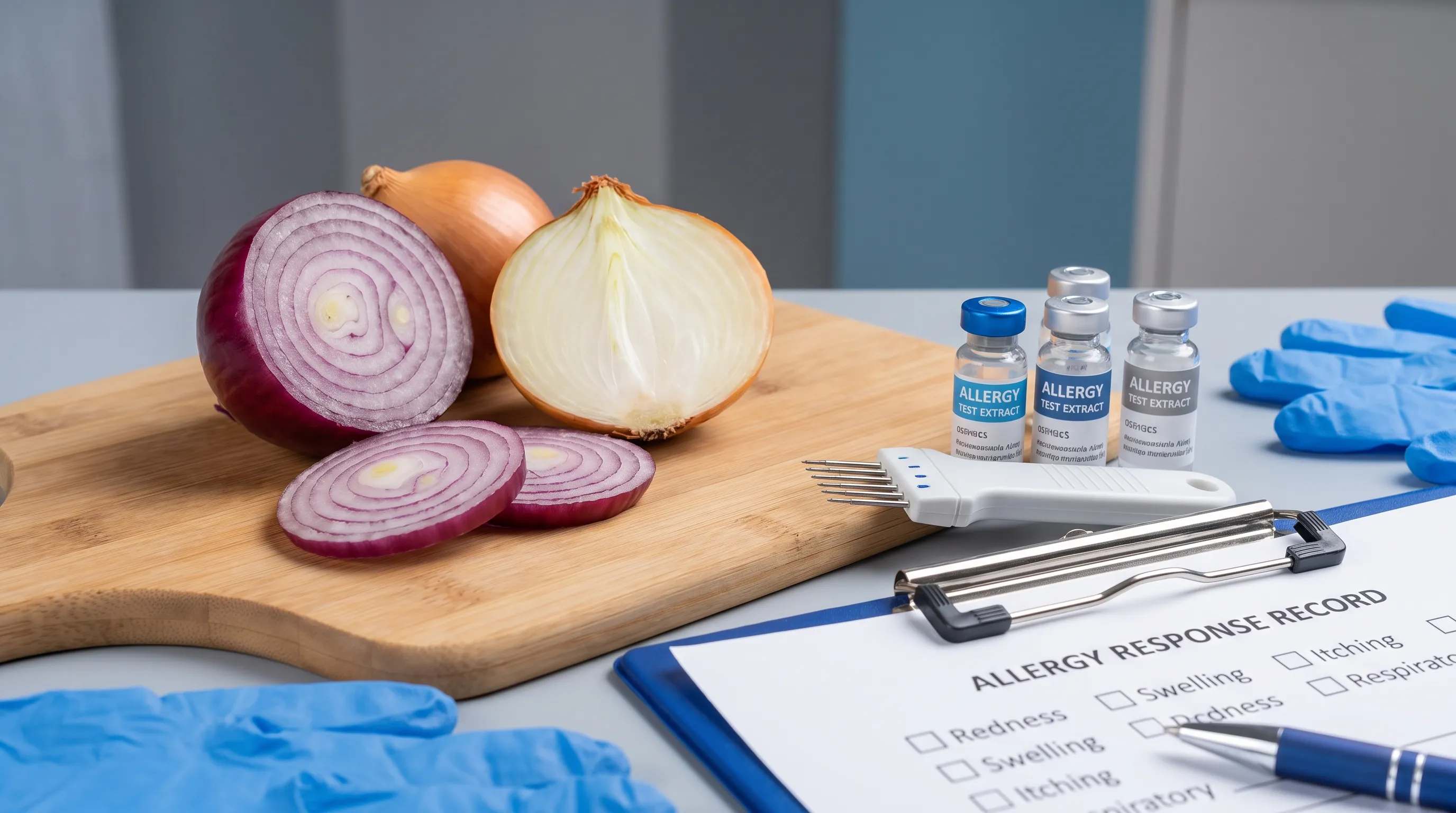
The diagnostic journey always begins with a comprehensive clinical interview. Physicians will review the onset, duration, and severity of symptoms, exact onion preparation methods, portion sizes, and potential co-factors like exercise, alcohol consumption, or NSAID use that can amplify allergic responses. Following history-taking, skin prick testing (SPT) is typically administered. Since commercial onion extracts are not always standardized, allergists frequently use fresh onion pricks, which involve piercing the skin and applying a drop of fresh onion juice. A wheal diameter of 3 millimeters or greater compared to the negative saline control indicates sensitization. While a positive SPT confirms the presence of IgE antibodies, it does not guarantee clinical reactivity, as false positives can occur due to cross-sensitization or low-grade immune activation without symptomatic manifestation.
Oral Food Challenges and Elimination Diets
When test results are ambiguous or do not correlate with the patient's reported history, a medically supervised oral food challenge (OFC) serves as the definitive diagnostic tool. Conducted in a clinical setting equipped with emergency resuscitation capabilities, the patient consumes incrementally increasing doses of onion under continuous observation. This gold-standard approach definitively confirms whether the sensitization translates to clinical allergy. Alternatively, for suspected intolerances, a structured elimination diet followed by controlled reintroduction can help identify tolerance thresholds and symptom triggers. If you are exploring dietary modifications to determine if you have a reaction, always consult a registered dietitian or allergist to ensure nutritional adequacy and safe reintroduction protocols.
The Role of IgE Blood Testing
Serum-specific IgE blood testing provides a valuable alternative for patients who cannot discontinue antihistamines or have extensive dermatographism that interferes with SPT. Modern component-resolved diagnostics (CRD) can even isolate IgE responses to specific onion proteins like LTPs or profilins, offering prognostic insights into the likelihood of severe reactions or cross-reactivity. While CRD is more widely used for peanut, tree nut, and shellfish allergies, its application in Allium hypersensitivity is expanding. Blood tests, like skin tests, measure sensitization rather than clinical allergy, so they must always be interpreted alongside the patient's symptom history. Understanding these diagnostic nuances is essential when asking clinicians can you be allergic to onions and what tests accurately confirm it.
Managing Onion Allergy in Daily Life
Receiving a confirmed onion allergy diagnosis can initially feel overwhelming, especially considering the vegetable's pervasive presence in global cuisines, sauces, broths, and processed foods. However, with structured planning, label literacy, and culinary adaptation, individuals can maintain excellent quality of life, nutritional balance, and food enjoyment without risking exposure.
Navigating Restaurant Menus and Packaged Foods
The modern food supply chain frequently hides onion derivatives in unexpected products. Onions appear in spice blends, salad dressings, soups, sauces, breads, marinades, meat substitutes, and even snack flavorings. Patients must become adept at reading ingredient labels, looking not only for "onion" but also for terms like allium, dehydrated onion, onion powder, onion juice concentrate, natural flavorings, and bouillon. In restaurant settings, transparent communication with staff is critical. Always inform servers and chefs of the allergy, emphasize the risk of cross-contact, and request detailed ingredient information. Many establishments now follow standardized allergen protocols, but asking direct questions about preparation surfaces, shared fryers, and broth bases remains essential. If dining out feels risky, utilizing certified allergy-friendly restaurants or preparing meals at home offers greater peace of mind.
Safe Cooking Substitutes and Flavor Alternatives
Eliminating onions from your culinary repertoire does not mean sacrificing flavor depth. Professional chefs and clinical dietitians recommend several safe, effective substitutes that replicate the aromatic, sweet, or savory notes onions provide. Celery and fennel bulbs offer excellent crunch and mild sweetness when sautéed. Asafoetida (hing), a dried resin used extensively in South Asian cooking, delivers a remarkably similar sulfurous, onion-like aroma when heated in oil. Chive greens can be used by those whose allergy is isolated to the bulb rather than the leaf. Roasted carrots, parsnips, and celery provide umami sweetness to soups and stews, while kelp powder, nutritional yeast, and mushrooms enhance savory depth. Experimenting with herb-forward marinades, citrus zest, and toasted seeds can also elevate dishes without relying on Alliums. Developing a personalized substitution pantry ensures that dietary restrictions do not equate to culinary deprivation.

Emergency Preparedness and Epinephrine Use
For individuals diagnosed with IgE-mediated onion allergy, especially those with a history of systemic symptoms, carrying a prescribed epinephrine auto-injector is non-negotiable. Anaphylaxis can progress rapidly, and epinephrine is the only first-line medication that reverses life-threatening airway swelling, bronchoconstriction, and hypotension. Patients should undergo hands-on training with their allergist to master proper administration technique, recognize early warning signs of systemic reactions, and understand the importance of calling emergency services immediately after epinephrine use. The World Health Organization (WHO) stresses that wearing a medical alert bracelet, keeping a written emergency action plan accessible to family members, coworkers, and school staff, and maintaining an updated supply of unexpired auto-injectors are foundational safety practices. Regular follow-up with an allergist ensures that management protocols evolve alongside clinical guidelines and personal health changes.
| Feature | True Onion Allergy | Onion Intolerance | FODMAP Sensitivity |
|---|---|---|---|
| Primary Mechanism | IgE-mediated immune response | Enzymatic/pharmacological digestive issue | Fermentation of poorly absorbed carbohydrates |
| Key Trigger Compounds | LTPs, Profilins, Thioredoxins | Sulfur compounds, Vasoactive amines | Fructans, Oligosaccharides |
| Symptom Onset | Minutes to 2 hours | 2 to 6 hours | 1 to 4 hours |
| Common Symptoms | Hives, swelling, wheezing, anaphylaxis | Bloating, gas, heartburn, headache | Bloating, gas, diarrhea/constipation |
| Diagnostic Gold Standard | Supervised oral food challenge | Elimination diet with symptom tracking | Low-FODMAP trial + hydrogen breath test |
| Heat Stability | Heat-stable allergens (LTPs) persist | Volatiles may reduce with cooking | Fructans partially break down with slow cooking |
| Treatment Focus | Strict avoidance + epinephrine readiness | Dose management + digestive support | FODMAP restriction + microbiome modulation |
Frequently Asked Questions
Can you be allergic to onions specifically, or is it always part of a broader allium sensitivity?
You can be specifically allergic to onions, though cross-reactivity within the Allium family (garlic, leeks, chives, shallots) is extremely common. The immune system may target unique lipid transfer proteins or profilins found primarily in onions, while some individuals react to multiple alliums due to structural protein similarities. Clinical allergy testing helps isolate the exact trigger and determine whether broader Allium avoidance is necessary.
What are the key differences between an onion allergy and onion intolerance?
An onion allergy involves the immune system producing IgE antibodies against onion proteins, triggering histamine release and potentially severe symptoms like hives, swelling, or anaphylaxis. Onion intolerance is a digestive issue where the body lacks enzymes to properly break down compounds like fructans or sulfur, leading to bloating, gas, or reflux without immune activation. The risk profile, testing requirements, and management strategies differ substantially.
How do doctors definitively diagnose an onion allergy?
Definitive diagnosis typically involves a combination of clinical history evaluation, skin prick testing using fresh onion extracts, and serum-specific IgE blood tests. When these results are inconclusive, a supervised oral food challenge conducted by a board-certified allergist remains the gold standard for confirming or ruling out true onion allergy. Self-diagnosis is discouraged due to the risk of misinterpreting intolerance as allergy.
Are there safe culinary substitutes if you have a confirmed onion allergy?
Yes, numerous safe flavor alternatives exist, including celery, fennel, asafoetida (hing), chive greens (if tolerated), celery salt, and commercially formulated allium-free seasoning blends. Cooking techniques like using toasted mushrooms, roasted carrots, or kelp flakes can also replicate the umami and aromatic depth typically provided by onions. Working with a dietitian ensures nutritional balance during the transition.
Can cooking or frying onions eliminate their allergenic proteins?
Heat can denature some allergenic proteins, but onion allergens like lipid transfer proteins (LTPs) and certain profilins are generally heat-stable. Many individuals with IgE-mediated onion allergy react equally to raw and cooked onions. Always assume cooked onions are unsafe unless your allergist confirms heat tolerance through supervised testing. Boiling or prolonged baking may reduce volatile irritants but rarely eliminates true allergenicity.
Conclusion
Navigating the question can you be allergic to onions requires a clear understanding of immunological mechanisms, precise clinical evaluation, and personalized dietary management. While true onion allergies are less common than sensitivities to top-tier allergens, they are undeniably real, potentially severe, and clinically well-documented. Distinguishing between IgE-mediated allergy, enzymatic intolerance, and pollen-food cross-reactivity is essential for avoiding unnecessary dietary restrictions while maintaining rigorous safety standards. By partnering with board-certified allergists, utilizing evidence-based diagnostic tools, and adopting practical culinary strategies, individuals can successfully manage onion hypersensitivity without compromising nutritional health or quality of life. Awareness, preparation, and proactive medical guidance remain the most powerful tools in transforming a dietary challenge into a manageable lifestyle. If you suspect an adverse reaction to onions, seek professional evaluation promptly to receive an accurate diagnosis and a tailored management plan that prioritizes your long-term well-being.
How we work
Researched and drafted with AI assistance, then reviewed by a human editor against the cited sources.
This article is general health information, not medical advice. Consult a qualified healthcare professional about your own situation.