Hair Loss After Surgery: Causes, Recovery Timelines, and Evidence-Based Solutions

Experiencing unexpected shedding following a medical procedure can be deeply unsettling, but understanding the physiological mechanisms behind hair loss after surgery reveals that it is a well-documented, highly manageable condition. When your body undergoes a surgical intervention, it enters a state of acute physiological stress that temporarily redirects energy away from non-essential functions, including the maintenance of hair follicles. This natural survival response often manifests weeks or even months after the operating room, leading to noticeable thinning that can impact emotional well-being. Fortunately, modern dermatology and nutritional science have mapped out clear pathways for recovery. By examining the interplay between systemic stress, anesthetic protocols, and nutritional demands, patients can implement targeted strategies that accelerate follicular healing and restore healthy growth patterns. The journey toward recovery requires patience, evidence-based interventions, and a comprehensive understanding of how surgical trauma influences the delicate hair cycle.
Understanding the Biological Mechanisms of Post-Surgical Hair Loss
The foundation of post-operative shedding lies in a physiological phenomenon known as telogen effluvium, which accounts for the majority of hair loss after surgery cases documented in clinical literature. Unlike androgenetic alopecia, which is driven by genetic predisposition and hormonal sensitivity, telogen effluvium is an acute, reactive response to a systemic trigger. The human scalp operates on a continuous hair growth cycle of growth, regression, and rest, with approximately eighty-five to ninety percent of follicles actively growing at any given time. When the body experiences significant trauma, illness, or surgical stress, this carefully orchestrated cycle is disrupted.
Free calculatorBMI CalculatorCalculate Body Mass IndexOpen the calculatorThe Science of Telogen Effluvium
During a typical hair growth cycle, follicles remain in the anagen phase for two to seven years, producing visible strands that lengthen gradually. Following this active period, follicles transition into the catagen phase, a brief two-to-three-week transitional stage where cellular activity slows dramatically. Finally, the follicles enter the telogen phase, a resting period lasting roughly two to four months, after which the old hair sheds to make room for a new growth cycle. Surgical trauma acts as a potent catalyst that prematurely pushes a disproportionately large percentage of anagen follicles into the telogen phase simultaneously. This synchronized shift means that months later, a substantial volume of hair enters the shedding window at the exact same time, creating the alarming appearance of sudden, widespread thinning.
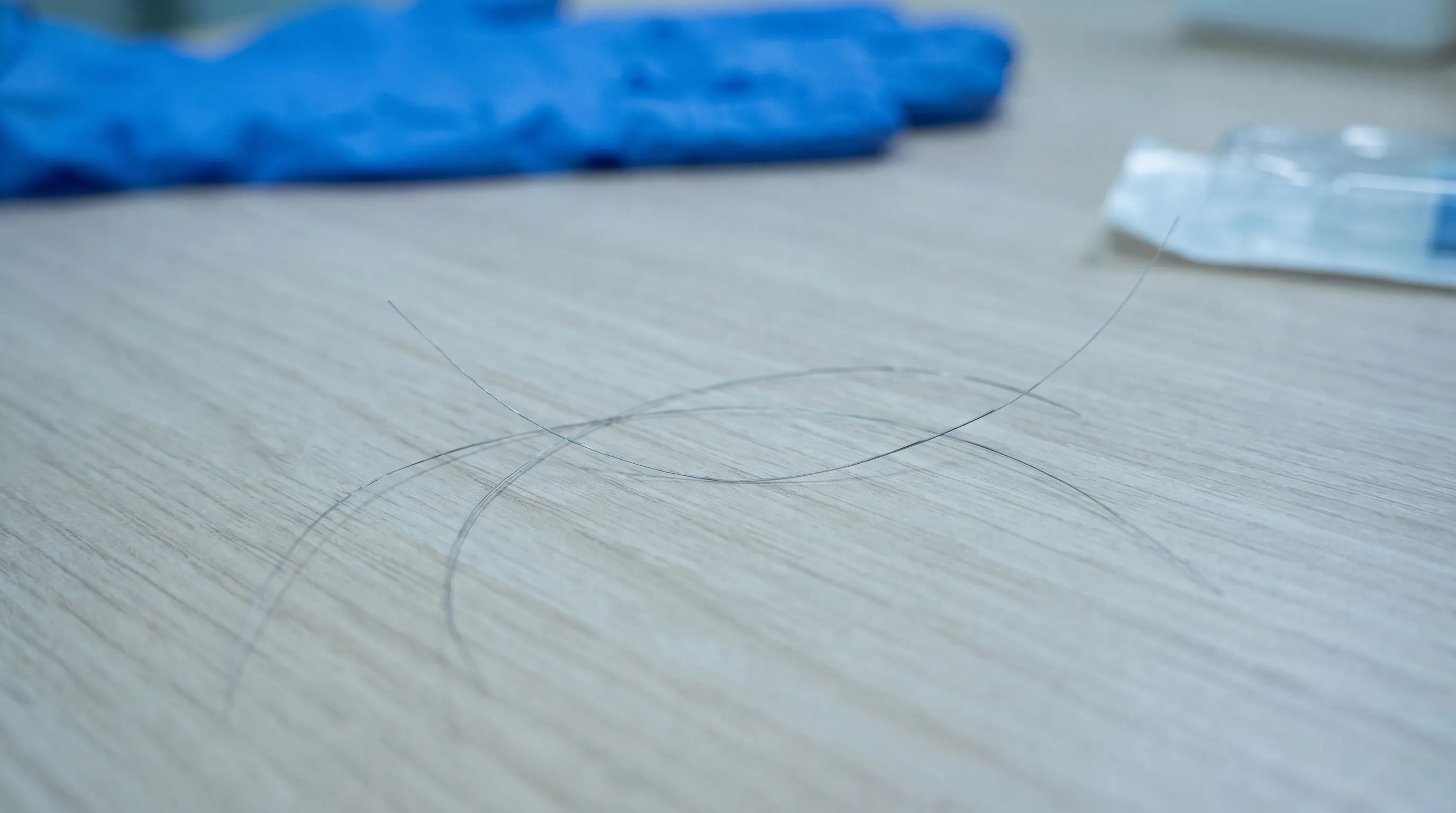
Clinical research published in dermatological journals confirms that telogen effluvium rarely causes complete baldness. Instead, it typically results in diffuse thinning across the scalp, with patients often reporting increased hair accumulation on pillows, in shower drains, and on brushes. The condition is fundamentally self-limiting, meaning that once the triggering stressor resolves, the hair follicles naturally reactivate and return to their normal cycling rhythm. However, the timeline and severity can vary significantly based on individual metabolic health, pre-existing nutritional status, and the specific nature of the surgical intervention.
The Role of Anesthesia and Stress Hormones
While the surgical wound itself initiates a systemic inflammatory response, the administration of general anesthesia introduces additional physiological variables that can influence follicular health. Anesthetic agents temporarily alter blood flow dynamics, reduce core body temperature, and modulate the neuroendocrine system, all of which can subtly impact scalp microcirculation. More importantly, surgery triggers a massive release of stress hormones, particularly cortisol and adrenaline, as part of the hypothalamic-pituitary-adrenal (HPA) axis activation. Elevated cortisol levels over an extended post-operative period have been scientifically linked to inhibited hair matrix cell proliferation and reduced vascular endothelial growth factor (VEGF) expression in the scalp.
Furthermore, post-surgical recovery often involves a temporary reduction in physical activity, altered sleep patterns, and dietary modifications that can compound the initial stress burden. Pain medications, antibiotics, and anti-inflammatory drugs prescribed during recovery, while medically necessary, may occasionally contribute to transient nutrient malabsorption or gastrointestinal shifts that indirectly affect hair follicle metabolism. Understanding that hair loss after surgery is a multifactorial response rather than a localized scalp problem allows patients to approach recovery holistically, addressing both the physiological triggers and the systemic recovery process.
Types of Surgeries Most Likely to Trigger Significant Hair Thinning
Not all medical procedures carry the same risk of post-operative shedding. The likelihood and severity of hair loss after surgery correlate strongly with the invasiveness of the procedure, the duration of anesthesia, the extent of tissue trauma, and the metabolic demands required for healing. Recognizing which surgical categories pose the highest risk enables patients to proactively implement preventative nutritional and lifestyle strategies before the procedure takes place.
Orthopedic and Major Invasive Procedures
Major orthopedic surgeries, such as joint replacements, spinal fusions, and complex fracture repairs, consistently rank among the most common triggers for post-surgical telogen effluvium. These procedures typically require extended operating times, significant blood loss, and prolonged immobilization during the initial recovery phase. The combination of surgical trauma, inflammatory cytokine release, and temporary nutrient depletion creates a perfect physiological storm for hair cycle disruption. Additionally, the use of epidural or spinal anesthesia in conjunction with general anesthesia can compound the stress response, further altering systemic hormone regulation. Patients undergoing these procedures often experience peak shedding between ten and fourteen weeks post-operation, coinciding with the natural telogen exit timeline.
Cosmetic and Bariatric Surgeries
Body contouring procedures, breast reconstructions, and particularly bariatric operations carry distinct risk profiles for hair thinning. In the case of bariatric surgery, the mechanism extends beyond immediate surgical stress to include rapid weight loss and long-term alterations in nutrient absorption. Procedures like gastric bypass or sleeve gastrectomy significantly reduce the stomach's capacity and alter digestive enzyme production, making it challenging to absorb essential vitamins and minerals critical for keratin synthesis. This secondary malabsorption syndrome frequently leads to prolonged or recurrent hair loss if not aggressively managed with targeted supplementation protocols.
Cosmetic surgeries, particularly those involving liposuction or abdominoplasty, induce substantial localized tissue trauma and require intensive post-operative compression garments, which can temporarily restrict optimal blood flow to the scalp and surrounding vasculature. Furthermore, the psychological stress associated with elective procedures, combined with pre-operative fasting and post-operative caloric restriction, creates an environment where the body prioritizes core organ healing over follicular maintenance. Understanding these procedural differences allows individuals to tailor their recovery strategies effectively, ensuring that the unique metabolic demands of their specific surgery are addressed with appropriate medical and nutritional support.
Timeline of Recovery: When Does Hair Regrow?
Navigating the emotional challenges of post-operative thinning becomes significantly easier when patients understand the precise timeline of the hair growth cycle. Unlike acute medical symptoms that resolve rapidly, follicular recovery follows a predictable, albeit slow, biological schedule. Tracking the progression through distinct phases provides realistic expectations and reduces unnecessary anxiety during the shedding period.
The First Few Weeks Post-Operation
During the initial two to four weeks following surgery, most patients will not notice any visible hair loss. This period is characterized by active wound healing, tissue regeneration, and the body's focus on restoring hemodynamic stability and immune function. While the hair follicles may have already received the biochemical signals to shift from the growth phase to the resting phase, the actual structural detachment has not yet occurred. During this critical window, the priority should be optimizing hydration, managing post-operative pain effectively, and gradually reintroducing nutrient-dense foods to support cellular repair. Maintaining adequate protein intake and avoiding extreme dietary restrictions during this early stage helps establish a strong metabolic foundation for future follicular reactivation.
The Peak Shedding Phase
The most noticeable symptoms typically emerge between eight and twelve weeks post-operation, marking the peak of the telogen effluvium phase. During this period, patients often report finding clumps of hair in the shower, on their pillow, or on their clothing. It is crucial to understand that this shedding represents hair that was already detached and ready to fall out naturally; the stress response merely synchronized the timing. The scalp may appear noticeably thinner, particularly around the part line and hairline, but the underlying follicular architecture remains intact. Continuing to pull out hairs prematurely through vigorous brushing or aggressive washing does not accelerate regrowth and can unnecessarily traumatize already weakened strands. Instead, adopting a gentle cleansing routine and avoiding high-heat styling tools during this phase preserves the structural integrity of remaining hair while new anagen buds begin forming beneath the surface.
Regrowth and Full Recovery
Between four and six months post-operation, most patients begin to notice the emergence of short, fine "baby hairs" along the scalp, signaling the successful transition of follicles back into the active growth phase. Full visual density typically returns within nine to twelve months, though the exact timeline depends on baseline hair thickness, age, hormonal balance, and adherence to nutritional protocols. In some cases, particularly following extensive bariatric or multi-organ procedures, complete regrowth may take up to eighteen months. It is entirely normal for the newly growing hair to initially appear slightly different in texture or diameter; these variations usually stabilize as the follicular microenvironment fully normalizes. Consistent monitoring through monthly photographic documentation helps patients objectively track progress and avoid premature conclusions about permanent loss.

Medical Interventions and Professional Treatments
While patience is essential, active medical interventions can significantly shorten the recovery period and optimize follicular function. Dermatologists and trichologists utilize a tiered approach to post-surgical hair restoration, beginning with diagnostic evaluation and progressing to targeted topical and systemic therapies when clinically indicated.
Topical and Oral Medications
For patients experiencing prolonged or particularly severe shedding, dermatologists frequently recommend FDA-approved or clinically validated treatments. Topical minoxidil remains the gold standard for accelerating the anagen phase and prolonging follicular growth duration. Applied directly to the scalp, minoxidil enhances microvascular perfusion, increases prostaglandin synthesis, and stimulates follicular stem cells. Studies indicate that consistent twice-daily application can visibly reduce shedding within three months and improve overall hair density when used alongside adequate nutritional support.
In cases where underlying nutritional deficiencies are confirmed, oral supplementation becomes medically necessary. Biotin, while heavily marketed, shows limited clinical efficacy unless a true biotinidase deficiency or significant malabsorption syndrome exists. Instead, evidence strongly supports the targeted correction of iron deficiency (ferritin levels ideally above 50-70 ng/mL for optimal hair growth), vitamin D insufficiency, zinc depletion, and thyroid hormone imbalances. Prescription medications such as low-dose oral minoxidil or spironolactone may be considered for patients with underlying androgenetic predispositions that were unmasked or exacerbated by surgical stress. These interventions should only be initiated under strict medical supervision to monitor cardiovascular parameters and potential side effects.
Nutritional Supplements and Blood Work
A comprehensive metabolic panel is indispensable for diagnosing the precise drivers of post-surgical shedding. Standard blood work should include a complete blood count (CBC), ferritin, serum iron, total iron-binding capacity (TIBC), vitamin D, zinc, thyroid-stimulating hormone (TSH), free T4, and hormone panels if applicable. Deficiencies in even a single micronutrient can stall the regrowth process, making laboratory-guided supplementation far more effective than over-the-counter multivitamins. Liquid or powder-based formulations often exhibit superior bioavailability, particularly for patients recovering from gastrointestinal or bariatric procedures where digestive enzyme capacity is temporarily reduced. Professional guidance ensures that supplementation protocols align precisely with individual metabolic demands and surgical recovery phases.
Actionable Home Remedies and Self-Care Strategies
Beyond clinical treatments, daily lifestyle modifications and evidence-based self-care practices form the cornerstone of sustainable hair recovery. Implementing structured routines that support follicular health, reduce systemic stress, and optimize scalp environment conditions can dramatically improve regrowth outcomes.
Optimizing Nutrition for Hair Follicle Health
Hair is composed primarily of keratin, a fibrous structural protein that requires a steady supply of amino acids, vitamins, and minerals for continuous synthesis. During post-surgical recovery, prioritizing high-quality protein sources such as lean poultry, fatty fish, eggs, legumes, and collagen peptides ensures that the body has the necessary building blocks for tissue repair and new hair formation. Following CDC guidelines for balanced nutrition, incorporating omega-3 fatty acids from salmon, flaxseeds, and walnuts reduces systemic inflammation while improving scalp hydration and microcirculation.
A plant-rich diet abundant in antioxidants neutralizes the oxidative stress generated during surgical healing, protecting fragile hair matrix cells from free radical damage. Leafy greens, berries, and cruciferous vegetables provide folate, vitamin C, and vitamin A, all of which support cellular turnover and sebum production. Avoiding crash diets, extreme caloric deficits, and excessive alcohol consumption during the first six months of recovery is critical, as these practices rapidly deplete nutrient reserves and prolong the telogen effluvium phase.
Gentle Hair Care and Scalp Maintenance
The physical handling of hair significantly impacts the rate of perceived shedding during the fragile post-surgical period. Transitioning to a wide-tooth comb or a specialized detangling brush minimizes mechanical trauma to weakened strands. Washing hair two to three times per week with a mild, sulfate-free cleanser maintains optimal scalp microbiome balance without stripping essential sebum. Avoiding tight hairstyles, excessive heat styling, and chemical treatments prevents additional stress on already compromised follicles. Regular scalp massage using gentle circular motions stimulates local blood flow, encourages lymphatic drainage, and enhances the delivery of oxygen and nutrients to the hair roots.
Stress Management Techniques
The psychological impact of visible thinning can inadvertently perpetuate the physical condition by maintaining elevated cortisol levels. Implementing structured stress-reduction protocols breaks this cycle and creates a favorable hormonal environment for regrowth. Mindfulness meditation, controlled diaphragmatic breathing exercises, and progressive muscle relaxation techniques have been clinically shown to lower sympathetic nervous system activation within weeks of consistent practice. Establishing a consistent sleep schedule that prioritizes seven to nine hours of restorative sleep nightly supports nocturnal tissue repair and growth hormone release, both of which are essential for follicular cycling. Engaging in light physical activity such as walking, gentle yoga, or swimming improves overall circulation, reduces systemic inflammation, and promotes psychological resilience during the recovery phase.

When to Seek Professional Help
While most instances of post-surgical thinning resolve spontaneously, recognizing the warning signs that warrant specialist intervention is crucial for preventing prolonged or permanent follicular damage. Differentiating between benign stress-induced shedding and underlying pathological conditions requires clinical evaluation and targeted diagnostic testing.
Red Flags for Chronic or Permanent Loss
Patients should seek immediate dermatological consultation if hair shedding persists beyond twelve months without visible signs of regrowth, or if the thinning pattern becomes distinctly patchy rather than diffusely uniform. Localized bald spots, scalp erythema, scaling, or painful follicular inflammation may indicate alopecia areata, fungal infections, or scarring alopecias that require entirely different treatment pathways than telogen effluvium. Additionally, individuals with pre-existing hormonal disorders, autoimmune conditions, or a strong family history of pattern baldness may experience unmasking of genetic predispositions following surgical trauma. In these scenarios, early intervention with prescription therapies, immunomodulators, or anti-androgen medications significantly improves long-term outcomes and prevents irreversible follicular miniaturization.
Consulting a Dermatologist or Trichologist
A comprehensive evaluation by a board-certified dermatologist or clinical trichologist typically involves scalp dermoscopy, trichoscopy, and targeted blood panels to assess follicular density, miniaturization rates, and systemic nutrient status. These specialists utilize advanced diagnostic tools to differentiate temporary telogen shifts from chronic inflammatory processes. Treatment plans are highly individualized, combining topical therapeutics, nutritional optimization, and lifestyle modifications tailored to the patient's specific metabolic profile and surgical history. Open communication regarding medication interactions, supplement tolerability, and realistic timeline expectations ensures that recovery protocols remain safe, effective, and psychologically sustainable.
Frequently Asked Questions
Is hair loss after surgery always permanent?
No, the vast majority of cases are temporary and result from telogen effluvium, a reversible disruption of the hair growth cycle. Once physiological stress normalizes and nutritional balance is restored, follicles typically resume healthy growth within three to six months without permanent structural damage.
How soon does post-surgical hair thinning begin?
Visible shedding typically emerges eight to twelve weeks following the procedure. This delayed timeline reflects the natural progression of the hair cycle, as follicles require two to three months to transition from the growth phase into the resting phase before detaching.
Does anesthesia directly cause hair to fall out?
Anesthetic agents themselves do not directly destroy hair follicles. However, the hemodynamic changes, temporary reductions in scalp perfusion, and neuroendocrine stress responses triggered by general anesthesia can accelerate the transition of active follicles into the resting phase, contributing to synchronized shedding weeks later.
What nutrients are most critical for recovery from surgical hair loss?
Iron (measured via ferritin levels), vitamin D, zinc, B-complex vitamins, and high-quality dietary protein form the foundation of follicular repair. Correcting specific deficiencies identified through comprehensive blood work is significantly more effective than relying on generalized multivitamin formulations.
When should I see a dermatologist for post-operative shedding?
Medical consultation is warranted if shedding exceeds twelve months, if patchy baldness replaces diffuse thinning, or if the scalp exhibits signs of inflammation, pain, or infection. Early specialist evaluation ensures accurate diagnosis and prevents temporary shedding from progressing into chronic or scarring conditions.
| Factor | Typical Impact on Hair Cycle | Expected Recovery Window |
|---|---|---|
| General Anesthesia | Temporary microvascular changes & stress response | 6-9 months |
| Major Orthopedic Surgery | Systemic inflammation & prolonged nutrient demand | 9-12 months |
| Bariatric Procedures | Altered digestion & long-term malabsorption risk | 12-18 months with supplementation |
| Minor/Outpatient Procedures | Mild transient cortisol elevation | 3-6 months |
| Nutritional Deficiency | Interrupted keratin synthesis & matrix cell division | 4-8 months after correction |
Key Takeaways
Navigating hair loss after surgery requires a blend of physiological understanding, clinical awareness, and disciplined self-care. Recognizing that post-operative shedding is predominantly a temporary, stress-mediated response rather than permanent damage provides a crucial psychological foundation for recovery. The biological timeline of telogen effluvium dictates that visible thinning typically peaks three months after the procedure, with new growth gradually emerging between four and six months. Proactive nutritional optimization, targeted laboratory evaluation, and gentle scalp maintenance significantly accelerate follicular reactivation and improve overall density outcomes.
Implementing structured stress-reduction practices, prioritizing high-quality protein and micronutrient intake, and utilizing evidence-based topical therapies under medical guidance create a comprehensive recovery framework. While patience remains essential, recognizing red flags such as persistent shedding beyond twelve months or localized patchy thinning ensures that underlying conditions are identified and treated promptly. By integrating clinical expertise with daily lifestyle modifications, patients can confidently navigate the post-surgical recovery phase, restore healthy hair cycling, and return to optimal dermatological wellness. Consistent monitoring, realistic expectations, and proactive healthcare collaboration remain the most reliable pathways to long-term follicular resilience.
How we work
Researched and drafted with AI assistance, then reviewed by a human editor against the cited sources.
This article is general health information, not medical advice. Consult a qualified healthcare professional about your own situation.