How Long After Surgery Can I Smoke Weed Again?

Key points
- Reduced Oxygen and Blood Flow: Inhaling smoke introduces carbon monoxide into your bloodstream, which reduces the amount of oxygen your red blood cells can carry. Smoke can also cause blood vessels to constrict. Healing tissues desperately need oxygen-rich blood, and without it, recovery can be significantly delayed. During the critical inflammatory and proliferative phases of wound healing, fibroblasts require adequate perfusion to synthesize collagen and rebuild structural integrity. Compromised blood flow directly impairs this cellular machinery, potentially leading to poor scar formation or chronic wound issues. The Centers for Disease Control and Prevention (CDC) extensively documents how smoking impairs surgical wound healing and increases complication rates across various procedures.
- Increased Risk of Infection: Smoking can weaken your immune system and damage the cilia in your airways, which are tiny hair-like structures that help clear out germs. This makes you more susceptible to post-surgical infections, including wound infections and pneumonia. When ciliary function is suppressed, mucus and pathogens accumulate in the respiratory tract, creating an environment conducive to bacterial overgrowth. Post-operative patients already face a temporary dip in immune vigilance due to surgical stress and anesthesia, making respiratory hygiene even more critical.
- Coughing and Strain on Incisions: Smoking irritates the throat and lungs, often leading to coughing. A forceful cough can be painful and dangerous after surgery, especially for abdominal, chest, or dental procedures. It can put immense strain on your stitches, potentially causing them to tear (a complication known as wound dehiscence). Even mild, repetitive coughing increases intra-abdominal pressure, which can compromise recently sutured fascia or disrupt delicate internal repairs. Surgeons often implement aggressive cough-prevention protocols, and smoking directly counteracts these efforts.
- Anesthesia and Airway Sensitivity: If you had general anesthesia, your throat and lungs might be irritated from the breathing tube. Smoking can worsen this irritation, leading to discomfort and breathing difficulties. The endotracheal tube causes temporary micro-trauma to the tracheal mucosa. Introducing hot, particulate-heavy smoke immediately after extubation exacerbates inflammation, prolongs hoarseness, and can trigger reactive airway symptoms that mimic post-operative pulmonary complications.
Undergoing surgery is a significant event, and a proper recovery is crucial for the best outcome. For individuals who use cannabis, either medically or recreationally, a common question arises: "How long after surgery can I smoke weed again?"
Resuming cannabis use too early, especially through smoking, can interfere with your body's healing process and lead to serious complications. This guide provides a comprehensive overview of why a waiting period is necessary, general timelines, and how to make safe choices for your post-operative health. As healthcare systems increasingly recognize the prevalence of cannabis use, surgical teams are developing more nuanced protocols to keep patients safe while managing their pain and wellness needs. For general surgical preparation and post-operative expectations, resources like the Mayo Clinic's guide to surgery preparation offer valuable foundational information.
Why Is Smoking a Concern After Surgery?
After any surgical procedure, your body is in a state of repair. Tissues need to regenerate, incisions must close, and your immune system works overtime to prevent infection. Any form of smoking—whether tobacco or cannabis—introduces substances that can hinder this delicate process. The combustion process itself releases thousands of chemicals, many of which are known irritants or systemic toxins that can delay tissue regeneration and compromise surgical outcomes.
Free calculatorBMI CalculatorCalculate Body Mass IndexOpen the calculatorHere’s why doctors are concerned about smoking after surgery:
- Reduced Oxygen and Blood Flow: Inhaling smoke introduces carbon monoxide into your bloodstream, which reduces the amount of oxygen your red blood cells can carry. Smoke can also cause blood vessels to constrict. Healing tissues desperately need oxygen-rich blood, and without it, recovery can be significantly delayed. During the critical inflammatory and proliferative phases of wound healing, fibroblasts require adequate perfusion to synthesize collagen and rebuild structural integrity. Compromised blood flow directly impairs this cellular machinery, potentially leading to poor scar formation or chronic wound issues. The Centers for Disease Control and Prevention (CDC) extensively documents how smoking impairs surgical wound healing and increases complication rates across various procedures.
- Increased Risk of Infection: Smoking can weaken your immune system and damage the cilia in your airways, which are tiny hair-like structures that help clear out germs. This makes you more susceptible to post-surgical infections, including wound infections and pneumonia. When ciliary function is suppressed, mucus and pathogens accumulate in the respiratory tract, creating an environment conducive to bacterial overgrowth. Post-operative patients already face a temporary dip in immune vigilance due to surgical stress and anesthesia, making respiratory hygiene even more critical.
- Coughing and Strain on Incisions: Smoking irritates the throat and lungs, often leading to coughing. A forceful cough can be painful and dangerous after surgery, especially for abdominal, chest, or dental procedures. It can put immense strain on your stitches, potentially causing them to tear (a complication known as wound dehiscence). Even mild, repetitive coughing increases intra-abdominal pressure, which can compromise recently sutured fascia or disrupt delicate internal repairs. Surgeons often implement aggressive cough-prevention protocols, and smoking directly counteracts these efforts.
- Anesthesia and Airway Sensitivity: If you had general anesthesia, your throat and lungs might be irritated from the breathing tube. Smoking can worsen this irritation, leading to discomfort and breathing difficulties. The endotracheal tube causes temporary micro-trauma to the tracheal mucosa. Introducing hot, particulate-heavy smoke immediately after extubation exacerbates inflammation, prolongs hoarseness, and can trigger reactive airway symptoms that mimic post-operative pulmonary complications.
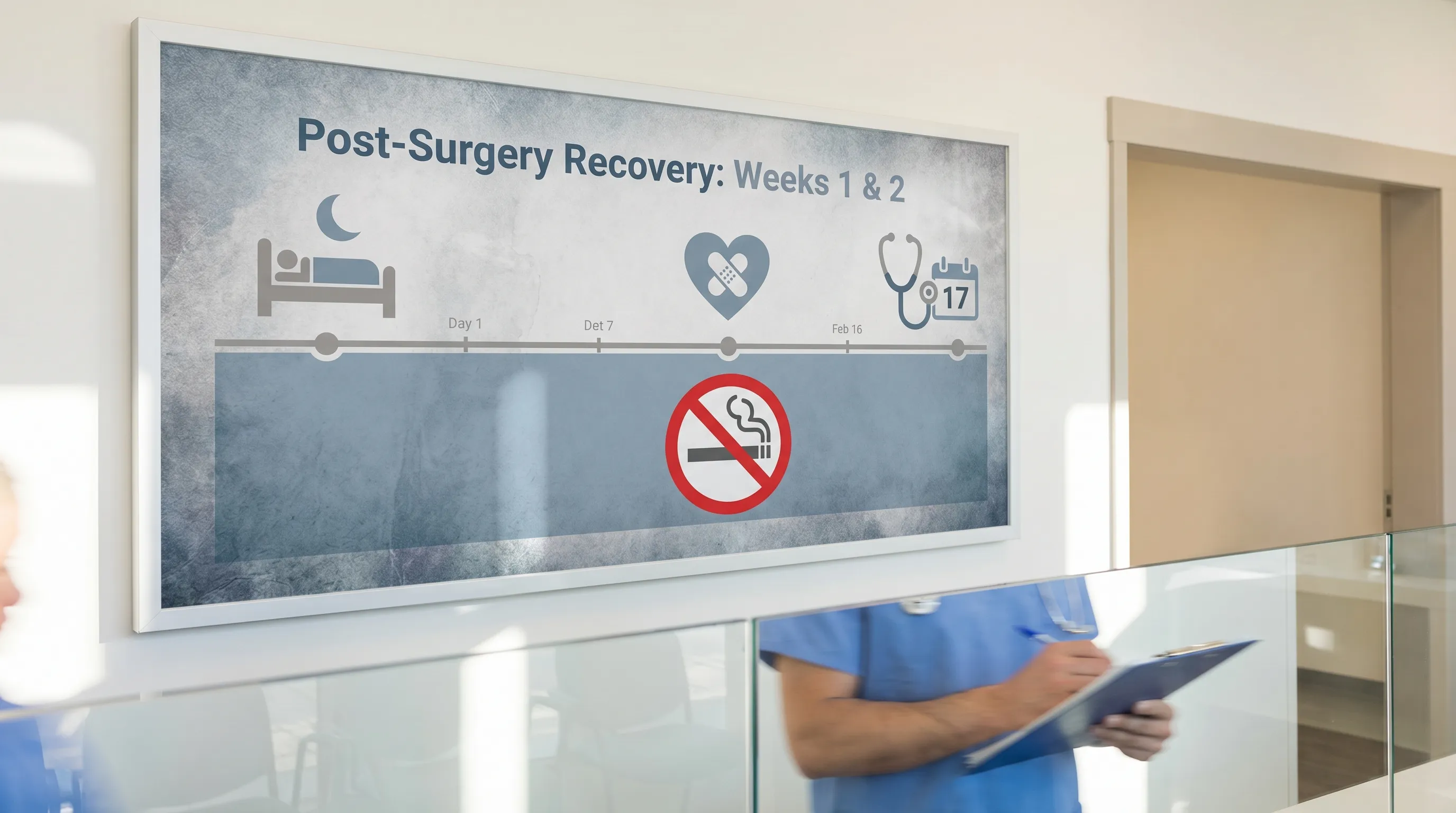
Understanding the physiological impact of smoke inhalation is the first step in protecting your surgical site. By abstaining during the acute healing phase, you allow your body to dedicate its energy reserves to tissue repair rather than filtering and neutralizing inhaled toxins.
How Cannabis Specifically Affects Your Body's Healing Process
Beyond the general risks of smoking, the active compounds in cannabis, like THC, can have specific effects on your recovering body. The endocannabinoid system (ECS) plays a modulatory role in immune response, inflammation, and neurochemical signaling. While the ECS is being actively researched for its therapeutic potential, its acute interaction with post-surgical physiology requires careful management.
- Sedation and Drowsiness: You will likely feel groggy from anesthesia and pain medications. THC also has sedative effects. Combining them can lead to excessive drowsiness, confusion, and slowed breathing, which can be risky when your body is already vulnerable. Central nervous system depressants work synergistically; when opioids, benzodiazepines, residual anesthetics, and THC are present simultaneously, the risk of respiratory depression increases. This is particularly dangerous during sleep, where natural respiratory drive is already slightly diminished.
- Heart Rate and Blood Pressure: THC is known to cause a temporary increase in heart rate and fluctuations in blood pressure. After surgery, your cardiovascular system is already under stress, and these changes could pose a risk, particularly after heart or major vascular surgery. Tachycardia induced by THC can increase myocardial oxygen demand at a time when the heart is recovering from surgical manipulation or fluid shifts. Maintaining hemodynamic stability is a cornerstone of post-operative care, and unpredictable heart rate variations can complicate monitoring and recovery.
- Pain Perception: While cannabis can help some with chronic pain, its role in acute post-surgical pain is less clear. It can also interact with prescribed opioid painkillers, amplifying sedative side effects. It's crucial not to self-medicate and interfere with the pain management plan set by your doctor. Cannabis compounds, particularly THC and CBD, are metabolized by the cytochrome P450 enzyme system (specifically CYP3A4 and CYP2C9), which is the same pathway used by many common surgical medications, including certain antibiotics, blood thinners, and analgesics. This metabolic competition can alter drug blood levels, leading to either reduced efficacy or increased toxicity. For a deeper understanding of cannabis pharmacology and drug interactions, peer-reviewed resources available through NIH/PubMed provide extensive clinical data on cannabinoid metabolism.
General Guidelines: When Can You Smoke Weed Again?
There is no single answer for everyone, as the ideal waiting time depends on the type of surgery, your overall health, and your surgeon's specific advice. However, here are some general timelines. It is important to remember that these windows are estimates based on average tissue regeneration rates and standard post-operative medication courses. Your personal medical history, age, nutritional status, and surgical complexity will all influence your optimal timeline.
Immediately After Surgery (First 24-48 Hours)
Avoid all forms of cannabis. Anesthetic drugs are still leaving your system, and your primary focus should be on rest and hydration. Adding any substance during this period can lead to unpredictable and dangerous side effects. During this critical window, your liver and kidneys are actively filtering residual sedatives. Your gag reflex, cough reflex, and airway protective mechanisms are still compromised. Introducing any psychoactive or vasoactive compound can mask important clinical signs, such as changes in mental status or pain levels that might indicate complications like internal bleeding or infection.
Early Recovery (First Few Days to One Week)
It is highly recommended to continue avoiding smoking during the first week. Your body is in the most critical phase of healing, and your risk of infection and incision damage is highest. You are also likely still taking prescription pain medications, which can interact with cannabis. The initial inflammatory response is peeling, with white blood cells actively clearing debris and preventing pathogen colonization. Smoking introduces heat, particulates, and vasoconstrictors that directly oppose this process. Additionally, opioid-based pain regimens are most intense during this period. The pharmacodynamic interaction between THC and opioids can lead to pronounced dizziness, orthostatic hypotension, and impaired coordination, increasing fall risk when patients are already unsteady.
The Critical Healing Window (1-2 Weeks Post-Op)
For most minor to moderate surgeries, surgeons recommend waiting at least one to two weeks before smoking anything. By this point, incisions have begun to close, and you are likely off strong pain medications. However, healing is far from complete, and smoking still poses a risk. Your follow-up appointment, often scheduled around this time, is the perfect opportunity to ask your surgeon for personalized advice. During weeks one and two, collagen deposition is actively strengthening the wound matrix. While the epidermis may appear closed, the underlying dermal and subcutaneous tissues are still remodeling. Introducing smoke at this stage can cause micro-ischemia that compromises the newly forming capillary networks. The Cleveland Clinic's post-operative care guidelines emphasize that tissue strength continues to improve significantly for several weeks, making abstinence during this period highly beneficial.
Later Recovery (2+ Weeks Post-Op)
For major surgeries, the recommended smoke-free period may be much longer, often four to six weeks or more. This is especially true for orthopedic, cardiac, or extensive abdominal surgeries where optimal blood flow and healing are paramount. By the four-to-six-week mark, collagen has matured, tensile strength has increased substantially, and the risk of dehiscence drops dramatically. For patients undergoing joint replacements, spinal fusions, or organ resections, the metabolic demand of healing remains high well beyond the initial two-week period. Resuming cannabis use should be done gradually, starting with non-inhaled methods if possible, and only after receiving explicit clearance from your surgical team.
Special Considerations for Different Types of Surgery
The location and complexity of your procedure dramatically influence your recovery timeline and your body's tolerance to smoke or cannabinoids. Understanding procedure-specific risks helps you make informed decisions and adhere to appropriate waiting periods.
- Dental Surgery (e.g., Wisdom Tooth Extraction): The primary concern here is dry socket, a painful condition where the blood clot protecting the empty tooth socket is dislodged. The suction from smoking is a major cause of this. Dentists strongly advise against smoking for a minimum of 72 hours, with many recommending a full week. Beyond the mechanical suction risk, the heat and chemical irritants in cannabis smoke can inflame the alveolar ridge, delay epithelialization, and increase the risk of localized infection (alveolar osteitis). Even vaping or using a straw can create the negative intraoral pressure necessary to dislodge the clot. Patients should follow a strict soft-food, lukewarm-liquid diet during the initial 72-96 hours to promote stable clot formation.
- Abdominal, Lung, or Heart Surgery: These procedures require a much longer waiting period. Coughing can be extremely dangerous for abdominal or chest incisions, and any smoke is directly harmful to healing lung or heart tissue. Expect to be told to wait at least 4-8 weeks, and you may be strongly encouraged to quit smoking permanently. Thoracic and cardiac procedures involve direct manipulation of highly vascularized, oxygen-sensitive tissues. Smoking impairs alveolar gas exchange and increases bronchial hyperreactivity, which can precipitate post-operative pneumonia, atelectasis, or pleural effusions. The World Health Organization (WHO) consistently highlights the detrimental impact of smoke inhalation on cardiopulmonary surgical outcomes, advocating for pre- and post-operative cessation programs to reduce morbidity.
- Orthopedic (Bone) Surgery: Smoking is known to impair bone healing. To ensure that bones fuse correctly and implants integrate properly after procedures like fracture repairs or joint replacements, surgeons often recommend abstaining from all smoking for six weeks or longer. Nicotine and cannabis smoke byproducts inhibit osteoblast activity and reduce angiogenesis within the bone matrix. This delays callus formation, increases nonunion rates, and raises the likelihood of hardware failure. Patients undergoing spinal fusions are particularly sensitive to this effect, as successful fusion relies entirely on robust new bone bridging between vertebrae. Maintaining adequate calcium, vitamin D, and protein intake during this window is essential, and smoking actively counteracts these nutritional efforts.
Are Edibles and Vapes Safer Alternatives?
If smoking is the primary concern, what about other methods of consumption? The route of administration significantly alters how cannabinoids enter your system and what secondary effects they produce during recovery. However, "safer" does not mean "risk-free," and medical professionals evaluate these alternatives carefully.
Vaping After Surgery
While vaping may produce fewer toxins than smoke, it is not risk-free. Vapor can still irritate the lungs and cause coughing. Given the unknowns about the long-term effects of vaping, most medical professionals advise treating it with the same caution as smoking during the post-operative period. The heating elements in vape devices aerosolize solvents, flavoring agents, and sometimes heavy metals, all of which can trigger inflammatory responses in healing pulmonary tissue. Furthermore, the rapid onset of inhaled THC makes dosing unpredictable, increasing the chance of taking too much and experiencing acute tachycardia or dizziness. For surgical patients whose respiratory function is already recovering from intubation or anesthesia-induced changes, avoiding any aerosolized inhalation is generally the safest approach.
Edibles, Tinctures, and Oils After Surgery
Non-inhaled methods eliminate the risk of coughing and lung irritation, making them a potentially safer option. However, the systemic effects of THC remain.
- Wait for the Go-Ahead: Do not use edibles until you are off anesthesia and strong pain medication. The liver must fully clear residual anesthetic agents before processing additional compounds that compete for metabolic pathways.
- Start Low and Go Slow: Your tolerance will likely be lower after a break. Edibles have a delayed and prolonged effect, so start with a very small dose (2.5-5mg of THC) and wait at least two hours before considering more. First-pass metabolism converts THC into 11-hydroxy-THC, a metabolite that crosses the blood-brain barrier more readily and produces stronger, longer-lasting effects. Overconsumption is common with edibles, particularly in post-surgical patients whose digestive motility may be temporarily altered by anesthesia and pain medications.
- Consult Your Doctor: Always ask your surgeon if and when it is safe to introduce edibles or tinctures into your recovery plan. Sublingual tinctures bypass first-pass metabolism to some degree, offering slightly more predictable onset times, but they still introduce systemic cannabinoids that can interact with prescribed medications and affect heart rate, blood pressure, and sedation levels.
How to Talk to Your Doctor About Cannabis Use
Being open and honest with your medical team about your cannabis use is vital for your safety. They need to know this information for several reasons:
- Anesthesia: Regular cannabis use can alter your response to anesthetic drugs, potentially requiring dose adjustments. Chronic users often require higher doses of induction agents and sedatives due to receptor downregulation and metabolic tolerance. Anesthesiologists rely on accurate usage histories to prevent intraoperative awareness or, conversely, post-operative respiratory depression.
- Pain Management: Your history of cannabis use can influence how your body perceives pain and responds to pain medication after surgery. Cannabis can modulate opioid receptor sensitivity. Disclosing your usage helps pain specialists design a multimodal analgesic plan that effectively controls pain without over-relying on any single medication class, reducing the risk of tolerance, dependence, or inadequate relief.
- Safety: Your doctors are not there to judge you; they are there to keep you safe. Hiding this information could put you at risk for preventable complications. Medical ethics and HIPAA regulations strictly protect your privacy. Your surgical team's primary goal is to anticipate and mitigate risks, not to enforce moral judgments. Withholding information about supplement or recreational substance use removes their ability to provide optimized, individualized care.
Simply say, "I use cannabis regularly, and I want to make sure you have all the information you need for my surgery. When do you think it would be safe for me to resume use afterward?" Document your typical frequency, dosage, and preferred consumption methods ahead of your pre-operative appointment to ensure clear, efficient communication. Writing this information down also helps you remember to mention it during the stress and busyness of surgical intake procedures.
Tips for Safely Resuming Cannabis Use
When your doctor has given you the green light, follow these tips to ease back in safely:
- Respect the Timeline: Wait for the full period your surgeon recommended. Healing continues internally long after the surface appears healed. Rushing back introduces variables that your body is not yet prepared to handle.
- Start Small: Use a much smaller amount than you normally would. Your tolerance has decreased. Muscle atrophy, metabolic shifts, and the physiological stress of surgery can temporarily heighten your sensitivity to cannabinoids.
- Stay Hydrated: Drink plenty of water to aid recovery and combat dry mouth. Post-operative patients are often mildly dehydrated, and cannabis-induced xerostomia can worsen this. Proper hydration supports kidney function, which is crucial for clearing both medication metabolites and cannabis byproducts.
- Have a Friend Nearby: The first time you use cannabis post-op, have someone with you in case you feel dizzy or unwell. Orthostatic changes, lingering medication effects, and cannabinoid-induced hypotension can compound, increasing syncope risk. A companion can monitor your condition and assist if you experience severe vertigo or excessive sedation.
- Listen to Your Body: If you experience intense coughing, pain at your incision site, dizziness, or a racing heart, stop immediately. Your body is telling you it’s not ready. Keep a simple symptom log during your first few sessions. Tracking heart rate, pain levels, sleep quality, and mood will help you and your provider identify whether cannabis is aiding or hindering your specific recovery trajectory.
Disclaimer: This article is for informational purposes only and does not constitute medical advice. Always consult with your surgeon or healthcare provider for guidance specific to your health condition and procedure.
Frequently Asked Questions
Can secondhand cannabis smoke affect my surgical recovery?
Yes. While less concentrated than direct inhalation, secondhand cannabis smoke still contains carbon monoxide, particulate matter, and irritant chemicals. Exposure in an enclosed space can trigger coughing, constrict airways, and reduce oxygen saturation, all of which undermine wound healing and respiratory recovery. To protect your surgical site and lungs, maintain a smoke-free environment during the entire acute recovery phase, and avoid spending prolonged time in spaces where others are smoking.
Does CBD affect surgery recovery differently than THC?
CBD (cannabidiol) is non-intoxicating and does not typically cause the same heart rate elevation or sedation as THC. However, CBD still interacts heavily with the cytochrome P450 enzyme system in the liver, which can alter the blood levels of anticoagulants, anti-seizure medications, and certain pain relievers. Additionally, high-quality research on CBD's specific impact on post-surgical tissue regeneration is still evolving. Always disclose CBD use to your surgeon, as it may require adjusting your medication schedule to avoid unexpected interactions.
How long should I stop smoking before surgery for the best results?
Most surgical guidelines recommend stopping all smoking, including cannabis, at least four to eight weeks before a scheduled procedure to significantly reduce complications. Even stopping 24 to 48 hours prior can improve blood oxygen levels, while stopping one to two weeks prior improves ciliary function and immune response in the lungs. If your surgery is elective, a pre-operative cessation period provides measurable benefits in reducing infection rates, anesthesia requirements, and overall recovery time.
What should I do if I experience cannabis withdrawal symptoms while recovering?
Abruptly stopping regular cannabis use can cause temporary withdrawal symptoms like irritability, insomnia, decreased appetite, and mild anxiety, which can feel amplified during the stress of recovery. Focus on evidence-based comfort measures: maintain a consistent sleep schedule, engage in gentle approved physical therapy movements, practice deep breathing exercises, and stay well-hydrated. If symptoms become severely disruptive to your healing or sleep, discuss them with your healthcare provider. They may recommend safe, non-interacting supportive therapies or short-term medication adjustments to help you through the acute phase.
Is it safe to mix cannabis with post-surgical antibiotics or anti-nausea medications?
Combining cannabis with certain post-operative medications requires caution. Some antibiotics (like erythromycin or clarithromycin) are strong CYP3A4 inhibitors that can dramatically increase THC levels in the blood, leading to intensified psychoactive and cardiovascular effects. Cannabis is sometimes used to manage chemotherapy-induced nausea, but its interaction with prescription antiemetics like ondansetron or promethazine can increase sedation. Always run any planned cannabis use by your pharmacist or surgeon, providing them with your complete medication list to screen for metabolic conflicts.
Conclusion
Navigating post-operative recovery requires patience, careful planning, and a clear understanding of how substances like cannabis interact with your body's healing mechanisms. The question of when you can safely resume smoking weed after surgery ultimately depends on the complexity of your procedure, the medications you are taking, and the guidance of your surgical team. While cannabis may offer benefits for chronic pain management or wellness, the acute post-operative window demands prioritizing tissue oxygenation, immune function, and wound stability.
Smoking introduces carbon monoxide, vasoconstrictors, and respiratory irritants that directly oppose the physiological processes your body relies on to repair incisions and rebuild strength. Even non-smoking methods of consumption carry risks due to systemic cannabinoid effects, medication interactions, and metabolic demands. The most reliable path to a smooth recovery involves open communication with your healthcare providers, strict adherence to recommended abstinence timelines, and a gradual, monitored reintroduction only when medically cleared. By respecting your body's healing timeline and making informed choices, you can protect your surgical outcomes and set the foundation for a stronger, healthier recovery.
How we work
Researched and drafted with AI assistance, then reviewed by a human editor against the cited sources.
This article is general health information, not medical advice. Consult a qualified healthcare professional about your own situation.