Does Adderall Cause Hair Thinning? Evidence-Based Guide & Management Strategies

Many individuals prescribed central nervous system stimulants for attention deficit hyperactivity disorder (ADHD) or narcolepsy eventually find themselves asking a common yet deeply concerning question: does adderall cause hair thinning? The sudden appearance of strands on your pillow, increased visibility of your scalp, or a thinner ponytail can trigger significant anxiety, especially when you rely on the medication to function effectively at work or school. Hair loss is rarely discussed during standard prescription consultations, leaving patients to navigate confusing online forums and conflicting anecdotal reports. Understanding the pharmacological reality behind this phenomenon is essential for making informed, health-preserving decisions without unnecessarily discontinuing a vital treatment. Medical literature consistently shows that while Adderall is not primarily classified as a hair-loss agent, its secondary physiological effects can absolutely disrupt the delicate balance required for robust follicular cycling. By examining the biological pathways, clinical evidence, and evidence-based mitigation strategies, you can protect your hair health while maintaining optimal neurological function.
Understanding the Connection Between Stimulants and Hair Health
To evaluate whether does adderall cause hair thinning, it is first necessary to understand how hair grows and how systemic medications interact with the integumentary system. Hair follicles are among the most metabolically active tissues in the human body, requiring consistent blood flow, hormonal equilibrium, and a steady supply of micronutrients. Any medication that alters cardiovascular function, appetite regulation, or neuroendocrine signaling will inevitably intersect with these requirements. Stimulants like mixed amphetamine salts operate primarily by increasing the extracellular concentrations of dopamine and norepinephrine, a process well-documented in neuropharmacological research. While this mechanism effectively enhances focus and reduces impulsivity, it simultaneously activates the sympathetic nervous system. This activation creates a cascade of downstream physiological changes that can indirectly impact follicular health, making the relationship between prescription stimulants and hair shedding a topic of ongoing clinical relevance.
Free calculatorSleep CalculatorCalculate sleep cyclesOpen the calculatorThe Biological Phases of the Hair Growth Cycle
Human hair does not grow continuously; instead, it cycles through three distinct phases. The anagen phase represents active growth and typically lasts two to seven years. During this period, hair follicle cells rapidly divide, and the strand extends outward from the root. The catagen phase is a brief transitional period lasting approximately two to three weeks, where growth ceases and the follicle shrinks. Finally, the telogen phase is a resting period lasting three to four months before the hair sheds and a new follicle begins the anagen phase. Under optimal conditions, roughly eighty to ninety percent of scalp hairs remain in the anagen phase at any given time, as detailed in clinical guides on hair growth and loss. Disruptions to metabolic balance, severe physiological stress, or abrupt nutritional deficits can prematurely push large numbers of follicles from anagen into telogen, resulting in noticeable diffuse thinning known as telogen effluvium. This cyclical vulnerability explains why systemic medications with secondary metabolic effects frequently trigger temporary shedding.
Pharmacology of Adderall and Systemic Effects
Adderall contains a precise combination of dextroamphetamine and levoamphetamine salts designed to cross the blood-brain barrier and modulate catecholamine neurotransmission. Outside the central nervous system, these compounds increase heart rate, elevate blood pressure, and induce peripheral vasoconstriction. They also significantly suppress hypothalamic hunger signals and can disrupt circadian sleep architecture when dosed too close to bedtime, according to FDA-approved medication information. While these effects are generally mild at therapeutic doses, individual variability in metabolism, liver enzyme activity, and baseline nutritional status means that some patients experience more pronounced systemic side effects. The interplay between cardiovascular changes, altered gastrointestinal absorption, and neurohormonal fluctuations creates an environment where hair follicles may receive suboptimal support, leading many clinicians to investigate whether does adderall cause hair thinning in susceptible populations.
Does Adderall Cause Hair Thinning? Examining the Medical Evidence
Clinical pharmacology databases and post-marketing surveillance provide the most reliable answers regarding medication side effects. When examining peer-reviewed dermatological literature and official prescribing information, the data reveals a nuanced picture. Hair thinning is not listed among the most common adverse reactions, but it is documented in case reports and patient registries as a possible secondary outcome. The distinction between direct drug toxicity and indirect physiological disruption is critical for accurate diagnosis and treatment.
What the FDA and Clinical Trials Reveal
The U.S. Food and Drug Administration approved Adderall and its generic equivalents decades ago, with clinical trials primarily focusing on cardiovascular safety, psychiatric side effects, and growth parameters in pediatric patients. Dermatological changes were not the primary endpoint in most phase III trials, meaning rarer or delayed-onset hair shedding may not have reached statistical significance during initial approval processes. However, post-marketing data and the FDA's official prescribing information do note that appetite suppression and weight loss are common. Severe caloric restriction and micronutrient gaps are well-established triggers for hair follicle miniaturization. Additionally, clinical case studies published in dermatological journals have documented instances where patients experienced diffuse shedding after initiating stimulant therapy, with complete resolution following dose adjustment or medication discontinuation. This evidence strongly suggests that while Adderall does not directly poison follicles, its systemic secondary effects can absolutely initiate a temporary shedding cascade.
Telogen Effluvium vs. Pattern Hair Loss
Understanding the difference between these two conditions is essential for anyone wondering does adderall cause hair thinning. Telogen effluvium is characterized by uniform, diffuse shedding across the entire scalp rather than localized recession or thinning at the crown. It typically begins two to three months after a triggering event and does not lead to complete baldness. In contrast, androgenetic alopecia (male or female pattern hair loss) is driven by genetic sensitivity to dihydrotestosterone (DHT) and progresses gradually over years, often starting with a receding hairline or widening part. Stimulant-induced shedding almost exclusively aligns with telogen effluvium. The follicles remain viable, and the shedding usually halts once the physiological stressor normalizes. Recognizing this distinction prevents unnecessary panic and ensures patients pursue appropriate diagnostic testing rather than prematurely abandoning effective ADHD management.
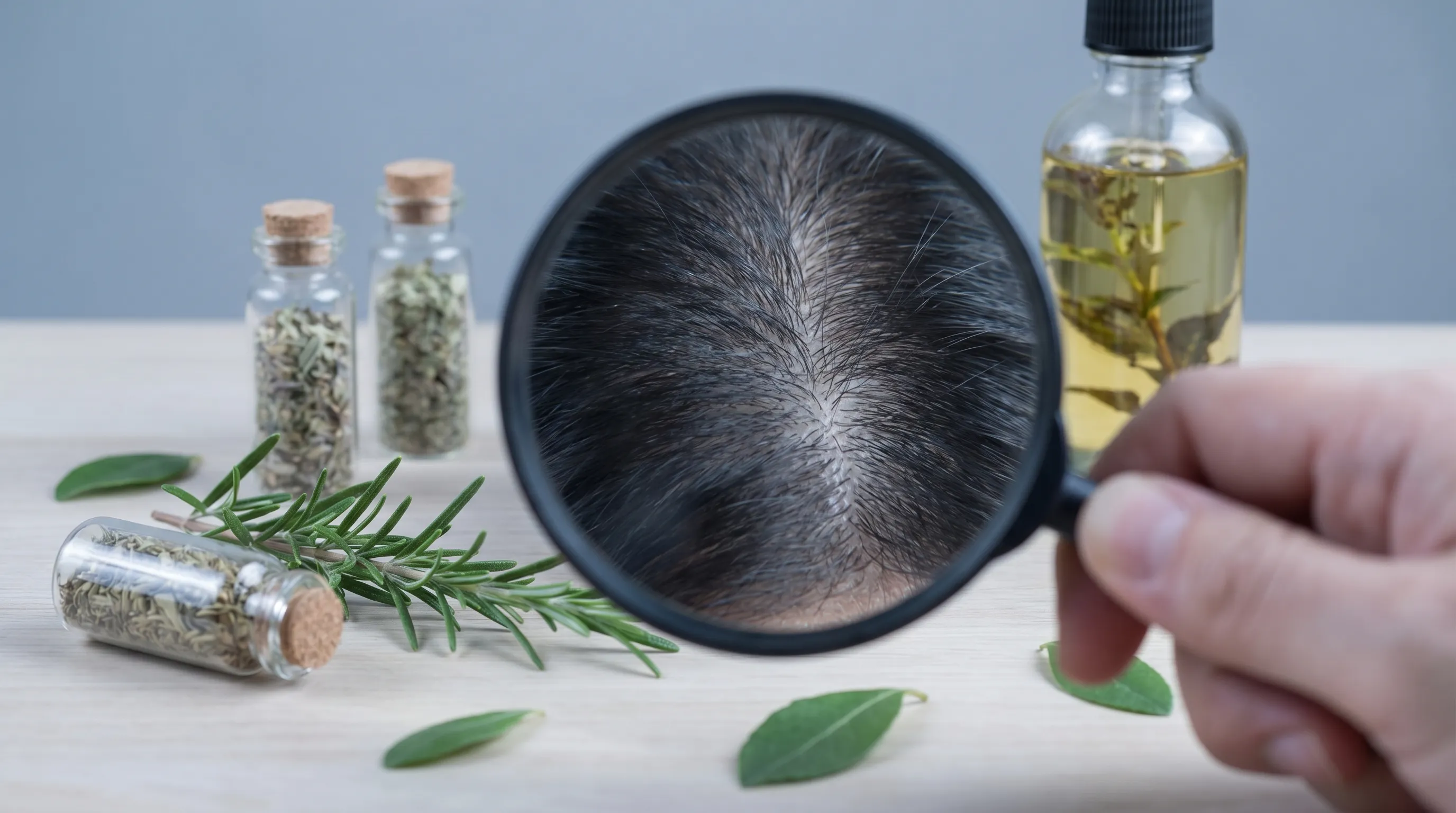
Potential Biological Mechanisms Linking Adderall to Hair Thinning
To fully comprehend why patients ask does adderall cause hair thinning, we must examine the precise physiological pathways through which amphetamine salts can disrupt follicular equilibrium. Four primary mechanisms emerge from current dermatological and pharmacological research: altered scalp microcirculation, nutritional deficits driven by appetite suppression, elevated stress hormone production, and compromised sleep architecture.
Vasoconstriction and Reduced Scalp Microcirculation
Stimulants act as vasoconstrictors, meaning they narrow peripheral blood vessels to maintain blood pressure during increased sympathetic activity. The scalp contains a dense network of microvessels responsible for delivering oxygen, amino acids, vitamins, and hormones to the hair bulb. When these vessels constrict chronically, follicular cells experience a mild hypoxic environment. While the body prioritizes oxygen delivery to the brain and heart, peripheral tissues like hair follicles receive reduced perfusion. Over weeks or months, this compromised microcirculation can weaken the structural integrity of growing hairs, leading to increased breakage and premature entry into the resting phase. Patients who experience cold extremities or pale skin while on stimulants are likely experiencing pronounced peripheral vasoconstriction, which may extend to the scalp.
Appetite Suppression, Weight Loss, and Nutrient Deficiencies
One of the most pronounced side effects of Adderall is hypothalamic appetite suppression. Many patients report skipping meals entirely or surviving on low-calorie, nutrient-poor convenience foods throughout the day. Hair follicles require a continuous influx of high-quality proteins, essential fatty acids, zinc, iron, and B-complex vitamins to synthesize keratin efficiently. Chronic caloric restriction forces the body to prioritize vital organ function over non-essential tissue maintenance, effectively halting the anagen phase. Iron deficiency, in particular, is a leading cause of diffuse hair loss, and stimulant-induced poor dietary intake can rapidly deplete ferritin stores, as noted by nutrition and health guidelines. When evaluating does adderall cause hair thinning, clinicians must always assess the patient's actual dietary habits rather than assuming the drug acts directly on the scalp.
Sympathetic Nervous System Activation and Cortisol
Amphetamines elevate norepinephrine and epinephrine, keeping the body in a heightened state of alertness. While beneficial for executive function, chronic sympathetic dominance stimulates the hypothalamic-pituitary-adrenal axis, leading to sustained cortisol elevation. Cortisol is a glucocorticoid hormone that, in excess, disrupts immune modulation and inflammatory pathways within the scalp, according to NIH research on stress hormones. Elevated cortisol has been directly linked to shortened anagen phases and increased pro-inflammatory cytokine production around hair follicles. Furthermore, stress hormones can interfere with the synthesis of growth factors like IGF-1 and VEGF, which are critical for maintaining robust follicular vasculature. Managing this neuroendocrine response is a cornerstone of preventing stimulant-associated shedding.
Sleep Architecture Disruption
Deep, restorative sleep is when the body repairs cellular damage, regulates hormone secretion, and synthesizes growth-promoting peptides. Adderall taken too late in the day, or at high doses, frequently delays sleep onset and reduces slow-wave and REM sleep stages. Chronic sleep deprivation elevates oxidative stress and impairs keratinocyte proliferation, a well-documented consequence of poor sleep hygiene. Patients who consistently sleep fewer than six hours per night while taking stimulants create a compounding environment where nutrient deficits, cortisol elevation, and poor tissue repair converge to accelerate shedding. Restoring healthy sleep hygiene is often the first step in reversing medication-related hair concerns.
Differentiating Adderall-Related Hair Loss from Other Causes
Before attributing thinning to your prescription medication, it is vital to rule out concurrent medical conditions. Many patients discover that their hair loss stems from an unrelated physiological issue exacerbated by, rather than caused by, their stimulant therapy. Accurate diagnosis prevents misdirected treatment and ensures comprehensive care.
Thyroid Dysfunction and Polypharmacy
Hypothyroidism and hyperthyroidism both cause profound hair shedding, fatigue, and temperature dysregulation. Symptoms often overlap with ADHD medication side effects, making differential diagnosis challenging. Additionally, patients taking multiple medications for mood disorders, anxiety, or cardiovascular conditions may experience drug interactions that compound hair loss. Certain antidepressants, beta-blockers, and anticoagulants are well-documented triggers for telogen effluvium. A thorough medication review and thyroid panel, guided by endocrine disease resources, can clarify whether the stimulant is the primary culprit or a contributing factor.
Genetic Predisposition and Age-Related Changes
Genetic pattern hair loss typically emerges in the late twenties or thirties and progresses independently of medication use. However, stimulant-induced shedding can unmask or accelerate an underlying genetic predisposition by temporarily reducing follicular density. Patients with a strong family history of androgenetic alopecia should be monitored closely, as environmental stressors often act as catalysts for genetically programmed miniaturization. Recognizing this overlap ensures that appropriate long-term treatments, such as anti-androgen therapies, are introduced if necessary.
Identifying the Timeline of Stimulant-Induced Hair Loss
The timing of shedding provides crucial diagnostic clues. If hair thinning begins two to three months after initiating Adderall or increasing the dosage, telogen effluvium is highly likely. Conversely, gradual thinning over several years points toward genetic or age-related causes. Documenting when the shedding started, whether it coincides with dietary changes, and if it aligns with stressors or sleep disruptions helps dermatologists pinpoint the exact etiology. This timeline analysis is essential for determining whether does adderall cause hair thinning in your specific case or if another factor requires intervention.
Practical Strategies to Manage and Reverse Hair Thinning
Once you understand the underlying mechanisms, you can implement targeted, evidence-based interventions to protect follicular health while continuing necessary medical treatment. A proactive, multi-system approach yields the best outcomes for long-term hair density and overall wellness.
Targeted Nutritional Interventions
Replenishing the micronutrients depleted by appetite suppression is the most effective first line of defense. Focus on high-bioavailability protein sources like lean poultry, fish, eggs, and legumes to supply essential amino acids for keratin synthesis. Incorporate omega-3 fatty acids from salmon, walnuts, and flaxseeds to reduce scalp inflammation and support sebum production. Prioritize iron-rich foods such as spinach, lentils, and fortified cereals, paired with vitamin C to enhance absorption. Zinc from pumpkin seeds and shellfish supports follicle repair and enzyme function. If whole-food intake remains challenging due to medication effects, a high-quality multivitamin containing biotin, B12, D3, and chelated iron can provide a reliable nutritional baseline. Consistency is critical; sporadic supplementation will not counteract daily caloric deficits.
Lifestyle Modifications and Stress Reduction
Managing sympathetic overactivation requires intentional nervous system regulation. Incorporate daily parasympathetic activation techniques such as diaphragmatic breathing, progressive muscle relaxation, or ten-minute meditation sessions. These practices lower circulating cortisol and redirect blood flow from a fight-or-flight state to rest-and-digest physiology. Gentle aerobic exercise like brisk walking or swimming improves cardiovascular health without triggering excessive adrenaline spikes. Avoiding additional stimulants, including high-dose caffeine and energy drinks, prevents compounding vasoconstriction. Creating structured meal alarms can ensure consistent nutrient intake even when appetite signals are blunted.
Topical and Over-the-Counter Hair Care Solutions
While systemic interventions address internal triggers, topical treatments support the local scalp environment. Over-the-counter minoxidil (2% or 5%) is FDA-approved to prolong the anagen phase and increase follicular blood flow, with detailed usage guidelines available from dermatological care providers. Apply consistently once or twice daily as directed, understanding that temporary increased shedding may occur during the first six to eight weeks as weaker hairs are replaced by stronger ones. Use sulfate-free, pH-balanced shampoos to avoid stripping natural oils, and limit heat styling to prevent mechanical breakage. Scalp massage with a silicone brush for three to five minutes daily can manually stimulate microcirculation and enhance topical product absorption. Always patch-test new serums and discontinue use if irritation develops.
Collaborating With Your Healthcare Provider
Never adjust your medication regimen without medical supervision. Schedule a follow-up appointment with your prescribing clinician to discuss your hair thinning concerns openly. They may recommend switching to an extended-release formulation to smooth peak plasma concentrations, adjusting the timing of your dose to improve sleep and daytime appetite, or exploring alternative ADHD management strategies like atomoxetine or guanfacine. Dose reduction, even by ten to twenty milligrams, can significantly diminish peripheral side effects while preserving cognitive benefits. If you ask does adderall cause hair thinning during your consultation, request baseline blood work including ferritin, vitamin D, thyroid panel, and complete metabolic profile to rule out compounding deficiencies.

When to Seek Professional Medical Advice
While temporary shedding is common, certain warning signs warrant immediate dermatological or medical evaluation. Seek professional care if you notice sudden patchy hair loss, scalp redness, scaling, pain, or visible scarring, as these indicate autoimmune conditions like alopecia areata or fungal infections. Rapid, severe shedding accompanied by unexplained weight loss, fatigue, or irregular menstruation may point to thyroid disorders or systemic illness. If hair thinning persists beyond six months despite nutritional optimization, sleep improvement, and dose adjustments, a board-certified dermatologist can perform a trichoscopic examination, scalp biopsy, or hormone panel to identify resistant cases. Early intervention prevents prolonged follicular miniaturization and improves long-term regrowth outcomes. Do not wait until significant density is lost before consulting a specialist.
Frequently Asked Questions
Does Adderall directly destroy hair follicles?
No. Adderall does not directly damage or destroy hair follicles. Instead, it may trigger telogen effluvium, a temporary shedding condition caused by physiological stress, nutrient deficits, or altered blood flow. The follicles remain intact and typically resume normal function once the underlying trigger is addressed.
How long does it take for hair to regrow after stopping Adderall?
Hair regrowth follows the natural anagen phase and typically takes three to six months after the triggering factor is resolved. Because hair grows roughly half an inch per month, visible density improvements usually become noticeable around the four-month mark, assuming adequate nutrition and scalp health are maintained.
Can taking biotin prevent Adderall-related hair shedding?
Biotin supports keratin infrastructure but will not prevent shedding if the primary trigger is severe appetite suppression, chronic sleep loss, or elevated cortisol. A comprehensive approach combining balanced macronutrients, stress management, and hydration is far more effective than isolated biotin supplementation.
Should I lower my Adderall dosage if I notice hair thinning?
Never adjust prescription stimulant dosages without consulting your prescribing physician. A healthcare provider can evaluate whether a lower dose, split dosing, extended-release formulation, or alternative medication might reduce systemic stress while maintaining therapeutic benefits for ADHD.
Is hair loss from Adderall permanent?
In the vast majority of cases, stimulant-associated hair loss is temporary and reversible. Once the physiological stressor is managed, follicles re-enter the growth phase. Permanent loss only occurs if there is a concurrent, untreated genetic predisposition or an underlying medical condition left unaddressed.
Can switching to a different ADHD medication help?
Yes. Many patients experience reduced side effects when transitioning to non-stimulant options like atomoxetine or alpha-2 agonists, or when trying methylphenidate-based formulations. Individual neurochemistry varies significantly, and finding the right compound often resolves secondary systemic effects while preserving focus and cognitive function.
Conclusion
The question of does adderall cause hair thinning ultimately reveals a complex interaction between pharmacology, nutrition, and systemic physiology. Adderall does not inherently poison hair follicles or cause irreversible damage, but its secondary effects—including appetite suppression, vasoconstriction, cortisol elevation, and sleep disruption—can absolutely trigger temporary telogen effluvium in susceptible individuals. By recognizing the difference between diffuse shedding and genetic pattern loss, patients can avoid unnecessary panic and pursue targeted, evidence-based interventions. Prioritizing consistent nutrient intake, optimizing sleep architecture, managing stress through parasympathetic activation, and collaborating closely with your prescribing clinician form the foundation of effective hair preservation while maintaining neurological treatment. With proactive management and professional guidance, most individuals can successfully restore scalp density and continue their therapeutic regimen without compromise. Your health is multifaceted, and addressing medication side effects with a comprehensive, science-backed approach ensures both your cognitive function and physical well-being remain optimally supported.
How we work
Researched and drafted with AI assistance, then reviewed by a human editor against the cited sources.
This article is general health information, not medical advice. Consult a qualified healthcare professional about your own situation.