Evaporation Line vs Faint Positive: How to Read Pregnancy Tests Correctly
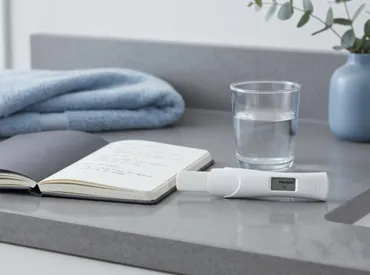
Navigating the uncertainty of a home pregnancy test can be one of the most emotionally charged moments for anyone hoping to conceive or trying to avoid pregnancy. You carefully follow the instructions, wait anxiously for the timer, and finally look down at the result window. Instead of a clear, definitive answer, you see a subtle, pale mark. Is it a true early sign of pregnancy, or is it merely a drying artifact that appears after the fact? The distinction between an evaporation line vs faint positive is a common source of confusion, but understanding the science behind these tests can provide clarity and peace of mind. In this comprehensive guide, we will break down exactly how modern pregnancy tests work, explain the physiological and chemical reasons behind different line appearances, and provide actionable, evidence-based strategies to help you read your results accurately. Whether you are tracking your fertility cycle or navigating unexpected test outcomes, knowing how to interpret these subtle signs empowers you to make informed next steps without unnecessary stress.
Understanding How Pregnancy Tests Work
Before diving into the nuances of evaporation line vs faint positive comparisons, it is essential to understand the biological and chemical mechanisms that drive modern home pregnancy testing. These devices are not magic wands; they are sophisticated diagnostic tools designed to detect specific hormonal shifts in your body. The entire process relies on a highly targeted biochemical reaction that occurs when a specific hormone interacts with specialized antibodies embedded in the test strip.
Free calculatorOvulation CalculatorCalculate ovulation periodOpen the calculatorThe Science Behind hCG Detection
Home pregnancy tests are engineered to detect human chorionic gonadotropin, commonly abbreviated as hCG, in your urine. This glycoprotein hormone is produced almost exclusively by the syncytiotrophoblast cells of the developing placenta shortly after a fertilized egg successfully implants into the uterine lining. Implantation typically occurs six to twelve days after ovulation, and once it happens, hCG begins to enter your bloodstream and is subsequently filtered through your kidneys into your urine.
Commercial tests use monoclonal antibodies specifically calibrated to bind to the beta-subunit of the hCG molecule. When urine containing hCG flows across the test strip, the hormone binds to these antibodies, triggering a cascade that releases colored dye at the test window. The concentration of hCG required to trigger this reaction varies by manufacturer, with most standard tests requiring between 20 and 25 milli-international units per milliliter (mIU/mL) to register a positive. Early detection variants can identify levels as low as 10 mIU/mL. It is important to note that non-pregnancy conditions, such as certain ovarian cysts, fertility medications containing hCG, or very early pregnancy loss, can temporarily elevate hCG levels, which is why clinical verification remains the gold standard.
Reading Windows and Test Accuracy
Every pregnancy test comes with a strictly defined reading window, typically ranging from three to ten minutes, depending on the brand. This window exists because the chemical reaction needs adequate time to complete while remaining in a controlled, moist environment. Reading a test before the minimum time may yield a false negative because the hCG has not yet fully migrated and bound to the antibodies. Conversely, leaving the test out for hours allows the urine to evaporate completely, leaving behind concentrated salts, dye residues, and protein streaks that can mimic a positive result.
Test accuracy is heavily influenced by expiration dates, storage conditions, and user technique. Tests exposed to high humidity, direct sunlight, or extreme temperatures may experience degraded antibodies, reducing their sensitivity. According to the American College of Obstetricians and Gynecologists (ACOG) - Pregnancy Tests, home tests are up to 99% accurate when used correctly and at the appropriate time in your cycle. Understanding these baseline parameters helps eliminate guesswork when evaluating ambiguous outcomes.
What Is an Evaporation Line?
An evaporation line, often abbreviated as an evap line, is one of the most frequently misinterpreted results in at-home pregnancy testing. It appears as a faint, colorless, or slightly grayish mark in the test window after the test has completely dried. Unlike a true positive, which indicates active hormone binding, an evap line is a physical byproduct of the drying process and holds no diagnostic value.
How Evap Lines Form
Evaporation lines occur due to the natural migration of liquid components within the test strip as urine evaporates. As the moisture dissipates, dissolved urinary salts, metabolic waste products, and residual dye particles can settle into the nitrocellulose membrane where the test line is positioned. This settlement creates a visible shadow or indentation that closely mimics the shape of a positive result. Additionally, if the test strip is not perfectly manufactured or if the dye pad becomes slightly misaligned, dye can bleed into the control or test zones during the drying phase. This phenomenon is particularly common with blue dye tests, which are notorious for producing ambiguous artifacts that complicate the evaporation line vs faint positive debate.
Timing Is Everything
The primary factor that distinguishes an evaporation line from a valid result is timing. If you look at your test after the maximum recommended reading window has passed, any line that appears is considered invalid. Most manufacturers explicitly state in their instructions that results read beyond ten minutes are unreliable. This guideline is not arbitrary; it is based on the exact timeframe required for the antibody-antigen binding reaction to stabilize. Waiting longer does not increase accuracy. Instead, it guarantees that you are observing dried residue rather than active hormone detection. Always set a timer, place the test on a flat, dry surface, and discard it once the window closes.

What Does a Faint Positive Look Like?
A faint positive is a legitimate test result that appears pale, thin, or lightly tinted in the test window. While it may lack the bold, unmistakable contrast of a classic positive, it still signifies that hCG antibodies have successfully bound to detectable hormone levels in your sample. Recognizing a faint positive early can provide crucial information about conception timing and embryonic development.
Why Faint Lines Appear
Faint lines typically occur for three primary reasons: early testing, urine dilution, or variations in test sensitivity. If you test before or on the day of your expected period, your hCG levels may still be hovering just above the test’s detection threshold. At 10 to 25 mIU/mL, the reaction will produce a visible mark, but the lower concentration results in a weaker dye release. Additionally, testing later in the day after drinking fluids throughout the morning dilutes your urine, temporarily lowering hCG concentration. Some individuals naturally metabolize and excrete hormones at different rates, which can also impact line intensity. Finally, test brand sensitivity plays a role; highly sensitive tests will show a clearer line at lower concentrations, while standard tests may display a faint mark that intensifies over subsequent days.
When a Faint Line Is Actually Positive
Medical professionals generally advise the rule of thumb: any visible color in the test window that appears within the recommended time frame should be considered positive, regardless of intensity. True positives contain pigment matching the dye type used by the manufacturer. Pink dye tests produce light pink or magenta lines, while blue dye tests yield pale to bright blue marks. If you tilt the test under natural lighting and can clearly distinguish pigment rather than a dry shadow, you are likely looking at a legitimate early positive. The Mayo Clinic - Pregnancy Test Results emphasizes that line intensity should not be used as the sole indicator of pregnancy viability, as concentration fluctuations are normal in early weeks.
Evaporation Line vs Faint Positive: Key Differences
Understanding the evaporation line vs faint positive distinction requires careful observation of color, timing, and progression. While both can appear faint initially, they originate from entirely different chemical processes and carry vastly different clinical meanings.
Color and Appearance
A true faint positive will always exhibit some degree of color saturation. Even if it is extremely pale, it will match the dye used in the test kit. Under proper lighting, you will notice a slight sheen or depth to the line because the dye has embedded itself into the reactive zone during the active testing phase. An evaporation line, on the other hand, appears flat, matte, and typically colorless or gray. It often looks like a subtle indentation or a dried water mark rather than an applied pigment. Some users describe evap lines as having a slightly raised or rough texture once the test is fully dry, which contrasts with the smooth, uniform appearance of a valid positive.
Timing and Development
The timeline of line appearance is the most reliable diagnostic indicator. A faint positive develops within the manufacturer’s specified window, usually between three and ten minutes after urine exposure. In some cases, it may appear immediately, while in others, it slowly fades into view as the liquid front passes the test zone. An evaporation line only becomes visible after the test has completely dried, typically thirty minutes to several hours later. Furthermore, a true positive will remain consistently visible if you retest after 48 hours, assuming normal hCG progression. Evaporation lines are unpredictable and may disappear or reappear inconsistently if you attempt to store or re-read an old test.
| Feature | Evaporation Line | Faint Positive |
|---|---|---|
| Color | Colorless, gray, or slightly darker than test background | Tinted with pink or blue dye, even if very pale |
| Timing | Appears only after test fully dries (post-reading window) | Appears within the manufacturer’s recommended time frame |
| Cause | Urine evaporation, salt residue, dye migration | Active hCG binding with test antibodies |
| Progression | Does not intensify on retests within 48 hours | Typically becomes darker and more distinct as hCG rises |
| Clinical Meaning | Invalid result, no diagnostic value | Indicates presence of detectable pregnancy hormone |
| Recommended Action | Discard test, retest in 48 hours with first morning urine | Consider positive, schedule clinical confirmation and prenatal consultation |
Practical Tips for Accurate Test Reading
Navigating the evaporation line vs faint positive dilemma doesn’t have to rely on guesswork. By implementing evidence-based testing protocols, you can minimize ambiguity and maximize confidence in your results.
How to Avoid Misreading Your Test
Lighting conditions dramatically impact how you perceive line intensity. Always examine your test in bright, natural daylight rather than dim bathroom lighting, which can exaggerate shadows and create optical illusions. Hold the test at eye level and tilt it slightly; a true positive will reflect light consistently along the pigment, while an evap line will appear as a flat, non-reflective streak. Avoid using magnifying glasses or smartphone cameras, as digital zooming and screen glare can distort color perception. If you use a digital test, you bypass interpretation entirely, though digital devices tend to have higher detection thresholds and may require waiting an additional day compared to strip tests.
Best Practices for Taking the Test
First-morning urine is universally recommended for early testing because it contains the highest concentration of hCG after overnight fluid restriction. If you must test later in the day, limit fluid intake for two to three hours beforehand to prevent unnecessary dilution. Follow the manufacturer’s instructions precisely: dip the strip for the exact recommended duration, place it horizontally on a clean, flat surface, and start a timer immediately. Never cap the test or cover the result window while it develops, as trapped moisture can alter the reaction pathway. Keep track of your cycle days, and avoid testing earlier than the manufacturer’s stated early detection window unless you specifically purchased a high-sensitivity variant.
When to Retake or See a Doctor
If your initial result shows an ambiguous line or you suspect an evap line, do not panic or assume the worst. Schedule a retest exactly forty-eight hours later. Because viable pregnancies typically exhibit a doubling of serum hCG every two days, the second test should yield a noticeably stronger line if conception has occurred. If the line remains faint after three consecutive days, or if you experience symptoms like severe cramping or unusual bleeding, contact your healthcare provider promptly. A Planned Parenthood - Understanding Results clinician can order a quantitative serum hCG test, which measures exact hormone levels rather than relying on binary urine detection. Blood tests can identify hCG concentrations as low as 5 mIU/mL and track doubling patterns to assess early pregnancy viability.
Next Steps After a Positive or Ambiguous Result
Regardless of whether your test shows a faint positive or you are still deciphering the evaporation line vs faint positive distinction, taking structured next steps ensures you receive appropriate medical care and emotional support.
Confirming with Blood Tests
Urine tests are excellent screening tools, but they lack the precision required for early clinical decision-making. A quantitative beta hCG blood test provides exact numerical values, allowing your provider to track progression over 48 to 72 hours. This is particularly valuable if you have a history of ectopic pregnancy, recurrent miscarriage, or fertility treatments. According to guidelines from the FDA - In Vitro Diagnostics Guidance, laboratory-based testing remains the definitive standard for early pregnancy confirmation. Your provider may also order baseline progesterone levels, which support early embryonic development and can indicate whether supplemental hormone therapy is necessary.
Prenatal Care and Early Monitoring
Once pregnancy is confirmed, transitioning to prenatal care becomes your top priority. Begin taking a prenatal vitamin containing at least 400 to 800 micrograms of folic acid daily to support neural tube development. Eliminate alcohol, recreational drugs, and limit caffeine intake to under 200 milligrams per day. Schedule an initial obstetric appointment, which typically occurs between eight and ten weeks of gestation. During this visit, your provider will perform a pelvic ultrasound to confirm intrauterine implantation, establish an accurate due date, and screen for multiple gestations. Early monitoring is especially important if you experienced a very faint initial line, as it allows for timely intervention if complications arise. Maintaining open communication with your healthcare team ensures that both your physical health and emotional well-being are prioritized throughout the first trimester.
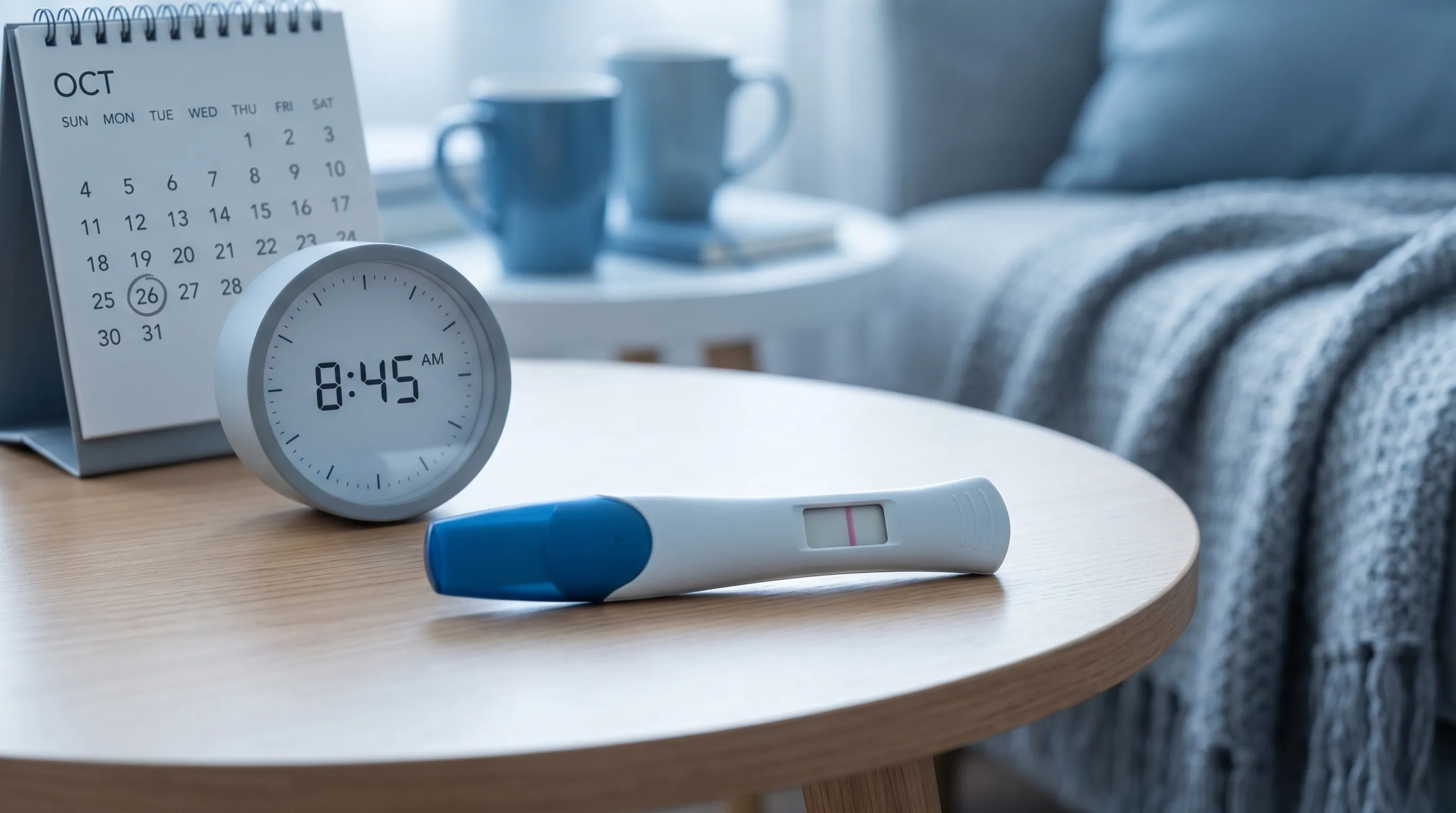
Frequently Asked Questions
Can an evaporation line turn positive after a few hours?
No. Once a pregnancy test has dried past the manufacturer's recommended reading window, any lines that appear afterward are invalid artifacts. An evaporation line does not convert to a true positive over time. A valid positive result will develop within the specified timeframe, usually 3 to 10 minutes, and will remain visible.
How do I know if my faint line is a real positive or just an evap line?
A true faint positive typically has color (pink or blue, depending on the dye type) and appears within the recommended reading window. It may also appear gradually as the test processes. An evaporation line is usually colorless, grayish, or slightly darker than the background, and it only shows up after the test has completely dried. Repeating the test in 48 hours or requesting a quantitative blood hCG test will provide definitive confirmation.
Why are some pregnancy tests better at avoiding evaporation lines?
Pregnancy tests that use pink dye instead of blue dye are widely reported by clinicians and users to produce fewer ambiguous evaporation lines. Pink dye tests tend to have clearer contrast when hCG binds to the antibodies, and any artifacts that form are usually less distinct. Digital tests eliminate interpretation entirely by displaying "Pregnant" or "Not Pregnant," making them ideal for those who struggle with line comparison.
Does drinking a lot of water before taking a test cause a faint line?
Yes. Excessive fluid intake before testing can dilute your urine, temporarily lowering the concentration of human chorionic gonadotropin (hCG) in your sample. This dilution may result in a faint positive line even if you are pregnant, as the lower hormone level produces a weaker reaction with the test antibodies. Testing with first-morning urine or limiting fluids for two to three hours beforehand helps concentrate hCG and improves accuracy.
Should I take a second test immediately if I see an evaporation line?
It is generally recommended to wait at least 48 hours before retesting if your initial result is ambiguous or shows an evaporation line. Human chorionic gonadotropin levels roughly double every two days during early viable pregnancies. Waiting allows the hormone concentration to rise enough to produce a clearer result. Retesting too soon with a new urine sample often yields the same unclear outcome.
What if I see a faint line but get my period shortly after?
A faint positive followed by menstrual bleeding often indicates a chemical pregnancy, which is an early miscarriage occurring shortly after implantation. This happens in approximately 10 to 20 percent of recognized pregnancies and is typically caused by chromosomal abnormalities incompatible with sustained development. While emotionally difficult, chemical pregnancies do not generally impact future fertility, and most individuals conceive successfully in subsequent cycles. Consulting a healthcare provider can help rule out other causes and provide appropriate support.
Conclusion
The distinction between an evaporation line vs faint positive can feel overwhelming, but it ultimately boils down to timing, color, and biological progression. By understanding how hCG interacts with test antibodies, adhering strictly to reading windows, and utilizing first-morning urine, you significantly reduce the likelihood of misinterpretation. Always remember that a faint positive appearing within the valid timeframe is a legitimate indicator of early pregnancy, while lines that emerge after drying are merely evaporation artifacts. When in doubt, retest after 48 hours, track your symptoms, and seek clinical confirmation through quantitative blood testing. Empowering yourself with accurate information transforms uncertainty into informed action, allowing you to navigate your reproductive health journey with confidence and clarity.
How we work
Researched and drafted with AI assistance, then reviewed by a human editor against the cited sources.
This article is general health information, not medical advice. Consult a qualified healthcare professional about your own situation.