Do Tampons Hurt? A Comprehensive Guide to Comfort, Safety & Proper Use

If you have ever hesitated before opening a tampon package because you wondered, "do tampons hurt?" you are not alone. Menstrual product selection should feel empowering, not intimidating, yet countless individuals experience insertion discomfort, friction during wear, or anxiety around removal. The reality is that a properly sized, correctly placed tampon should never cause sharp or persistent pain. However, the vaginal canal is highly sensitive, naturally variable in anatomy, and deeply influenced by hormonal fluctuations, stress levels, and pelvic muscle tone. When people ask do tampons hurt, the most accurate medical answer is no, they should not, but several modifiable factors often turn what should be a comfortable experience into an uncomfortable one. Understanding your body’s unique anatomy, learning evidence-based insertion techniques, recognizing product mismatches, and knowing when to seek clinical guidance are the pillars of safe, pain-free period management. This comprehensive guide breaks down the physiological mechanics, troubleshooting strategies, and actionable steps required to make tampon use comfortable, predictable, and completely aligned with your wellness goals.
The Anatomy of a Tampon and How It’s Designed to Work
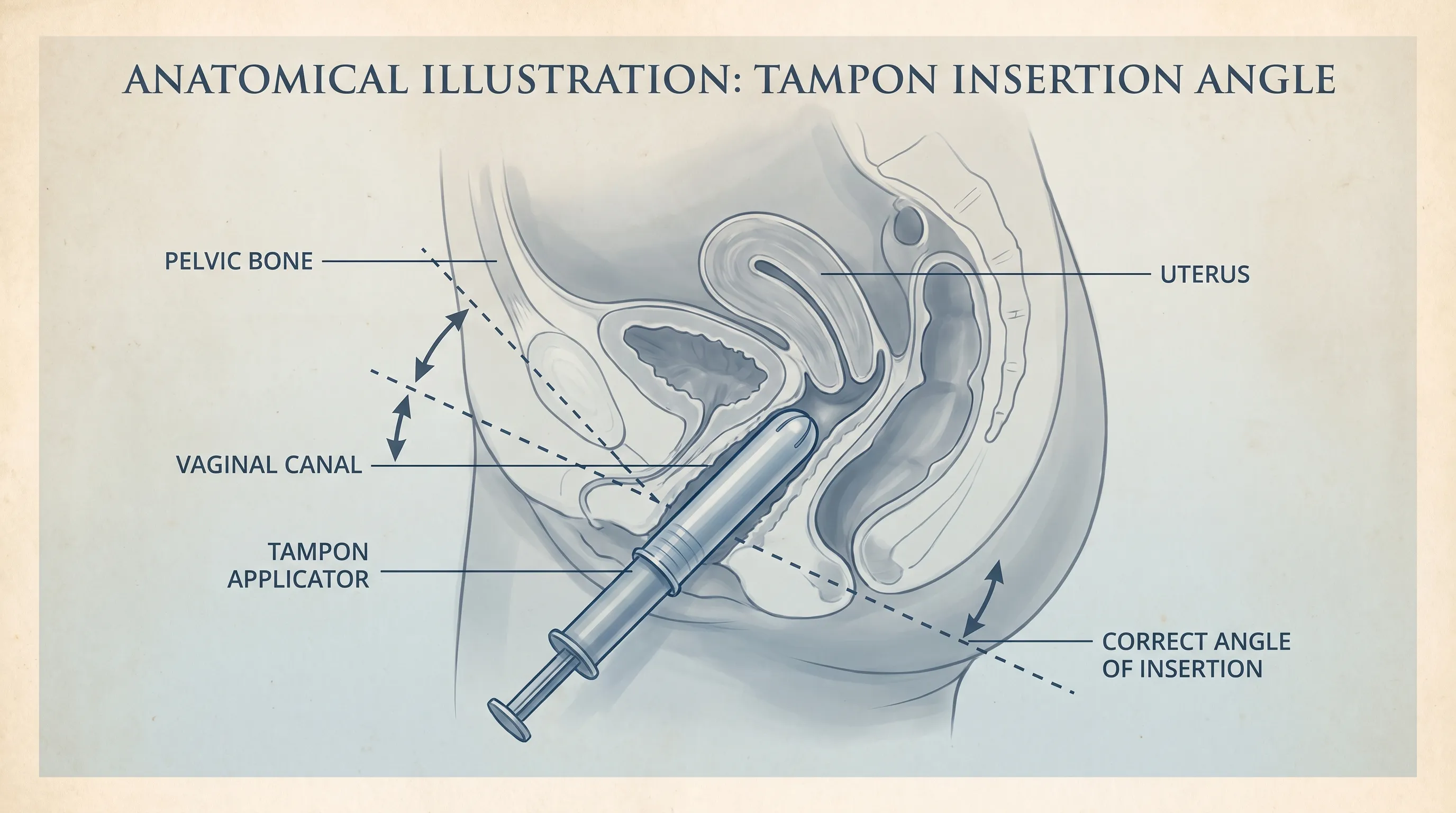
To fully understand why some people experience discomfort while others do not, it is essential to examine both the structural design of the product and the physiological environment it enters. Tampons are engineered to sit within the upper third of the vaginal canal, positioned well below the cervix and above the pelvic floor muscles. The vaginal canal itself is not a straight vertical tube but a flexible, muscular space that angles downward and backward toward the sacrum. When relaxed, the anterior and posterior walls of the canal gently touch each other, creating a natural seal that prevents foreign objects from sliding out while allowing menstrual fluid to flow freely around and through the tampon fibers (Cleveland Clinic: Vaginal Anatomy).
Free calculatorBMI CalculatorCalculate Body Mass IndexOpen the calculatorMaterials and Expansion Mechanics
Modern tampons are primarily constructed from cotton, rayon, or a blend of both, chosen for their high absorbency, rapid fluid wicking, and biocompatibility. When exposed to menstrual fluid, these fibers swell and expand uniformly, conforming to the contours of the vaginal walls. This expansion is precisely calibrated; tampons are manufactured to increase in width and length by a predictable percentage, ensuring they remain securely in place without exerting excessive pressure on sensitive nerve endings. The outer compression layer keeps the tampon compact during insertion, allowing the applicator or finger to guide it smoothly past the vaginal opening. Once released from the applicator, the tampon expands radially, creating a gentle seal that prevents leaks. If the tampon expands too quickly or is placed in an area with insufficient moisture, it can cause dryness, friction, and the sensation that it is scraping or sticking.
How Tampons Are Meant to Fit Within the Vaginal Canal
The ideal resting position for a tampon is in the mid-to-upper vaginal canal, approximately two to four inches past the opening. At this depth, the tampon sits away from the highly innervated vestibule and introitus, which are responsible for the sharp pain signals people feel when insertion goes awry. The cervix acts as a natural backstop; tampons cannot pass beyond it, which is why the sensation of hitting a wall during insertion usually means you are simply reaching the natural anatomical limit. When positioned correctly, you should not feel the tampon at all once it is in place. If you feel pressure, a dull ache, or the sensation that it is sitting too low, it either has not been pushed far enough, has shifted downward, or is absorbing too little fluid to stay buoyant. Understanding this spatial relationship eliminates much of the guesswork that leads to improper placement and subsequent discomfort.
Common Reasons Why Insertion Might Feel Uncomfortable
When individuals ask do tampons hurt during insertion, the vast majority of cases are traceable to technique, preparation, or product choice rather than inherent product flaws. The vaginal opening is surrounded by dense nerve networks and sphincter-like muscles that tighten instinctively in response to anxiety, anticipation, or physical tension. Insertion is a highly coordinated process requiring relaxation, proper lubrication, and accurate spatial orientation.
Incorrect Angle or Positioning
One of the most frequent causes of insertion pain is aiming the tampon straight upward or pressing it too forcefully against the anterior wall. The vaginal canal does not run perpendicular to the floor; it follows the natural curvature of the spine. Aiming upward directs the applicator toward the pubic bone, causing immediate scraping pain and muscle guarding. The correct trajectory is a gentle downward and backward path, roughly a 45-degree angle toward your tailbone. If you visualize the tampon following the curve of your lower back rather than heading toward your belly button, insertion typically becomes smooth and effortless. Many applicators feature a tapered tip specifically designed to glide along this natural pathway. Ignoring this anatomical curve is a primary reason why first-time users or those switching from a different brand experience sudden resistance or stinging.
Vaginal Dryness and Natural Lubrication
Menstrual fluid naturally acts as a lubricant, but on lighter flow days, the vaginal environment may not produce enough moisture to facilitate smooth insertion. Dehydration, hormonal birth control, stress, certain antihistamines, and perimenopausal hormonal shifts can all reduce baseline vaginal moisture. When a dry applicator or dry tampon surface meets dry tissue, friction increases dramatically, causing micro-abrasions that feel like burning or sharp pinching. This is why many clinicians recommend waiting until your flow is moderate before attempting insertion, or using a water-based, glycerin-free lubricant on the applicator tip. The mucosal lining of the vagina is highly sensitive to chemical irritants, so avoiding lubricants containing alcohol, fragrances, or parabens is critical to preventing contact dermatitis or delayed healing.
Muscle Tension and Pelvic Floor Spasms
The pelvic floor is a complex sling of muscles that supports the bladder, uterus, and rectum. These muscles contract involuntarily during times of stress, anticipation, or fear. If you are nervous about tampon use, have had a previous painful insertion, or experience general anxiety around menstrual care, your pelvic floor may tighten automatically (Mayo Clinic: Pelvic Floor Disorders). This unconscious guarding narrows the vaginal opening, making even a slim applicator feel impossibly large. The pain in this scenario is muscular rather than mucosal, often described as a squeezing, cramping, or blocking sensation. Learning to consciously relax these muscles through diaphragmatic breathing, gentle pelvic drops, or progressive muscle relaxation can dramatically improve insertion comfort. Forcing a tampon into a tense canal not only causes immediate pain but can condition the nervous system to expect discomfort every time you attempt insertion afterward.
Size and Absorbency Mismatch
Using a tampon with an absorbency level far exceeding your current flow creates a common yet frequently overlooked source of discomfort. High-absorbency tampons are wider when compressed and expand more aggressively once placed. If your flow is light, the tampon will absorb your natural vaginal moisture along with the minimal menstrual fluid, causing excessive dryness, friction, and a tight, constricting feeling. This is also a primary risk factor for vaginal micro-tears and toxic shock syndrome (TSS). Always start with the lowest absorbency that manages your flow for the recommended four to six hours, and never use super or ultra-absorbency tampons unless you are actively experiencing heavy saturation. Matching product size to physiological reality is the simplest way to prevent avoidable pain.
Medical Conditions That Can Cause Pain With Tampon Use
While technique accounts for most insertion complaints, persistent or severe pain often signals an underlying physiological condition that requires professional evaluation. If you consistently experience sharp pain, bleeding unrelated to your period, or the inability to insert a tampon beyond the first inch, it is time to look beyond product selection and explore potential medical factors.
Vaginismus and Involuntary Muscle Contractions
Vaginismus is a pelvic floor disorder characterized by involuntary spasms of the muscles surrounding the vaginal opening in response to attempted penetration. These spasms are reflexive, not intentional, and range from mild tightening to severe clamping that makes any insertion impossible. Primary vaginismus often presents when someone first attempts tampon use, while secondary vaginismus develops after a painful insertion, infection, or trauma. The condition is highly treatable through pelvic floor physical therapy, graduated dilator therapy, and cognitive-behavioral techniques, but attempting to force a tampon through spasming muscles will only worsen pain and reinforce the fear-tension-pain cycle. If you suspect vaginismus, a gynecologist or pelvic floor specialist can provide a structured treatment plan tailored to your comfort level.
Endometriosis and Pelvic Inflammatory Changes
Endometriosis, adenomyosis, and pelvic inflammatory disease can alter the position, mobility, and sensitivity of reproductive organs. Adhesions or deep infiltrating lesions may shift the angle of the vaginal canal, making standard insertion angles painful or mechanically difficult. Chronic inflammation from conditions like recurrent bacterial vaginosis or untreated STIs can cause tissue swelling, redness, and heightened nerve sensitivity, turning even gentle pressure into significant discomfort. Hormonal fluctuations tied to these conditions can also disrupt the natural pH balance and moisture production of the vaginal mucosa. If you experience pelvic pain, painful periods, painful intercourse, and tampon discomfort simultaneously, a comprehensive gynecological workup is strongly recommended to rule out structural or inflammatory contributors.
Yeast Infections and Bacterial Imbalances
Acute infections significantly lower your threshold for menstrual product tolerance. A yeast infection causes intense itching, swelling, and erythema of the vulvar and vaginal tissues, making friction highly painful. Bacterial vaginosis alters vaginal pH and produces a thinner, more watery discharge that may not adequately lubricate insertion, increasing the likelihood of friction burns or micro-tears. Introducing a tampon during an active infection can also push bacteria higher into the vaginal canal or trap inflammatory discharge, prolonging symptoms and increasing the risk of complications. Always complete prescribed treatments before resuming tampon use, and consider switching to pads or period underwear during acute flare-ups to allow the tissue to heal without mechanical irritation.
How to Choose the Right Tampon for Your Body
Product selection directly influences comfort, safety, and effectiveness. Not all tampons are created equal, and understanding the differences in applicator design, material composition, and absorbency calibration can transform your menstrual experience from frustrating to flawless.
Comparing Applicator Types vs. Digital Insertion
Tampons with plastic applicators offer the smoothest insertion experience for beginners because the polished surface glides easily, and the plunger provides precise depth control. The tapered tip and grip design reduce the cognitive load of positioning. Cardboard applicators, while eco-friendly, often create more friction and can feel scratchy if the layers separate slightly. Digital tampons, which are designed to be inserted directly with your finger, require more manual control but offer superior tactile feedback, allowing you to feel exactly how far the tampon has traveled and adjust the angle in real time. If you struggle with applicator alignment or experience discomfort from plastic edges, switching to digital tampons after gaining basic familiarity may improve your spatial awareness and muscle relaxation. Conversely, if digital insertion feels awkward, stick with a high-quality plastic applicator and focus on gentle, steady pressure.
Absorbency Guidelines and Overuse Risks
Absorbency is measured by standardized testing that simulates fluid uptake under controlled conditions. The categories range from light (6 grams) to ultra (12+ grams). Higher absorbency does not mean longer wear time; it means greater fluid capacity, which should only be matched to heavier flow. Leaving a tampon in for eight hours regardless of saturation dramatically increases the risk of toxic shock syndrome (TSS), a rare but serious bacterial infection linked to prolonged wear and vaginal micro-trauma. To stay safe, change tampons every four to six hours during peak flow, and never exceed eight hours. If you wake up with heavy saturation, use a pad overnight instead of a super-absorbency tampon. Monitoring saturation levels and adjusting product size accordingly is the most effective way to prevent dryness, friction, and bacterial overgrowth.
Organic vs. Conventional Tampon Materials
Conventional tampons typically blend cotton and rayon, while organic tampons use 100% certified organic cotton without synthetic additives, chlorine bleaching, or fragrances. While both are rigorously tested for safety, individuals with sensitive skin, recurrent irritation, or chemical sensitivities often report greater comfort with organic cotton tampons. The absence of fragrances eliminates a major trigger for contact dermatitis and vulvar itching. Additionally, organic tampons tend to expand more uniformly and may feel softer against the mucosal lining, reducing the sensation of dryness during lighter flow days. However, absorbency calibration remains identical across both types, so you must still follow size guidelines carefully. If you notice persistent itching, burning, or unusual discharge after switching to conventional brands, transitioning to fragrance-free organic tampons or unbleached cotton alternatives may resolve the issue.
Step-by-Step Guide to Comfortable Insertion and Removal
Mastering tampon use is a learned skill that improves dramatically with deliberate practice, body awareness, and consistent technique. Following a structured routine eliminates guesswork and reduces the likelihood of discomfort, while safe removal protocols prevent friction-related micro-trauma.
Relaxation Techniques Before Insertion
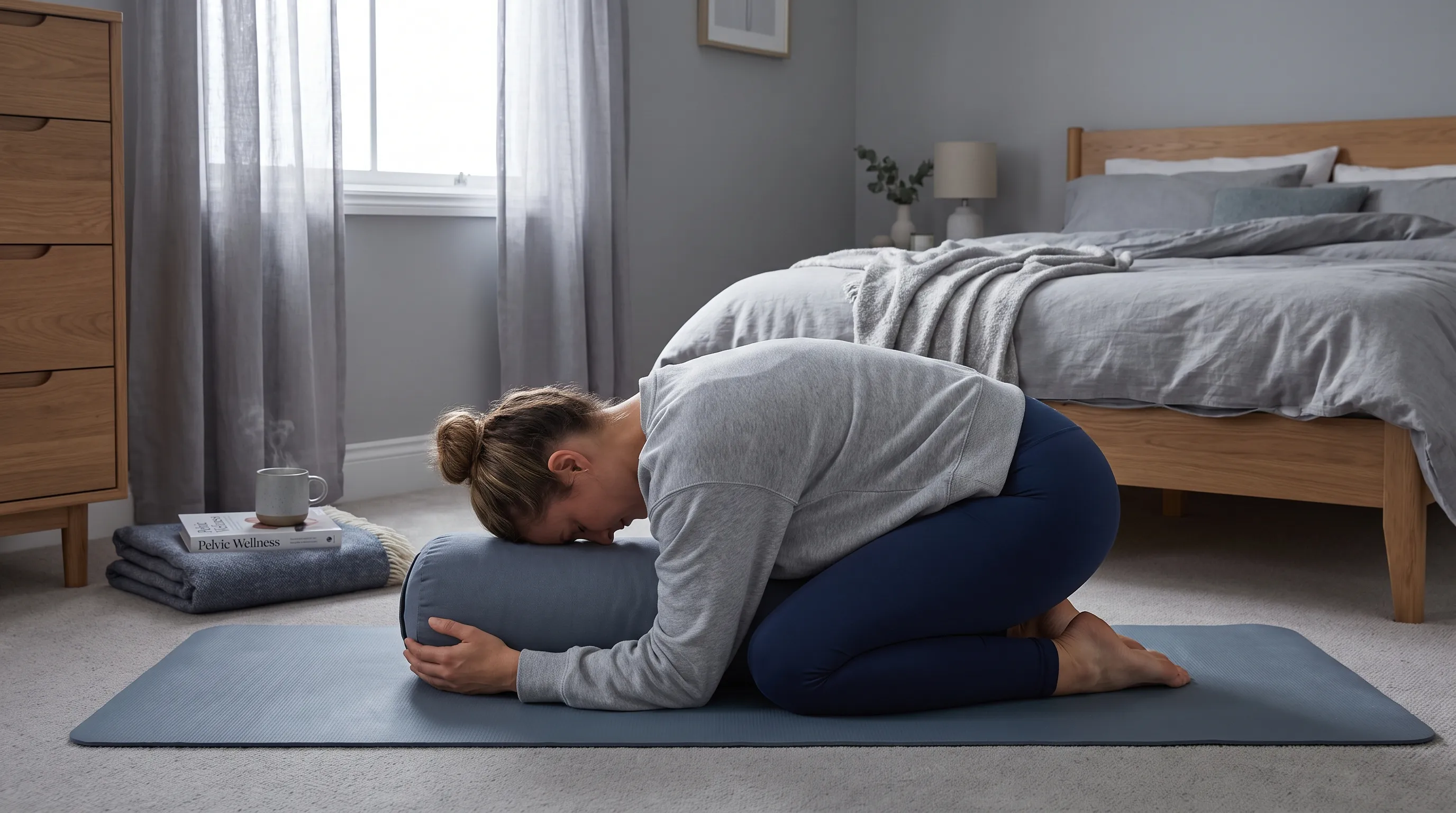
Begin by washing your hands thoroughly and finding a comfortable position. Sitting on the toilet, squatting, or standing with one foot elevated on a small stool all help open the pelvic floor naturally. Take three slow, deep diaphragmatic breaths, focusing on releasing tension from your abdomen and pelvic region as you exhale. If you feel tightness, gently press your palms against your lower belly and imagine your muscles softening downward. This intentional relaxation signals your nervous system that the environment is safe, reducing the likelihood of involuntary guarding. Never attempt insertion while rushing, stressed, or physically tense, as your body will automatically resist.
Finding the Correct Insertion Angle
Hold the tampon applicator with a relaxed grip, allowing the plunger to move freely with your thumb. Position the tapered tip at the vaginal opening, angling it toward your tailbone rather than upward. Apply gentle, steady pressure until the grip portion of the applicator meets the vaginal opening. Pause here to ensure the angle remains aligned. Press the plunger fully and smoothly until it stops, which releases the tampon into the mid-to-upper canal. Slide the applicator out carefully without tugging. You should feel no resistance, no scraping, and no lingering pressure. If you feel any of these, remove the tampon, breathe, and try again with a slightly adjusted angle or more lubrication.
Safe Removal Practices to Minimize Friction
When it is time to remove the tampon, locate the string and gently tug downward while bearing down slightly, similar to the sensation of starting to urinate. This bearing-down motion relaxes the pelvic floor and shortens the vaginal canal, making removal easier. Pull slowly and steadily; if you feel sudden sharp pain or resistance, pause, wait a few seconds for the tissue to release, and continue at a controlled pace. Never yank or twist the string. If the tampon feels stuck, it is likely dry or positioned against a muscle fold. Drinking water to improve hydration, waiting ten minutes for natural fluid to soften it, or assuming a deeper squat before removal often resolves minor resistance. Always wash your hands afterward and inspect the tampon to ensure it removed intact.
| Tampon Type | Insertion Method | Lubrication Needs | Best For | Potential Comfort Risks |
|---|---|---|---|---|
| Plastic Applicator (Regular) | Plunger-guided | Low on heavy flow, moderate on light flow | Beginners, precise placement | Edge friction if angle is incorrect |
| Cardboard Applicator (Regular) | Plunger-guided | Higher due to surface texture | Eco-conscious users | Layer separation, increased friction |
| Digital (Finger-inserted) | Manual placement | Moderate to high depending on flow | Advanced users, tactile feedback | Hygiene dependency, depth estimation errors |
| Super/Ultra Plastic | Plunger-guided | Low only during heavy saturation | Peak flow days only | Dryness, TSS risk if left too long |
| Organic Cotton | Either | Consistent moisture retention | Sensitive skin, chemical avoidance | Slightly firmer tip during initial insertion |
Alternative Menstrual Products to Consider
If you have tried multiple tampons, refined your technique, and still experience discomfort, you are not required to force yourself to use a product that causes pain. Modern menstrual care offers highly effective alternatives that prioritize comfort, sustainability, and individual physiology. Understanding these options ensures you can build a personalized period routine that aligns with your body’s natural rhythms (WHO: Menstrual Health).
Menstrual Cups and Discs
Menstrual cups are made of medical-grade silicone and collect fluid rather than absorbing it. Because they sit below the cervix in the vaginal fornices, they do not create the suction or dryness associated with tampons. Many users report zero discomfort once they learn the folding techniques for insertion. Menstrual discs sit higher, tucking behind the pubic bone and resting in the vaginal canal’s upper rim. Both options can be worn safely for up to 12 hours, drastically reducing bathroom trips and eliminating dryness-related friction. The learning curve is steeper than tampons, but the long-term comfort benefits are substantial for individuals with pelvic floor sensitivity or recurrent tampon-related dryness.
Period Panties and Pads
Modern period underwear uses multi-layered moisture-wicking fabrics and absorbent cores to hold several tampons’ worth of fluid without leakage, while remaining completely dry against the skin. They require no insertion, making them ideal for individuals with vaginismus, anatomical variations, or strong preferences against internal products. High-quality reusable or disposable pads with breathable topsheets and leak-guard wings also provide excellent comfort for lighter days, overnight use, or backup protection. These external options eliminate insertion anxiety entirely and are recommended by pelvic health specialists during recovery from infection, surgery, or physical therapy. You do not need to choose just one product; combining external protection with internal options on heavier days is a safe, flexible, and highly effective strategy.
Recognizing When to Consult a Healthcare Provider
While most tampon discomfort resolves with technique adjustments, certain symptoms warrant professional evaluation (Mayo Clinic: Vaginal Pain). Seek gynecological care if you experience persistent sharp pain despite correct insertion, inability to insert a tampon past the first two inches, unexplained vaginal bleeding between periods, foul-smelling discharge, pelvic pain during intercourse, or recurrent infections following tampon use. A healthcare provider can perform a gentle examination to assess pelvic floor tone, screen for anatomical barriers like an imperforate hymen or vaginal septum, evaluate for endometriosis or hormonal imbalances, and provide personalized guidance on product selection. Never ignore consistent pain or assume that discomfort is an unavoidable part of menstruation. Evidence-based interventions, physical therapy, and tailored product recommendations can restore comfort and confidence quickly.
Frequently Asked Questions
Do tampons hurt on first use?
Tampons should not cause sharp or intense pain on first use, though mild pressure or awkwardness is completely normal. Discomfort often stems from tension, incorrect angle, or insufficient natural lubrication. Using a slender or regular absorbency tampon with a smooth applicator, combined with deep breathing and proper positioning, typically eliminates first-time discomfort. If you experience persistent pain, consulting a healthcare provider can rule out anatomical variations or pelvic floor conditions.
Why does it hurt to remove a tampon?
Removal discomfort usually occurs when a tampon is too dry, removed before full absorption, or positioned against the vaginal wall rather than floating freely. The vaginal canal naturally secretes fluid, and removing an under-saturated tampon creates friction. Always pull the string slowly and steadily at a downward angle, and wait until the tampon is visibly saturated. If removal consistently hurts, switching to a lower absorbency size or incorporating water-based lubricant around the string opening may help.
Can tampon pain indicate a medical issue?
Yes, while technique is the most common cause, persistent or severe tampon pain can signal underlying conditions. Vaginismus causes involuntary pelvic floor muscle spasms that make insertion painful. Vaginal dryness from hormonal shifts, certain medications, or stress reduces natural lubrication. Infections like yeast or bacterial vaginosis, endometriosis, or anatomical variations like an imperforate hymen can also cause discomfort. A gynecological evaluation can accurately diagnose and treat these conditions.
How do I know if I am inserting a tampon at the wrong angle?
If you feel resistance near the opening or sharp pain during insertion, you are likely aiming upward instead of following the natural downward-backward angle of the vaginal canal. The canal runs parallel to the sacrum, not vertically. To correct this, relax your pelvic muscles, aim the applicator toward your tailbone, and use gentle, steady pressure. The applicator should glide in smoothly without scraping. If you still feel resistance after adjusting, pause, breathe, and try again or switch to a digital insertion method.
What is the safest absorbency level to choose?
Always choose the lowest absorbency necessary to manage your flow for a given time frame. Higher absorbency increases the risk of micro-tears in the vaginal wall, dryness, and toxic shock syndrome (TSS). Light or regular absorbency tampons are safest for most days, while super or ultra should only be used during peak flow. Never leave a tampon in longer than eight hours, and alternate with pads or period underwear overnight. If a tampon expands beyond the size of your fist after removal, you are using too high an absorbency.
Conclusion
Understanding do tampons hurt comes down to recognizing that discomfort is almost always preventable, highly treatable, or indicative of a simple product mismatch. Tampons are designed to be comfortable when matched to your flow, inserted at the correct anatomical angle, and removed using gentle, controlled techniques. By prioritizing relaxation, choosing appropriate absorbency, monitoring natural lubrication, and respecting your body’s feedback loops, you can eliminate pain and transform period management into a routine, stress-free process. For those who continue to experience discomfort despite technique refinement, exploring menstrual cups, period underwear, or consulting a pelvic health specialist provides excellent alternatives. Your comfort is non-negotiable, and with the right knowledge and product strategy, you can confidently navigate your menstrual cycle without fear or frustration. Always listen to your body, adjust your approach as needed, and seek professional guidance when persistent symptoms arise. Healthy period care is rooted in education, patience, and personalized choices that honor your unique anatomy.
How we work
Researched and drafted with AI assistance, then reviewed by a human editor against the cited sources.
This article is general health information, not medical advice. Consult a qualified healthcare professional about your own situation.