Understanding a Shallow Vagina: Anatomy, Causes, and Management Guide

Vaginal anatomy is highly individualized, yet societal misconceptions and limited public health education often leave individuals uncertain about what falls within the spectrum of normal. When someone refers to a shallow vagina, they are typically describing a vaginal canal that measures shorter than the statistical average. While this phrase can sound alarming, it is essential to understand that anatomical variation is a fundamental aspect of human biology. A shorter depth does not equate to a health defect, nor does it inherently compromise reproductive capacity, hormonal balance, or overall wellness. The key lies in distinguishing between natural physiological diversity and underlying conditions that may benefit from clinical intervention, as outlined by the American College of Obstetricians and Gynecologists (ACOG).
Navigating concerns about pelvic anatomy can be emotionally challenging, particularly when discomfort, intimacy difficulties, or confusion about medical norms arise. Many individuals experience anxiety or self-doubt when they notice physical differences, often fueled by unverified information or unrealistic media portrayals. Fortunately, modern gynecological science provides clear guidance, compassionate care pathways, and highly effective management strategies. This comprehensive guide explores the medical realities of vaginal depth, outlines evidence-based approaches for comfort and intimacy, and empowers readers with actionable knowledge to make informed decisions about their pelvic health. By consulting reputable medical frameworks and clinical best practices, you can move past uncertainty and focus on sustainable wellness solutions.
Understanding Vaginal Anatomy and Natural Depth Variations
What Defines a Normal Vaginal Canal?
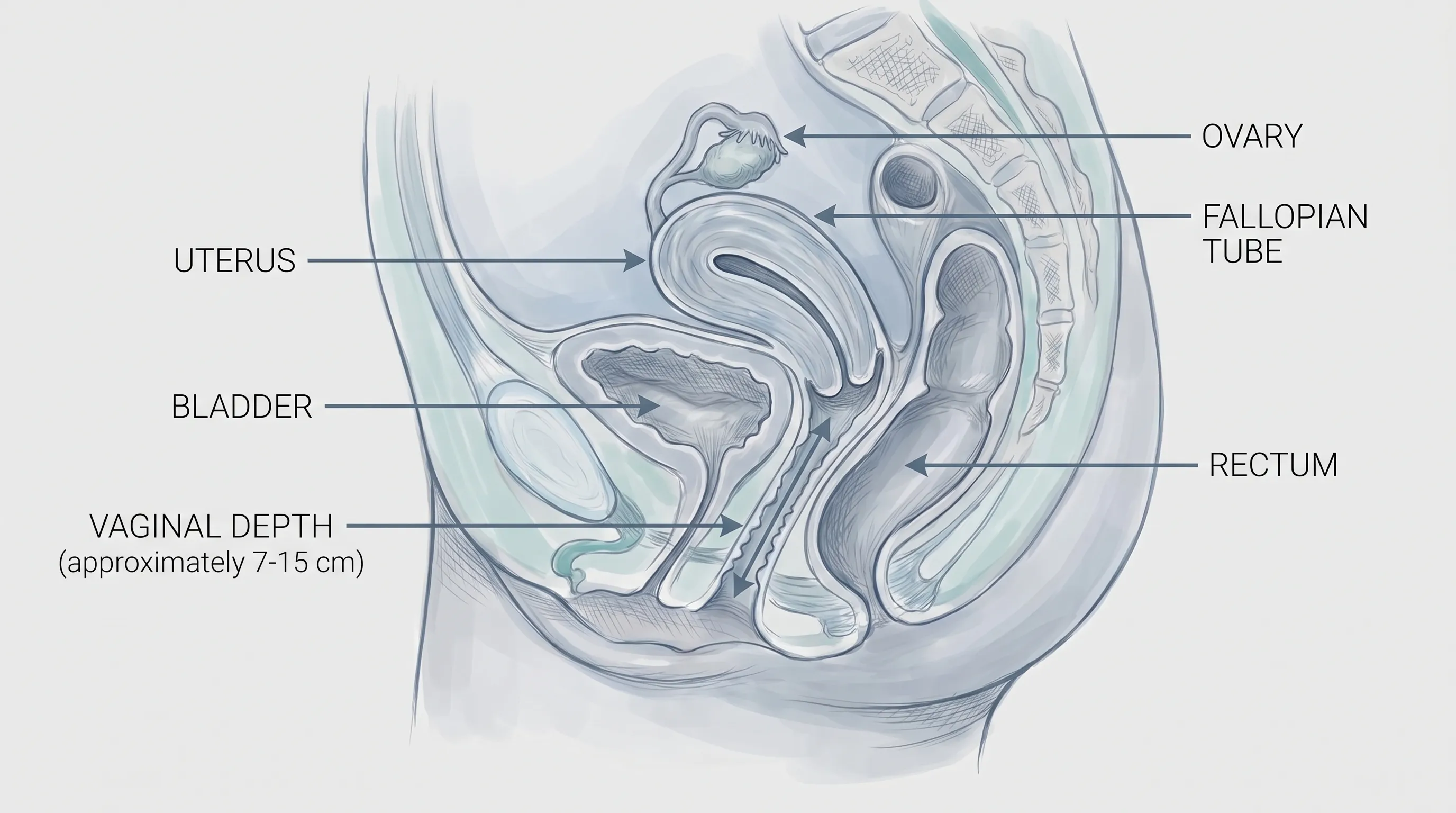
The vagina is a dynamic, highly elastic muscular tube that extends from the external vulva to the cervix. Its structure is designed to accommodate a wide range of physiological functions, including menstrual flow, sexual activity, and childbirth. When measured at rest, the average vaginal depth typically falls between three and four inches, approximately seven to ten centimeters. However, this measurement represents a statistical midpoint rather than a strict biological requirement. Healthy anatomical variation is widespread, and normal depth can comfortably range from roughly two and a half to six inches depending on genetics, age, hormonal status, and individual pelvic architecture.
Free calculatorOvulation CalculatorCalculate ovulation periodOpen the calculatorA shallow vagina, when discussed in a clinical context, simply refers to a measurement at the lower end of this natural spectrum. The vaginal walls consist of stratified squamous epithelium, which rests atop a rich network of smooth muscle, connective tissue, and vascular structures. This composition allows the canal to expand, contract, and adapt continuously throughout a person's life. Factors such as hydration, tissue elasticity, and pelvic floor tone significantly influence perceived depth. It is also important to recognize that the cervix acts as the anatomical endpoint of the canal, meaning true depth is measured from the vaginal opening to the cervical os. When healthcare providers evaluate depth, they consider both resting measurements and functional capacity rather than focusing solely on static numbers.
The Physiology of Vaginal Tenting and Arousal
One of the most remarkable physiological responses of the female reproductive system occurs during sexual arousal. As psychological and physical stimulation increases, parasympathetic nervous system activation triggers significant hemodynamic changes in the pelvic region. Increased blood flow to the vaginal walls leads to natural lubrication, tissue engorgement, and a crucial process known as vaginal tenting. During tenting, the upper two-thirds of the vaginal canal lengthens by approximately one to two inches, while the uterus and cervix elevate upward and backward. Simultaneously, the vaginal barrel widens slightly, creating additional internal space.
This adaptive response is particularly relevant when discussing a shallow vagina. Many individuals who experience a sensation of limited depth during rest or early stages of intimacy find that adequate arousal naturally resolves the issue. The physiological expansion is not merely temporary padding; it reflects the body's intrinsic capacity to prepare for comfortable, pain-free penetration. Understanding this mechanism reduces anxiety and encourages a more patient, biologically aligned approach to sexual wellness. For those who notice that arousal does not produce sufficient lengthening, or who experience discomfort regardless of stimulation time, evaluating pelvic floor muscle function and tissue health becomes the logical next step.
When Depth Changes: Medical and Physiological Factors
Congenital Variations and Developmental Conditions
While natural variation accounts for most cases, certain congenital conditions can genuinely impact vaginal development. The most well-documented among these is Mayer-Rokitansky-Küster-Hauser (MRKH) syndrome, a rare congenital disorder affecting approximately one in 4,500 to 5,000 female births. In MRKH, the Müllerian ducts fail to develop properly during fetal life, resulting in an underdeveloped or absent vagina, and often an absent or rudimentary uterus. Ovarian function typically remains normal because ovaries develop from a different embryonic tissue, meaning hormonal profiles and secondary sexual characteristics usually align with typical female puberty.
Vaginal agenesis, another developmental anomaly, presents similarly and may occur independently or as part of broader syndromic presentations. These conditions are diagnosed through clinical examination, pelvic imaging, and sometimes genetic counseling. Early identification is critical because it opens pathways for supportive care, psychological guidance, and reconstructive options when the individual is ready. It is vital to emphasize that a congenitally shorter or underdeveloped vagina is not a disease state but a developmental variation that modern medicine addresses with highly effective, patient-centered protocols. Individuals diagnosed with these conditions can lead full, healthy lives and often explore multiple avenues for sexual intimacy and family building through assisted reproductive technologies.
Acquired Changes: Surgery, Menopause, and Radiation
Acquired shortening or narrowing of the vaginal canal frequently stems from tissue remodeling due to external medical factors. Pelvic surgery, particularly procedures involving hysterectomy, cancer resection, or radiation therapy, can trigger fibrosis and scar tissue formation. This process, known medically as vaginal stenosis, reduces both depth and pliability. Radiation-induced changes are especially notable because ionizing radiation damages vascular supply to the vaginal mucosa, leading to chronic tissue dryness, epithelial thinning, and loss of elastic compliance.
Hormonal transitions, particularly the decline in systemic estrogen during perimenopause and menopause, also play a significant role. Estrogen maintains vaginal epithelial thickness, glycogen content, and local microbiome balance. When levels drop, the vaginal walls may become thinner, less lubricated, and more prone to microtrauma, creating a condition known as vaginal atrophy, which can create a functional sensation of reduced depth even when anatomical measurements remain unchanged. Topical and localized estrogen therapies, along with non-hormonal moisturizers and dilator protocols, have demonstrated strong clinical efficacy in reversing these acquired changes and restoring functional capacity.
Pelvic Floor Dysfunction and Muscle Tension
Musculoskeletal factors frequently masquerade as structural depth issues. Vaginismus, or genito-pelvic pain/penetration disorder (GPPPD), involves involuntary hypertonicity of the pelvic floor muscles surrounding the vaginal entrance. When these muscles contract reflexively, they significantly restrict the vaginal opening and can create a profound sensation of shallowness. This protective response is often neurological or psychological in origin, frequently triggered by pain anticipation, past trauma, or chronic pelvic tension.
It is crucial to differentiate between actual anatomical shortening and functional narrowing caused by muscular guarding. A shallow vagina resulting from high-tone pelvic floor dysfunction responds exceptionally well to neuromuscular retraining, biofeedback, and graded desensitization. Attempting forceful penetration in the presence of unaddressed muscle tension only reinforces the neurological pain pathway, making the perceived depth issue worse over time. Recognizing the muscular component shifts the treatment paradigm from structural correction to functional rehabilitation.
Recognizing Symptoms and When to Seek Evaluation
Pain During Intimacy and Daily Activities
Persistent discomfort during sexual activity, medically termed dyspareunia, is the most common symptom that prompts individuals to investigate their vaginal depth. Pain may manifest at the entrance (superficial dyspareunia) or deeper within the canal. When pain correlates directly with a sensation of hitting a physical barrier prematurely, it warrants clinical assessment. However, it is important to distinguish between anatomical limitation and tissue irritation, inflammation, or muscular spasm, all of which can mimic depth restriction.
Beyond intimacy, acquired shortening or stenosis can interfere with daily hygiene practices. Inserting menstrual tampons or menstrual cups may become difficult or painful. Some individuals experience discomfort during routine gynecological examinations, which can unfortunately lead to delayed preventive care. If functional limitations begin to impact quality of life, hygiene routines, or healthcare adherence, professional evaluation becomes necessary. Early intervention prevents secondary complications such as pelvic floor dysfunction cycles, anxiety-driven avoidance, and tissue fibrosis.
Navigating Pelvic Exams and Hygiene Products
Routine pelvic examinations rely on clear visualization and adequate tissue flexibility. When vaginal depth is limited due to natural variation, exams can typically be completed with gentle technique and smaller instrumentation. Clinicians routinely adjust speculum size and positioning to accommodate anatomical differences. If a patient experiences significant pain during exams, providers may employ topical anesthetics, slower insertion techniques, or patient-controlled insertion methods.
For individuals managing tampon use or pelvic exams with a shallow vagina, several practical adjustments prove effective. Choosing slender or applicator-free tampon styles, using additional water-based lubrication, and ensuring full arousal before insertion can dramatically reduce discomfort. During clinical visits, open communication about prior pain experiences allows providers to tailor their approach, prioritize comfort, and avoid triggering protective muscle responses. A collaborative provider-patient relationship significantly reduces procedural anxiety and improves long-term healthcare compliance.
Differentiating Between Variation and Pathology
The distinction between a naturally shorter vagina and a pathological condition hinges on symptomatology, functional impact, and clinical findings. Natural variation is asymptomatic aside from potential intimacy adjustments, maintains healthy tissue elasticity, and responds normally to arousal. Pathological shortening, by contrast, typically presents with progressive pain, tissue rigidity, dryness, or a history of medical interventions. Imaging studies, such as pelvic ultrasound or magnetic resonance imaging, may be utilized when congenital anomalies or internal structural changes are suspected.
A thorough gynecological evaluation includes a detailed medical history, external and internal examination, and assessment of pelvic floor muscle function. Providers may also evaluate for coexisting conditions like endometriosis, which can cause posterior vaginal adhesions and altered anatomy. Laboratory testing is occasionally recommended to rule out infectious or inflammatory contributors. Understanding this diagnostic framework empowers individuals to advocate for comprehensive care rather than settling for vague reassurances or unverified self-diagnoses.
Evidence-Based Management and Treatment Options
Conservative Approaches and Lifestyle Modifications
For individuals whose depth measurement represents a normal anatomical variation without underlying pathology, conservative management focuses on comfort optimization and functional adaptation. Prioritizing extended arousal phases allows the physiological tenting mechanism to maximize natural lengthening. Incorporating high-quality, body-safe lubricants reduces friction and prevents microtears that can exacerbate discomfort. Water-based and silicone-based options remain clinically recommended because they maintain tissue hydration without disrupting the natural vaginal microbiome.
Lifestyle modifications that support pelvic tissue health include maintaining adequate systemic hydration, consuming anti-inflammatory nutrients, and practicing regular stress management. Chronic cortisol elevation negatively impacts mucosal healing and pelvic muscle relaxation. Mindfulness practices, diaphragmatic breathing, and gentle pelvic mobility exercises enhance parasympathetic tone, creating a physiological environment conducive to tissue pliability and comfortable function. These foundational strategies are particularly valuable when paired with open partner communication and paced intimacy.
Vaginal Dilation Therapy: How It Works
Vaginal dilation therapy stands as the gold-standard non-surgical intervention for both congenital and acquired depth limitations. The process involves the gradual, controlled use of tapered medical dilators to stretch vaginal tissues and improve muscle compliance over time. Therapy is typically initiated under the guidance of a gynecologist or pelvic health specialist who selects appropriate sizing, provides insertion instructions, and establishes a realistic progression timeline.
Success depends on consistency, patience, and proper technique. Sessions generally last ten to twenty minutes, performed several times weekly. Individuals are instructed to use liberal lubrication, practice deep breathing to relax pelvic musculature, and advance sizes only when comfort is fully achieved. Dilation does not permanently alter resting anatomy but rather improves tissue elasticity, desensitizes reflexive muscle guarding, and builds confidence in penetration. Clinical studies consistently demonstrate high success rates when dilation is paired with psychological support and clear medical supervision.
Medical and Surgical Interventions
When conservative and dilation therapies yield insufficient results, or when anatomical absence requires functional reconstruction, medical and surgical options become relevant. Hormone replacement therapy, particularly localized vaginal estrogen, restores epithelial thickness and vascularization in postmenopausal or hypoestrogenic states. This approach frequently resolves functional depth issues caused by tissue atrophy and dryness.
Surgical interventions, such as vaginoplasty or neovaginal creation, are reserved for congenital agenesis or severe traumatic shortening. Modern reconstructive techniques prioritize functional outcomes over purely anatomical restoration. Surgeons utilize tissue grafts, skin flaps, or bowel segments to create a functional canal, followed by structured dilation protocols to maintain depth. Recovery involves multidisciplinary care, including wound management, pelvic floor rehabilitation, and long-term follow-up. These procedures require careful patient selection, realistic expectation setting, and extensive preoperative counseling to ensure optimal psychosocial and physical outcomes.
| Condition / Cause | Primary Symptoms | First-Line Management | Advanced Interventions |
|---|---|---|---|
| Natural anatomical variation | Mild depth sensation, otherwise asymptomatic | Positioning adjustments, arousal optimization, lubrication | None required |
| High-tone pelvic floor dysfunction | Pain at entrance, muscle tightness, penetration difficulty | Pelvic floor PT, biofeedback, graded dilator therapy, counseling | Botulinum toxin injections (select cases) |
| Post-radiation or surgical stenosis | Progressive narrowing, dryness, exam difficulty | Topical estrogen, moisture therapy, structured dilation | Surgical release, graft reconstruction |
| Congenital underdevelopment (MRKH/Agenesis) | Primary amenorrhea, absent canal on exam, psychological distress | Psychological support, dilator therapy when ready | Neovaginoplasty, reproductive counseling |
Enhancing Comfort and Intimacy: Practical Guidance
Communication Strategies with Partners
Intimacy involving anatomical variations thrives on transparent, ongoing dialogue. Many individuals hesitate to discuss depth concerns due to embarrassment or fear of disappointing their partners, yet unspoken anxiety often translates into physical tension and discomfort. Establishing a foundation of mutual education and emotional safety allows couples to navigate adjustments collaboratively. Partners should understand that a shallow vagina does not reflect attraction levels, relationship commitment, or personal inadequacy. It is simply a physiological characteristic that requires thoughtful adaptation.
Effective communication includes discussing comfort thresholds, agreeing on pacing, and implementing non-penetrative intimacy practices without pressure. Utilizing "I feel" statements rather than directive language reduces defensiveness and encourages cooperative problem-solving. Regular check-ins before, during, and after intimate encounters help identify what techniques enhance comfort and which require modification. When both individuals view intimacy as a shared exploration rather than a performance metric, anxiety diminishes and physiological responses naturally improve.
Positioning, Lubrication, and Arousal Techniques
Physical positioning significantly influences depth perception and comfort levels. Certain configurations naturally limit penetration depth, which can be advantageous when managing a shallow vagina. Side-lying positions, rear-entry modifications with shallow thrusting angles, and partner-supported elevated postures allow controlled depth while maintaining intimacy. Pillows or cushions strategically placed under the hips can also adjust pelvic tilt and optimize alignment without compromising comfort.
Arousal techniques remain equally critical. Extended foreplay, clitoral stimulation, and gradual tissue preparation ensure maximal natural expansion before any penetration occurs. Using body-safe lubricants generously and reapplying as needed prevents friction-induced irritation. If discomfort arises, pausing, shifting focus to external stimulation, and resuming only when relaxed prevents the neurological pain cycle. Remember that intimacy encompasses a broad spectrum of activities, and penetration is just one component of sexual connection. Prioritizing mutual pleasure and comfort consistently yields more sustainable satisfaction than pushing through physical limitations.
Pelvic Floor Physical Therapy Benefits
Specialized pelvic floor physical therapy has revolutionized the management of depth-related discomfort. Certified pelvic health therapists evaluate muscle tone, trigger points, fascial restrictions, and breathing coordination. Treatment typically includes manual therapy to release hypertonic bands, internal and external trigger point work, and targeted neuromuscular retraining. Biofeedback technology helps individuals visualize muscle activation patterns, teaching them how to consciously relax specific pelvic groups during intimacy or medical procedures.
Therapy extends far beyond simple stretching. It addresses postural imbalances, diaphragmatic coordination, and the mind-body connection that influences pelvic tension. Many individuals experience dramatic improvements within eight to twelve sessions when adhering to home exercise protocols. Pelvic floor therapy also provides valuable education on hygiene, bowel function, and long-term tissue maintenance. Integrating professional rehabilitation with conservative intimacy strategies creates a comprehensive, highly effective management pathway for anyone navigating depth concerns.

Debunking Common Myths About Vaginal Depth
Cultural narratives and unregulated digital content frequently distort public understanding of female pelvic anatomy. One pervasive myth suggests that a shorter vaginal canal indicates promiscuity, excessive intercourse, or structural damage from past sexual activity. Scientifically, this claim is entirely unfounded. The vagina is a muscular canal designed for remarkable elasticity and self-restoration. Its depth does not permanently change due to sexual frequency, nor does it reflect lifestyle choices or moral character.
Another widespread misconception equates depth with sexual satisfaction or reproductive capability. Fertility depends on ovulation, fallopian tube function, and uterine receptivity, not vaginal measurements. Sexual satisfaction relies on psychological connection, arousal quality, communication, and comprehensive stimulation beyond penetration alone. Medical literature consistently demonstrates that partner compatibility, emotional safety, and mutual adaptability far outweigh anatomical metrics in determining sexual wellness. Additionally, the belief that all individuals experience identical depth is contradicted by extensive anthropological and clinical data confirming wide natural variation. Dispelling these myths reduces unnecessary shame, prevents harmful self-diagnosis, and encourages individuals to seek accurate, science-based information from licensed healthcare providers.
Frequently Asked Questions
Is a naturally shorter vagina a sign of poor health?
No. A naturally shorter vagina is a normal anatomical variation that does not indicate underlying illness, hormonal imbalance, or poor hygiene. As long as you experience no pain, maintain healthy tissue appearance, and can comfortably manage hygiene and gynecological care, your depth falls within the healthy spectrum.
Can stress or anxiety make my vagina feel shallower than it actually is?
Yes. Psychological stress and anxiety frequently trigger pelvic floor muscle tightening, which restricts the vaginal opening and creates a functional sensation of reduced depth. Chronic tension limits natural lubrication and tissue pliability, making penetration uncomfortable even when anatomical measurements remain unchanged. Stress management and targeted relaxation techniques often resolve this issue.
How does a doctor measure vaginal depth during an examination?
Healthcare providers typically measure depth gently using a sterile, lubricated finger or a calibrated speculum, noting the distance from the vaginal introitus to the cervix. The measurement is recorded in centimeters and evaluated alongside tissue health, elasticity, and muscle tone. Patients are always informed of each step, and examinations are halted if significant discomfort occurs.
Are over-the-counter dilation kits safe to use without medical guidance?
While some individuals use commercially available dilator sets, initiating therapy without professional assessment can lead to improper sizing, incorrect technique, or missed underlying conditions. Consulting a gynecologist or pelvic floor specialist ensures appropriate baseline evaluation, personalized progression plans, and safe integration with other treatments if needed.
Does vaginal depth change permanently after childbirth?
Childbirth significantly stretches vaginal tissues to accommodate fetal passage, but the canal typically regains its structural integrity and functional elasticity during postpartum recovery. Temporary changes in tone and depth are common, and targeted pelvic floor rehabilitation supports optimal healing. Permanent pathological shortening is rare and usually linked to surgical complications or severe tissue trauma rather than vaginal delivery itself.
Conclusion
Understanding a shallow vagina requires moving past cultural misconceptions and embracing biological reality. Vaginal depth varies naturally across populations, and a shorter measurement alone does not constitute a medical problem. When paired with healthy tissue, functional arousal, and effective communication, individuals comfortably navigate intimacy and daily wellness without intervention. However, when depth limitations coincide with pain, functional restriction, or congenital variations, modern gynecology offers robust, evidence-based solutions ranging from pelvic rehabilitation to structured dilation and surgical reconstruction.
The most critical step is accurate assessment and open dialogue with qualified healthcare professionals. Organizations such as the American College of Obstetricians and Gynecologists, Mayo Clinic, Cleveland Clinic, and the Office on Women's Health provide comprehensive resources grounded in clinical research and patient-centered care. By prioritizing informed decision-making, consistent follow-up, and holistic wellness strategies, individuals can transform uncertainty into confidence. Vaginal health is not defined by rigid measurements but by functionality, comfort, and the ability to access safe, compassionate medical care. Empowering yourself with accurate information and professional guidance ensures that you navigate your unique anatomy with clarity, respect, and lasting wellness.
How we work
Researched and drafted with AI assistance, then reviewed by a human editor against the cited sources.
This article is general health information, not medical advice. Consult a qualified healthcare professional about your own situation.