Complete Guide to Lower Back Stretch: Relief, Prevention & Science

Living with chronic tightness in the lumbar region can significantly diminish your quality of life, turning simple daily movements into sources of discomfort and limiting your ability to engage in the activities you love. Whether you are a dedicated athlete, a desk-bound professional, or someone who simply experiences occasional stiffness after a long day, understanding how to properly address lumbar tension is essential for long-term spinal health. The good news is that targeted movement therapy remains one of the most effective, non-invasive interventions available. A well-designed lower back stretch not only provides immediate relief by reducing muscular hypertonicity but also restores optimal mobility, enhances circulation, and recalibrates the nervous system’s pain response. When practiced consistently and with proper biomechanical awareness, stretching becomes a cornerstone of preventive spinal care. This comprehensive guide will walk you through the science, safety protocols, and step-by-step methodologies required to safely and effectively release lumbar tension. By integrating evidence-based techniques into your daily routine, you can transform discomfort into sustained flexibility, resilience, and overall musculoskeletal well-being.
Understanding Lower Back Discomfort and the Role of Stretching
The lumbar spine serves as the central pillar of human movement, bearing the weight of the upper body while facilitating flexion, extension, lateral bending, and rotation. Comprising five massive vertebrae, intervertebral discs, facet joints, and a complex network of ligaments and muscles, this region is highly vulnerable to mechanical stress and postural strain. When we examine why discomfort occurs, the root causes typically fall into distinct categories: prolonged static positioning, muscular imbalances, poor ergonomics, repetitive loading, or acute traumatic injury. Modern lifestyles heavily favor seated postures that shorten the hip flexors, deactivate the glutes, and force the lumbar extensors into a chronically shortened or overloaded state, a pattern linked to chronic musculoskeletal pain. Over time, this leads to adaptive tissue changes, reduced blood flow, and the accumulation of metabolic waste products that trigger stiffness and pain.
Free calculatorSleep CalculatorCalculate sleep cyclesOpen the calculatorCommon Causes of Lumbar Tightness
Muscular imbalances represent the primary driver of lower back discomfort. The erector spinae, quadratus lumborum, and multifidus muscles work in tandem to stabilize the spine. When one group becomes overactive while another remains inhibited, the spine loses its natural equilibrium. Prolonged sitting, for instance, creates a cascade of compensatory patterns. Tight hip flexors pull the pelvis into an anterior tilt, forcing the lumbar extensors to work overtime to maintain upright posture. Simultaneously, weakened abdominal and gluteal muscles fail to provide adequate counter-tension, leaving the posterior spinal tissues to absorb excessive compressive and shear forces. Stress and systemic inflammation also play significant roles. Elevated cortisol levels can increase neuromuscular tension and reduce pain thresholds, making normal daily movements feel uncomfortable. Additionally, dehydration and poor sleep posture impair fascial pliability, further restricting spinal mobility.
How a Targeted Lower Back Stretch Works on a Physiological Level
When you perform a controlled lower back stretch, you initiate a series of sophisticated neuromuscular responses that promote tissue relaxation and structural realignment. Muscles contain specialized sensory organs called muscle spindles and Golgi tendon organs. During gentle, sustained stretching, the initial activation of muscle spindles gradually subsides, allowing the Golgi tendon organs to send inhibitory signals to the spinal cord. This autogenic inhibition reduces alpha motor neuron firing, effectively telling the muscle to release its protective tension. Simultaneously, sustained loading increases blood flow to the targeted region, delivering oxygen and nutrients while flushing out lactic acid and inflammatory cytokines. The connective tissue matrix, or fascia, also responds to prolonged tension through a process called stress relaxation, gradually becoming more pliable. This combination of neuromuscular downregulation, improved circulation, and fascial remodeling creates an environment where the spine can move freely without triggering protective guarding mechanisms. For more details on the physiology of stretching and flexibility, consult clinical resources from the NIH.
Pre-Stretch Preparation and Safety Guidelines
Before diving into specific movements, it is crucial to establish a foundation of safety and physiological readiness. Stretching the lumbar region is not a one-size-fits-all practice; it requires careful attention to your current condition, movement history, and daily habits. Rushing into deep stretches without proper preparation can aggravate underlying issues or create compensatory strain elsewhere in the kinetic chain.
When to Avoid Stretching (Red Flags and Contraindications)
While movement therapy is highly beneficial, certain conditions demand immediate medical evaluation before attempting any spinal mobilization. Severe or progressive neurological symptoms, such as numbness, tingling, or weakness radiating down the legs, indicate potential nerve compression that requires professional diagnosis. Recognizing these warning signs is critical for safe management. Bowel or bladder dysfunction, unexplained weight loss, fever, or pain that worsens at night or at rest are additional red flags that warrant urgent clinical assessment. During acute injury phases (typically the first 48 to 72 hours), tissues are in an inflammatory state. Aggressive stretching during this period can disrupt healing micro-tears and increase swelling. Similarly, individuals with severe osteoporosis, recent spinal surgery, or diagnosed spinal instability should only follow customized programs supervised by licensed physical therapists or physicians. Always consult a healthcare provider if you experience sharp, shooting, or progressively worsening pain during movement.
Warm-Up Techniques and Proper Breathing Mechanics
Preparing the body for stretching enhances tissue elasticity and minimizes injury risk. Begin with five to ten minutes of light aerobic activity such as brisk walking, stationary cycling, or marching in place. CDC recommendations emphasize that even brief movement breaks significantly improve circulation and prepare tissues for deeper work. Diaphragmatic breathing is equally critical. When you breathe deeply into the lower ribs and abdomen, you create a subtle internal pressure shift that gently mobilizes the lumbar fascia and paraspinal muscles. Inhale slowly through the nose for four counts, allowing the belly to expand outward. Exhale through the mouth for six counts, drawing the navel gently toward the spine. This breathing pattern activates the parasympathetic nervous system, reducing neuromuscular tension and creating a calmer mental state that supports deeper, safer stretching. Never hold your breath during spinal movements, as breath holding triggers sympathetic arousal and involuntary muscle contraction.
The Most Effective Stretches for Lower Back Relief
A comprehensive stretching routine incorporates multiple planes of motion to address the full spectrum of lumbar tissues. The following techniques have been extensively researched and clinically validated for their ability to safely reduce stiffness, restore range of motion, and alleviate discomfort.
Child’s Pose (Balasana)
Child’s pose is a foundational resting posture that gently elongates the lumbar spine, decompresses the facet joints, and releases tension along the entire posterior chain. Begin by kneeling on a comfortable surface with your big toes touching and knees spread slightly wider than hip-width apart. Slowly hinge forward at the hips, lowering your torso between your thighs. Extend your arms forward with palms resting on the floor, or place them alongside your body with palms facing upward if you prefer shoulder relaxation. Allow your forehead to rest gently on the mat or a folded towel. Focus on sinking your tailbone toward your heels while keeping your pelvis neutral. Hold this position for 45 to 90 seconds, breathing deeply and allowing gravity to facilitate the release. If you experience knee discomfort, place a rolled blanket between your calves and hamstrings. For a deeper lateral stretch, walk your hands to one side while keeping the opposite hip grounded.
Cat-Cow Mobilization
Cat-cow is a dynamic, low-impact sequence that restores fluidity to the lumbar vertebrae, improves intervertebral disc hydration, and enhances neuromuscular coordination. Start on your hands and knees in a tabletop position, with wrists aligned under shoulders and knees under hips. Begin the cow phase by inhaling and gently dropping your belly toward the floor, lifting your chest and tailbone toward the ceiling. Allow your head to follow the natural spinal curve, looking slightly upward without straining the neck. Transition into the cat phase by exhaling, rounding your spine toward the ceiling, drawing your navel inward, and tucking your chin toward your chest. Move slowly and deliberately, coordinating each phase with your breath. Perform eight to twelve continuous cycles, focusing on smooth, controlled transitions rather than forceful ranges. This movement stimulates proprioceptive feedback, recalibrates segmental mobility, and serves as an excellent daily reset for stiff spinal joints.
Supine Knees-to-Chest Stretch
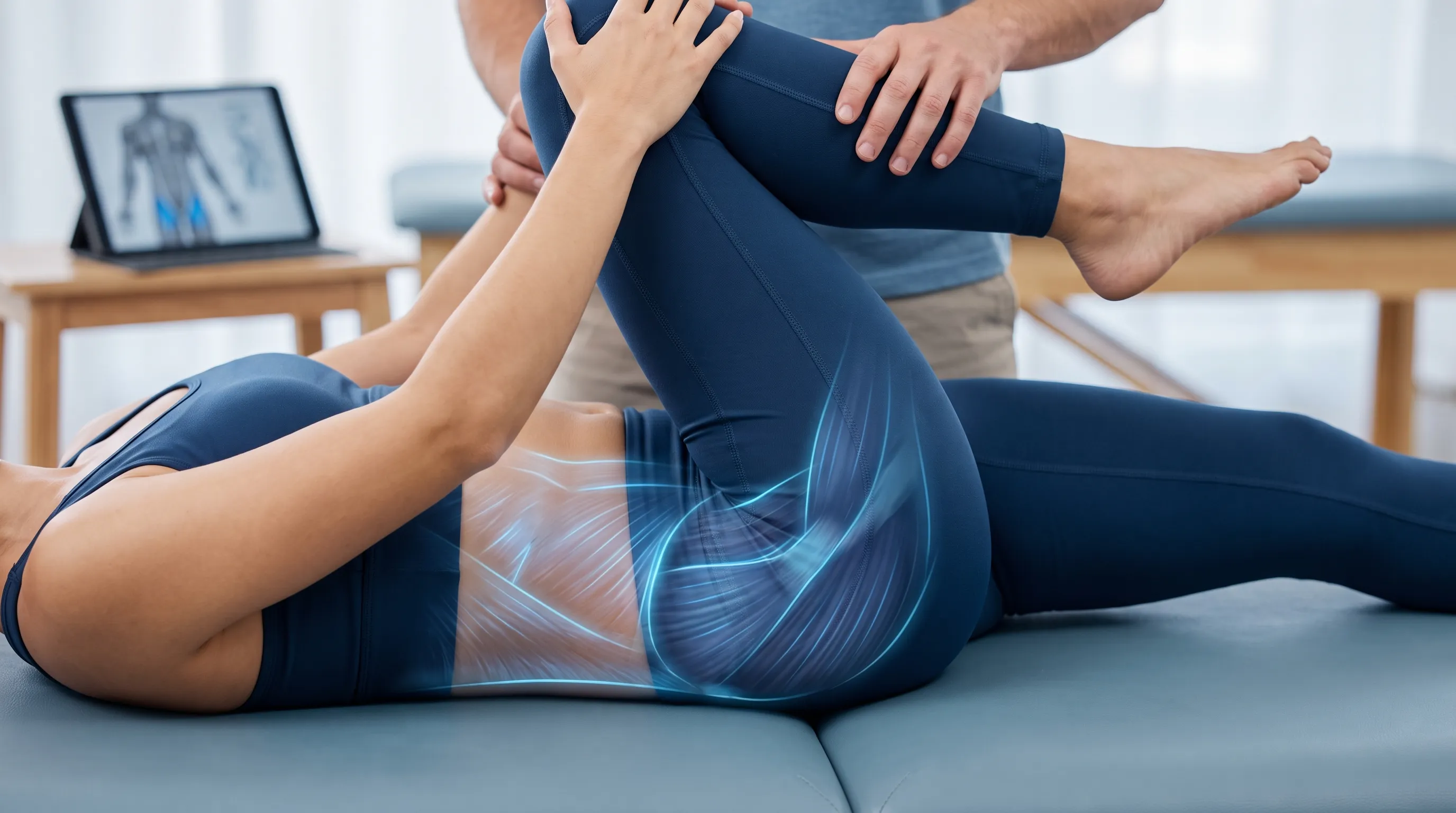
This targeted technique effectively isolates the lumbar erector spinae and gluteal muscles, providing immediate relief for tightness caused by prolonged standing or repetitive loading. Lie flat on your back with legs extended and arms resting by your sides. Slowly draw one knee toward your chest, interlacing your fingers just below the kneecap. Keep the opposite leg extended with the foot relaxed on the floor. Gently pull the knee toward your collarbone until you feel a comfortable stretch in the lower back and hip. Maintain a relaxed jaw and steady breathing for 30 to 45 seconds, then switch legs. For enhanced bilateral release, draw both knees toward your chest simultaneously, holding the backs of your thighs or using a resistance loop. Keep your pelvis grounded and avoid arching the lumbar spine excessively. This stretch gently traction the posterior elements, creating space between vertebral segments and reducing facet joint compression.
Reclined Spinal Twist
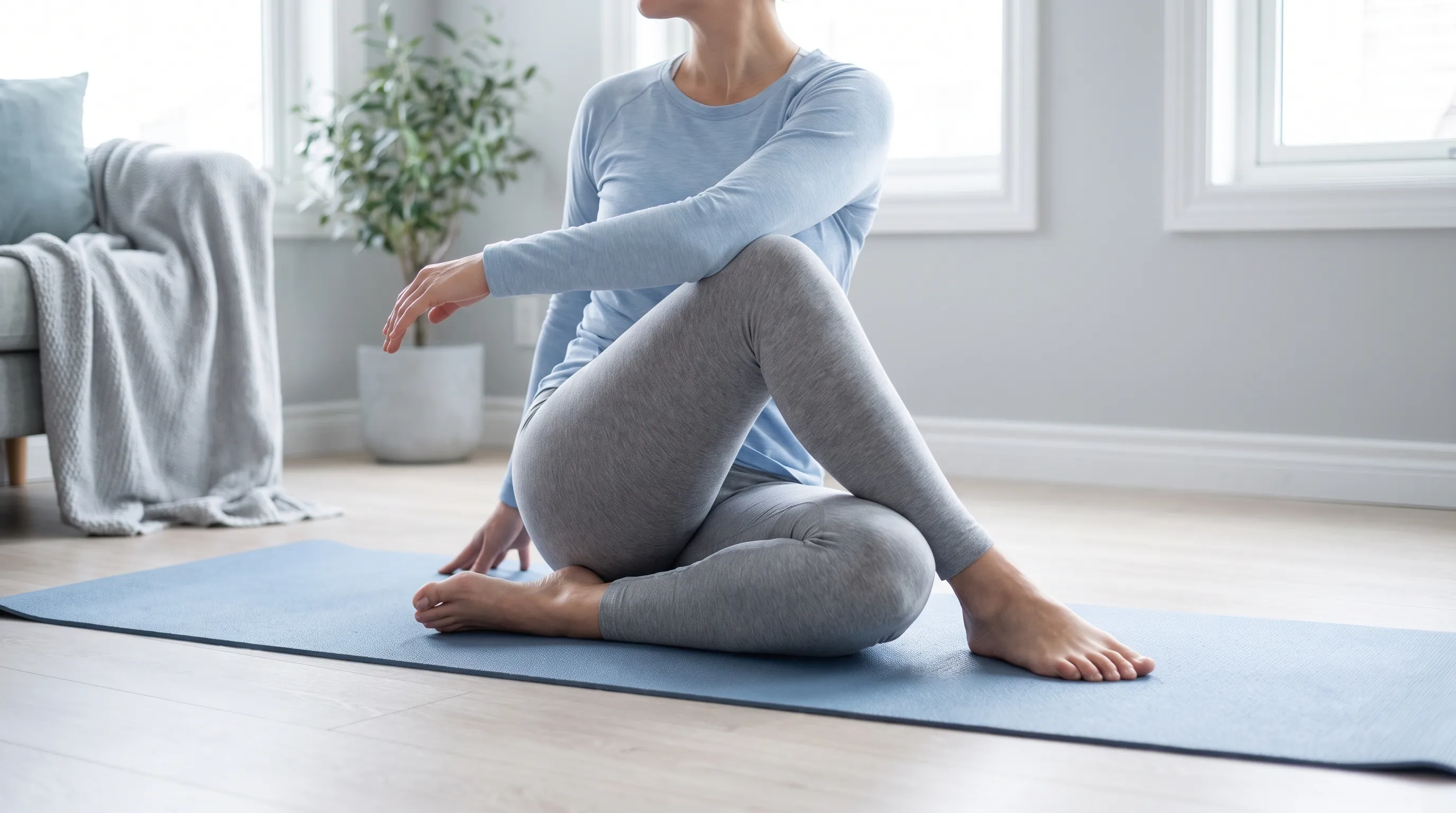
Rotational mobility is essential for healthy spinal function, yet it is frequently neglected in daily movement patterns. The reclined twist targets the lumbar and thoracic regions simultaneously, releasing tightness in the obliques, quadratus lumborum, and deep spinal stabilizers. Lie on your back with knees bent and feet flat on the floor, hip-width apart. Extend your arms out to the sides in a T position, palms facing downward. Slowly lower both knees toward the right side, allowing them to rest on a cushion or the floor. Turn your head to the left, keeping both shoulders firmly planted on the surface. You should feel a gentle rotational stretch along the right side of your spine and ribcage. Hold for 40 to 60 seconds, focusing on relaxing into the position rather than forcing rotation. Return to center and repeat on the opposite side. This stretch also provides gentle visceral massage, improving digestion and diaphragmatic function. If your knees do not comfortably reach the floor, support them with a pillow to prevent pelvic lifting.
Integrating a Lower Back Stretch Into Your Daily Routine
Consistency and strategic programming are the true differentiators between temporary relief and lasting structural change. Sporadic stretching may provide momentary comfort, but integrating movement into a sustainable lifestyle framework yields compounding benefits for spinal resilience and functional mobility.
Optimal Timing and Frequency
The ideal stretching schedule aligns with your daily circadian rhythm and activity demands. Morning sessions help counteract the overnight stiffening of connective tissues. Intervertebral discs naturally rehydrate during sleep, temporarily increasing spinal length and stiffness upon waking. Gentle mobility work in the morning gradually restores pliability and prepares the spine for daily loading. Evening routines focus on nervous system downregulation and tension release. Performing a dedicated lower back stretch session before bed reduces sympathetic arousal, improves sleep posture, and accelerates overnight recovery. Aim for 10 to 15 minutes daily, dividing the routine into shorter 3 to 5 minute micro-sessions if time is limited. Consistency trumps duration; daily gentle practice outperforms weekly aggressive sessions. Track your mobility progression by noting ease of movement, pain reduction, and postural alignment rather than chasing extreme ranges.
Combining Stretching with Core Strengthening and Mobility Work
Stretching alone cannot resolve chronic lumbar issues if underlying instability or muscular weakness persists. A synergistic approach that pairs flexibility with targeted strengthening creates a resilient, well-supported spine. Focus on the deep core musculature, including the transversus abdominis, pelvic floor, and multifidus, which function as the body’s natural spinal brace. Incorporate foundational exercises such as modified planks, glute bridges, and the McGill Big Three (curl-up, side plank, bird-dog) three times weekly. These movements enhance intersegmental stability, reduce shear forces during daily activities, and prevent compensatory overloading of superficial back muscles. Additionally, address tight hip flexors and hamstrings, which directly influence pelvic positioning and lumbar stress. Use foam rolling or lacrosse ball self-myofascial release before stretching to further improve tissue quality. The goal is balanced tension: flexible enough to move freely, strong enough to absorb impact, and stable enough to maintain alignment under load.
Advanced Modifications and Lifestyle Adjustments
Long-term spinal health extends beyond scheduled exercise sessions. Environmental factors, habitual postures, and daily ergonomics profoundly influence lumbar mechanics. Small, intentional adjustments to your workspace, sleep setup, and movement patterns can dramatically reduce chronic tension and prevent future discomfort.
Ergonomic Enhancements for Desk Workers
Prolonged sitting places up to 200% more compressive force on the lumbar discs compared to standing. To mitigate this, ensure your workstation supports a neutral spinal curve. Use an adjustable chair with adequate lumbar support or place a small rolled towel behind your lower back. Position your monitor at eye level, approximately an arm’s length away, to prevent forward head posture and cervical strain. Keep elbows at 90 degrees, forearms parallel to the floor, and feet flat on the ground or supported by a footrest. Implement the 30-30 rule: every 30 minutes, stand and perform 30 seconds of gentle spinal movement. This includes pelvic tilts, standing side bends, or simply walking to reset postural alignment. Consider using a sit-stand desk or alternating between seated and standing tasks throughout the day. These micro-movements prevent static tissue loading, promote disc hydration through osmotic exchange, and maintain muscular tone.
Sleep Hygiene and Supportive Mattress Selection
Sleep posture dictates spinal recovery quality. A medium-firm mattress generally provides optimal support for most individuals, maintaining natural curves without creating pressure points or sagging. Side sleepers should place a pillow between their knees to prevent pelvic rotation and reduce lumbar torsion. Back sleepers benefit from a small pillow or rolled blanket under the knees, which decreases lumbar arch tension and promotes disc decompression. Stomach sleeping is strongly discouraged, as it forces the lumbar spine into hyperextension and strains the neck during prolonged rotation. Invest in breathable, responsive sleep surfaces that conform without collapsing. Pair this with a consistent wind-down routine that includes gentle stretching, screen reduction, and temperature optimization. Quality sleep enhances tissue repair, reduces systemic inflammation, and resets pain thresholds, making your daily lower back stretch routines exponentially more effective.
| Stretching Method | Primary Benefit | Ideal Duration | Best Used For | Contraindications |
|---|---|---|---|---|
| Static Stretching | Muscle relaxation, fascial release | 30-60 sec per position | Post-exercise recovery, chronic stiffness | Acute injury, severe instability |
| Dynamic Mobilization | Synovial fluid circulation, joint prep | 5-10 reps per direction | Pre-activity warm-up, morning routine | Uncontrolled hypertension, acute flare-ups |
| Neuromuscular Stretching (PNF) | Rapid range expansion, proprioception | 10 sec contraction + 20 sec stretch | Targeted mobility restrictions | Nerve irritation, post-surgical healing |
| Myofascial Rolling | Adhesion breakdown, trigger point release | 60-90 sec per area | Pre-stretch preparation, tissue hydration | Bruising, thrombosis, acute inflammation |
Evidence-Based Benefits and Clinical Research
Decades of musculoskeletal research consistently demonstrate the clinical efficacy of targeted spinal stretching, as outlined by NIH clinical guidelines. Systematic reviews published in leading journals highlight that structured mobility programs significantly outperform passive rest for managing non-specific lower back pain. A meta-analysis evaluating exercise interventions found that consistent stretching combined with core strengthening reduces pain intensity by 30% to 40% over a 12-week period. The mechanisms extend beyond simple tissue elongation. Stretching improves proprioceptive acuity, meaning the nervous system gains finer control over segmental positioning, reducing aberrant loading patterns. Furthermore, movement therapy stimulates the release of endogenous opioids and endocannabinoids, naturally elevating pain thresholds and improving mood. Clinical guidelines from the World Health Organization emphasize active rehabilitation over prolonged immobilization. While stretching alone may not resolve complex discogenic or structural pathologies, it remains a foundational component of conservative care protocols. Patients who engage in regular mobility work experience fewer flare-ups, faster functional recovery, and higher long-term quality-of-life scores. Always pair self-directed stretching with professional guidance, such as Cleveland Clinic physical therapy protocols, when navigating persistent or complex spinal conditions to ensure safe, individualized progression.
Frequently Asked Questions
How long should I hold a lower back stretch for optimal results?
For sustained relief and neuromuscular adaptation, hold static stretches for 30 to 60 seconds. This duration allows the muscle spindles to relax and the Golgi tendon organs to override the stretch reflex, promoting genuine tissue lengthening without triggering protective spasms. Shorter holds primarily warm the tissue, while excessively long holds can lead to passive strain without active release. Consistency across multiple daily sessions yields better outcomes than occasional marathon stretching.
Can stretching make lower back pain worse?
Yes, if performed improperly or during acute inflammation. Aggressive stretching can irritate already sensitized tissues, compress a herniated disc, or strain hypermobile spinal segments. Always move gently, avoid bouncing or forcing ranges, and stop immediately if you experience sharp, radiating, or nerve-like pain. Focus on controlled, comfortable tension rather than maximum flexibility. If discomfort persists beyond mild stretching sensation, consult a licensed physical therapist to rule out underlying structural issues.
Is it better to stretch before or after exercise for the lower back?
Dynamic movements and gentle mobilizations are ideal before activity to increase blood flow, elevate tissue temperature, and stimulate synovial fluid production within spinal joints. Static stretching is most effective after exercise or on recovery days when muscles are warm and pliable, allowing for deeper, safer tissue release. Performing intense static stretching on cold muscles temporarily reduces force production and can destabilize joints during subsequent physical tasks. Always match the stretching modality to your immediate goals.
How often should I perform a lower back stretch to see improvements?
Consistency matters more than intensity. Performing targeted stretches daily or at least five times per week for 10 to 15 minutes typically yields noticeable improvements within 2 to 4 weeks. Pairing this with core strengthening, proper ergonomics, and stress management accelerates long-term results. Track functional markers such as ease of bending, standing endurance, and sleep quality rather than solely focusing on range metrics. Sustainable habits outperform sporadic aggressive routines.
Should I feel a strong pull or slight tension when stretching?
You should only feel mild to moderate tension, never pain. Stretching should remain comfortable, controlled, and sustainable throughout the hold. Pushing into a sharp, burning, or nerve-like sensation activates the protective stretch reflex, causing muscles to contract rather than lengthen. Focus on relaxing into the stretch using diaphragmatic breathing and mental visualization. The sensation should feel like a gentle release, not a battle against resistance. Pain-free progression ensures safe, long-term mobility gains.
Conclusion
Achieving lasting spinal relief requires more than occasional quick fixes; it demands a holistic understanding of how the body moves, recovers, and adapts. By integrating a thoughtful lower back stretch into your daily routine, you actively recalibrate muscular tension, enhance joint mobility, and support the structural integrity of your entire kinetic chain. The key lies in mindful execution, progressive consistency, and complementary lifestyle adjustments that reinforce rather than undermine your efforts. Whether you are managing everyday stiffness or working toward long-term spinal resilience, the principles outlined in this guide provide a safe, evidence-based pathway forward. Prioritize proper breathing, respect your body’s signals, and remember that movement is medicine. With patience and dedication, your spine will reward you with sustained flexibility, reduced discomfort, and the freedom to move through life with confidence and ease.
How we work
Researched and drafted with AI assistance, then reviewed by a human editor against the cited sources.
This article is general health information, not medical advice. Consult a qualified healthcare professional about your own situation.