Calories in Baked Chicken Thigh: Nutrition Facts, Cooking Guide & Health Benefits

Balancing flavor, convenience, and nutritional precision is a cornerstone of sustainable dietary habits, and few ingredients manage to deliver on all three fronts as effectively as dark poultry. When evaluating the nutritional profile of this versatile protein source, understanding the exact calories in baked chicken thigh becomes essential for individuals managing weight, building muscle, or simply aiming to optimize daily macronutrient intake. Chicken thighs have steadily gained popularity over leaner breast cuts due to their superior juiciness, richer flavor, and forgiving cooking profile, yet many health-conscious consumers still harbor misconceptions regarding their fat content and overall caloric impact. The reality is that dark meat poultry contains a higher concentration of healthy unsaturated fats, essential amino acids, and vital micronutrients that support metabolic function and tissue repair. By mastering proper baking techniques, portion control, and mindful seasoning strategies, you can seamlessly integrate this nutrient-dense food into a wide variety of dietary frameworks. Whether you follow a Mediterranean approach, a structured athletic nutrition plan, or a balanced whole-food lifestyle, knowing how to accurately calculate and manage your intake empowers you to make informed, long-term dietary choices without sacrificing culinary satisfaction.
Understanding the Nutritional Profile of Chicken Thighs
Dark meat poultry is fundamentally different from white meat in both texture and biochemical composition, primarily due to higher myoglobin concentration and greater fat storage within the muscle tissue. These physiological differences directly influence how the body digests, absorbs, and utilizes the nutrients present in each bite. Evaluating the complete nutritional architecture requires looking beyond simple calorie counts and examining how macronutrients interact during cooking and digestion.
Free calculatorMacros CalculatorCalculate protein, carbs, and fatOpen the calculatorMacronutrient Breakdown: Protein, Fat, and Carbohydrates
Poultry thighs deliver an impressive concentration of complete proteins, meaning they supply all nine essential amino acids required for enzymatic function, immune support, and lean tissue maintenance. A standard serving typically provides between 18 and 22 grams of high-quality protein, which is rapidly bioavailable and highly effective at stimulating muscle protein synthesis. Fat content naturally runs higher in dark meat compared to breast cuts, averaging between 8 and 11 grams per cooked portion depending on preparation and skin retention. Importantly, the majority of this lipid profile consists of monounsaturated and polyunsaturated fatty acids, which play crucial roles in cellular membrane integrity, hormone regulation, and cholesterol management. Carbohydrates, conversely, remain virtually absent in plain poultry, registering at zero grams unless external marinades, glazes, or breading agents are introduced during preparation. This macronutrient composition makes dark meat exceptionally compatible with low-glycemic dietary patterns while still providing sufficient energy density for active individuals.
The Impact of Skin-On vs. Skinless Preparation
The decision to retain or remove the skin before baking fundamentally alters the final nutritional output. The epidermal layer serves as a natural barrier that locks in moisture during thermal exposure, preventing excessive dehydration while contributing additional lipid content to the finished dish. A skin-on preparation typically adds 40 to 60 calories per serving, along with approximately 5 grams of additional fat, primarily composed of saturated and monounsaturated profiles. Health professionals often recommend retaining the skin during the initial baking phase and removing it afterward to maximize flavor retention while minimizing excess caloric intake. This technique allows the rendered fats to baste the meat internally, enhancing palatability without permanently adding unnecessary dietary fat to your plate. For those tracking strict macronutrient ratios, particularly athletes following cutting phases or individuals managing cardiovascular risk factors, skinless preparation offers a leaner alternative that still maintains excellent moisture levels when baked correctly.
How Cooking Methods Alter Caloric Density
Thermal processing induces structural and chemical changes that concentrate nutrients while reducing overall mass through water evaporation. During baking, protein fibers denature and coagulate, collagen breaks down into gelatin, and intracellular moisture transitions to vapor, leaving behind a denser final product. This moisture loss means that while the absolute caloric content of a single piece remains largely consistent before and after cooking, the calories per gram increase proportionally. Raw poultry typically contains approximately 70 percent moisture by weight, which can drop to 60 percent or lower after thorough thermal exposure. Consequently, weighing food in its cooked state versus its raw state produces different nutritional calculations unless conversion factors are properly applied. Understanding this principle is critical for accurate dietary tracking, as failing to account for weight reduction can lead to unintentional caloric overconsumption or undereating during structured meal planning.
Calories in Baked Chicken Thigh: A Detailed Breakdown
Accurate nutritional tracking begins with precise measurement standards and a clear understanding of how preparation variables influence final macronutrient output. The calories in baked chicken thigh can fluctuate based on anatomical origin, size grading, and thermal processing duration, making standardized reference points essential for reliable dietary logging.
Raw vs. Cooked Weight Discrepancies
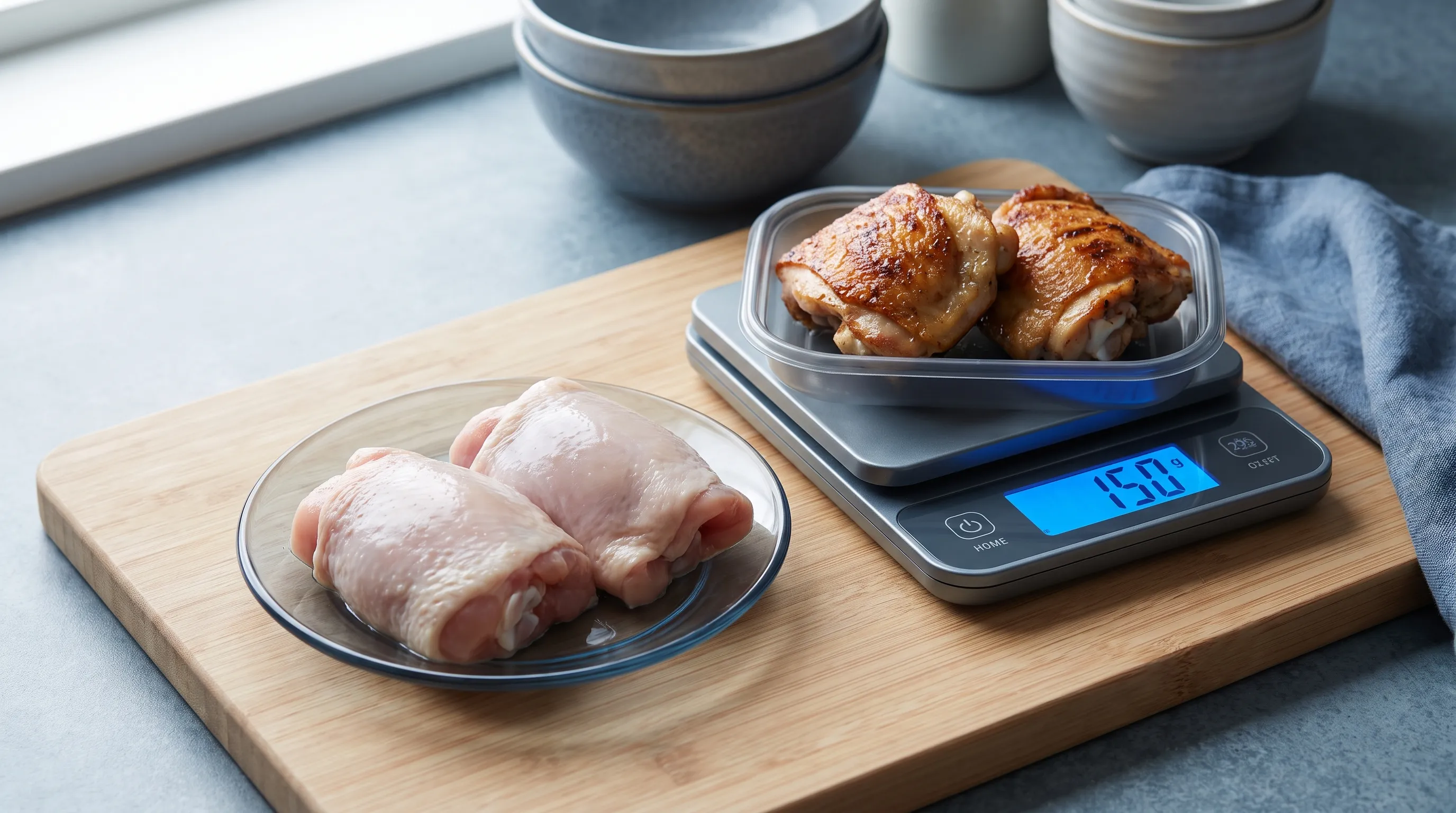
When evaluating dietary intake, professionals consistently recommend tracking weight based on raw measurements whenever possible, as this eliminates variables introduced by cooking duration, oven temperature consistency, and moisture evaporation rates. A raw boneless, skinless thigh typically weighs between 90 and 120 grams, delivering approximately 130 to 160 calories per piece. After baking at moderate temperatures (375°F to 400°F), that same piece often reduces to 70 to 95 grams while maintaining nearly identical caloric content due to concentrated nutrient density. If you weigh your protein after cooking, you must adjust your calculations accordingly, typically applying a 1.25 to 1.35 multiplier to reverse-calculate raw weight equivalents. Utilizing digital kitchen scales calibrated to gram precision ensures consistent tracking across meal preparation cycles, eliminating guesswork and supporting long-term dietary adherence.
Standard Serving Sizes and Portion Control
The United States Department of Agriculture defines a standard poultry serving as approximately 3 ounces cooked weight, roughly equivalent to the size of a standard playing card or deck of cards stacked together. However, modern dietary practices and commercial portion sizes have expanded well beyond these guidelines, with many recipes and restaurant servings providing double or triple the recommended amount. For optimal metabolic balance and sustained satiety, targeting one to two baked thighs per meal (approximately 4 to 6 ounces cooked) aligns closely with established macronutrient distribution recommendations. Pairing this protein portion with two cups of non-starchy vegetables and a quarter-cup serving of complex carbohydrates creates a structurally balanced meal that stabilizes postprandial glucose levels and supports prolonged energy release throughout the day.
Comparing Calories Across Different Chicken Cuts
Understanding how different poultry sections compare nutritionally allows consumers to make context-aware dietary selections based on their specific health objectives. The table below illustrates standardized values per 4-ounce cooked serving to highlight macronutrient distribution variations:
| Cut | Calories (Approx) | Protein (g) | Total Fat (g) | Saturated Fat (g) |
|---|---|---|---|---|
| Boneless, Skinless Breast | 185 | 35 | 4 | 1 |
| Boneless, Skinless Thigh | 210 | 26 | 10 | 3 |
| Bone-In, Skin-On Thigh | 260 | 24 | 18 | 5 |
| Drumstick (Skinless) | 175 | 25 | 8 | 2 |
| Whole Wing (Roasted) | 300 | 22 | 22 | 6 |
As demonstrated, dark meat varieties contain proportionally higher fat and slightly lower protein per gram compared to breast cuts, but the difference remains minimal when contextualized within a complete daily intake framework. Recognizing that the calories in baked chicken thigh align well with active lifestyles and balanced meal architectures removes unnecessary dietary anxiety surrounding dark meat consumption.
Health Benefits and Nutritional Value
Beyond basic macronutrient metrics, dark poultry delivers an array of essential micronutrients that support systemic physiological function. Regular inclusion within structured dietary patterns contributes to long-term vitality, particularly when prepared using clean cooking methods that preserve nutritional integrity.
Essential Vitamins and Minerals in Dark Meat
Thigh meat serves as an excellent dietary source of several B-complex vitamins, including thiamine, riboflavin, niacin, vitamin B6, and vitamin B12, all of which participate heavily in energy metabolism, nervous system maintenance, and red blood cell formation. Zinc content remains notably robust, supporting immune function, wound healing, and cellular replication, while iron—primarily in the more bioavailable heme form—facilitates optimal oxygen transport and cognitive performance. Selenium acts as a critical antioxidant cofactor, protecting cellular structures from oxidative stress while supporting thyroid hormone conversion and reproductive health. Phosphorus levels complement calcium metabolism to maintain skeletal density, and potassium contributes to electrolyte balance and vascular tone regulation. Consuming a varied diet that regularly incorporates nutrient-dense animal proteins ensures sustained micronutrient sufficiency without relying heavily on synthetic supplementation.
The Role of Dietary Fat in Metabolic Health
Despite historical dietary guidelines that frequently cautioned against fat consumption, modern nutritional science recognizes that dietary lipids serve indispensable roles in hormone production, neural myelination, fat-soluble vitamin absorption, and inflammatory modulation. The lipid profile found within poultry thighs predominantly consists of oleic acid, a monounsaturated fat also abundant in olive oil and avocados, which demonstrates well-documented benefits for cardiovascular health and insulin sensitivity. When prepared without excessive added oils or sugary glazes, baked poultry provides a clean, unadulterated source of dietary fat that integrates seamlessly into Mediterranean and anti-inflammatory dietary frameworks. Replacing refined carbohydrate calories with moderate amounts of naturally occurring poultry fat can actually improve postprandial satiety markers, reduce cravings, and support stable blood glucose trajectories throughout extended fasting windows.

Supporting Muscle Recovery and Satiety
The high biological value of poultry protein ensures rapid amino acid delivery to fatigued muscle tissues following resistance training or endurance activity. Leucine, a branched-chain amino acid heavily concentrated in poultry, directly activates the mTOR signaling pathway responsible for initiating muscle protein synthesis. Beyond athletic applications, the combined protein and fat matrix naturally elevates cholecystokinin and peptide YY release, hormones that communicate fullness signals to the central nervous system and effectively suppress ghrelin-driven hunger cues. This dual-action mechanism makes understanding the calories in baked chicken thigh particularly valuable for weight management strategies, as it allows practitioners to engineer satiating meals that minimize between-meal snacking while preserving lean tissue mass during caloric deficits.
Baking vs. Other Cooking Methods: Caloric Implications
The thermal application method dramatically influences final nutritional outcomes, flavor development, and overall health compatibility. Comparing baking against alternative techniques reveals why this approach consistently ranks highest among nutritionists and culinary professionals.
Frying, Grilling, and Boiling: A Comparative Analysis
Deep frying introduces substantial external fat absorption, often increasing total caloric load by 50 to 100 percent depending on coating thickness and oil temperature maintenance. Additionally, high-temperature oil degradation produces advanced glycation end products and inflammatory lipid peroxides that compromise metabolic health over time. Grilling generates desirable char through the Maillard reaction and polycyclic aromatic hydrocarbon formation, which adds flavor but requires careful temperature control to prevent carcinogen accumulation. Boiling or poaching eliminates external fat additions entirely but frequently results in moisture loss, bland flavor profiles, and nutrient leaching into cooking water. Baking strikes an optimal balance by utilizing ambient dry heat to render internal fats, develop surface browning, and preserve structural integrity without requiring excess oil or generating harmful combustion byproducts. When executed properly, baking delivers the closest approximation to whole-food preparation while maximizing palatability and nutritional retention.
The Hidden Calories in Marinades, Sauces, and Seasonings
While the base poultry provides a predictable caloric foundation, external flavoring agents frequently introduce unintended dietary variables. Oil-based marinades contribute approximately 120 calories per tablespoon, while commercial barbecue sauces and sweet glazes can add 15 to 30 grams of sugar per quarter-cup serving, rapidly transforming a lean protein into a high-glycemic, calorically dense dish. Dry spice rubs, herb pastes utilizing minimal olive oil, citrus-based marinades, and vinegar-forward injections deliver robust flavor profiles while adding fewer than 10 additional calories per serving. Reading ingredient labels, preparing homemade seasoning blends, and utilizing measuring spoons for oil application ensures accurate macro tracking. Implementing the calories in baked chicken thigh calculations effectively requires factoring in these auxiliary ingredients before final nutritional logging.
Practical Tips for Healthy Preparation
To maximize nutritional outcomes while minimizing unnecessary caloric additions, begin by patting the poultry thoroughly dry before seasoning to encourage optimal browning without excess oil. Apply a light coating of high-smoke-point oil or avocado spray only if necessary, focusing application on the pan rather than the protein itself to reduce direct fat absorption. Bake at 375°F to 400°F on a wire rack positioned over a sheet pan, allowing rendered fats to drain away while promoting even heat circulation and crisp exterior development. Use a calibrated instant-read thermometer to verify internal temperature reaches 165°F, ensuring food safety without overcooking, which triggers excessive moisture loss and toughened muscle fibers. Allow the protein to rest for five to ten minutes before slicing to facilitate internal juice redistribution and enhanced texture.
Integrating Baked Chicken Thighs into a Balanced Diet
Strategic meal integration requires aligning protein consumption with individual energy expenditure, digestive capacity, and long-term health objectives. Structuring meals around whole-food components while maintaining awareness of overall caloric architecture ensures sustainable dietary adherence without restrictive food avoidance.
Meal Prep Strategies for Weight Management
Batch cooking remains one of the most effective strategies for maintaining nutritional consistency during busy schedules. Roasting multiple trays of seasoned poultry simultaneously creates a versatile protein base that can be repurposed across various meal formats throughout the week. Store cooked portions in airtight glass containers layered with parchment paper to prevent moisture accumulation and maintain texture integrity. Reheat using low-power microwave settings or gentle oven warming to preserve protein structure and prevent excessive drying. Pre-portioned containers eliminate impulsive food choices, reduce delivery dependency, and maintain accurate tracking of the calories in baked chicken thigh across daily consumption cycles. Pairing reheated protein with freshly prepared salad components or steamed vegetables restores textural contrast and nutritional vibrancy without requiring extensive daily preparation time.
Pairing with Vegetables, Grains, and Healthy Fats
A nutritionally complete meal extends far beyond isolated protein consumption. Combining poultry with fiber-rich cruciferous vegetables, leafy greens, and colorful phytonutrient sources delivers essential vitamins, minerals, and digestive-supportive prebiotic compounds. Incorporating complex carbohydrate sources such as quinoa, brown rice, roasted sweet potatoes, or farro replenishes glycogen stores while providing sustained energy release. Adding modest portions of healthy fats from sources like extra virgin olive oil, avocado slices, or toasted seeds enhances fat-soluble nutrient absorption while extending satiety duration. Building plates using proportional guidelines—half non-starchy vegetables, one-quarter lean protein, and one-quarter whole grains or starchy vegetables—ensures balanced macronutrient distribution without requiring meticulous weighing at every meal. Over time, this structured approach naturally calibrates portion sizes and reinforces intuitive eating patterns aligned with individual metabolic requirements.

Tracking Macros for Specific Fitness Goals
Athletes, bodybuilders, and weight management practitioners frequently adjust poultry consumption based on training cycles and body composition targets. During bulking phases or high-volume endurance periods, consuming two to three servings daily provides ample amino acids and caloric density to support tissue repair and performance output. Conversely, during fat loss or maintenance cycles, scaling back to one to two servings daily while increasing vegetable volume and hydration maintains satiety without exceeding daily energy expenditure thresholds. Utilizing macro-tracking applications, reading USDA nutritional databases, and cross-referencing with certified nutrition guidelines ensures accurate data entry. Recognizing that individual metabolic rates, activity multipliers, and digestive efficiency vary significantly prevents rigid adherence to generic calorie prescriptions and promotes personalized nutritional optimization based on real-time physiological feedback.
Frequently Asked Questions
How many calories are in a skin-on vs skinless baked chicken thigh?
A standard skin-on baked chicken thigh contains approximately 200 to 220 calories, depending on size and exact preparation. Removing the skin before or after baking reduces the calorie count to roughly 160 to 180 calories per serving, while also lowering saturated fat content by about 4 to 5 grams. The skin primarily contributes monounsaturated fat and flavor, so retaining it occasionally fits well within balanced dietary frameworks, but consistent tracking ensures alignment with specific health objectives.
Why do the calories in baked chicken thigh differ from raw measurements?
Cooking reduces moisture weight through evaporation, concentrating nutrients and calories by weight without actually adding new caloric mass. While the total calories per piece remain largely unchanged, the density per gram increases because water accounts for roughly 25 to 30 percent weight loss during standard baking procedures. For precise nutritional tracking, professionals recommend weighing food before cooking, but if weighing after baking, applying a standardized conversion multiplier maintains calculation accuracy and prevents inadvertent over or under consumption.
Is baking a healthier cooking method for chicken thighs than frying?
Baking is significantly healthier and metabolically supportive compared to deep frying or pan frying. Frying introduces substantial external fat absorption, often doubling or tripling caloric density while generating inflammatory compounds through oil degradation at high temperatures. Baking utilizes ambient dry heat to naturally render internal lipids, promote surface browning through the Maillard reaction, and preserve structural integrity without requiring excess oil. This method aligns closely with heart-healthy dietary guidelines while maintaining flavor and textural satisfaction that prevents dietary boredom and restriction cycles.
How many calories in baked chicken thigh are considered a balanced dinner portion?
For most healthy adults, one to two baked chicken thighs (approximately 250 to 350 calories without skin, or 400 to 450 with skin) paired with two cups of non-starchy vegetables and a moderate portion of complex carbohydrates constitutes a nutritionally complete and satiating meal. Individual requirements vary based on basal metabolic rate, daily physical activity, and body composition goals, but this foundational portion provides adequate protein, essential fats, and sustained energy without promoting post-meal fatigue or excessive caloric surplus.
Does the calories in baked chicken thigh change based on seasonings and marinades?
The base protein provides a stable caloric foundation, but liquid marinades, sugary glazes, oil-heavy rubs, and commercial sauces can rapidly increase total energy density by 30 to 150 calories per serving. Dry herbs, spices, citrus juice, vinegar, and minimal olive oil application deliver robust flavor while adding fewer than 10 additional calories. Reading ingredient labels, preparing homemade seasoning blends, and using precise measuring tools ensures accurate macro logging and prevents unintended caloric creep that can undermine long-term nutritional consistency and body composition targets.
Conclusion
Navigating dietary choices becomes significantly more intuitive when grounded in accurate nutritional data and practical culinary application. Understanding the exact calories in baked chicken thigh empowers consumers to build balanced, satiating meals that align with individual metabolic requirements, athletic objectives, and long-term health goals. Dark meat poultry delivers exceptional protein density, essential micronutrients, and beneficial lipid profiles that support cellular function, hormonal balance, and tissue recovery. By utilizing proper baking techniques, controlling portion sizes, and selecting clean seasoning strategies, you can enjoy flavorful, nutrient-dense meals without compromising dietary integrity. Whether integrated into structured weight management protocols, athletic fueling regimens, or everyday wholesome eating patterns, this versatile protein source proves that culinary satisfaction and nutritional precision are entirely compatible. Consistent meal planning, mindful preparation, and evidence-based tracking transform routine cooking into a sustainable health optimization practice that delivers lasting physiological benefits and enduring dietary satisfaction.
For additional evidence-based nutritional guidance, explore resources from the USDA FoodData Central and the Harvard T.H. Chan School of Public Health Nutrition Source. The Academy of Nutrition and Dietetics also provides comprehensive meal planning tools and macronutrient tracking recommendations tailored to diverse dietary frameworks. Always consult a registered dietitian or healthcare provider before implementing significant dietary modifications, particularly if managing underlying metabolic conditions or medication interactions.
How we work
Researched and drafted with AI assistance, then reviewed by a human editor against the cited sources.
This article is general health information, not medical advice. Consult a qualified healthcare professional about your own situation.