Will Sperm Cause Yeast Infection? Medical Facts & Prevention Guide

Navigating post-intimacy discomfort can be confusing, especially when recurring symptoms raise concerns about the underlying triggers. Many individuals wonder whether their partner’s semen is directly responsible for their discomfort, leading to the persistent question: will sperm cause yeast infection? Understanding the physiological relationship between sexual activity, vaginal microbiome dynamics, and fungal proliferation is essential for accurate diagnosis and effective management. While popular myths often blame semen, clinical evidence points to a far more nuanced interaction between intercourse and vaginal health. In this comprehensive guide, we will examine the scientific mechanisms behind candida overgrowth, clarify how semen influences vaginal pH, differentiate between true infections and irritation, and provide evidence-based strategies to maintain optimal reproductive wellness. Whether you are experiencing recurrent symptoms or simply seeking proactive prevention methods, this article will equip you with medically verified insights to support your long-term health.
Understanding the Vaginal Microbiome and Yeast Overgrowth
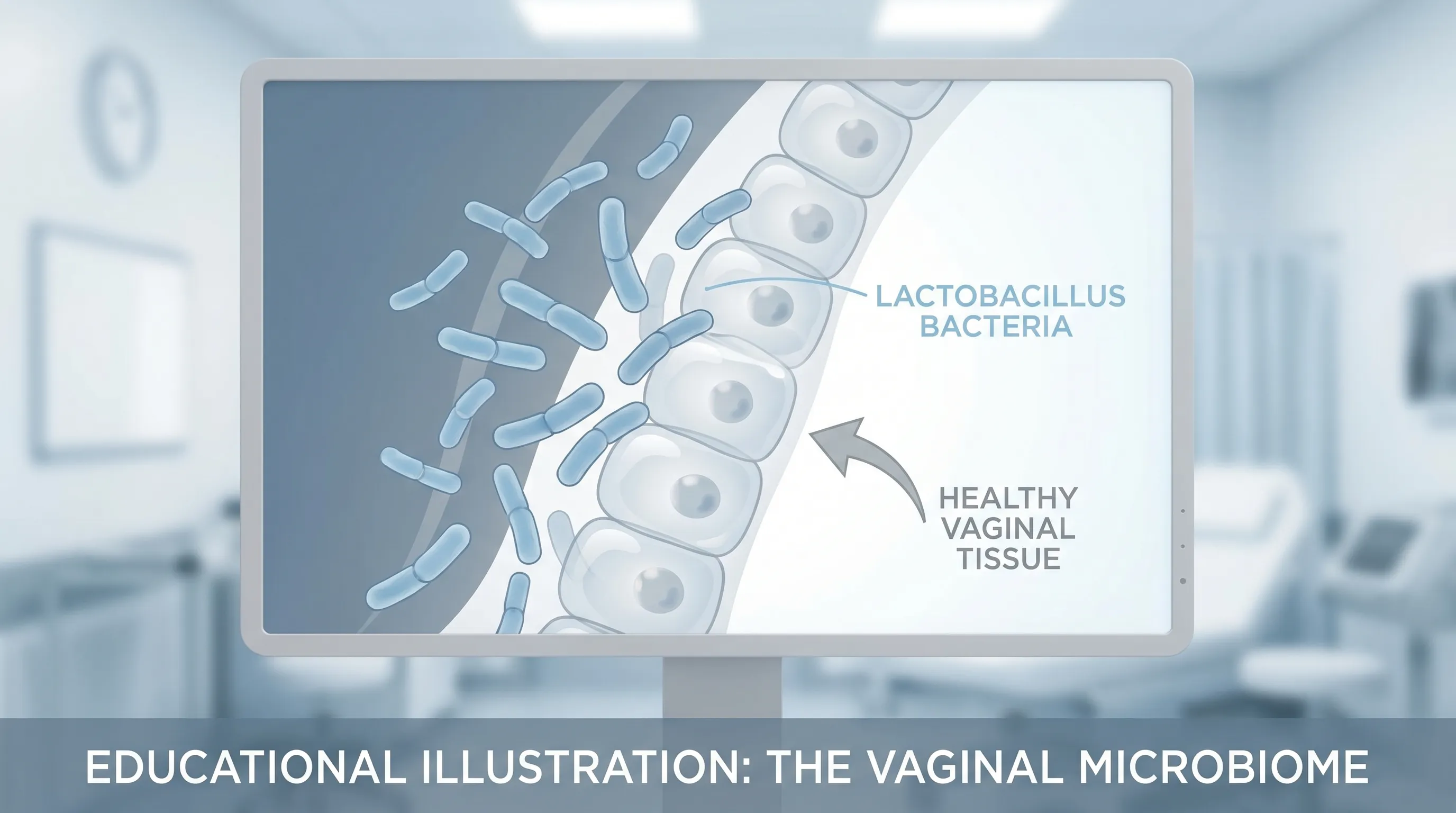
The human vagina is a self-regulating ecosystem maintained by a delicate balance of bacteria, fungi, and immune cells. At the center of this system is Lactobacillus, a genus of beneficial bacteria that produces lactic acid and hydrogen peroxide, keeping the vaginal environment acidic with a typical pH ranging from 3.8 to 4.5 (National Institutes of Health). This acidity prevents pathogenic organisms from colonizing and multiplying. When this equilibrium shifts, opportunistic pathogens like Candida albicans, a fungus naturally present in low concentrations in up to twenty percent of healthy women, can rapidly proliferate and trigger symptomatic infection.
The Science of Candida albicans
Candida is a dimorphic fungus capable of transforming from a harmless yeast form into invasive hyphae when environmental conditions change. Factors that promote this transformation include elevated pH, increased local glucose concentrations, moisture retention, and compromised mucosal immunity. Research published by the American College of Obstetricians and Gynecologists indicates that candidiasis affects approximately seventy-five percent of women at least once in their lifetime, with nearly half experiencing recurrent episodes (Centers for Disease Control and Prevention). The transition from colonization to infection is rarely caused by external introduction of the organism alone; instead, it stems from internal ecological disruption that favors fungal metabolism over bacterial dominance.
Symptoms and Clinical Presentation
Recognizing the clinical signs of a yeast infection is the first step toward appropriate management. Classic symptoms include intense vulvovaginal itching, erythema, edema, and a thick, white, cottage-cheese-like discharge that is typically odorless. Dysuria and dyspareunia are also common due to inflamed mucosal tissue. These manifestations differ significantly from bacterial vaginosis, which presents with a thin, grayish discharge and a distinct fishy odor, or trichomoniasis, which often causes frothy, yellow-green discharge and pronounced irritation. Accurate symptom differentiation is crucial because treating the wrong condition can worsen vaginal flora imbalance and prolong discomfort.
The Role of pH Balance
Vaginal pH serves as a biological defense mechanism. An acidic environment supports lactobacilli proliferation while inhibiting fungal and bacterial pathogens. Alkaline exposure, whether from semen, menstrual blood, or certain hygiene products, temporarily neutralizes this acidity. While the vagina possesses robust buffering capacity and typically restores normal pH within hours, frequent or prolonged alkaline exposure can overwhelm this system. This is why individuals often ask: will sperm cause yeast infection? The answer lies not in the sperm itself, but in the temporary pH shift that creates a window of opportunity for dormant candida to multiply if other risk factors are simultaneously present.
The Direct Question: Will Sperm Cause Yeast Infection?
When individuals experience post-coital symptoms, it is natural to look for a direct culprit. However, the medical community emphasizes that human sperm does not carry Candida species, nor does it possess intrinsic properties that directly infect vaginal tissue. Instead, the relationship between semen and vaginal health is mediated through biochemical interactions that can either support or temporarily disrupt microbial equilibrium.
Semen Composition and Vaginal Interaction
Semen is a complex biological fluid composed of spermatozoa and seminal plasma, which contains fructose, prostaglandins, enzymes, proteins, and minerals. The pH of normal semen typically ranges from 7.2 to 8.0, making it mildly alkaline. When introduced into the vagina during unprotected intercourse, seminal fluid temporarily raises vaginal pH, creating a less acidic environment. This alkaline shift is actually biologically intentional, as it protects sperm from the acidic vaginal milieu and supports their motility and survival during fertilization. However, this same protective mechanism for reproduction can inadvertently reduce the growth-inhibiting environment that keeps candida in check.
What Medical Research Actually Shows
Comprehensive studies from institutions like the Mayo Clinic and the Centers for Disease Control and Prevention have consistently demonstrated that semen does not transmit or generate yeast infections. Instead, intercourse acts as a mechanical and chemical catalyst that may exacerbate pre-existing susceptibilities. A longitudinal review published in the Journal of Women’s Health found that sexual activity alone was not an independent predictor of candidiasis. Rather, frequency of intercourse combined with other factors like antibiotic use, uncontrolled blood glucose, and hormonal contraceptive variations significantly increased risk. This reinforces the clinical consensus: while intercourse can influence vaginal conditions, it is rarely the sole causative factor for yeast proliferation.
Debunking Common Myths
Persistent myths suggest that sperm carries yeast or that semen is inherently unhygienic. These misconceptions ignore human reproductive biology. Healthy semen undergoes rigorous production and storage processes in the seminal vesicles, prostate, and vas deferens, all of which maintain sterile conditions until ejaculation. Furthermore, candida is not sexually transmitted in the traditional sense; it is an endogenous organism that overgrows when host defenses are compromised. When you ask yourself, will sperm cause yeast infection, the medically accurate response is that it may temporarily alter vaginal pH and moisture, but it does not introduce pathogenic yeast or directly trigger infection in healthy tissue.
How Intercourse Can Indirectly Trigger Yeast Infections
While sperm itself is not infectious, the physical and chemical processes associated with sexual activity can create conditions that favor candida overgrowth. Understanding these indirect mechanisms is essential for developing effective prevention strategies and avoiding unnecessary anxiety about normal sexual function.
Friction, Microtrauma, and Moisture Trapping
Penile-vaginal intercourse generates friction that can cause microscopic abrasions to the delicate vulvovaginal epithelium. These microtears compromise the skin barrier, allowing opportunistic fungi to adhere more easily and provoke localized inflammation. Additionally, the physical presence of semen and natural vaginal secretions increases moisture levels within the vaginal canal. Extended exposure to warm, moist environments creates an ideal incubation space for fungal hyphae to develop. Individuals who notice discomfort after prolonged intimacy often attribute it to sperm, when the real culprits are mechanical friction, residual moisture, and delayed drying time of genital tissue.
Lubricants, Spermicides, and Condom Materials
Many couples rely on adjunctive products to enhance comfort or prevent pregnancy, yet these products frequently contribute to vaginal dysbiosis. Spermicides containing nonoxynol-9 are particularly problematic, as they chemically disrupt both sperm and beneficial lactobacilli, dramatically altering microbial balance. Flavored or glycerin-based lubricants introduce additional sugars that can feed candida populations, while non-latex allergies to polyurethane or silicone can cause contact dermatitis that mimics yeast infection symptoms. Switching to hypoallergenic, glycerin-free, and pH-balanced lubricants often resolves recurring post-coital irritation.
Cross-Contamination and Bacterial Transfer
Hand-to-genital contact, shared sex toys, and even oral-to-vaginal contact can introduce transient microbial shifts. While candida is not primarily classified as a sexually transmitted infection, oral candidiasis or dermatophyte transfer from other body sites can theoretically contribute to localized overgrowth. Proper hygiene practices before and after intimacy, including washing hands and sanitizing devices, significantly reduce cross-contamination risks and support stable vaginal ecology.
Preventive Strategies for Post-Intimacy Vaginal Health
Prevention is always preferable to treatment, especially when dealing with recurrent vulvovaginal discomfort. Implementing consistent, evidence-based aftercare routines can dramatically reduce the likelihood of candida flare-ups following sexual activity.
Immediate Aftercare and Hygiene Practices
Gentle post-intercourse care focuses on restoring natural balance without stripping protective mucosa. Urination shortly after sex helps flush the urethra and prevents bacterial ascent. Rinsing the external vulva with warm water only, patting dry thoroughly with a clean cotton towel, and avoiding internal washing preserves lactobacillus dominance. Wearing breathable, cotton underwear and changing out of damp workout clothes or wet swimwear immediately reduces moisture accumulation that fuels fungal growth. Remember, the vagina is a self-cleaning organ; introducing soaps, douches, or scented wipes disrupts rather than supports its natural defenses.
Product Selection and Allergy Management
Choosing intimacy-friendly products is a critical component of vaginal wellness. Opt for water-based, pH-neutral lubricants without glycerin, parabens, or artificial fragrances. If condoms are necessary for contraception or STI prevention, select non-spermicidal, latex-free alternatives if sensitivity is suspected. Always read ingredient labels carefully and discontinue use if burning, itching, or unusual discharge develops. Documenting product reactions in a symptom journal can help identify specific triggers and streamline conversations with your gynecologist.
Lifestyle Factors That Support Microbial Balance
Systemic health directly impacts local vaginal resilience. Maintaining stable blood glucose levels through balanced nutrition reduces candida’s metabolic advantage. Managing chronic stress through mindfulness, adequate sleep, and regular exercise supports immune regulation and cortisol balance. Some clinical trials suggest that specific oral probiotics containing Lactobacillus rhamnosus and L. reuteri may help maintain healthy flora, though results are still being validated through larger randomized studies. Incorporating fermented foods, limiting refined sugars, and staying well-hydrated create a systemic environment less conducive to fungal overgrowth.

Diagnosis, Treatment, and When to Seek Medical Care
When symptoms do develop, accurate diagnosis and appropriate treatment are essential for rapid resolution and prevention of complications. Self-diagnosis can be misleading, as overlapping symptoms between yeast infections, bacterial vaginosis, and contact dermatitis require professional differentiation.
Clinical Evaluation and Testing Methods
Healthcare providers typically begin with a detailed medical history, symptom review, and pelvic examination. A wet mount preparation of vaginal discharge viewed under a microscope allows direct visualization of budding yeast or pseudohyphae. Vaginal pH testing using nitrazine paper provides immediate biochemical data, with yeast infections typically showing normal acidic pH while bacterial vaginosis presents with elevated alkaline readings. In recurrent or complicated cases, fungal cultures or polymerase chain reaction (PCR) panels may be ordered to identify specific candida species and assess antifungal susceptibility.
Evidence-Based Treatment Pathways
Uncomplicated vulvovaginal candidiasis responds well to short-course antifungal therapy. Over-the-counter azole creams and suppositories such as miconazole or clotrimazole provide rapid symptom relief within twenty-four to seventy-two hours. For individuals preferring oral medication, a single dose of prescription fluconazole is highly effective and eliminates the messiness associated with topical applications. Clinical guidelines from the CDC emphasize completing the full treatment course even if symptoms resolve early, ensuring complete eradication of hyphal networks and preventing rapid relapse.
Managing Recurrent Infections
Recurrent vulvovaginal candidiasis, defined as four or more symptomatic episodes annually, requires a structured management approach. Induction therapy with extended antifungal regimens followed by six-month maintenance therapy with weekly fluconazole has demonstrated high efficacy in clinical trials. Underlying contributors such as poorly controlled diabetes, immunosuppression, or genetic predisposition must be evaluated concurrently. When patients consistently wonder, will sperm cause yeast infection during recurrent episodes, comprehensive microbiome restoration and trigger elimination usually prove more effective than focusing solely on post-coital hygiene (Cleveland Clinic).
| Common Trigger | Primary Mechanism | Prevention Strategy | Symptom Onset Timeline |
|---|---|---|---|
| Alkaline semen exposure | Temporary pH elevation reduces lactobacillus dominance | Gentle vulvar rinsing, breathable fabrics, post-coital urination | 3 to 5 days |
| Glycerin-based lubricants | Provides metabolic substrate for candida proliferation | Switch to glycerin-free, pH-balanced water-based formulas | 1 to 4 days |
| Nonoxynol-9 spermicides | Chemical disruption of beneficial vaginal flora | Use non-spermicidal condoms or alternative contraception | 2 to 6 days |
| Friction and microtrauma | Compromised epithelial barrier enables fungal adherence | Adequate natural lubrication, gentle intercourse pace | 24 hours to 3 days |
| Systemic antibiotic therapy | Broad-spectrum elimination of protective bacteria | Probiotic supplementation, targeted rather than empirical prescriptions | 1 to 10 days |
Frequently Asked Questions
Can semen directly trigger a candida overgrowth?
No, scientific evidence does not support the idea that sperm directly introduces yeast or causes an overgrowth. The primary trigger for yeast infections is a disruption in the vaginal microbiome and pH balance, not the presence of semen itself. Healthy semen is biologically sterile and does not harbor pathogenic fungi. If symptoms consistently arise after intercourse, clinicians recommend evaluating lubricant ingredients, condom materials, and underlying moisture management practices rather than assuming direct transmission.
Why do I often get symptoms after unprotected sex?
Symptoms post-intercourse are often linked to pH fluctuations from alkaline semen, friction-induced microtears, moisture retention, or sensitivity to hygiene products rather than a direct infection from sperm. The temporary alkaline shift created by seminal fluid can reduce lactobacillus activity, creating a brief window where dormant candida may activate. Practicing immediate post-coital hygiene, using pH-supporting moisturizers, and allowing adequate tissue drying time significantly reduce symptom frequency.
Do condoms increase the risk of vaginal yeast overgrowth?
Latex condoms can sometimes cause irritation or allergic reactions, and spermicidal coatings may disrupt healthy flora. Non-lubricated or hypoallergenic condoms without spermicides are generally safer for sensitive vaginal tissue. If you suspect barrier methods are contributing to discomfort, trial polyurethane or polyisoprene alternatives and pair them with glycerin-free lubricants. Always verify that products are dermatologically tested and free from known irritants.
Should my partner receive antifungal treatment?
Routine partner treatment is not recommended unless the male partner shows symptoms of balanitis or recurrent reinfection is clinically confirmed. Consult a healthcare provider before treating asymptomatic partners. Studies consistently show that treating male partners does not reduce recurrence rates in females with uncomplicated candidiasis. Focusing on individual microbiome restoration, lifestyle adjustments, and trigger avoidance yields superior long-term outcomes.
What immediate steps can prevent post-intimacy infections?
Urinate after sex to flush the urethra, gently rinse the vulva with warm water only, avoid douching, change out of damp underwear promptly, and use pH-balanced, fragrance-free lubricants during intimacy. Allowing a few minutes of air exposure before dressing and selecting cotton-lined underwear supports moisture evaporation. Consistency with these practices creates a resilient vaginal environment that resists opportunistic fungal proliferation regardless of sexual activity.
How long does it take for a yeast infection to appear after intercourse?
Symptoms typically develop within three to seven days following microbiome disruption, though individual timelines vary based on immune status, hormonal cycles, and overall vaginal health. Rapid onset within twenty-four hours often points to contact irritation or allergic response rather than true fungal infection. Documenting symptom timing alongside activity logs helps healthcare providers differentiate between inflammatory reactions and genuine candidiasis.
Conclusion
Addressing the persistent concern of whether will sperm cause yeast infection requires moving beyond simplified assumptions and embracing a comprehensive understanding of vaginal physiology. The clinical consensus is clear: semen does not carry candida, nor does it directly generate fungal infections. Instead, sexual activity can temporarily influence pH, moisture levels, and tissue integrity, creating conditions that may allow endogenous yeast to proliferate if other risk factors are present. By implementing targeted prevention strategies, selecting appropriate intimacy products, maintaining systemic health, and seeking accurate medical evaluation when symptoms arise, individuals can significantly reduce discomfort and protect their reproductive wellness (World Health Organization). Vaginal health is a dynamic balance that thrives on informed care, consistent hygiene practices, and open communication with healthcare providers. When armed with evidence-based knowledge, you can confidently navigate intimacy while safeguarding your body’s natural defenses and ensuring long-term comfort and vitality.

About the author
Sofia Rossi, MD, is a board-certified obstetrician-gynecologist with over 15 years of experience in high-risk pregnancies and reproductive health. She is a clinical professor at a top New York medical school and an attending physician at a university hospital.