Why Are My Pores So Big? Science-Backed Answers and Effective Solutions
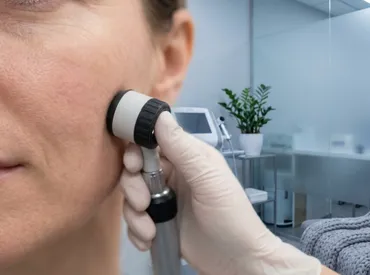
If you have ever stood in front of the mirror closely examining your skin, you have likely found yourself asking, why are my pores so big? It is a question that resonates with millions of people across every age group and demographic, yet it remains one of the most misunderstood topics in modern dermatology. Pores are natural, essential components of healthy skin function, but when they become prominent or stretched, they often create frustration and confusion. The internet is flooded with quick-fix promises, pore-closing toners, and aggressive extraction methods, but many of these approaches actually worsen skin texture or compromise the protective barrier. Understanding the true biology of pores, separating fact from marketing fiction, and implementing clinically supported strategies are the only pathways to achieving visibly smoother, more refined skin.
When investigating why are my pores so big, it is important to recognize that skin structure is highly individual. Pore visibility is influenced by a complex interplay of genetic programming, environmental exposure, hormonal activity, and daily skincare habits. While you cannot fundamentally rewrite your genetic blueprint, you can absolutely influence how your pores appear on the surface. This guide will explore the scientific mechanisms behind enlarged pores, explain why certain myths persist, and provide a comprehensive, evidence-based roadmap for minimizing their appearance safely. By focusing on barrier-supportive cleansing, targeted active ingredients, photoprotection, and professional interventions when necessary, you can achieve realistic, long-lasting improvements in skin texture without causing irritation or long-term damage.
Understanding Skin Pores: More Than Just Surface Openings
What Exactly Are Pores?
Pores are tiny, funnel-like openings on the epidermal surface that serve as the gateway to the pilosebaceous unit, a microscopic anatomical structure composed of a hair follicle, an associated hair shaft, and one or more sebaceous glands. Although pores are often discussed in cosmetic terms as imperfections, they are actually vital physiological structures. Each pore connects the deeper dermal layers to the external environment, allowing essential substances to travel upward and maintain cutaneous homeostasis. The size, density, and shape of pores vary significantly depending on facial zone, ethnic background, and individual genetics. Areas with higher concentrations of sebaceous follicles, particularly the T-zone, naturally display more prominent openings compared to the cheeks or forehead.
Free calculatorWater Intake CalculatorCalculate daily water needsOpen the calculatorThe Role of Sebaceous and Sweat Glands
The pilosebaceous unit houses two primary gland types: sebaceous glands and eccrine sweat glands. Sebaceous glands continuously produce sebum, a complex lipid mixture containing triglycerides, wax esters, squalene, and cholesterol esters. Sebum travels through the pore to the skin surface, where it creates a hydrophobic barrier that prevents excessive transepidermal water loss and shields against environmental pathogens. Eccrine glands, which open directly onto the epidermis, secrete a watery solution primarily composed of electrolytes and water to facilitate thermoregulation through perspiration. When people wonder why are my pores so big, they are often observing the visible impact of an overactive sebaceous apparatus rather than a structural abnormality.
How Pores Support Overall Skin Barrier Function
Healthy pores enable the skin to perform its primary defensive roles. By delivering sebum, they maintain the acid mantle, which regulates microbial colonization and prevents opportunistic infections. Proper pore function also allows dead keratinocytes to shed efficiently during desquamation. When this shedding process slows or becomes disrupted, corneocytes accumulate at the follicular opening, creating a physical bottleneck. This bottleneck not only alters the optical appearance of the pore but also initiates a cascade of micro-inflammatory events that further distend the opening. Maintaining unobstructed follicular pathways is therefore essential for barrier integrity, hydration balance, and long-term skin resilience.
Primary Factors That Make Pores Appear Larger
The Unchangeable Role of Genetics
The foundational determinant of pore size is heredity. Research consistently demonstrates that the baseline diameter and density of follicular openings are established early in development and remain relatively stable throughout life. Individuals of certain ethnic backgrounds or familial lineages naturally possess larger, more visible pores due to structural variations in dermal architecture and sebaceous gland distribution. This genetic predisposition is the most significant factor when examining why are my pores so big, and it is crucial to acknowledge early on. No topical serum, device, or lifestyle modification can override inherited anatomical parameters. Instead, realistic expectations focus on optimizing skin health to ensure pores appear as refined as your genetic potential allows.
Aging, Collagen Depletion, and Loss of Elasticity
As the skin transitions through chronological and environmental aging, the extracellular matrix undergoes progressive degradation. Fibroblasts gradually produce less type I and type III collagen, while existing elastin fibers fragment and lose their recoil capacity. The perioral, periorbital, and nasal regions experience structural laxity, causing the supportive tissue surrounding pores to sag. Without adequate dermal scaffolding, follicular openings lose their tight, circular shape and instead assume elongated, teardrop configurations that catch light differently, making them appear significantly larger. Slower cellular turnover compounds the issue by allowing keratin debris to settle within the relaxed follicular tract.
Cumulative Sun Exposure and Photodamage
Ultraviolet radiation is arguably the most preventable yet impactful contributor to pore prominence. Chronic UV exposure upregulates matrix metalloproteinases (MMPs), enzymes that actively dismantle collagen and elastin networks. Photoaged skin exhibits thickened, leathery texture alongside pronounced follicular dilation. The combination of solar elastosis and impaired barrier function creates an environment where pores remain persistently visible. Patients frequently ask why are my pores so big after years of inconsistent sun protection, and photodamage is almost always a primary culprit alongside chronological aging. Daily photoprotection is not merely an anti-aging recommendation; it is a structural preservation strategy.
Oily Skin Types and Sebum Overproduction
Sebum production is regulated by androgens, genetic signaling, and local skin microbiome activity. Individuals with genetically higher sebaceous gland output or hormonally driven lipid synthesis naturally exhibit more conspicuous pores. The continuous flow of viscous sebum stretches the follicular canal, much like water consistently passing through a garden hose eventually expands the rubber lining. This phenomenon is particularly noticeable in oily or combination skin phenotypes. The relationship between sebum volume and pore visibility is direct: higher output correlates with wider, more reflective openings. Managing lipid flow without stripping the barrier remains a cornerstone of effective pore management.
Clogged Pores, Comedones, and Physical Stretching
When dead skin cells, excess lipids, environmental pollutants, and oxidized squalene accumulate within the follicle, they form a cohesive plug known as a comedo. Open comedones (blackheads) occur when the plug reaches the surface and undergoes melanin oxidation, while closed comedones (whiteheads) remain trapped beneath the stratum corneum. Both variants exert outward pressure on the follicular wall. Over time, this mechanical distension permanently remodels the pore architecture, causing it to appear stretched even after the debris is removed. Understanding why are my pores so big often requires identifying whether chronic clogging is driving the apparent enlargement rather than true structural change.
Hormonal Shifts and Their Impact on Skin Texture
Androgenic hormones, particularly dihydrotestosterone (DHT), bind to receptors on sebaceous gland membranes and stimulate lipid synthesis. Fluctuations during puberty, menstrual cycles, pregnancy, perimenopause, or conditions like polycystic ovary syndrome can trigger sudden increases in sebum production and subsequent pore prominence. Cortisol elevation from chronic psychological stress also disrupts the hypothalamic-pituitary-adrenal axis, indirectly amplifying inflammatory mediators and oil secretion. Hormonal pore enlargement is typically cyclical or transitional, meaning that addressing the underlying endocrine imbalance or adapting the skincare routine to the current hormonal phase can restore visible refinement.
The Dermatological Reality: Can Pores Actually Be Shrunk?
Why "Shrinking" Is a Marketing Myth
One of the most pervasive misconceptions in the beauty industry is that pores can open and close like doors. Anatomically, pores lack sphincter muscles or contractile tissue, meaning they cannot physically open or shut on command. Consequently, any product claiming to "shrink" or "close" pores overnight operates outside established dermatological science. The physical diameter of a pore is fixed by follicular anatomy and surrounding dermal support structures. Board-certified dermatologists consistently emphasize that while you cannot permanently alter the baseline size, you can dramatically improve how they reflect light and how much debris they contain. This distinction is critical when evaluating why are my pores so big and determining which treatments offer genuine efficacy versus temporary cosmetic illusions.
Managing Expectations in Skincare
Realistic skincare focuses on three measurable outcomes: reducing follicular occlusion, normalizing sebum output, and reinforcing periporal collagen. When these objectives are met, pores reflect light more evenly, appear less shadowed, and blend seamlessly into surrounding tissue. Consistency, patience, and barrier-respectful formulation selection yield the most sustainable results. Patients who abandon aggressive extraction routines and transition to scientifically validated ingredients typically report significant texture improvements within two to three cellular turnover cycles. Accepting that improvement equals optimization rather than elimination is a foundational mindset shift for anyone seeking refined, healthy-looking skin.
Evidence-Based Skincare Protocols for Refined Skin Texture
The Art of Gentle Cleansing
Cleansing establishes the foundation for pore management, but technique matters as much as formulation. Harsh sulfates, high-alkaline soaps, and aggressive physical scrubbing strip essential ceramides and disrupt the microbiome, triggering compensatory sebum overproduction and rebound congestion. A gentle, pH-balanced cleanser removes surface oxidants, residual sunscreen, and excess lipids without compromising the stratum corneum. Use lukewarm water, apply product with light circular motions, and rinse thoroughly. Avoid excessive rubbing or daily use of abrasive brushes, as microtrauma stimulates inflammatory cytokines that degrade supporting collagen and make pores more conspicuous. Selecting noncomedogenic, fragrance-free formulas minimizes irritation risk and prepares the skin for active treatment layers.
Targeted Active Ingredients Explained
Strategic use of clinically validated actives transforms a basic routine into a pore-refining protocol. Each compound addresses a distinct pathway involved in pore appearance, and understanding their mechanisms ensures safer, more effective application.
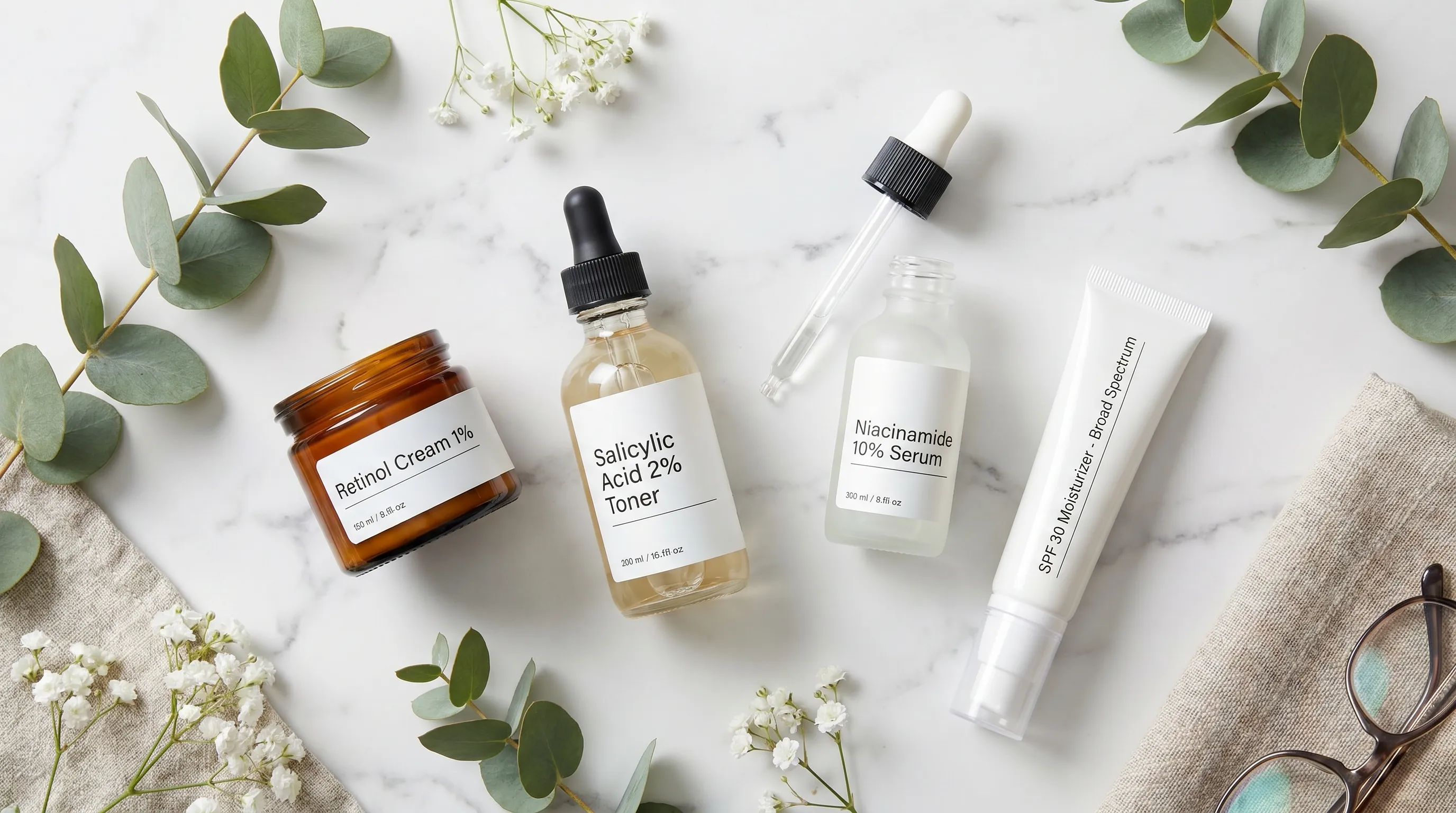
Salicylic acid (BHA) is uniquely oil-soluble, allowing it to penetrate directly into the sebaceous follicle. Once inside, it dissolves lipid bridges between corneocytes, effectively clearing comedones and preventing future plug formation. Studies demonstrate that concentrations between 0.5 percent and 2 percent optimize exfoliation without triggering excessive dryness. Regular use keeps the follicular pathway unobstructed, reducing mechanical distension and allowing pores to return to their natural resting diameter.
Retinoids and retinol derivatives remain the gold standard for texture refinement. By binding to nuclear retinoic acid receptors, they accelerate keratinocyte differentiation, normalize follicular shedding, and stimulate fibroblast-mediated collagen synthesis. Prescription tretinoin offers the most potent effects, while over-the-counter retinaldehyde and encapsulated retinol provide gentler alternatives for barrier-sensitive individuals. Introduce retinoids slowly, applying two to three nights weekly, and buffer with moisturizer to minimize retinoid dermatitis while maximizing long-term structural support.
Niacinamide (vitamin B3) operates through multiple complementary pathways. It downregulates sebaceous gland activity by inhibiting lipid synthesis enzymes, strengthens the lipid barrier by increasing ceramide production, and exhibits anti-inflammatory properties that reduce perifollicular redness. Clinical trials consistently show that 4 to 5 percent niacinamide concentrations significantly improve pore visibility within eight to twelve weeks. Unlike acids, it pairs well with virtually all other actives, making it an excellent foundational ingredient for combination or reactive skin types.
Alpha hydroxy acids (AHAs), including glycolic and lactic acid, work primarily on the epidermal surface. They disrupt corneodesmosome bonds, accelerating desquamation and preventing dead cell accumulation around the follicular rim. By maintaining a smooth, reflective outer layer, AHAs reduce optical shadowing that exaggerates pore depth. Alternating BHA and AHA applications prevents over-exfoliation while ensuring both surface and subsurface clarity.
Daily Sun Protection as Preventive Care
No pore-refining strategy survives long-term UV exposure without rigorous photoprotection. Broad-spectrum sunscreen with SPF 30 or higher filters both UVA and UVB radiation, preserving collagen integrity and preventing further follicular laxity. Modern mineral and hybrid formulations offer cosmetically elegant finishes that do not exacerbate congestion. Apply a nickel-sized amount to the face as the final morning step, and reapply every two hours during sustained outdoor exposure. Sunscreen is not a seasonal accessory; it is a structural preservation treatment that directly combats the photodamage responsible for chronic pore enlargement. For detailed photoprotection guidelines, consult the American Academy of Dermatology's recommendations on minimizing pores and maintaining skin health.
The Critical Role of Hydration
Paradoxically, well-hydrated skin exhibits less prominent pores than chronically dehydrated skin. When the stratum corneum lacks adequate water content, keratinocytes compact tightly, creating a rough, matte finish that emphasizes texture irregularities. Lightweight humectants like hyaluronic acid, glycerin, and panthenol draw moisture into the epidermal layers, plumping the surrounding matrix and creating an optical smoothing effect. Oil-free, gel-cream moisturizers support barrier repair without adding heavy occlusives that might trap sebum. Even individuals with high lipid production require consistent hydration to maintain optimal enzymatic desquamation and prevent compensatory overproduction.
Advanced Clinical Interventions for Persistent Concerns
While home-based protocols yield substantial improvements, certain anatomical or photodamage-related concerns require in-office modalities. Board-certified dermatologists tailor interventions based on skin type, tolerance, and specific structural deficits.
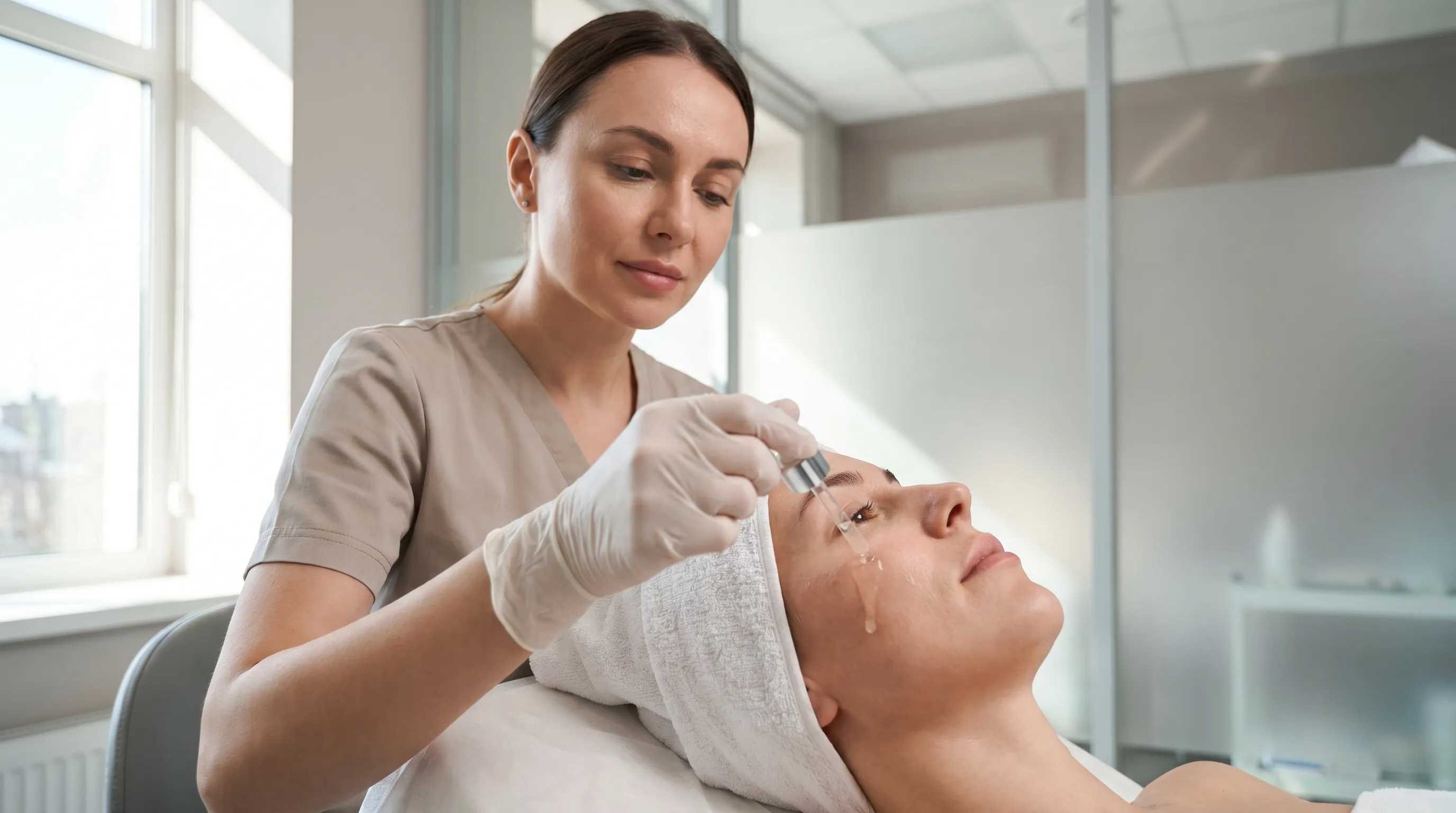
Medical-grade chemical peels utilize higher acid concentrations than over-the-counter products, delivering controlled wounding that stimulates rapid cellular turnover. Jessner peels, salicylic acid peels, and light glycolic formulations are frequently selected for pore refinement. By removing compromised epidermal layers and resetting follicular architecture, peels significantly improve surface uniformity. Multiple sessions spaced three to four weeks apart typically produce cumulative, long-lasting clarity.
Laser resurfacing and light-based therapies target deeper dermal remodeling. Fractional non-ablative lasers create microscopic treatment zones that trigger a robust wound-healing response, prompting new collagen and elastin deposition without extensive downtime. Intense pulsed light (IPL) addresses accompanying vascular components and sun spots that distract from smooth texture. These technologies tighten the periporal tissue matrix, effectively drawing pore margins inward and reducing light scatter. Treatment plans usually involve two to four sessions with progressive improvement over three to six months.
Microneedling induces controlled mechanical injury through fine sterilized needles, releasing growth factors and stimulating neocollagenesis. When combined with topical serums like hyaluronic acid or peptides, microneedling enhances product penetration while reinforcing the supportive dermal network. Patients notice gradual pore refinement as the surrounding tissue regains tensile strength. This modality is particularly effective for individuals seeking collagen restoration without chemical exfoliation sensitivity.
Prescription retinoids like tretinoin remain the most cost-effective, evidence-backed intervention for long-term pore optimization. By normalizing follicular keratinization and continuously stimulating extracellular matrix production, tretinoin addresses multiple causal pathways simultaneously. Under dermatological supervision, patients integrate prescription therapy safely while monitoring for tolerance. Comprehensive clinical evaluations and personalized treatment pathways are essential, as detailed in peer-reviewed dermatology resources such as the Cleveland Clinic's guidance on enlarged pores.
Frequently Asked Questions
Can you permanently shrink the actual size of your pores?
No. Pore diameter is genetically determined and supported by fixed dermal structures. You can significantly improve their appearance by keeping them clear, regulating sebum, and preserving collagen, but the anatomical opening itself cannot be permanently reduced. Focusing on texture refinement and barrier health yields the most realistic outcomes.
Do pore-tightening toners and astringents actually work?
Alcohol-heavy astringents create a temporary tightening sensation through rapid evaporation, but they ultimately dehydrate the epidermis and can stimulate rebound oil production. Modern toners formulated with niacinamide, polyhydroxy acids, or soothing botanicals provide safer, sustained improvement by balancing pH and reinforcing hydration without stripping essential lipids.
How long does it take to notice improved pore appearance?
Visible refinement typically emerges after 6 to 12 weeks of consistent product application. Skin completes a full turnover cycle in approximately 28 days, meaning multiple cycles are required for actives like retinoids and salicylic acid to clear accumulated debris and stimulate structural support. Patience and adherence to a gentle routine are essential.
Is it safe to use mechanical pore strips regularly?
Dermatologists generally discourage frequent pore strip use. While they extract superficial debris, they often adhere strongly to healthy corneocytes, potentially causing micro-tearing, barrier disruption, and capillary damage. Consistent chemical exfoliation and gentle cleansing remove congestion more safely and address the underlying cause rather than providing a temporary cosmetic effect.
Can lifestyle and diet impact how large your pores look?
Yes, indirectly. High-glycemic diets and excessive dairy can elevate insulin-like growth factor 1, which stimulates sebaceous gland activity and increases oil production. Managing chronic stress, prioritizing sleep, maintaining adequate hydration, and avoiding excessive alcohol all support hormonal balance and reduce inflammatory mediators that exacerbate pore prominence.
Advanced Skincare Integration: Building Your Routine
To translate scientific principles into daily practice, structuring your regimen around skin type and tolerance is essential. A foundational pore-refining routine prioritizes consistency, barrier protection, and gradual active introduction. Morning protocols typically include a gentle cleanser, antioxidant serum (vitamin C or ferulic combinations), lightweight hydrator, and broad-spectrum SPF. Evening routines focus on targeted treatment: alternate nights of salicylic acid or retinoid application, followed by a ceramide-rich moisturizer to support overnight repair. Introduce only one new active at a time, monitoring for sensitivity for at least two weeks before layering additional treatments.
When evaluating why are my pores so big, track changes systematically. Document texture improvements, oil regulation, and clarity progression rather than chasing immediate visual shifts. Adjust product concentrations based on seasonal humidity, travel, and hormonal fluctuations. For individuals navigating persistent congestion or early photodamage, consulting a licensed dermatologist ensures access to tailored prescriptions and professional-grade interventions. Evidence-based resources like Mayo Clinic's adult skincare guidance and Healthline's skincare recommendations provide reliable frameworks for maintaining safe, effective routines.
Comparison: Over-the-Counter vs. Professional Pore Management
| Treatment Type | Primary Mechanism | Typical Frequency | Downtime | Long-Term Efficacy |
|---|---|---|---|---|
| Gentle BHA Cleanser | Follicular lipid dissolution | Daily to twice daily | None | High with consistent use |
| Retinol Serum | Collagen stimulation & keratinization normalization | 3-4 nights weekly | Mild peeling initially | Very high over months |
| OTC Pore Strips | Mechanical surface debris removal | As needed (discouraged) | None | Temporary, superficial |
| Medical Chemical Peel | Controlled epidermal exfoliation | Every 4-6 weeks | 2-5 days | High with series of treatments |
| Fractional Laser | Dermal collagen induction & tissue tightening | Every 6-8 weeks | 1-3 days | Very high, long-lasting |
This comparison highlights why professional interventions and sustained home care outperform temporary mechanical methods. The goal remains consistent: unobstructed follicles, balanced lipid production, and structurally supported skin matrix.
Conclusion
Asking why are my pores so big is a natural response to visible texture changes, but the answer lies in understanding biology rather than pursuing quick fixes. Pores are vital, genetically programmed structures that facilitate essential skin functions. While their anatomical size cannot be permanently altered, their appearance responds remarkably well to evidence-based skincare, diligent sun protection, and targeted clinical treatments. By replacing harsh extraction habits with gentle cleansing, incorporating scientifically validated actives like salicylic acid and retinoids, and maintaining rigorous photoprotection, you can significantly refine skin texture and restore a smooth, luminous complexion. Consistency, patience, and barrier-respective practices will always outperform aggressive short-term interventions. Embrace a sustainable skincare philosophy focused on long-term skin health, and your pores will naturally appear less prominent as your overall dermatological resilience improves.
For personalized guidance, consider consulting a board-certified dermatologist who can assess your unique skin profile, recommend tailored treatment sequences, and help you navigate professional options safely. Explore additional perspectives through channels like Dr. Andrea Suarez (Dr. Dray) and WebMD's dermatology coverage on pore health, and remember that refined skin is the result of steady, science-backed care rather than overnight transformations.
How we work
Researched and drafted with AI assistance, then reviewed by a human editor against the cited sources.
This article is general health information, not medical advice. Consult a qualified healthcare professional about your own situation.