Why Are My Eyes Stinging? Causes, Relief & Prevention Guide

Have you ever found yourself blinking rapidly, reaching for a tissue, or squinting in discomfort just moments after sitting at a computer or stepping outside into the wind? You are not alone. Ocular irritation is an increasingly common complaint across all age groups, yet many people struggle to pinpoint exactly why are my eyes stinging when the discomfort strikes. That sharp, burning, or scratchy sensation often feels like tiny particles are trapped against the cornea, disrupting focus, reducing productivity, and turning simple daily activities into sources of frustration. Understanding the underlying triggers requires looking beyond surface-level symptoms and examining how the delicate anatomy of the eye interacts with environmental, physiological, and lifestyle factors. The tear film, a remarkably complex three-layered structure, is responsible for lubricating, nourishing, and protecting the ocular surface. When this delicate balance is compromised, nerve endings in the cornea become exposed, sending immediate distress signals to the brain. Whether you are dealing with prolonged screen exposure, seasonal allergens, contact lens wear, or an underlying ocular condition, identifying the root cause is the first step toward sustainable relief. In this comprehensive guide, we will explore the science behind ocular irritation, examine evidence-based treatment options, outline practical self-care strategies, and help you determine when professional intervention is necessary to restore comfort and protect long-term vision health.
Understanding Eye Stinging: What Actually Happens
Eye stinging is not a standalone disease but rather a symptom signaling that the ocular surface is experiencing stress, inflammation, or inadequate lubrication. The cornea contains one of the highest densities of nerve endings in the human body, making it exceptionally sensitive to chemical changes, temperature fluctuations, and physical abrasions. When protective mechanisms falter, even mild environmental shifts can trigger a pronounced discomfort response.
Free calculatorWater Intake CalculatorCalculate daily water needsOpen the calculatorThe Anatomy of Eye Discomfort
The human tear film is composed of three distinct layers: the mucin layer (innermost), the aqueous layer (middle), and the lipid layer (outermost). Each layer plays a specialized role in maintaining clarity and comfort. The mucin layer ensures tears adhere evenly across the cornea. The aqueous layer delivers oxygen, nutrients, and antimicrobial proteins. The lipid layer, produced by the meibomian glands along the eyelid margins, prevents rapid evaporation. When any of these layers becomes deficient or imbalanced, tear film instability occurs. This instability leads to localized dry spots on the cornea, which directly stimulate free nerve endings. The resulting sensation ranges from mild dryness to sharp, persistent stinging. Research published by the American Academy of Ophthalmology highlights that meibomian gland dysfunction alone accounts for a significant majority of tear film disruption cases globally, making lipid deficiency a primary suspect when patients ask why are my eyes stinging after prolonged visual tasks.
Why Nerves React to Irritants
Corneal nociceptors, the specialized pain receptors in the eye, respond to osmolarity changes, pH shifts, and inflammatory cytokines. When the tear film evaporates too quickly, tear concentration increases, creating a hyperosmolar environment that draws fluid out of corneal epithelial cells. This cellular stress triggers the release of prostaglandins and histamines, amplifying inflammation and lowering the threshold for pain perception. Essentially, the eye enters a self-perpetuating cycle: reduced lubrication causes inflammation, inflammation damages tear-producing structures, and further tear breakdown intensifies discomfort. Recognizing this physiological feedback loop is crucial because it explains why temporary relief often fades quickly unless the underlying inflammatory or evaporative trigger is addressed.
Top Causes of Eye Stinging
Identifying the precise etiology of your symptoms is the cornerstone of effective management. While the sensation may feel identical across different scenarios, the pathophysiological mechanisms vary widely. Below are the most clinically validated causes responsible for ocular discomfort.
Dry Eye Syndrome
Dry eye disease (DED) remains the most prevalent cause of persistent stinging, affecting millions worldwide. It is classified into two primary subtypes: aqueous-deficient and evaporative. Aqueous-deficient dry eye occurs when the lacrimal glands fail to produce sufficient tears, often linked to autoimmune conditions, hormonal changes, or certain medications. Evaporative dry eye, on the other hand, results from excessive tear breakdown due to lipid layer compromise. Both types lead to corneal exposure and nerve irritation. The National Eye Institute emphasizes that environmental dryness, aging, and prolonged screen use dramatically accelerate tear evaporation, making modern lifestyles a major contributing factor to the rising prevalence of DED.
Allergic Conjunctivitis
When the conjunctiva—the transparent membrane covering the white of the eye and inner eyelid—comes into contact with allergens like pollen, pet dander, or dust mites, the immune system releases histamine. Histamine binds to receptors on ocular surface nerves and blood vessels, causing vasodilation, itching, watering, and a sharp stinging or burning sensation. Unlike infectious conjunctivitis, allergic reactions are typically bilateral and occur seasonally or after specific exposures. Antihistamine mast cell stabilizer drops and allergen avoidance form the foundation of management, as noted in comprehensive reviews from Mayo Clinic.
Environmental Irritants (Smoke, Wind, Chemicals)
Direct exposure to airborne pollutants triggers an immediate protective response. Smoke particles, wind-blown debris, chlorine from swimming pools, and cleaning product fumes disrupt the tear film’s surface tension and introduce foreign chemicals to the ocular surface. The eye responds by increasing reflex tearing and blinking to flush out irritants. However, if exposure is continuous or the irritant is caustic, the corneal epithelium can sustain micro-abrasions, leading to prolonged stinging. Occupational environments with low ventilation or high particulate matter significantly increase risk.
Digital Eye Strain & Screen Overuse
Computer vision syndrome has become a global public health concern. When focusing on digital screens, the natural blink rate drops by up to sixty percent. Reduced blinking prevents complete tear distribution and accelerates evaporation. Additionally, blue light emission and high screen glare force the ciliary muscles to work harder, contributing to muscular fatigue and ocular surface desiccation. The combination of decreased lubrication and sustained accommodative effort frequently explains why are my eyes stinging after long hours of remote work or gaming. Implementing ergonomic adjustments and intentional blinking protocols can dramatically mitigate this modern epidemic.
Contact Lens Issues
Contact lenses sit directly on the tear film and can interfere with oxygen transmission, tear exchange, and lipid spread. Poor lens hygiene, extended wear beyond manufacturer recommendations, or improper fit can lead to corneal hypoxia and localized dryness. Lens deposits like proteins and lipids also attract debris, increasing friction with each blink. Switching to daily disposable lenses, using approved lens-compatible lubricants, and adhering strictly to replacement schedules are critical for maintaining ocular surface health. The Cleveland Clinic warns against sleeping in soft contact lenses, a habit that drastically elevates the risk of severe irritation and microbial keratitis.
Underlying Medical Conditions (Blepharitis, Corneal Abrasion)
Blepharitis, a chronic inflammation of the eyelid margins, occurs when oil glands become clogged or bacteria proliferate along the lash line. This condition disrupts lipid production, leading to evaporative dry eye and gritty stinging. Corneal abrasions, even microscopic scratches from rubbing, makeup application, or foreign bodies, expose nerve bundles and cause immediate, intense discomfort. Both require targeted management: eyelid hygiene routines for blepharitis and prompt clinical evaluation for suspected abrasions.
When Stinging Eyes Signal Something Serious
While most cases of ocular irritation resolve with conservative measures, certain red flags indicate deeper pathology requiring immediate medical attention. Ignoring these warning signs can lead to vision impairment or chronic ocular surface disease.
Warning Signs You Shouldn’t Ignore
Sudden onset stinging accompanied by blurred vision, photophobia (light sensitivity), intense redness, thick yellow or green discharge, or the sensation of a foreign body embedded in the eye warrants same-day ophthalmic evaluation. These symptoms suggest corneal ulceration, uveitis, or acute angle-closure glaucoma—all of which require urgent intervention. Persistent stinging that worsens despite consistent use of artificial tears or lifestyle modifications also indicates that the underlying cause may be inflammatory or neurological rather than purely environmental.
The Role of Infection & Inflammation
Viral and bacterial conjunctivitis can initially mimic simple dry eye but quickly progress to include mucopurulent discharge, eyelid crusting, and lymphadenopathy. Keratitis, an infection or inflammation of the cornea, is particularly dangerous and often linked to contact lens misuse. Chronic ocular surface inflammation triggers matrix metalloproteinases that degrade epithelial integrity, creating a vulnerable environment for recurrent discomfort. Anti-inflammatory therapies and antimicrobial regimens must be tailored to the specific pathogen or inflammatory pathway, underscoring why are my eyes stinging symptoms sometimes require diagnostic staining, tear break-up time testing, or microbial cultures for accurate treatment planning.
Effective Home Remedies & Self-Care Strategies
Evidence-based home management focuses on restoring tear film integrity, reducing inflammatory triggers, and promoting ocular surface healing. These interventions are highly effective for mild to moderate cases when applied consistently.
Immediate Relief Techniques
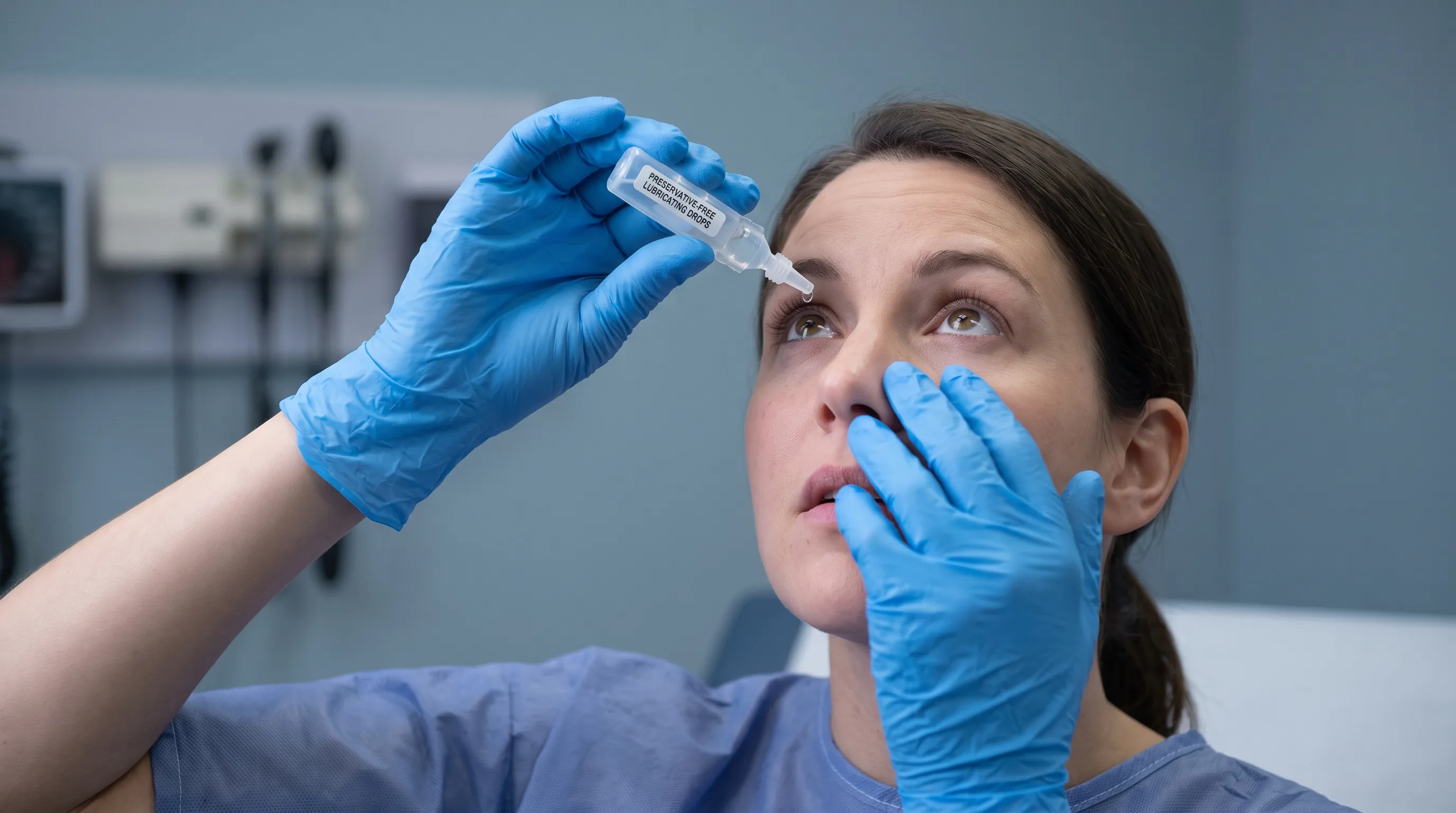
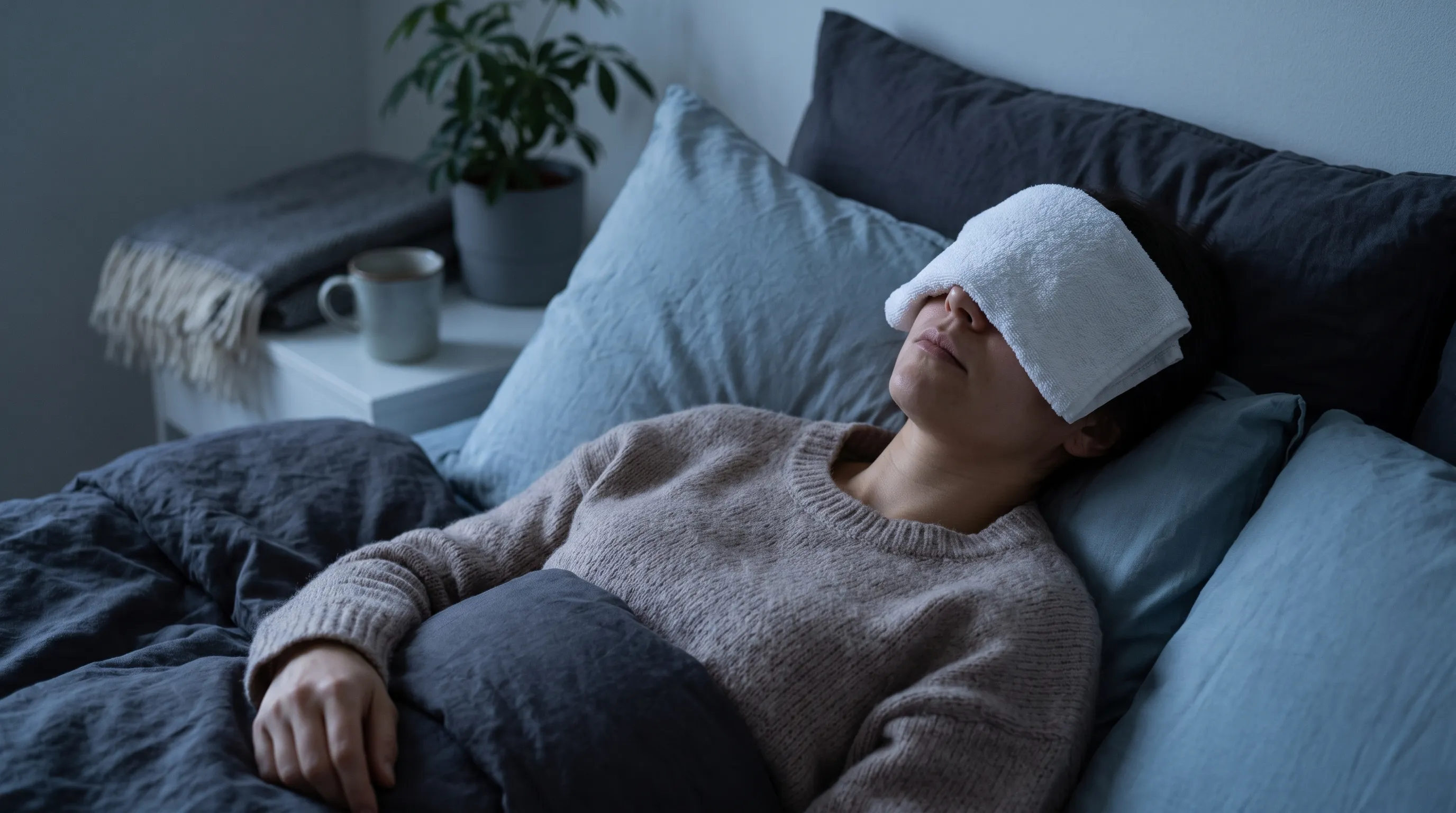
For acute discomfort, preservative-free artificial tears provide instant lubrication without the risk of preservative toxicity. Single-use vials are ideal for frequent application. Applying a clean, warm compress to closed eyelids for ten minutes liquefies congealed meibum, improving oil secretion and stabilizing the tear film. Gentle lid massage following the compress can further unclog glands. Avoid rubbing the eyes, as mechanical friction damages epithelial cells and releases additional inflammatory mediators. The American Optometric Association recommends these conservative measures as first-line therapy for daily symptom control.
Lifestyle & Environmental Adjustments
Optimizing your surroundings dramatically reduces evaporative stress. Use a humidifier to maintain indoor humidity between forty and sixty percent. Position fans, air conditioners, and heaters away from your face to minimize direct airflow across the eyes. During outdoor activities, wear wraparound sunglasses with side shields to block wind and UV radiation. Hydration is equally critical; consuming adequate water throughout the day supports systemic tear production. Limiting exposure to cigarette smoke and harsh cleaning chemicals further protects the delicate ocular surface.
Nutritional Support for Ocular Health
Diet plays a pivotal role in tear film composition. Omega-3 fatty acids, particularly eicosapentaenoic acid (EPA) and docosahexaenoic acid (DHA), reduce inflammation and improve meibomian gland function. Clinical trials indicate that daily supplementation with one thousand to two thousand milligrams of high-quality fish oil or algae-derived omega-3s significantly improves tear stability and reduces stinging frequency. Antioxidants like lutein, zeaxanthin, vitamins A, C, and E protect against oxidative stress on the ocular surface. Incorporating leafy greens, fatty fish, nuts, and citrus fruits creates a nutritional foundation that supports long-term ocular comfort.
Medical Treatments & Professional Interventions
When self-care measures prove insufficient, advanced therapies target the root pathophysiology of chronic irritation and inflammation.
Prescription Drops & Therapies
Cyclosporine (Restasis) and lifitegrast (Xiidra) are FDA-approved immunomodulatory eye drops that reduce T-cell activation and ocular surface inflammation, promoting natural tear production over time. Short-term corticosteroid drops may be prescribed for severe flare-ups but require monitoring due to potential intraocular pressure elevation. Antibiotic ointments or oral tetracyclines are utilized for blepharitis and meibomian gland dysfunction, leveraging their anti-inflammatory properties alongside antimicrobial effects. These treatments should be initiated and monitored by a licensed eye care professional to ensure appropriate dosing and follow-up.
Advanced Procedures & In-Office Treatments
Intense pulsed light (IPL) therapy and thermal pulsation systems like LipiFlow directly address evaporative dry eye by heating and unclogging meibomian glands, restoring lipid layer function. Punctal plugs are tiny silicone devices inserted into the tear drainage ducts to conserve natural tears on the ocular surface. Autologous serum eye drops, manufactured from the patient’s own blood, provide growth factors and antibodies that accelerate epithelial healing in refractory cases. These interventions represent a paradigm shift from symptomatic relief to disease-modifying therapy, offering hope for patients who have struggled with chronic stinging despite conventional management.
Prevention: How to Protect Your Eyes Daily
Sustainable eye health relies on proactive habits that preserve tear film stability and minimize irritant exposure. Integrating preventive routines into daily life reduces recurrence and maintains optimal visual comfort.
Screen Time Management (20-20-20 Rule)
Every twenty minutes, shift your gaze to an object twenty feet away for at least twenty seconds. This practice relaxes ciliary muscles, stimulates natural blinking, and restores tear distribution. Adjust screen brightness to match ambient lighting, increase font size to reduce squinting, and utilize matte screen filters to minimize glare. Software applications that remind you to take breaks can be highly effective for maintaining consistent visual ergonomics.
Proper Eyewear & UV Protection
Prescription and non-prescription glasses with anti-reflective coatings reduce digital strain and improve contrast. Sunglasses blocking one hundred percent of UVA and UVB rays prevent photo-oxidative damage to corneal and conjunctival tissues. For occupational or sports-related hazards, polycarbonate safety glasses provide impact resistance while sealing out airborne particulates. Consistent use of appropriate eyewear acts as a physical barrier against environmental stressors.
Maintaining a Healthy Ocular Routine
Establish a nightly eyelid hygiene protocol using gentle, pH-balanced lid scrubs or diluted baby shampoo to remove debris and excess oil. Replace eye makeup every three months to prevent bacterial contamination. Remove contact lenses before sleeping, and always wash hands before touching the eye area. Schedule comprehensive eye examinations annually, even if symptoms seem manageable, to detect subtle tear film changes, early glaucoma, or retinal conditions before they impact comfort or vision. The Mayo Clinic Eye Health Guide reinforces that consistent preventive care is the most reliable defense against chronic ocular surface disease.
Comparison Table: Common Causes of Eye Stinging, Symptoms & Management
| Cause | Primary Symptoms | Key Management Strategies | When to Seek Care |
|---|---|---|---|
| Evaporative Dry Eye | Gritty sensation, burning, fluctuating vision, worse in dry/windy environments | Warm compresses, omega-3s, humidifiers, preservative-free tears | Symptoms persist beyond 2 weeks or interfere with daily tasks |
| Allergic Conjunctivitis | Itching, redness, watery discharge, seasonal patterns | Cold compresses, antihistamine drops, allergen avoidance, HEPA filters | Swelling limits eyelid opening or vision becomes blurred |
| Digital Eye Strain | Staring fatigue, headaches, dryness after screen use, frequent blinking | 20-20-20 rule, screen filters, artificial tears, ergonomic positioning | Discomfort triggers chronic migraines or persistent neck strain |
| Contact Lens Overwear | Sharp pain, redness, mucus buildup, lens discomfort | Reduce wear time, switch to daily disposables, use approved lubricants | Severe pain or white spot on cornea appears |
| Blepharitis | Crusted eyelids, foamy tears, morning grittiness, mild stinging | Daily lid scrubs, warm compresses, antibiotic ointments if prescribed | Eyelid swelling increases or vision drops suddenly |
Frequently Asked Questions
Why are my eyes stinging constantly throughout the day?
Persistent eye stinging is most commonly caused by dry eye syndrome, where the tear film fails to adequately lubricate the ocular surface. Environmental factors like low humidity, prolonged screen time, allergies, or contact lens wear can also disrupt tear stability and trigger nerve endings in the cornea.
Can dehydration cause stinging or burning eyes?
Yes, systemic dehydration reduces the volume of tears produced by the lacrimal glands. When your body lacks adequate fluids, tear secretion decreases, leading to an unstable tear film that exposes the corneal nerves to air and irritants, resulting in a persistent stinging or gritty sensation.
Is it safe to use over-the-counter eye drops for stinging eyes?
Preservative-free artificial tears are generally safe for daily use and provide effective lubrication. However, vasoconstrictor drops (redness relievers) should be avoided for stinging eyes, as they can cause rebound redness and worsen irritation when used long-term. Consult an eye care professional for persistent symptoms.
When should I see a doctor if my eyes keep stinging?
Seek professional evaluation if stinging is accompanied by vision changes, severe pain, light sensitivity, discharge, or swelling that lasts more than a few days. These symptoms may indicate infection, corneal abrasion, or chronic inflammatory conditions requiring targeted medical intervention.
Do blue light glasses help reduce eye stinging from screens?
Blue light filtering lenses may improve contrast and reduce digital glare, but they do not directly prevent stinging caused by reduced blinking or dry eye. The most effective approach is combining screen breaks, proper lighting, humidification, and preservative-free lubricants to maintain tear film stability.
Conclusion
Ocular discomfort is rarely a random occurrence; it is a clear communication from your body signaling an imbalance in the tear film, environmental stress, or an underlying physiological change. Whether you are navigating seasonal allergies, extended screen sessions, contact lens routines, or age-related tear film shifts, understanding why are my eyes stinging is the critical first step toward targeted, lasting relief. By combining evidence-based home care, nutritional optimization, environmental control, and professional medical guidance when necessary, you can restore ocular comfort and protect long-term visual health. Prioritize daily preventive habits, monitor symptom patterns, and never hesitate to consult a qualified eye care provider when conservative measures fall short. Healthy eyes are not just essential for seeing clearly—they are fundamental to your overall quality of life, productivity, and well-being.
How we work
Researched and drafted with AI assistance, then reviewed by a human editor against the cited sources.
This article is general health information, not medical advice. Consult a qualified healthcare professional about your own situation.