Understanding PRP Injection Price: Complete Cost Breakdown and What to Expect

Platelet-rich plasma therapy has rapidly emerged as one of the most sought-after regenerative treatments in modern medicine, bridging the gap between cosmetic enhancement and orthopedic rehabilitation. As more patients explore autologous healing options, understanding the prp injection price becomes essential for making informed healthcare decisions. Unlike pharmaceutical interventions that rely on synthetic compounds, PRP utilizes your body's own concentrated healing factors, as detailed by the Mayo Clinic, which explains why pricing structures differ dramatically from standard medications or over-the-counter supplements. The treatment involves extracting a small sample of your blood, processing it through specialized centrifugation, and precisely injecting the concentrated platelets into targeted tissues. This highly individualized, labor-intensive process naturally contributes to the overall cost, but it also offers distinct advantages in tissue repair, inflammation modulation, and cellular regeneration. Navigating the financial landscape requires a clear understanding of what drives pricing variations, how treatment protocols are customized, and which factors genuinely impact your clinical outcomes. In this comprehensive guide, we will break down every variable that influences your final investment, examine regional and provider-based pricing differences, explore financing and insurance alternatives, and provide actionable strategies to maximize both safety and therapeutic value. Whether you are considering PRP for hair thinning, osteoarthritis, tendon injuries, or facial rejuvenation, this article will equip you with evidence-based insights to confidently evaluate your options and choose a provider that aligns with your medical and financial expectations.
What Is PRP Therapy and How Does It Work?
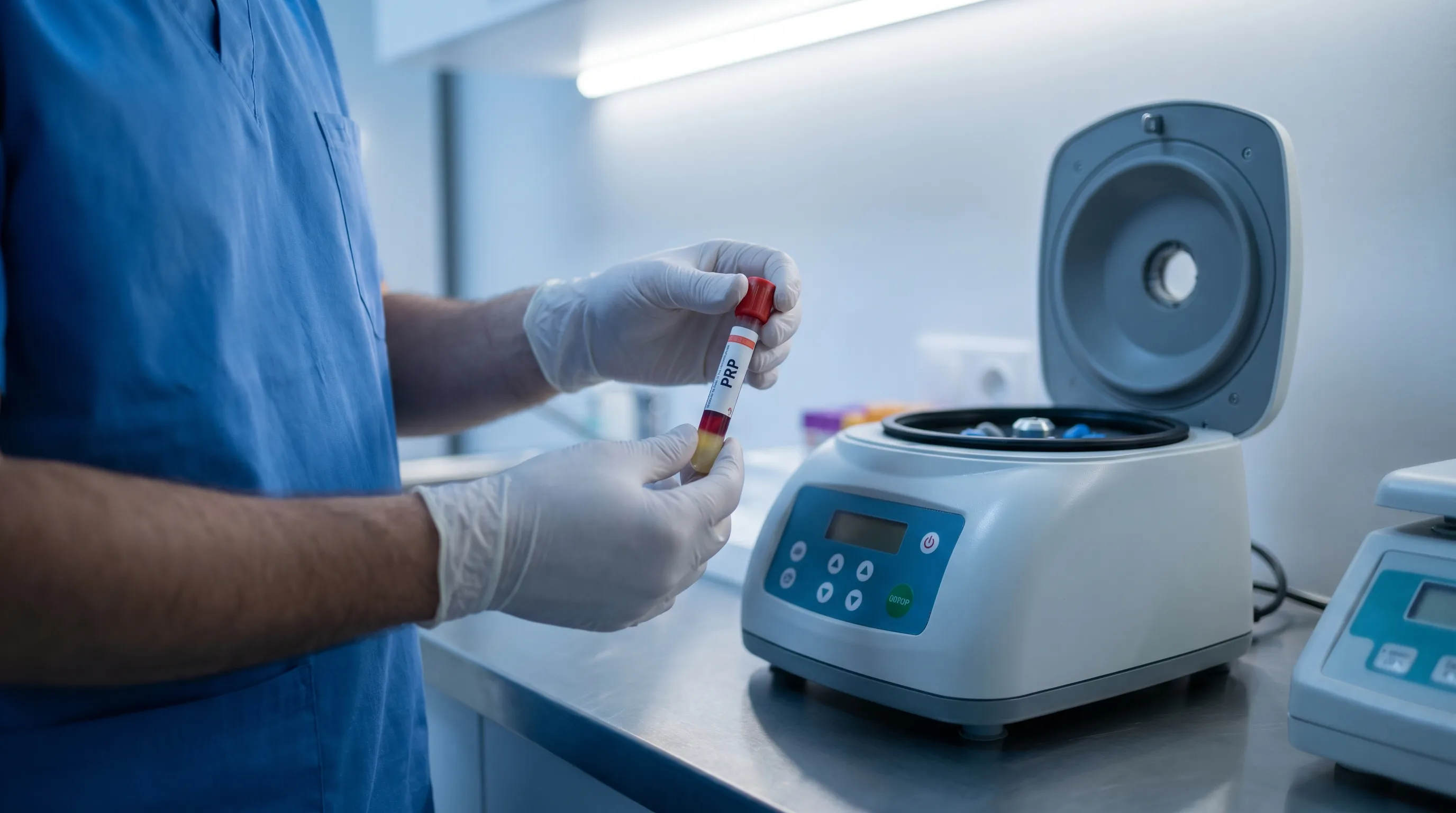
Platelet-rich plasma represents a concentrated suspension of autologous platelets suspended in a small volume of plasma. Under normal physiological conditions, platelets are primarily known for their role in hemostasis and initial wound response. However, NIH research on regenerative biology has revealed that platelets function as potent delivery vehicles for growth factors and cytokines that orchestrate tissue repair. When activated, platelets release a biochemical cascade including platelet-derived growth factor (PDGF), transforming growth factor-beta (TGF-β), vascular endothelial growth factor (VEGF), and epidermal growth factor (EGF). These signaling molecules stimulate angiogenesis, promote collagen synthesis, accelerate cellular proliferation, and modulate inflammatory pathways. The foundational premise of PRP therapy is to deliver a supraphysiologic concentration of these healing mediators directly to compromised or degenerated tissues, thereby jumpstarting the body's natural regenerative capacity. The preparation process begins with a standard venipuncture, typically collecting 30 to 60 milliliters of blood depending on the protocol. This sample is immediately placed into a specialized centrifuge that separates blood components based on density. The resulting middle buffy coat layer contains concentrated leukocytes and platelets, which is then carefully extracted and prepared for injection. Modern systems allow clinicians to customize the platelet concentration ratio, typically ranging from 2 to 8 times baseline blood levels, while also controlling leukocyte inclusion based on the specific clinical indication.
Free calculatorSun Protection GuideSPF guide and sun protection recommendationsOpen the calculatorThe Biological Mechanisms Behind Tissue Repair
The therapeutic efficacy of PRP stems from its multi-factorial biological activity. Upon injection, platelets degranulate and initiate a coordinated healing response that differs fundamentally from traditional corticosteroid injections, which primarily suppress inflammation. Instead, PRP creates a regenerative microenvironment that supports extracellular matrix remodeling. In musculoskeletal applications, PDGF and TGF-β stimulate tenocyte and chondrocyte proliferation, enhancing tendon resilience and cartilage preservation. VEGF promotes neovascularization, delivering oxygen and nutrients to previously hypoxic tissue zones. In dermatological and aesthetic applications, the growth factor matrix upregulates fibroblast activity, increasing type I and type III collagen production while improving epidermal thickness and dermal hydration. The temporal dynamics of platelet activation are equally important. Initial release occurs within hours, providing immediate signaling, followed by sustained secretion over 7 to 14 days as platelets continue to interact with the local microenvironment. This prolonged bioavailability distinguishes PRP from single-molecule pharmaceutical agents and explains why treatment effects often continue to improve for several weeks post-procedure. Clinicians frequently combine PRP with microneedling, ultrasound guidance, or targeted rehabilitation protocols to maximize bioavailability and mechanical tissue stimulation.
Clinical and Cosmetic Applications
The versatility of platelet-rich plasma has expanded across multiple medical disciplines. In orthopedics and sports medicine, PRP is extensively utilized for chronic tendinopathies including lateral epicondylitis, Achilles tendinopathy, and patellar tendinitis, with clinical protocols standardized by institutions like the Cleveland Clinic. Osteoarthritis patients with mild to moderate joint degeneration frequently seek PRP to delay surgical intervention and improve functional mobility. Dermatologists and aesthetic physicians employ PRP for androgenetic alopecia, facial volume loss, periorbital rejuvenation, and post-laser healing acceleration. Emerging research also explores its utility in wound care, nerve regeneration, and post-surgical scar modulation. Each application requires specific platelet concentrations, leukocyte profiles, and injection techniques, which directly impact clinical protocols and associated costs. For instance, intra-articular injections demand sterile precision and often utilize ultrasound or fluoroscopic guidance, while superficial dermal treatments may employ topical anesthesia and micro-injection arrays. Understanding the specific biological requirements of your condition is essential when evaluating treatment plans and corresponding financial commitments.
Regulatory Standards and Safety Protocols
Because PRP is classified as a same-day autologous procedure with minimal manipulation, regulatory agencies in many countries, including the United States FDA, categorize it as a medical practice rather than a commercialized biologic drug. This classification allows physicians to develop customized protocols while maintaining strict safety standards. However, the lack of standardized commercial manufacturing means that equipment quality, preparation sterility, and clinician expertise vary widely. Accredited clinics follow Good Manufacturing Practice (GMP) principles, utilize FDA-cleared separation devices, and maintain documented chain-of-custody for blood products, often adhering to CDC infection control guidelines to ensure optimal patient safety. Patients should verify that their provider adheres to sterile processing guidelines, utilizes closed-system kits, and maintains comprehensive medical oversight. Transparency regarding protocol standardization, platelet concentration verification, and adverse event tracking serves as a reliable indicator of clinical quality. Regulatory compliance directly correlates with procedural safety, which is a fundamental consideration when evaluating both clinical outcomes and long-term cost-effectiveness.
Key Factors That Influence PRP Injection Price
Understanding the prp injection price requires looking beyond surface-level marketing rates and examining the operational, technological, and clinical variables that shape pricing structures. Unlike standardized pharmaceuticals with fixed wholesale costs, PRP is a personalized, procedure-based therapy with highly variable overhead. The first major determinant is geographic market dynamics. Metropolitan areas with high commercial real estate costs, elevated staffing wages, and stringent regulatory compliance requirements naturally reflect higher procedure rates. Conversely, regions with lower operational overhead or emerging medical tourism markets may offer reduced pricing, though patients must carefully evaluate whether cost savings compromise sterility standards or clinical expertise. The second critical factor is provider credentials and training. Board-certified specialists in dermatology, orthopedic surgery, or physical medicine and rehabilitation typically complete advanced fellowship training in regenerative techniques. Their expertise in anatomical navigation, ultrasound-guided injection precision, and individualized treatment planning justifies higher consultation and procedural fees. Less experienced providers may offer discounted rates but often lack the diagnostic acumen to determine optimal platelet concentrations or identify contraindications that could compromise safety.
Geographic Location and Clinic Overhead
Regional economic factors play a substantial role in determining baseline pricing. Clinics operating in high-cost urban centers must account for premium lease rates, advanced facility maintenance, specialized nursing staff, and comprehensive malpractice insurance coverage. These operational expenses are distributed across procedural pricing, resulting in higher quoted rates. Rural or suburban practices with lower overhead may reduce fees accordingly, but patients should verify that reduced pricing does not correlate with outdated centrifuge equipment or compromised sterility protocols. Additionally, states with more stringent medical device regulations and mandatory continuing education requirements for injection procedures often see modest price premiums that reflect higher compliance costs. Research consistently demonstrates that facilities investing in state-of-the-art infrastructure, digital medical records, and sterile processing centers maintain superior patient safety profiles, making geographic pricing variations a reasonable reflection of underlying operational standards.
Provider Expertise and Credentials
The clinical skill of the administering physician represents one of the most significant value drivers in regenerative medicine. PRP is not a one-size-fits-all injection. Successful outcomes require precise anatomical knowledge, real-time tissue assessment, and the ability to adjust platelet concentrations based on individual patient physiology. Providers who have completed dedicated regenerative medicine fellowships, maintain active research involvement, and publish clinical outcomes typically command higher procedural fees. Their expertise reduces the likelihood of misplaced injections, improper activation protocols, or inadequate treatment planning. Patients should inquire about physician training backgrounds, annual procedure volume, and complication rates. Transparent providers readily share credential verification, clinical photography, and peer-reviewed publications. Investing in a highly qualified specialist often yields superior therapeutic results, fewer repeat sessions, and reduced long-term costs compared to discounted treatments performed by undertrained practitioners.
Treatment Area and Required Sessions
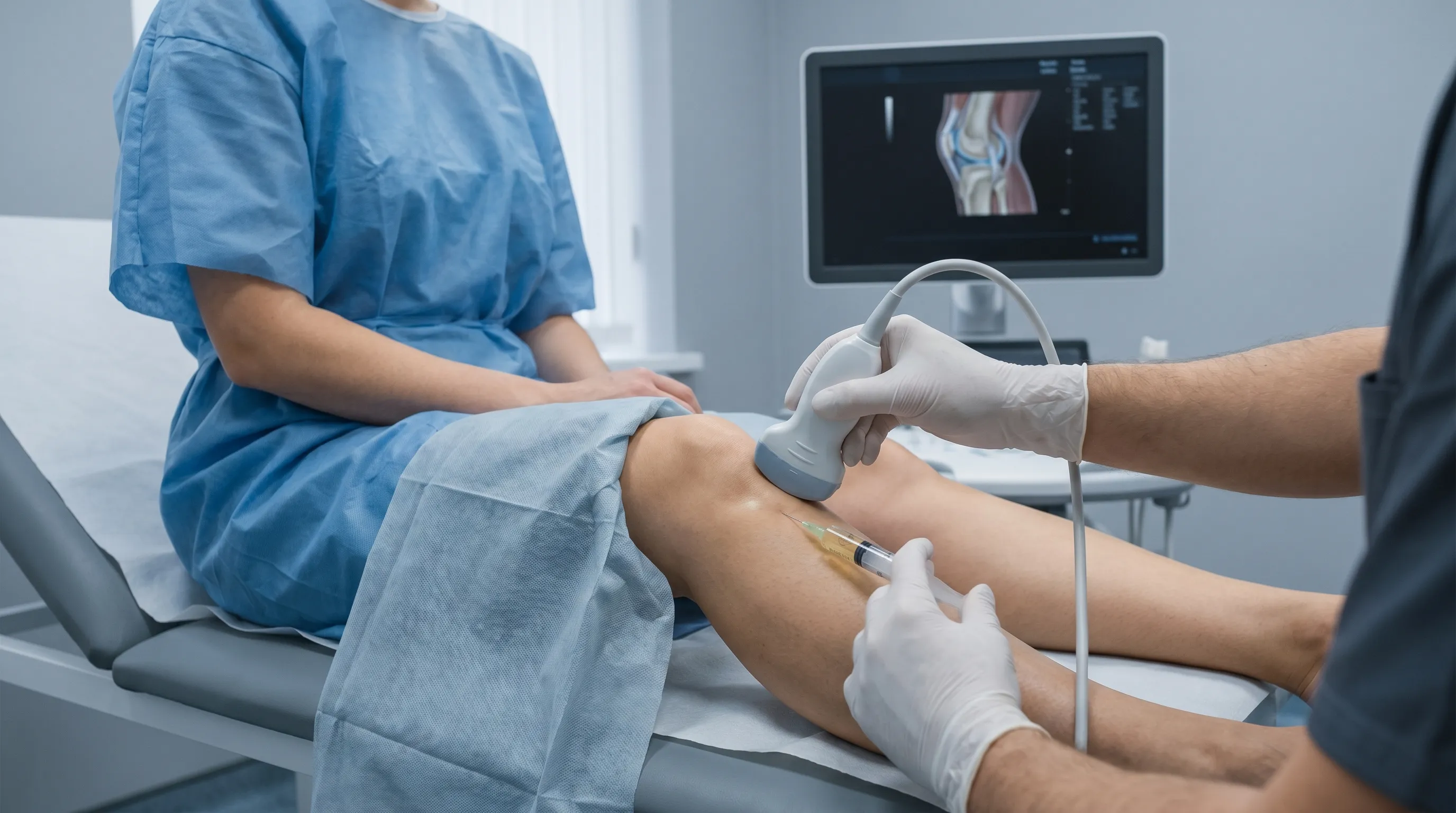
The anatomical complexity of your target tissue directly influences both procedural duration and equipment requirements. Superficial scalp or facial treatments typically require less time and simpler injection arrays, resulting in lower baseline costs. Deep joint injections, however, demand sterile draping, local anesthesia administration, and real-time ultrasound guidance to avoid neurovascular injury and ensure accurate intra-articular placement. Orthopedic tendinopathies often require fenestration techniques that stimulate tissue remodeling, adding to procedural time and clinical complexity. Furthermore, the number of required sessions significantly impacts total expenditure. Hair restoration protocols generally mandate 3 to 4 initial treatments spaced monthly, followed by annual maintenance. Joint degeneration may improve with 1 to 3 injections depending on inflammatory baseline and mechanical load. Clinics offering comprehensive treatment packages rather than single-session pricing often provide better long-term value. Always request a detailed treatment roadmap during your consultation to accurately forecast cumulative expenses and avoid unexpected financial commitments.
Equipment, Kits, and Centrifuge Technology
The quality of blood processing technology fundamentally affects platelet viability and concentration accuracy. FDA-closed centrifuge systems utilize validated spin protocols to achieve consistent leukocyte modulation and optimal platelet recovery rates. Low-cost or open-system alternatives frequently yield inconsistent concentrations, increased red blood cell contamination, or inadequate growth factor release, potentially compromising therapeutic efficacy. Premium clinics invest in automated, disposable kit-based systems that eliminate cross-contamination risks and provide documented yield metrics. These technological investments are reflected in procedural pricing but directly correlate with reproducible clinical outcomes. Additionally, ultrasound guidance equipment, specialized injection needles, and activated calcium chloride or thrombin additives contribute to procedural costs. When evaluating clinics, request information regarding their centrifuge model, separation protocol, and quality control measures. Transparent providers will readily explain how their technology enhances platelet concentration, minimizes inflammation, and optimizes bioavailability for your specific condition.
Comprehensive Cost Breakdown by Treatment Type
The prp injection price varies substantially depending on clinical indication, procedural complexity, and required adjunctive techniques. Patients benefit from understanding average market rates, though regional variations and provider expertise will inevitably influence final quotes. Hair restoration represents one of the most extensively researched and commercially utilized PRP applications. Clinics typically charge between $1,500 and $3,000 per initial treatment session, with most protocols requiring three to four monthly visits for optimal follicular stimulation. Maintenance sessions generally cost $800 to $1,500 annually. Orthopedic and sports medicine applications typically range from $600 to $1,500 per targeted injection site. Joint injections utilizing ultrasound guidance often fall at the higher end of this spectrum due to equipment utilization, sterile processing requirements, and physician expertise. Tendon treatments requiring multiple micro-puncture techniques may approach $2,000 per session when including post-procedure rehabilitation planning. Aesthetic and dermatological applications exhibit the widest pricing variability. Facial PRP microneedling combinations generally cost $500 to $1,200 per session, while isolated dermal injections or under-eye rejuvenation treatments typically range from $800 to $1,800. Comprehensive facial revitalization packages combining PRP with radiofrequency or hyaluronic acid fillers may exceed $3,000. Understanding these baseline ranges allows patients to establish realistic budgets and identify clinically appropriate providers.
| Treatment Category | Average Price Per Session | Typical Sessions Required | Estimated Total Investment | Notes |
|---|---|---|---|---|
| Hair Restoration (Scalp) | $1,500 – $3,000 | 3–4 initial + annual | $4,500 – $9,000+ | Often combined with microneedling or minoxidil |
| Knee Osteoarthritis | $800 – $1,800 | 1–3 injections | $1,200 – $4,500 | Ultrasound-guided, leukocyte-poor preferred |
| Chronic Tendinopathy | $900 – $1,600 | 2–3 injections | $1,800 – $4,000 | Fenestration technique increases procedural time |
| Facial Rejuvenation | $700 – $1,500 | 2–3 sessions | $1,400 – $3,500 | Often paired with RF or laser for collagen boost |
| Under-Eye & Periorbital | $900 – $1,800 | 1–2 sessions | $900 – $2,500 | Requires precise superficial placement |
These figures represent national averages and exclude consultation fees, imaging guidance add-ons, and post-procedure care products. Clinics offering bundled treatment plans or financing partnerships frequently reduce per-session costs by 10 to 20 percent. Always request itemized pricing before committing to ensure transparency and accurate financial planning. Research consistently demonstrates that higher upfront investments in qualified providers yield superior platelet concentration accuracy, improved anatomical targeting, and reduced need for repeat interventions, ultimately lowering long-term expenditure.
Insurance Coverage and Payment Options
Navigating insurance reimbursement for regenerative therapies remains one of the most challenging aspects of modern outpatient medicine. Most commercial health insurance providers classify PRP as investigational or elective, resulting in consistent coverage denials. This classification stems from the absence of standardized FDA drug approval pathways for autologous blood products, despite decades of peer-reviewed clinical literature supporting therapeutic efficacy in musculoskeletal and dermatological conditions. However, exceptions exist. Some employer-sponsored plans, particularly those administered through large self-insured corporations, may offer partial reimbursement if the treating physician documents medical necessity, exhausts conservative treatments, and utilizes approved billing codes. Medicare and Medicaid maintain stricter exclusion policies, though ongoing legislative advocacy and WHO global health frameworks continue to evaluate expanded coverage structures for validated regenerative treatments. Patients seeking financial relief should request a formal letter of medical necessity, obtain detailed clinical documentation, and explore peer-to-peer physician appeals. Persistent documentation of functional impairment, radiographic confirmation of degeneration, and failed physical therapy outcomes occasionally trigger coverage reconsideration.
Navigating Insurance Reimbursement
When pursuing insurance coverage, accurate coding and comprehensive documentation are paramount. Clinicians typically utilize CPT codes such as 0232T for PRP preparation and injection, alongside ICD-10 diagnosis codes reflecting specific musculoskeletal or dermatological conditions. Prior authorization requests must include peer-reviewed literature, previous treatment failure records, and a detailed therapeutic rationale. Patients should maintain meticulous records of all correspondence, denial letters, and physician communications. Engaging a patient advocacy specialist or utilizing clinic-based billing coordinators significantly improves appeal success rates. Even if initial claims are denied, documented medical necessity may contribute to future policy updates as regenerative medicine continues to gain clinical validation.
Financing and Payment Strategies
Out-of-pocket treatment remains the standard payment pathway for PRP therapy, but numerous financial solutions exist to improve accessibility. Many clinics partner with medical financing companies offering zero-interest installment plans, extended payment terms, or deferred payment options. CareCredit, Alphaeon Credit, and specialized healthcare lending platforms frequently provide flexible repayment schedules tailored to elective medical procedures. Patients should compare interest rates, origination fees, and early payoff penalties before committing. Additionally, flexible spending accounts (FSAs) and health savings accounts (HSAs) can be utilized if the treating physician certifies medical necessity. Some employers allow pre-tax contributions for regenerative treatments that address diagnosed conditions. Always verify account eligibility guidelines and retain detailed medical receipts for tax documentation. Strategic financial planning ensures that therapeutic access remains sustainable without compromising household budgeting.
Hidden Costs and Transparency Concerns
Patients frequently encounter unexpected expenses when initial quotes exclude essential procedural components. Common hidden fees include separate consultation charges, topical or local anesthetic administration, sterile dressing supplies, post-procedure follow-up appointments, imaging guidance surcharges, and recommended nutritional supplements or post-care products. Transparent clinics provide all-inclusive pricing that encompasses initial evaluation, blood draw, centrifugation, injection execution, immediate aftercare, and scheduled progress assessments. Patients should explicitly request a written cost breakdown that clarifies what is included, whether touch-up injections carry additional fees, and if complications or adverse reactions incur extra charges. Clinics that avoid transparent pricing structures often compensate for low advertised rates through add-on fees or aggressive upselling. Prioritizing providers with comprehensive, upfront financial disclosures protects patients from budget overruns and ensures predictable treatment investments.
Optimizing Results and Maximizing Value
The prp injection price represents only one component of your overall therapeutic investment. Clinical outcomes depend heavily on biological readiness, procedural precision, and post-treatment adherence. Patients who optimize their physiological baseline and follow structured aftercare protocols consistently experience enhanced tissue response, accelerated recovery timelines, and prolonged therapeutic benefits. Maximizing value requires strategic preparation before your procedure, disciplined recovery practices afterward, and selective integration of complementary therapies that synergize with platelet-mediated healing.
Pre-Procedure Preparation
Your biological baseline directly influences platelet viability and growth factor concentration. Optimize hydration levels by consuming 8 to 10 glasses of water daily in the week preceding your appointment. Maintain adequate dietary protein intake, focusing on lean sources, omega-3 fatty acids, and antioxidant-rich vegetables to support cellular function. Avoid nonsteroidal anti-inflammatory drugs (NSAIDs), aspirin, and corticosteroid medications for 7 to 10 days before treatment, as these compounds inhibit platelet activation and compromise therapeutic efficacy. Cease alcohol consumption and smoking at least two weeks prior, as nicotine constricts microvasculature and impairs angiogenic response. If you take blood-thinning medications, consult your primary physician regarding safe discontinuation protocols. Scheduling procedures during periods of low systemic stress and adequate sleep optimizes autologous healing potential and reduces procedural inflammation.
Post-Procedure Care Protocol
Immediate aftercare significantly impacts platelet retention and tissue integration. Avoid strenuous physical activity, heavy lifting, or targeted joint loading for 48 to 72 hours following musculoskeletal injections. Allow the growth factor matrix to stabilize within the extracellular environment without mechanical disruption. Apply intermittent cold packs to superficial treatment areas for 15-minute intervals during the first 48 hours to manage transient inflammation without compromising platelet activation. Refrain from NSAIDs for at least two weeks post-procedure, utilizing acetaminophen or prescribed analgesics if necessary. For scalp and facial treatments, avoid sun exposure, chemical hair products, and aggressive cleansing for 72 hours to preserve epidermal integrity. Maintain hydration, consume anti-inflammatory nutrients, and incorporate gentle mobility exercises as cleared by your physician. Structured rehabilitation programs that progress from isometric activation to eccentric loading demonstrate superior outcomes for tendon and ligament injuries. Adherence to post-care guidelines consistently correlates with prolonged therapeutic effects and reduced need for premature repeat injections.
Adjunctive Therapies for Enhanced Outcomes
Integrating PRP with complementary modalities amplifies cellular signaling and accelerates functional recovery. Ultrasound or extracorporeal shockwave therapy (ESWT) stimulates mechanotransduction pathways, enhancing growth factor receptor expression and improving platelet bioavailability in dense connective tissues. Radiofrequency microneedling creates controlled micro-channels that facilitate PRP penetration into deeper dermal layers, optimizing collagen remodeling and skin tightening. Nutritional supplementation with vitamin D3, omega-3 fatty acids, and bioactive peptides supports systemic inflammatory balance and extracellular matrix synthesis. Low-level laser therapy (LLLT) and infrared photobiomodulation reduce post-procedural discomfort while accelerating mitochondrial ATP production, further enhancing cellular proliferation. Always coordinate adjunctive treatments with your primary provider to ensure proper timing intervals and avoid overlapping inflammatory stressors. Strategic combination therapy maximizes therapeutic return on investment and extends the duration of clinical improvements.
Risk Assessment, Contraindications, and Patient Selection
While PRP utilizes autologous components, it is not universally appropriate for every patient. Understanding potential side effects, absolute contraindications, and realistic outcome expectations protects both your health and financial investment. The procedure carries a favorable safety profile compared to synthetic implants or long-term corticosteroid utilization, but biological variability, procedural technique, and underlying health conditions significantly influence risk-benefit ratios. Thorough medical evaluation, honest disclosure of medications, and realistic goal setting form the foundation of safe, cost-effective regenerative therapy.
Expected Side Effects and Recovery Timeline
Most patients experience mild, self-limiting reactions that resolve within 3 to 7 days. Injection site tenderness, localized swelling, and transient bruising represent the most common post-procedural symptoms. Superficial dermal treatments may produce temporary erythema, mild edema, and pinpoint bleeding that subsides within 48 hours. Joint injections frequently generate a 24 to 72-hour inflammatory response as platelets activate and initiate tissue remodeling. This transient discomfort indicates biological activity and should not be suppressed with NSAIDs. Serious complications remain rare when procedures are performed under sterile conditions by trained specialists. Potential risks include infection, nerve irritation, hemarthrosis, or excessive inflammation in patients with undiagnosed coagulopathies. Adhering to sterile processing standards, utilizing closed-system kits, and following post-care protocols minimizes adverse event likelihood. Patients experiencing persistent pain, fever, or progressive swelling beyond one week should promptly contact their treating physician for clinical evaluation.
Absolute and Relative Contraindications
Certain medical conditions preclude PRP therapy due to altered blood composition or compromised healing capacity. Absolute contraindications include active systemic or localized infection, metastatic cancer, primary hematologic disorders, platelet dysfunction syndromes, and severe anemia (hemoglobin below 10 g/dL). Patients taking therapeutic anticoagulants with unstable INR levels, recent chemotherapy, or immunosuppressive biologic agents typically require specialized clearance and modified protocols. Relative contraindications include uncontrolled diabetes, autoimmune flare states, recent corticosteroid injections within four weeks, and acute ligament ruptures requiring surgical stabilization. Pregnancy and breastfeeding status warrant careful risk-benefit evaluation due to limited long-term safety data in developing fetuses and infants. Transparent providers conduct comprehensive medical histories, review laboratory panels, and screen for coagulopathies before proceeding. Patients with contraindications should explore alternative regenerative options such as prolotherapy, hyaluronic acid supplementation, or targeted physical rehabilitation until underlying conditions stabilize.
Vetting Your Provider for Safety and Value
Selecting a qualified practitioner represents the most critical step in ensuring clinical safety and financial protection. Verify board certification in a relevant specialty, confirm active state medical licensure, and inquire about specific PRP training credentials. Reputable clinics welcome questions regarding centrifuge specifications, platelet concentration verification, sterile processing protocols, and adverse event tracking. Avoid facilities that utilize open-system blood handling, lack proper ventilation or sterile fields, or discourage detailed medical inquiries. Request clinical outcome data, patient testimonials, and transparent complication reporting. Clinics that prioritize medical oversight, continuous education, and evidence-based protocols consistently deliver superior results with minimal financial waste. Investing in a highly trained specialist reduces the likelihood of repeat procedures, minimizes complication risks, and ensures that your prp injection price translates directly into measurable physiological improvement rather than procedural experimentation.
Frequently Asked Questions
Why does the prp injection price vary so much between clinics?
The prp injection price varies significantly due to geographic location, provider credentials, centrifuge technology quality, treatment area complexity, and whether additional adjunctive therapies are included. High-end clinics using FDA-cleared automated separation systems and board-certified specialists naturally charge more for safety and efficacy, while discount facilities may utilize outdated equipment or lack comprehensive medical oversight, ultimately increasing the risk of repeat treatments and long-term costs.
Is there a standard prp injection price for hair restoration versus joint pain?
No universal pricing standard exists, but hair restoration typically requires multiple scalp sessions with specialized micro-needling techniques, averaging $1,500 to $3,000 per visit. Orthopedic joint injections usually cost $600 to $1,500 per targeted area, depending on ultrasound guidance and procedural complexity. Understanding the specific biological demands of each treatment type helps patients evaluate whether quoted pricing aligns with clinical requirements and expected therapeutic trajectories.
Does health insurance cover the prp injection price for medical conditions?
Most commercial health insurance providers currently classify PRP as experimental or elective, meaning they rarely cover the full prp injection price. However, some self-funded corporate plans may offer partial reimbursement if the treating physician documents medical necessity, utilizes appropriate CPT coding, and demonstrates failed conservative therapies. Medicare and Medicaid maintain stricter exclusion policies, though ongoing legislative advocacy continues to expand reimbursement frameworks for regenerative treatments.
How many treatments do I need to see results and impact the total cost?
Treatment frequency depends heavily on your condition and baseline physiology. Joint and tendon issues typically require 2 to 4 injections spaced 4 to 6 weeks apart, while hair restoration often mandates 3 to 4 initial sessions followed by annual maintenance. Factoring in the complete treatment series during initial financial planning ensures accurate budgeting and prevents mid-protocol funding gaps that compromise therapeutic continuity.
Are there hidden fees I should ask about when getting a PRP quote?
Yes, patients should always request written itemization that clarifies whether the quoted price includes initial consultations, imaging guidance, anesthetic administration, follow-up appointments, post-procedure medications, and potential touch-up sessions. Transparent clinics provide all-inclusive pricing structures, whereas facilities offering aggressively discounted base rates frequently recoup expenses through procedural add-ons, mandatory supply fees, or separate follow-up billing. Verifying comprehensive cost breakdowns before treatment protects against unexpected financial exposure.
Key Takeaways
Understanding the true value behind regenerative medicine requires looking beyond surface-level promotional rates and examining the clinical, technological, and biological factors that drive sustainable outcomes. The prp injection price reflects not only procedural complexity but also provider expertise, equipment quality, geographic market dynamics, and comprehensive patient care infrastructure. By prioritizing board-certified specialists, utilizing FDA-closed processing systems, optimizing pre- and post-treatment protocols, and exploring strategic financing options, patients can maximize both safety and therapeutic return on investment. Transparent clinics welcome detailed inquiries regarding platelet concentration verification, sterile processing standards, and clinical outcome tracking, empowering patients to make fully informed healthcare decisions. As regenerative medicine continues to advance through rigorous research and expanded clinical validation, investing in evidence-based PRP therapy represents a proactive approach to tissue restoration, functional improvement, and long-term wellness. Always coordinate with qualified medical professionals, maintain realistic outcome expectations, and utilize structured aftercare protocols to ensure that your financial commitment translates directly into measurable physiological progress and sustained quality of life.
How we work
Researched and drafted with AI assistance, then reviewed by a human editor against the cited sources.
This article is general health information, not medical advice. Consult a qualified healthcare professional about your own situation.