Understanding Mucus With Blood During Your Period: Causes, Care & When to Worry

Noticing changes in your vaginal discharge can be unsettling, especially when it involves unexpected colors, textures, or mixing with blood. Many individuals experience a phenomenon commonly referred to as mucus with blood period, and while it often sounds alarming, it is frequently rooted in normal physiological shifts. The female reproductive system is highly responsive to hormonal fluctuations, environmental factors, and lifestyle changes, all of which can alter cervical fluid production and endometrial shedding patterns. Understanding why this happens requires a clear look at how the menstrual cycle operates, how hormones interact with the cervical glands, and when certain signs cross the line into clinical territory requiring professional evaluation. Whether you are tracking fertility, managing a known gynecological condition, or simply trying to decode your body’s signals, this comprehensive guide will walk you through the science, the symptoms, the self-care strategies, and the exact moments you should seek medical guidance. By the end, you will have a structured framework for monitoring your cycle, implementing evidence-based lifestyle adjustments, and navigating conversations with your healthcare provider with confidence.

What Does Mucus with Blood During Your Period Actually Mean?
The female reproductive tract continuously adapts to cyclical hormonal changes, primarily driven by estrogen and progesterone. Cervical mucus, often dismissed as a nuisance, is actually a critical biomarker of fertility and systemic health. Produced by glands in the cervix, this fluid changes in viscosity, volume, and pH throughout the menstrual month. During the follicular phase, rising estrogen stimulates the cervix to release clear, stretchy mucus that facilitates sperm transport. After ovulation, progesterone thickens the mucus, creating a protective barrier. When this natural fluid mixes with blood, it typically indicates endometrial tissue breakdown or minor capillary rupture within the cervix or vagina. Observing mucus with blood period patterns can be perfectly normal during specific transitional windows, such as the onset or conclusion of menstrual flow, or during ovulation when tiny blood vessels may rupture alongside follicle release. The key to distinguishing physiological changes from pathological ones lies in consistency, volume, accompanying symptoms, and overall cycle regularity. Tracking these variables over several months provides invaluable data that can guide both self-management and clinical decision-making.
Free calculatorImplantation CalculatorCalculate implantation dateOpen the calculatorUnderstanding Cervical Mucus and Its Natural Changes
Cervical mucus serves multiple protective and functional roles. It acts as a selective filter, allowing motile sperm to survive and migrate while blocking pathogens and debris from ascending into the upper reproductive tract. The consistency of this fluid is directly regulated by the estrogen-to-progesterone ratio. In the days immediately following menstruation, low hormone levels result in dry or sticky discharge. As estrogen rises approaching ovulation, mucus becomes abundant, clear, and elastic—often described as having an egg-white consistency. This peak fertility window is followed by a progesterone-dominant phase where mucus thickens, becomes cloudy, and may disappear entirely until the next cycle. When blood appears alongside this fluid, it is usually because the endometrium has begun to shed prematurely, or because cervical tissue has experienced minor trauma or inflammation. The body’s natural pH also shifts during menstruation, becoming slightly more alkaline to accommodate blood flow, which can temporarily alter the appearance and smell of discharge. Recognizing these natural patterns reduces anxiety and empowers individuals to differentiate between routine fluctuations and genuine abnormalities.
Why Blood Mixes with Vaginal Discharge
The mixing of blood with cervical mucus occurs through several physiological mechanisms. During the late luteal phase or early follicular phase, progesterone withdrawal triggers the release of prostaglandins, which cause uterine contractions to shed the endometrial lining. As blood exits the cervix, it naturally combines with whatever mucus is present in the cervical canal. Even minimal spotting from ovulation, cervical ectropion (where glandular cells sit on the outer cervix and bleed easily), or hormonal imbalances can create a pink, brown, or red tinted discharge. Abnormal uterine bleeding patterns help clinicians distinguish between benign hormonal shifts and structural concerns. Brown discharge specifically indicates older, oxidized blood that has taken longer to exit the body. Light pink discharge often signals fresh but minimal bleeding diluted by mucus. Red, stringy mucus may appear during heavy flow days when blood outpaces the cervical glands’ production rate. The texture, color, and volume provide clinical clues that, when tracked alongside other symptoms, help identify whether the bleeding stems from normal hormonal transitions or requires further investigation.
Common Causes of Mucus with Blood Before, During, or After Your Period
Hormonal shifts are the primary architects of menstrual variation, but they do not operate in isolation. Stress, sleep disruption, dietary changes, exercise intensity, travel, and even acute illness can temporarily alter the timing and quality of your cycle. When you notice mucus with blood period fluctuations outside your usual pattern, it is helpful to categorize the potential triggers into physiological, lifestyle-related, and structural or pathological causes. Most cases fall into the first two categories and resolve with gentle lifestyle adjustments. However, persistent or worsening symptoms warrant a structured medical review to rule out underlying conditions that could impact long-term reproductive health.
Hormonal Fluctuations and Menstrual Transition Phases
The hypothalamic-pituitary-ovarian axis tightly coordinates follicle development, ovulation, and luteal phase maintenance. Disruptions at any level can cause menstrual irregularities. Perimenopause, for example, brings gradual ovarian decline, leading to unpredictable estrogen and progesterone production. This often manifests as spotting, heavier or lighter periods, and mucus consistency changes. Adolescents experiencing their first few menstrual years also face similar irregularities as the axis matures. Even in stable adults, rapid weight changes, chronic sleep deprivation, or intense athletic training can suppress gonadotropin-releasing hormone, delaying ovulation and causing breakthrough bleeding. These hormonal dips allow the endometrium to thicken unevenly, leading to patchy shedding that mixes with cervical fluid. Tracking basal body temperature and luteinizing hormone surges can clarify whether the disruption stems from delayed ovulation, anovulation, or premature luteal decline.
Ovulation Spotting vs. Period-Related Discharge
Distinguishing between mid-cycle ovulation bleeding and early period flow requires careful observation. Ovulation occurs when the dominant follicle ruptures, releasing an egg. This process can tear tiny blood vessels on the ovarian surface, causing light spotting that lasts 24 to 48 hours. It is typically accompanied by peak cervical mucus, mild unilateral pelvic pain (mittelschmerz), and a slight rise in basal body temperature. Period-related discharge, conversely, marks the official start of follicular phase reset. It begins with light spotting that quickly progresses to consistent flow, accompanied by prostaglandin-driven cramping, breast tenderness, and premenstrual mood shifts. If you regularly experience mucus with blood period symptoms mid-cycle but maintain regular 26-32 day cycles, it is likely physiological ovulation bleeding. Irregular timing, heavy volume, or pain exceeding mild discomfort should prompt a gynecological consultation.
Implantation Bleeding and Early Pregnancy
Approximately six to twelve days after fertilization, the blastocyst embeds into the endometrial lining, which can cause light spotting or pink-tinged mucus. Implantation bleeding is generally brief, light in volume, and accompanied by mild cramping without severe pain. Many individuals mistake it for an early period, especially if their cycle is naturally variable. The mucus present during this time often retains a creamy or slightly sticky texture due to sustained progesterone production from the corpus luteum. If pregnancy is suspected, a home test taken at least fourteen days after potential ovulation provides reliable results. Understanding early pregnancy signs can help differentiate implantation from menstrual onset. Ectopic pregnancy or early miscarriage can also present with bleeding and abnormal discharge, making prompt medical confirmation essential for anyone experiencing unexpected changes alongside positive pregnancy indicators.
Medical Conditions Linked to Abnormal Bleeding and Discharge
While lifestyle and hormonal factors explain most cases, certain structural or inflammatory conditions consistently cause irregular bleeding and mucus changes. Early diagnosis and targeted management prevent complications, preserve fertility, and improve quality of life. Understanding how these conditions manifest helps individuals advocate for appropriate testing rather than accepting abnormal symptoms as inevitable.
Uterine Fibroids and Polyps
Fibroids are benign smooth muscle tumors that develop in or around the uterus, while polyps are glandular overgrowths of the endometrium. Both disrupt normal endometrial architecture and interfere with coordinated uterine contractions. Submucosal fibroids, in particular, protrude into the uterine cavity, increasing surface area and vascular fragility. This often leads to heavy, prolonged periods, intermenstrual spotting, and mucus mixed with bright or dark blood. Polyps similarly cause irregular bleeding because their delicate surface erodes easily. Diagnostic ultrasound or saline infusion sonohysterography typically identifies these uterine fibroids and polyps. Treatment ranges from hormonal regulation to minimally invasive hysteroscopic removal, depending on size, symptoms, and fertility goals.
Endometriosis and Adenomyosis
Endometriosis occurs when endometrial-like tissue implants outside the uterus, causing chronic inflammation, adhesions, and cyclical bleeding. Adenomyosis involves endometrial glands invading the uterine muscle wall, leading to a thickened, tender uterus. Both conditions frequently present with painful periods, pelvic pain outside menstruation, dark brown or black discharge, and mucus with blood period patterns that defy typical flow timelines. Pain during intercourse, bowel movements, or ovulation is common. Diagnosis often requires specialized imaging or laparoscopic evaluation. Management includes NSAIDs, hormonal contraceptives, GnRH agonists, or surgical intervention in refractory cases. Early intervention slows disease progression and preserves reproductive function.
Pelvic Inflammatory Disease (PID) and Infections
Infections such as chlamydia, gonorrhea, or bacterial vaginosis can inflame the cervix, endometrium, and fallopian tubes, causing abnormal discharge, bleeding, and pelvic pain. Pelvic inflammatory disease (PID) specifically refers to upper reproductive tract infection and requires urgent antibiotic therapy to prevent scarring and infertility. Mucus in these scenarios often appears yellowish, greenish, or frothy with a distinct foul odor. Intermenstrual spotting and postcoital bleeding are hallmark signs. Screening involves nucleic acid amplification tests (NAATs), pelvic exams, and cervical cultures. Prompt treatment resolves infection and minimizes long-term damage.
Polycystic Ovary Syndrome (PCOS) and Thyroid Imbalances
Polycystic ovary syndrome (PCOS) disrupts ovulation due to androgen excess and insulin resistance, leading to infrequent but heavy periods, prolonged spotting, and thick cervical mucus from chronic unopposed estrogen exposure. Thyroid disorders—both hypothyroidism and hyperthyroidism—alter metabolic rate and sex hormone binding globulin production, directly impacting menstrual regularity. Symptoms include fatigue, weight changes, hair thinning, and cycle variability. Comprehensive blood panels measuring TSH, free T4, fasting insulin, testosterone, and prolactin help pinpoint the underlying endocrine disruption. Treatment combines lifestyle modification, targeted supplementation, and sometimes thyroid hormone replacement or ovulation-inducing medications.
When Mucus with Blood Period Signals a Red Flag
Not all bleeding warrants immediate alarm, but certain patterns cross into clinical urgency. Recognizing warning signs prevents delayed diagnosis and ensures timely intervention. Tracking your cycle using standardized methods transforms subjective concerns into objective data your provider can analyze effectively.
Warning Signs You Should Not Ignore
Heavy menstrual bleeding is clinically defined as soaking through one or more pads or tampons every hour for two or more consecutive hours. Passing clots larger than a quarter, experiencing dizziness or shortness of breath, or requiring blood transfusions due to anemia are all serious indicators. Persistent pelvic pain that interferes with daily activities, pain during intercourse, fever, chills, or foul-smelling discharge suggest infection or structural complications. Bleeding after menopause or during pregnancy always requires immediate evaluation. If your mucus with blood period patterns consistently disrupt your sleep, cause iron deficiency symptoms like brittle nails and hair shedding, or occur alongside unexplained weight loss, schedule a comprehensive gynecological assessment without delay.
How to Track Your Cycle Effectively
Accurate cycle tracking bridges the gap between intuition and clinical insight. Record the start and end dates of each period, noting flow intensity (light, medium, heavy), mucus consistency (dry, sticky, creamy, egg-white, watery), and color changes. Document accompanying symptoms such as cramping severity, bloating, mood shifts, headaches, and bowel changes. Use standardized symptom scoring or validated fertility awareness apps that incorporate basal body temperature and cervical position observations. Maintain a physical journal alongside digital tracking for redundancy. Bring this data to appointments, as it allows providers to identify luteal phase defects, anovulatory cycles, or structural bleeding patterns. Consistency in tracking for three to six cycles yields the most reliable diagnostic value.
Practical Management and Home Care Strategies
Lifestyle medicine plays a pivotal role in menstrual health optimization. Evidence consistently demonstrates that targeted nutrition, stress regulation, sleep hygiene, and mindful movement positively influence endocrine balance, reduce inflammatory markers, and improve cycle predictability. These strategies complement medical treatments and empower individuals to take an active role in their reproductive wellness.
Lifestyle Adjustments for Menstrual Balance
Chronic stress management is critical, as elevated cortisol suppresses gonadotropin-releasing hormone and disrupts follicle maturation. Implementing daily stress-reduction practices such as diaphragmatic breathing, progressive muscle relaxation, mindfulness meditation, or gentle yoga can lower sympathetic nervous system dominance and support luteal phase stability. Aim for consistent sleep-wake cycles, targeting seven to nine hours nightly, as circadian rhythm disruption impairs melatonin production and hormone metabolism. Moderate exercise improves insulin sensitivity and reduces systemic inflammation, but excessive high-intensity training without adequate recovery can trigger hypothalamic amenorrhea. Balance strength training, cardiovascular activity, and restorative movement like walking or stretching. Maintain a consistent daily routine to anchor your internal clock and stabilize hormonal output.
Over-the-Counter Relief and When to Use Medications
Nonsteroidal anti-inflammatory drugs (NSAIDs) like ibuprofen or naproxen inhibit prostaglandin synthesis, reducing cramp intensity and decreasing menstrual blood loss by up to twenty percent when taken at the onset of flow or pre-symptomatically. Always follow dosage guidelines and avoid NSAIDs if you have gastrointestinal ulcers, kidney impairment, or are taking blood thinners. Topical heat therapy applied to the lower abdomen or lower back increases blood flow, relaxes smooth muscle, and provides analgesia without systemic medication exposure. Magnesium supplements (200-400 mg daily, preferably glycinate or malate forms) support muscle relaxation and may reduce migraine frequency associated with hormonal shifts. If over-the-counter options fail to manage pain or regulate bleeding, consult a provider about prescription hormonal therapies, tranexamic acid for heavy flow, or targeted supplements.
Nutritional Support and Hydration
Dietary patterns directly impact estrogen metabolism and inflammatory pathways. Prioritize whole foods rich in fiber, phytonutrients, and healthy fats. Cruciferous vegetables like broccoli, kale, and Brussels sprouts contain diindolylmethane (DIM), which supports hepatic estrogen detoxification. Omega-3 fatty acids from fatty fish, flaxseeds, or walnuts reduce prostaglandin-driven inflammation. Iron-rich foods such as lentils, spinach, and lean red meat replenish stores depleted during heavy flow, while vitamin C enhances iron absorption. Limit refined sugars and ultra-processed foods, which spike insulin and increase inflammatory cytokines. Hydration is equally critical; aim for two to three liters of water daily, incorporating herbal teas like ginger or raspberry leaf for gentle uterine support. Avoid excessive caffeine and alcohol during the luteal and menstrual phases, as they can exacerbate anxiety, disrupt sleep architecture, and dehydrate tissues.
Diagnostic Pathways and Medical Treatments
When self-management and tracking do not resolve persistent symptoms, clinical evaluation becomes necessary. Understanding what to expect during a gynecological visit reduces anxiety and ensures productive conversations with your provider. Modern diagnostic tools and treatment protocols offer precise, individualized care pathways.
What to Expect at the Gynecologist
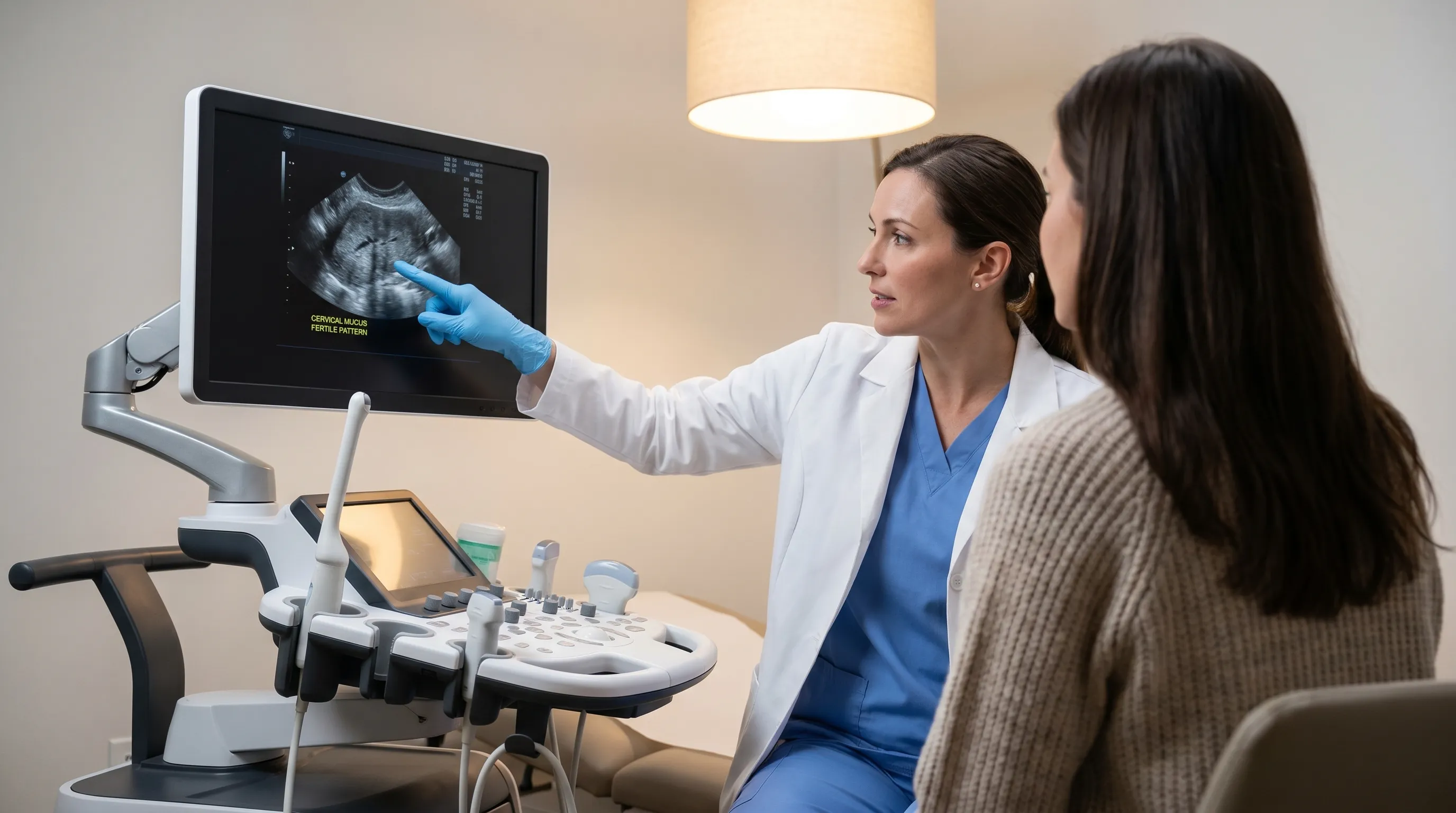
A comprehensive gynecological evaluation begins with a detailed medical and menstrual history, followed by a physical examination. A pelvic exam assesses cervical appearance, uterine size, adnexal tenderness, and discharge characteristics. A Pap smear may be performed if due, alongside STI screening. Transvaginal ultrasound visualizes the uterus, ovaries, and endometrial thickness, identifying fibroids, polyps, cysts, or structural anomalies. If hormonal imbalance is suspected, blood work measures follicle-stimulating hormone (FSH), luteinizing hormone (LH), estradiol, progesterone, thyroid panels, and androgen markers. In complex cases, saline infusion sonohysterography, hysteroscopy, or endometrial biopsy provides definitive tissue analysis. Bring your tracking data, list of current medications, and specific questions to maximize appointment efficiency.
Hormonal Therapy and Surgical Options
Treatment selection depends on the underlying etiology, symptom severity, and reproductive goals. Combined oral contraceptives, progestin-only pills, or hormonal IUDs regulate cycle timing, thin the endometrium, and reduce breakthrough bleeding. Cyclic progestin therapy can reset anovulatory patterns and protect against endometrial hyperplasia. For structural issues like large fibroids or persistent polyps, hysteroscopic resection or myomectomy offers fertility-sparing removal. Endometrial ablation reduces heavy bleeding for individuals who have completed childbearing. In severe adenomyosis or refractory endometriosis, laparoscopic excision or hysterectomy may be considered. Contraceptive and hormonal therapies are tailored through shared decision-making, weighing efficacy, side effects, and long-term health implications.
Integrating Preventive Care into Your Routine
Preventive gynecological health extends beyond symptom management. Schedule annual well-woman exams regardless of contraceptive use. Maintain up-to-date cervical cancer screening according to age and risk guidelines. Practice safe sex to reduce infection risk and use gentle, pH-balanced cleansers externally while avoiding internal douching, which disrupts the vaginal microbiome. Consider fertility awareness education even if not trying to conceive, as cycle literacy enhances overall bodily awareness. Stay active in your healthcare decisions, ask clarifying questions, and seek second opinions if treatment plans do not align with your values or health objectives.
| Symptom Pattern | Likely Physiological Cause | Recommended Action |
|---|---|---|
| Light pink or brown mucus at cycle start/end | Old blood mixing with normal discharge, progesterone withdrawal | Track for 2-3 cycles; implement hydration and iron-rich diet |
| Clear, stretchy mucus with 1-2 days light mid-cycle spotting | Ovulation follicle rupture | Note as fertility window; monitor basal temperature |
| Heavy red blood with thick mucus, cramps >48 hours, clots > quarter size | Hormonal imbalance, fibroids, or anovulation | Consult provider for ultrasound and hormone panel |
| Yellow/green mucus with foul odor, postcoital bleeding, pelvic pain | Cervicitis, bacterial infection, or PID | Schedule urgent STI screening and antibiotic evaluation |
| Prolonged spotting with fatigue, hair loss, weight changes | Thyroid dysfunction or PCOS | Request comprehensive endocrine blood work and dietary review |
Frequently Asked Questions
Is it normal to notice mucus with blood during my period?
Yes, in many cases. The cervix naturally produces mucus throughout the cycle, and as the uterine lining sheds, it can mix with cervical fluid. Hormonal shifts, ovulation transitions, or the beginning and end of menstrual flow often create this combined discharge. If there is no severe pain, foul odor, or heavy bleeding, it is usually physiological. Always consult a provider if symptoms persist or worsen.
Can stress or diet cause bloody cervical mucus between periods?
Absolutely. Chronic stress elevates cortisol, which can disrupt the hypothalamic-pituitary-ovarian axis and delay or alter ovulation. Significant dietary changes, rapid weight loss, or intense exercise can similarly impact estrogen and progesterone balance. These shifts often lead to irregular shedding of the endometrium, resulting in spotting mixed with mucus. Stress management and balanced nutrition are foundational to cycle regulation.
When should I see a doctor about unusual period discharge?
Seek medical evaluation if you experience soaking more than one pad or tampon per hour, severe pelvic or abdominal pain, fever, foul-smelling discharge, dizziness, or bleeding that lasts longer than seven days. Additionally, if you notice mucus with blood consistently across multiple cycles without a clear pattern, or if you have a history of pelvic inflammatory disease, fibroids, or endometriosis, prompt gynecological assessment is recommended.
How can I differentiate between ovulation spotting and early period bleeding?
Ovulation spotting typically occurs mid-cycle (around days 11-14 of a 28-day cycle), lasts 1-2 days, and is accompanied by clear, stretchy cervical fluid. Early period bleeding usually starts with light flow that gradually intensifies, may contain darker blood, and coincides with premenstrual symptoms like cramping, bloating, or mood shifts. Tracking cycle length, basal body temperature, and discharge consistency can help distinguish between the two.
Are there natural supplements that help regulate cervical mucus and bleeding?
Several nutrients support endocrine and reproductive health. Omega-3 fatty acids, vitamin D, magnesium, and B-complex vitamins are linked to balanced hormone metabolism. Herbal options like chasteberry (Vitex agnus-castus) and evening primrose oil are traditionally used for luteal phase support, though scientific evidence varies. Always discuss supplements with a healthcare provider, especially if you take prescription medications or have underlying conditions.
Conclusion
Navigating changes in your menstrual cycle can feel overwhelming, especially when you encounter mucus with blood period symptoms that fall outside your established pattern. However, by understanding the underlying physiology, recognizing the difference between normal hormonal fluctuations and clinical warning signs, and implementing structured tracking and lifestyle strategies, you can transform uncertainty into informed self-advocacy. The female reproductive system is a dynamic, responsive network that communicates through subtle shifts in discharge, flow, and sensation. When these changes align with established physiological windows, gentle self-care and consistent monitoring are often sufficient. When symptoms persist, intensify, or interfere with daily life, timely gynecological evaluation ensures accurate diagnosis and personalized treatment. Prioritize sleep, manage stress, nourish your body with anti-inflammatory foods, and maintain regular preventive screenings. Your menstrual health is a vital sign, not an inconvenience, and approaching it with curiosity, consistency, and clinical support empowers you to maintain long-term wellness and reproductive vitality.
How we work
Researched and drafted with AI assistance, then reviewed by a human editor against the cited sources.
This article is general health information, not medical advice. Consult a qualified healthcare professional about your own situation.