Understanding Curved Toenails: Causes, Clinical Treatments & Prevention
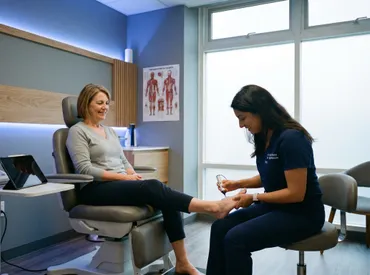
Many of us go years without giving a second thought to the health and structure of our toes, assuming that as long as they are pain-free, they are perfectly fine. However, subtle changes in nail shape often serve as the body's earliest warning signs of biomechanical stress, genetic predispositions, or underlying systemic conditions. One of the most commonly overlooked yet progressively painful foot concerns is the development of curved toenails. Over time, what begins as a minor aesthetic shift can transform into a debilitating condition that alters how you walk, compromises your footwear choices, and increases the risk of secondary infections. Understanding the root causes, recognizing early symptoms, and implementing evidence-based management strategies can significantly improve your foot health and long-term mobility. Whether you are noticing the first signs of lateral curling, experiencing pressure-induced discomfort, or seeking clinical correction for advanced deformities, a comprehensive approach combining podiatric science, daily foot care routines, and proper mechanical support will guide you toward lasting relief. The journey to healthier, naturally aligned nails begins with understanding how they form, why they change, and how to intervene safely before minor curvature becomes a chronic issue.
What Are Curved Toenails?
Curved toenails, clinically recognized in podiatric literature as pincer nails or involuted nails, represent a structural deformity where the nail plate curves inward or upward rather than lying flat against the nail bed. This curvature occurs along the lateral edges of the toe, often creating a C-shaped or U-shaped profile that progressively narrows the nail width. Unlike standard age-related thickening, which primarily affects nail density and color, true curvature alters the three-dimensional architecture of the keratin matrix. The condition can affect any toe, though it most frequently targets the great toe due to its size, weight-bearing function, and susceptibility to shoe friction.
Free calculatorSun Protection GuideSPF guide and sun protection recommendationsOpen the calculatorThe medical classification typically divides these deformities into two primary categories: pincer nails and involuted nails. Pincer nails exhibit an exaggerated transverse overcurvature that pinches the underlying soft tissue, frequently embedding into the lateral nail folds and causing intense localized pressure. Involuted nails present with a milder, more uniform curvature that rolls the lateral edges upward without necessarily piercing the surrounding skin, though it remains highly susceptible to friction, pressure points, and gradual tissue irritation. Both variations share the same underlying pathophysiological mechanisms, differing primarily in severity, progression rate, and symptomatic presentation.
Pincer Nails vs. Involuted Nails
Understanding the distinction between these two classifications is essential for selecting the correct treatment pathway. Involuted nails generally develop slowly over years, often triggered by chronic mechanical pressure or natural aging processes that alter keratin hydration levels. Patients with this variation typically experience mild discomfort during physical activity and may notice that their toenails catch or tear more easily when wearing closed shoes. The nail fold remains relatively intact, but the upward roll creates pockets where moisture, dead skin, and debris accumulate, increasing the risk of fungal colonization.
Pincer nails, conversely, represent a more advanced structural distortion. The lateral nail edges converge sharply toward the center of the nail bed, sometimes forming a tubular or trumpet-like appearance. This inward pinch compresses the highly innervated tissue beneath the nail, generating significant pain, swelling, and sometimes purulent discharge if the skin barrier is compromised. The progressive nature of pincer formation often requires professional intervention to halt tissue damage and restore normal nail trajectory.
How Nail Growth Works
To grasp why curved toenails develop, it helps to review normal nail anatomy. The toenail begins its journey in the nail matrix, a highly specialized epithelial tissue hidden beneath the proximal nail fold. This matrix continuously generates keratinized cells that harden and slide forward as the visible nail plate. The nail bed, richly vascularized and densely connected to the underlying bone via connective tissue, provides structural support and sensory feedback. When the matrix functions optimally, cells produce a smooth, flat, slightly curved plate that follows the natural contour of the distal phalanx.
Disruptions in matrix signaling, localized trauma, chronic pressure, or systemic health changes alter keratinization patterns. Instead of forming a uniform layer, the matrix produces asymmetrical keratin bundles that pull the plate inward or upward. Over successive growth cycles, which take approximately twelve to eighteen months for complete toenail regeneration, these micro-distortions compound, eventually manifesting as visible curvature. External pressure from footwear, internal structural changes in the toe joint, or inflammatory responses in the nail bed all contribute to the progressive bending that characterizes this condition.
Primary Causes of Curved Toenails
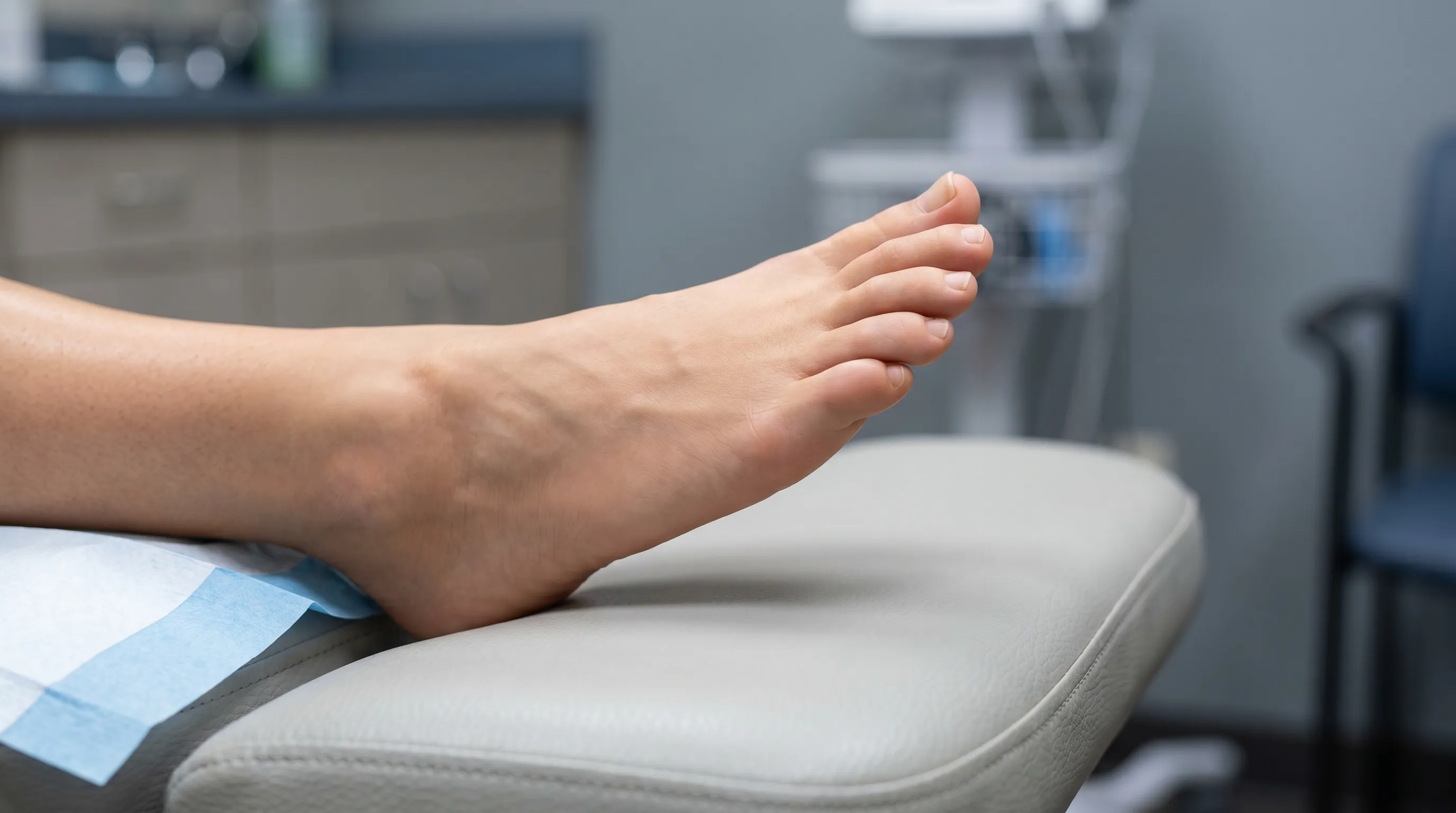
The development of curved toenails is rarely attributed to a single isolated factor. Instead, it typically emerges from a complex interplay between genetic predisposition, biomechanical stressors, environmental exposures, and underlying physiological conditions. Podiatric research consistently identifies several primary drivers that accelerate or initiate nail deformation, each requiring distinct preventive or therapeutic approaches.
Genetic Predisposition and Family History
Genetics play a substantial role in nail architecture. Studies published in dermatological and podiatric journals demonstrate that pincer and involuted nails frequently run in families, suggesting a hereditary component to nail plate curvature and matrix structure. Individuals with a naturally narrower nail bed, pronounced digital curvature, or inherently thicker keratin production are predisposed to progressive lateral curling. These structural traits do not necessarily guarantee clinical issues, but they create a baseline vulnerability that mechanical stressors can easily exploit.
Additionally, inherited conditions affecting collagen synthesis, connective tissue elasticity, or peripheral circulation can indirectly influence nail shape. When toe alignment deviates slightly from optimal positioning due to inherited bone structure or joint laxity, the resulting uneven pressure distribution during walking gradually forces the nail plate into a curved trajectory.
Improper Footwear and Mechanical Pressure
Perhaps the most preventable cause of curved toenails involves chronic footwear misuse. Shoes with narrow toe boxes, elevated heels, or rigid soles compress the forefoot, forcing toes into an unnatural, crowded position. Over months and years, this sustained compression alters blood flow to the distal phalanges, modifies keratin hydration, and physically pushes the lateral nail edges upward or inward. Runners, athletes, and professionals required to wear restrictive occupational footwear frequently experience early onset curvature due to repetitive micro-trauma and constant mechanical loading.
Tight socks, particularly synthetic materials that trap moisture and reduce circulation, exacerbate the problem. When the digital tissue swells slightly during prolonged standing or physical activity but remains confined by restrictive footwear, the increased internal pressure directly impacts the nail matrix and bed, accelerating deformity progression.
Underlying Medical Conditions
Systemic health issues frequently manifest in nail morphology. Diabetes mellitus alters peripheral circulation and nerve function, reducing tissue repair capacity and changing nail growth patterns. Patients with uncontrolled diabetes often develop thicker, slower-growing nails that are highly susceptible to curvature and fungal colonization. Review the CDC's diabetic foot care guidelines to understand how systemic circulation impacts nail health. Psoriatic arthritis and plaque psoriasis directly affect the nail matrix, causing pitting, thickening, subungual hyperkeratosis, and structural bending. Fungal infections, particularly onychomycosis, degrade the keratin layers, creating brittle, fragmented plates that curl inward as they attempt to grow forward.
Osteoarthritis in the hallux metatarsophalangeal joint (bunions) changes toe alignment, shifting weight distribution and increasing lateral pressure on the great toe nail. Rheumatological conditions, thyroid imbalances, and nutritional deficiencies further compromise keratin integrity, creating a perfect storm for progressive nail deformation.
Trauma and Repetitive Injury
Acute injuries, such as dropping heavy objects on the toes, experiencing stubbing incidents, or sustaining repetitive micro-impacts during running or jumping sports, can permanently damage the nail matrix. Once the matrix sustains localized scarring or inflammation, it may produce misaligned keratin cells in subsequent growth cycles. Even healed fractures or sprains that alter digital biomechanics change how the toe interacts with the ground, redirecting pressure toward the lateral nail folds and initiating curvature development. Proper acute injury management, immobilization protocols, and gradual rehabilitation are critical to preventing long-term structural complications.
Symptoms and When to Seek Professional Care
Recognizing early warning signs allows for timely intervention before curvature advances to painful or infected stages. Many individuals initially dismiss minor nail changes as cosmetic concerns, only to realize months later that daily activities have become significantly more difficult. Early identification and appropriate care drastically reduce recovery time and treatment complexity.
Common Warning Signs
The earliest indicator of developing curvature involves subtle visual changes. Instead of lying flat, the lateral edges begin lifting slightly or rolling inward when viewed from the front. You may notice increased difficulty inserting toes into standard-width shoes, or experience a sensation of pressure along the nail sides when wearing closed footwear. Mild tenderness after prolonged standing, slight redness along the lateral nail folds, and a tendency for the nail to catch or tear during pedicures are additional early markers.
As curvature progresses, discomfort shifts from intermittent to persistent. The nail edges dig deeper into the surrounding soft tissue, creating localized swelling, warmth, and sometimes small pockets of fluid accumulation. Walking barefoot becomes uncomfortable, and selecting footwear requires prioritizing extra-wide sizes regardless of overall shoe length.
Pain Progression and Infection Risks
Advanced curvature significantly elevates infection susceptibility. When the nail plate pierces or tightly compresses the lateral skin folds, micro-tears develop in the epidermal barrier. Bacteria such as Staphylococcus aureus or Streptococcus species readily colonize these compromised areas, leading to acute paronychia characterized by intense throbbing pain, visible pus, expanding redness, and occasionally fever if the infection spreads deeper. The Mayo Clinic provides detailed guidance on paronychia and other nail fold infections. Individuals with diabetes, peripheral neuropathy, or immunosuppressive conditions face exponentially higher risks, as diminished sensory feedback delays symptom recognition while impaired healing accelerates tissue breakdown.
Seeking professional podiatric evaluation becomes essential when you experience persistent pain beyond mild discomfort, visible swelling or drainage, difficulty trimming nails safely, or recurring inflammation despite conservative home care. Early clinical assessment enables precise classification of the deformity, identification of underlying contributors, and implementation of targeted interventions before surgical measures become necessary.
Medical Treatments and Clinical Interventions
Modern podiatric medicine offers a robust spectrum of treatment modalities for curved toenails, ranging from conservative mechanical correction to advanced surgical reconstruction. Selecting the appropriate intervention depends on curvature severity, symptom duration, patient mobility requirements, and overall health status.
Nail Bracing and Orthonyxia
Orthonyxia, commonly referred to as nail bracing, represents the gold standard for non-invasive correction of mild to moderate curvature. Flexible memory-metal braces or composite resin strips are adhesively attached to the dorsal nail surface. Through gradual tension and continuous corrective force, the brace counteracts the inward curling tendency, gently guiding the nail plate toward a flatter trajectory as it grows forward. Treatment duration typically spans six to twelve months, aligning with natural toenail regeneration cycles.
Clinical studies demonstrate high success rates for bracing when applied consistently and combined with proper footwear modification. Patients report significant pain reduction within weeks of application, as the brace immediately alleviates lateral pressure on the nail folds. Conservative podiatric treatments are often prioritized before surgical routes to preserve natural anatomy. This method preserves the entire nail plate, avoids invasive procedures, and allows individuals to maintain normal daily activities without prolonged downtime.
Surgical Correction and Matrixectomy
When curvature reaches severe stages or repeatedly causes tissue damage despite conservative measures, podiatric surgeons offer targeted procedural interventions. Partial nail avulsion removes the offending lateral edge, providing immediate decompression of the embedded tissue. To prevent recurrence, the surgeon performs a chemical matrixectomy using phenol or sodium hydroxide to permanently destroy the specific matrix segment responsible for regrowing the problematic nail portion. This technique maintains approximately eighty to ninety percent of the natural nail while eliminating the source of chronic ingrowth and pain.
In extreme cases where the entire nail structure is severely deformed, complete nail plate removal may be necessary, followed by comprehensive matrixectomy. While this results in permanent nail absence, it permanently resolves curvature, eliminates infection risks, and significantly improves long-term foot comfort. Surgical interventions are typically performed under local anesthesia, with recovery timelines ranging from two to six weeks depending on procedure extent and individual healing capacity.
Laser Therapy and Advanced Procedures
CO2 laser surgery has emerged as a highly precise alternative to traditional chemical matrixectomy. The laser targets and vaporizes specific matrix tissue with minimal thermal damage to surrounding structures, reducing postoperative pain, accelerating healing, and lowering infection rates. Pulsed dye laser therapy also shows promise for managing inflammatory responses in early-stage curvature, particularly when combined with antifungal or antibacterial protocols. Advanced diagnostic imaging and computer-guided surgical planning further enhance treatment accuracy, ensuring optimal functional and aesthetic outcomes.
Comparison of Treatment Options
| Treatment Modality | Best For | Procedure Duration | Recovery Time | Recurrence Rate | Pain Level During Treatment |
|---|---|---|---|---|---|
| Nail Bracing (Orthonyxia) | Mild to moderate curvature | 15-30 minutes | None immediate | 15-20% | Minimal |
| Partial Nail Avulsion + Phenol Matrixectomy | Severe curvature, recurrent ingrowth | 30-45 minutes | 2-4 weeks | <5% | Mild (local anesthetic) |
| CO2 Laser Matrixectomy | Patients preferring precision healing | 20-40 minutes | 1-3 weeks | 3-8% | Mild |
| Complete Nail Removal | Extreme deformity, chronic infection | 45-60 minutes | 4-6 weeks | <2% | Moderate |
At-Home Management and Preventive Strategies
While clinical interventions address established curvature, daily foot care practices and environmental modifications form the foundation of long-term nail health. Implementing evidence-based home management strategies significantly slows progression, prevents recurrence after treatment, and reduces dependence on invasive procedures.
Proper Toenail Trimming Techniques
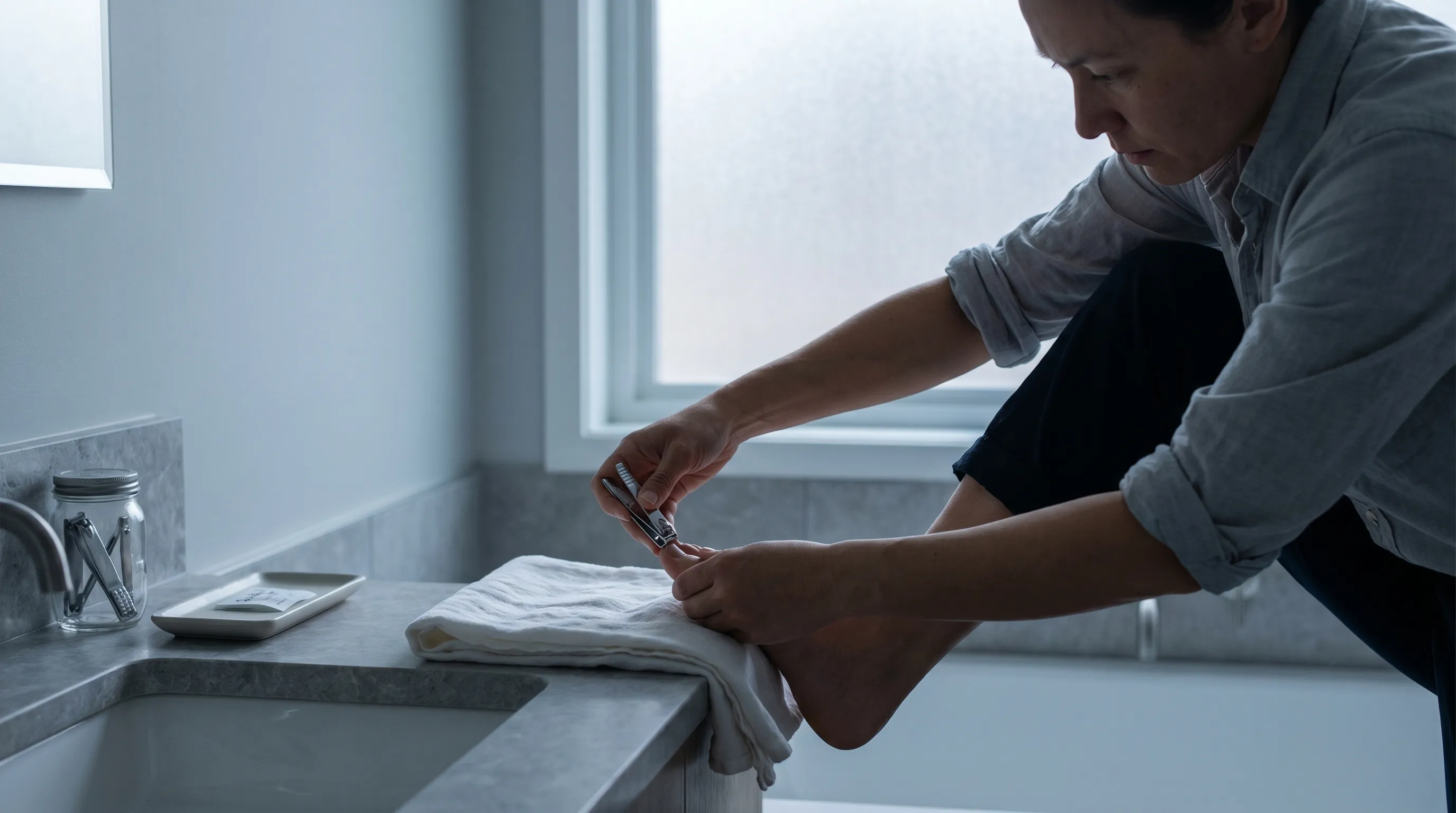
Incorrect trimming remains one of the most common contributors to nail deformation. Cutting nails too short, rounding the corners aggressively, or using dull clippers creates micro-fractures that alter growth direction. Always trim toenails straight across, following the natural distal edge without tapering the sides. The American Academy of Dermatology and Mayo Clinic recommend maintaining a straight lateral edge to discourage inward curling. File sharp corners gently with an emery board to prevent catching, but maintain the natural contour. Trim after bathing when nails are softer, reducing shear stress and preventing accidental matrix damage.
Choosing the Right Footwear
Footwear selection directly influences nail biomechanics. Prioritize shoes with wide toe boxes that allow complete digital splay without constriction. Measure feet laterally in the afternoon when swelling peaks, ensuring adequate space between the longest toe and shoe interior. Avoid high heels for prolonged periods, as forward weight transfer increases forefoot compression. Rotate shoe styles daily to vary pressure points, and invest in moisture-wicking socks that maintain optimal microclimate conditions. Custom orthotics may benefit individuals with flat feet or hyperpronation, redistributing ground reaction forces and reducing lateral toe pressure.
Foot Soaks, Moisturization, and Hygiene
Regular hygiene practices maintain tissue pliability and prevent keratin brittleness that exacerbates curvature. Soak feet in warm water with mild Epsom salts for ten to fifteen minutes weekly to soften hardened nail edges and reduce localized inflammation. Apply urea-based or lactic acid moisturizers specifically formulated for foot care, concentrating on the nail folds and surrounding skin without saturating the nail plate itself, which can promote fungal overgrowth. Dry thoroughly between digits after bathing, and alternate between antimicrobial socks to prevent microbial proliferation. Maintaining strict foot hygiene aligns with CDC recommendations for preventing skin and nail complications.
Using Corrective Tape and Padding
Medical-grade adhesive tape can provide temporary mechanical support for early curvature. Applying low-stretch athletic tape along the lateral nail edges and anchoring it to the dorsal toe surface creates gentle counter-pressure that discourages inward rolling. Replace tape every two to three days to maintain tension and prevent skin maceration. Silicone toe sleeves or foam spacers worn during activity periods cushion friction points, reducing mechanical stress while allowing the nail to grow forward undisturbed.
Lifestyle Adjustments for Long-Term Nail Health
Sustainable foot wellness extends beyond targeted nail care routines. Comprehensive lifestyle modifications address systemic contributors to keratin production, digital biomechanics, and circulatory efficiency that collectively influence nail trajectory over decades.
Maintaining stable hydration levels supports optimal keratin flexibility, preventing brittle plates prone to structural failure and curling. Diets rich in biotin, zinc, iron, vitamin E, and complete proteins supply the building blocks necessary for resilient nail matrix function. The National Institutes of Health (NIH) notes that targeted nutritional support can aid keratin synthesis, particularly during recovery phases. Consider consulting a registered dietitian if you suspect nutritional deficiencies, particularly following restrictive dietary patterns, pregnancy, or post-surgical recovery phases.
Regular low-impact cardiovascular exercise improves peripheral circulation, delivering oxygen and nutrients to the distal phalanges while facilitating waste product removal. Swimming, cycling, and elliptical training strengthen foot musculature without subjecting toes to repetitive impact forces. Incorporate daily toe-spreading exercises and plantar fascia stretches to maintain digital alignment and prevent compensatory gait patterns that redirect pressure toward lateral nail folds.
Smoking cessation remains critical for nail health, as nicotine-induced vasoconstriction significantly impairs microcirculation to the extremities. Former smokers typically experience measurable improvements in nail growth rate, color normalization, and structural integrity within three to six months of abstinence. Combining circulation enhancement, nutritional optimization, and consistent foot hygiene creates a resilient biological environment that actively resists progressive deformation.
Frequently Asked Questions
What causes curved toenails to develop over time?
Curved toenails typically develop due to a combination of genetic predisposition, chronic mechanical pressure from restrictive footwear, repetitive biomechanical stress, and underlying health conditions such as diabetes, psoriasis, or fungal infections. Age-related changes in keratin hydration and matrix function also contribute to progressive lateral curling as the nail structure loses flexibility over successive growth cycles.
Can I safely trim curved toenails at home?
Yes, with caution and proper technique. Trim straight across without rounding the corners, avoid cutting too close to the nail bed, and use sterilized, sharp clippers designed for toenails. If the curvature has already embedded into the skin or causes significant pain during trimming, stop immediately and consult a podiatrist to prevent tissue damage or infection.
Do curved toenails eventually correct themselves without treatment?
No, progressive nail curvature does not spontaneously reverse once established. The structural distortion typically worsens over successive growth cycles unless actively managed through mechanical bracing, surgical intervention, or consistent pressure reduction. Early conservative care offers the best opportunity to halt progression, but advanced cases require professional evaluation.
How long does it take for curved toenails to heal after treatment?
Healing timelines vary by intervention. Nail bracing requires six to twelve months to show visible improvement as the corrected nail grows forward. Partial nail avulsion procedures provide immediate symptom relief, with complete tissue healing occurring within two to four weeks. Full nail regeneration after matrixectomy takes nine to fifteen months, during which patients should maintain strict hygiene and footwear precautions.
Are curved toenails contagious or caused by poor hygiene?
Curved toenails themselves are not contagious, as they result from structural, genetic, or mechanical factors rather than microbial transmission. However, compromised nail barriers can become secondary sites for bacterial or fungal infection if hygiene standards are inadequate. Proper foot care reduces infection risk but does not eliminate the underlying structural predisposition to curvature.
Key Takeaways
Curved toenails represent a common yet frequently underestimated foot condition that progressively impacts mobility, comfort, and overall foot health. By understanding the interplay between genetic predisposition, biomechanical stressors, footwear habits, and systemic health factors, individuals can implement targeted preventive strategies long before curvature becomes debilitating. Conservative interventions like nail bracing, combined with meticulous trimming techniques, appropriate footwear selection, and consistent hygiene protocols, effectively manage mild to moderate cases while preserving natural nail structure. Advanced curvature requiring podiatric surgery offers permanent resolution with minimal downtime when performed by licensed professionals. Early recognition, timely clinical consultation, and sustained lifestyle modifications remain the cornerstone of successful long-term outcomes. Prioritize foot health as an integral component of overall wellness, and remember that proactive care today prevents complex interventions tomorrow.
How we work
Researched and drafted with AI assistance, then reviewed by a human editor against the cited sources.
This article is general health information, not medical advice. Consult a qualified healthcare professional about your own situation.