Why Toenails Fall Off: Causes, Treatment, and Prevention Guide

Discovering that your toenail is lifting, darkening, or preparing to detach can trigger immediate concern. While the sensation of a loose nail plate shifting with every step is uncomfortable, and the visual change can be startling, toenails falling off is a relatively common clinical presentation. It rarely indicates a medical emergency, but it does signal that the nail unit requires attention. Understanding why this happens, how to manage the immediate aftermath, and what steps prevent recurrence is essential for maintaining long-term foot health. Whether the cause is repetitive athletic stress, an unnoticed fungal invasion, an underlying systemic condition, or simple age-related thinning, evidence-based care can protect the delicate nail matrix and encourage healthy regrowth. This comprehensive guide breaks down the anatomy of toenail detachment, explores the most frequent culprits, outlines step-by-step first aid, and provides medically validated prevention strategies to keep your feet resilient.
Understanding the Anatomy and Natural Growth Cycle of Toenails
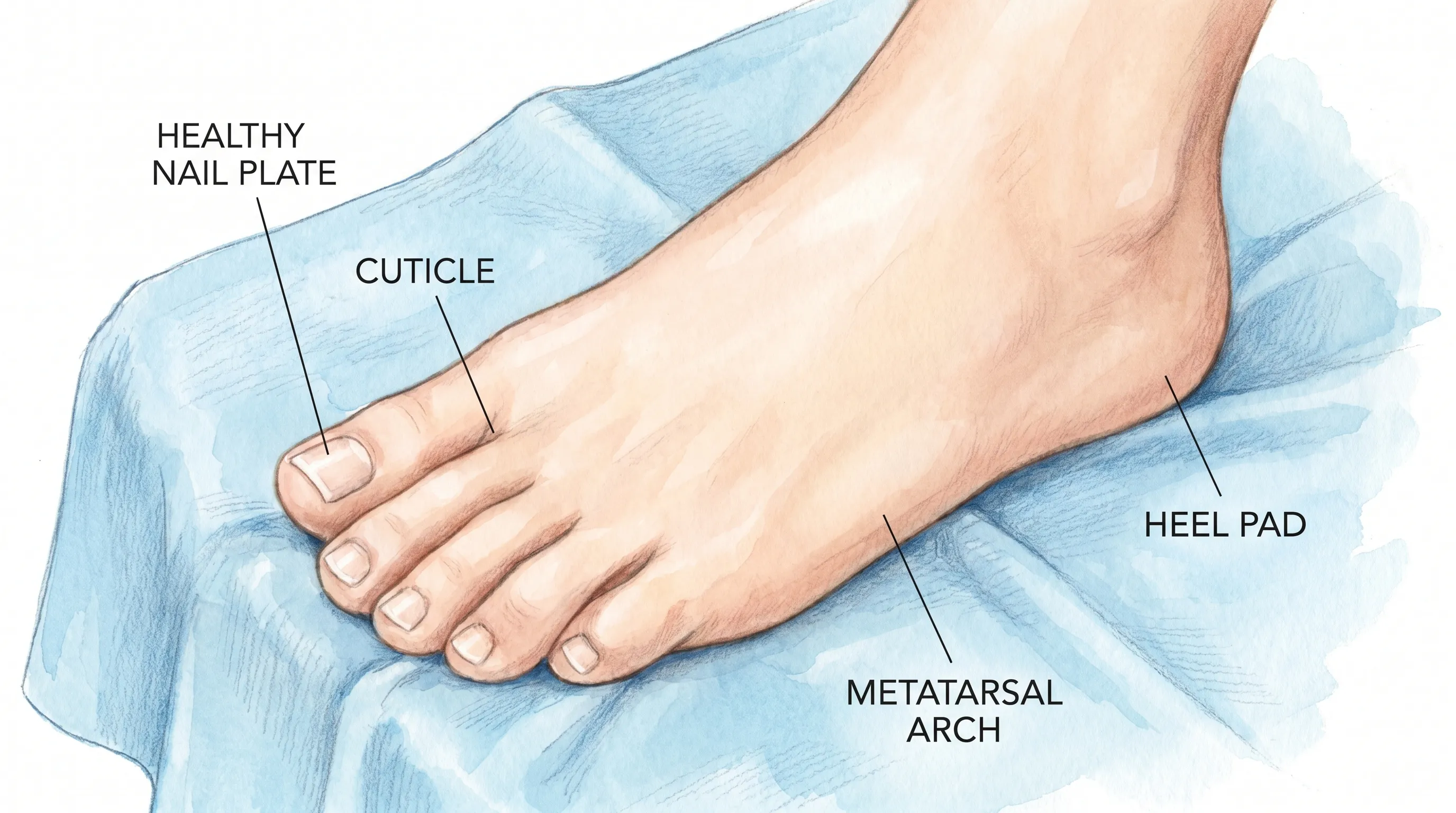
The human toenail is a remarkably sophisticated structure composed of multiple layers of hardened keratin, designed to protect the sensitive distal phalanx of each toe (Cleveland Clinic). To comprehend why toenails fall off, it is necessary to first understand the anatomy of the nail unit and its physiological lifecycle. The nail matrix, hidden beneath the proximal nail fold, is the living tissue responsible for generating new keratin cells. These cells gradually harden, flatten, and compact as they migrate forward, forming the visible nail plate. Beneath the plate lies the nail bed, a highly vascularized tissue rich in nerves that supplies nourishment and anchors the nail to the toe. The hyponychium at the distal edge acts as a protective seal against microbial invasion.
Free calculatorA1C CalculatorA1C to average blood glucoseOpen the calculatorThe Structure of the Nail Unit
The nail unit operates as an integrated system. The lateral and proximal nail folds frame the plate and maintain structural integrity, while the cuticle serves as a critical barrier against bacteria and fungi. Disruption to any of these components compromises the entire system. When the attachment between the nail plate and the nail bed weakens, a condition known as onycholysis develops. This separation creates a pocket that collects moisture, debris, and microorganisms, accelerating detachment. Clinicians evaluate the extent of separation to determine whether the damage stems from mechanical stress, infection, or internal disease. Understanding these layers helps patients recognize early warning signs before toenails falling off becomes an unavoidable outcome.
How the Growth Cycle Actually Works
Toenails grow at approximately one-third the rate of fingernails, advancing roughly one to one and a half millimeters monthly (Mayo Clinic). Complete regrowth requires twelve to eighteen months under optimal conditions. Growth is influenced by age, circulatory health, nutritional status, and seasonal variations. Warmer months typically stimulate slightly faster keratin production due to enhanced peripheral blood flow. When trauma or disease interrupts the matrix, growth slows, and abnormalities like ridges, discoloration, or structural splitting appear. Recognizing this timeline is crucial when managing toenails falling off. Patience and consistent care are required, as premature interference with the regenerating matrix often results in permanently deformed or chronically unstable nails.
Primary Causes of Toenails Falling Off
The detachment of a toenail rarely occurs spontaneously. Instead, it follows a cascade of physiological events triggered by external force, microbial colonization, or internal metabolic shifts. Identifying the root cause is the foundation of effective treatment and prevents unnecessary recurrence.
Trauma and Repetitive Stress Injuries
Acute trauma, such as dropping a heavy object on the foot or stubbing a toe forcefully, causes immediate blood pooling beneath the nail plate. This subungual hematoma generates intense pressure, separating the plate from the underlying bed and frequently resulting in toenails falling off within days to weeks. Repetitive microtrauma is equally problematic. Runners, hikers, and athletes who participate in stop-and-start sports often experience chronic friction. When shoes are too narrow, too short, or lack adequate cushioning, the toe repeatedly impacts the shoe's toe box. Over time, this shearing force weakens the hyponychium and nail bed attachments. Biomechanical abnormalities like hammer toes, bunions, or excessive pronation further concentrate stress on specific nails. The American Podiatric Medical Association emphasizes that proper footwear sizing and activity-appropriate socks dramatically reduce mechanical nail trauma (CDC Foot Care Guidelines).
Fungal Infections and Onychomycosis
Fungal pathogens, particularly dermatophytes like Trichophyton rubrum, thrive in warm, moist environments such as sweaty shoes, communal locker rooms, and damp socks. These organisms produce keratinase, an enzyme that breaks down the structural proteins of the nail. As the infection progresses, the nail plate thickens, becomes brittle, and loses its natural translucency. Discoloration ranges from yellow to brown or white streaks, and the texture resembles crumbling chalk. Once the fungal matrix infiltrates the nail bed, the plate lifts and detaches. Onychomycosis accounts for nearly fifty percent of all nail disorders and is a leading contributor to toenails falling off in adults over forty (CDC Fungal Infection Overview). Early diagnosis and consistent antifungal intervention are critical to preserving the nail bed architecture.

Systemic Health Conditions That Affect Nail Integrity
Toenails serve as biological mirrors reflecting internal health. When systemic conditions disrupt circulation, hormone balance, or immune regulation, the nail matrix receives inadequate signals for healthy keratin synthesis.
Autoimmune Disorders and Psoriasis
Psoriasis affects the skin and nails by accelerating keratinocyte turnover, causing plaques to form beneath the nail plate. This rapid cell production leads to pitting, oil-spot discoloration, and subungual hyperkeratosis. The resulting structural instability frequently causes toenails falling off prematurely (National Institutes of Health). Reactive arthritis and lupus can also trigger onycholysis. Managing the underlying autoimmune response through targeted immunomodulators, topical calcipotriene, or phototherapy often stabilizes nail growth. Dermatologists recommend avoiding aggressive filing or chemical nail hardeners during flare-ups, as these exacerbate inflammation and increase detachment risk.
Nutritional Deficiencies and Hormonal Imbalances
Keratin synthesis requires specific micronutrients. Iron deficiency anemia restricts oxygen delivery to the nail matrix, causing thin, concave nails (koilonychia) prone to lifting (NIH Office of Dietary Supplements). Zinc and biotin support cellular division and cross-linking of keratin fibers. Hypothyroidism slows metabolic processes, reducing nail growth velocity and increasing brittleness. Conversely, hyperthyroidism may accelerate growth but produce fragile, easily separable plates. A balanced diet rich in lean proteins, leafy greens, legumes, and omega-3 fatty acids provides the biochemical building blocks for resilient nails. When dietary intake is insufficient, targeted supplementation under medical guidance can restore structural integrity and reduce episodes of toenails falling off.
Immediate First Aid: Managing a Loose or Detached Toenail
When a toenail becomes loose, prompt and careful intervention prevents secondary bacterial infections and protects the exposed nail bed. The following protocol aligns with clinical wound care guidelines (CDC Wound Care Protocols).
Safe Removal Techniques
If the nail is partially attached, do not force it off. Gently trim only the completely separated edges using sterilized nail clippers. Disinfect the clippers with seventy percent isopropyl alcohol before and after use. If the nail is still adherent but lifting significantly, secure it with medical tape or a silicone nail guard to prevent snagging on clothing. Forcing removal can tear the hyponychium, expose raw tissue, and create entry points for Staphylococcus and Pseudomonas bacteria. When dealing with toenails falling off, patience and sterile technique are non-negotiable.
Wound Care and Infection Prevention
Once the nail plate is safely removed or secured, the exposed nail bed must be kept clean and dry. Rinse the area gently with lukewarm water and mild, fragrance-free soap. Pat dry thoroughly; do not rub. Apply a thin layer of petroleum jelly or antibiotic ointment to maintain a moist healing environment, then cover with a sterile, breathable bandage. Change the dressing daily, or sooner if it becomes damp or soiled. Avoid tight socks or closed-toe shoes for the first few days to minimize pressure. If you notice increasing redness, warmth, swelling, pus, or fever, seek medical attention immediately, as these indicate cellulitis or deeper tissue infection.
Promoting Healthy Regrowth
Regeneration begins once the inflammation subsides. Continue applying emollients to prevent the newly forming nail plate from adhering to surrounding skin or drying out prematurely. Wear wide-toe-box footwear that eliminates direct pressure on the regenerating area. Maintain strict foot hygiene to prevent fungal colonization of the vulnerable bed. Some clinicians recommend gentle massage of the proximal nail fold to stimulate local circulation. Consistent protection during this vulnerable phase dramatically reduces complications and supports uniform nail thickness.
Evidence-Based Prevention and Daily Foot Care Habits
Preventing toenails falling off requires a proactive approach that addresses footwear, hygiene, and biomechanical support.
Footwear Selection and Biomechanical Support
Ill-fitting shoes are the most common external trigger. When selecting footwear, ensure at least a half-inch gap between the longest toe and the shoe tip. The toe box must accommodate natural splay without compression. Look for materials that offer flexibility, arch support, and shock absorption. Athletic shoes should be replaced every three to five hundred miles, as degraded midsoles increase impact transmission to the digits. Custom orthotics or metatarsal pads can redistribute pressure for individuals with structural foot deviations. Proper footwear engineering is foundational to preventing mechanical toenails falling off.
Hygiene Protocols and Moisture Management
Fungi and bacteria proliferate in damp environments. Wash feet daily with warm water and mild cleanser, focusing on the spaces between toes. Dry thoroughly using a clean towel or a hair dryer on a cool setting. Alternate shoes daily to allow complete drying between wears. Use moisture-wicking socks made from merino wool or synthetic blends that draw sweat away from the skin. Avoid cotton socks for extended activities, as they retain moisture against the foot. In communal areas like gyms, pools, and dormitories, wear waterproof sandals to minimize pathogen exposure.
Dietary Support for Strong Nails
Nutritional optimization complements external care. Consume adequate protein, as keratin is primarily composed of amino acids like cysteine and methionine. Include zinc-rich foods such as pumpkin seeds, beef, and lentils to support cellular repair. Omega-3 fatty acids from salmon, chia seeds, and walnuts reduce inflammation and maintain tissue elasticity. Limit processed sugars and excessive alcohol, which impair microcirculation and delay wound healing. When dietary intake falls short, discuss biotin, iron, or multivitamin supplementation with a healthcare provider to avoid unnecessary excess or interactions.
When to Seek Professional Podiatric Intervention
While mild detachment can be managed at home, certain clinical scenarios demand professional evaluation. Delayed treatment increases the risk of permanent nail deformity, chronic infection, or functional impairment.
Diagnostic Procedures and Laboratory Testing
A podiatrist or dermatologist begins with a thorough visual examination and patient history. To confirm onychomycosis, they perform a potassium hydroxide (KOH) preparation or send a nail clipping for fungal culture and polymerase chain reaction (PCR) testing. If systemic disease is suspected, blood work evaluates thyroid function, glucose levels, and complete blood count. In persistent or atypical cases, a nail matrix biopsy rules out psoriasis, lichen planus, or rare neoplastic conditions. Accurate diagnostics prevent misdirected treatments and ensure that toenails falling off receives targeted therapy.
Advanced Medical Treatments and Procedures
Topical antifungals work for mild, superficial infections but struggle to penetrate thickened plates. Oral medications like terbinafine or itraconazole achieve higher concentrations in the nail bed and demonstrate cure rates exceeding seventy percent. Newer laser therapies and photodynamic treatments target fungal cell membranes while preserving surrounding tissue. For severely damaged or chronically painful nails, partial or complete matrixectomy removes the problematic tissue, preventing recurrence. Surgical intervention is typically reserved for refractory cases, traumatic deformities, or nails that impede mobility. Always follow post-procedure protocols meticulously to ensure optimal healing and minimize scar tissue formation that complicates toenails falling off recovery.
| Cause Category | Primary Symptoms | Typical Onset | First-Line Treatment |
|---|---|---|---|
| Mechanical Trauma | Bruising, pain, immediate loosening, hematoma | Hours to days post-injury | Protective padding, rest, sterile bandaging, possible drainage |
| Fungal Infection | Yellow/brown discoloration, thickening, crumbling, odor | Weeks to months | Topical or oral antifungals, nail debridement, moisture control |
| Autoimmune/Psoriasis | Pitting, oil spots, hyperkeratosis, inflammation | Gradual, chronic flares | Immunomodulators, topical steroids, gentle debridement, diet |
| Nutritional/Systemic | Brittle texture, ridging, slow growth, generalized fatigue | Insidious, months to years | Dietary correction, supplementation, treating underlying condition |
Frequently Asked Questions
How long does it take for a toenail to grow back after it falls off?
Complete toenail regrowth typically takes twelve to eighteen months, advancing approximately one and a half millimeters each month. Healing duration depends on age, circulation quality, nutritional status, and consistent protective care. Younger adults generally experience faster regeneration due to robust peripheral blood flow and efficient keratin synthesis (Mayo Clinic).
Can toenails falling off be prevented entirely?
While not every instance is avoidable, the majority can be significantly mitigated through proper footwear sizing, strict moisture management, gentle nail trimming, and prompt treatment of fungal or traumatic triggers. Consistent foot care habits dramatically reduce recurrence and preserve nail bed integrity.
Is it safe to cut off a partially detached toenail?
Only trim completely separated portions using sterilized clippers. Never force or rip a partially attached nail, as this tears the hyponychium, damages the nail bed, and introduces bacteria. If the remaining plate feels unstable, secure it with medical tape and consult a podiatrist for safe management.
What does a fungal toenail look like before it falls off?
Fungal toenails become thickened, brittle, and discolored, typically shifting to yellow, brown, or opaque white. The edges crumble easily, and debris accumulates beneath the lifted plate. As the infection advances, structural integrity fails, leading to gradual detachment without direct injury.
Does diabetes make toenails falling off more easily?
Yes. Diabetes impairs peripheral circulation and causes neuropathy, which reduces sensitivity to minor trauma and delays healing. Elevated blood glucose levels also create an environment conducive to fungal growth. Diabetic individuals require rigorous foot inspections, protective footwear, and early professional evaluation for any nail changes (CDC Diabetes Foot Care Guidelines).
Conclusion
Experiencing toenails falling off is unsettling, but understanding the underlying mechanisms transforms anxiety into actionable care. Whether the trigger is repetitive mechanical stress, a persistent fungal colony, an autoimmune flare, or a nutritional gap, evidence-based protocols exist to protect the nail matrix, prevent infection, and support uniform regrowth. Immediate sterile management, strategic footwear choices, diligent hygiene, and timely medical consultation form the foundation of recovery. By respecting the slow but steady nature of nail biology and avoiding premature interference, you safeguard the structural foundation of each toe. Prioritize proactive foot care, monitor for early warning signs, and partner with healthcare professionals when persistent detachment occurs. Healthy toenails are a reflection of comprehensive wellness, and with consistent attention, they will naturally restore their protective function and aesthetic integrity.
How we work
Researched and drafted with AI assistance, then reviewed by a human editor against the cited sources.
This article is general health information, not medical advice. Consult a qualified healthcare professional about your own situation.