The Complete Scientific Guide on How to Grow Beard Thicker and Faster

Achieving a full, well-maintained beard is a common aesthetic and personal goal for millions of men worldwide, yet the journey is rarely as straightforward as waiting and hoping. Facial hair development is deeply rooted in endocrinology, dermatology, and lifestyle habits. Understanding how to grow beard hair effectively requires moving past folklore and embracing scientifically validated strategies. Genetics set the baseline for your potential, but optimal hormonal balance, targeted skincare, strategic nutrition, and consistent maintenance routines can significantly influence both the density and coverage of your facial hair. Many men struggle with patchiness, slow growth, or premature thinning, not because their bodies are incapable, but because foundational follicle health is being overlooked. The skin beneath the beard is often neglected, leading to clogged pores, impaired circulation, and weakened keratin structures. By addressing these factors systematically, you create an environment where hair follicles can thrive. Whether you are starting your first beard journey or trying to rescue a stalled growth phase, this comprehensive guide breaks down the exact physiological mechanisms, evidence-backed interventions, and daily habits that actually work. We will explore hormonal optimization, nutrient delivery, proper cleansing techniques, clinically proven treatments like topical minoxidil, and the lifestyle variables that directly impact cellular regeneration. This is not about quick fixes or miracle products. It is about building sustainable habits that align with human biology so your facial hair reaches its natural maximum. If you have ever wondered how to grow beard coverage that is dense, healthy, and resilient, the answers lie in consistent care, scientific understanding, and realistic expectations.
The Biological Foundations of Facial Hair
Facial hair development is governed by a complex interplay of genetics, androgens, and follicular biology. Before implementing any routine, understanding the underlying physiology ensures you focus on factors you can actually influence rather than chasing impossible genetic benchmarks. Every hair follicle on your face operates as a miniature organ, complete with a blood supply, nerve endings, and stem cells responsible for regeneration. These structures do not all activate simultaneously, which is why patchiness is a natural phase rather than a permanent condition. The timing and pattern of beard growth are largely determined during fetal development and finalized during puberty, but environmental and lifestyle inputs can still modulate follicular performance well into adulthood.
Free calculatorWater Intake CalculatorCalculate daily water needsOpen the calculatorHormonal Drivers: Testosterone and DHT
Androgens are the primary chemical signals that transform fine vellus hairs into coarse terminal hairs. Testosterone circulates throughout the bloodstream and binds to androgen receptors located within facial follicles. Once inside the cell, testosterone is converted by the enzyme 5-alpha-reductase into dihydrotestosterone (DHT), a more potent androgen that directly stimulates hair shaft thickening, melanin deposition, and prolonged growth phases. Men with higher androgen receptor sensitivity often develop thicker facial hair regardless of overall testosterone levels. This explains why individuals with identical hormone panels can have vastly different beard densities. Hormonal imbalances, chronic stress, or certain medications can suppress androgen activity, indirectly stalling facial hair progression. Maintaining healthy hormone levels through resistance training, adequate dietary fats, and stress management creates a favorable internal environment for terminal hair conversion. Learn more about androgen receptors and hair growth
The Anagen, Catagen, and Telogen Cycles
Hair does not grow continuously at the same pace. Instead, follicles cycle through three distinct phases. The anagen phase is the active growth period where cells divide rapidly at the hair bulb, producing the visible shaft. For facial hair, anagen typically lasts two to six years, allowing substantial length and density to develop. Following anagen, the follicle enters the catagen phase, a brief transitional period where growth stops and the follicle shrinks. Finally, the telogen phase is the resting stage where the old hair sheds and the follicle prepares for regeneration. Disruptions from poor nutrition, systemic inflammation, or dermatological conditions can shorten the anagen phase, resulting in thinner, shorter hairs that shed prematurely. Optimizing follicle health essentially means supporting prolonged anagen phases and minimizing inflammatory triggers that force early catagen entry. Understanding how to grow beard hair effectively requires respecting these biological timelines. Expectations must align with cellular regeneration speeds, not marketing claims.
Nutritional Strategies to Support Hair Follicles
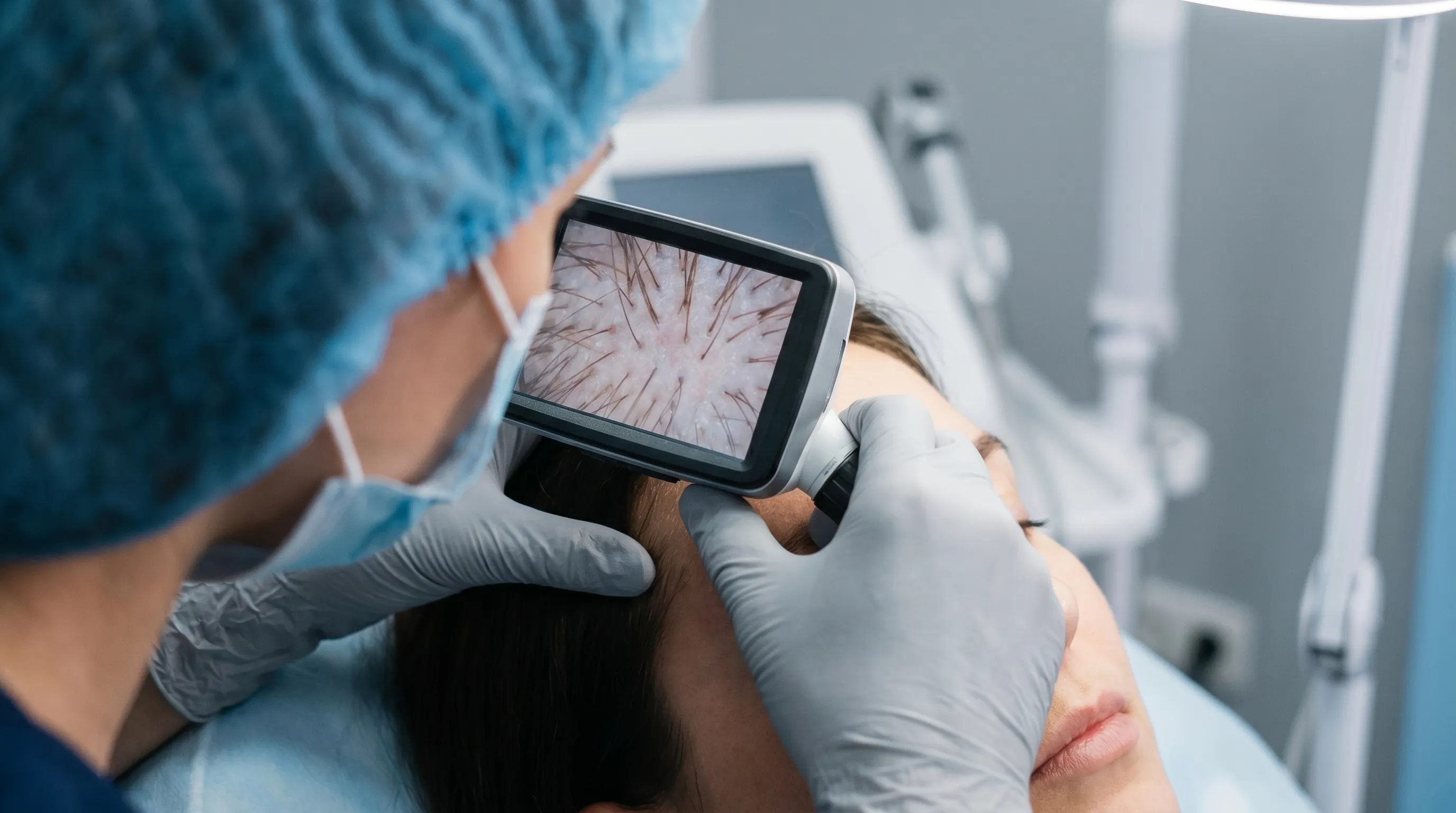
Keratin, the primary structural protein of hair, is synthesized from amino acids delivered through the bloodstream. Without adequate raw materials, follicles cannot produce strong, resilient shafts. Nutrition directly impacts the rate of cellular division, melanin production, and sebum composition. While no single food will trigger overnight growth, a targeted dietary approach addresses common deficiencies that silently stall beard development. The follicles in the dermis are highly metabolically active, requiring consistent micronutrient delivery to sustain rapid protein synthesis.
Essential Vitamins and Minerals
Certain micronutrients serve as co-factors in the enzymatic pathways responsible for hair keratinization and blood vessel formation. Biotin (vitamin B7) supports amino acid metabolism and fatty acid synthesis, both crucial for shaft integrity. Deficiencies can lead to brittle hairs and increased shedding. Vitamin D regulates follicular stem cell activity, with receptors located directly in the hair bulb matrix. Low serum vitamin D correlates with prolonged telogen phases and delayed anagen initiation. Zinc acts as a structural component for over three hundred enzymes, including those that repair follicular DNA and modulate androgen metabolism. Iron facilitates oxygen transport via hemoglobin, ensuring that highly active follicle cells receive the oxygen needed for rapid mitosis. Read about vitamin E and antioxidant protection for hair follicles
Protein, Healthy Fats, and Hydration
Dietary protein provides the essential amino acids cysteine and methionine, which form disulfide bonds that give facial hair its structural strength. Inadequate protein intake forces the body to prioritize vital organs over cosmetic features like hair, often resulting in slowed growth or increased brittleness. Omega-3 fatty acids found in fatty fish, walnuts, and chia seeds reduce scalp and facial inflammation, improve follicular blood flow, and enhance sebum composition, preventing dry, flaky skin beneath the beard. Hydration is equally critical. Dehydrated skin becomes tight and restrictive, compromising nutrient delivery and increasing friction during the anagen phase. Drinking adequate water and consuming water-rich vegetables maintains dermal elasticity and supports optimal microcirculation. When figuring out how to grow beard hair efficiently, treating nutrition as a long-term investment rather than a quick supplement stack yields sustainable results.
Daily Skincare and Beard Maintenance Routines
The skin beneath your facial hair is the foundation of every hair shaft. Neglecting dermal health leads to clogged follicles, chronic inflammation, and impaired nutrient delivery. A disciplined skincare routine tailored for beard wearers addresses these issues while creating an optimal environment for hair emergence and retention. Facial skin produces more sebum than most body areas due to a higher concentration of sebaceous glands. Without proper cleansing, this sebum mixes with dead skin cells, environmental pollutants, and product residue, forming micro-plugs that block hair exit pathways.
Cleansing, Exfoliation, and Ingrown Hair Prevention
Using a gentle, sulfate-free facial cleanser twice daily removes excess oil without stripping the acid mantle that protects against bacterial overgrowth. Over-washing or using harsh bar soaps raises skin pH, triggering compensatory sebum overproduction and dryness simultaneously. Exfoliation is essential for preventing ingrown hairs and facilitating smooth shaft emergence. Physical exfoliants with fine, rounded particles or chemical exfoliants containing low-concentration salicylic acid penetrate follicular openings, dissolving keratin plugs and dead cell buildup. Exfoliate two to three times weekly to avoid barrier disruption. Ingrown hairs occur when the hair shaft curves back into the dermis, often due to blunt cutting, excessive dead skin, or improper washing angles. Applying warm compresses before cleansing opens follicles, while directional washing with the hair grain minimizes irritation and encourages proper shaft trajectory.
Moisturizing, Oils, and Proper Trimming
Once the skin is clean, sealing in moisture prevents transepidermal water loss and maintains follicular flexibility. Beard oils containing carrier oils like jojoba, argan, or grapeseed mimic natural sebum composition, delivering hydration deep into the stratum corneum. Essential oils like sandalwood or tea tree offer antimicrobial properties that reduce folliculitis risk, but must always be diluted to avoid contact dermatitis. Apply oil immediately after cleansing while the skin is slightly damp to maximize absorption. Trimming is a psychological and practical tool for managing growth phases. During the initial weeks, uneven lengths and patchy areas can appear discouraging. Regular trimming of stray hairs and split ends creates uniformity, allowing longer sections to catch up without removing bulk. Use sharp, professional-grade scissors and avoid aggressive razoring during the first 60 days unless dealing with severe patch management. Understanding how to grow beard density consistently requires recognizing that skin health and hair health are inseparable. Treating them as a unified system prevents long-term setbacks and supports steady progression.
Lifestyle Modifications That Enhance Growth
Beyond topical applications and dietary adjustments, systemic physiological states dramatically influence cellular regeneration rates. Chronic stress, poor sleep quality, and sedentary habits create internal environments hostile to rapid follicular activity. Hair growth is energetically expensive, meaning the body deprioritizes non-essential processes when systemic resources are strained. Optimizing daily habits ensures that your body operates in an anabolic, recovery-dominant state conducive to sustained facial hair development.
Sleep Quality and Circadian Rhythm Alignment
Growth hormone and cellular repair processes peak during deep sleep stages. Melatonin regulates circadian rhythms and possesses potent antioxidant properties that protect follicular mitochondria from oxidative stress. Sleeping fewer than seven hours disrupts hormone production, elevates cortisol, and impairs tissue regeneration. Maintaining a consistent sleep-wake cycle, minimizing blue light exposure before bedtime, and keeping bedroom temperatures between 60 and 67 degrees Fahrenheit support uninterrupted sleep architecture. Quality sleep directly correlates with prolonged anagen phases and stronger keratin cross-linking. Without adequate rest, even the most meticulously planned nutritional and topical strategies yield diminished returns.
Exercise, Stress Reduction, and Circulation
Resistance training and cardiovascular exercise increase systemic blood flow, delivering oxygen, amino acids, and micronutrients directly to facial capillary beds. Improved microcirculation enhances waste removal, preventing inflammatory metabolite buildup around follicles. Chronic stress elevates cortisol, which competes with androgens for receptor binding and induces vasoconstriction, reducing nutrient delivery. Incorporating breathwork, mindfulness meditation, or outdoor walking activates the parasympathetic nervous system, lowering systemic inflammation and supporting hormonal balance. Avoiding smoking is equally critical, as nicotine constricts peripheral blood vessels and degrades vitamin C, a cofactor essential for collagen synthesis around the follicle sheath. Alcohol consumption should also be moderated, as excessive intake dehydrates skin, impairs liver detoxification, and disrupts sleep cycles. Learning how to grow beard hair sustainably means treating your entire physiology as a connected network rather than isolating the chin and cheeks.
Clinically Supported Interventions and Treatments
When genetic limitations or lifestyle adjustments alone do not yield desired results, evidence-based dermatological interventions can provide additional stimulation. These approaches target follicular biology directly, encouraging dormant follicles to activate, prolonging growth phases, or improving the structural integrity of emerging hairs. However, clinical treatments require realistic expectations, proper application protocols, and medical oversight when necessary.
Topical Minoxidil: Evidence and Application
Originally developed as an oral antihypertensive, minoxidil was discovered to cause hypertrichosis as a side effect, leading to its reformulation as a topical treatment for hair loss. While FDA-approved primarily for scalp application, it is widely used off-label for facial hair enhancement. Minoxidil functions as a potassium channel opener, causing vasodilation in perifollicular microvessels, increasing blood flow, and shifting follicles from telogen to anagen. It also upregulates vascular endothelial growth factor (VEGF), promoting angiogenesis around the follicle bulb. Applied twice daily to clean, dry skin, 5% minoxidil solution or foam typically shows visible vellus-to-terminal conversion within 8 to 16 weeks. Users must apply it consistently, avoid immediate washing, and monitor for dryness or contact dermatitis. Some men experience temporary shedding during the first month as synchronized cycling begins, which is a normal physiological response. Clinical data on minoxidil for facial hair
Microneedling and Low-Level Light Therapy
Microneedling involves rolling a sterile device with fine needles over facial skin to create controlled micro-injuries. This triggers a wound-healing cascade, releasing platelet-derived growth factors and collagen that rejuvenate the dermal matrix and enhance topical absorption. When combined with minoxidil, microneedling significantly improves penetration and follicular stimulation. Sessions should occur once weekly with 0.25mm to 0.5mm needles to avoid scarring. Low-level light therapy (LLLT) utilizes red and near-infrared wavelengths to penetrate the dermis and stimulate cytochrome c oxidase within hair bulb mitochondria. This increases ATP production, extending anagen duration and reducing oxidative stress. LLLT devices are generally safe for home use and work best as adjuncts rather than standalone solutions. Both modalities require patience and consistency. Understanding how to grow beard density using clinical tools means respecting application frequencies, avoiding overstimulation, and combining treatments with foundational skincare and nutrition.
Debunking Persistent Beard Growth Myths
The facial hair industry is saturated with pseudoscientific claims, viral trends, and misinformation that derail progress and waste resources. Distinguishing evidence from marketing hype is essential for maintaining realistic goals and protecting skin health. Many persistent myths stem from observational errors, confirmation bias, or misinterpretation of temporary cosmetic effects.
The Shaving Fallacy
The belief that shaving accelerates growth or increases thickness is one of the most enduring grooming myths. Shaving merely removes the hair shaft at the skin surface, creating a flat, blunt edge. As the hair emerges, this blunt tip feels coarser and appears darker initially, creating the illusion of increased density. Within days, the natural taper returns, and the visual illusion disappears. Histological studies confirm that shaving does not affect follicular stem cell activity, androgen receptor density, or hair shaft diameter. Repeated razor friction can actually cause micro-inflammation, leading to post-inflammatory hyperpigmentation or follicular damage that hinders growth. Focusing on follicular health rather than mechanical hair removal yields actual progress.
Genetic Determinism vs. Optimizable Potential
Many men assume beard density is entirely locked at birth, rendering lifestyle or topical efforts useless. While genetics establish the maximum possible follicular map and androgen sensitivity, epigenetics and environmental factors determine how fully that potential is expressed. Poor diet, chronic dehydration, subclinical nutrient deficiencies, and untreated dermatological conditions suppress genetic potential. Optimizing these variables often unlocks coverage that was present but dormant. Recognizing that how to grow beard hair involves both accepting genetic boundaries and maximizing environmental expression prevents frustration and promotes sustainable habits. Progress should be measured over months, not days, with adjustments based on individual response rather than generic expectations.
| Intervention | Primary Mechanism | Expected Timeline | Evidence Strength | Best For |
|---|---|---|---|---|
| Optimized Nutrition | Provides keratin precursors & cofactors for cellular mitosis | 8-12 weeks for visible improvement | High (Clinical consensus) | Addressing micronutrient gaps & systemic health |
| Consistent Skincare | Removes follicular blockages & maintains dermal hydration | 2-4 weeks for reduced irritation & ingrown hairs | High (Dermatology guidelines) | Preventing folliculitis & supporting shaft emergence |
| Topical Minoxidil 5% | Vasodilation, VEGF upregulation, anagen prolongation | 12-24 weeks for terminal conversion | Moderate-High (Off-label clinical data) | Accelerating vellus-to-terminal transformation |
| Microneedling 0.5mm | Controlled injury, collagen stimulation, absorption enhancement | 8-16 weeks combined with topicals | Moderate (Peer-reviewed studies) | Enhancing treatment efficacy & dermal remodeling |
| Stress & Sleep Optimization | Cortisol reduction, growth hormone release, circadian alignment | 4-8 weeks for baseline stabilization | High (Endocrinology research) | Removing physiological growth inhibitors |
Frequently Asked Questions
Does shaving your face make your beard grow back thicker?
No, shaving does not alter hair thickness, growth rate, or color. It only creates a blunt tip that feels coarser initially. The illusion of thickness is temporary and purely cosmetic. Shaving also removes the protective cuticle temporarily, which can increase friction and irritation if not followed by proper moisturization.
How long does it typically take to see noticeable results when learning how to grow beard?
Facial hair typically grows about half an inch per month. Consistent results from optimized routines or treatments usually become visible after 8 to 16 weeks, with full density taking 3 to 6 months. Patience and tracking progress with monthly photographs under consistent lighting helps maintain perspective and motivation.
Can minoxidil permanently increase facial hair density?
Minoxidil can stimulate dormant vellus hairs to transition into terminal hairs. Once those hairs complete several growth cycles, many remain permanently, though individual results vary based on genetics and treatment duration. Maintaining skin health after discontinuation supports retention of achieved growth.
Which vitamins are most critical for facial hair development?
Biotin (B7), vitamin D, vitamin E, zinc, and iron play crucial roles in keratin production, follicle cycling, and blood oxygenation. A balanced diet usually provides adequate amounts without supplementation unless deficient. Testing serum levels before supplementing prevents unnecessary intake and potential toxicity.
Is it normal to have patchy facial hair during the early stages?
Yes, patchiness is extremely common due to varying follicle activation rates and genetic mapping. Most men experience even filling after 10 to 14 weeks of uninterrupted growth and proper skin conditioning. Avoid trimming away slow-growing sections prematurely, as they often require additional time to reach surrounding lengths.
Conclusion
Achieving optimal facial hair development requires a shift from passive waiting to active physiological management. The path to a denser, healthier beard begins with understanding that follicular biology operates within systemic constraints. Hormonal balance, dermal integrity, nutritional sufficiency, and lifestyle consistency form the foundation upon which visible progress is built. While genetics dictate your upper limit, environmental optimization determines how closely you approach that ceiling. Evidence-based interventions like topical minoxidil, structured exfoliation routines, and targeted nutrient delivery can bridge the gap between current state and genetic potential when applied with discipline and patience. Myth-busting is equally important; separating cosmetic illusions from cellular reality prevents wasted effort and skin damage. Remember that how to grow beard density sustainably aligns with long-term health habits rather than aggressive shortcuts. Track progress objectively, maintain consistent skincare protocols, support circulation through movement and rest, and consult dermatology professionals when considering clinical treatments. Facial hair growth is a marathon measured in months, not days, but with scientifically sound practices, the results are both achievable and lasting. Your beard reflects your internal health just as much as your grooming habits. Nurture the foundation, and the growth will follow.
How we work
Researched and drafted with AI assistance, then reviewed by a human editor against the cited sources.
This article is general health information, not medical advice. Consult a qualified healthcare professional about your own situation.