Sun Tanning UV Index Guide: Safe Exposure & Skin Protection

Understanding how ultraviolet radiation interacts with your skin is essential for anyone who enjoys outdoor activities or wants to achieve a sun-kissed glow without compromising their long-term dermatological health. The relationship between outdoor sunlight and melanin production is deeply complex, governed by atmospheric conditions, geographic location, time of day, and individual skin biology. Many people mistakenly believe that any exposure to direct sunlight automatically translates to a safe, even tan, but the reality is far more nuanced. According to the Centers for Disease Control and Prevention, tracking the sun tanning uv index has become one of the most scientifically validated methods for managing skin exposure, minimizing photodamage, and achieving healthier-looking pigmentation over time. By learning how to interpret daily UV forecasts, you gain the ability to schedule your time outdoors strategically, apply appropriate photoprotection measures, and avoid the cumulative DNA damage that leads to premature aging and skin malignancies. This guide will walk you through everything you need to know about ultraviolet radiation levels, skin response mechanisms, and evidence-based practices for balancing aesthetic goals with medical safety. We will break down the science of melanogenesis, explain how environmental variables alter ground-level radiation, provide actionable formulas for calculating your personal exposure limits, and address widespread misconceptions that continue to circulate online and in popular media. Whether you have Fitzpatrick skin type I or VI, understanding how the sun tanning uv index operates will empower you to make informed decisions that protect your epidermis, dermis, and overall systemic health while enjoying the outdoors responsibly.
Understanding the UV Index: What It Really Measures
The ultraviolet index is an internationally standardized measurement scale developed by the World Health Organization, the World Meteorological Organization, and the United Nations Environment Programme (WHO UV Index Guide)-index) to provide a simple, daily forecast of erythemally effective UV radiation at ground level. Rather than measuring total sunlight or visible brightness, the index specifically quantifies the intensity of ultraviolet wavelengths that are biologically capable of causing skin reddening and cellular DNA damage. The scale ranges from zero upward, with values typically falling between one and eleven during most populated latitudes, though extreme conditions can push readings higher. Understanding this scale is foundational for anyone interested in managing outdoor skin exposure responsibly, as it directly correlates with the rate at which melanocytes will be stimulated to produce pigment. When the forecast predicts a higher number, it indicates that ultraviolet photons are reaching the Earth’s surface in greater concentrations, which accelerates both melanogenesis and oxidative stress. By tracking this metric daily, you can align your outdoor routines with safer exposure windows and avoid periods when radiation intensity overwhelms your skin’s natural repair mechanisms. The sun tanning uv index is not designed to discourage outdoor activity; rather, it provides a precise, evidence-based tool for timing your exposure, selecting appropriate photoprotective strategies, and minimizing unnecessary risk. Many people assume that temperature correlates with UV intensity, but cold, crisp days in winter can still feature dangerously high ultraviolet levels if atmospheric conditions favor transmission. Similarly, midday sun in early spring often delivers more biologically active radiation than late summer afternoons. Recognizing these distinctions is critical for safe tanning practices and long-term skin preservation.
Free calculatorSun Protection GuideSPF guide and sun protection recommendationsOpen the calculatorHow the UV Index Scale Works
The ultraviolet index operates on a linear, progressive scale that categorizes risk into distinct bands, each corresponding to recommended protective actions as outlined by the National Institutes of Health. Values from zero to two indicate minimal exposure risk, making extended outdoor activities relatively safe with minimal photoprotection beyond standard daytime awareness. Readings between three and five enter the moderate category, where unprotected exposure for approximately thirty to sixty minutes may lead to erythema in fair-skinned individuals, and where sunscreen application becomes highly advisable. When the scale reaches six or seven, classified as high risk, the intensity demands proactive shade-seeking, protective clothing, and rigorous reapplication of broad-spectrum filters every two hours. Values between eight and ten represent very high exposure levels, where unprotected skin can burn in under twenty minutes, and extended outdoor recreation requires comprehensive protective strategies. Readings of eleven or above are extreme, typically observed near the equator, at high altitudes, or over highly reflective surfaces like snow or water. During these conditions, dermatologists strongly recommend minimizing direct exposure, seeking complete shade, and utilizing physical barriers rather than relying solely on topical products. The sun tanning uv index serves as a predictive tool that allows you to plan your time outdoors before radiation peaks, ensuring you can enjoy natural light while maintaining dermatological integrity. Weather services update these forecasts hourly during daylight periods, factoring in ozone column thickness, cloud cover, solar elevation angles, and aerosol concentrations. By integrating this data into your daily planning, you can avoid cumulative photodamage while still experiencing the benefits of natural vitamin D synthesis and mood-enhancing sunlight exposure.
The Difference Between UVA and UVB Radiation
Not all ultraviolet light affects the skin equally, and understanding the distinction between UVA and UVB wavelengths is essential for interpreting exposure recommendations per CDC guidelines on UV radiation. UVB rays possess higher energy levels but shorter wavelengths, primarily affecting the epidermis where they directly damage DNA, trigger sunburn, and stimulate melanin synthesis responsible for delayed tanning. These rays are most intense between late morning and mid-afternoon, peak during summer months, and are partially filtered by window glass. UVA rays, conversely, have longer wavelengths that penetrate deeper into the dermis, causing oxidative stress, collagen degradation, and immediate pigment darkening. UVA intensity remains relatively consistent throughout the day and across seasons, penetrates glass easily, and accounts for approximately ninety-five percent of ground-level ultraviolet exposure. The sun tanning uv index primarily reflects erythemally weighted UVB radiation, but modern dermatological guidance emphasizes that both spectrums contribute to cumulative photodamage. While UVB is more directly linked to rapid pigmentation and acute burns, UVA drives long-term photoaging, elastosis, and indirect DNA mutations through free radical generation. Effective photoprotection requires broad-spectrum coverage that addresses both wavelengths, and safe tanning practices must account for their combined biological impact. Relying on index forecasts alone without understanding UVA persistence can lead to underestimating daily exposure risks, particularly during early morning or late afternoon sessions when UVB declines but UVA remains elevated. Modern sunscreens, clothing ratings, and behavioral strategies are designed to mitigate both spectrums, ensuring comprehensive protection regardless of seasonal variations or geographic positioning.
The Science Behind Sun Tanning and Melanin Production
Human skin responds to ultraviolet exposure through a highly coordinated biological cascade designed to protect underlying tissues from genetic damage. When ultraviolet photons penetrate the epidermis, they interact with keratinocytes and melanocytes, triggering signaling pathways that increase melanin synthesis and redistribution. Research published by the National Cancer Institute confirms this adaptive response manifests visually as a tan, but it represents far more than a cosmetic change; it is the skin’s primary defense mechanism against further radiation injury. The process begins with DNA photodamage recognition, activating tumor suppressor proteins like p53, which subsequently stimulate melanocyte-stimulating hormone receptors. These receptors prompt melanocytes to increase tyrosinase activity, the rate-limiting enzyme responsible for converting amino acids into melanin polymers. The newly synthesized pigment is packaged into melanosomes, transported along dendritic processes, and distributed to surrounding keratinocytes where it forms protective nuclear caps that absorb and scatter incoming radiation. Understanding this physiological timeline clarifies why immediate post-exposure color changes differ from delayed pigmentation, and why the sun tanning uv index must be approached with realistic expectations about biological response rates. A true, protective tan requires multiple days of controlled exposure to allow melanogenesis to reach completion, rather than single-session attempts that overwhelm repair mechanisms and trigger inflammatory cascades.
Immediate vs. Delayed Tanning Responses
Immediate pigment darkening occurs within minutes of ultraviolet exposure, particularly UVA, as existing melanin oxidizes and redistributes to the cell periphery without requiring new synthesis. This transient color change fades within hours, provides minimal photoprotection, and does not indicate enhanced skin defense. Delayed tanning, visible after forty-eight to seventy-two hours, results from active melanogenesis, requiring UVB-induced signaling, tyrosinase upregulation, and melanosomal maturation. This response develops gradually, peaks around one week post-exposure, and offers modest SPF-like protection equivalent to approximately SPF three or four. The sun tanning uv index helps individuals differentiate between these two phenomena, preventing the misconception that rapid darkening equals safe or effective tanning. Attempting to accelerate delayed responses through high-index exposure inevitably triggers erythema, apoptosis, and chronic inflammation, undermining both aesthetic goals and dermatological health. Strategic, low-dose exposure aligned with index forecasts supports gradual melanin accumulation while preserving epidermal integrity.
The Biological Purpose of a Tan (Myth vs. Fact)
A pervasive cultural narrative suggests that tanned skin indicates vitality, outdoor fitness, or optimal vitamin D levels, but dermatological science consistently demonstrates that any visible tan represents a measurable stress response. The biological purpose of increased melanin production is strictly defensive; it evolved to mitigate DNA damage, not to enhance appearance. Studies confirm that individuals with naturally darker constitutive pigmentation possess higher baseline protection due to genetically determined melanin density and larger, more stable melanosomes. In contrast, inducible tanning in lighter-skinned populations reflects compensatory adaptation following acute photodamage, not improved health, as noted by experts at the Mayo Clinic. The sun tanning uv index exists precisely to help individuals achieve natural outdoor enjoyment without triggering unnecessary defensive tanning cycles. Research demonstrates that cumulative UV exposure correlates linearly with photoaging markers, including solar elastosis, telangiectasia, and uneven pigmentation. Rather than pursuing rapid color changes through uncontrolled sun exposure, evidence-based approaches prioritize consistent photoprotection, gradual melanogenesis under safe conditions, and regular dermatological assessments to monitor early neoplastic changes.
How the UV Index Directly Impacts Tanning Safety and Efficiency
The ultraviolet index serves as a predictive calibration tool for outdoor skin exposure, allowing individuals to align their activities with biologically manageable radiation levels. When used correctly, it transforms vague recommendations like “use sunscreen outside” into precise, time-sensitive guidance that accounts for atmospheric variability, personal skin type, and activity duration. The sun tanning uv index directly influences how quickly melanocytes are stimulated, how rapidly erythema develops, and how effectively topical and physical barriers perform under real-world conditions. By cross-referencing daily forecasts with personal tolerance thresholds, you can schedule outdoor sessions during periods that support gradual pigmentation without overwhelming cellular repair capacity. Environmental modifiers such as elevation, surface reflectivity, and seasonal solar angles dramatically alter ground-level intensity, making index tracking essential for accurate exposure management.
Optimal UV Index Ranges for Controlled Exposure
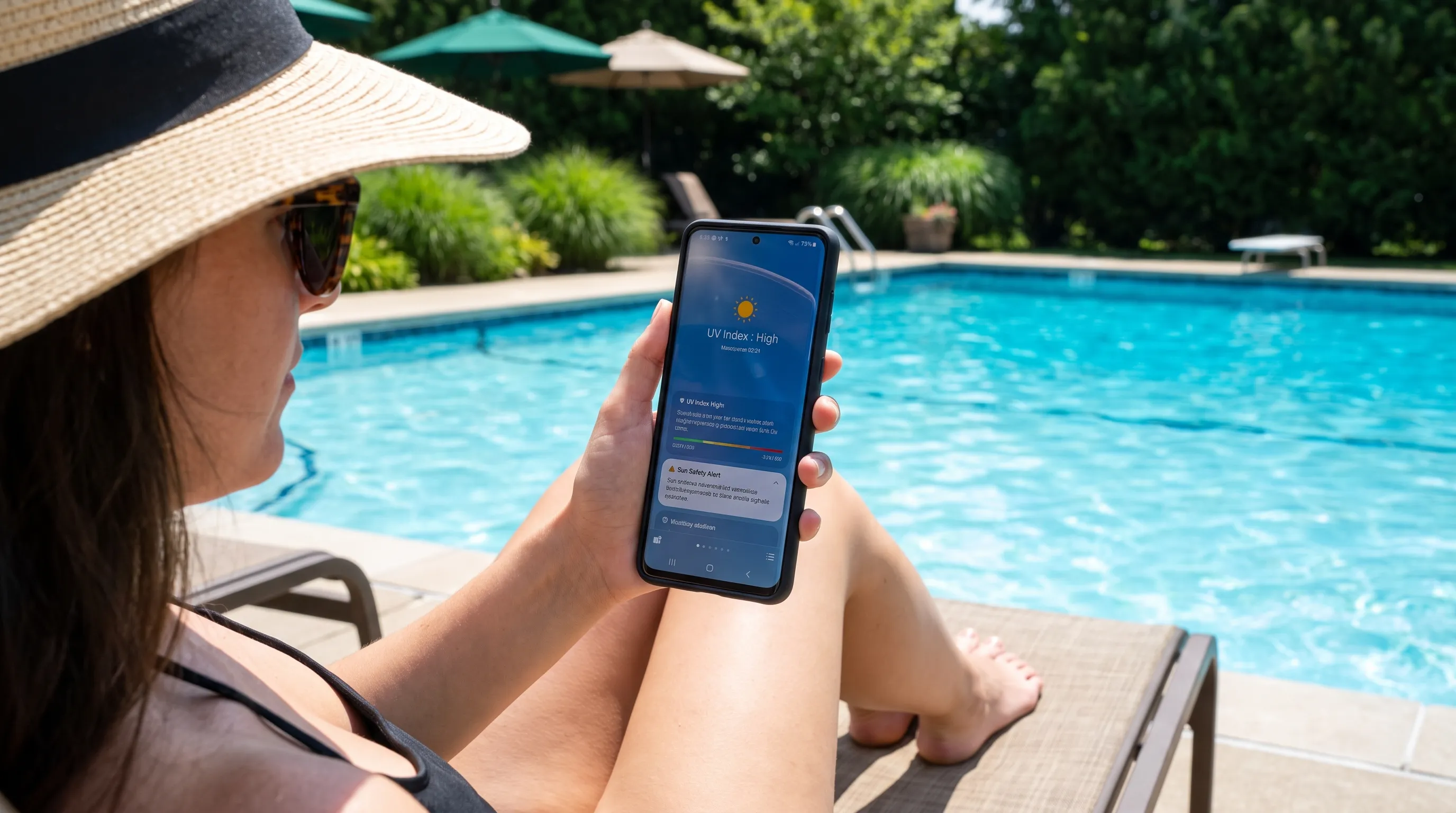
For individuals seeking gradual, controlled outdoor exposure, ultraviolet readings between three and five offer the most balanced risk-to-benefit ratio. Within this moderate band, UVB radiation stimulates melanogenesis without immediately triggering acute inflammatory responses, while UVA levels remain manageable with standard broad-spectrum sunscreen. Exposure sessions can safely extend to twenty or thirty minutes when properly protected, allowing time for physical activity, relaxation, or vitamin D synthesis. The sun tanning uv index in this range supports sustainable tanning practices that align with dermatological guidelines, emphasizing consistency over intensity. Repeated, short sessions distributed across several days outperform single prolonged exposures, as melanin production requires biological maturation rather than continuous bombardment. Maintaining SPF thirty or higher, reapplying every two hours, and supplementing with protective clothing ensures that pigmentation develops gradually while minimizing oxidative stress.
High vs. Extreme UV Index: When to Seek Shade
When forecasts predict values of eight or higher, outdoor exposure shifts from recreational optimization to risk mitigation. At these levels, unprotected skin can develop first-degree burns in under fifteen minutes, and DNA repair enzymes become overwhelmed by continuous photon bombardment. The sun tanning uv index serves as an early warning system during summer months, equatorial travel, or high-altitude excursions, signaling when behavioral modification is necessary. Dermatologists recommend seeking shade, wearing wide-brimmed hats, and utilizing UPF-rated clothing when readings enter the high or extreme categories. Attempting to tan during these periods significantly increases the likelihood of acute photodamage, post-inflammatory hyperpigmentation, and long-term collagen degradation. If outdoor activity is unavoidable, prioritize physical barriers over topical filters, as clothing and structured shade provide consistent protection that does not degrade through sweating or water exposure.
Geographic, Seasonal, and Environmental Modifiers
Ultraviolet intensity varies dramatically based on latitude, altitude, time of year, and local environmental features. Near the equator, solar angles remain steep year-round, maintaining consistently high readings that demand rigorous photoprotection. Moving toward temperate zones introduces pronounced seasonal fluctuations, with spring and summer peaks far exceeding autumn and winter baselines. Elevation amplifies exposure by approximately ten percent per thousand meters due to atmospheric thinning, while reflective surfaces like sand, water, and snow can double ground-level radiation through secondary scattering. The sun tanning uv index accounts for these variables in its daily calculations, but personal awareness remains essential. A cloudy mountain lake during July can deliver higher biologically active radiation than a clear coastal afternoon in November. Understanding these modifiers prevents underestimation of exposure risk and supports informed scheduling of outdoor recreation.
Practical Guidelines for Safe Sun Exposure Based on UV Levels
Translating ultraviolet forecasts into actionable daily habits requires understanding your personal phototype, calculating exposure limits, and implementing consistent protective routines. Dermatological research emphasizes that skin protection is not a seasonal activity but a year-round practice that adapts to changing environmental conditions. By integrating the sun tanning uv index into your wellness routine, you establish predictable, science-backed parameters for outdoor engagement that prioritize long-term skin integrity over short-term color goals.
Calculating Your Personal Sunburn Time
Your unprotected sunburn threshold depends on constitutive pigmentation, genetic repair efficiency, and historical exposure patterns. Fitzpatrick skin types I and II typically experience erythema within ten to twenty minutes under moderate ultraviolet conditions, while types IV through VI may tolerate forty to ninety minutes before visible reddening occurs, as classified by the Cleveland Clinic. To estimate your baseline, divide your unprotected burn time by the current index value. For example, if your natural threshold is twenty minutes and the reading is five, your unprotected limit is four minutes. Multiplying this result by your sunscreen’s SPF factor provides a theoretical protected duration, though real-world conditions like sweating, water exposure, and application inconsistencies require conservative adjustments. Tracking this calculation daily allows you to structure outdoor activities within safe windows while respecting the sun tanning uv index as a dynamic, biologically relevant metric.
Timing Your Tanning Sessions Strategically
Solar elevation follows a predictable curve, with ultraviolet intensity peaking between 11 AM and 3 PM and declining gradually toward dawn and dusk. Scheduling outdoor sessions during late morning or late afternoon reduces peak photon density while still permitting sufficient exposure for gradual melanin stimulation. The sun tanning uv index forecast helps you identify transitional periods where radiation intensity aligns with your phototype without crossing into high-risk territory. Consistency matters more than duration; repeated twenty-minute sessions distributed across multiple days yield more stable pigmentation than single prolonged exposures. Avoid attempting to compensate for missed days by extending later sessions, as cumulative exposure compounds at the cellular level and increases mutagenic risk.
Protective Measures at Every UV Level
Photoprotection operates on multiple layers, requiring integration of topical, physical, and behavioral strategies. Broad-spectrum sunscreen with SPF thirty or higher should be applied generously fifteen minutes before exposure, covering all visible and frequently exposed areas. Reapplication every two hours, or immediately after swimming or sweating, maintains film integrity. UPF-rated clothing, wide-brimmed hats, and UV-blocking sunglasses provide consistent coverage unaffected by degradation. Behavioral modifications like seeking shade, avoiding reflective surfaces, and scheduling activities outside peak intensity windows further reduce exposure burden. The sun tanning uv index guides the intensity of these measures, but baseline protection remains essential regardless of daily fluctuations. Combining multiple strategies creates a redundant safety net that accommodates environmental variability and human error.
| UV Index Value | Risk Category | Recommended Protection | Tanning Safety | Max Unprotected Exposure (Avg) |
|---|---|---|---|---|
| 0–2 | Low | Sunglasses, casual SPF | Safe, gradual | 30–60+ minutes |
| 3–5 | Moderate | SPF 30, reapply, shade | Optimal | 20–40 minutes |
| 6–7 | High | SPF 30+, hat, UPF, shade | Limited | 10–20 minutes |
| 8–10 | Very High | SPF 50, full coverage | Not advised | Under 15 minutes |
| 11+ | Extreme | Avoid direct exposure | Dangerous | Under 10 minutes |
Risks of UV Overexposure: Beyond Sunburn
Acute erythema represents only the most visible consequence of ultraviolet overload. Beneath the surface, excessive photon bombardment triggers cascading cellular damage that accumulates silently over years, manifesting as photoaging, immunosuppression, and neoplastic transformation. Understanding these underlying mechanisms clarifies why the sun tanning uv index exists not merely to prevent burns, but to preserve long-term epidermal function and systemic health.
DNA Damage and Skin Cancer Correlation
Ultraviolet radiation directly induces cyclobutane pyrimidine dimers and 6-4 photoproducts in epidermal DNA, disrupting transcription and replication fidelity. While nucleotide excision repair pathways correct many lesions, repeated exposure overwhelms cellular capacity, allowing mutations in tumor suppressor genes like TP53 to accumulate. These genetic alterations drive uncontrolled keratinocyte proliferation, forming basal cell and squamous cell carcinomas. Malignant melanoma risk increases significantly with intermittent high-intensity exposure and blistering sunburns during childhood and adolescence, according to research from the Mayo Clinic. The sun tanning uv index provides actionable data to limit cumulative photon exposure, directly reducing mutagenic load and preserving genomic stability. Regular dermatological screenings complement behavioral prevention, enabling early detection of dysplastic changes before invasive progression occurs.
Premature Skin Aging and Photoaging
Chronic ultraviolet exposure accelerates extrinsic aging through collagen fragmentation, elastin degradation, and matrix metalloproteinase upregulation. The NIH National Library of Medicine notes that UVA penetrates the dermis, generating reactive oxygen species that cross-link structural proteins and disrupt hydration barriers. Clinical manifestations include deep wrinkles, uneven pigmentation, telangiectasia, and loss of facial volume. Unlike chronological aging, photoaging develops asymmetrically and correlates strongly with cumulative exposure rather than age alone. Consistent photoprotection guided by daily ultraviolet forecasts slows this process significantly, preserving structural integrity and barrier function. The sun tanning uv index serves as a daily reminder that skin preservation requires proactive management rather than reactive treatment after damage becomes irreversible.
Eye Damage and Immune Suppression
Ocular ultraviolet exposure contributes to cortical cataract formation, pinguecula development, and pterygium growth through oxidative lens protein denaturation and conjunctival proliferation. Eyelid skin also demonstrates high susceptibility to squamous cell carcinoma due to thin epidermal architecture. Simultaneously, ultraviolet radiation suppresses cutaneous immune surveillance by depleting Langerhans cells and altering cytokine profiles, reducing the skin’s ability to recognize and eliminate dysplastic clones, as highlighted in WHO health topic reports. Wearing UV400-rated sunglasses and wide-brimmed hats provides critical ocular and periocular protection. Tracking the sun tanning uv index helps you anticipate periods when combined dermal and ocular exposure risk peaks, enabling comprehensive protective habits that extend beyond skin-deep aesthetics.
Debunking Common Sun Tanning Myths
Misinformation about ultraviolet exposure persists across social media platforms, commercial tanning industries, and anecdotal health advice. These myths often prioritize short-term cosmetic goals over long-term dermatological evidence, leading to risky behavioral patterns that increase cumulative photodamage. Evaluating these claims through peer-reviewed research and clinical guidelines reveals significant discrepancies between popular belief and medical reality. The sun tanning uv index serves as an evidence-based counterbalance to misinformation, providing standardized, scientifically validated guidance that adapts to real-time environmental conditions.
"Base Tans Protect You" - The Truth
The belief that pre-vacation tanning builds a protective barrier against subsequent sunburn contradicts fundamental photobiology. Dermatologists and researchers at the Cleveland Clinic emphasize that a tan provides approximately SPF three to four protection, which is insufficient to prevent DNA damage during high-intensity exposure. Attempting to establish a base tan requires controlled ultraviolet exposure that inherently damages cellular DNA, increasing cumulative mutagenic burden before travel even begins. Experts emphasize that photoprotection should begin with broad-spectrum sunscreen and clothing, not with intentional photodamage. The sun tanning uv index helps individuals recognize that protection is a daily requirement, not a seasonal preparation that can be achieved through prior exposure.
Cloud Cover and UV Penetration
Many people reduce photoprotective habits on overcast days, assuming that clouds block harmful radiation. In reality, thin cloud layers scatter ultraviolet photons rather than absorbing them, maintaining significant ground-level intensity. Cumulonimbus formations reduce exposure more effectively, but partial cloud cover can even create lensing effects that increase localized intensity. The CDC Sun Safety Guidelines confirm that overcast days still require standard sun protection. Failing to apply sunscreen during cloudy weather contributes to unanticipated exposure accumulation and delayed photodamage.
Sunscreen SPF and UV Index Interaction
SPF ratings measure UVB filtration capacity, not ultraviolet duration extension. A common misconception suggests that SPF fifty allows unlimited outdoor time, ignoring factors like application thickness, sweat degradation, and UVA exposure. Higher SPF products provide marginally better UVB blocking but do not eliminate the need for behavioral modification. The sun tanning uv index remains the primary determinant of exposure risk, while sunscreen functions as one component within a comprehensive protective strategy. Understanding this distinction prevents complacency and reinforces consistent reapplication habits regardless of product strength.

Frequently Asked Questions
What is the safest UV index for sun tanning?
The safest ultraviolet range falls between three and five, where radiation intensity supports gradual melanin stimulation without overwhelming cellular repair mechanisms. Exposure should remain limited, properly protected, and distributed across multiple short sessions rather than single prolonged durations.
Can I get a tan when the UV index is below 3?
Tanning at readings below three is biologically inefficient and requires extended exposure that offers minimal pigmentation benefits while still contributing to cumulative oxidative stress. Dermatologists recommend focusing on protection and vitamin D synthesis through diet rather than pursuing color changes during low-intensity periods.
Does sunscreen block a tan completely?
No. Broad-spectrum filters reduce harmful ultraviolet penetration but still permit controlled photon transmission that supports gradual, safer melanogenesis. The goal of photoprotection is to prevent DNA damage and erythema while allowing sustainable, low-risk pigmentation development.
How do I calculate my safe sun exposure time using the UV index?
Divide your natural unprotected burn threshold in minutes by the current ultraviolet reading. This provides an approximate unprotected exposure limit before erythema risk increases. Adjust conservatively for environmental variables, sweat, and application inconsistencies, and always prioritize protective barriers over extended direct exposure.
Does cloud cover significantly reduce the sun tanning UV index?
Clouds reduce ultraviolet transmission by only ten to forty percent, with scattered formations sometimes increasing localized ground-level intensity through reflective scattering. Daily ultraviolet forecasts account for atmospheric conditions, confirming that photoprotection remains necessary regardless of visible cloud cover.
Conclusion
Managing outdoor skin exposure through informed ultraviolet tracking represents one of the most effective, evidence-based strategies for preserving long-term dermatological health while maintaining an active lifestyle. The sun tanning uv index provides a standardized, scientifically validated metric that translates complex atmospheric physics into actionable daily guidance. By understanding how ultraviolet radiation interacts with melanocytes, recognizing the limitations of induced pigmentation, and implementing consistent photoprotective habits, you can enjoy natural sunlight without compromising epidermal integrity or increasing cumulative mutagenic burden. Safe tanning practices prioritize gradual exposure, broad-spectrum protection, behavioral modification, and realistic expectations about biological response timelines. Dermatological research consistently demonstrates that prevention outperforms treatment, and daily index monitoring serves as a practical tool for aligning outdoor recreation with medical safety standards. Whether you are scheduling weekend activities, planning seasonal travel, or simply enjoying a daily walk, integrating ultraviolet awareness into your routine empowers you to make informed, health-focused decisions that support sustainable skin vitality for decades to come.
How we work
Researched and drafted with AI assistance, then reviewed by a human editor against the cited sources.
This article is general health information, not medical advice. Consult a qualified healthcare professional about your own situation.