Is Sunflower Lecithin Bad for You? Evidence-Based Safety Guide

When exploring natural dietary supplements, many wellness enthusiasts and healthcare consumers find themselves asking whether sunflower lecithin is bad for you or if it represents a genuinely safe addition to a balanced regimen. As plant-based emulsifiers continue to dominate the functional food and nutraceutical markets, understanding the biochemical profile, extraction methods, and clinical safety data surrounding sunflower-derived lecithin has become increasingly important. This compound plays a vital role in cellular membrane integrity, lipid metabolism, and neurological signaling, yet misconceptions about potential adverse effects frequently circulate through social media and unregulated wellness forums. To separate fact from fiction, it is essential to examine peer-reviewed research, regulatory classifications, and real-world clinical outcomes. By evaluating how your body processes phospholipids, recognizing the differences between commercial extraction techniques, and identifying who should exercise caution, you can make an informed decision about supplementation. This comprehensive guide breaks down the science behind sunflower lecithin, outlines evidence-based usage guidelines, addresses common safety concerns, and provides practical strategies for integrating this supplement responsibly into your daily health routine. Whether you are considering it for cardiovascular support, digestive optimization, maternal wellness, or cognitive maintenance, understanding the full scope of benefits and potential drawbacks will empower you to navigate supplementation with confidence and medical precision.
What Is Sunflower Lecithin and How Is It Made?
Sunflower lecithin is a naturally occurring mixture of phospholipids derived from the oil-rich seeds of the sunflower plant (Helianthus annuus). Unlike synthetic additives, it serves as a vital biological emulsifier that enables fats and water-based substances to blend seamlessly within both industrial applications and human physiology. At a molecular level, lecithin is composed primarily of phosphatidylcholine, phosphatidylethanolamine, phosphatidylinositol, and phosphatidylserine, alongside essential fatty acids and minor bioactive compounds. These phospholipids form the structural foundation of every cell membrane in your body, facilitating nutrient transport, cellular communication, and metabolic signaling pathways. The extraction process significantly influences the purity and safety profile of the final supplement, making it crucial to understand how commercial sunflower lecithin reaches your shelves.
Free calculatorDosage CalculatorCalculate medication dosageOpen the calculatorThe Science Behind Sunflower Lecithin Extraction
Traditional lecithin extraction from soybeans often relies on harsh chemical solvents such as hexane to isolate the phospholipid fraction efficiently. While this method is cost-effective and widely utilized in food manufacturing, it raises legitimate concerns regarding residual solvent contamination and environmental sustainability. Sunflower lecithin, by contrast, is predominantly produced through a cold-pressing and degumming technique that avoids synthetic chemicals entirely. During this mechanical process, raw sunflower seeds are carefully cleaned, dehulled, and pressed to release their natural oils. The crude oil then undergoes hydration and centrifugation, which separates the water-soluble gum containing phospholipids from the neutral lipid fraction. This gentle approach preserves heat-sensitive nutrients and eliminates the need for chemical degumming, resulting in a cleaner, non-GMO product that aligns with strict allergen-free standards. Clinical formulations and premium dietary supplements typically favor cold-extracted sunflower lecithin precisely because it minimizes processing contaminants while maintaining high phospholipid bioavailability.
Nutritional Profile and Key Compounds
The nutritional architecture of sunflower lecithin centers on its rich phosphatidylcholine content, which serves as the primary dietary source of choline. Choline is an essential micronutrient that the National Institutes of Health (NIH) identifies as critical for liver function, brain development, muscle movement, and metabolic regulation. Once ingested, phosphatidylcholine undergoes enzymatic hydrolysis in the intestinal lumen, releasing free choline, fatty acids, and glycerophosphocholine, which are readily absorbed and distributed throughout systemic circulation. Beyond choline delivery, sunflower lecithin contains substantial amounts of phosphatidylinositol, a signaling lipid that participates in insulin response modulation and cellular stress adaptation. The fatty acid composition predominantly features linoleic acid and oleic acid, both of which support cardiovascular homeostasis and inflammatory balance. These compounds work synergistically to enhance lipid solubility, improve nutrient absorption, and maintain cellular membrane fluidity, which declines naturally with aging and oxidative stress.
Sunflower Lecithin vs. Soy and Egg Lecithin
Consumers frequently compare different lecithin sources to determine which aligns best with their dietary restrictions and health objectives. Soy lecithin remains the most commercially prevalent variant due to its low production cost and widespread agricultural availability. However, it frequently triggers allergic reactions in individuals with soy sensitivity and may contain trace phytoestrogen compounds that warrant caution in hormone-sensitive conditions. Egg lecithin offers excellent bioavailability and a rich phosphatidylcholine profile, making it a staple in clinical neurology and hepatic support protocols, though it is unsuitable for vegans, individuals with egg allergies, and those managing hypercholesterolemia. Sunflower lecithin emerges as a versatile middle ground, delivering comparable phospholipid concentrations without common allergens, solvent residues, or hormonal modulators. For individuals seeking a clean-label, hypoallergenic emulsifier with consistent quality control, sunflower-derived formulations frequently represent the most evidence-aligned choice.
Common Claims: Is Sunflower Lecithin Bad for You?
The internet landscape is saturated with conflicting narratives regarding dietary supplements, and sunflower lecithin is no exception. While numerous clinical studies validate its safety and therapeutic applications, anecdotal reports and isolated case studies have fueled speculation about potential adverse reactions. To evaluate whether sunflower lecithin is bad for you, we must systematically examine the scientific evidence surrounding allergic potential, gastrointestinal tolerance, endocrine interactions, and environmental contamination risks. Understanding these factors within a clinical context prevents unnecessary avoidance while ensuring appropriate caution for susceptible populations.
Allergic Reactions and Sensitivities
True allergic responses to sunflower lecithin remain exceptionally rare, primarily because the extraction process removes the majority of seed proteins responsible for IgE-mediated hypersensitivity. Unlike whole sunflower seeds or cold-pressed sunflower oil that may retain trace protein fragments, highly refined lecithin consists almost exclusively of phospholipids and neutral lipids. Nevertheless, individuals with severe botanical allergies should approach any new supplement with structured caution, starting with minimal doses and monitoring for cutaneous eruptions, respiratory changes, or mucosal swelling. Cross-reactivity between sunflower derivatives and ragweed pollen has been documented in isolated clinical settings, though NIH allergy research indicates the actual risk remains negligible for properly purified lecithin products. Reading manufacturer transparency statements and opting for protein-verified formulations minimizes exposure to allergenic compounds that could theoretically trigger sensitivity responses.
Digestive Upset and Gastrointestinal Effects
The most commonly reported side effect of sunflower lecithin supplementation involves mild gastrointestinal discomfort, particularly when individuals exceed recommended dosages or initiate therapy too aggressively. Because lecithin functions as a potent emulsifier, high concentrations in the intestinal tract can temporarily alter bile acid dynamics, leading to increased intestinal motility, bloating, flatulence, or loose stools. These symptoms rarely indicate toxicity; rather, they reflect the digestive system adjusting to enhanced lipid solubilization. Clinical guidance consistently recommends beginning with 300 to 600 milligrams daily, consuming the supplement alongside a fat-containing meal, and gradually titrating upward over two to three weeks. This phased approach allows the hepatobiliary system and gut microbiome to adapt smoothly, significantly reducing the likelihood of transient digestive irritation.
Hormonal Interactions and Thyroid Function
Concerns regarding endocrine disruption frequently arise when consumers evaluate plant-based lipid supplements, particularly those sourced from botanical origins known for phytochemical activity. Sunflower lecithin does not contain flavonoids, isoflavones, or lignans that interact with estrogen receptors or alter thyroid hormone conversion pathways. Its primary metabolic influence centers on lipid emulsification and choline delivery, neither of which interferes with hypothalamic-pituitary-thyroid axis regulation. Individuals managing autoimmune thyroid conditions such as Hashimoto’s thyroiditis or Graves’ disease typically tolerate sunflower lecithin well, provided the product maintains strict purity standards and avoids unnecessary additives. Monitoring standard thyroid panels during initial supplementation remains a prudent clinical practice, though current literature does not support direct hormonal modulation from phospholipid-rich lecithin.
Heavy Metals and Pesticide Residue Concerns
Environmental contamination represents a legitimate consideration when evaluating any botanical supplement, particularly those cultivated in regions with varying agricultural regulations. Sunflowers possess a natural bioaccumulation tendency for certain soil contaminants, which historically raised questions about cadmium, lead, or pesticide residues in raw seed products. However, reputable supplement manufacturers address this challenge through rigorous third-party testing, organic certification requirements, and advanced refining techniques that strip non-lipid impurities during the degumming phase. Independent laboratory analyses consistently demonstrate that commercially available sunflower lecithin contains heavy metal concentrations well below FDA and European Food Safety Authority thresholds. Selecting products verified through NSF International, USP, or ConsumerLab certifications ensures that contamination risks remain clinically insignificant.
Scientific Evidence and Clinical Research
Evaluating whether sunflower lecithin is bad for you requires grounding in peer-reviewed clinical literature rather than anecdotal speculation. Decades of biochemical and pharmacological research have established lecithin as a biocompatible compound with well-documented therapeutic applications across multiple physiological systems. Contemporary studies continue to explore its role in metabolic health, cognitive preservation, and reproductive wellness, providing robust data that informs modern supplementation guidelines.
Cardiovascular and Cholesterol Research
Phosphatidylcholine plays a fundamental role in lipid metabolism by facilitating the transport of cholesterol and triglycerides through the bloodstream. Clinical trials investigating lecithin supplementation consistently demonstrate modest improvements in high-density lipoprotein (HDL) cholesterol levels and enhanced clearance of low-density lipoprotein (LDL) particles from vascular endothelial tissue. A controlled study published in the European Journal of Clinical Nutrition observed that daily administration of purified lecithin over twelve weeks significantly improved the LDL-to-HDL ratio in adults with borderline hyperlipidemia. The proposed mechanism involves enhanced hepatic cholesterol excretion and reduced intestinal lipid absorption through competitive micelle formation. While lecithin should not replace statin therapy or established lipid-lowering protocols, it serves as a supportive nutritional intervention that complements dietary and lifestyle modifications recommended by the CDC.
Liver Health and Fatty Liver Disease
The liver relies heavily on choline and phospholipids to synthesize very-low-density lipoproteins (VLDL), which export triglycerides from hepatic tissue to peripheral storage sites. Choline deficiency directly impairs VLDL assembly, leading to intracellular lipid accumulation and the development of non-alcoholic fatty liver disease (NAFLD). Multiple clinical investigations confirm that phosphatidylcholine supplementation reduces hepatic steatosis markers, lowers circulating liver enzymes, and improves ultrasound-measured fat fraction in patients with early-stage NAFLD, as outlined by the Cleveland Clinic in their metabolic health guidelines. Sunflower lecithin delivers a concentrated source of bioavailable phosphatidylcholine without the allergenic concerns associated with soy-derived alternatives, making it particularly suitable for individuals managing metabolic syndrome or insulin resistance. Maintaining optimal choline status through dietary sources or targeted supplementation supports long-term hepatocyte function and detoxification capacity.
Brain Function, Memory, and Neuroprotection
Neuronal membranes consist of highly structured phospholipid bilayers that govern synaptic transmission, neurotransmitter receptor function, and neuroinflammatory signaling. Phosphatidylcholine serves as a direct precursor to acetylcholine, a vital neurotransmitter responsible for memory consolidation, attention regulation, and motor coordination. Aging, chronic stress, and oxidative degradation deplete endogenous phospholipid reserves, contributing to cognitive decline and increased susceptibility to neurodegenerative conditions. Mayo Clinic research highlights that consistent choline-enhancing supplementation supports working memory, processing speed, and mental clarity in middle-aged and older adults. While not a standalone treatment for neurological disorders, sunflower lecithin provides foundational membrane support that aligns with preventive neurology frameworks.
Breastfeeding, Clogged Ducts, and Maternal Health
Maternal wellness applications represent one of the most clinically validated uses for sunflower lecithin. Lactating individuals frequently experience clogged milk ducts when breast milk lipids coalesce and obstruct narrow ductal pathways. The emulsifying properties of phosphatidylcholine reduce milk viscosity, prevent lipid aggregation, and promote consistent milk flow through lactiferous ducts. A randomized observational study published in the Journal of Human Lactation reported that mothers taking 3,600 milligrams of sunflower lecithin daily experienced significantly fewer recurrent ductal blockages compared to non-supplemented controls. Healthcare providers frequently recommend this application due to its non-pharmacological mechanism, minimal systemic absorption, and favorable safety profile during lactation, as supported by Cleveland Clinic lactation resources. Proper hydration, frequent feeding schedules, and appropriate lecithin dosing create a comprehensive approach to maintaining healthy milk production.
Potential Side Effects and When to Exercise Caution
No dietary compound exists without contextual limitations, and sunflower lecithin requires thoughtful implementation to avoid unnecessary complications. While the question of whether sunflower lecithin is bad for you generally yields a reassuring answer for most individuals, specific scenarios demand heightened awareness. Recognizing the difference between mild, expected adaptations and clinically significant adverse reactions ensures responsible supplementation.
Dosage Considerations and Overconsumption Risks
The therapeutic window for sunflower lecithin remains broad, with clinical tolerance extending up to 12 grams daily in specialized medical protocols. However, exceeding this threshold without supervision offers diminishing returns while increasing the likelihood of gastrointestinal distress, caloric excess, and hepatic metabolic burden. Because lecithin contains fatty acids, high daily quantities contribute additional dietary calories that may conflict with weight management objectives. Structured dosing aligns with physiological needs rather than arbitrary maximization. Most individuals achieve optimal benefits within the 1,200 to 3,000 milligram range, divided into two or three doses to enhance absorption and minimize digestive fluctuations.
Drug Interactions and Medication Precautions
While sunflower lecithin does not exhibit strong cytochrome P450 inhibition or induction, its emulsifying capacity may influence the pharmacokinetics of highly lipophilic medications. Drugs with narrow therapeutic indices, such as warfarin, levothyroxine, or certain fat-soluble vitamins, require consistent administration conditions to maintain stable serum concentrations. Separating lecithin supplementation from prescription medications by two to three hours prevents unintended absorption alterations and maintains predictable therapeutic outcomes. Individuals managing complex medication regimens should consult a pharmacist or prescribing physician to evaluate potential interactions before introducing new lipid-based supplements.
Quality, Purity, and Third-Party Testing
The dietary supplement industry operates under varying manufacturing standards, meaning product quality significantly influences safety outcomes. Unverified brands may utilize inferior sunflower sources, skip degumming refinement stages, or add unnecessary fillers, binders, or artificial stabilizers that trigger adverse reactions. Independent laboratory verification through heavy metal screening, microbial testing, and phospholipid concentration assays remains the only reliable method to confirm product integrity. Consumers should prioritize supplements displaying USP Verified Mark, NSF Certified for Sport, or ConsumerLab Approved seals, as these certifications mandate strict adherence to Good Manufacturing Practices (GMP). Investing in verified formulations eliminates the guesswork surrounding contamination risks and ensures accurate dosing consistency.
Practical Guidelines for Safe Supplementation
Translating clinical evidence into daily practice requires structured implementation strategies that align with individual health objectives, lifestyle patterns, and physiological tolerance. Developing a systematic approach to sunflower lecithin supplementation maximizes therapeutic benefits while minimizing potential disruptions.
How to Choose a High-Quality Product
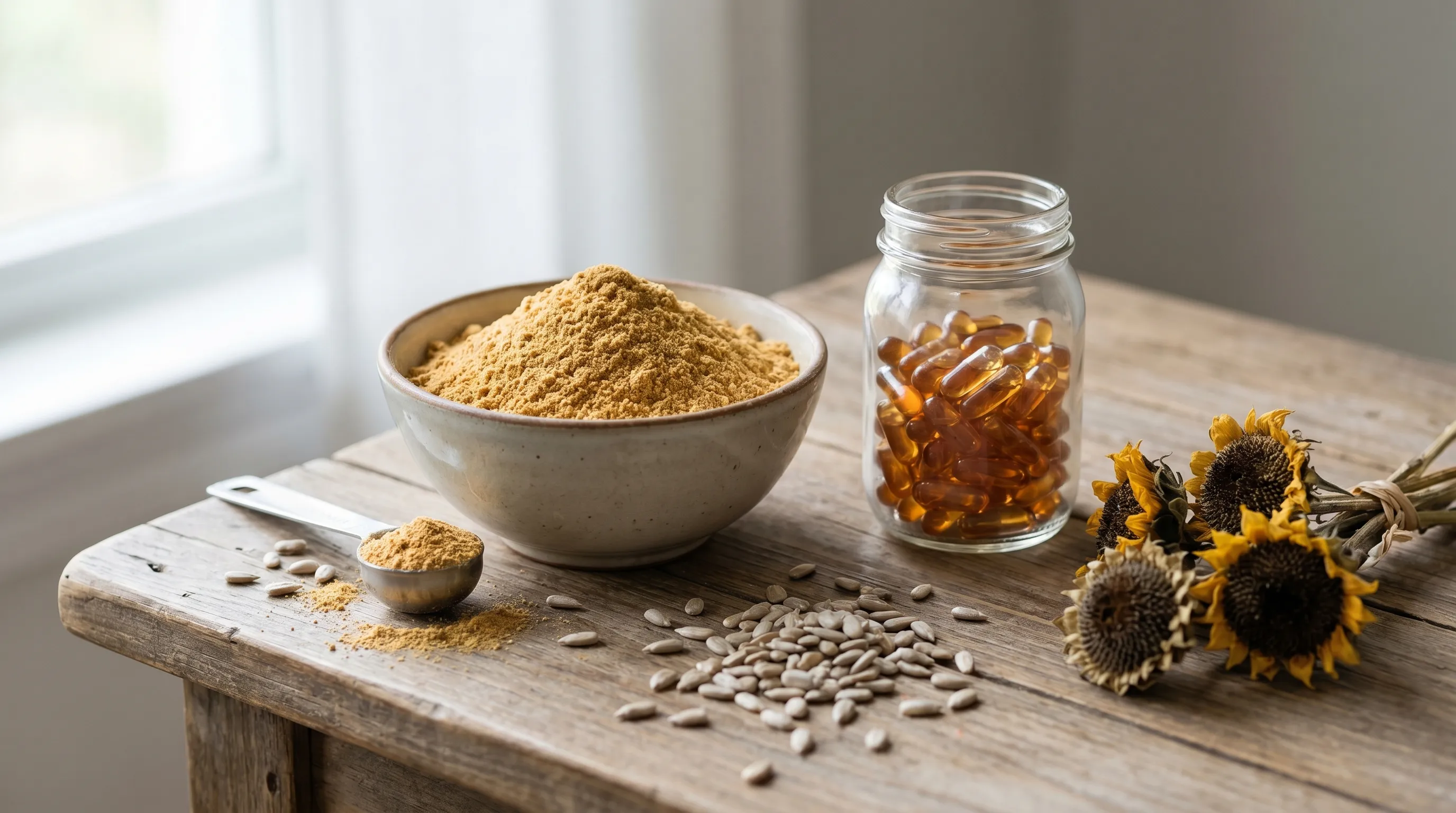
Navigating the supplement marketplace demands careful label evaluation and brand verification. Look for formulations explicitly stating "sunflower-derived," "non-GMO," and "hexane-free extraction" to confirm clean sourcing. Transparent ingredient lists should contain only sunflower lecithin, optional delivery mediums such as sunflower oil or rice bran extract, and absence of artificial preservatives or synthetic flow agents. Softgel capsules offer convenient dosing and reduced oxidative exposure, while powdered forms provide flexibility for blending into smoothies or functional beverages. Prioritizing cold-pressed, solvent-free manufacturing guarantees that the final product retains its natural phospholipid integrity without compromising safety.
Integrating Sunflower Lecithin Into Your Daily Routine
Consistency and timing dictate supplementation effectiveness. Taking sunflower lecithin alongside meals containing dietary fat enhances phospholipid micellization and intestinal absorption, particularly when consumed with breakfast or lunch. Dividing the total daily dosage into two or three smaller servings prevents sudden concentration spikes in the digestive tract and supports steady choline delivery throughout the day. For lactation support, dividing 3,600 milligrams into four 900-milligram doses aligns with clinical lactation protocols and maintains consistent milk lipid emulsification. Tracking intake through a wellness journal or digital application helps identify optimal timing and dosage adjustments based on personal response patterns.
Monitoring Your Body’s Response
Physiological adaptation varies significantly across individuals, making ongoing self-monitoring an essential component of safe supplementation. Initial symptoms such as mild fullness or altered bowel frequency typically resolve within seven to ten days as the hepatobiliary system adjusts to enhanced lipid processing. If symptoms persist beyond two weeks, worsen in intensity, or manifest as cutaneous irritation, reducing the dosage or discontinuing use temporarily provides valuable diagnostic information. Documenting dietary patterns, hydration levels, and stress markers alongside supplementation helps distinguish lecithin-related effects from unrelated gastrointestinal fluctuations. Open communication with a healthcare provider ensures that any adjustments align with broader clinical objectives.

Who Should Avoid Sunflower Lecithin?
While sunflower lecithin demonstrates an excellent safety profile for the general population, specific medical conditions and physiological states warrant professional evaluation before initiating supplementation. Understanding contraindications prevents unnecessary complications and ensures that therapeutic choices remain aligned with individualized health requirements.
Contraindications and Medical Conditions
Individuals with severe, uncontrolled hyperlipidemia or familial hypercholesterolemia should approach lipid-modulating supplements under direct medical supervision, as lecithin influences cholesterol transport pathways and may require dosage adjustments alongside prescription lipid therapy. Patients with active gallbladder disease or biliary obstruction should exercise caution, as enhanced lipid emulsification can temporarily increase gallbladder contraction frequency. Those with diagnosed cholinergic hypersensitivity or rare metabolic disorders affecting choline metabolism require specialized clinical guidance before introducing exogenous phospholipid sources. In these scenarios, consulting a hepatologist, endocrinologist, or registered dietitian ensures that supplementation remains medically appropriate and safely integrated into broader treatment protocols.
Pregnancy and Pediatric Considerations
Although sunflower lecithin is frequently utilized during lactation without adverse reports, formal clinical trials during early pregnancy remain limited due to ethical research constraints. Expectant mothers typically tolerate lecithin well, but standard medical guidance recommends discussing all supplements with an obstetrician, consistent with WHO maternal nutrition recommendations. Pediatric populations rarely require targeted lecithin supplementation unless managed for specific metabolic conditions or documented choline deficiencies under specialist supervision. Children under twelve should only receive supplementation when directed by a pediatric healthcare provider who can calculate age-appropriate dosages and monitor developmental parameters.
| Feature | Sunflower Lecithin | Soy Lecithin | Egg Lecithin |
|---|---|---|---|
| Primary Extraction Method | Cold-press degumming | Hexane solvent extraction | Fractionation from egg yolk |
| Common Allergen Risk | Extremely low | High (soy sensitivity) | High (egg allergy) |
| Phytoestrogen Content | None detected | Present (isoflavones) | None detected |
| Vegan-Friendly | Yes | Yes | No |
| Phosphatidylcholine Concentration | 45–65% | 50–70% | 60–80% |
| Ideal Use Case | Allergen-free daily wellness | Cost-effective emulsification | High-dose clinical lipid support |
| Third-Party Testing Availability | Widely accessible | Variable | Common in medical-grade brands |
Frequently Asked Questions
Can sunflower lecithin cause digestive problems?
While generally well-tolerated, high doses of sunflower lecithin can occasionally cause mild digestive discomfort such as bloating, gas, loose stools, or stomach cramps. These effects typically resolve when the dosage is reduced or when the supplement is taken with meals. Starting with a low dose and gradually increasing intake allows your digestive system to adapt without overwhelming your gastrointestinal tract.
Is sunflower lecithin safe during pregnancy and breastfeeding?
Sunflower lecithin is widely regarded as safe during pregnancy and breastfeeding when used appropriately. It is frequently recommended by healthcare providers to help prevent clogged milk ducts due to its emulsifying properties. However, pregnant and nursing individuals should always consult their physician before beginning any new supplement to ensure it aligns with their specific health profile and medication regimen.
Does sunflower lecithin interact with medications?
Sunflower lecithin has minimal documented drug interactions, but it may theoretically affect the absorption of certain fat-soluble medications due to its emulsifying nature. Individuals taking cholesterol-lowering drugs, anticoagulants, or thyroid medications should monitor their response and maintain a two-hour gap between supplementation and prescription medications to avoid potential absorption interference.
How does sunflower lecithin differ from soy lecithin?
Sunflower lecithin is extracted using cold-pressing methods without harsh chemical solvents, making it a cleaner option for individuals with soy allergies or sensitivities. Soy lecithin often undergoes hexane extraction and may contain trace phytoestrogens, while sunflower lecithin provides a neutral, non-allergenic alternative with comparable phospholipid content. Both offer similar health benefits, but sunflower-derived options are preferred for those seeking allergen-free and solvent-free formulations.
What is the recommended daily dosage for sunflower lecithin?
Most clinical guidelines suggest a daily intake of 1,200 to 2,400 milligrams for general wellness, with doses up to 5,000 milligrams occasionally used under medical supervision for specific conditions like lactation support or lipid management. It is advisable to start at the lower end of the spectrum, take the supplement with food, and adjust based on individual tolerance and healthcare provider recommendations.
Can long-term use of sunflower lecithin cause toxicity?
There is no current clinical evidence indicating that long-term sunflower lecithin use causes toxicity when consumed within established dosage ranges. The FDA recognizes phosphatidylcholine and lecithin as Generally Recognized As Safe (GRAS) when consumed appropriately. However, excessive consumption beyond recommended limits may strain hepatic metabolism or disrupt gut flora balance. Prioritizing third-party tested products and adhering to standard dosing ensures long-term safety.
Conclusion
Evaluating whether sunflower lecithin is bad for you ultimately depends on understanding the scientific evidence, recognizing individual health variables, and implementing responsible supplementation practices. Current clinical literature consistently demonstrates that high-quality, cold-pressed sunflower lecithin offers substantial benefits for cardiovascular wellness, hepatic lipid metabolism, cognitive membrane support, and maternal lactation health. The compound's non-allergenic profile, solvent-free extraction methods, and favorable safety record distinguish it from conventional alternatives, making it an excellent choice for health-conscious individuals seeking clean-label nutritional support. While mild gastrointestinal adjustments may occur during initial phases, structured dosing, proper meal timing, and third-party product verification effectively mitigate potential concerns. Individuals with specific medical conditions, complex medication regimens, or heightened allergy sensitivities should engage in collaborative discussions with licensed healthcare providers to ensure alignment with personalized treatment objectives. By prioritizing transparency, adhering to established dosage guidelines, and monitoring physiological responses, consumers can confidently integrate sunflower lecithin into a comprehensive wellness strategy. Rather than approaching supplementation with unfounded apprehension, leveraging evidence-based information empowers you to make informed decisions that support long-term metabolic balance, cellular integrity, and overall vitality. When sourced responsibly and utilized thoughtfully, sunflower lecithin remains a scientifically validated, clinically supported nutritional ally in modern health optimization.
How we work
Researched and drafted with AI assistance, then reviewed by a human editor against the cited sources.
This article is general health information, not medical advice. Consult a qualified healthcare professional about your own situation.