How Long Does Swelling Last After Wisdom Teeth Removal? Complete Recovery Guide

Waking up to a puffy, tender face after third molar surgery is one of the most common post-operative experiences patients encounter. If you are currently navigating the recovery phase or preparing for an upcoming procedure, you are probably wondering how long does swelling last after wisdom teeth removal. Understanding the physiological timeline, the factors that influence healing speed, and the proven interventions that minimize discomfort can transform a stressful recovery into a predictable, manageable process. The body's inflammatory response to surgical trauma is entirely natural, yet it requires strategic management to ensure optimal tissue regeneration and prevent complications. This comprehensive guide will walk you through every phase of the healing journey, providing evidence-based protocols, clinical insights, and actionable care strategies to help you navigate your recovery with confidence. Whether you are recovering from a simple extraction or managing multiple impacted molars, knowing exactly what to expect will empower you to make informed decisions about your oral health and daily comfort.
The Physiology of Post-Operative Edema
Before diving into timelines and recovery strategies, it is essential to understand why facial swelling occurs following oral surgery. When dental tissue is disrupted, the body initiates a highly coordinated inflammatory cascade. Capillaries in the surgical area dilate, and endothelial cells temporarily increase permeability to allow white blood cells, platelets, and plasma proteins to migrate into the wound bed. This fluid accumulation, known clinically as edema, serves a protective purpose by delivering oxygen, nutrients, and immune factors to the injury site clinical wound healing guidelines. However, the maxillofacial region contains loose connective tissue that allows fluid to spread rapidly, which is why even a localized tooth removal can result in visible cheek and jaw puffiness.
Free calculatorWater Intake CalculatorCalculate daily water needsOpen the calculatorThe inflammatory response follows a strict biological sequence. Vasoconstriction occurs immediately upon tissue trauma, followed by vasodilation mediated by histamine, bradykinin, and prostaglandins. Neutrophils arrive first to clear debris and bacteria, while macrophages subsequently coordinate tissue remodeling and angiogenesis. Understanding this cascade is crucial because it explains why certain interventions work during specific windows of time. For instance, applying heat too early will exacerbate vasodilation and increase fluid leakage, while delaying anti-inflammatory measures can prolong discomfort and delay epithelialization. Recognizing edema as a necessary but manageable component of healing sets realistic expectations for anyone asking how long does swelling last after wisdom teeth removal.
The Standard Recovery Timeline
While individual healing rates vary significantly, clinical research and maxillofacial surgical guidelines have established a predictable framework for post-operative edema. Tracking your symptoms against this timeline helps differentiate normal physiological healing from potential complications that require professional intervention.
Days 1 to 2: Peak Inflammation Phase
The first 48 hours represent the most intense period of fluid accumulation. Patients typically notice progressive puffiness starting around 12 hours post-surgery, with maximum swelling occurring between hours 48 and 72. During this window, you may experience tightness in the cheeks, mild trismus (difficulty opening the mouth), and referred discomfort along the jawline. The tissues will feel firm and warm to the touch, indicating active cytokine signaling and capillary leakage. Lymphatic drainage pathways are temporarily overwhelmed by the volume of interstitial fluid, which is why elevation and cold therapy are non-negotiable during this phase. Strict adherence to the prescribed 20-minutes-on, 20-minutes-off ice cycling protocol helps limit vascular permeability and reduces the overall volume of edema that must be processed during the subsequent resolution phase Mayo Clinic post-operative care protocols.
Days 3 to 5: The Subsiding Stage
Around day three, the inflammatory mediators begin to downregulate, and macrophages shift from clearing debris to promoting tissue repair. You will notice a gradual softening of the facial tissues, though residual firmness may persist. Bruising often becomes more visible during this period as extravasated red blood cells break down into biliverdin and bilirubin, creating yellow, green, or purple discolorations along the neck and cheek. This discoloration is completely benign and simply indicates that trapped fluid and blood products are being successfully metabolized and cleared NIDCR recovery guidelines. Patients who followed strict cold therapy protocols during the first two days typically experience a faster transition into this resolution phase. If you are tracking your progress, this is the window where you will first notice a measurable reduction in facial circumference and improved mouth opening capacity.
Days 6 to 14: Complete Tissue Remodeling
By the second week, visible swelling should have diminished by 80 to 90 percent for straightforward extractions. Complex surgical cases involving horizontal impactions, root sectioning, or extensive bone removal may retain mild firmness along the jawline for an additional seven to ten days. The gingival tissue over the extraction site undergoes rapid epithelialization, with granulation tissue replacing the initial blood clot by day seven. Collagen deposition strengthens the wound margins, while fibroblast activity stabilizes the surrounding connective matrix. Patients should expect residual stiffness, mild asymmetry, and occasional tingling as nerve endings regenerate and inflammatory edema fully dissipates. Understanding this extended timeline clarifies exactly how long does swelling last after wisdom teeth removal, preventing unnecessary anxiety when complete resolution extends slightly beyond the initial week.
Variables That Alter Healing Duration
The standard timeline represents an average derived from clinical populations, but individual recovery trajectories are heavily influenced by anatomical, physiological, and behavioral factors. Recognizing these variables allows you to tailor your care strategy and set accurate expectations for your specific case.
Degree of Impaction and Surgical Trauma
Wisdom teeth are classified by their relationship to the adjacent second molar and the alveolar bone: soft tissue impaction, partial bony impaction, and complete bony impaction. Each category correlates directly with the volume of tissue manipulation required during extraction. Complete bony impactions often necessitate bone guttering, crown sectioning, and flap elevation, all of which increase localized trauma and subsequent edema. Studies published by the American Association of Oral and Maxillofacial Surgeons demonstrate that surgical time and tissue disruption directly correlate with peak swelling volume AAOMS wisdom teeth clinical resources. Patients undergoing multiple simultaneous extractions will naturally experience more pronounced facial puffiness due to the compounded inflammatory response across adjacent surgical sites.
Patient Age, Bone Density, and Comorbidities
Age is one of the most significant predictors of post-operative recovery speed. Younger patients, typically under 25, exhibit more elastic bone structures, superior angiogenic potential, and faster cellular turnover rates, which collectively accelerate tissue repair and fluid clearance. Conversely, older patients often possess denser alveolar bone with reduced vascularity, requiring greater force during extraction and resulting in prolonged edema. Additionally, systemic conditions such as diabetes mellitus, autoimmune disorders, or vitamin D deficiency impair leukocyte function and collagen synthesis, extending the inflammatory phase CDC oral health and diabetes resources. Hormonal fluctuations during menstrual cycles can also temporarily increase tissue fluid retention, making recovery slightly more uncomfortable for some female patients.
Adherence to Post-Operative Protocols
Patient compliance fundamentally dictates healing efficiency. Activities such as smoking, consuming alcohol, vigorous rinsing, or using straws create negative intraoral pressure that disrupts the stabilizing blood clot, leading to dry socket and secondary inflammation. Skipping prescribed anti-inflammatory medications or failing to maintain proper head elevation allows unchecked fluid accumulation in the dependent facial tissues. Research consistently shows that patients who strictly follow post-operative care instructions experience 40 to 50 percent faster resolution of edema compared to those who deviate from clinical guidelines. Your daily habits directly answer how long does swelling lasts after wisdom teeth removal.
Clinically Proven Methods to Accelerate Swelling Reduction
Effective edema management requires a phased approach that aligns with your body's natural healing physiology. Implementing evidence-based interventions at the appropriate stages maximizes comfort and accelerates tissue normalization.
Strategic Thermotherapy: Ice vs. Heat Protocols
Cold therapy works through vasoconstriction and reduced metabolic demand in traumatized tissues. Apply a commercial ice pack or a bag of frozen peas wrapped in a thin cotton cloth directly over the surgical area for 20 minutes, followed by a 20-minute rest period. Repeat this cycle continuously while awake during the first 36 to 48 hours. After day three, discontinue cold therapy entirely and transition to moist heat. Use a warm, damp towel or a microwaveable gel pack for 20-minute intervals, three to four times daily. Moist heat promotes vasodilation, enhances lymphatic drainage, and relaxes the masseter and temporalis muscles, which are frequently tight following prolonged dental chair positioning Cleveland Clinic heat vs. cold therapy guide. Never apply extreme temperatures directly to the skin, as surgical trauma temporarily reduces cutaneous sensation and increases the risk of thermal injury.
Pharmacological Management and Natural Anti-Inflammatories
Nonsteroidal anti-inflammatory drugs (NSAIDs) such as ibuprofen remain the gold standard for post-extraction edema and pain management. Ibuprofen inhibits cyclooxygenase enzymes, reducing prostaglandin synthesis and directly targeting the chemical mediators responsible for vascular permeability Mayo Clinic NSAID safety and usage overview. A structured dosing schedule, as prescribed by your surgeon, maintains therapeutic blood levels and prevents the inflammatory cascade from rebounding. For patients who cannot tolerate NSAIDs, acetaminophen provides effective analgesia but lacks anti-inflammatory properties. Natural adjuncts like bromelain (derived from pineapple stems), curcumin, and high-quality omega-3 fatty acids demonstrate clinically relevant anti-inflammatory and fibrinolytic effects. Always consult your oral surgeon before combining supplements with prescription medications to avoid adverse interactions or prolonged bleeding times.
Optimized Oral Hygiene and Sleeping Position
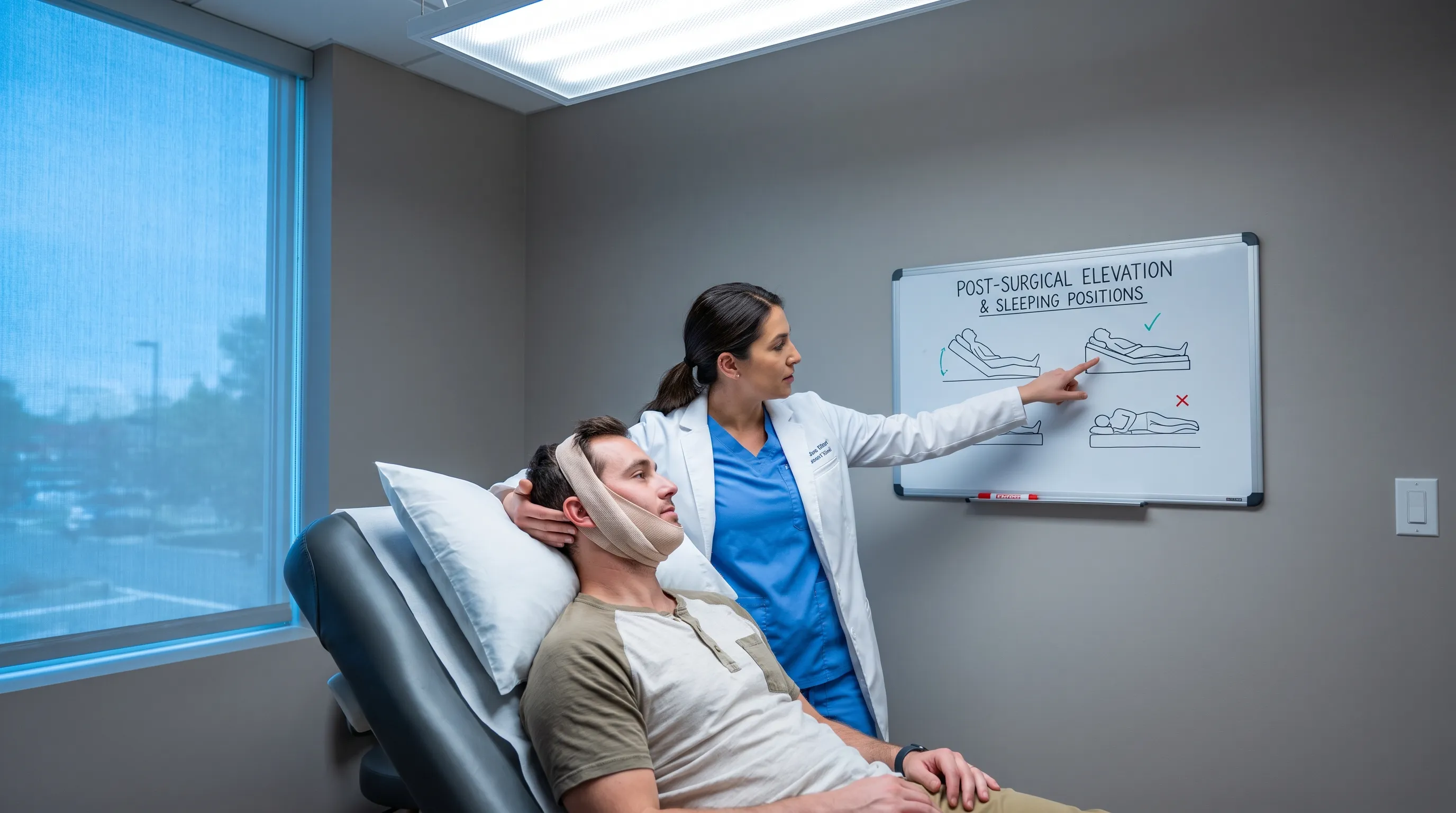
Gentle hygiene prevents bacterial colonization without disrupting the healing socket. After the first 24 hours, begin warm saltwater rinses (half teaspoon of sodium chloride dissolved in 8 ounces of lukewarm water) every 4 to 6 hours, especially after meals. Allow the solution to passively pool over the surgical sites and tilt your head to let it drain naturally; avoid vigorous swishing. Continue brushing your anterior teeth with a soft-bristled brush, carefully avoiding the extraction zones for the first 72 hours. Sleep positioning is equally critical. Prop your upper body with two to three pillows or use an adjustable bed frame to maintain a 30-degree elevation for at least the first four nights. Gravity assists lymphatic vessels in draining excess interstitial fluid away from the facial tissues, significantly reducing morning stiffness and overall edema volume.
Nutritional Guidelines for Faster Recovery
Diet directly impacts tissue regeneration, immune function, and systemic inflammation. Strategic nutritional choices during the post-operative window support rapid healing while minimizing mechanical stress on the surgical sites.
The First 72 Hours: Liquid and Soft Diet Essentials
During the initial inflammatory phase, prioritize cool, nutrient-dense liquids and pureed foods. Bone broths, Greek yogurt, unsweetened protein shakes, mashed sweet potatoes, and blended vegetable soups provide essential amino acids, zinc, and vitamin C necessary for collagen synthesis and leukocyte proliferation. Avoid foods that are excessively hot, spicy, or highly acidic, as these compounds can irritate exposed nerve endings and trigger reactive hyperemia. Consume lukewarm or room-temperature items to prevent thermal stimulation of the vascular beds. Eat slowly using a spoon positioned away from the surgical quadrants, and maintain meticulous hydration with cool water or electrolyte solutions to support optimal blood volume and lymphatic filtration.
Days 4 to 7: Transitioning to Textured Foods
As trismus decreases and edema subsides, gradually introduce semi-solid foods that require minimal mastication. Soft scrambled eggs, flaked poached fish, well-cooked oatmeal, and ripe bananas offer excellent protein and carbohydrate profiles without demanding excessive jaw movement. Continue to avoid hard, crunchy, or granular foods like nuts, seeds, chips, and crusty bread, as small particles can become lodged in the healing socket and trigger localized inflammation or secondary infection. Chew exclusively on the contralateral side to maintain distance between food and the surgical sites. Maintain your saltwater rinse protocol to flush away residual debris and maintain a clean, alkaline oral environment that discourages pathogenic bacterial growth.
Hydration Strategies and Supplements to Avoid
Proper fluid intake remains non-negotiable throughout the recovery period. Aim for 64 to 80 ounces of water daily, supplemented with herbal teas like chamomile or peppermint, which possess mild soothing and anti-spasmodic properties. Absolutely avoid alcohol, carbonated beverages, caffeine-heavy drinks, and energy supplements for at least seven to ten days post-surgery. Alcohol dehydrates systemic tissues, impairs leukocyte function, and interacts dangerously with analgesics. Caffeine acts as a vasoconstrictor that can disrupt the natural inflammatory resolution process and increase anxiety or heart rate when combined with prescription pain medications. Commercial mouthwashes containing alcohol or hydrogen peroxide should also be strictly avoided, as their cytotoxic properties destroy regenerating epithelial cells and delay socket closure.
Recognizing Complications and Warning Signs
While post-operative swelling follows a predictable trajectory, deviations from the expected recovery curve often signal complications that require prompt clinical evaluation. Early recognition and intervention prevent minor issues from progressing into severe infections or chronic bone pathology.
Dry Socket vs Normal Inflammatory Response
Alveolar osteitis, commonly referred to as dry socket, occurs when the protective blood clot dislodges or fails to form properly, exposing the underlying bone and nerve endings to oral fluids and bacteria. Unlike standard inflammatory edema, which gradually improves, dry socket presents with sudden, intense, radiating pain that often begins three to five days post-extraction. The pain typically extends to the ear, temple, or eye on the affected side and is poorly managed with standard over-the-counter analgesics. Clinical examination reveals an empty, grayish socket with visible bone and a distinct foul odor. While dry socket does not directly cause massive facial swelling, it triggers localized peri-osteal inflammation that can prolong regional discomfort and delay healing ADA extraction care guidelines. Treatment requires professional socket irrigation and placement of medicated dressings containing eugenol or benzocaine to stabilize the wound bed.
Infection Indicators and Prolonged Edema
Secondary bacterial infections manifest differently than routine surgical swelling. Warning signs include swelling that worsens after day four rather than improving, localized warmth, erythema extending beyond the immediate surgical site, purulent discharge, and systemic symptoms such as fever exceeding 101.5°F, chills, or malaise. Trismus that progressively worsens rather than gradually improving also suggests deep space infection involving the masticatory muscles. Infections in the maxillofacial region can rapidly spread into the fascial planes of the neck, potentially compromising the airway NIDCR dental infection overview. If you notice a hard, rapidly expanding mass under the jaw or along the neck, accompanied by difficulty swallowing or breathing, seek emergency medical attention immediately. Early antibiotic intervention and potential surgical drainage are critical for resolving severe post-extraction infections and preventing life-threatening complications like Ludwig's angina.
Emergency Contact Criteria
Establish clear communication channels with your oral surgeon or dental clinic before leaving the office. Do not hesitate to call your provider if you experience uncontrolled bleeding that persists beyond four hours despite continuous gauze pressure and head elevation, sudden spikes in pain that bypass prescribed medication, or swelling that creates asymmetrical facial distortion or restricts eye movement. Additionally, persistent numbness or paresthesia extending beyond 8 hours post-procedure may indicate nerve proximity issues requiring specialist evaluation. Documenting your symptoms with timestamps and photographs can provide your surgical team with valuable diagnostic information during triage calls. Knowing exactly when to escalate care ensures your safety and preserves the integrity of the healing process.
Day-by-Day Recovery Expectations
To help you track your progress objectively, the following table outlines typical clinical milestones and corresponding care actions. Individual experiences will vary based on surgical complexity and biological factors, but this framework provides a reliable benchmark for normal healing.
| Post-Op Day | Expected Symptoms | Recommended Care Protocol | Dietary Guidelines | When to Seek Evaluation |
|---|---|---|---|---|
| 1 | Bleeding oozing, mild discomfort, initial firmness | Bite gauze 30-45 min, ice cycles every 2 hours, head elevation | Cool liquids, applesauce, smooth yogurt | Bleeding soaks through gauze continuously after 4 hours |
| 2 | Peak facial swelling, jaw stiffness, bruising begins | Continue cold therapy, gentle saltwater rinses after 24 hours, NSAIDs | Blended soups, mashed potatoes, protein shakes | Fever above 101.5°F, severe radiating pain |
| 3 | Swelling stabilizes, bruising darkens, trismus persists | Transition to moist heat 3x daily, continue elevation, soft brushing | Scrambled eggs, oatmeal, flaked fish | Swelling becomes hard, hot, or rapidly expanding |
| 5 | Visible reduction in edema, improved mouth opening | Maintain heat therapy, resume gentle brushing near sites, continue rinses | Soft pasta, cooked vegetables, ripe fruits | Foul taste, pus discharge, difficulty swallowing |
| 7 | Mild residual puffiness, minimal discomfort, active epithelialization | Wean off medications as tolerated, normal oral hygiene routine | Gradually introduce tender meats, avoid hard crusts | Numbness persists beyond 24 hours, socket appears empty |
| 14 | Near-complete resolution, tissue remodeling underway | Full hygiene restoration, monitor bone healing during follow-up | Resume normal diet cautiously, maintain oral health | Persistent pain, recurrent swelling, or jaw locking |

Understanding the progression of tissue repair requires patience and consistency. Maxillofacial surgeons utilize follow-up appointments around day seven and day fourteen to evaluate epithelial closure, assess for dry socket, and confirm proper bone remodeling initiation. Attending these scheduled visits ensures your provider can intervene early if healing deviates from the expected trajectory. Comprehensive care extends far beyond the operating room, and your daily compliance with post-operative instructions remains the single most influential factor in determining how long does swelling last after wisdom teeth removal.
For patients seeking visual guidance on proper post-extraction care routines and swelling management techniques, the following instructional video provides clinically verified demonstrations of thermotherapy application and gentle oral hygiene protocols that align with current dental standards.
Frequently Asked Questions
Is it normal for swelling to peak on the third day?
Swelling typically peaks within 48 to 72 hours following wisdom tooth extraction. The inflammatory response follows a predictable physiological curve where tissue fluid accumulation reaches its maximum before gradually subsiding as lymphatic drainage increases and anti-inflammatory mediators begin to dominate the healing cascade. This peak represents the height of neutrophil activity and capillary permeability, not an indication of complications.
Can I sleep flat after wisdom teeth removal?
It is strongly recommended to keep your head elevated at a 30 to 45-degree angle for the first several nights. Lying flat increases hydrostatic pressure in the facial tissues, which exacerbates edema and delays lymphatic clearance of surgical fluids. Using extra pillows or an adjustable mattress maintains gravitational drainage, reduces morning stiffness, and significantly accelerates visible swelling reduction during the critical first week.
Should I alternate between heat and cold packs?
Cold therapy should be used exclusively during the first 24 to 48 hours to constrict blood vessels and limit fluid leakage into interstitial spaces. After day 3, transition exclusively to moist heat to promote vasodilation, improve localized circulation, and accelerate the resolution of trapped inflammatory mediators. Alternating both simultaneously during the acute phase creates conflicting vascular signals that delay healing and can increase overall edema volume.
What does it mean if swelling returns after a week?
A sudden resurgence of swelling, especially when accompanied by throbbing pain, foul odor, or purulent discharge, often indicates a secondary infection, alveolar osteitis, or localized abscess formation. Immediate clinical evaluation is required to prevent systemic spread and potential bone damage. Delayed resolution may also indicate retained root fragments or chronic low-grade inflammation requiring professional debridement or targeted antibiotic therapy.
How long does complete tissue remodeling take after extraction?
While visible facial swelling resolves within one to two weeks, complete alveolar bone regeneration and soft tissue maturation require three to six months. The gingival margin fully stabilizes, and the extraction socket fills with mature lamellar bone over this extended physiological period. Patients should maintain excellent long-term oral hygiene and attend routine dental cleanings to ensure the surrounding dentition remains healthy during the final stages of structural normalization.

Additional resources on post-operative dental care, infection prevention, and long-term oral maintenance can be found through authoritative clinical organizations. The American Dental Association provides comprehensive patient guidelines for surgical recovery at Extraction and Tooth Removal, while the American Association of Oral and Maxillofacial Surgeons offers detailed surgical protocol documentation at Wisdom Teeth Procedures. National Institute of Dental and Craniofacial Research outlines evidence-based tissue healing mechanisms at Dental Procedures Health Info. Integrating these resources into your care plan ensures you remain informed and aligned with current clinical best practices.
For those who benefit from visual reinforcement of hygiene techniques and medication timing, this educational video demonstrates proper gauze replacement, gentle irrigation methods, and dietary progression strategies recommended by board-certified oral surgeons.
Conclusion
Recovery from third molar extraction is a highly individualized process, but the fundamental biological principles governing edema resolution remain consistent across all patients. Understanding exactly how long does swelling last after wisdom teeth removal removes uncertainty and allows you to implement targeted, phase-appropriate care strategies from day one. By adhering to structured cold and heat protocols, maintaining strategic head elevation, prioritizing nutrient-dense soft foods, and avoiding disruptive habits like smoking or straw usage, you create an optimal environment for rapid tissue regeneration and minimal discomfort. Recognizing the difference between normal inflammatory progression and pathological warning signs ensures that complications are addressed promptly, preserving both your immediate comfort and long-term oral architecture. Consistency, patience, and proactive communication with your dental care team remain the cornerstones of a smooth recovery. With the right approach, you will navigate the post-operative window efficiently, returning to full function and normal daily routines with confidence and lasting oral health.
How we work
Researched and drafted with AI assistance, then reviewed by a human editor against the cited sources.
This article is general health information, not medical advice. Consult a qualified healthcare professional about your own situation.