How Fast Does Dysport Work? A Complete Timeline for Visible Results

Key points
- Avoid Blood Thinners: In the week leading up to your appointment, avoid aspirin, ibuprofen, fish oil, and vitamin E supplements, as these can increase the risk of bruising. Bruising can obscure the injection sites and make it difficult to assess early results.
- Stay Hydrated: Well-hydrated skin responds better to treatments. Drink plenty of water in the days before your appointment to ensure your skin is plump and healthy.
- Communicate Your Goals: Be clear with your provider about your desired outcome. Do you want a completely frozen look or a natural, softened appearance? This helps the provider tailor the dosage and placement for your specific needs.
In the evolving landscape of aesthetic medicine, the quest for a youthful, refreshed appearance often leads individuals to explore neuromodulators, with Dysport emerging as a prominent contender. For those considering this treatment, one of the most pressing questions is not just about safety or cost, but specifically about timing: how fast does Dysport work? Understanding the timeline of efficacy is crucial for managing expectations, planning for special events, and evaluating the value of the procedure. Unlike surgical interventions that require lengthy recovery periods, injectable treatments like Dysport offer a minimally invasive path to rejuvenation, but they operate on a biological clock that differs from immediate fillers or topical creams.
The anticipation of seeing wrinkles smooth out can be intense, especially when preparing for weddings, reunions, or professional milestones. Knowing the precise onset of action helps patients align their treatment schedules with their life events. While many assume all neurotoxins behave identically, Dysport has unique pharmacokinetic properties that distinguish its speed of onset and diffusion characteristics. This comprehensive guide delves deep into the mechanics of abobotulinumtoxinA, the active ingredient in Dysport, to answer the critical question of how fast does Dysport work. We will explore the scientific basis for its rapid action, compare it to other leading brands, outline the day-by-day progression of results, and provide actionable advice to optimize your outcomes. Whether you are a first-time user or a seasoned veteran of cosmetic injectables, understanding the temporal dynamics of this treatment is essential for achieving satisfaction and confidence in your aesthetic journey.
Understanding the Mechanism: How Dysport Functions Biologically
To fully grasp how fast Dysport works, it is essential to first understand the biological mechanism behind its action. Dysport is a prescription medicine that is injected into the muscle to temporarily improve the look of moderate to severe frown lines between the eyebrows (glabellar lines) in adults [1]. It contains abobotulinumtoxinA, a purified protein derived from the bacterium Clostridium botulinum. While the name might sound alarming, the substance is highly refined and used in minute, controlled doses to achieve therapeutic and cosmetic benefits without causing systemic illness.
Free calculatorDosage CalculatorCalculate medication dosageOpen the calculatorThe primary function of Dysport is to block the release of acetylcholine, a neurotransmitter responsible for signaling muscle contraction. When you make a facial expression, such as frowning or squinting, your brain sends signals through nerves to specific facial muscles. These nerves release acetylcholine, which binds to receptors on the muscle cells, causing them to contract. Over time, repetitive contractions lead to the formation of dynamic wrinkles, such as crow's feet and forehead lines. Dysport intervenes in this process by binding to the nerve endings and preventing the release of acetylcholine. Without this chemical signal, the muscle cannot contract, leading to relaxation and the subsequent smoothing of the overlying skin [2].
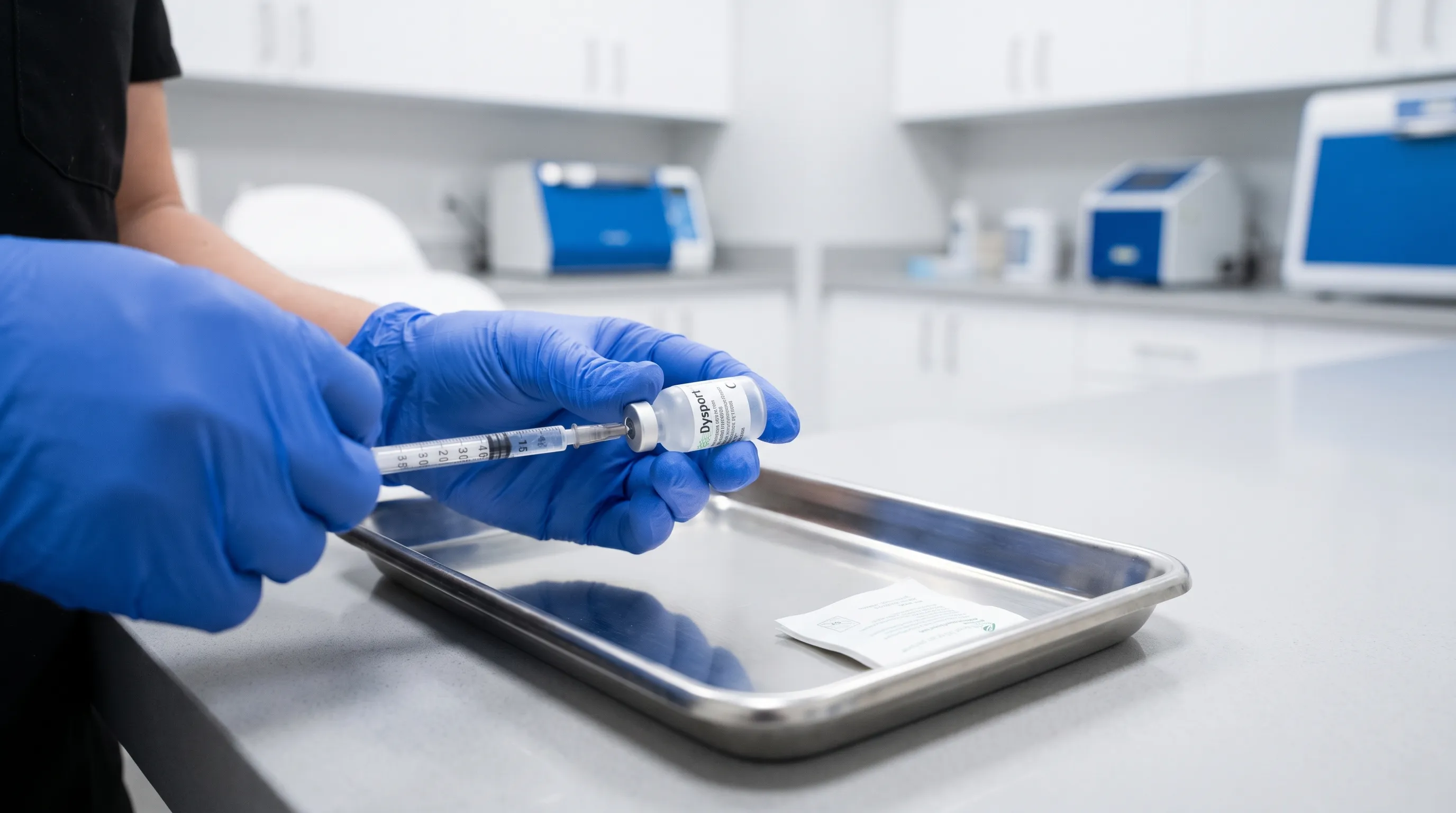
The speed at which this blockade occurs is influenced by several factors, including the molecular size of the toxin complex and its ability to diffuse through tissue. Dysport is known for having a smaller protein complex size compared to some other neuromodulators. This characteristic is often cited as a reason for its potentially faster onset and broader diffusion pattern. The smaller complex may allow the toxin to penetrate the neuromuscular junction more rapidly, initiating the blockade of acetylcholine release sooner than larger complexes. However, it is important to note that while the molecular structure plays a role, individual physiological factors such as muscle mass, metabolism, and previous exposure to neurotoxins also significantly impact the timeline.
Furthermore, the preparation and dilution of Dysport by the injector can influence its performance. Proper reconstitution ensures that the toxin is active and ready to bind effectively upon injection. An experienced practitioner will follow strict protocols to maintain the integrity of the product, ensuring that the biological mechanism functions as intended. Understanding this underlying science helps patients appreciate why the results are not instantaneous; the body needs time to internalize the toxin, block the neurotransmitters, and for the existing muscle tension to dissipate. This biological lag is why the question of how fast Dysport works does not have an answer of "immediately," but rather a progression over several days.
The Typical Timeline: From Injection to Peak Results
When patients ask how fast Dysport works, they are usually looking for a specific timeframe. While individual experiences vary, clinical data and patient reports provide a general timeline that can serve as a reliable benchmark. The journey from injection to peak results is a gradual process, characterized by distinct phases of onset, progression, and stabilization.
Days 1-2: The Initial Onset
For many patients, the earliest signs of Dysport taking effect can be observed within 24 to 48 hours. During this period, you may notice a slight reduction in the intensity of your muscle movements. For example, if you were previously able to furrow your brow deeply, you might find that the movement feels slightly restricted or weaker. It is important to manage expectations during this phase; significant visual changes are rare within the first two days. The toxin is actively binding to the nerve endings, but the existing muscle tension has not yet fully resolved. Some patients report feeling a sense of "heaviness" or mild tightness in the treated area, which is a normal sensation indicating that the muscle is beginning to relax.
Days 3-5: Visible Improvements
By the third to fifth day, the effects of Dysport become more apparent. This is the window where most patients begin to see a noticeable softening of wrinkles. The dynamic lines that appear when you make expressions start to fade, and the skin begins to look smoother. If you are treating glabellar lines (the "11s" between the eyebrows), you may find that you can no longer crease this area as deeply as before. This phase is often described as the "sweet spot" for initial satisfaction, as the changes are visible enough to be encouraging but still evolving. The speed at which this stage is reached is a key differentiator for Dysport, with many users reporting faster visibility compared to other neuromodulators.
Days 7-14: Peak Effect
The full therapeutic benefit of Dysport is typically realized between 7 and 14 days post-injection. By this time, the blockade of acetylcholine is complete, and the targeted muscles are maximally relaxed. The skin appears significantly smoother, and static lines (wrinkles present even when the face is at rest) may also show improvement due to the lack of repetitive folding. This is the standard timeframe recommended by clinicians for follow-up appointments. If you feel that the results are asymmetric or insufficient, your provider will wait until at least day 14 to assess whether a touch-up is necessary. Assessing results before this point can lead to premature conclusions, as the toxin is still settling into its final state.
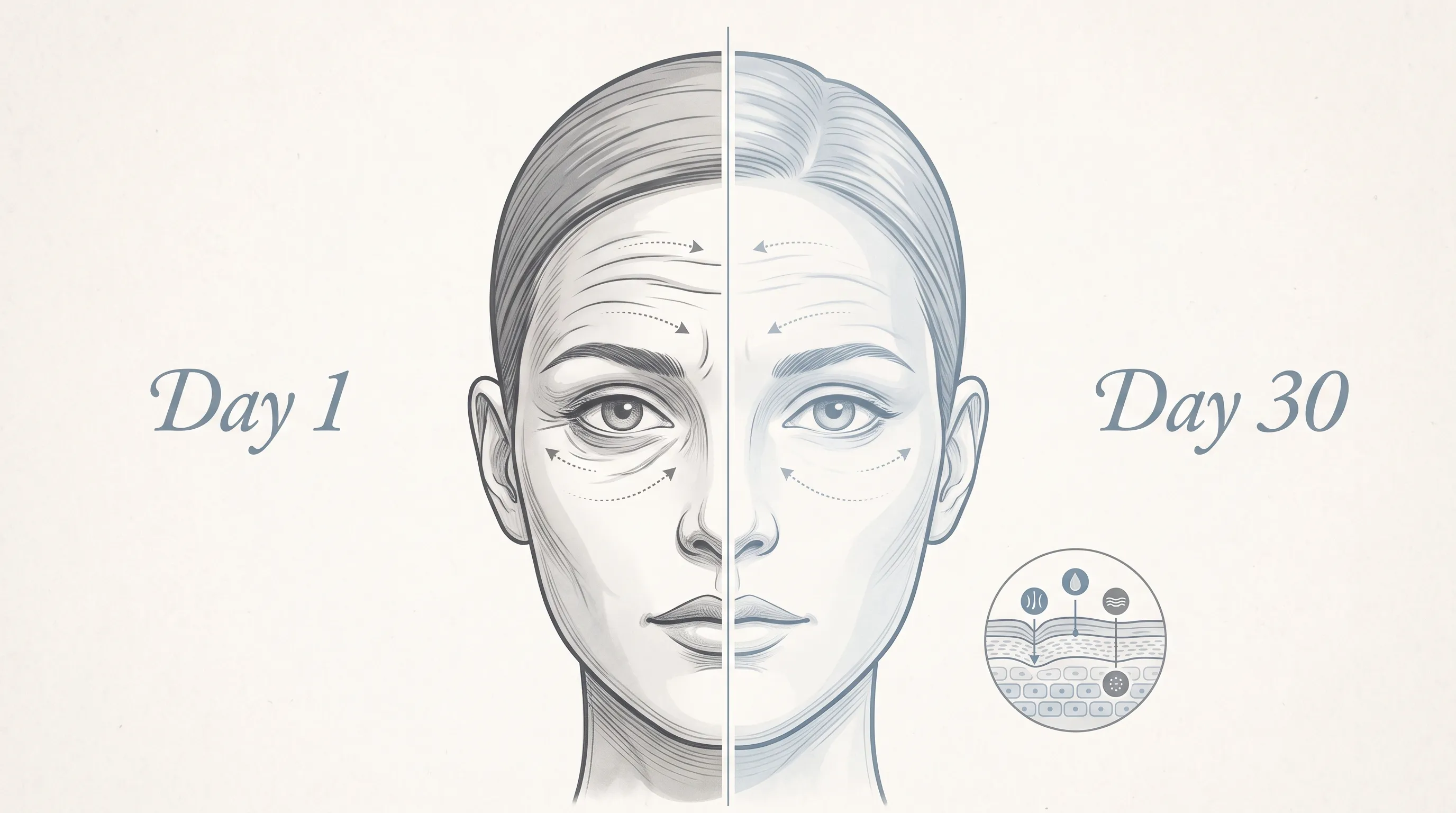
Understanding this timeline is crucial for answering how fast Dysport works in the context of personal planning. If you have a major event coming up, scheduling your appointment at least two weeks in advance ensures that you will be at your peak result on the big day. Rushing the process by injecting too close to an event can result in being in the transitional phase, where results may not yet be fully optimized.
Comparing Speed: Dysport vs. Botox and Other Neuromodulators
One of the most common comparisons in aesthetic medicine is between Dysport and Botox (onabotulinumtoxinA). Both are FDA-approved neuromodulators used to treat moderate to severe frown lines, but they have distinct differences in formulation and performance. A frequent query among patients is how fast Dysport works relative to Botox? Clinical studies and anecdotal evidence suggest that Dysport may have a slightly faster onset of action.
Botox typically takes 3 to 5 days to show initial effects, with full results appearing in 10 to 14 days. In contrast, Dysport users often report seeing changes within 24 to 48 hours, with full results also stabilizing within two weeks. This difference in speed is attributed to the smaller protein complex size of Dysport, which may allow for quicker uptake by the nerve terminals. Additionally, Dysport is known for its higher diffusion rate, meaning it spreads more easily from the injection site. This can be advantageous for treating larger areas like the forehead, as it may require fewer injection points to achieve uniform coverage. However, higher diffusion also requires a skilled injector to ensure the product does not migrate to unintended muscles, which could cause side effects like drooping eyelids.
Other neuromodulators, such as Xeomin (incobotulinumtoxinA) and Jeuveau (prabotulinumtoxinA), also occupy the market. Xeomin is known for being a "pure" neurotoxin without accessory proteins, which some theorists suggest might lead to faster action, but clinical data generally places its onset similar to Botox. Jeuveau, often marketed as a biosimilar to Botox, follows a comparable timeline. When evaluating how fast Dysport works against these alternatives, it consistently ranks among the fastest for initial onset, making it a preferred choice for patients who want to see quick improvements.
| Feature | Dysport | Botox | Xeomin | Jeuveau |
|---|---|---|---|---|
| Active Ingredient | AbobotulinumtoxinA | OnabotulinumtoxinA | IncobotulinumtoxinA | PrabotulinumtoxinA |
| Onset of Action | 24-48 hours | 3-5 days | 3-5 days | 3-5 days |
| Peak Results | 7-14 days | 10-14 days | 10-14 days | 10-14 days |
| Duration | 3-4 months | 3-4 months | 3-4 months | 3-4 months |
| Diffusion | Higher | Moderate | Lower | Moderate |
| Protein Complex | Smaller | Larger | Pure (no accessory proteins) | Similar to Botox |
It is important to note that while Dysport may work faster, the total duration of results is generally comparable across all these brands, lasting approximately 3 to 4 months. Individual variation plays a significant role, and what works fastest for one person may not hold true for another. Factors such as muscle strength, metabolic rate, and previous exposure to neurotoxins can influence both the speed and longevity of the treatment. Therefore, the choice between Dysport and other options should be made in consultation with a qualified provider who can assess your specific anatomical needs and aesthetic goals.
Factors Influencing the Speed of Results
While the general timeline provides a useful framework, the question of how fast Dysport works is highly individualized. Several factors can accelerate or delay the onset of results. Understanding these variables can help patients optimize their experience and troubleshoot if results seem slower than expected.
Muscle Mass and Strength
Individuals with stronger, more developed facial muscles may experience a slightly slower onset or require higher doses to achieve the same level of relaxation. Stronger muscles have more nerve endings and greater contractile force, which may take longer to fully inhibit. Conversely, those with finer lines and weaker muscles may see faster and more dramatic results. This is particularly relevant for men or individuals who have engaged in extensive facial expression habits over years.
Metabolic Rate
Your body's metabolism plays a crucial role in how quickly it processes and responds to medications. Individuals with faster metabolisms may break down the toxin more quickly, potentially affecting both the onset and duration. While a fast metabolism might not drastically change the initial onset time, it can influence how long the results last. Hydration levels and overall health also contribute to metabolic efficiency, suggesting that maintaining a healthy lifestyle can support optimal treatment outcomes.
Previous Exposure to Neurotoxins
Patients who have previously received Botox or Dysport may experience faster onset times in subsequent treatments. This phenomenon is sometimes referred to as "priming" the muscle. With repeated treatments, the neuromuscular junction may become more susceptible to the toxin, or the patient may become more attuned to noticing subtle changes. First-time users might take a few days longer to recognize the effects simply because they are unfamiliar with the sensation of muscle relaxation.
Injector Technique and Dosage
The skill of the injector is paramount. Precise placement of the injection into the target muscle ensures that the toxin reaches the intended nerve endings efficiently. Incorrect placement can lead to delayed or ineffective results. Additionally, the dosage must be appropriate for the individual's muscle strength and area being treated. Under-dosing may result in minimal effect, while over-dosing can increase the risk of side effects without necessarily speeding up the onset. Trusting an experienced, board-certified provider is essential for ensuring that the treatment is administered correctly for optimal speed and efficacy.
Post-Treatment Care
How you care for your skin and body immediately after the injection can influence how fast Dysport works. Engaging in vigorous exercise, exposing the area to high heat, or rubbing the injection site can cause the product to migrate or disperse unevenly, potentially delaying results or causing complications. Adhering to post-care instructions, such as remaining upright for four hours and avoiding strenuous activity for 24 hours, helps keep the toxin localized and allows it to bind effectively.
Practical Tips to Optimize Your Dysport Experience
Maximizing the effectiveness and speed of your Dysport treatment involves more than just the injection itself. Pre- and post-treatment strategies can significantly impact your results. Here are actionable tips to ensure you get the best possible outcome.
Pre-Treatment Preparation
- Avoid Blood Thinners: In the week leading up to your appointment, avoid aspirin, ibuprofen, fish oil, and vitamin E supplements, as these can increase the risk of bruising. Bruising can obscure the injection sites and make it difficult to assess early results.
- Stay Hydrated: Well-hydrated skin responds better to treatments. Drink plenty of water in the days before your appointment to ensure your skin is plump and healthy.
- Communicate Your Goals: Be clear with your provider about your desired outcome. Do you want a completely frozen look or a natural, softened appearance? This helps the provider tailor the dosage and placement for your specific needs.
Immediate Post-Treatment Care
- Keep Upright: Remain upright for at least 4 hours after the injection. This prevents the toxin from migrating to other areas, such as the eyelids, which could cause drooping.
- Exercise the Muscles: Some providers recommend gently exercising the treated muscles (e.g., frowning, raising eyebrows) for the first hour after injection. This theory suggests that muscle activity helps pull the toxin into the nerve endings, potentially speeding up the onset. However, always follow your specific provider's advice, as recommendations can vary.
- Avoid Heat and Pressure: Stay away from saunas, hot tubs, and intense workouts for 24 hours. Heat increases blood flow, which can disperse the toxin too quickly. Avoid rubbing or massaging the treated area to prevent migration.
Long-Term Maintenance
- Schedule Follow-Ups: Book your next appointment before you leave the clinic. Consistency is key to maintaining results. Regular treatments can lead to longer-lasting effects over time as the muscles train themselves to relax.
- Sun Protection: Protect your skin from UV damage, which can break down collagen and exacerbate wrinkles. Use a broad-spectrum sunscreen daily to preserve the smoothness achieved by Dysport.
- Skincare Routine: Incorporate retinoids and antioxidants into your skincare routine to support skin health and enhance the overall aesthetic benefit of the treatment.
Safety Considerations and Potential Side Effects
While Dysport is generally safe and well-tolerated, it is a medical procedure that carries potential risks. Understanding these risks is part of responsible decision-making. Common side effects include injection site pain, swelling, redness, and bruising. These are typically mild and resolve within a few days. More serious but rare side effects include headache, flu-like symptoms, and eyelid drooping (ptosis). Ptosis usually occurs if the toxin migrates to the muscles that lift the eyelid, highlighting the importance of skilled injection technique and proper post-care [3].
If you experience any unusual symptoms, such as difficulty swallowing, speaking, or breathing, seek medical attention immediately, as these could be signs of the toxin spreading beyond the injection site. Although rare, this underscores the need for treatment by a qualified healthcare professional in a controlled medical setting. Always disclose your full medical history, including any neuromuscular disorders, allergies, or current medications, to your provider before undergoing treatment.
Frequently Asked Questions
How fast does Dysport work compared to Botox?
Dysport typically begins to work faster than Botox. Many patients notice initial improvements within 24 to 48 hours, whereas Botox often takes 3 to 5 days to show visible effects. However, both reach their full peak effect within two weeks. The faster onset of Dysport is often attributed to its smaller protein complex size, which may allow for quicker uptake by nerve endings.
When will I see the full results of my Dysport injection?
While you may see early signs of improvement within a few days, the full results of Dysport are typically visible between 7 to 14 days after the injection. It is important to wait at least two weeks before assessing the final outcome or considering a touch-up. This waiting period allows the toxin to fully bind and the muscles to reach maximum relaxation.
Does Dysport wear off faster than Botox?
The duration of Dysport is generally comparable to Botox, lasting approximately 3 to 4 months for most patients. Individual metabolism, muscle strength, and injection technique can influence how long the results last, but one does not significantly wear off faster than the other in clinical studies. Some patients report Dysport lasting slightly longer due to its diffusion pattern, but this varies widely.
Can I speed up how fast Dysport works?
There is no proven method to significantly accelerate the biological mechanism of Dysport. However, engaging the treated muscles gently in the first few hours after injection may help the product bind to the nerve endings, though this should only be done if approved by your provider. Avoiding heat and strenuous exercise immediately after is crucial to prevent migration, which could delay or compromise results.
What should I avoid doing after getting Dysport to ensure it works properly?
To ensure optimal results, avoid rubbing or massaging the treated area for 24 hours, avoid strenuous exercise, excessive heat (saunas, hot yoga), and lying flat for at least 4 hours post-injection. These precautions prevent the toxin from migrating to unintended muscles. Additionally, avoid alcohol and blood-thinning supplements for 24 hours to minimize bruising.
Conclusion
In conclusion, understanding how fast Dysport works is essential for anyone considering this popular aesthetic treatment. With an onset of action typically beginning within 24 to 48 hours and peak results achieved within 7 to 14 days, Dysport offers a relatively quick path to a smoother, more youthful appearance. Its unique formulation allows for rapid uptake and effective muscle relaxation, distinguishing it from other neuromodulators in terms of speed. However, individual results vary based on factors such as muscle strength, metabolism, and injector expertise.
By following pre- and post-treatment guidelines, choosing a qualified provider, and maintaining realistic expectations, patients can maximize the benefits of Dysport. Whether you are looking to soften frown lines, forehead wrinkles, or crow's feet, Dysport provides a reliable and efficient solution. Remember that aesthetic enhancement is a journey, and consistent care combined with professional guidance yields the best long-term outcomes. As you embark on this journey, keep in mind that patience is key; allowing the treatment the full two weeks to settle ensures you can fully appreciate the transformative power of Dysport.
References
[1] U.S. Food and Drug Administration. (2023). Dysport (abobotulinumtoxinA) Prescribing Information. Retrieved from accessdata.fda.gov
[2] National Institutes of Health. (n.d.). Botulinum Toxin Mechanism of Action. National Library of Medicine. Retrieved from https://www.ncbi.nlm.nih.gov/pmc/articles/PMC3011296/
[3] Mayo Clinic. (2023). Botox and other wrinkle reducers. Retrieved from https://www.mayoclinic.org/tests-procedures/botox/about/pac-20384658
How we work
Researched and drafted with AI assistance, then reviewed by a human editor against the cited sources.
This article is general health information, not medical advice. Consult a qualified healthcare professional about your own situation.