Does Coconut Oil Whiten Teeth? Science, Safety, and Evidence-Based Guide

In recent years, the quest for a naturally radiant smile has driven millions of people to explore holistic oral care alternatives, and one remedy consistently dominates wellness conversations across social platforms, holistic clinics, and traditional medicine forums alike. If you have searched online for natural dental care solutions, you have likely encountered the persistent question: does coconut oil whiten teeth? This trend is not entirely new. It is deeply rooted in ancient Ayurvedic medicine, where a practice known as oil pulling has been utilized for thousands of years to detoxify the oral cavity and promote systemic wellness. Today, modern consumers are drawn to it because it promises chemical-free stain removal, antimicrobial protection, and a budget-friendly alternative to expensive professional whitening systems. However, separating marketing hype from scientifically verified outcomes is essential for making informed decisions about your dental routine. Understanding the biochemical mechanisms, clinical research, and realistic expectations surrounding this practice will help you navigate the crowded landscape of at-home teeth care safely and effectively. In this comprehensive guide, we will dissect the exact science behind lipid-based oral cleansing, examine peer-reviewed dental studies, provide step-by-step implementation protocols, and clarify how coconut oil interacts with tooth structure, plaque biofilms, and enamel health. Whether you are looking to maintain a naturally brighter smile, reduce gingival inflammation, or simply optimize your daily hygiene regimen, this evidence-based breakdown will give you the clarity and actionable strategies you need.
The Science of Coconut Oil and Oral Chemistry
To truly understand whether this natural lipid solution delivers noticeable aesthetic improvements, we must first examine its molecular composition and how it behaves within the complex environment of the human mouth. Oral chemistry is highly dynamic, influenced by salivary enzymes, dietary residues, bacterial metabolism, and the acidic fluctuations that occur throughout the day. Introducing a fatty substance into this ecosystem triggers specific biochemical reactions that can alter plaque formation, bacterial colonization, and surface stain adherence. By exploring the structural properties of coconut-derived lipids, we can separate anecdotal claims from physiological realities and build a foundation for safe, effective daily application.
Free calculatorBMI CalculatorCalculate Body Mass IndexOpen the calculatorFatty Acid Composition and Antimicrobial Action
Coconut oil is primarily composed of medium-chain triglycerides, with lauric acid accounting for roughly 45 to 53 percent of its total fatty acid profile. When introduced to the oral cavity, salivary enzymes begin breaking down these triglycerides into monolaurin, a compound extensively studied for its potent antimicrobial and antiviral properties. Monolaurin disrupts the lipid membranes of gram-positive bacteria, including Streptococcus mutans, Porphyromonas gingivalis, and Lactobacillus species, which are heavily implicated in dental caries, halitosis, and periodontal inflammation. Research published in peer-reviewed dental journals demonstrates that regular exposure to lauric acid significantly reduces bacterial adherence to dental enamel, effectively limiting the initial stages of plaque biofilm development. Because plaque acts as a sticky matrix that traps pigments from coffee, tea, red wine, and tobacco, reducing its density naturally helps minimize the accumulation of extrinsic surface discoloration. This antimicrobial mechanism does not directly bleach the tooth structure, but it creates a cleaner enamel environment that reflects light more evenly and resists rapid staining. You can explore the detailed antimicrobial research at the National Institutes of Health (NIH) for a deeper understanding of how lipid-based compounds interact with oral pathogens.
The Biochemistry of Lauric Acid in Saliva
When you introduce coconut oil into your mouth, it does not remain a static substance. Salivary amylase and lingual lipases begin emulsifying the oil immediately, transforming it into a thinner, more mobile fluid capable of penetrating interproximal spaces, gingival sulci, and microscopic surface irregularities. This emulsification process allows the lipid solution to coat the oral mucosa and enamel, creating a temporary hydrophobic barrier that repels water-soluble stain molecules. Additionally, the slight alkaline buffering capacity of the oil helps neutralize transient acidic drops caused by fermentable carbohydrates, thereby protecting enamel demineralization that can make teeth appear dull and porous. The biochemical interaction between lauric acid derivatives and calcium hydroxyapatite crystals in enamel remains mild, which is why this approach is widely considered gentle and suitable for individuals with sensitive dentition. However, it is crucial to recognize that these chemical interactions are preventative and maintenance-oriented rather than transformative. The lipid matrix cannot penetrate dentin tubules or alter intrinsic pigmentation, which addresses a critical limitation when evaluating whether coconut oil delivers clinical-grade whitening results.
Historical Context and Modern Validation
Oil pulling, or Gandusha, has been practiced in Ayurvedic medicine for centuries, traditionally utilizing sesame or sunflower oils to draw out impurities, strengthen gingival tissue, and balance oral pH levels. The modern adaptation of this practice with coconut oil emerged as a response to growing consumer demand for plant-based, minimally processed personal care alternatives. Contemporary clinical trials have begun validating several traditional claims, particularly regarding plaque index reduction and gingival bleeding improvement. Studies consistently show a measurable decrease in Streptococcus mutans colonies after consistent daily swishing over three to four weeks. Global oral health guidelines emphasize the importance of early plaque disruption and microbiome balance, as detailed by the World Health Organization (WHO). While these findings confirm robust antimicrobial and anti-inflammatory benefits, they also highlight that aesthetic improvements are secondary to structural and microbial improvements. The transition from ancient wellness tradition to evidence-based dental hygiene requires careful interpretation, ensuring that users do not expect instantaneous color transformation when the real value lies in sustained oral microbiome balance and periodontal resilience.
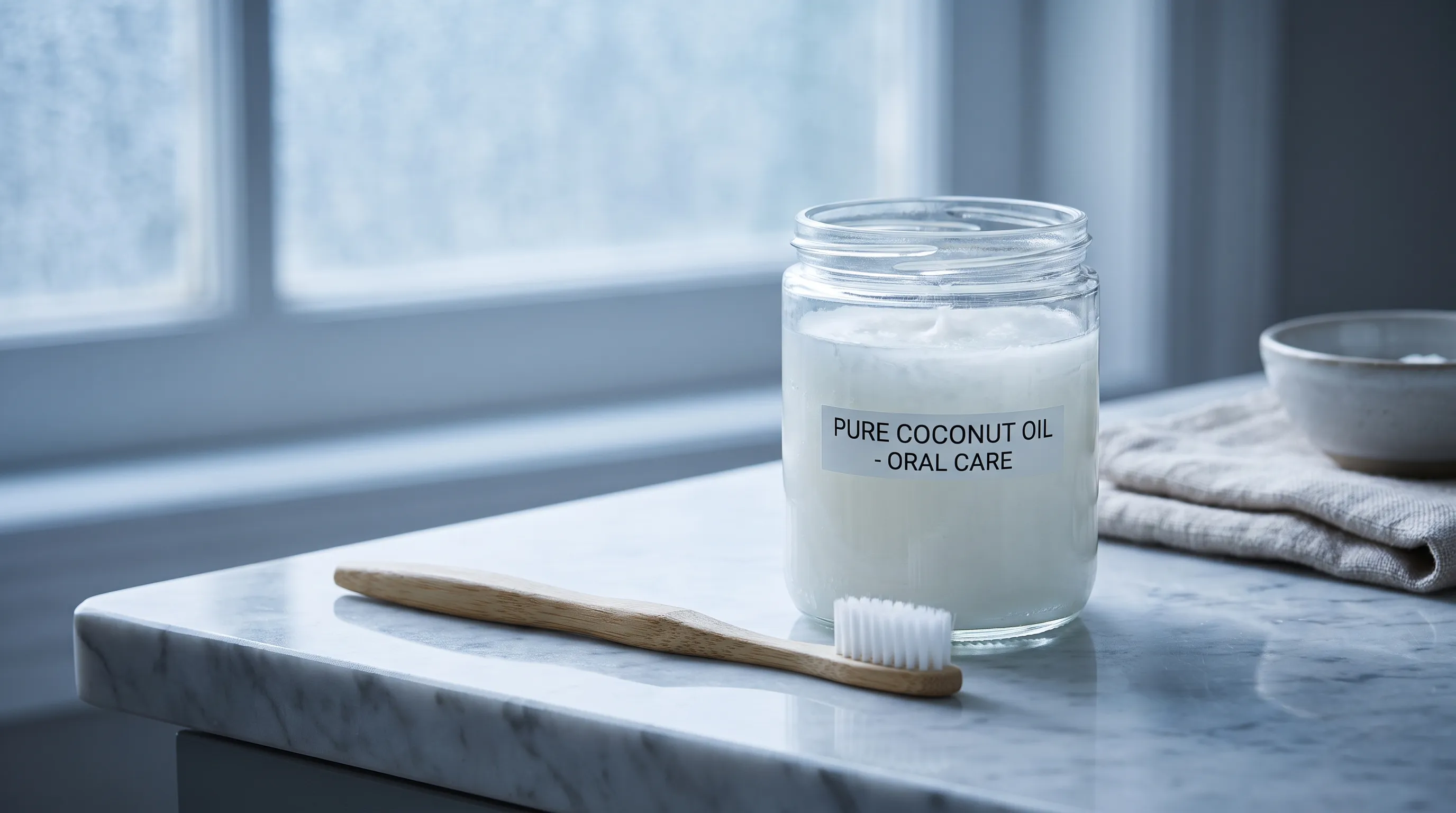
Does Coconut Oil Whiten Teeth: Separating Fact from Fiction
When people ask if this natural remedy brightens their smile, they are usually hoping for a safe, chemical-free alternative to peroxide-based trays and professional laser treatments. The answer requires a nuanced understanding of tooth coloration, stain classification, and the limitations of lipid-based surface treatments. By clarifying what the remedy can and cannot do, you can set realistic expectations and avoid the frustration that comes from unmet aesthetic goals.
Extrinsic vs. Intrinsic Stains Explained
Dental discoloration is broadly categorized into two types: extrinsic and intrinsic. Extrinsic stains sit on the outer enamel surface and originate from environmental factors like chromogenic foods, beverages, tobacco use, and inadequate brushing. Intrinsic stains form beneath the enamel within the dentin layer and result from trauma, excessive fluoride exposure, tetracycline antibiotic use, aging, or genetic enamel variations. Natural lipid treatments primarily interact with the outermost microporous layer of enamel, meaning they can only address extrinsic discoloration through gentle lipid-soluble binding and mechanical rinsing. The oil swishes over the tooth surface, lifting loosely adhered pigment molecules and preventing new deposits from settling into plaque matrices. However, when you wonder does coconut oil whiten teeth, it is vital to recognize that no topical natural remedy can penetrate deep into dentin to alter intrinsic pigmentation. True clinical whitening requires oxidizing agents like hydrogen peroxide or carbamide peroxide to break down large chromophore molecules at a molecular level, a mechanism entirely different from lipid-based cleansing.
What the Clinical Research Actually Shows
Multiple peer-reviewed studies have investigated the effects of coconut oil pulling on oral hygiene parameters. A randomized controlled trial published in a recognized dental research journal demonstrated a statistically significant reduction in plaque index and gingival index scores among participants who oil pulled for twenty minutes daily over four weeks. Bacterial cultures also revealed decreased colony counts of cariogenic pathogens. Interestingly, visual assessments by dental professionals noted slight improvements in overall tooth brightness, but these changes were attributed to plaque removal and improved enamel clarity rather than actual bleaching. Another systematic review highlighted that while oil pulling improves gingival health and reduces oral malodor, it does not match the color change efficacy measured by standardized shade guides used in cosmetic dentistry. The consensus among dental researchers is clear: lipid cleansing supports oral homeostasis, which indirectly enhances light reflection off clean enamel, but it does not chemically alter tooth color. For comprehensive clinical data on oral hygiene outcomes, visit the Mayo Clinic's dental health guide.
Managing Realistic Expectations
Many consumers abandon natural oral routines prematurely because they expect dramatic shade shifts within days. Sustainable dental wellness operates on a timeline of weeks and months, not hours. When properly implemented, coconut oil can gradually restore your teeth to their natural baseline shade by stripping away accumulated daily staining and preventing rapid plaque buildup. Individuals with naturally lighter enamel, minimal extrinsic staining, and consistent hygiene habits tend to notice the most visible brightness improvements. Conversely, those with tetracycline staining, fluorosis, heavily pigmented dietary habits, or thick enamel deposits will likely see minimal color change. Accepting that this practice optimizes oral health first and secondarily supports a cleaner, more reflective surface allows you to measure success by gingival tone, reduced bleeding, and sustained plaque control rather than chasing artificial whitening benchmarks. If your primary goal remains significant shade elevation, integrating this natural method alongside conventional stain-preventative strategies yields the most balanced results.
Comprehensive Oral Health Benefits Beyond Color
While aesthetic enhancement drives initial curiosity, the true clinical value of coconut oil lies in its multifaceted support for periodontal stability, enamel integrity, and oral microbiome balance. Understanding these systemic benefits helps contextualize why dental professionals increasingly acknowledge lipid-based rinsing as a legitimate adjunct to daily hygiene.
Plaque Biofilm Disruption
Dental plaque is a highly structured microbial community embedded in a self-produced polymeric matrix of polysaccharides, proteins, and lipids. This biofilm adheres firmly to enamel and acts as a protective environment for acid-producing bacteria. Mechanical disruption through brushing remains essential, but lipid solutions can penetrate the hydrophobic regions of early biofilm formation, destabilizing the matrix and reducing bacterial cohesion. Regular swishing prevents the biofilm from maturing into hardened calculus, which requires professional scaling for removal. By keeping plaque in its initial, easily removable state, coconut oil indirectly reduces the risk of demineralization, enamel erosion, and the yellow-brown discoloration that mature biofilms often impart.
Gum Health and Gingivitis Prevention
Inflammation of the gingival tissue is primarily triggered by prolonged plaque accumulation and the subsequent immune response to bacterial toxins. Clinical measurements consistently show that oil pulling reduces bleeding on probing, decreases gingival index scores, and lowers inflammatory cytokine expression in periodontal tissues. The anti-inflammatory properties of monolaurin, combined with improved microbial balance, create a favorable environment for gingival healing and attachment maintenance. Healthier gums also improve the visual harmony of your smile, as inflamed, swollen, or recessed tissue can make even naturally white teeth appear dull or uneven. Supporting periodontal resilience through lipid cleansing complements mechanical interdental cleaning and contributes to long-term structural preservation.
Enamel Protection Through Natural Lubrication
The oral cavity experiences constant mechanical and chemical stress from mastication, temperature fluctuations, and acidic challenges. A temporary lipid coating on the enamel surface provides mild lubrication during brushing, potentially reducing abrasive wear when paired with soft-bristled tools. Additionally, by neutralizing post-meal acidity and limiting bacterial acid production, coconut oil helps maintain the critical pH threshold required for enamel remineralization. Preserving mineral density ensures that enamel remains smooth and translucent, which is essential for optimal light transmission and a naturally bright appearance. You can review evidence-based guidance on enamel preservation and oil pulling practices at the Cleveland Clinic's oral health resource.
Step-by-Step Guide to Safe Oil Pulling
Proper technique maximizes therapeutic benefits while minimizing discomfort, muscle fatigue, and potential complications. Implementing a structured routine ensures consistency, safety, and measurable improvements over time.
Preparing Your Materials and Mindset
Start with one to two tablespoons of high-quality, unrefined, virgin coconut oil. The oil should be cold-pressed and free of additives to ensure optimal lauric acid concentration. If the oil is solid at room temperature, warm it gently by placing the container in a bowl of warm water for a few minutes until it reaches a liquid or semi-soft consistency. Avoid microwaving, as excessive heat can degrade beneficial compounds. Choose a quiet morning routine, ideally before eating or drinking anything, to maximize antimicrobial contact time and prevent dilution of the lipid solution. Set a comfortable timer and prepare a small cup or container for disposal after swishing. Maintaining a calm posture and relaxed jaw muscles prevents temporomandibular strain during the session.
The Correct Technique and Duration
Place the measured oil in your mouth and begin swishing gently, pulling it through your teeth and across all surfaces of the oral cavity. The motion should resemble natural mouthwash use, avoiding vigorous force that could cause muscle fatigue or joint discomfort. Continue swishing for fifteen to twenty minutes. Beginners may start with ten minutes and gradually increase duration as jaw endurance improves. During this period, the oil will gradually thicken as it mixes with saliva and emulsifies, which is a normal physiological response. Avoid gargling deeply to prevent accidental aspiration. Once the time expires, spit the mixture into a trash can rather than the sink to prevent pipe clogging. Rinse your mouth thoroughly with warm water, then proceed with your standard brushing routine to remove any residual lipids and detached debris.
Troubleshooting Common Beginner Issues
Many newcomers experience jaw soreness, nausea, or excessive gagging during initial sessions. These symptoms typically resolve within a few days as the masticatory muscles adapt to prolonged movement. If nausea occurs, reduce the oil volume to one tablespoon and ensure the oil is at room temperature. Swallowing used oil is strongly discouraged, as it contains trapped bacteria, metabolic byproducts, and digestive enzymes that can cause mild gastrointestinal discomfort. Always spit the mixture completely before rinsing. Consistency matters more than intensity; even twelve to fifteen minutes of daily practice yields measurable oral hygiene improvements over four to six weeks. For additional clinical guidance on integrating adjunctive rinses into your routine, consult the CDC's recommendations on mouthwash and daily oral care.

Comparing Natural Remedies to Clinical Whitening
Understanding how coconut oil fits into the broader landscape of smile enhancement requires a clear comparison between natural lipid cleansing and evidence-based cosmetic dental treatments. Each approach serves different goals, operates through distinct mechanisms, and requires varying time commitments and financial investments.
Ingredient Breakdown and Mechanism Comparison
| Feature | Coconut Oil Pulling | Peroxide-Based Whitening Strips | Professional Dental Bleaching |
|---|---|---|---|
| Active Agent | Lauric acid / Monolaurin | Hydrogen / Carbamide Peroxide | High-concentration Peroxide + Light Activation |
| Primary Action | Biofilm disruption, stain prevention | Molecular oxidation of chromophores | Deep enamel penetration & rapid oxidation |
| Onset of Results | 4 to 8 weeks | 3 to 14 days | Immediate to 24 hours |
| Safety Profile | Very high, non-abrasive | Moderate, may cause temporary sensitivity | Requires professional supervision |
| Best For | Daily maintenance, gum health, mild extrinsic stain control | Targeted shade improvement at home | Significant intrinsic/extrinsic correction |
When Professional Care is Necessary
Natural methods excel at prevention and maintenance but cannot address advanced discoloration, enamel hypoplasia, or deep staining from systemic medications. If you notice persistent yellowing, grayish tones, or uneven coloration despite diligent home care, a dental evaluation is necessary. Dentists can diagnose underlying causes, recommend customized tray-based bleaching, or explore veneer options when enamel structure has been permanently altered. Understanding the limitations of lipid-based cleansing prevents delayed treatment for conditions that require clinical intervention.
Integrating Natural Care Into Daily Routines
Rather than viewing coconut oil as a standalone whitening solution, position it as a foundational hygiene adjunct. Combine morning oil pulling with twice-daily brushing using ADA-accepted fluoride toothpaste, daily flossing or interdental brushes, and dietary modifications that reduce chromogenic exposure. Limit frequent coffee, tea, and red wine consumption, or use a straw to bypass anterior teeth when possible. Rinsing with water after acidic or pigmented meals further minimizes stain adherence. When you ask does coconut oil whiten teeth, remember that the answer lies in consistency, integration, and realistic timeline expectations. The remedy supports a cleaner oral environment, which naturally reflects light more efficiently and resists rapid discoloration.
Potential Risks and Dental Precautions
Despite its generally favorable safety profile, lipid-based oral practices require mindful execution to avoid complications, particularly among individuals with preexisting conditions or improper technique habits.
Understanding Aspiration Hazards
Swishing liquid substances for extended periods carries a minimal but real risk of accidental inhalation into the respiratory tract, especially for children, elderly individuals, or those with neuromuscular swallowing impairments. Aspiration of lipid materials can trigger lipoid pneumonia, a serious inflammatory lung condition caused by fat accumulation in pulmonary alveoli, as documented in NIH clinical literature on respiratory pathology. To mitigate this risk, always maintain an upright posture, avoid talking or walking while swishing, and immediately discontinue if coughing or gagging occurs. Never use oil pulling as a bedtime practice when fatigue reduces swallowing control and reflex protection.
Dental Sensitivities and Allergic Reactions
While coconut allergies are relatively uncommon, they can manifest as oral mucosal irritation, gingival swelling, or mild contact dermatitis around the lips. Individuals with nut allergies should consult an allergist before introduction, as cross-reactivity occasionally occurs. Additionally, those experiencing severe dentin hypersensitivity may notice temporary discomfort during the initial adaptation phase due to increased fluid movement and mild temperature sensitivity from prolonged exposure. Switching to slightly warmed oil and reducing session duration to ten minutes typically resolves these transient symptoms.
The Importance of Evidence-Based Care
Natural wellness practices gain credibility when aligned with scientific research rather than isolated testimonials. Relying exclusively on unverified online claims can lead to neglected cavity progression, untreated periodontal disease, or delayed diagnosis of systemic conditions that manifest orally. Always inform your dental provider about adjunctive routines, particularly if you are undergoing orthodontic treatment, recovering from periodontal therapy, or managing chronic dry mouth. Professional guidance ensures that natural remedies complement rather than compromise your clinical care plan.
Frequently Asked Questions
Does coconut oil actually remove deep tooth stains?
No, coconut oil cannot penetrate enamel to remove deep intrinsic stains that form within the dentin layer. It primarily targets surface-level extrinsic discoloration by disrupting plaque biofilms and preventing new pigment adherence. Significant internal staining requires professional evaluation and oxidizing treatments.
How long should I oil pull to see noticeable results?
Clinical guidelines recommend swishing for fifteen to twenty minutes daily, five to seven days per week. Most users report reduced plaque buildup and mildly improved brightness after four to eight weeks of consistent practice. Individual results depend on baseline oral hygiene, dietary habits, and enamel translucency.
Can coconut oil damage dental fillings or crowns?
No, the lipid solution is non-corrosive and will not degrade composite resins, porcelain restorations, or dental sealants. However, it cannot lighten artificial dental materials, as these lack the porous structure of natural enamel and do not respond to lipid-based cleansing or peroxide bleaching.
Should I brush my teeth immediately after oil pulling?
Yes, brushing after spitting out the used oil is essential to remove any residual emulsified lipids, detached plaque, and trapped debris. This ensures a thoroughly clean surface before fluoride toothpaste is applied. Always use a soft-bristled brush and gentle circular motions to protect enamel integrity.
Is oil pulling safe for children and teenagers?
Children under twelve should generally avoid prolonged swishing due to higher aspiration risk and developing swallowing coordination. Teenagers can safely practice the technique with adult supervision, shorter ten-minute sessions, and careful emphasis on spitting rather than swallowing. Always prioritize supervised fluoride toothpaste use for developing dentition.
Conclusion
When evaluating whether coconut oil delivers meaningful aesthetic improvements, the scientific consensus reveals a clear distinction between true bleaching and supportive oral maintenance. While lipid-based rinsing does not chemically whiten teeth, it effectively reduces plaque accumulation, balances oral microbiota, prevents new stain adherence, and supports healthy gingival tissue, all of which contribute to a cleaner, more naturally radiant smile. Sustainable dental wellness relies on consistent, evidence-based routines rather than quick cosmetic fixes. By integrating coconut oil as a gentle adjunct to standard brushing, flossing, and regular dental checkups, you can enhance long-term periodontal health while gradually restoring your teeth to their natural baseline brightness. Always manage expectations realistically, prioritize technique safety, and consult your dental provider for personalized guidance when addressing persistent discoloration or underlying oral conditions. With patience and consistency, this time-tested remedy can become a valuable component of your holistic self-care regimen, supporting both oral function and confident smiling for years to come.
How we work
Researched and drafted with AI assistance, then reviewed by a human editor against the cited sources.
This article is general health information, not medical advice. Consult a qualified healthcare professional about your own situation.