Brushing Teeth with Coconut Oil: Science, Benefits, and Safe Practice Guide

The pursuit of a brighter, healthier smile has evolved significantly over the past decade, moving from conventional chemical-based oral care to holistic, nature-inspired routines. Among the most widely discussed natural dental practices is brushing teeth with coconut oil, a method that blends traditional Ayurvedic wisdom with modern biochemical research. While many dismiss it as a passing wellness trend, clinical studies and dental professionals increasingly recognize the antimicrobial, anti-inflammatory, and plaque-reducing properties of high-quality coconut oil. This practice is not about abandoning science-backed dental hygiene; rather, it represents a complementary approach to supporting the oral microbiome and overall dental health, soothing sensitive gums, and maintaining a balanced oral environment. As interest in chemical-free personal care continues to rise, understanding how to safely integrate this method into your daily routine becomes essential for long-term oral wellness.
The Science Behind Coconut Oil for Oral Health
Understanding why coconut oil interacts so effectively with oral tissues requires a deep dive into its biochemical composition and its historical application in traditional medicine systems. The oral cavity hosts hundreds of bacterial species, forming complex biofilms that dictate both dental decay and periodontal health. When specific pathogenic strains like Streptococcus mutans or Porphyromonas gingivalis dominate, the environment shifts toward inflammation, demineralization, and tissue degradation. Natural lipids, particularly those with medium-chain fatty acid profiles, have demonstrated remarkable abilities to disrupt these harmful colonies without compromising beneficial microbes.
Free calculatorBMI CalculatorCalculate Body Mass IndexOpen the calculatorComposition and Antimicrobial Properties
Virgin coconut oil is primarily composed of saturated fats, with lauric acid accounting for approximately 45 to 50 percent of its total fatty acid content. When lauric acid interacts with saliva and oral tissues, it undergoes partial saponification, converting into monolaurin, a monoglyceride with potent antimicrobial activity. Monolaurin disrupts the lipid membranes of gram-positive bacteria, effectively compromising their structural integrity and reducing their ability to adhere to tooth surfaces and gingival margins. Caprylic and capric acids, also present in smaller concentrations, exhibit synergistic antifungal and antibacterial effects, particularly against Candida albicans and oral pathogens associated with halitosis. Unlike synthetic mouthwashes that indiscriminately eliminate both harmful and beneficial bacteria, the fatty acid profile of coconut oil tends to selectively target disruptive strains while preserving a healthier microbial equilibrium. Research published in the Journal of Indian Society of Pediatric and Preventive Dentistry highlights that coconut oil demonstrates significant inhibition zones against cariogenic bacteria, making it a viable adjunctive therapy for cavity prevention, a finding supported by broader oral health research from the National Institutes of Health.
How Oil Pulling Traditionally Works
The modern interest in brushing teeth with coconut oil traces its roots to Ayurveda, an ancient Indian medical system that practiced oil pulling, or Kavala Graha, for thousands of years. Practitioners traditionally swished one tablespoon of sesame or coconut oil in the mouth for 10 to 20 minutes on an empty stomach. This mechanical action was believed to draw out toxins, reduce systemic inflammation, and purify the oral cavity. While the detoxification terminology lacks direct clinical validation in Western medicine, the mechanical and chemical mechanisms behind oil pulling align with contemporary dental science. Prolonged swishing emulsifies the oil, allowing it to penetrate biofilms and loosen debris trapped between teeth and along the gumline. When brushing teeth with coconut oil, this emulsification process occurs more rapidly, enabling the fatty acids to coat tooth surfaces, neutralize acidic environments, and reduce the adhesion of plaque-forming organisms. The traditional practice essentially laid the groundwork for understanding how lipid-based oral care can complement mechanical cleaning.
Evidence from Clinical Studies
Modern clinical research has increasingly examined the efficacy of coconut oil in periodontal maintenance and caries reduction. A randomized controlled trial published in the Nigerian Medical Journal demonstrated that oil pulling with coconut oil significantly reduced plaque index scores and gingival bleeding after 30 days of consistent use, with results comparable to chlorhexidine mouthwash in certain metrics. Another peer-reviewed study highlighted in the PubMed Central database confirmed that daily use of coconut oil as a mouth rinse reduced Streptococcus mutans colonization by up to 40 percent within two weeks. While most research has focused on swishing rather than brushing, the biochemical principles remain identical. When applied directly via toothbrush, the mechanical action of bristles combined with the emulsifying properties of coconut oil enhances bacterial displacement and surface cleansing. Dental professionals increasingly acknowledge that integrating coconut oil into a structured hygiene protocol can reduce gingival inflammation, particularly in individuals prone to mild periodontal irritation or xerostomia, aligning with established periodontal care guidelines from the Mayo Clinic. Evidence consistently supports its role as an adjunctive therapy rather than a standalone treatment, emphasizing the importance of combining it with established preventive care.
Benefits of Brushing Teeth with Coconut Oil
Integrating this natural lipid into your dental routine offers a spectrum of physiological advantages that extend beyond basic cleanliness. The oral environment is highly reactive to chemical exposures, and shifting toward gentler, lipid-based alternatives can improve tissue resilience, reduce sensitivity, and support long-term gum stability. When applied correctly, brushing teeth with coconut oil delivers targeted benefits that align with both preventive dentistry and holistic wellness philosophies.
Reducing Plaque and Gingivitis
Dental plaque is a sticky, colorless biofilm composed of bacteria, salivary proteins, and food debris that continuously forms on tooth surfaces. If left unmanaged, plaque mineralizes into calculus, triggering gingival inflammation, bleeding, and progressive tissue destruction. The lipophilic nature of coconut oil allows it to penetrate and disrupt the extracellular matrix that binds plaque to enamel and subgingival margins. Clinical observations indicate that regular use can soften plaque deposits, making mechanical removal during brushing significantly more effective. Additionally, the anti-inflammatory properties of lauric acid and monolaurin help modulate cytokine responses in gingival tissues, reducing swelling and minimizing bleeding during brushing. Patients transitioning from standard toothpaste to periodic coconut oil applications often report noticeable improvements in gum firmness and reduced post-brushing tenderness within three to four weeks, a benefit frequently noted by Cleveland Clinic oral health specialists. This makes brushing teeth with coconut oil particularly valuable for individuals experiencing mild gingivitis or those seeking gentle periodontal maintenance.
Whitening Effects and Enamel Safety
While many consumers seek rapid cosmetic whitening solutions, chemical agents like hydrogen peroxide and carbamide peroxide can compromise enamel integrity and increase dentinal sensitivity over time. Coconut oil does not bleach teeth, but it delivers a safer, surface-level cleaning alternative that preserves enamel mineral density. By dissolving extrinsic stains caused by coffee, tea, red wine, and tobacco residues, it gradually restores teeth to their natural shade without etching the hydroxyapatite structure. The lipid coating also temporarily fills microscopic enamel irregularities, reducing light scattering and creating a smoother, more reflective surface that appears brighter. Importantly, coconut oil lacks the abrasive particles found in many commercial whitening toothpastes, which means it does not accelerate enamel erosion. For patients concerned about maintaining long-term enamel health while pursuing aesthetic improvements, brushing teeth with coconut oil provides a conservative, evidence-aligned approach that prioritizes tissue preservation over aggressive cosmetic modification.
Natural Breath Freshening and Microbiome Balance
Halitosis primarily originates from volatile sulfur compounds produced by anaerobic bacteria colonizing the tongue, periodontal pockets, and posterior teeth. Conventional breath fresheners merely mask odors temporarily, whereas lipid-based oral care addresses the microbial root cause. Coconut oil effectively neutralizes odor-causing organisms while supporting the proliferation of commensal bacteria that compete for adhesion sites on oral mucosa. This competitive exclusion mechanism helps maintain a stable pH balance and prevents the overgrowth of putrefactive species responsible for chronic bad breath. Furthermore, the emollient properties of the oil reduce tongue surface roughness, decreasing bacterial harboring and promoting sustained freshness throughout the day. Individuals who struggle with recurrent halitosis despite adequate hydration and hygiene often experience noticeable improvements when brushing teeth with coconut oil two to three times weekly. The result is a cleaner oral environment, balanced microbial ecology, and long-lasting breath confidence without reliance on synthetic fragrances or alcohol-based rinses.
How to Brush Teeth with Coconut Oil: Step-by-Step Guide
Proper technique maximizes therapeutic benefits while minimizing potential drawbacks such as residue buildup or improper cleaning. Transitioning to lipid-based oral care requires a structured approach that ensures thorough plaque disruption, effective bacterial removal, and seamless integration with your existing hygiene habits.
Choosing the Right Coconut Oil
Not all coconut oils deliver the same therapeutic value. For oral care, always select unrefined, cold-pressed, virgin or extra-virgin coconut oil. These processing methods preserve the native lauric acid concentration and avoid solvent extraction or hydrogenation that can degrade antimicrobial compounds. Avoid fractionated coconut oil or oils marketed solely for cooking, as they often lack the full-spectrum fatty acid profile necessary for oral efficacy. Organic certification ensures the absence of pesticide residues and synthetic additives that could disrupt the delicate oral mucosa. Store your selected oil in a cool, dark environment to prevent oxidation, and use a clean utensil or scooped portion rather than dipping directly from the container to prevent bacterial contamination.
Preparation and Mixing Techniques
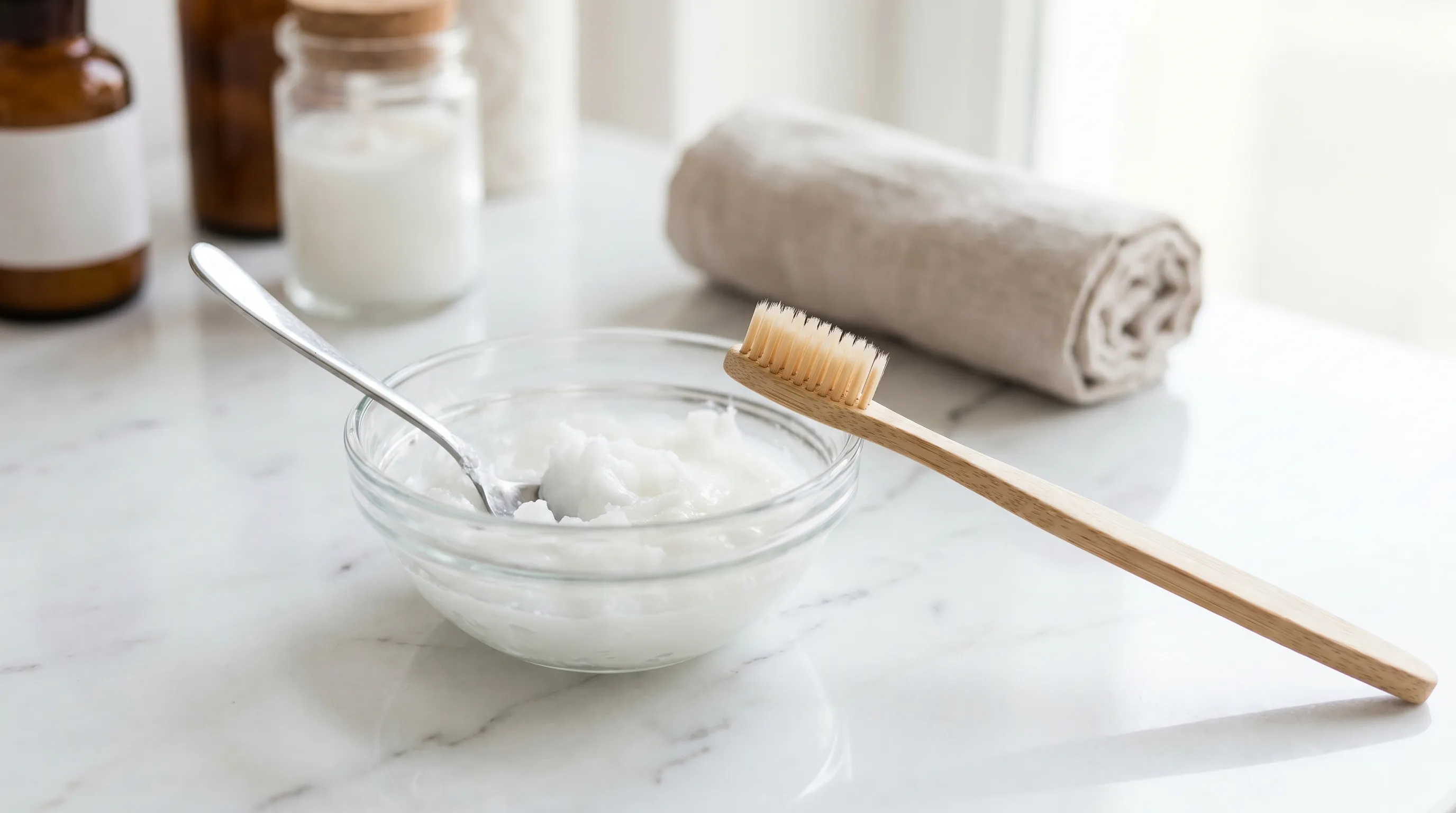
Because coconut oil solidifies below room temperature, proper preparation ensures comfortable application and even distribution across tooth surfaces. Scoop approximately half a teaspoon of oil and allow it to melt between clean fingertips or place it in a warm water bath for 30 seconds. Alternatively, you can mix the melted oil with a pinch of baking soda or a drop of natural peppermint essential oil for enhanced cleansing power and flavor, though essential oils should be used sparingly and diluted appropriately to avoid mucosal irritation. The ideal consistency should be fluid but not runny, allowing the bristles to coat evenly without dripping. Preparing the mixture just before brushing prevents premature re-solidification and ensures maximum bioavailability of active fatty acids during the cleaning process.
The Brushing Technique and Duration
Apply the prepared coconut oil to a soft-bristled or medium-bristled toothbrush, ensuring the bristles are thoroughly saturated but not oversaturated. Brush using gentle, circular motions at a 45-degree angle along the gumline, where plaque accumulation and bacterial activity are highest. Spend approximately two minutes thoroughly cleaning all quadrants, including posterior molars and lingual surfaces. The mechanical action of the bristles, combined with the lipid's emulsifying properties, will gradually break down biofilm and lift debris. Avoid aggressive scrubbing, as this can cause gum recession and enamel wear, particularly when oil provides less initial lubrication than commercial toothpaste. After brushing, allow the oil to remain in contact with teeth and gums for an additional 30 to 60 seconds to maximize antimicrobial penetration before rinsing.
Rinsing and Post-Brushing Care
Effective rinsing is crucial to prevent plumbing issues and ensure no residual oil traps food particles. Spit the used oil directly into a trash can, disposable tissue, or designated waste bin. Follow with a thorough rinse using warm water or a gentle saline solution to remove remaining lipid residues. You may then proceed with standard flossing to clean interdental spaces, as coconut oil does not substitute for mechanical plaque removal between teeth. If using fluoride toothpaste on alternate days, maintain your regular evening routine to ensure continuous remineralization. Store your toothbrush in an upright, ventilated position to prevent moisture retention and bacterial growth. Consistency in this post-brushing protocol ensures optimal hygiene while leveraging the natural benefits of brushing teeth with coconut oil.
Safety, Precautions, and Dental Considerations
While generally well-tolerated, lipid-based oral care requires awareness of individual health factors, potential interactions, and professional guidance to prevent unintended complications. Understanding when and how to implement this practice safely ensures you protect both your dental structures and systemic health.
Who Should Avoid It?
Individuals with documented coconut allergies must strictly avoid this practice, as even topical oral exposure can trigger localized swelling, contact dermatitis, or systemic allergic reactions. Patients recovering from recent oral surgery, tooth extraction, or periodontal procedures should wait until mucosal healing is complete before introducing any oil-based rinses, as premature use can disrupt blood clot formation or introduce contaminants to surgical sites. Those with severe xerostomia (dry mouth) may experience temporary coating sensations that feel uncomfortable without adequate saliva production, though the oil's emollient properties can sometimes provide symptomatic relief when used sparingly. Always consult a licensed dentist or physician if you have underlying autoimmune conditions, compromised immune function, or complex dental restorations before altering your hygiene regimen.
Potential Side Effects and Irritation
Initial use may cause mild temporary discomfort, including a greasy mouthfeel, altered taste perception, or increased saliva production as the oral tissues adjust to lipid exposure. In rare cases, individuals with sensitive gingiva may experience minor irritation if brushing is too vigorous or if the oil contains impurities. Overuse, particularly when substituting entirely for fluoride toothpaste without professional oversight, can theoretically increase caries risk in susceptible populations due to the absence of remineralizing agents. Additionally, some users report mild nausea or stomach discomfort if small amounts are accidentally swallowed during brushing. Adhering to recommended frequencies, using high-quality oil, and maintaining proper spitting techniques significantly mitigate these concerns.
Interaction with Standard Fluoride Toothpaste
Coconut oil does not chemically neutralize fluoride, but it can create a temporary hydrophobic barrier that may reduce fluoride absorption if applied simultaneously. To optimize benefits, most dental professionals recommend alternating rather than combining both in the same session. Use fluoride or hydroxyapatite toothpaste in the evening to maximize overnight enamel remineralization, and incorporate coconut oil brushing in the morning for antimicrobial cleansing and gum support. If you prefer using them on alternating days, maintain a consistent schedule and track your oral health markers during dental checkups. Professional monitoring ensures you receive the protective advantages of clinical formulations alongside the soothing, microbiome-balancing properties of natural lipids.
Coconut Oil vs. Traditional Toothpaste: A Comparison
Evaluating the practical differences between lipid-based care and conventional formulations helps consumers make informed decisions aligned with their dental needs, sensitivity levels, and health philosophies. Both modalities serve distinct functions within comprehensive oral hygiene frameworks.
Efficacy in Cavity Prevention
Fluoride toothpaste remains the most clinically validated intervention for preventing dental caries, a position consistently reinforced by the Centers for Disease Control and Prevention. Fluoride ions integrate into the enamel matrix, forming fluorapatite, which is significantly more resistant to acid demineralization than native hydroxyapatite. Hydroxyapatite toothpastes operate on a similar principle, delivering calcium and phosphate ions directly to compromised surfaces. Coconut oil, while excellent at reducing cariogenic bacteria, does not provide mineral supplementation or active remineralization. It serves best as a preventive adjunct that lowers bacterial load and reduces acid production, but it cannot replace the structural reinforcement offered by clinical toothpastes.
Cost and Accessibility
Commercial toothpaste is widely available at various price points, often containing targeted additives for sensitivity, whitening, or gum health. High-quality virgin coconut oil typically costs slightly more per ounce but offers multifunctional applications across skincare, haircare, and oral hygiene, making it a cost-effective investment for holistic households. Both options are accessible, but integrating coconut oil into your routine requires intentional sourcing and preparation, whereas conventional toothpaste offers immediate, standardized dosing and formulation consistency.
Comparative Overview
| Feature | Coconut Oil Brushing | Standard Fluoride Toothpaste |
|---|---|---|
| Primary Function | Antimicrobial cleansing, plaque softening, gum soothing | Enamel remineralization, acid resistance, cavity prevention |
| Active Compound | Lauric acid, monolaurin, caprylic acid | Sodium fluoride, stannous fluoride, hydroxyapatite |
| Enamel Impact | Preserves surface integrity, removes stains without abrasion | Strengthens hydroxyapatite, repairs early demineralization |
| Gum Health Benefit | Reduces inflammation, improves circulation, soothes irritation | Prevents gingivitis via plaque control, some contain anti-inflammatory agents |
| Recommended Use | 2–4 times per week, alternating with clinical toothpaste | Twice daily, morning and evening |
| Professional Consensus | Safe adjunctive therapy, supports microbiome balance | Gold standard for caries prevention and routine maintenance |

Frequently Asked Questions
Is brushing teeth with coconut oil a replacement for fluoride toothpaste?
Brushing teeth with coconut oil should not fully replace fluoride toothpaste unless specifically advised by your dentist. While coconut oil effectively reduces harmful bacteria and supports gum health, fluoride remains the clinical gold standard for remineralizing enamel and preventing cavities. Many dental professionals recommend using coconut oil as a complementary practice rather than a complete substitute.
How often should I brush my teeth with coconut oil?
For optimal results without disrupting your oral microbiome, most experts suggest incorporating coconut oil brushing two to three times per week. Daily use is generally safe for individuals without sensitivities, but alternating with a standard fluoride or hydroxyapatite toothpaste ensures you receive both antimicrobial benefits and enamel-protective minerals.
Does brushing teeth with coconut oil actually whiten teeth?
Coconut oil does not contain chemical bleaching agents like hydrogen peroxide, so it will not dramatically change your natural tooth shade. However, it effectively removes surface stains, reduces plaque buildup, and improves gum health, which can create the visual illusion of brighter, cleaner teeth. Consistent use often results in a healthier, more natural tooth luster.
Can coconut oil cause clogged drains or plumbing issues?
Yes, coconut oil solidifies at temperatures below approximately 76°F (24°C) and can accumulate in pipes over time, potentially causing blockages. To prevent plumbing damage, always spit used coconut oil into a trash bin, tissue, or dedicated waste container rather than down the sink drain. Rinsing with warm water afterward helps clear residual oil from bathroom surfaces.
Are there specific dental conditions that make coconut oil brushing unsafe?
Individuals with severe periodontal disease, active oral ulcers, coconut allergies, or recent dental surgery should consult their dentist before incorporating coconut oil into their routine. Those undergoing orthodontic treatment may also find that oil residue interferes with aligners or braces. A dental evaluation ensures the practice aligns with your specific clinical needs.
Conclusion
The growing popularity of brushing teeth with coconut oil reflects a broader shift toward mindful, biology-aligned personal care. Backed by biochemical research and validated through clinical observation, this practice offers meaningful antimicrobial, anti-inflammatory, and plaque-reducing benefits that complement traditional dental hygiene protocols. When implemented with proper technique, sourced responsibly, and integrated alongside professional dental care, it serves as a safe, effective tool for maintaining gum vitality, preserving enamel integrity, and supporting a balanced oral microbiome. Consumers should approach it as a strategic adjunct rather than a standalone solution, recognizing that long-term dental health depends on a multifaceted approach combining mechanical cleaning, remineralization, microbial management, and regular professional oversight. By understanding the science, following evidence-based application methods, and maintaining open communication with your dental provider, you can confidently incorporate brushing teeth with coconut oil into a sustainable, comprehensive oral wellness routine that supports both immediate comfort and lifelong dental resilience.
How we work
Researched and drafted with AI assistance, then reviewed by a human editor against the cited sources.
This article is general health information, not medical advice. Consult a qualified healthcare professional about your own situation.