Can You Use Eye Contact Solution as Eye Drops? A Medical Guide
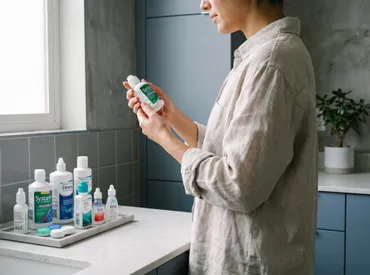
Navigating the crowded aisle of over-the-counter eye care products can feel overwhelming, especially when labels use overlapping terminology and similar packaging designs. Whether you are managing chronic dry eye syndrome, recovering from prolonged screen time, or simply experiencing seasonal irritation, finding quick relief is a top priority. Many wearers find themselves in a common predicament: they run out of artificial tears and wonder if the bottle of multipurpose contact lens cleaner sitting on their nightstand will suffice. This scenario brings us directly to a critical question that optometrists hear far too often: can you use eye contact solution as eye drops? The short answer is a definitive no, but understanding the physiological, chemical, and clinical reasons behind this warning requires a deep dive into ocular biochemistry and modern ophthalmic standards. Your cornea and tear film are delicate ecosystems, and introducing inappropriate fluids can disrupt their natural balance, leading to inflammation, compromised vision, and even serious infections. In this comprehensive guide, we will dissect the fundamental differences between lens care solutions and therapeutic eye drops, explore the hidden dangers of cross-contamination, and provide actionable, evidence-based strategies to keep your eyes comfortable, clear, and healthy. By the end of this article, you will have a clear, medically backed roadmap for managing ocular dryness without risking irreversible damage to your vision.
Understanding the Difference Between Contact Solution and Eye Drops
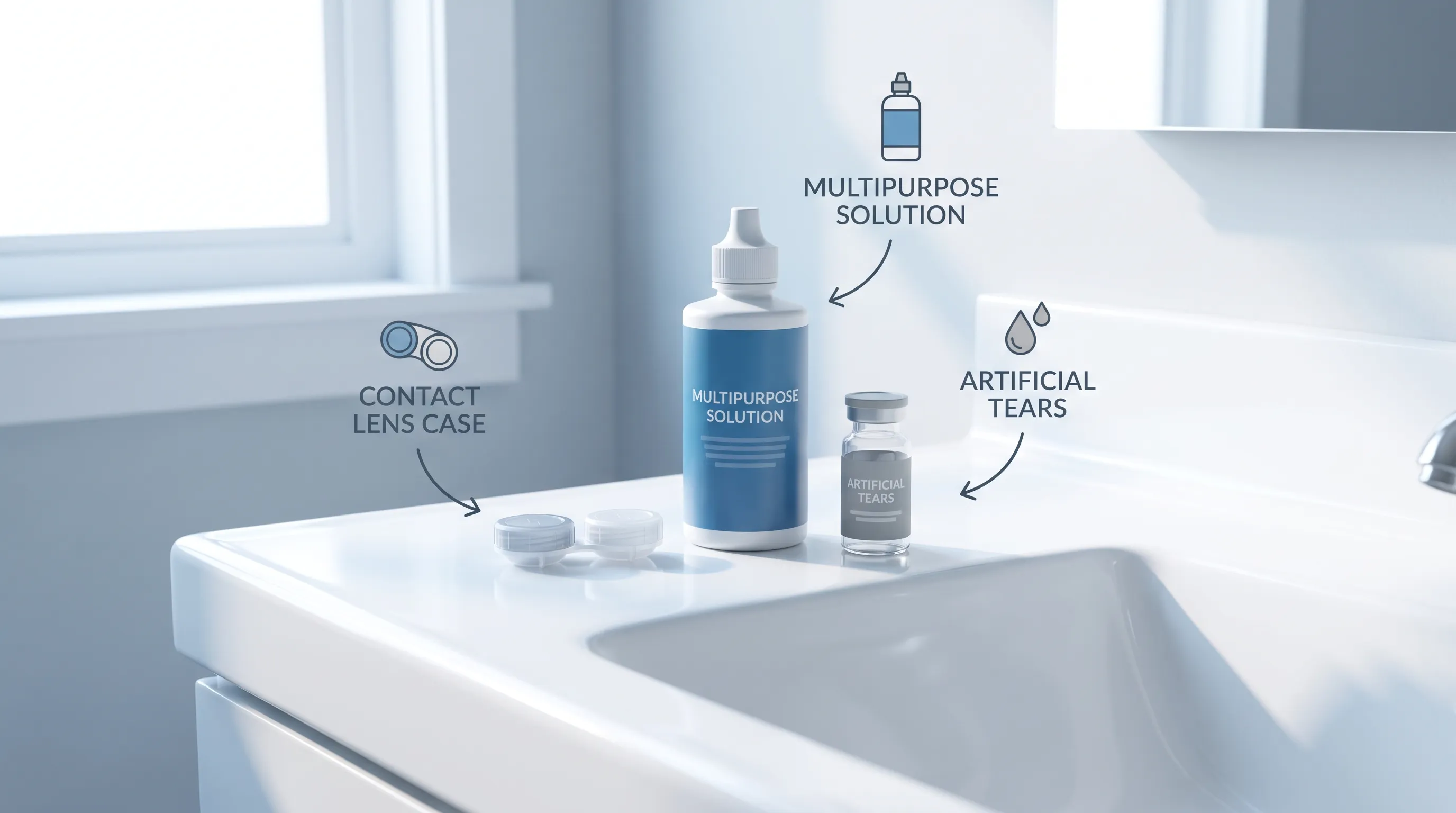
Before evaluating whether can you use eye contact solution as eye drops, it is essential to establish a foundational understanding of how these two product categories are engineered, regulated, and utilized in clinical practice. While both are clear liquids housed in plastic bottles and intended for ocular proximity, their molecular structures and primary objectives diverge dramatically. Ophthalmic lubricants, commonly known as artificial tears, are formulated with a singular purpose in mind: to mimic, supplement, and stabilize the natural tear film. The human tear film consists of three distinct layers: an outer lipid layer produced by the meibomian glands to prevent evaporation, a middle aqueous layer secreted by the lacrimal glands that delivers oxygen and nutrients, and an inner mucin layer that anchors moisture directly to the corneal epithelium, as detailed by the Mayo Clinic. Artificial tears are scientifically calibrated to replenish these layers, utilizing polymers like sodium hyaluronate, carboxymethylcellulose, and polyethylene glycol to create a sustained hydration matrix. In contrast, contact lens multipurpose solutions are engineered primarily for external device maintenance rather than internal biological support. Their chemical profiles prioritize disinfection, protein removal, and lens material compatibility over physiological harmony. Understanding this distinction is the first step in recognizing why asking can you use eye contact solution as eye drops reveals a fundamental misunderstanding of ocular pharmacology and device care.
Free calculatorBMI CalculatorCalculate Body Mass IndexOpen the calculatorChemical Composition and Purpose
The formulation of multipurpose contact solutions centers around antimicrobial efficacy and surface cleansing. These liquids contain buffering agents that maintain a pH compatible with lens materials, typically ranging between 7.0 and 8.2. They incorporate surfactants and chelating agents designed to lift lipid deposits, environmental debris, and denatured proteins from the lens surface. Most importantly, they contain disinfecting compounds such as polyaminopropyl biguanide (PHMB), polyquad, or myristamidopropyl dimethylamine. These preservatives are highly effective at neutralizing bacteria, fungi, and Acanthamoeba on plastic or silicone hydrogel lenses, but they are inherently cytotoxic to living ocular tissue. When applied directly to the corneal surface, these antimicrobial agents can disrupt epithelial cell membranes, trigger inflammatory cytokine release, and delay wound healing. Artificial tears, on the other hand, rely on biocompatible lubricants, electrolyte balancers like potassium and sodium chloride to match tear osmolarity, and sometimes lipid-enhancing agents that integrate directly with the meibomian layer. Their preservatives, if present, are typically stabilized oxidative systems or low-concentration purite that break down into harmless salt and water upon exposure to light. This stark contrast in chemical engineering explains why substituting one for the other compromises both device integrity and ocular health.
How Multipurpose Contact Solution Works
Multipurpose solutions function through a carefully sequenced three-in-one mechanism: cleaning, rinsing, and disinfecting. When you rub and soak your lenses overnight, the solution penetrates microscopic pores in the lens matrix, lifting trapped allergens and protein chains that cause cloudiness and discomfort. The disinfecting agents then undergo a logarithmic reduction of microbial colonies, ensuring that pathogens do not multiply within the storage case. During the rinsing phase, the buffer system neutralizes residual cleaners and prepares the lens for comfortable insertion. This entire process is strictly external and mechanical. The solution is never intended to remain on the ocular surface after insertion, which is why manufacturers explicitly instruct users to drain the liquid before applying lenses. When evaluating whether can you use eye contact solution as eye drops, it becomes clear that the product is optimized for a passive cleaning environment, not an active biological one. Introducing it directly into the conjunctival sac bypasses the lens barrier entirely, delivering concentrated disinfectants straight onto the corneal epithelium. The tear film cannot rapidly dilute these compounds, leading to prolonged exposure times that far exceed safe tolerance thresholds established by ophthalmic toxicology studies.
Can You Use Eye Contact Solution as Eye Drops?
This question surfaces frequently in online forums, social media groups, and everyday conversations among contact lens wearers experiencing sudden dryness. The confusion is understandable, especially when packaging designs appear similar and the liquids share a clear, watery appearance. However, from a medical standpoint, the answer remains unequivocally negative. Ophthalmologists and optometrists universally advise against instilling multipurpose cleaning solutions directly into the eyes, regardless of the brand or formulation. The decision to formulate separate products for lens maintenance and ocular lubrication is rooted in decades of clinical research, adverse event tracking, and tissue compatibility testing. When patients ask can you use eye contact solution as eye drops, healthcare professionals consistently highlight the difference between a medical device cleaner and a therapeutic ophthalmic product. Artificial tears are classified as over-the-counter medical devices or drugs intended for direct biological application, while contact solutions are regulated strictly as accessory care liquids. Crossing this boundary introduces unnecessary chemical stress to an already vulnerable ocular surface, particularly for individuals with preexisting dry eye disease, post-surgical healing, or sensitive corneal tissue.
The Short Answer from Optometrists
Eye care professionals emphasize that multipurpose solutions are toxic to corneal cells at sustained concentrations. Clinical studies using fluorescein staining and confocal microscopy demonstrate rapid epithelial disruption when contact lens disinfectants contact the ocular surface without a lens buffer. The American Academy of Ophthalmology explicitly states that contact lens solutions should never be used as substitutes for lubricating drops. Even saline solutions, which lack disinfectants, fail to provide the osmotic balance and viscosity required for meaningful dry eye relief. When you consider whether can you use eye contact solution as eye drops, the clinical consensus remains uniform: it compromises tear film stability, introduces unnecessary preservatives to a delicate mucosal surface, and offers zero therapeutic hydration. Optometrists recommend investing in dedicated artificial tears, preferably preservative-free formulations in single-use vials, to ensure safe, effective relief without risking epithelial micro-abrasions or inflammatory flare-ups.
Why It’s Not Recommended
The reluctance to endorse this practice stems from multiple physiological incompatibilities. First, the osmolarity of multipurpose solutions often exceeds that of natural tears, creating a hyperosmotic environment that draws water out of corneal cells. This cellular dehydration triggers nerve endings, resulting in sharp stinging, excessive blinking, and reflex tearing that ultimately washes away your natural lubricants. Second, the surfactants designed to lift lens debris cannot differentiate between synthetic deposits and healthy lipid layers on the eye. They disrupt the meibomian oil barrier, accelerating tear evaporation and worsening dry eye symptoms within minutes of application. Third, many solutions contain chelating agents like EDTA that bind to calcium ions essential for tight junction integrity in the corneal epithelium. Prolonged exposure weakens cellular adhesion, increasing susceptibility to corneal ulcers and microbial invasion. Finally, the question can you use eye contact solution as eye drops ignores the fact that contact lens solutions lack the viscosity-enhancing polymers that keep lubricants on the ocular surface for meaningful duration. Artificial tears are engineered to cling; cleaning solutions are engineered to rinse. This fundamental design mismatch ensures that any perceived relief is short-lived and quickly replaced by chemical irritation.
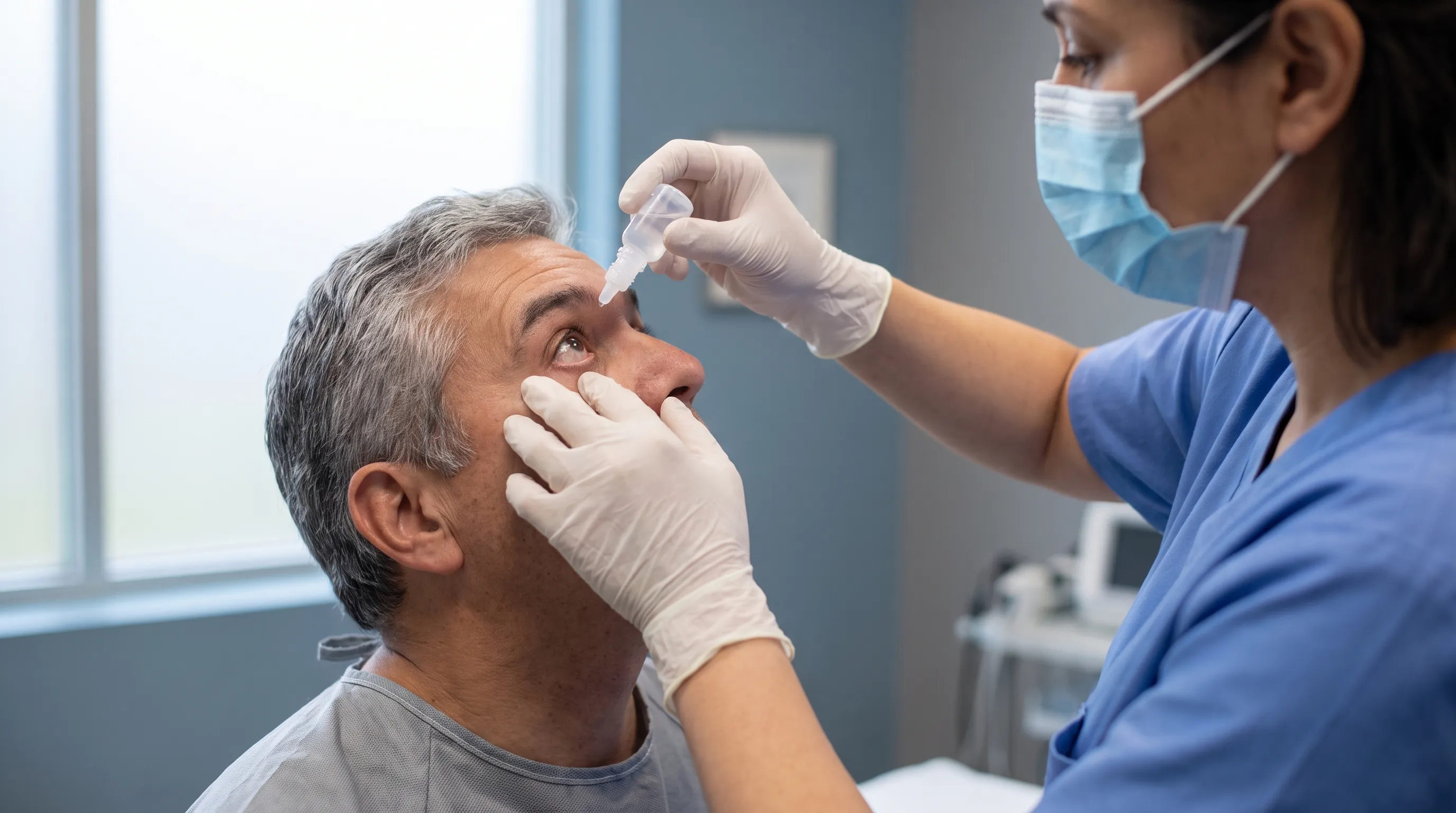
The Hidden Dangers of Using Contact Solution as Eye Drops
Beyond temporary stinging and blurred vision, the inappropriate use of lens care fluids carries significant clinical risks that many consumers overlook. The ocular surface is one of the most densely innervated and immunologically active tissues in the human body, making it highly responsive to foreign chemical exposure. When patients experiment with alternative fluids, they often assume that mild discomfort signals a harmless reaction. In reality, even brief exposure to inappropriate solutions can initiate a cascade of inflammatory responses that compromise long-term ocular health. Understanding these hidden dangers reinforces why asking can you use eye contact solution as eye drops should always yield a cautious, medically informed response. The corneal epithelium serves as a primary barrier against environmental pathogens and mechanical stress. Disrupting its structural integrity through chemical exposure creates micro-defects that serve as entry points for bacteria, viruses, and fungi. Over time, repeated exposure leads to chronic inflammation, reduced corneal sensitivity, and accelerated dry eye progression.
Chemical Irritation and Corneal Damage
Multipurpose solutions contain antimicrobial agents that disrupt microbial cell walls, but these compounds lack selectivity. When instilled directly into the eye, they interact with human corneal keratocytes, damaging mitochondrial function and inhibiting protein synthesis necessary for cellular regeneration. Clinical evaluations using slit-lamp biomicroscopy frequently reveal punctate epithelial erosions, conjunctival hyperemia, and superficial keratitis following accidental or intentional misuse of lens solutions. These micro-abrasions cause photophobia, foreign body sensation, and excessive tearing. Patients often misinterpret these symptoms as worsening dry eye, leading to a vicious cycle of applying more solution for temporary relief while accelerating epithelial breakdown. The National Institutes of Health emphasizes that preservative-induced toxicity is a leading cause of refractory dry eye syndrome, particularly among individuals who frequently switch between incompatible ocular products. Recognizing the difference between therapeutic hydration and chemical cleansing is essential for preventing iatrogenic ocular damage.
Infection Risks and Bacterial Growth
Another critical concern involves the sterile environment required for safe ocular application. Once a multipurpose solution bottle is opened, it remains stable for a limited period, typically three months, after which preservative efficacy declines. Using expired or contaminated solution directly on the eye bypasses the protective lens barrier and introduces potential pathogens directly to the conjunctival sac. Acanthamoeba keratitis, a rare but devastating corneal infection, frequently originates from improper lens care practices, including using tap water or compromised solutions, according to safety guidelines from the CDC. While artificial tears also require sterile packaging, preservative-free vials eliminate contamination risks entirely, and preserved drops use concentrations carefully calibrated for ocular safety. When evaluating whether can you use eye contact solution as eye drops, it is vital to recognize that lens cleaning products prioritize external disinfection over internal biological compatibility. The FDA maintains strict guidelines on ophthalmic sterility, and cross-applying device cleaners to mucosal surfaces violates these safety parameters, increasing susceptibility to microbial keratitis, fungal colonization, and delayed wound healing.
Disruption of the Tear Film
The human tear film relies on precise osmotic balance, pH stability, and lipid integration to maintain clear vision and ocular comfort. Multipurpose solutions introduce foreign ions, buffering agents, and surfactants that destabilize this delicate equilibrium. The lipid layer, produced by meibomian glands, prevents rapid evaporation and reduces surface tension during blinking. Cleaning solutions strip these essential oils, accelerating tear breakup time and forcing the lacrimal glands to overcompensate. This reflex tearing produces watery, low-quality tears lacking adequate mucin and protein content, which fail to properly coat the corneal surface. Patients experience paradoxical dryness shortly after application, followed by increased friction during eyelid movement. Research published in the American Journal of Ophthalmology demonstrates that improper ocular fluid application alters meibomian gland function within weeks, contributing to evaporative dry eye disease. Understanding whether can you use eye contact solution as eye drops requires recognizing that these products actively dismantle tear film architecture rather than support it.
Safe Alternatives for Dry, Tired Eyes
Fortunately, the market offers a wide array of scientifically formulated, ocular-safe alternatives designed specifically for dry eye relief and lens compatibility. Rather than risking chemical exposure by wondering can you use eye contact solution as eye drops, patients can turn to clinically validated lubricants that restore hydration, protect the corneal epithelium, and enhance visual comfort. Selecting the right product requires understanding your specific dry eye phenotype, whether it stems from aqueous deficiency, evaporative dysfunction, or environmental exposure. Optometrists recommend starting with baseline preservative-free artificial tears, which provide consistent hydration without introducing cytotoxic compounds to the ocular surface, a standard practice endorsed by the Cleveland Clinic. For contact lens wearers, rewetting drops formulated specifically for in-eye use offer immediate lubrication while maintaining lens clarity. These products utilize biocompatible polymers that integrate seamlessly with both silicone hydrogel lenses and natural tear components.
Preservative-Free Artificial Tears
Preservative-free formulations represent the gold standard for chronic dry eye management and sensitive ocular tissue. Packaged in single-use vials or specialized multi-dose bottles with advanced filtration systems, these drops eliminate exposure to benzalkonium chloride, polyquad, and other common antimicrobials that accumulate on the corneal surface over time. They typically contain sodium hyaluronate, a naturally occurring glycosaminoglycan that binds water molecules and forms a resilient hydration matrix. Clinical trials consistently demonstrate improved tear film breakup time, reduced epithelial staining, and enhanced patient comfort compared to preserved alternatives. When evaluating whether can you use eye contact solution as eye drops, switching to preservative-free lubricants provides immediate, safe relief without compromising corneal health. These products are particularly beneficial for post-LASIK patients, individuals with autoimmune dry eye conditions, and those requiring frequent dosing throughout the day.
Lubricating Drops vs. Redness Relievers
Many consumers mistakenly purchase vasoconstrictor-based redness relievers, assuming that diminished blood vessel appearance equals ocular health. Products containing tetrahydrozoline or naphazoline temporarily shrink conjunctival vessels, creating a bright white appearance while masking underlying dryness. However, these compounds do not provide hydration, and prolonged use triggers rebound hyperemia, worsening redness upon cessation. In contrast, true lubricating drops restore tear volume, stabilize the lipid layer, and support epithelial repair. When deciding whether can you use eye contact solution as eye drops, patients should prioritize products explicitly labeled as artificial tears or ocular lubricants. Reading active ingredients carefully ensures you select therapeutic hydration over cosmetic masking. For persistent redness accompanied by dryness, optometrists recommend addressing the root cause with preservative-free lubricants, omega-3 supplementation, and environmental modifications rather than relying on temporary vasoconstrictors.
How to Choose the Right Product
Selecting an appropriate ocular lubricant depends on symptom frequency, severity, and underlying etiology. Mild, intermittent dryness typically responds well to standard preserved drops used two to four times daily. Moderate to severe symptoms, contact lens discomfort, or frequent dosing requirements warrant preservative-free formulations in single-use vials. Patients with evaporative dry eye benefit from lipid-enhanced drops containing castor oil, mineral oil, or phospholipids that directly supplement the meibomian layer. Those experiencing allergic conjunctivitis alongside dryness should choose dual-action formulations combining antihistamines and lubricants, though these should be used under professional guidance. When researching whether can you use eye contact solution as eye drops, consumers should consult packaging labels, verify FDA clearance for direct ocular application, and prioritize products recommended by the Dry Eye Workshop II guidelines. Keeping a symptom journal tracking comfort levels, visual clarity, and dosing frequency helps clinicians tailor recommendations to your specific physiological needs.
Proper Use of Contact Lens Solutions
Maintaining safe, comfortable contact lens wear extends beyond selecting the right drops; it requires disciplined adherence to manufacturer protocols and ophthalmic hygiene standards. Multipurpose solutions perform exceptionally well when used exactly as intended: for external lens cleaning, rinsing, and overnight storage. Deviating from established guidelines compromises both lens integrity and ocular health. Patients frequently underestimate the importance of proper technique, case maintenance, and replacement schedules, leading to avoidable complications. When navigating whether can you use eye contact solution as eye drops, remember that lens care products excel in their designated role. Optimizing your cleaning routine ensures maximum disinfection, optimal lens hydration, and extended wear comfort without risking chemical exposure to the ocular surface.
Step-by-Step Lens Cleaning Protocol
Effective lens care begins with thoroughly washing hands with non-moisturizing soap and drying with a lint-free towel. Remove one lens and place it in your palm. Apply several drops of fresh multipurpose solution, then gently rub the lens for at least 10 seconds using your index finger in a back-and-forth motion. This mechanical action removes up to 90% of surface deposits, significantly enhancing disinfectant efficacy. Rinse the lens thoroughly with fresh solution to eliminate loosened debris and residual cleaners. Place the lens in a clean, dry case, fill with fresh solution, and secure the cap. Never top off old solution, as this dilutes antimicrobial concentration and allows microbial proliferation. Repeating this process for the second lens ensures consistent hygiene. Understanding whether can you use eye contact solution as eye drops becomes irrelevant when proper cleaning protocols maintain optimal lens clarity and comfort naturally.
When to Replace Your Solution and Case
Storage cases harbor biofilms and microbial colonies even with regular cleaning. Optometrists recommend replacing the case every three months, coinciding with the expiration window of most multipurpose solutions. Rinse the case with fresh solution after each use, never tap water, and air-dry it upside down on a clean tissue. Avoid sealing wet cases, as moisture promotes bacterial growth. Check solution expiration dates diligently; compromised preservatives lose efficacy over time, increasing infection risk. Discard any bottle left open or improperly stored. When considering whether can you use eye contact solution as eye drops, maintaining disciplined replacement schedules ensures your lenses remain sterile and comfortable without introducing unnecessary chemicals to your eyes.
Signs of Contaminated or Expired Solution
Visual inspection and sensory evaluation help identify compromised products before they cause harm. Cloudy discoloration, unusual odor, or visible particulate matter signals contamination. Solutions that cause unusual lens stiffening, persistent burning upon insertion, or unexplained redness may indicate expired preservatives or chemical degradation. Never use solution past its printed expiration date, even if unopened. When questioning whether can you use eye contact solution as eye drops, recognizing these warning signs prevents accidental exposure to degraded compounds. Trust your senses and prioritize fresh, properly stored products to maintain optimal ocular health.
Emergency Steps If You Accidentally Used Solution as Eye Drops
Despite careful habits, mistakes happen. A misplaced bottle, rushed routine, or momentary confusion can lead to accidental instillation of multipurpose solution directly into the eye. While typically not life-threatening, prompt intervention minimizes discomfort and prevents epithelial damage. Understanding immediate response protocols ensures rapid symptom resolution and reduces anxiety during these incidents. Rather than panicking, follow evidence-based first aid steps to restore ocular equilibrium and protect your vision.
Immediate Actions to Take
If you accidentally introduce contact solution into your eye, immediately flush the affected area with sterile saline or preservative-free artificial tears. Blink frequently to encourage natural drainage and avoid rubbing, which exacerbates epithelial micro-trauma. Remove contact lenses if present, allowing the cornea to breathe and recover. Use a clean, sterile eyecup or gently pour solution from the inner corner outward to facilitate drainage. Most mild irritation resolves within 15 to 30 minutes as the tear film naturally dilutes and clears residual compounds. If symptoms persist beyond an hour, worsen, or include significant photophobia, discontinue self-treatment and prepare for professional evaluation. Remember, asking can you use eye contact solution as eye drops is irrelevant in emergencies; focus instead on rapid dilution and epithelial protection, following established Mayo Clinic first-aid guidelines.
When to Seek Medical Attention
Certain symptoms warrant immediate optometric or ophthalmic intervention. Severe, unrelenting pain, sudden vision loss, persistent corneal opacity, or thick purulent discharge indicate potential chemical keratitis or secondary infection. Patients with preexisting dry eye disease, recent ocular surgery, or autoimmune conditions require lower thresholds for professional evaluation. Delayed treatment increases the risk of permanent corneal scarring and prolonged visual disruption. Contact your eye care provider promptly if symptoms escalate or fail to improve with initial flushing. Emergency departments equipped with ophthalmic resources can perform slit-lamp examinations, apply topical antibiotics if indicated, and provide targeted anti-inflammatory therapy. Prioritizing professional guidance over home remedies ensures optimal recovery and long-term ocular preservation.
Frequently Asked Questions
Can I use saline solution instead of artificial tears?
Sterile saline solution is excellent for rinsing contact lenses or flushing debris from the ocular surface, but it lacks the viscosity, osmotic balancing agents, and lubricating polymers found in true artificial tears. When instilled directly, saline washes away existing tear film lipids and mucins without replacing them, often worsening dryness within minutes. For sustained hydration and epithelial protection, always choose products specifically formulated as ocular lubricants. Saline remains a valuable first-aid rinse but should never replace therapeutic dry eye management.
What happens if multipurpose solution gets in my eyes accidentally?
Minor exposure typically triggers temporary stinging, mild redness, and increased blinking as the ocular surface reacts to chemical preservatives and buffer agents. The tear film naturally dilutes and clears most compounds within 15 to 20 minutes. Flush immediately with preservative-free artificial tears or sterile saline to accelerate clearance and soothe irritation. Avoid rubbing your eyes, as mechanical friction can damage the temporarily vulnerable epithelium. If burning persists beyond 30 minutes or vision becomes significantly blurred, seek professional evaluation to rule out chemical keratitis.
Are there any contact lens drops that are also safe as eye drops?
Rewetting drops specifically labeled for in-eye use while wearing contacts are perfectly safe for both lens lubrication and direct ocular application. These formulations avoid harsh disinfectants and utilize biocompatible polymers that hydrate both the lens surface and your natural tear film. Standard multipurpose cleaning solutions, however, are strictly designed for external case storage and lens soaking. Always verify packaging claims, looking for phrases like "safe for use in the eye" or "rewetting drops." When evaluating whether can you use eye contact solution as eye drops, stick to products explicitly approved for direct instillation.
How long should I wait to put my contacts back in after using eye drops?
Wait at least 15 to 30 minutes after applying preserved artificial tears or medicated drops before inserting lenses. This waiting period allows preservatives and active pharmaceutical ingredients to clear from the ocular surface, preventing absorption into the lens matrix and subsequent prolonged exposure to delicate tissue. Preservative-free lubricants generally pose lower risks, but manufacturers still recommend a brief waiting period to ensure proper tear film equilibrium. Always consult your specific drop instructions and lens compatibility guidelines.
Can expired contact solution cause blindness?
While expired solution rarely causes immediate blindness, it significantly elevates the risk of severe microbial infections like bacterial or Acanthamoeba keratitis. Degraded preservatives lose antimicrobial potency, allowing pathogens to multiply within the storage case and transfer directly to the cornea. Untreated keratitis can rapidly progress to corneal ulceration, scarring, and permanent vision loss. Always respect expiration dates, discard opened bottles after three months, and maintain strict hygiene protocols to eliminate avoidable risks.
Conclusion
The question of whether can you use eye contact solution as eye drops is answered definitively by ocular science, clinical research, and decades of optometric practice: it is unsafe, ineffective, and potentially harmful. Contact lens multipurpose solutions are engineered for external device maintenance, utilizing disinfectants, surfactants, and buffers that disrupt the delicate corneal epithelium and tear film when applied directly to the ocular surface. Artificial tears and rewetting drops, conversely, are scientifically calibrated to mimic natural tear composition, restore osmotic balance, and provide sustained hydration without introducing cytotoxic compounds. By recognizing these fundamental differences, contact lens wearers and dry eye patients can avoid unnecessary irritation, prevent chemical keratitis, and maintain long-term visual comfort. Prioritize preservative-free lubricants for frequent use, adhere strictly to lens cleaning protocols, replace storage cases regularly, and never compromise ocular safety for temporary convenience. Your eyes are among your most valuable sensory organs, and treating them with evidence-based, clinically approved products ensures they remain healthy, resilient, and fully functional for years to come. When in doubt, always consult a licensed optometrist or ophthalmologist before introducing new ocular products into your daily routine.
| Feature | Multipurpose Contact Solution | Artificial Tears / Rewetting Drops |
|---|---|---|
| Primary Purpose | External lens cleaning, disinfection, and storage | Direct ocular lubrication and tear film restoration |
| Active Ingredients | Disinfectants (PHMB, polyquad), surfactants, chelating agents | Sodium hyaluronate, carboxymethylcellulose, lipids, electrolytes |
| Osmolarity | Often hyperosmotic; optimized for lens matrix stability | Iso-osmotic with natural tears; prevents cellular dehydration |
| Preservatives | High concentration for microbial kill rates | Low concentration or preservative-free; ocular-safe breakdown |
| Safe for Direct Eye Instillation? | No; causes epithelial disruption and chemical irritation | Yes; specifically formulated for mucosal compatibility |
| FDA Classification | Contact lens care accessory | Ophthalmic lubricant or medical device for ocular surface |
| Recommended Usage Frequency | Once per lens soaking cycle | As needed; typically 2-6 times daily depending on severity |
How we work
Researched and drafted with AI assistance, then reviewed by a human editor against the cited sources.
This article is general health information, not medical advice. Consult a qualified healthcare professional about your own situation.