Can Accutane Cause Weight Gain? Evidence-Based Answers

Starting a course of isotretinoin is a significant step toward achieving clear skin, but it often brings a wave of questions about how the medication might affect your body. One of the most frequently discussed concerns among patients is whether the treatment can impact body mass. If you have been wondering, "can accutane cause weight gain," you are not alone in seeking clarity. The intersection of severe acne management, metabolic health, and medication side effects creates a complex picture that deserves evidence-based exploration. Many online forums and social media threads share anecdotal experiences, but separating myth from medical reality requires a close look at pharmacological research, clinical trial data, and physiological mechanisms. Understanding how this powerful vitamin A derivative interacts with your system will help you make informed decisions, monitor your body accurately, and maintain both your skin and overall well-being throughout your treatment journey.
Understanding Accutane and Its Mechanism of Action
What Is Isotretinoin?
Isotretinoin, widely known by its original brand name Accutane, is a synthetic retinoid derived from vitamin A Mayo Clinic. It was originally approved by regulatory agencies for the treatment of severe, recalcitrant nodular acne that does not respond adequately to conventional therapies. As a systemic medication, it is absorbed into the bloodstream and exerts its effects throughout multiple organ systems, which is why strict monitoring protocols, including baseline and monthly blood work, are universally recommended during treatment Cleveland Clinic. Chemically, it functions as an isomer of tretinoin, binding to nuclear retinoic acid receptors that regulate gene expression, cellular differentiation, and epithelial tissue turnover.
Free calculatorSun Protection GuideSPF guide and sun protection recommendationsOpen the calculatorHow Does It Clear Severe Acne?
The therapeutic power of isotretinoin lies in its multi-targeted approach to acne pathogenesis. First, it dramatically shrinks sebaceous gland volume and suppresses sebum production by up to ninety percent. Since excess oil is the primary fuel for acne-causing bacteria, this reduction creates an environment where bacterial proliferation is severely limited. Second, the medication normalizes keratinization within the hair follicle, preventing the formation of microcomedones that eventually develop into inflammatory lesions. Third, isotretinoin exhibits potent anti-inflammatory properties by modulating neutrophil migration and cytokine release, which reduces the severity of existing breakouts and minimizes the risk of permanent scarring. Together, these mechanisms make it one of the most effective dermatological treatments available.
Common Side Effects vs. Rare Effects
Because isotretinoin affects rapidly dividing epithelial cells and lipid metabolism, side effects are expected and well-documented. The most frequent include mucocutaneous dryness, chapped lips, nasal passage irritation, photosensitivity, and temporary hair shedding NIH MedlinePlus. Laboratory changes such as elevated triglycerides, increased cholesterol levels, and mildly elevated liver enzymes are also monitored closely. Importantly, clinical prescribing information does not list weight gain or fat accumulation as a recognized adverse reaction. While some metabolic adaptations occur, they primarily revolve around lipid transport rather than adipose tissue expansion. Understanding this distinction helps patients set realistic expectations and focus on manageable, evidence-based side effects rather than unverified claims.
The Scientific Consensus on Accutane and Weight Changes
Clinical Trial Data and FDA Reports
When evaluating whether can accutane cause weight gain, researchers rely heavily on randomized controlled trials, post-marketing surveillance, and regulatory documentation. Extensive clinical studies involving thousands of participants have not established a causal link between isotretinoin therapy and significant weight increases Mayo Clinic. The FDA-approved prescribing information outlines over fifty documented side effects, yet unexplained weight gain remains absent from the primary safety profile. Large-scale dermatological reviews consistently conclude that isotretinoin does not possess lipogenic properties. Instead, any minor fluctuations in body mass observed during treatment are generally attributed to secondary factors rather than direct pharmacological action.
Why Some Patients Report Weight Fluctuations
Despite the lack of clinical evidence, patient-reported experiences often differ from trial data. Several physiological and psychological variables contribute to this discrepancy. First, acne itself is highly stressful, and the relief of seeing skin improve can sometimes coincide with changes in daily routines, dietary habits, or physical activity levels. Second, the mandatory dietary requirement of taking isotretinoin with a meal containing fat increases caloric intake during dosing. Patients who do not adjust their baseline nutrition accordingly may experience gradual weight shifts over a typical six-to-twelve-month treatment course. Third, improved self-esteem may lead some individuals to reduce intense exercise routines, inadvertently lowering daily energy expenditure. These lifestyle transitions, rather than the drug itself, explain most reported changes.
Fluid Retention vs. Fat Accumulation
It is crucial to distinguish between adipose tissue growth and temporary water weight. Isotretinoin can occasionally influence electrolyte balance and vascular permeability, particularly when triglyceride levels rise significantly. This may result in mild peripheral edema, especially in the lower extremities Mayo Clinic. Patients often mistake this fluid shift for fat gain, leading to anxiety on the scale. Monitoring waist circumference, checking for pitting edema, and evaluating dietary sodium intake provide clearer insights than raw weight measurements. Drinking adequate water, reducing processed foods, and maintaining consistent potassium intake help the kidneys regulate fluid balance more efficiently during therapy.
Biological and Lifestyle Factors That May Influence Weight
Appetite Changes and Mood Interactions
Retinoids interact with central nervous system pathways that regulate serotonin and dopamine synthesis. Although isotretinoin does not directly stimulate hunger centers, a small subset of patients report mood alterations, irritability, or transient depressive symptoms Cleveland Clinic. Emotional fluctuations frequently manifest as changes in eating patterns, with stress or fatigue prompting comfort food consumption. Establishing a structured meal schedule, practicing mindful eating techniques, and maintaining a gratitude or mood journal can help decouple emotional states from food intake. If persistent mood changes occur alongside appetite disruption, consulting a healthcare provider ensures both mental and physical health remain prioritized.
Physical Activity Levels During Treatment
Isotretinoin can cause musculoskeletal discomfort, including myalgia, arthralgia, and temporary reductions in exercise tolerance. These symptoms typically emerge during the initial months of therapy or following intense physical exertion. When patients experience joint stiffness or muscle soreness, they may instinctively scale back their workouts, leading to decreased caloric expenditure and gradual weight shifts. Transitioning to lower-impact activities such as swimming, cycling, or restorative yoga preserves cardiovascular fitness while protecting connective tissue. Implementing a consistent warm-up and cool-down routine, prioritizing hydration, and spacing out high-intensity sessions prevent overexertion and maintain metabolic health.
Hormonal Shifts and Metabolic Adaptations
While isotretinoin does not function as a hormonal contraceptive or androgen-modulating drug, it can influence metabolic markers indirectly. Elevated triglycerides and altered cholesterol ratios are well-documented during treatment, reflecting shifts in hepatic lipid processing rather than systemic hormone disruption NIH. Insulin sensitivity may also fluctuate depending on dietary composition, sleep quality, and stress management. Patients who maintain a diet rich in complex carbohydrates, lean proteins, and healthy fats typically experience more stable energy levels and fewer metabolic spikes. Regular monitoring of fasting glucose and lipid panels ensures early detection of adverse shifts and allows for timely nutritional adjustments.
Gut Microbiome and Medication Processing
Emerging research explores the relationship between systemic retinoids and intestinal microbiota diversity. Isotretinoin is metabolized primarily in the liver, but gastrointestinal absorption and bile acid recycling play supporting roles in its pharmacokinetics. Some patients report transient digestive changes, including mild bloating or altered bowel habits, which can temporarily affect scale readings. Incorporating fermented foods, prebiotic fiber, and adequate hydration supports a resilient microbiome during treatment. Avoiding unnecessary antibiotics, unless prescribed, preserves beneficial bacterial populations that contribute to metabolic regulation and nutrient absorption.

Managing Weight Concerns While on Treatment
Nutrition Strategies for Isotretinoin Patients
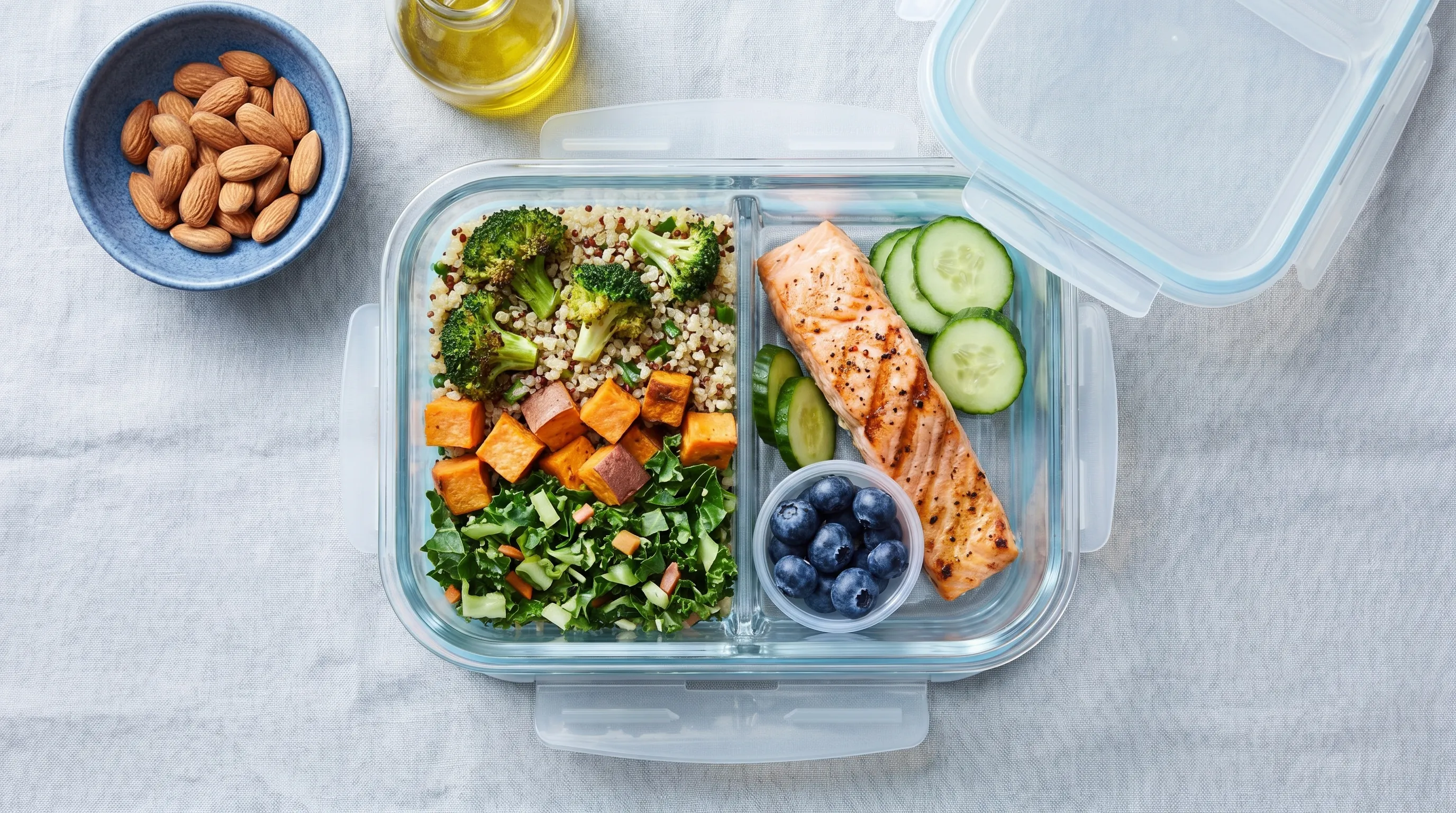
Proper nutrition is foundational to mitigating metabolic shifts and maintaining stable body composition. Since isotretinoin must be absorbed alongside dietary fat, patients often increase intake of butter, cheese, or processed snacks to comply with dosing instructions. This practice inadvertently elevates daily caloric consumption without nutritional benefit. Instead, pair medication doses with healthy fats such as avocado, olive oil, nuts, or fatty fish like salmon. Prioritize high-fiber vegetables, legumes, and whole grains to support digestive regularity and stabilize blood sugar levels. Limiting added sugars and ultra-processed foods reduces triglyceride elevation and prevents unnecessary fat storage.
Exercise Recommendations and Joint Care
Physical activity remains highly encouraged during treatment, provided it aligns with individual tolerance levels. Begin with low-resistance training, focus on proper form, and incorporate mobility drills to maintain joint range of motion. Walking fifteen to thirty minutes daily supports cardiovascular health without straining connective tissue. Resistance bands and bodyweight exercises offer scalable alternatives to heavy lifting. If soreness develops, reduce intensity by forty to fifty percent for a few days, apply gentle heat therapy, and prioritize recovery sleep. Consistency trumps intensity when managing metabolic health during systemic therapy.
Monitoring Progress and When to Consult a Doctor
Tracking your health metrics goes beyond stepping on a scale. Maintain a weekly log documenting body weight, waist circumference, energy levels, sleep quality, and any musculoskeletal symptoms. Take progress photographs under consistent lighting to observe skin improvements without fixating on daily fluctuations. Schedule all recommended laboratory appointments, including fasting lipid panels, liver function tests, and complete blood counts Cleveland Clinic. Contact your dermatologist promptly if you experience unexplained weight gains exceeding two to three pounds per week, persistent joint pain, severe mood changes, or signs of pancreatitis such as abdominal pain and nausea. Early intervention prevents complications and ensures treatment continuity.
| Treatment Approach | Typical Weight Impact | Primary Metabolic Considerations | Recommended Lifestyle Adjustments |
|---|---|---|---|
| Isotretinoin (Accutane) | Minimal direct effect; occasional fluid shifts | Elevated triglycerides, lipid metabolism changes | Omega-3 supplementation, low-sodium diet, joint-friendly exercise |
| Oral Antibiotics (Doxycycline/Minocycline) | Neutral to mild GI-related fluctuations | Gut microbiome alteration, photosensitivity | Probiotic intake, consistent meal timing, sun protection |
| Topical Retinoids | Negligible systemic impact | Localized skin dryness, barrier disruption | Gentle cleansers, non-comedogenic moisturizers, patch testing |
| Hormonal Therapy (Spironolactone/OCPs) | Variable; often neutral or mild fluid changes | Electrolyte balance, hormonal regulation | Potassium monitoring, blood pressure checks, balanced hydration |
| Anti-Inflammatory Supplements | Generally neutral | Mild blood-thinning potential | Consultation before combining medications, whole-food focus |
Addressing Myths and Misconceptions
Debunking the Weight Gain Rumor
The persistent question of whether can accutane cause weight gain stems largely from confirmation bias and anecdotal amplification. When patients anticipate side effects, they often attribute normal physiological fluctuations to the medication. Human body weight naturally varies by two to five pounds daily due to hydration status, glycogen storage, sodium intake, and digestive contents. Without standardized measurement protocols, these variations are easily misinterpreted as drug-induced changes. Peer-reviewed dermatology literature consistently reaffirms that isotretinoin lacks lipogenic mechanisms. The medication targets sebaceous glands, keratinocytes, and inflammatory pathways, none of which directly stimulate adipogenesis or fat cell proliferation.
Online Forums vs. Peer-Reviewed Research
Digital communities provide valuable emotional support but often blur the line between personal experience and clinical evidence. Unverified claims spread rapidly through social platforms, creating echo chambers that amplify perceived risks. While patient testimonials are valid and should never be dismissed, they must be contextualized within broader scientific frameworks. Clinical trials employ double-blind methodologies, standardized dosing, and objective measurements to isolate drug effects. When reviewing literature, prioritize sources published in indexed journals, regulatory agency statements, and academic medical institutions. Critical evaluation of sources empowers patients to separate actionable guidance from internet speculation.
Alternative Acne Treatments and Weight Profiles
Oral Antibiotics and Metabolic Impact
For patients who cannot tolerate systemic retinoids, oral antibiotics serve as a second-line option. Tetracycline-class medications like doxycycline and minocycline reduce cutaneous inflammation and bacterial colonization but do not alter sebaceous gland structure permanently. Their metabolic profile differs significantly from isotretinoin, with primary concerns revolving around gastrointestinal tolerance and potential microbiome disruption. Weight changes are rarely reported, though some patients experience mild appetite fluctuations due to stomach sensitivity. Taking antibiotics with a full glass of water and avoiding late-night dosing minimizes digestive strain.
Topical Retinoids and Lifestyle Compatibility
Topical therapies, including tretinoin, adapalene, and tazarotene, deliver retinoid activity directly to the skin with negligible systemic absorption. This localized approach eliminates concerns regarding lipid metabolism, liver function, or body weight fluctuations NIH MedlinePlus. While they may not resolve severe nodular acne as comprehensively as isotretinoin, they remain excellent maintenance options or adjunct treatments. Patients using topicals can maintain unrestricted dietary and exercise routines without metabolic monitoring, making them ideal for long-term skin health management. Combining topical retinoids with consistent sunscreen application and non-comedogenic moisturizers maximizes efficacy while preserving skin barrier integrity.

Frequently Asked Questions
Can Isotretinoin Cause Direct Fat Gain According to Medical Studies?
No. Peer-reviewed clinical trials and regulatory documentation do not identify direct adipose tissue accumulation as a pharmacological effect of isotretinoin. The medication primarily influences sebaceous gland activity, follicular keratinization, and systemic inflammation. When weight changes occur, they typically stem from dietary adjustments, fluid retention, lifestyle modifications, or concurrent metabolic factors rather than the drug itself.
How Long Do Fluid Retention Symptoms Last After Stopping Treatment?
Mild water retention, if present, usually resolves within two to six weeks after completing the course. The body gradually restores normal fluid balance as triglyceride levels normalize and hepatic lipid processing stabilizes. Maintaining consistent hydration, reducing dietary sodium, and engaging in gentle movement accelerates the return to baseline measurements.
Should I Adjust My Diet to Counteract Potential Metabolic Shifts?
Yes. Focus on whole foods, increase omega-3 fatty acid intake, and prioritize fiber-rich carbohydrates to support lipid metabolism. Avoid pairing your dose with high-sugar or heavily processed meals. Instead, choose balanced options containing lean protein, healthy fats, and vegetables. This approach minimizes triglyceride spikes and supports stable energy levels throughout treatment.
What Exercises Are Safest While Experiencing Joint Discomfort?
Low-impact cardiovascular activities such as walking, stationary cycling, swimming, and water aerobics place minimal stress on joints while maintaining heart health. Incorporate dynamic stretching and mobility flows before activity. Avoid heavy powerlifting, high-impact plyometrics, or excessive endurance training during periods of musculoskeletal sensitivity.
When Is It Necessary to Contact My Dermatologist About Weight Changes?
Seek medical guidance if you experience rapid weight increases, persistent swelling, unexplained fatigue, or significant mood alterations alongside dietary consistency. These symptoms may indicate underlying metabolic, endocrine, or psychological factors requiring evaluation. Never discontinue your medication abruptly without professional consultation to prevent acne relapse and ensure safe treatment progression.
Conclusion
The question of whether can accutane cause weight gain reflects a natural desire to understand how powerful medications interact with the body. Scientific evidence consistently demonstrates that isotretinoin does not directly stimulate fat accumulation or alter adipose tissue metabolism Mayo Clinic. Most reported fluctuations stem from fluid shifts, lifestyle adaptations, dosing requirements, or emotional well-being changes during treatment. By focusing on balanced nutrition, joint-friendly movement, consistent hydration, and structured health monitoring, patients can navigate their acne therapy with confidence and metabolic stability. Always rely on peer-reviewed research, regulatory guidelines, and direct communication with licensed dermatologists rather than unverified online claims. Achieving clear skin is a journey that intersects with overall wellness, and maintaining a holistic, evidence-based approach ensures both lasting dermatological results and sustained physical health throughout your treatment course.
How we work
Researched and drafted with AI assistance, then reviewed by a human editor against the cited sources.
This article is general health information, not medical advice. Consult a qualified healthcare professional about your own situation.