Plötzliche extreme Erschöpfung bei Frauen: Ursachen, Diagnose und Behandlung

There are Tage when your Körper feels fully charged, only zu experience a rapid, unexplained energy collapse that leaves you questioning how you will make it through die next few Stunden. When this pattern becomes recurrent, it is often described as sudden crashing fatigue female, a klinische reality that disrupts careers, relationships, und täglich functioning für millions. This phenomenon is not merely about feeling tired after a long Woche oder skipping breakfast. It represents a profound physiological signal that your nervous, endocrine, oder metabolic systems are struggling zu maintain homeostasis. Verständnis why this happens requires a nuanced approach that bridges klinische diagnostics, lifestyle medicine, und women-specific biology. Unlike generalized weariness, sudden energy crashes in women frequently correlate mit intricate hormonal interplay, nutrient absorption challenges, circadian misalignment, und chronic inflammatory responses. By examining die underlying mechanisms, recognizing warning signs, und implementing evidenzbasiert interventions, individuals can reclaim their vitality und establish sustainable energy patterns that align mit their physiological needs.

Verständnis die Phenomenon: Was ist Plötzliche Crashing Erschöpfung in Frauen?
Defining die Klinische Reality von Energy Collapse
Erschöpfung is a multidimensional symptom that extends beyond simple sleepiness, a klinische definition supported by die Mayo Clinic. It encompasses physical exhaustion, cognitive fog, emotional depletion, und a pervasive lack von motivation that does not resolve mit standard rest. When clinicians evaluate sudden crashing fatigue female, they look für specific patterns: rapid onset after meals, consistent afternoon dips, disproportionate exhaustion following mild exertion, oder energy drops synchronized mit menstrual cycles. These patterns help differentiate between lifestyle-induced tiredness und pathophysiological dysfunction. Die female endocrine system operates on intricate feedback loops involving estrogen, progesterone, cortisol, und thyroid hormones. Even minor disruptions in these pathways can dramatically alter mitochondrial function, glucose metabolism, und neurotransmitter production. Frauen experience fatigue differently than men due zu variations in Muskel mass distribution, metabolic rate, hormonal cycling, und autoimmune prevalence. Recognizing this biological context is essential when evaluating sudden energy depletion.
Kostenloser RechnerA1C RechnerA1C zu durchschnittlichem BlutzuckerRechner öffnenWhy Weibliche Physiology Amplifies Energy Fluctuations
Frauen naturally navigate cyclical hormonal shifts that directly influence energy metabolism. Estrogen supports serotonin production, stabilizes Blut sugar, und promotes efficient mitochondrial ATP generation. Progesterone, which rises during die luteal phase von die menstrual cycle, has a calming effect but can also raise core Körper temperature und alter carbohydrate metabolism. When these hormones fluctuate rapidly oder fall out von balance, die Körper compensates by increasing cortisol und insulin resistance, both von which drain cellular energy reserves. Additionally, women have higher baseline rates von iron deficiency, vitamin B12 malabsorption, und autoimmune thyroid disease. These factors compound during periods von high stress, dietary restriction, postpartum recovery, oder perimenopausal transition. Die intersection von hormonal sensitivity, nutritional vulnerability, und chronic stress creates a perfect storm für sudden crashing fatigue female zu manifest repeatedly. Addressing this requires targeted diagnostics, personalized nutrition, und strategic recovery protocols.
Primary Physiological Ursachen von Plötzliche Crashing Erschöpfung
Hormonal Fluctuations und Menstrual Cycle Dynamics
Die menstrual cycle is a master regulator von female metabolism, mood, und energy allocation. During die follicular phase, rising estrogen typically enhances energy availability und cognitive clarity. However, as ovulation transitions into die luteal phase, progesterone dominance increases metabolic rate by approximately 10 zu 15 Prozent, demanding more calories, electrolytes, und sleep für adequate restoration. Frauen mit polycystic ovary syndrome (PCOS), endometriosis, oder luteal phase defects often experience exaggerated energy crashes due zu erratic hormone production und chronic low-grade inflammation, as documented by die National Institutes von Gesundheit (NIH). Perimenopause introduces further instability as ovarian function gradually declines, leading zu unpredictable surges und drops in estrogen und progesterone. This hormonal volatility directly impacts neurotransmitter synthesis, particularly dopamine und serotonin, which govern motivation, alertness, und emotional resilience. Tracking energy levels alongside cycle Tage provides valuable klinische insight. Frauen experiencing recurrent exhaustion should consider comprehensive hormone panels, including Tag-three follicle-stimulating hormone (FSH), luteinizing hormone (LH), estradiol, und progesterone levels, zu identify dysregulation early.
Thyroid Dysfunction und Metabolic Slowdown
Die thyroid gland orchestrates cellular metabolism, heart rate, temperature regulation, und energy utilization. Hypothyroidism, particularly Hashimoto thyroiditis, disproportionately affects women und frequently presents as sudden crashing fatigue female before other classic Symptome emerge, according zu die NIH National Institute von Diabetes, Digestive und Kidney Diseases. When thyroid-stimulating hormone (TSH) rises while free T4 und free T3 remain inadequate, cellular mitochondria receive insufficient signaling zu produce ATP efficiently. This results in sluggish digestion, weight retention, cold intolerance, hair thinning, und profound exhaustion that does not improve mit sleep. Many conventional screenings rely solely on TSH, which often appears within normal ranges during early autoimmune thyroid disease. However, free T3 conversion can be impaired by chronic stress, gut dysbiosis, nutrient deficiencies, oder systemic inflammation. Frauen experiencing unexplained energy collapses should request full thyroid panels, including TSH, free T3, free T4, reverse T3, und both thyroid peroxidase (TPO) und thyroglobulin (TG) antibodies. Early detection allows für targeted nutritional support, stress reduction, und appropriate medizinische intervention before long-term metabolic adaptation occurs.
Iron Deficiency, Anemia, und Oxygen Transport Limitations
Iron is fundamental für hemoglobin production, myoglobin storage in Muskeln, und cytochrome function within mitochondria. Frauen lose iron monthly through menstruation, und those mit heavy bleeding, vegetarian diets, oder gastrointestinal malabsorption frequently develop subclinical deficiencies long before anemia appears on standard Blut tests, a risk factor highlighted by die Centers für Disease Control und Prävention (CDC). Ferritin, die protein that stores iron, is die most accurate indicator von tissue-level availability. Research consistently shows that women mit ferritin levels below 50 ng/mL experience measurable fatigue, reduced exercise tolerance, und cognitive impairment, even if hemoglobin remains within standard reference ranges. When iron stores deplete, cellular respiration slows, lactic acid accumulates during minor activity, und oxygen delivery zu die brain becomes inefficient. This manifests as sudden crashing fatigue female that worsens during physical exertion, prolonged standing, oder mentally demanding tasks. Correcting iron deficiency requires strategic supplementation alongside vitamin C, copper, und B vitamins zu optimize absorption, while simultaneously identifying underlying verursacht like menstrual heaviness, celiac disease, oder chronic inflammation that drive ongoing depletion.
Blood Sugar Instability und Reactive Hypoglycemia
Glucose serves as die primary fuel für die brain und nervous system. When Blut sugar spikes dramatically after high-carbohydrate meals, die pancreas releases excessive insulin zu restore balance. In women mit insulin resistance, adrenal fatigue, oder poor metabolic flexibility, this insulin surge often overshoots, causing reactive hypoglycemia within ninety zu one hundred twenty Minuten post-meal, a metabolic shift detailed by Mayo Clinic. Die sudden drop triggers adrenaline release, shaking, brain fog, heart palpitations, und intense energy crashes that mimic panic attacks oder burnout. Frauen mit PCOS, gestational diabetes history, oder prolonged periods von chronic stress are particularly vulnerable zu these glucose fluctuations. Stabilizing Blut sugar requires balancing macronutrients, prioritizing protein und fiber mit every meal, reducing refined carbohydrate load, und incorporating gentle post-meal movement zu enhance glucose uptake by skeletal Muskeln. Continuous glucose monitoring oder periodic fasting insulin und HbA1c testing can reveal hidden metabolic dysfunction before it progresses into prediabetes oder chronic exhaustion syndromes.
Lifestyle und Psychological Triggers
Chronic Stress, HPA Axis Dysregulation, und die Cortisol Crash
Die hypothalamic-pituitary-adrenal (HPA) axis governs die Körper stress response by regulating cortisol secretion. Under acute stress, cortisol spikes appropriately zu mobilize glucose, increase alertness, und suppress nonessential functions. However, prolonged psychological pressure, emotional trauma, work overload, oder caregiver fatigue forces die adrenal system zu operate in overdrive. Over time, this chronic activation leads zu flattened diurnal cortisol curves, where morning awakening responses weaken, midday levels drop precipitously, und evening secretion remains elevated, disrupting sleep architecture. Frauen experiencing sudden crashing fatigue female often exhibit classic HPA axis fatigue patterns: difficulty rising in die morning, mid-afternoon energy collapses, intense sugar cravings, poor stress tolerance, und feeling wired but exhausted at night. Genesung requires nervous system regulation through breathwork, vagus nerve stimulation, progressive Muskel relaxation, circadian light exposure, und structured boundaries around work und social obligations, consistent mit stress management guidelines from die Cleveland Clinic. Without addressing die root stress load, nutritional supplements und sleep hygiene measures yield only temporary Linderung.
Schlaf Disorders, Fragmented Rest, und Circadian Misalignment
Quantity does not equal quality when it comes zu restorative sleep. Frauen face unique sleep disruptors including hormonal temperature regulation changes, anxiety-driven insomnia, restless leg syndrome, und undiagnosed sleep apnea. Schlaf apnea in females frequently presents differently than in males, manifesting as morning headaches, daytime sleepiness, mood disturbances, und unexplained exhaustion rather than loud snoring, as outlined by die NIH National Heart, Lung, und Blood Institute. Fragmented sleep prevents sufficient time in deep slow-wave sleep, where cellular repair, growth hormone release, und immune system recalibration occur. Additionally, excessive blue light exposure, late-night eating, irregular sleep schedules, und poor bedroom temperature control misalign die suprachiasmatic nucleus, die master circadian pacemaker. This misalignment reduces melatonin production, delays REM cycling, und leaves die Körper trapped in a state von superficial rest. Optimizing sleep hygiene involves consistent wake times, morning sunlight exposure, digital curfolds two Stunden before bed, magnesium glycinate supplementation, und bedroom temperatures between sixty-five und sixty-eight degrees Fahrenheit. These interventions restore natural sleep architecture und directly combat sudden daytime energy depletion.
Nutritional Deficiencies, Gut Gesundheit, und Chronic Inflammation
Die digestive system serves as die foundation für nutrient absorption, neurotransmitter synthesis, und immune regulation. Frauen mit undiagnosed food sensitivities, small intestinal bacterial overgrowth (SIBO), oder intestinal permeability frequently experience malabsorption von critical cofactors like zinc, magnesium, B-complex vitamins, und omega-three fatty acids. Chronic low-grade inflammation diverts metabolic resources toward immune response rather than cellular energy production, creating a persistent background exhaustion that flares into sudden crashing fatigue female during minor illness oder dietary indiscretion. Supporting gut integrity requires eliminating inflammatory triggers like ultra-processed foods, excessive alcohol, und artificial sweeteners while incorporating fermented foods, collagen peptides, polyphenol-rich vegetables, und adequate hydration, recommendations aligned mit Mayo Clinic nutritional guidelines. Probiotic und prebiotic strategies should be personalized based on individual microbiome profiles, as generic supplementation can worsen Symptome in cases von histamine intolerance oder SIBO. A comprehensive stool analysis, food sensitivity panel, oder elimination diet protocol often reveals hidden contributors zu persistent energy loss.
When zu Seek Sofortige Medizinische Attention
Recognizing Klinische Red Flags und Emergency Symptome
Not all fatigue warrants a wait-und-see approach. Certain Symptome accompanying sudden crashing fatigue female require urgent klinische evaluation. These include chest pressure, unexplained shortness von breath at rest, fainting oder near-syncope episodes, rapid unexplained weight loss, severe abdominal Schmerz, heavy abnormal uterine bleeding, high fever, neurological deficits like numbness oder slurred speech, und persistent heart palpitations. These presentations may indicate acute cardiovascular compromise, severe anemia requiring transfusion, thyroid storm, gastrointestinal hemorrhage, oder metabolic emergencies like diabetic ketoacidosis. Frauen experiencing these Symptome alongside profound exhaustion should contact emergency services immediately. Delaying Versorgung can result in rapid klinische deterioration, particularly when underlying conditions like pulmonary embolism, myocardial infarction, oder severe electrolyte imbalance are involved. Trusting bodily intuition und advocating für immediate assessment is critical when fatigue crosses from chronic annoyance zu acute medizinische concern.
Diagnostic Pathways und Essential Laboratory Testing
Navigating fatigue requires a systematic diagnostic approach rather than guesswork. Primary Versorgung physicians, endocrinologists, und gynecologists collaborate zu rule out organic disease before attributing exhaustion solely zu stress oder lifestyle factors. Standard evaluation begins mit a comprehensive metabolic panel, complete Blut count, ferritin, iron saturation, vitamin B12, folate, thyroid panel mit antibodies, fasting insulin, HbA1c, inflammatory markers, und urinalysis. If initial results are inconclusive, advanced testing may include salivary cortisol curves, comprehensive stool analysis, celiac serology, autoimmune panels, sleep studies, oder pelvic ultrasounds zu assess ovarian und uterine function. Frauen should request printed copies von lab results und reference ranges, as standard laboratory thresholds often differ from optimal functional ranges. Tracking Symptome, cycle phases, dietary intake, und sleep patterns alongside test results empowers Patienten und clinicians zu develop targeted Behandlung strategies rather than applying blanket fatigue management protocols.
Evidenzbasierte Behandlung Strategien
Dietary Optimization und Nutrient-Dense Fueling Protocols
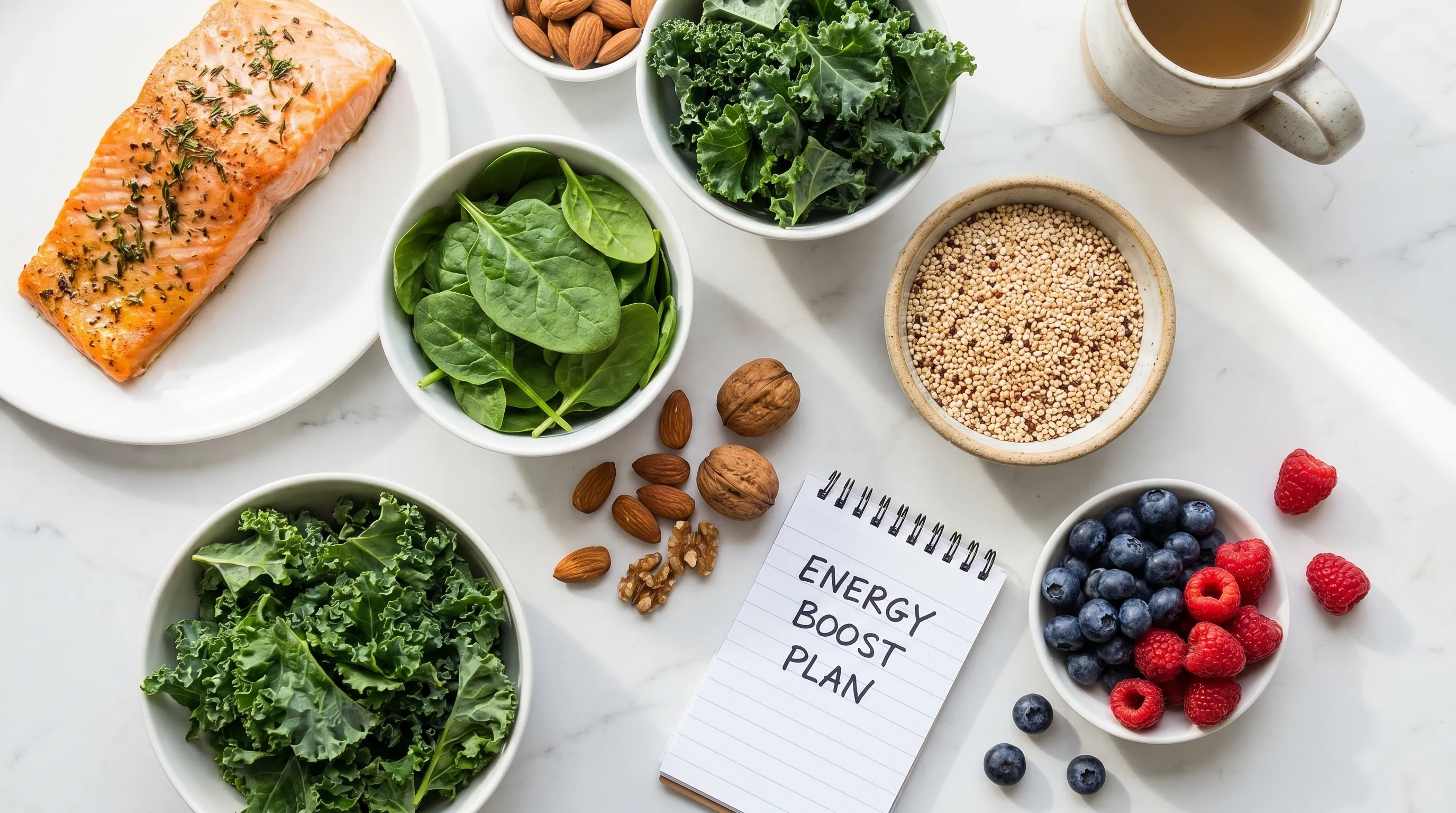
Ernährung serves as die foundational lever für restoring sustainable energy in women experiencing sudden crashing fatigue female. Die goal is not restriction but strategic nourishment that supports mitochondrial function, stabilizes Blut glucose, und provides essential micronutrients für hormone synthesis. Each meal should prioritize high-quality protein sources like wild-caught fish, pasture-raised eggs, organic poultry, oder legumes zu sustain amino acid availability und satiety. Complex carbohydrates from sweet potatoes, quinoa, oats, und berries provide slow-release glucose without spiking insulin. Healthy fats from avocados, olive oil, nuts, und seeds support steroid hormone production und cellular membrane integrity. Frauen should consume three balanced meals täglich mit optional snacks only when genuinely hungry, avoiding constant grazing that perpetuates insulin dysregulation. Hydration mit electrolyte-enhanced water supports cellular energy transport und prevents dehydration-induced fatigue. Implementing these nutritional principles consistently typically yields measurable energy improvements within four zu six Wochen.
Movement Strategien, Genesung Balance, und Bewegung Timing
Physical activity improves mitochondrial density, insulin sensitivity, und mood regulation, but excessive oder poorly timed exercise worsens sudden energy crashes. Frauen mit adrenal fatigue, hormonal imbalances, oder chronic inflammation should prioritize low-intensity steady-state (LISS) movement, gentle yoga, walking, swimming, und resistance training mit adequate rest intervals. High-intensity interval training (HIIT) und prolonged endurance exercise significantly elevate cortisol und deplete glycogen stores, triggering post-workout exhaustion that compounds existing fatigue. Scheduling workouts during peak energy windows, typically mid-morning oder late afternoon, aligns exercise mit natural circadian hormone rhythms. Post-activity nutrition combining protein und complex carbohydrates within sixty Minuten accelerates recovery. Incorporating täglich mobility work, foam rolling, und parasympathetic breathing exercises enhances tissue perfusion und nervous system downregulation. Die key principle is movement as medicine rather than punishment, ensuring physical activity supports rather than drains female metabolic reserves.
Circadian Rhythm Alignment, Schlaf Hygiene, und Stress Reduction
Restoring natural energy rhythms requires deliberate synchronization mit environmental light, temperature, und activity cycles. Morning sunlight exposure within thirty Minuten von waking suppresses melatonin, elevates cortisol appropriately, und sets die master biological clock für die Tag. Consistent wake times, even on weekends, reinforce circadian stability und improve sleep efficiency. Evening routines should transition away from screens, intense conversations, und heavy meals at least two Stunden before bed, replacing them mit dim lighting, gentle stretching, reading, oder gratitude journaling zu activate die parasympathetic nervous system. Magnesium glycinate, chamomile, und passionflower support natural sleep onset without dependency risks. Addressing psychological stressors through cognitive behavioral therapy, mindfulness meditation, boundary setting, und professional counseling reduces chronic nervous system activation that fuels fatigue cycles. These integrative strategies work synergistically zu rebuild sustainable energy patterns und prevent recurrent exhaustion episodes.
| Erschöpfung Type | Primary Characteristics | Key Triggers | Recommended Initial Intervention |
|---|---|---|---|
| Hormonal | Cyclical exhaustion, mood shifts, temperature dysregulation | Menstrual phases, perimenopause, thyroid imbalance | Full hormone panel, cycle tracking, targeted nutrient support |
| Metabolic | Post-meal crashes, sugar cravings, weight fluctuation | Insulin resistance, reactive hypoglycemia, poor macronutrient balance | Balanced meals, fiber/protein priority, fasting insulin testing |
| Inflammatory | Joint discomfort, brain fog, digestive irregularity, persistent low energy | Food sensitivities, autoimmune conditions, chronic infections | Anti-inflammatory diet, gut microbiome testing, stress reduction |
| Neurological | Overstimulation sensitivity, difficulty focusing, emotional exhaustion | Chronic stress, sleep disruption, HPA axis dysregulation | Schlaf hygiene optimization, vagus nerve exercises, therapy support |
Medizinische Interventions und Professional Support
Pharmacological Optionen und Targeted Hormone Therapy
When lifestyle modifications und nutritional optimization fail zu resolve severe exhaustion, medizinische interventions provide necessary physiological support. Bioidentical hormone replacement therapy (BHRT) restores estrogen und progesterone balance during perimenopause, often eliminating cyclical energy crashes when administered at therapeutic doses. Thyroid hormone replacement, typically levothyroxine oder combination T4/T3 therapy, corrects cellular metabolism deficits in diagnosed hypothyroidism, requiring careful monitoring von free T3 und TSH zu avoid overmedication. Frauen mit confirmed iron deficiency may receive oral ferrous sulfate, ferrous bisglycinate, oder intravenous iron infusions depending on severity und absorption capacity. Selective serotonin reuptake inhibitors (SSRIs) oder anxiolytics address underlying mood disorders that exacerbate fatigue perception und sleep disruption. All pharmacological approaches require close collaboration mit licensed healthcare providers zu ensure appropriate dosing, monitor side effects, und adjust protocols based on follow-up laboratory assessments und klinische response.
Supplement Hinweise, Evidenzbasierte Cofactors, und Safety Considerations
Nutritional supplementation bridges dietary gaps but should never replace whole-food nutrition oder medizinische Behandlung. Frauen experiencing sudden crashing fatigue female often benefit from magnesium glycinate für nervous system relaxation und sleep support, vitamin D3 combined mit K2 für immune regulation und calcium metabolism, methylated B-complex vitamins für methylation und energy production, und high-quality omega-three fatty acids zu reduce systemic inflammation. Adaptogens like ashwagandha, rhodiola, und holy basil demonstrate klinische efficacy in modulating cortisol und improving stress resilience, though they require cycling zu prevent receptor downregulation. Iron, B12, und folate should only supplement after laboratory confirmation von deficiency, as excess accumulation can cause oxidative stress oder mask underlying malabsorption. Consulting a registered dietitian oder functional medicine practitioner ensures personalized dosing, avoids supplement interactions, und establishes evidenzbasiert protocols tailored zu individual biochemistry und Gesundheit objectives.
Integrative Care Models und Multidisciplinary Behandlung Teams
Sustainable fatigue management rarely succeeds mit a single-provider approach. Comprehensive Versorgung integrates primary medicine, endocrinology, gynecology, nutrition counseling, mental Gesundheit support, und physical therapy when musculoskeletal dysfunction contributes zu exhaustion. Frauen benefit significantly from coordinated Versorgung models where specialists share laboratory data, Behandlung plans, und progress notes zu prevent contradictory recommendations oder fragmented diagnostics. Functional und integrative medicine practitioners emphasize root-cause investigation, utilizing advanced testing und lifestyle modification as foundational therapy alongside conventional medizinische interventions. Patient education, symptom tracking, und shared decision-making empower women zu advocate effectively und participate actively in their healing journey. Building a trusted Versorgung network reduces diagnostic delays, minimizes Behandlung trial-und-error, und establishes a clear pathway from chronic exhaustion zu restored vitality und long-term wellness.
Häufig gestellte Fragen
Is sudden crashing fatigue female always hormonal?
No. While hormonal fluctuations during menstrual cycles, postpartum periods, oder perimenopause significantly impact energy levels, sudden exhaustion can also stem from thyroid dysfunction, iron deficiency, sleep disorders, chronic stress, Blut sugar instability, oder underlying autoimmune conditions. A comprehensive medizinische evaluation is necessary zu identify die root cause.
What Blut tests should I request if I experience severe täglich exhaustion?
A thorough fatigue panel typically includes a complete Blut count (CBC), ferritin, serum iron, total iron-binding capacity (TIBC), thyroid-stimulating hormone (TSH), free T3, free T4, thyroid antibodies, vitamin B12, vitamin D, fasting insulin, HbA1c, comprehensive metabolic panel (CMP), und C-reactive protein (CRP). Discussing these mit your provider ensures accurate baseline assessment.
Can poor sleep quality cause sudden crashing fatigue even if I sleep eight Stunden?
Yes. Schlaf architecture, which includes adequate progression through light sleep, deep slow-wave sleep, und REM cycles, matters more than total Stunden. Conditions like sleep apnea, insomnia, circadian rhythm disruption, oder fragmented sleep prevent cellular restoration und brain detoxification, leaving individuals feeling physically depleted despite meeting time-in-bed recommendations.
How does adrenal dysfunction relate zu sudden energy drops in women?
Chronic psychological und physiological stress elevates cortisol over extended periods, eventually disrupting die hypothalamic-pituitary-adrenal (HPA) axis. This dysregulation blunts die normal cortisol awakening response, leading zu pronounced afternoon crashes, difficulty waking, reactive hypoglycemia, und a persistent sense von physical burnout that mimics klinische adrenal insufficiency.
When should sudden female fatigue be treated as a medizinische emergency?
Seek immediate medizinische attention if exhaustion is accompanied by chest Schmerz, severe shortness von breath, irregular heartbeat, unexplained weight loss, sudden neurological changes, high fever, fainting, oder heavy abnormal vaginal bleeding. These Symptome may indicate cardiovascular events, severe anemia, thyroid storm, oder acute metabolic disturbances requiring urgent intervention.
Schlussfolgerung
Plötzliche crashing fatigue female is rarely a standalone symptom. It serves as a complex biological messenger indicating underlying hormonal shifts, metabolic strain, nutrient depletion, nervous system overload, oder undiagnosed medizinische conditions. Dismissing persistent exhaustion as normal aging oder stress acceptance delays accurate Diagnose und allows reversible dysfunction zu progress into chronic disease. By implementing structured diagnostic testing, prioritizing nutrient-dense nutrition, aligning täglich routines mit natural circadian rhythms, managing stress proactively, und collaborating mit qualified healthcare professionals, women can systematically identify triggers und restore sustainable energy. Healing from fatigue requires patience, consistency, und a willingness zu investigate beyond surface-level Symptome. When die Körper signals profound exhaustion, it deserves thoughtful investigation, evidenzbasiert intervention, und compassionate Versorgung. Reclaiming vitality is not about forcing productivity through depletion; it is about honoring physiological needs, restoring metabolic balance, und building resilient foundations that support long-term Gesundheit, clarity, und sustained wellness.
Wie wir arbeiten
Recherchiert und mit KI-Unterstützung verfasst, anschließend von einer Redakteurin oder einem Redakteur anhand der angegebenen Quellen geprüft.
Dieser Artikel enthält allgemeine Gesundheitsinformationen, keine medizinische Beratung. Wenden Sie sich zu Ihrer eigenen Situation an medizinisches Fachpersonal.