Why Is the Roof of My Mouth Sore? Causes, Treatments, and When to See a Doctor

Key points
- Stress: Emotional stress is a well-documented trigger for aphthous ulcers.
- Hormonal Changes: Some women experience canker sores during certain phases of their menstrual cycle.
- Food Sensitivities: Acidic foods like citrus fruits, strawberries, and tomatoes, as well as chocolate, coffee, and nuts, can trigger sores in susceptible individuals.
- Nutritional Deficiencies: Lack of vitamin B-12, zinc, folate (folic acid), or iron can contribute to the formation of canker sores.
- Sodium Lauryl Sulfate (SLS): This foaming agent found in many toothpastes has been linked to canker sores in some studies.
Have you ever taken a bite of piping hot pizza or sipped scalding coffee, only to feel an immediate, sharp sting on the roof of your mouth? Or perhaps you woke up one morning with a persistent, nagging ache in your palate that makes eating and speaking uncomfortable. If you are asking yourself, "why is the roof my mouth sore," you are not alone. Palatal pain is a remarkably common complaint that affects people of all ages. While often dismissed as a minor inconvenience, the discomfort can range from a mild irritation to severe pain that interferes with daily life.
The roof of the mouth, medically known as the palate, is a complex structure composed of bone, muscle, and delicate mucous membranes. Because it is directly exposed to the foods we eat, the air we breathe, and potential pathogens, it is susceptible to a wide variety of injuries and conditions. Understanding the root cause of your discomfort is the first step toward effective treatment and relief. In many cases, the answer to why is the roof my mouth sore is straightforward—such as a simple thermal burn or physical trauma. However, in other instances, it may signal an underlying infection, nutritional deficiency, or even a more serious systemic issue.
This comprehensive guide delves deep into the myriad reasons behind palatal pain. We will explore the most common causes, from the infamous "pizza palate" to fungal infections like oral thrush. We will also discuss practical, evidence-based home remedies to soothe your symptoms and accelerate healing. Furthermore, we will highlight the critical warning signs that indicate when you should seek professional medical attention. By the end of this article, you will have a thorough understanding of why is the roof my mouth sore and the tools necessary to manage it effectively.
Anatomy of the Palate: Understanding the Structure
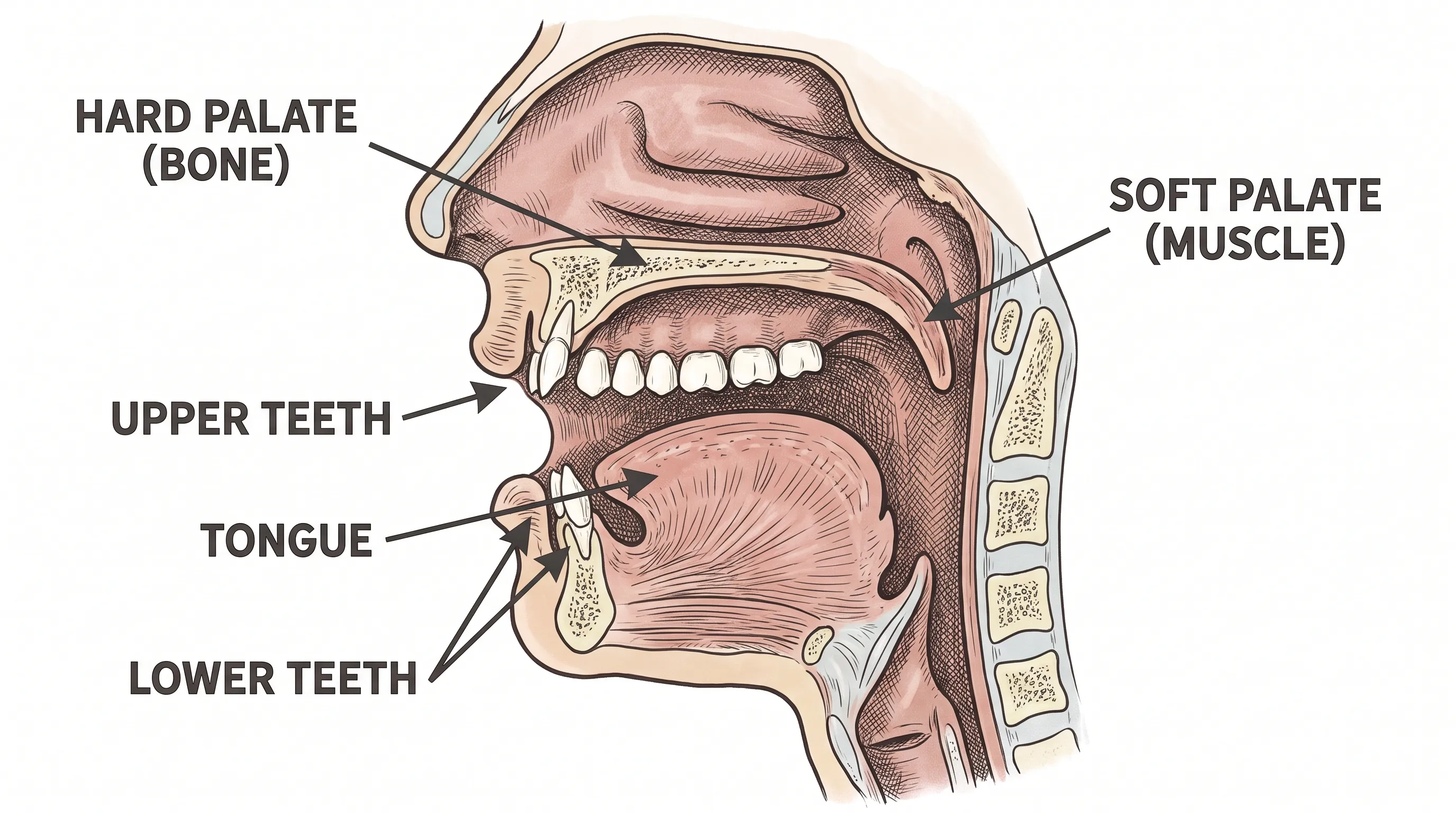
To fully grasp why is the roof my mouth sore, it is helpful to understand the anatomy of the area. The palate is divided into two distinct sections: the hard palate and the soft palate. Each section has unique characteristics that make it susceptible to different types of injury and disease.
Free calculatorWater Intake CalculatorCalculate daily water needsOpen the calculatorThe Hard Palate
The hard palate forms the anterior (front) portion of the roof of the mouth. It is a bony structure covered by a thin layer of mucous membrane. This area is rigid and provides a surface against which the tongue can press food during chewing and swallowing. Because the tissue here is tightly bound to the underlying bone, it has less flexibility and cushioning than other parts of the mouth. This makes the hard palate particularly vulnerable to thermal burns and abrasions from crunchy or sharp foods. When you ask why is the roof my mouth sore after eating chips or crusty bread, the hard palate is often the culprit.
The Soft Palate
The soft palate is located at the posterior (back) of the mouth. Unlike the hard palate, it is composed mainly of muscle and connective tissue, with no bone support. This flexibility allows the soft palate to move during swallowing and speech, closing off the nasal passages to prevent food from entering the nose. The mucous membrane here is thicker and more glandular. Conditions such as canker sores, viral infections like herpes, and post-nasal drip from sinus issues often affect the soft palate. If you are wondering why is the roof my mouth sore near the back of your throat, the soft palate is likely the area of concern.
Common Cause 1: Thermal Burns and Physical Trauma
One of the most frequent answers to the question why is the roof my mouth sore is physical injury. The mouth is the entry point for everything we consume, making it the first line of defense against thermal and mechanical damage.
Thermal Burns: The "Pizza Palate" Phenomenon
Thermal burns, colloquially known as "pizza palate," are arguably the most common cause of acute palatal pain. This occurs when you consume food or beverages that are excessively hot. Pizza cheese, in particular, is notorious for this because it retains heat significantly longer than the crust or sauce due to its high fat content. When this superheated cheese adheres to the roof of the mouth, it transfers intense heat to the mucous membrane.
The severity of the burn depends on the temperature and duration of contact. First-degree burns result in redness, swelling, and tenderness. Second-degree burns may cause blistering and peeling of the tissue. The pain is usually immediate and sharp, followed by a lingering soreness that can last for several days. If you find yourself asking why is the roof my mouth sore after a meal, recall if you consumed anything particularly hot. The good news is that the oral mucosa has a remarkable ability to regenerate. Most thermal burns heal completely within 3 to 7 days without scarring.
Mechanical Trauma and Abrasions
Physical trauma is another leading cause of palatal pain. This can occur in several ways:
- Food-Induced Injury: Sharp or crunchy foods like tortilla chips, hard candies, popcorn kernels, or crusty bread can scratch or puncture the delicate tissue of the palate. These micro-abrasions can become inflamed and painful, especially when exposed to acidic or salty foods.
- Dental Appliances: Individuals who wear dentures, retainers, or orthodontic braces are at higher risk for palatal sores. Ill-fitting dentures can rub against the hard palate, creating pressure sores or ulcers. Similarly, wires from braces can poke into the soft tissue, causing localized pain and irritation.
- Aggressive Oral Hygiene: While maintaining good oral hygiene is crucial, aggressive brushing or using a toothbrush with hard bristles can inadvertently injure the roof of the mouth. This is less common but can happen if one is too vigorous in their cleaning routine.
When evaluating why is the roof my mouth sore, consider any recent changes in your diet or dental appliances. Identifying the source of trauma is key to preventing recurrence.
Common Cause 2: Canker Sores and Aphthous Ulcers
Canker sores, also known as aphthous ulcers, are small, shallow lesions that develop on the soft tissues in your mouth or at the base of your gums. While they are more commonly found on the inside of the cheeks, lips, or tongue, they can occasionally appear on the soft palate. If you are investigating why is the roof my mouth sore and notice a small, white or yellow spot with a red border, a canker sore might be the cause.
Characteristics of Canker Sores
Unlike cold sores, canker sores are not contagious. They are not caused by a virus but are believed to be linked to immune system responses, stress, minor mouth injury, or food sensitivities. A typical canker sore starts with a tingling or burning sensation before the actual ulcer appears. The sore itself is usually round or oval with a white or yellow center and a red, inflamed border. They can be quite painful, especially when eating, drinking, or talking.
Triggers and Risk Factors
Several factors can trigger the development of canker sores:
- Stress: Emotional stress is a well-documented trigger for aphthous ulcers.
- Hormonal Changes: Some women experience canker sores during certain phases of their menstrual cycle.
- Food Sensitivities: Acidic foods like citrus fruits, strawberries, and tomatoes, as well as chocolate, coffee, and nuts, can trigger sores in susceptible individuals.
- Nutritional Deficiencies: Lack of vitamin B-12, zinc, folate (folic acid), or iron can contribute to the formation of canker sores.
- Sodium Lauryl Sulfate (SLS): This foaming agent found in many toothpastes has been linked to canker sores in some studies.
If you frequently suffer from canker sores and often ask why is the roof my mouth sore, keeping a diary of your diet and stress levels may help identify your personal triggers. Most canker sores heal on their own within one to two weeks. However, large or persistent sores may require medical treatment.
Common Cause 3: Infections (Thrush, Herpes, and Sinusitis)
Infections are a significant category of causes when determining why is the roof my mouth sore. Viral, fungal, and bacterial infections can all manifest as pain or lesions on the palate.
Oral Thrush (Candidiasis)
Oral thrush is a fungal infection caused by an overgrowth of Candida albicans, a yeast that naturally lives in the mouth. While everyone has this yeast in their mouth, problems arise when the balance of microorganisms is disrupted. This can happen due to antibiotic use, steroid inhalers, diabetes, or a weakened immune system.
Thrush presents as creamy white lesions on the tongue, inner cheeks, and sometimes the roof of the mouth. These lesions can be painful and may bleed slightly when scraped. Other symptoms include a cottony feeling in the mouth, loss of taste, and cracking at the corners of the mouth. If you are immunocompromised, have diabetes, or have recently taken antibiotics, and you are wondering why is the roof my mouth sore with white patches, thrush is a strong possibility. Treatment typically involves antifungal medications prescribed by a healthcare provider.
Cold Sores (Herpes Simplex Virus)
Cold sores are caused by the herpes simplex virus type 1 (HSV-1). They are highly contagious and typically appear as fluid-filled blisters on or around the lips. However, during a primary infection (the first time someone is exposed to the virus) or in cases of reactivation, cold sores can appear on the hard palate. These lesions start as tingling or itching, followed by the formation of blisters that eventually burst and crust over.
Unlike canker sores, cold sores are viral and contagious. If you have a history of cold sores and notice blisters on the roof of your mouth, this could be the reason why is the roof my mouth sore. Antiviral medications can help shorten the duration of outbreaks if taken early.
Sinus Infections (Sinusitis)
Surprisingly, sinus infections can cause pain in the roof of the mouth. The maxillary sinuses are located in the cheekbones, just above the upper teeth and below the eyes. The roots of the upper teeth extend close to the floor of these sinuses. When the sinuses become inflamed or infected (sinusitis), the resulting pressure and inflammation can radiate downward, causing pain in the upper teeth and the roof of the mouth.
This type of pain is often described as a dull ache or pressure rather than a sharp sting. It may worsen when bending over or lying down. Other symptoms of sinusitis include nasal congestion, facial pain, headache, and post-nasal drip. If you have recent cold or allergy symptoms and are asking why is the roof my mouth sore along with facial pressure, a sinus infection is a likely candidate. Treating the underlying sinus issue usually resolves the palatal pain.
Common Cause 4: Nutritional Deficiencies and Systemic Conditions
Sometimes, the answer to why is the roof my mouth sore lies not in local trauma or infection, but in systemic health issues. Nutritional deficiencies and certain chronic conditions can manifest as oral symptoms.
Vitamin and Mineral Deficiencies
Adequate nutrition is essential for maintaining healthy oral mucosa. Deficiencies in specific vitamins and minerals can lead to inflammation, soreness, and ulceration in the mouth.
- Vitamin B12: Essential for nerve function and cell division. Deficiency can cause glossitis (inflammation of the tongue) and mouth sores.
- Iron: Iron deficiency anemia can lead to pale gums and a sore, smooth tongue and palate.
- Folate (Vitamin B9): Important for cell growth. Low levels can result in mouth ulcers.
- Zinc: Plays a role in immune function and wound healing. Zinc deficiency can impair the healing of oral tissues.
If you have a restricted diet, follow a vegan lifestyle, or have conditions that affect nutrient absorption (like Crohn's disease or celiac disease), you may be at higher risk for these deficiencies. Addressing the nutritional gap through diet or supplements can resolve the soreness.
Autoimmune Diseases
Certain autoimmune diseases can cause oral lesions. For example, Lichen Planus is an inflammatory condition that can affect the skin and mucous membranes. In the mouth, it often appears as lacy white patches or open sores on the cheeks, gums, or roof of the mouth. Pemphigus vulgaris is another rare autoimmune disorder that causes blistering on the skin and mucous membranes, including the palate. These conditions require diagnosis and management by a healthcare professional.
Oral Cancer
While less common, persistent sores on the roof of the mouth can be a sign of oral cancer, specifically squamous cell carcinoma. Risk factors include tobacco use, heavy alcohol consumption, and HPV infection. Warning signs include:
- A sore that does not heal within two weeks.
- A lump or thickening in the mouth.
- White or red patches on the lining of the mouth.
- Difficulty chewing or swallowing.
- Numbness in the mouth.
If you are a smoker or heavy drinker and are concerned about why is the roof my mouth sore with a lesion that won't go away, it is crucial to see a dentist or doctor immediately for evaluation. Early detection significantly improves prognosis.
Effective Home Remedies and Self-Care Strategies
Once you have identified the likely cause, or while you wait for a professional diagnosis, there are several effective home remedies to alleviate pain and promote healing. Here is a structured approach to managing a sore roof of the mouth.
| Remedy | How It Works | Instructions | Best For |
|---|---|---|---|
| Salt Water Rinse | Reduces inflammation, cleanses the area, and promotes healing. | Mix 1/2 teaspoon of salt in a cup of warm water. Swish gently for 30 seconds, then spit out. Repeat 2-3 times daily. | Burns, minor trauma, canker sores. |
| Ice Chips | Numbs the pain and reduces swelling. | Suck on small ice chips or popsicles. Avoid very hard ice that could cause further trauma. | Thermal burns, acute pain. |
| Honey | Has natural antibacterial and anti-inflammatory properties. | Apply a small amount of raw honey directly to the sore. Let it sit for a few minutes before rinsing. | Minor ulcers, abrasions. |
| OTC Oral Gels | Provides temporary numbing relief. | Apply benzocaine-containing gel directly to the affected area as directed on the package. | Immediate pain relief for eating/speaking. |
| Avoid Irritants | Prevents further aggravation of the tissue. | Avoid hot, spicy, acidic (citrus, tomato), and crunchy foods. Stick to soft, cool foods like yogurt or applesauce. | All types of palatal pain. |

Hydration and Humidity
Keeping your mouth moist is essential for healing. Dry mouth (xerostomia) can exacerbate soreness and delay recovery. Drink plenty of water throughout the day. If you suffer from dry mouth, consider using a saliva substitute or chewing sugar-free gum to stimulate saliva production. Using a humidifier in your bedroom at night can also help keep oral tissues hydrated, especially if you breathe through your mouth while sleeping.
Dietary Adjustments
During the healing process, your diet plays a crucial role. Opt for soft, bland foods that require minimal chewing. Cool foods like yogurt, pudding, smoothies, and lukewarm soups are soothing. Avoid alcohol and tobacco, as both can irritate the mucous membranes and impede healing. If you suspect a nutritional deficiency, incorporate foods rich in Vitamin B12, iron, and folate, such as leafy greens, lean meats, eggs, and fortified cereals.
When to Seek Professional Medical Attention
While most cases of palatal pain are benign and self-limiting, there are situations where professional evaluation is necessary. Knowing when to see a doctor or dentist is critical for preventing complications.
Red Flags to Watch For
- Persistence: If the sore does not heal within two weeks, it requires evaluation. Persistent sores can be a sign of oral cancer or chronic infection.
- Severity: Severe pain that prevents you from eating, drinking, or sleeping warrants medical attention.
- Systemic Symptoms: If the sore is accompanied by high fever, fatigue, swollen lymph nodes, or difficulty swallowing, it may indicate a more serious infection.
- Spread: If the soreness spreads to other parts of the mouth or face, or if new sores appear rapidly.
- Recurrence: Frequent occurrences of mouth sores may indicate an underlying systemic condition, such as an autoimmune disease or nutritional deficiency, that needs management.
Diagnostic Process
When you visit a healthcare provider for a sore roof of the mouth, they will typically perform a physical examination of your mouth and neck. They may ask about your medical history, diet, and habits. In some cases, they may order blood tests to check for nutritional deficiencies or infections. If a lesion looks suspicious, a biopsy may be performed to rule out cancer. For suspected fungal infections, a swab may be taken for laboratory analysis.
Treatment will depend on the underlying cause. Antibiotics are prescribed for bacterial infections, antifungals for thrush, antivirals for herpes, and corticosteroids for autoimmune conditions. For trauma and burns, supportive care and pain management are the mainstays of treatment.
Frequently Asked Questions
Why is the roof of my mouth sore after eating pizza?
This is a common phenomenon known as "pizza palate." It is caused by a thermal burn from the hot cheese or sauce. The roof of the mouth has sensitive tissue that can easily blister or peel when exposed to high temperatures. The pain is usually temporary and heals within a few days. To prevent this, allow hot foods to cool slightly before eating.
Can a sinus infection cause pain in the roof of the mouth?
Yes, sinus infections can cause referred pain to the roof of the mouth. The maxillary sinuses are located directly above the upper teeth and palate. Inflammation and pressure in these sinuses can radiate downward, causing ache and tenderness in the palate and upper teeth. Treating the sinus infection typically resolves the palatal pain.
How long does it take for a burnt roof of the mouth to heal?
Minor thermal burns on the roof of the mouth usually heal within 3 to 7 days. The mouth has a rich blood supply that facilitates rapid healing. Deeper burns may take up to two weeks. Keeping the area clean with salt water rinses and avoiding irritants can speed up the recovery process.
When should I see a doctor for a sore roof of my mouth?
You should see a doctor or dentist if the sore persists for more than two weeks, if you have difficulty swallowing or breathing, if you have a high fever, or if the sore is accompanied by unexplained weight loss or lumps. Persistent sores can be a sign of oral cancer or other serious conditions that require prompt medical attention.
What is the best home remedy for a sore roof of the mouth?
The best home remedies include rinsing with warm salt water to reduce inflammation and keep the area clean, sucking on ice chips to numb the pain and reduce swelling, and avoiding hot, spicy, or acidic foods. Over-the-counter oral gels containing benzocaine can also provide temporary pain relief. Staying hydrated is also crucial for healing.
Conclusion
Experiencing pain in the roof of your mouth can be uncomfortable and concerning, but in most cases, it is a temporary issue with a straightforward cause. Whether you are dealing with a thermal burn from hot food, a canker sore triggered by stress, or an infection like oral thrush, understanding the underlying reason is the key to effective management. By asking "why is the roof my mouth sore," you take the first step toward finding relief.
Most cases of palatal pain can be managed effectively with simple home remedies such as salt water rinses, ice chips, and dietary adjustments. However, it is important to remain vigilant. If your symptoms persist, worsen, or are accompanied by other concerning signs, do not hesitate to seek professional medical advice. Early diagnosis and treatment can prevent complications and ensure a speedy recovery. Remember, your oral health is a window to your overall health, so paying attention to changes in your mouth is a vital part of maintaining your well-being. For more detailed information on mouth sores and oral health, you can refer to authoritative sources like the Mayo Clinic and the Cleveland Clinic.
How we work
Researched and drafted with AI assistance, then reviewed by a human editor against the cited sources.
This article is general health information, not medical advice. Consult a qualified healthcare professional about your own situation.