Understanding Pap Smear Spotting After Your Cervical Screening: A Complete Guide

Experiencing light vaginal bleeding or unexpected discharge after a routine gynecological visit can be unsettling, especially when you have been diligent about your reproductive wellness. Many patients walk into their annual appointments expecting straightforward results, only to notice unexpected changes in their cycle within the first couple of days. Understanding why pap smear spotting after your appointment occurs, how long it should realistically last, and when to seek clinical guidance is essential for maintaining both physical comfort and psychological peace of mind. This comprehensive guide breaks down the physiological mechanisms behind post-exam bleeding, outlines evidence-based recovery strategies, and provides clear clinical boundaries so you can navigate your screening experience with confidence and clarity.
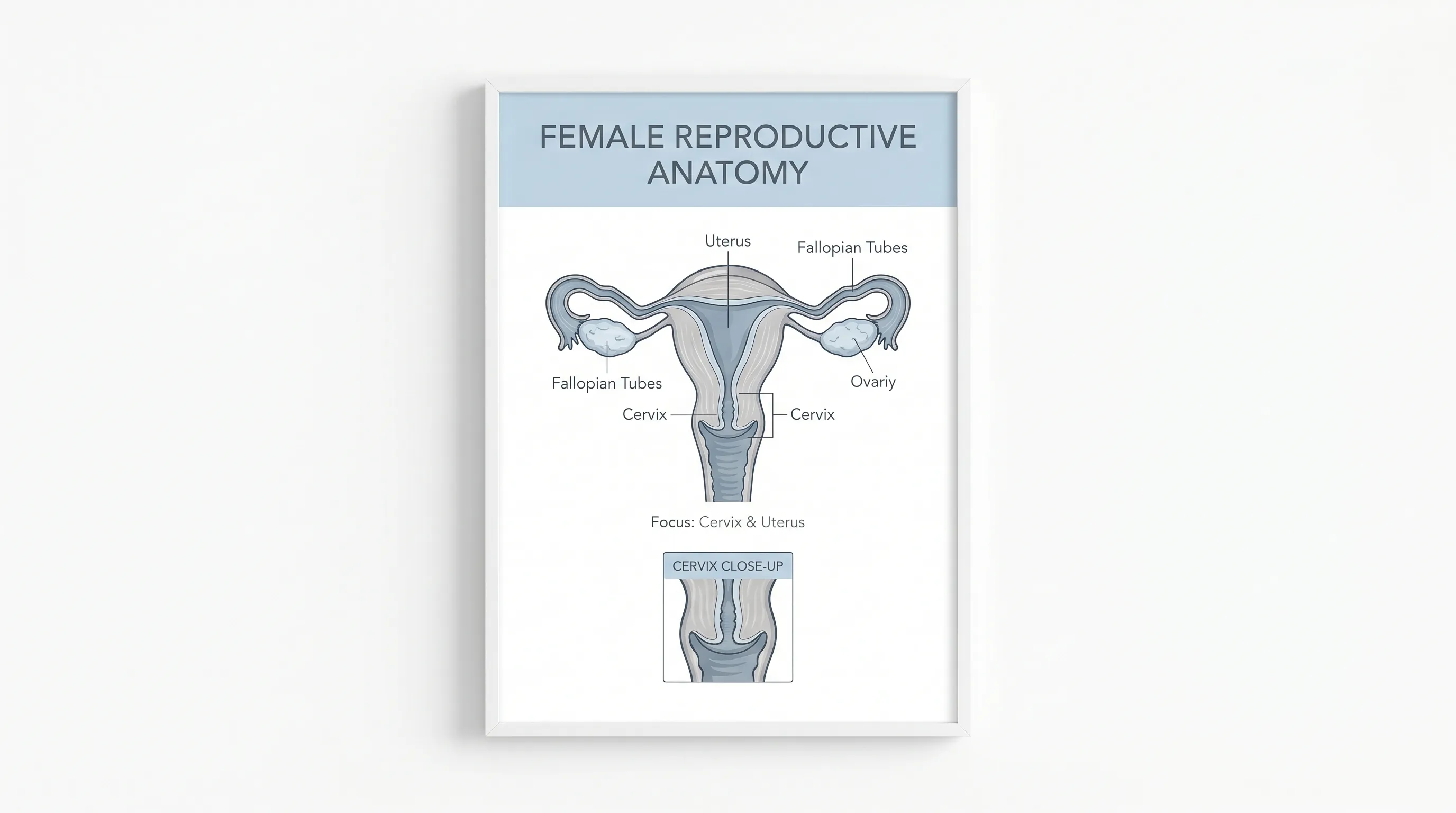
The cervix is a highly vascularized structure with a rich network of superficial blood vessels that respond easily to physical contact. During a pap smear, a healthcare provider uses a speculum to gently open the vaginal canal, followed by a small brush or spatula to collect cellular samples from both the external opening and the cervical canal. Even with expert technique, this mild scraping or brushing action can disrupt fragile surface cells, resulting in minor capillary oozing that mixes with cervical mucus. The color, volume, and duration vary significantly depending on individual anatomy, hormonal fluctuations, and recent sexual activity. While the medical community widely recognizes post-procedural light bleeding as a normal physiological response, understanding the specific variables at play helps distinguish routine healing from symptoms that warrant professional follow-up.
Understanding the Pap Smear Procedure and Cervical Anatomy
To fully grasp why light bleeding occurs, it helps to understand exactly what happens during a cervical screening and how your reproductive tract responds to clinical instrumentation. Modern gynecology has refined sampling techniques to maximize cellular yield while minimizing patient discomfort, yet the biological reality of the cervix means that some degree of surface irritation remains nearly inevitable.
Free calculatorOvulation CalculatorCalculate ovulation periodOpen the calculatorWhat Happens During a Cervical Screening?
A pap smear, often combined with high-risk human papillomavirus (HPV) co-testing, is the cornerstone of preventive gynecological care. The procedure typically takes only two to five minutes inside the examination room. After positioning on the exam table with your legs supported in stirrups, your provider inserts a lubricated speculum into the vagina to gently separate the vaginal walls and provide clear visual access to the cervix. Using a soft cytobrush and a flat spatula, the clinician rotates the instruments against the transformation zone (the area where squamous and glandular cells meet) to collect epithelial cells. These samples are immediately preserved in liquid media and sent to a pathology laboratory for microscopic analysis. While the sensation is often described as a quick pinch or mild pressure, the physical contact directly engages the cervical epithelium, which is naturally more delicate than the surrounding vaginal tissue.
For patients with cervical stenosis (narrowing), prior surgical history, or significant anxiety, providers may adjust their technique, use a smaller speculum, or apply additional topical comfort measures. Despite these accommodations, the mechanical interaction between the sampling tool and cervical tissue almost always causes microscopic abrasions. The body responds by initiating a localized inflammatory cascade to seal these tiny wounds, which manifests as light spotting mixed with clear or slightly cloudy discharge. Learn more about screening guidelines
Why Does the Cervix Bleed Easily?
Cervical vascularity differs substantially from other pelvic structures. The cervix contains a dense capillary bed designed to support menstruation, sperm transport, and eventual cervical remodeling during pregnancy. Unlike the vaginal walls, which feature thick stratified squamous epithelium built to withstand friction, the cervix (particularly the ectocervix and endocervical canal) features thinner, more fragile tissue that readily releases blood upon minor trauma. Hormonal fluctuations throughout the menstrual cycle also influence vascular fragility. Estrogen peaks during the follicular phase can temporarily increase mucosal thickness and blood flow, making the tissue more reactive to physical contact. Conversely, progesterone-dominant phases may leave the epithelium drier and slightly more prone to micro-tearing. These physiological variables explain why some patients experience immediate spotting while others notice nothing at all until the following morning.
Is Spotting Normal After a Pap Smear?
Navigating the aftermath of your appointment often involves closely monitoring your underwear and tracking symptom progression over several days. Medical consensus clearly establishes that light post-screening bleeding falls well within normal physiological boundaries, provided it follows predictable patterns and lacks accompanying warning signs.
Typical Duration and Flow
Most patients notice spotting within 12 to 24 hours following the procedure. The flow typically remains extremely light, requiring only a daily panty liner rather than a full pad or tampon. In clinical practice, bleeding usually resolves within 48 hours. Some individuals with heightened cervical sensitivity, those taking anticoagulant medications, or patients with naturally higher estrogen levels may experience light discharge lasting up to three days. The key indicator of normalcy is the downward trend: the spotting should gradually lighten in color, decrease in volume, and transition to clear cervical mucus before disappearing completely. If the bleeding intensifies after the first day, persists beyond a full week, or returns abruptly after initially resolving, these patterns fall outside typical recovery expectations and should be evaluated by your healthcare team.
Color and Consistency Variations
Post-pap discharge rarely presents as bright red, heavy menstrual flow. Instead, patients commonly describe a range of subtle color shifts that reflect normal healing dynamics. Pink-tinged mucus indicates a small mixture of fresh blood with cervical fluids, typically appearing within the first 24 hours. Light brown or rust-colored spotting represents older blood that has oxidized during its slow transit through the reproductive tract. Clear or slightly yellowish discharge may accompany the spotting as the cervix sheds residual cellular debris and lubricating fluids used during the exam. The consistency usually remains thin to slightly tacky, never thick, clotted, or accompanied by a foul odor. Understanding these color variations helps prevent unnecessary anxiety when tracking daily changes. Many providers recommend keeping a simple symptom log during the first three days, noting volume, color, and any accompanying sensations to share during your next visit if needed.
Managing Expectations for Pap Smear Spotting After Your Visit
Setting realistic expectations significantly reduces post-exam anxiety. Many patients schedule their appointments immediately after menstruation to minimize confusion with cycle-related bleeding, yet the timing does not entirely eliminate post-screening spotting. When discussing your menstrual history and recent contraceptive use during the pre-exam questionnaire, your provider gains valuable context for interpreting any post-procedural changes. Remember that pap smear spotting after a routine visit is a mechanical response, not an indicator of abnormal pathology. The screening itself is evaluating cellular architecture under a microscope, completely separate from the physical healing of the cervical surface. By anticipating a brief period of light discharge and preparing comfortable underwear or liners, you can maintain your regular routine without disruption while your body completes the natural repair process.
Common Causes of Post-Screening Bleeding
While mechanical irritation accounts for the majority of post-pap discharge, several underlying physiological and clinical factors can amplify the bleeding response. Recognizing these variables helps patients and providers distinguish routine reactions from conditions that may require targeted intervention or modified screening protocols.
Cervical Ectropion and Polyps
Cervical ectropion (sometimes called cervical erosion) occurs when hormone-sensitive glandular cells extend from the endocervical canal onto the external surface of the cervix. This condition is completely benign and frequently observed in adolescents, pregnant individuals, and patients using combined hormonal contraceptives. The exposed glandular epithelium appears bright red, feels softer than surrounding tissue, and bleeds much more easily upon contact. During a pap smear, the sampling brush sweeps directly across these delicate cells, often triggering more noticeable spotting than standard squamous tissue would. Similarly, cervical polyps (small, finger-like growths arising from the cervical canal) are highly vascular and fragile. Even light brushing against a polyp can produce bright red spotting that lasts longer than typical post-exam discharge. Both conditions are routinely identified during pelvic exams and easily managed through monitoring or minor in-office removal if symptomatic.
Infections and Inflammation
Active cervical or vaginal infections significantly increase tissue fragility and vascular permeability. Conditions such as bacterial vaginosis, chlamydia, gonorrhea, or trichomoniasis trigger inflammatory responses that cause epithelial swelling, increased blood flow, and compromised tissue integrity. When a pap smear collects cells from an inflamed cervix, the already irritated tissue responds with heavier spotting, sometimes accompanied by unusual discharge or mild pelvic discomfort. Sexually transmitted infections are a leading cause of contact bleeding during pelvic exams, which is why many providers screen for STIs concurrently with cervical cytology. Yeast infections and non-infectious inflammatory conditions like cervicitis also contribute to heightened sensitivity. Treating the underlying infection typically restores normal tissue resilience, ensuring future screenings produce minimal to no post-procedural bleeding.
Medication and Hormonal Influences
Pharmacological agents and endocrine fluctuations play a substantial role in bleeding tendencies. Anticoagulants (blood thinners), nonsteroidal anti-inflammatory drugs (NSAIDs) taken regularly, and certain herbal supplements like ginkgo biloba or high-dose fish oil reduce clotting efficiency, prolonging minor capillary oozing after cervical sampling. Hormonal factors deserve particular attention: combined oral contraceptives, hormone replacement therapy, and fertility treatments containing estrogen stimulate cervical mucosal proliferation and vascular expansion. Patients undergoing perimenopause or postpartum transitions experience rapid hormonal shifts that temporarily alter cervical vascularity. Additionally, thyroid imbalances can disrupt normal menstrual and tissue healing cycles, indirectly influencing post-exam recovery. Reviewing your complete medication and supplement profile with your provider ensures they interpret spotting accurately and adjust screening techniques if necessary.
Distinguishing Normal Reactions from Warning Signs
While light discharge represents standard healing, certain symptoms cross into clinical concern. Understanding the precise boundaries between expected recovery and potential complications empowers you to seek timely intervention without unnecessary emergency visits.
When to Contact Your Healthcare Provider
Schedule a follow-up appointment or contact your gynecology clinic if spotting transitions into active bleeding requiring a full pad change within one hour. Heavy flow, large clots, or persistent bleeding beyond seven days requires clinical assessment. Similarly, contact your provider if spotting returns after completely resolving, especially if accompanied by worsening pelvic pain, fever, or chills. Patients with a history of abnormal pap results, prior cervical procedures (like LEEP or cryotherapy), or compromised immune function should maintain a lower threshold for reporting symptoms, as altered tissue architecture may heal differently or mask underlying issues that require prompt attention.
Red Flag Symptoms to Monitor
Beyond volume and duration, specific accompanying symptoms strongly suggest infection, structural abnormalities, or procedural complications. Foul-smelling discharge indicates possible bacterial overgrowth or retained foreign material. Green or yellow discharge with itching suggests trichomoniasis or another sexually transmitted pathogen. Severe cramping that does not respond to over-the-counter analgesics, sharp unilateral pelvic pain, dizziness, or fainting signal complications requiring immediate evaluation. Fever above 100.4°F (38°C) indicates systemic immune activation, typically pointing to pelvic inflammatory disease or a secondary infection introduced during or after the exam. Tracking these symptoms alongside bleeding patterns provides your care team with essential diagnostic information.
| Symptom Feature | Typical/Normal Response | Warning Sign (Contact Provider) |
|---|---|---|
| Bleeding Volume | Light spotting requiring panty liner only | Heavy flow soaking a pad in under an hour |
| Duration | Resolves within 48 to 72 hours | Persists beyond 7 days or restarts after stopping |
| Color/Consistency | Pink, light brown, or clear thin mucus | Bright red clots, thick yellow/green, or foul-smelling |
| Pain Level | Mild pressure or light cramping for 12-24 hours | Severe, worsening pelvic pain unresponsive to NSAIDs |
| Systemic Signs | None | Fever, chills, dizziness, or fainting |
| Odor | Mild, metallic, or neutral | Strong, fishy, or unpleasant odor indicating infection |
Practical Tips for Comfort and Recovery
Optimizing your post-screening recovery involves straightforward self-care measures that support natural healing, prevent secondary irritation, and reduce the likelihood of complications. Clinical guidelines emphasize conservative management for typical post-pap discharge, focusing on hygiene, rest, and mindful activity modification.
Immediate Aftercare Guidelines
For the first 24 to 48 hours following your appointment, prioritize gentle cleansing and avoid introducing anything into the vaginal canal. Refrain from using tampons, menstrual cups, or inserting fingers, as these actions can disrupt the fragile healing epithelium and introduce pathogenic bacteria. Opt for unscented, breathable cotton panty liners to manage light discharge without trapping moisture against sensitive skin. When showering, use warm water and a mild, fragrance-free cleanser on the external vulvar area only; never douche or use internal vaginal sprays, which strip protective lactobacilli and increase infection risk. Pat dry gently with a clean towel instead of rubbing, and avoid applying powders, creams, or antiseptic solutions directly to the vulva unless specifically prescribed by your provider.
Lifestyle Adjustments to Reduce Irritation
Physical activity can be safely resumed immediately after a pap smear, but high-impact exercises, heavy lifting, or intense pelvic floor workouts should be temporarily moderated if you experience noticeable cramping or increased spotting. Wearing loose-fitting, moisture-wicking clothing supports optimal airflow and reduces friction that can exacerbate discomfort. Hydration plays a crucial yet often overlooked role in mucosal recovery; drinking adequate water supports healthy tissue elasticity and cellular repair. Avoiding alcohol and excessive caffeine for 48 hours helps prevent dehydration and reduces systemic inflammation. If sexual intercourse triggers concern or discomfort, wait until spotting completely resolves and any cramping subsides, typically after two to three days. Resuming intercourse prematurely can reintroduce bacteria, cause mechanical irritation, or trigger renewed bleeding.
How to Prepare for Future Screenings
Proactive preparation significantly minimizes post-exam symptoms and improves screening accuracy. Schedule your pap smear when you are not actively menstruating, ideally between days 10 and 20 of your cycle when cervical mucus is abundant and tissue is least inflamed. Avoid vaginal intercourse, lubricants, spermicides, or internal medications for 48 to 72 hours prior to the appointment, as these substances can interfere with cellular analysis and alter baseline tissue sensitivity. Discuss any history of severe cramping, vasovagal syncope (fainting), or cervical ectropion with your provider beforehand so they can employ modified techniques, offer topical numbing options, or schedule shorter, more frequent monitoring intervals. Maintaining consistent preventive care according to age and risk-based guidelines ensures optimal cervical health while normalizing the screening experience over time.

Frequently Asked Questions
How long does spotting after a pap smear typically last?
Light spotting or pinkish discharge usually lasts between 24 to 48 hours. In some cases, it may extend to 3 days depending on cervical sensitivity, hormonal status, and the specific sampling technique used during your visit. Heavy bleeding or spotting lasting longer than a week warrants medical evaluation to rule out infection, polyps, or coagulation abnormalities.
Is heavy bleeding after a cervical screening normal?
No, heavy bleeding that requires frequent pad changes or contains large clots falls outside normal physiological expectations. Pap smear spotting after your exam should remain light and manageable with a daily liner. If you experience menstrual-like flow, contact your healthcare provider promptly for a pelvic evaluation to identify potential complications.
Can a pap smear cause cramping alongside spotting?
Yes, mild to moderate cramping is a common physiological response due to cervical manipulation and reflexive uterine contractions. The discomfort typically peaks within the first few hours and gradually fades. Applying a warm heating pad, staying hydrated, and taking standard doses of ibuprofen or naproxen (if medically appropriate) usually provides complete relief within 24 hours.
Should I avoid tampons if I experience pap smear spotting after the test?
Yes, using tampons, menstrual cups, or douches is strongly discouraged for at least 48 hours post-procedure. Internal products can disrupt the natural epithelial healing process, push bacteria upward, and cause additional micro-trauma to sensitive cervical tissue. Opt for external panty liners or breathable pads until discharge fully resolves.
Does birth control increase the likelihood of post-pap smear bleeding?
Hormonal contraceptives, particularly estrogen-dominant formulations, frequently cause cervical ectropion, where delicate glandular cells migrate to the outer cervical surface. These cells contain richer capillary networks and bleed more readily when brushed during sampling. While this increases the chance of pap smear spotting after the test, it is completely benign and does not indicate pathology or contraceptive failure.
Key Takeaways
Experiencing pap smear spotting after a routine cervical screening represents a predictable, biologically normal response to gentle tissue sampling. The cervix naturally possesses a rich blood supply and delicate surface architecture that readily releases small amounts of fluid when brushed with standard cytology instruments. Light discharge typically appears within a day, remains minimal in volume, shifts from pink to light brown as it clears, and resolves completely within 48 to 72 hours. By understanding the distinction between typical healing patterns and warning signs such as heavy flow, prolonged bleeding, foul odor, severe pain, or fever, patients can confidently navigate post-exam recovery without unnecessary anxiety.
Prioritizing gentle aftercare, avoiding internal products, staying hydrated, and monitoring symptom progression ensures optimal tissue healing and reduces the risk of secondary irritation. Open communication with your gynecological care team regarding medication history, hormonal contraceptive use, and previous screening experiences enables personalized technique adjustments and more accurate symptom interpretation. Regular cervical screening remains one of the most effective preventive interventions in modern women’s healthcare, and understanding the temporary physical responses that accompany it empowers patients to maintain consistent, proactive health management. With clear expectations, evidence-based self-care strategies, and professional guidance when needed, you can approach each screening appointment with confidence, knowing your body is responding exactly as it should.
How we work
Researched and drafted with AI assistance, then reviewed by a human editor against the cited sources.
This article is general health information, not medical advice. Consult a qualified healthcare professional about your own situation.