Toes Rheumatoid Arthritis: Symptoms, Diagnosis, and Relief Strategies

Key points
- Rheumatoid Factor (RF): An antibody found in many people with RA, though it can also be present in other conditions.
- Anti-Cyclic Citrullinated Peptide (anti-CCP): This test is more specific to RA and can detect the disease earlier than RF.
- Erythrocyte Sedimentation Rate (ESR) and C-Reactive Protein (CRP): These measures indicate the level of inflammation in the body.
Waking up with stiff, painful toes can be more than just an annoyance; it can be the first sign of a systemic autoimmune condition that requires immediate attention. For millions of people worldwide, the discomfort in their feet is not merely the result of aging or overuse, but a manifestation of rheumatoid arthritis (RA) affecting the toes. This chronic inflammatory disorder primarily targets the synovium, the lining of the membranes that surround your joints, leading to painful swelling that can eventually result in bone erosion and joint deformity.
Unlike osteoarthritis, which is caused by wear and tear, rheumatoid arthritis (RA) is an autoimmune disease where the body’s immune system mistakenly attacks its own tissues. When this attack focuses on the small joints of the feet, particularly the toes, it can severely impact mobility, balance, and overall quality of life. The complexity of the foot, with its 26 bones and 33 joints, makes it highly susceptible to the destructive effects of inflammation. Understanding the nuances of how RA affects the toes is crucial for early diagnosis and effective management, as outlined by the Arthritis Foundation.
Many individuals dismiss early toe pain as a minor issue, attributing it to tight shoes or a long day of standing. However, ignoring these symptoms can lead to permanent damage. This comprehensive guide delves into the specifics of how RA affects the toes, offering evidence-based insights into symptoms, diagnostic procedures, medical treatments, and practical lifestyle adjustments. By empowering yourself with knowledge, you can take proactive steps to preserve joint function and maintain an active, fulfilling life despite the challenges of this condition.
Understanding the Impact of Rheumatoid Arthritis on Foot Health
The feet are the foundation of our body, bearing the entire weight during standing and walking. When RA sets in, this foundation becomes unstable. The disease process begins with synovitis, an inflammation of the synovial membrane. In the toes, this manifests as swelling in the metatarsophalangeal (MTP) joints, which connect the toes to the rest of the foot. As the inflammation persists, the synovium thickens and produces enzymes that break down cartilage and bone.
Free calculatorFoot Reflexology ChartFoot reflexology points and corresponding organsOpen the calculator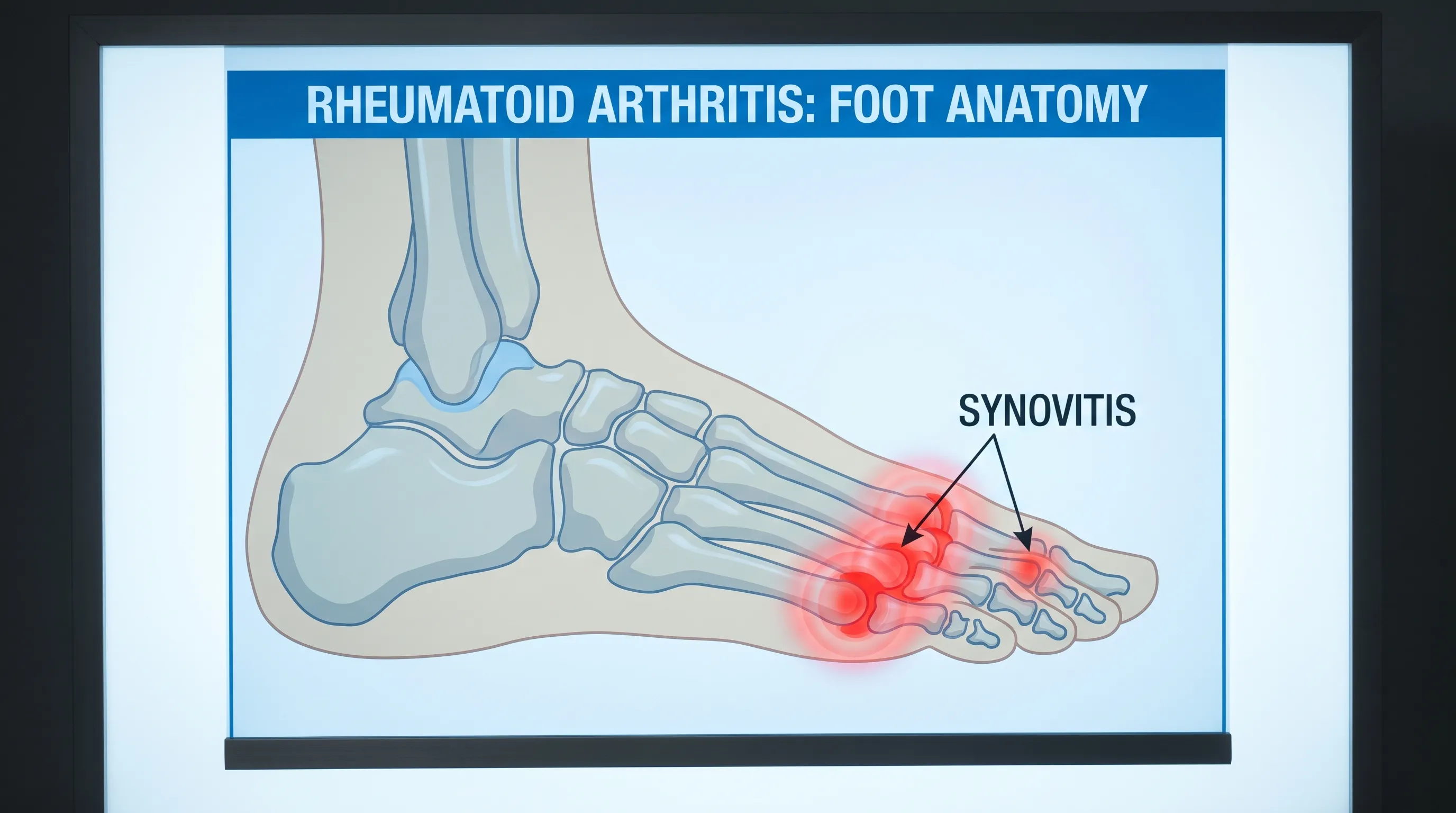
The Anatomy of Toe Involvement
The most commonly affected joints in the foot are the MTP joints at the base of the toes, particularly the second, third, and fourth toes. The big toe (first MTP joint) is also frequently involved. Unlike gout, which often targets the big toe exclusively, RA tends to affect multiple joints symmetrically. This means if you have pain in the left foot, you are likely to experience similar symptoms in the right foot, according to the Mayo Clinic.
The inflammation causes the ligaments and tendons surrounding the joints to stretch and weaken. Over time, this loss of structural integrity leads to characteristic deformities. The toes may begin to drift outward toward the little toe, a condition known as valgus deviation. Additionally, the arch of the foot may collapse, leading to flat feet, which further alters biomechanics and increases pain during movement.
Systemic Nature of the Disease
It is important to recognize that RA affecting the toes is not an isolated foot problem. It is a systemic disease, meaning it affects the entire body. Patients often experience fatigue, low-grade fever, and general malaise alongside joint pain. The inflammation in the toes is part of a broader immune response. Therefore, treating the feet effectively requires managing the systemic disease through medication and lifestyle changes. Ignoring the foot symptoms can lead to a cascade of issues, including knee, hip, and back pain due to altered gait patterns. More information on the systemic effects of RA can be found at the CDC.
Identifying Early Signs and Symptoms
Early detection is the cornerstone of preventing permanent joint damage in rheumatoid arthritis. The symptoms of RA in the toes can be subtle at first but tend to progress if left untreated. Recognizing these signs allows for timely intervention by a healthcare professional.
Morning Stiffness and Pain
One of the hallmark symptoms of RA is morning stiffness that lasts for more than 30 minutes to an hour. This stiffness is often described as a feeling of "rustiness" in the joints. For those with toe involvement, getting out of bed and taking the first few steps can be excruciating. The pain usually improves with movement as the joints "warm up," but it may return after periods of inactivity.
Swelling and Warmth
Visible swelling is a key indicator. The affected toes may appear puffy, red, and feel warm to the touch. This warmth is due to increased blood flow to the area as part of the inflammatory response. Unlike the bony enlargements seen in osteoarthritis, RA swelling is soft and spongy, reflecting fluid accumulation and synovial thickening.
Symmetrical Joint Involvement
As mentioned earlier, RA typically affects joints on both sides of the body. If you notice pain and swelling in the second and third toes of your left foot, check the same toes on your right foot. This symmetry is a critical diagnostic clue that distinguishes RA from other types of arthritis or injuries.
Fatigue and General Malaise
Because RA is an autoimmune disease, the body is constantly fighting inflammation, which consumes energy. Many patients report profound fatigue that is not relieved by rest. This systemic symptom often accompanies the localized pain in the toes and other joints.
Diagnostic Procedures for Toe Rheumatoid Arthritis
Diagnosing RA in the toes requires a multifaceted approach. No single test can confirm the disease; instead, rheumatologists use a combination of clinical evaluation, laboratory tests, and imaging studies.
Physical Examination
During a physical exam, the doctor will inspect the feet for swelling, redness, and deformities. They will palpate the joints to check for tenderness and warmth. Range of motion tests are performed to assess how well the toes move. The physician may also check for nodules, which are firm lumps under the skin that can occur in severe cases of RA.
Blood Tests
Blood tests are essential for identifying markers of inflammation and autoimmunity. Common tests include:
- Rheumatoid Factor (RF): An antibody found in many people with RA, though it can also be present in other conditions.
- Anti-Cyclic Citrullinated Peptide (anti-CCP): This test is more specific to RA and can detect the disease earlier than RF.
- Erythrocyte Sedimentation Rate (ESR) and C-Reactive Protein (CRP): These measures indicate the level of inflammation in the body.
Details on these diagnostic markers are available through the National Institute of Arthritis and Musculoskeletal and Skin Diseases (NIAMS).
Imaging Studies
Imaging helps visualize the extent of joint damage.
- X-rays: Useful for detecting bone erosion and joint space narrowing, although early RA may not show changes on X-ray.
- Ultrasound: Can detect synovitis and fluid accumulation before bone damage occurs.
- MRI: Provides detailed images of soft tissues and bone marrow edema, offering the highest sensitivity for early detection.
Medical Treatments and Management Strategies
The goal of treating RA in the toes is to achieve remission or low disease activity, prevent joint damage, and improve quality of life. Treatment plans are highly individualized and often involve a combination of medications.
Disease-Modifying Antirheumatic Drugs (DMARDs)
DMARDs are the cornerstone of RA treatment. They work by suppressing the immune system to reduce inflammation and slow disease progression. Methotrexate is the most commonly prescribed DMARD. Other options include leflunomide, sulfasalazine, and hydroxychloroquine. Biologic DMARDs, such as TNF inhibitors (e.g., adalimumab, etanercept), target specific parts of the immune system and are used when traditional DMARDs are ineffective.
Non-Steroidal Anti-Inflammatory Drugs (NSAIDs)
NSAIDs like ibuprofen and naproxen help reduce pain and inflammation. While they do not alter the course of the disease, they provide symptomatic relief and improve function. They are often used in conjunction with DMARDs.
Corticosteroids
Oral or injected corticosteroids, such as prednisone, can rapidly reduce inflammation and pain. They are typically used for short-term management during flare-ups or while waiting for DMARDs to take effect. Long-term use is avoided due to potential side effects like bone thinning and weight gain.
Topical Treatments
For localized pain in the toes, topical NSAIDs or capsaicin creams can provide relief with fewer systemic side effects. These are particularly useful for patients who cannot tolerate oral medications.
Lifestyle Modifications and Home Remedies
While medication is essential, lifestyle changes play a vital role in managing RA in the toes. Simple adjustments can significantly reduce pain and improve mobility.
Footwear Choices
Choosing the right shoes is critical. Look for shoes with:
- Wide Toe Box: Allows toes to spread naturally and accommodates swelling or deformities.
- Firm Heel Counter: Provides stability and supports the rear foot.
- Cushioned Sole: Absorbs shock and reduces impact on the joints.
- Adjustable Closures: Velcro or laces allow for a customized fit, accommodating changes in swelling throughout the day.
Avoid high heels and pointed-toe shoes, which place excessive pressure on the forefoot and toes. The American Podiatric Medical Association provides additional resources on selecting proper footwear.
Orthotics and Assistive Devices
Custom orthotics or over-the-counter arch supports can help redistribute pressure away from painful joints. Metatarsal pads can relieve pressure on the ball of the foot. In severe cases, ankle-foot orthoses (AFOs) may be recommended to stabilize the foot and ankle.
Exercise and Physical Therapy
Regular exercise helps maintain joint flexibility and muscle strength. Low-impact activities like swimming, cycling, and yoga are excellent choices. Specific toe exercises, such as toe curls and stretches, can improve range of motion. A physical therapist can design a personalized exercise program to address your specific needs.

Heat and Cold Therapy
Applying heat can relax stiff muscles and improve circulation, making it ideal for morning stiffness. Cold packs can reduce swelling and numb acute pain. Alternating between heat and cold may provide additional relief.
Surgical Options for Severe Cases
When conservative treatments fail to control pain and deformity, surgery may be considered. Surgical interventions for RA in the toes aim to relieve pain, correct deformities, and restore function.
Types of Surgery
- Synovectomy: Removal of the inflamed synovial tissue. This can relieve pain and slow joint destruction but does not correct existing deformities.
- Arthroplasty: Replacement of the damaged joint with an artificial implant. This is less common in the toes than in larger joints but may be an option for the big toe.
- Arthrodesis: Fusion of the joint bones to eliminate motion and pain. This is often used for severe deformities where stability is more important than flexibility.
- Osteotomy: Cutting and realigning bones to correct deformities like bunions or hammertoes.
Surgery is typically a last resort and requires careful consideration of the patient’s overall health and disease activity. Post-operative rehabilitation is essential for optimal outcomes.
Comparison of Treatment Options
| Treatment Type | Mechanism of Action | Pros | Cons | Best For |
|---|---|---|---|---|
| DMARDs | Suppresses immune system | Slows disease progression, prevents damage | Side effects, requires monitoring | All RA patients |
| NSAIDs | Reduces inflammation and pain | Quick relief, widely available | GI issues, kidney risk | Symptomatic relief |
| Corticosteroids | Potent anti-inflammatory | Rapid action, effective for flares | Long-term side effects | Short-term flare management |
| Biologics | Targets specific immune pathways | Highly effective, works when DMARDs fail | High cost, infection risk | Moderate to severe RA |
| Surgery | Corrects structural damage | Restores function, relieves severe pain | Invasive, recovery time | Severe deformity/pain |
Frequently Asked Questions
Can rheumatoid arthritis start in the toes?
Yes, rheumatoid arthritis can start in the toes. In fact, the small joints of the feet, including the metatarsophalangeal (MTP) joints at the base of the toes, are often among the first areas affected by the disease. Early symptoms may include morning stiffness, swelling, and tenderness in these joints.
What does rheumatoid arthritis in the toes feel like?
Rheumatoid arthritis in the toes typically feels like a deep, throbbing ache accompanied by significant stiffness, especially in the morning. The joints may feel warm to the touch, appear swollen, and be tender when pressure is applied. Walking or standing for long periods can exacerbate the pain.
How is toe rheumatoid arthritis diagnosed?
Diagnosis involves a combination of physical examination, blood tests for specific antibodies (like RF and anti-CCP), and imaging studies such as X-rays, ultrasound, or MRI. A rheumatologist will look for patterns of joint involvement and signs of systemic inflammation to confirm the diagnosis.
Can deformities from toe rheumatoid arthritis be reversed?
While early intervention with disease-modifying antirheumatic drugs (DMARDs) can prevent deformities, established structural changes like hammertoes or bunions are generally irreversible without surgical intervention. However, proper footwear and orthotics can manage symptoms and prevent further progression.
What is the best footwear for rheumatoid arthritis in the toes?
The best footwear for rheumatoid arthritis in the toes features a wide toe box to accommodate swelling and deformities, firm heel support for stability, and cushioned soles to reduce impact. Adjustable closures like Velcro or laces are preferred over slip-ons to ensure a secure yet customizable fit.
Conclusion
Living with RA affecting the toes presents unique challenges, but with the right approach, it is possible to manage symptoms effectively and maintain a high quality of life. Early diagnosis and aggressive treatment with DMARDs are crucial to preventing permanent joint damage. Complementing medical treatment with lifestyle modifications, such as choosing appropriate footwear and engaging in regular low-impact exercise, can significantly enhance comfort and mobility.
It is essential to work closely with a rheumatologist and a podiatrist to develop a comprehensive care plan tailored to your specific needs. Stay informed about new treatment options and remain proactive in your self-care. Remember, while RA is a chronic condition, it does not have to define your life. By taking control of your health and making informed decisions, you can continue to enjoy the activities you love, step by step. For further reading, visit the World Health Organization or consult your healthcare provider.
How we work
Researched and drafted with AI assistance, then reviewed by a human editor against the cited sources.
This article is general health information, not medical advice. Consult a qualified healthcare professional about your own situation.