Is Asthma an Autoimmune Disease? Medical Facts, Immune Pathways, and Management

Many individuals living with chronic respiratory conditions often wonder about the underlying mechanics of their diagnosis, particularly when navigating online health information that frequently categorizes immune-related disorders under broad, overlapping labels. If you or a loved one has been diagnosed with this common breathing condition, you may have found yourself searching for answers and asking whether is asthma an autoimmune disease. This confusion is completely understandable, given that both conditions involve complex immune system activity, chronic inflammation, and long-term management strategies. However, drawing accurate distinctions between disease classifications is not merely a matter of academic semantics. The fundamental nature of how your body’s defenses respond to environmental stimuli versus its own tissues directly impacts treatment protocols, medication efficacy, and long-term prognosis. By examining current medical literature, understanding the precise immunological pathways involved, and consulting leading respiratory guidelines, we can clarify exactly where this condition fits within modern medicine and why accurate categorization matters for your daily health management.
Understanding the Core Question: Is Asthma an Autoimmune Disease?
When patients first receive a chronic respiratory diagnosis, they often seek to understand the biological foundation of their symptoms. In doing so, many wonder whether is asthma an autoimmune disease, primarily because both categories involve immune dysfunction and require ongoing medical supervision. According to the National Heart, Lung, and Blood Institute (NHLBI/NIH), asthma is fundamentally a chronic inflammatory condition affecting the airways in the lungs. The hallmark of this disease is the airways becoming inflamed and narrowed, which makes it significantly harder for air to flow in and out during normal respiration. The NHLBI explicitly states that the condition usually occurs when the body's natural defenses against germs and sickness react strongly to a new substance in the lungs, emphasizing that asthma is usually a type of allergic reaction. This definition immediately separates it from autoimmune pathology, where the target of the immune response is endogenous (internal) rather than exogenous (external).
Free calculatorVO2 Max CalculatorCalculate VO2 Max for cardio fitnessOpen the calculatorAutoimmune diseases, by contrast, represent a distinct failure of immune tolerance. Conditions such as systemic lupus erythematosus, rheumatoid arthritis, and Type 1 diabetes share a common thread: the immune system loses the ability to differentiate between healthy self-tissues and harmful foreign invaders. Antibodies and T-cells mistakenly attack joints, organs, or hormone-producing cells, leading to progressive tissue destruction. When evaluating whether is asthma an autoimmune disease, it becomes clear that asthma lacks this self-directed attack mechanism. Instead, the respiratory system's inflammatory response is provoked by environmental exposure, genetic predisposition, and hypersensitivity to normally harmless substances. The immune system is not malfunctioning in the sense of attacking the host; rather, it is overreacting to the external environment. This distinction is crucial for understanding why asthma management focuses on trigger avoidance, anti-inflammatory maintenance, and bronchodilation rather than broad immunosuppression aimed at halting self-attack.
Defining Asthma: A Chronic Inflammatory Condition
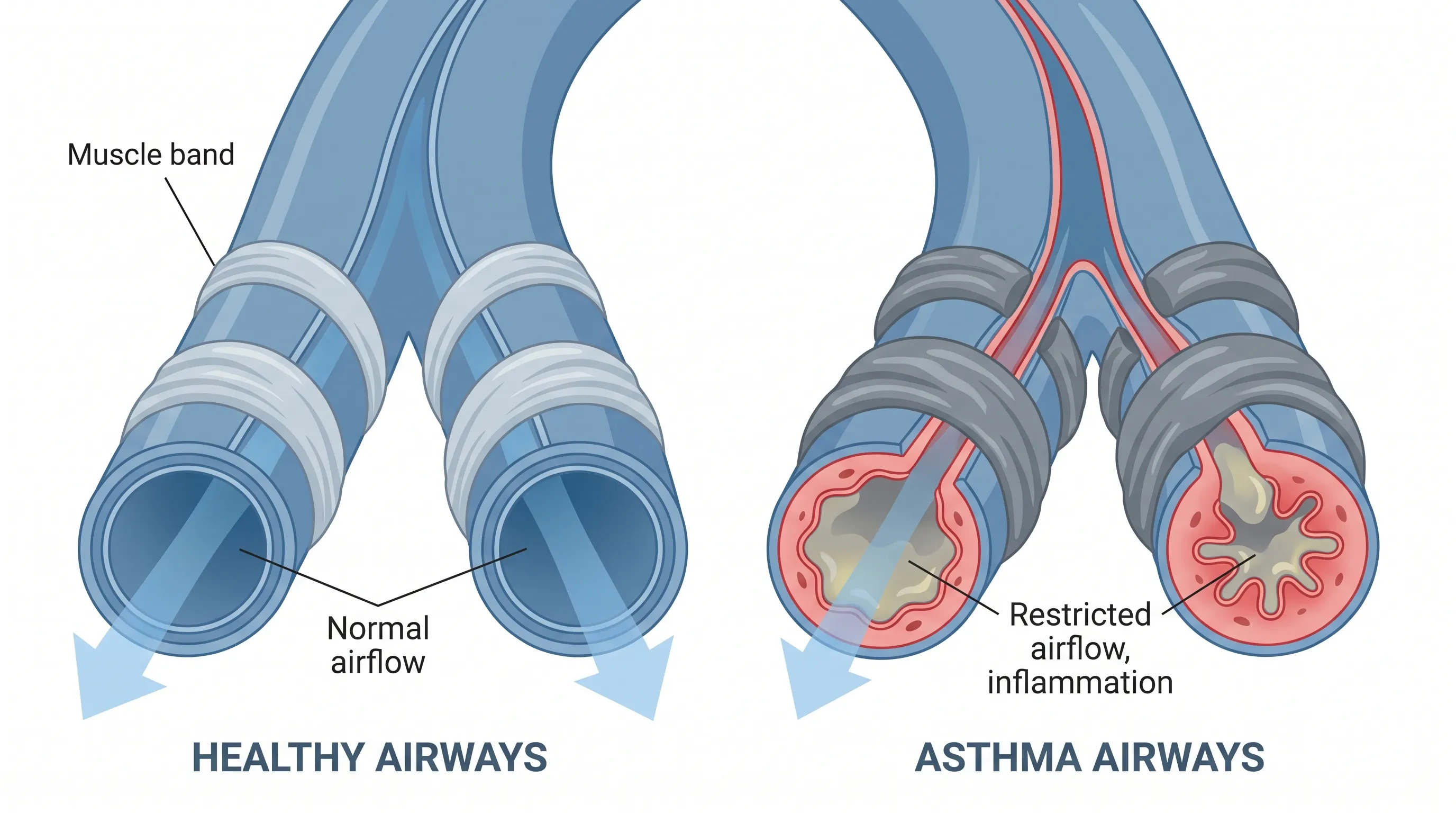
Asthma affects approximately 1 in 13 Americans, equating to roughly 28 million individuals navigating daily breathing challenges. The condition is characterized by four primary physiological changes in the respiratory tract. First, the airway lining swells due to persistent inflammation, narrowing the passage available for airflow. Second, the smooth muscles surrounding the bronchi undergo bronchoconstriction, tightening rapidly in response to triggers. Third, goblet cells produce excess thick mucus that can obstruct smaller airways. Finally, chronic untreated inflammation can lead to airway remodeling, where the walls of the bronchi permanently thicken, reducing lung function over decades. Understanding these mechanisms helps clarify why asking if is asthma an autoimmune disease yields a definitive negative answer; the pathology centers on hypersensitivity and structural airway changes, not autoimmune-mediated tissue degradation.
What Exactly Is an Autoimmune Disease?
To fully grasp why the medical community answers the question is asthma an autoimmune disease with a clear no, it is necessary to examine autoimmune pathophysiology. Autoimmunity arises when central or peripheral tolerance mechanisms fail. Regulatory T-cells that normally suppress self-reactive immune cells become deficient or dysfunctional. The body produces autoantibodies and autoreactive lymphocytes that target specific tissues. Diagnosis typically requires detecting these autoantibodies in blood work, imaging organ-specific damage, and observing systemic inflammatory markers like elevated C-reactive protein or antinuclear antibodies (ANA). Asthma does not present with these autoantibodies, nor does it cause direct organ destruction through self-directed immune cells. The immune response in asthma remains external-facing, even though it becomes dysregulated and chronic.
The Critical Distinction: Immune-Mediated vs. Autoimmune Responses
The medical classification of asthma as an immune-mediated inflammatory disease rather than an autoimmune condition hinges on the directionality of the immune response. When researchers and clinicians debate whether is asthma an autoimmune disease, they point to the specific immunological pathways that drive airway reactivity. In immune-mediated conditions, the immune system is intact and functioning, but its threshold for activation is lowered, or its regulatory checks are imbalanced. External allergens like pollen, dust mite proteins, or mold spores bind to immunoglobulin E (IgE) antibodies on mast cells, triggering degranulation and the release of histamine, leukotrienes, and prostaglandins. This cascade causes rapid bronchoconstriction and mucosal edema. The system is working, but it is working too aggressively against non-threatening stimuli.
In autoimmune disorders, the direction of attack is inverted. The immune system generates memory cells specifically targeting self-antigens such as myelin sheaths, joint synovium, or thyroid tissue. The resulting inflammation is sustained by continuous self-recognition loops that are difficult to break without systemic immunomodulation. This fundamental directional difference explains why clarifying the question is asthma an autoimmune disease helps patients understand their treatment options. Asthma therapies aim to calm an overactive external defense mechanism, while autoimmune therapies aim to suppress an internal misguided attack.
| Feature | Autoimmune Diseases | Asthma (Immune-Mediated) |
|---|---|---|
| Primary Target | Body's own healthy tissues (self-antigens) | External environmental triggers (allergens/irritants) |
| Key Immune Players | Autoantibodies, autoreactive T-cells, systemic inflammation | IgE, Th2 cells, eosinophils, mast cells, Type 2 cytokines |
| Diagnostic Markers | ANA, RF, anti-CCP, tissue biopsies showing self-attack | Spirometry, FeNO tests, blood eosinophil counts, IgE levels |
| Treatment Focus | Broad immunosuppression, disease-modifying drugs | Anti-inflammatory inhalers, bronchodilators, trigger avoidance |
| Inflammation Location | Systemic or specific organs (joints, skin, endocrine) | Localized to lower respiratory tract airways |
| Reversibility | Often progressive tissue damage requiring intervention | Airway function can be highly preserved with consistent control |
How the Asthma Immune Pathway Actually Works
When a susceptible individual inhales a trigger, antigen-presenting cells capture the allergen and present it to CD4+ T-helper cells. In genetically predisposed individuals, these T-cells differentiate into Th2 cells, a specialized immune phenotype that drives allergic inflammation. Th2 cells secrete a precise cocktail of cytokines, primarily interleukin-4 (IL-4), interleukin-5 (IL-5), and interleukin-13 (IL-13). IL-4 stimulates B-cells to switch antibody production toward IgE. IL-5 recruits and activates eosinophils, white blood cells that release toxic proteins and inflammatory mediators into the airway lining. IL-13 promotes mucus hypersecretion and contributes to smooth muscle hyperresponsiveness. This highly coordinated pathway explains why the medical consensus firmly establishes that is asthma an autoimmune disease is a false equivalence. The process is a targeted, allergen-driven cascade, not a systemic loss of self-tolerance.
Type 2 Inflammation: The Real Driver Behind Asthma
Modern respiratory medicine has largely shifted toward phenotype- and endotype-driven treatment models. Research consistently identifies Type 2 inflammation as the central biological pathway in at least 50% of asthma cases, particularly in moderate-to-severe presentations. Understanding this pathway directly answers whether is asthma an autoimmune disease by demonstrating that the condition operates on an atopic, hypersensitivity axis rather than an autoimmunity axis. Type 2 inflammation overlaps with other allergic conditions like atopic dermatitis, allergic rhinitis, and chronic rhinosinusitis with nasal polyps. The shared mechanism involves the same cytokine network and cellular players, reinforcing asthma's classification within the allergic and immune-mediated disease spectrum. Recognizing this allows clinicians to prescribe therapies that specifically interrupt Th2 signaling, leading to dramatically improved patient outcomes without broadly suppressing protective immune functions needed to fight infections.
Types of Asthma and Their Immune Triggers
Asthma is not a monolithic condition; it encompasses several distinct clinical phenotypes that vary in trigger profile, inflammatory markers, and therapeutic response. Examining these subtypes further clarifies why the premise that is asthma an autoimmune disease does not hold up under clinical scrutiny. Each phenotype operates through different initial triggers, yet all converge on the common final pathway of airway hyperresponsiveness and reversible bronchoconstriction.
Allergic (Atopic) Asthma
Allergic asthma is the most prevalent form, typically developing in childhood and strongly correlating with other atopic conditions. Patients with this phenotype often have elevated total serum IgE levels and positive skin prick tests to common aeroallergens such as tree and grass pollens, animal dander, house dust mites, and mold spores. The immune response is immediate and IgE-mediated, causing rapid mast cell degranulation upon re-exposure. This allergic subtype perfectly illustrates why categorizing asthma alongside autoimmune diseases is inaccurate; the pathology requires external antigen exposure to initiate the inflammatory cascade, whereas autoimmune conditions flare due to endogenous immune dysregulation regardless of environmental context.
Non-Allergic and Occupational Asthma
Non-allergic asthma accounts for a significant portion of adult-onset cases and is not driven by IgE-mediated allergic pathways. Instead, it responds to non-specific irritants such as strong odors, chemical fumes, cold air, intense emotional stress, or viral respiratory infections. Occupational asthma arises specifically from workplace exposures to sensitizing agents like isocyanates, wood dust, flour, or laboratory animal proteins. In these cases, the airway epithelium becomes hyperreactive due to direct chemical irritation or neurogenic inflammation. Even in non-allergic presentations, the underlying mechanism remains an exaggerated defensive response to external factors, reinforcing the conclusion that is asthma an autoimmune disease is a categorical mismatch.
Eosinophilic Asthma: The Biologic Target
Eosinophilic asthma represents a severe phenotype characterized by persistently high blood and sputum eosinophil counts, frequent exacerbations, and reduced response to high-dose inhaled corticosteroids. This subtype is heavily driven by IL-5 and represents the most direct evidence of Type 2 inflammation in clinical practice. Patients with eosinophilic asthma often experience dramatic symptom relief when treated with targeted biologic therapies. The specificity of this inflammatory pathway further distances the condition from autoimmune pathology, which typically involves broader T-cell and B-cell dysregulation rather than a focused eosinophilic cascade.

Global Impact, Risk Factors, and Clinical Presentation
The worldwide burden of this condition underscores the importance of accurate classification and effective management strategies. When global health organizations address is asthma an autoimmune disease, they consistently direct resources toward environmental control, early intervention, and targeted anti-inflammatory therapies. According to 2023 data from the World Health Organization (WHO), approximately 363 million people globally live with this respiratory condition, and it accounts for roughly 442,000 deaths annually. It remains the most common chronic disease among children worldwide, significantly impacting school attendance, physical development, and family healthcare costs.
Who Is Most at Risk for Developing Asthma?
Genetic and environmental factors interact complexly to determine asthma susceptibility. Family history of asthma or atopic diseases represents the strongest genetic predictor. Individuals with a parental history of allergic conditions are significantly more likely to develop hypersensitive airways. Environmental risk factors include early-life exposure to tobacco smoke, indoor air pollution from biomass fuels, occupational dust and chemicals, and high urbanization levels associated with reduced microbial diversity (the hygiene hypothesis). Premature birth and low birth weight also increase risk due to underdeveloped lung architecture. Viral infections like respiratory syncytial virus (RSV) or rhinovirus during critical lung development windows can permanently alter immune regulation in the airways, leading to chronic hyperreactivity. Understanding these risk factors helps patients and providers proactively manage exposures, which is fundamentally different from managing autoimmune genetic predispositions that lack direct environmental triggers.
Recognizing the Physical Changes in Your Airways
Clinically, asthma presents with a recognizable symptom pattern that fluctuates over time. Patients typically report recurrent episodes of wheezing, shortness of breath, chest tightness, and chronic cough, particularly at night or early in the morning. The Mayo Clinic emphasizes that symptom severity varies significantly between individuals, with some experiencing daily limitations while others remain asymptomatic between flare-ups. The physical changes in the airways follow a predictable sequence during an exacerbation: allergen or irritant exposure triggers mast cells and sensory nerves, leading to bronchospasm within minutes. Hours later, inflammatory cells like eosinophils, neutrophils, and lymphocytes infiltrate the airway wall, causing prolonged swelling and mucus plugging. Without appropriate intervention, repeated episodes lead to airway remodeling, where subepithelial fibrosis, smooth muscle hypertrophy, and angiogenesis permanently reduce airway caliber. Recognizing these stages early allows for timely intervention, preventing progression that might otherwise be confused with irreversible obstructive lung disease or autoimmune-related pulmonary involvement.
Evidence-Based Treatment and Management Strategies
Modern asthma management relies on a stepwise approach tailored to disease severity, phenotype, and patient response. Clinical guidelines from organizations like the American Academy of Allergy, Asthma & Immunology (AAAAI) and the NHLBI emphasize that treatment goals center on achieving symptom control, preventing exacerbations, maintaining normal lung function, and minimizing medication side effects. Because the foundational understanding that is asthma an autoimmune disease is medically inaccurate, treatment protocols avoid broad immunosuppressive regimens used for autoimmune disorders. Instead, therapies target localized airway inflammation and bronchomotor tone.
Quick-Relief and Long-Term Control Medications
The cornerstone of asthma pharmacotherapy involves two primary medication classes. Short-acting beta-agonists (SABAs), such as albuterol or salbutamol, serve as rescue inhalers. They rapidly relax bronchial smooth muscle within minutes by stimulating beta-2 receptors, providing immediate symptom relief during acute flare-ups. However, overreliance on SABAs signals uncontrolled inflammation and increased exacerbation risk. Long-term control medications focus on treating the underlying inflammation. Inhaled corticosteroids (ICS) like fluticasone, budesonide, and beclomethasone remain the gold standard for reducing airway swelling, decreasing mucus production, and lowering bronchial hyperreactivity. Combination inhalers pair ICS with long-acting beta-agonists (LABAs) or anticholinergics (LAMAs) for synergistic bronchodilation and anti-inflammatory effects. Proper inhaler technique, consistent daily use of maintenance therapy, and regular follow-up spirometry testing are essential for optimal outcomes.
The Rise of Biologic Therapies for Severe Asthma
For patients with severe, refractory asthma who continue to experience frequent exacerbations despite high-dose ICS-LABA therapy, biologic medications have revolutionized clinical management. These targeted therapies directly interrupt specific components of the Type 2 inflammation pathway without broadly suppressing the immune system. Anti-IgE therapy (omalizumab) binds free circulating IgE, preventing mast cell and basophil activation. Anti-IL-5 biologics (mepolizumab, benralizumab, reslizumab) either neutralize the cytokine or deplete eosinophils directly. Anti-IL-4/IL-13 therapy (dupilumab) blocks the shared receptor subunit, reducing multiple downstream inflammatory effects. The success of these targeted agents underscores the immunological reality that is asthma an autoimmune disease is a false premise; asthma responds to precision immunomodulation aimed at allergic and hypersensitivity pathways, not to broad autoimmune-style immunosuppression.
Practical Action Plan: Managing Your Asthma Daily
Effective asthma management extends far beyond prescription medications. Building a sustainable daily routine, recognizing early warning signs, and collaborating closely with your healthcare provider can dramatically improve quality of life. The Asthma and Allergy Foundation of America (AAFA) consistently recommends developing a written asthma action plan that outlines daily controller medications, rescue protocols, and emergency thresholds. This proactive approach empowers patients to take ownership of their health while ensuring rapid response to changing conditions.
Identifying and Avoiding Your Personal Triggers
Trigger avoidance is the most effective non-pharmacological strategy for reducing asthma exacerbations. Start by maintaining a detailed symptom diary to identify patterns linked to specific environments, activities, or seasonal changes. Common household modifications include using allergen-impermeable mattress and pillow encasements, washing bedding weekly in hot water, maintaining indoor humidity below 50% to deter dust mites and mold, and vacuuming with HEPA-filter equipment regularly. Pet dander management involves keeping pets out of bedrooms and washing hands after contact. During high pollen seasons, keep windows closed, use air conditioning with clean filters, and shower after outdoor activities. Occupational asthma requires strict adherence to workplace safety protocols, including proper ventilation, protective respirators, and regular exposure monitoring. By systematically reducing exposure, you lower the baseline inflammatory load, allowing maintenance medications to work more effectively and reducing the need for rescue inhalers.

Lifestyle Modifications That Support Lung Health
Beyond environmental control, several lifestyle factors directly influence airway inflammation and respiratory resilience. Maintaining a healthy body weight reduces mechanical restriction on the lungs and decreases systemic inflammatory markers that can worsen bronchial hyperreactivity. Regular physical activity, when properly managed, improves cardiovascular efficiency, strengthens respiratory muscles, and enhances overall lung capacity. Patients with exercise-induced symptoms should always pre-treat with a rescue inhaler 15-30 minutes before activity, gradually warm up, and prioritize outdoor exercise in warm, humid conditions when possible. Nutrition also plays a supportive role; diets rich in antioxidants, omega-3 fatty acids, and vitamin D have been associated with reduced airway inflammation and fewer exacerbations. Stress management techniques like diaphragmatic breathing, mindfulness meditation, and adequate sleep directly impact autonomic nervous system balance, reducing stress-induced bronchoconstriction. Integrating these evidence-based lifestyle practices creates a comprehensive management ecosystem that complements medical therapy and promotes long-term respiratory wellness.
Frequently Asked Questions
Is asthma an autoimmune disease, or does it belong to a different medical category?
Asthma is not classified as an autoimmune disease by any major medical authority. It is categorized as a chronic immune-mediated inflammatory condition, most often falling under the allergic or atopic disease spectrum. While both involve immune system dysregulation, autoimmune diseases target the body's own tissues, whereas asthma involves an exaggerated immune response to external environmental triggers like allergens, pollutants, or irritants.
Why do asthma and autoimmune diseases sometimes require similar medications like steroids?
Corticosteroids are broad anti-inflammatory agents that suppress multiple inflammatory pathways, which is why they are effective across various immune-mediated and autoimmune conditions. However, asthma treatment prioritizes localized inhaled corticosteroids to minimize airway swelling without systemic side effects, while autoimmune diseases often require higher systemic doses or targeted immunosuppressants to halt self-directed tissue destruction. The overlap in medication classes reflects shared downstream inflammatory mechanisms, not identical disease origins.
Can children outgrow asthma, or is it a permanent condition like many autoimmune disorders?
Many children experience symptom remission as their airways grow larger and their immune systems mature, leading to a functional "outgrowing" of asthma in adolescence. However, the underlying airway hyperresponsiveness often persists into adulthood and can return later in life due to hormonal changes, infections, or environmental exposures. Unlike progressive autoimmune conditions that cause irreversible tissue damage without aggressive intervention, asthma typically remains highly manageable with consistent treatment and trigger avoidance.
What tests confirm whether respiratory symptoms are due to asthma rather than an autoimmune lung complication?
Diagnosing asthma relies on spirometry with bronchodilator reversibility testing, fractional exhaled nitric oxide (FeNO) measurement, and sometimes methacholine challenge tests to demonstrate airway hyperresponsiveness. Autoimmune lung involvement, such as interstitial lung disease or rheumatoid-associated pulmonary fibrosis, requires high-resolution CT imaging, specific autoantibody panels, and often lung biopsy showing distinct tissue damage patterns. The diagnostic pathways are fundamentally different, reflecting the distinct disease mechanisms.
How do biologic therapies work, and do they treat asthma like an autoimmune disease?
Biologic therapies for asthma are highly targeted monoclonal antibodies designed to block specific proteins in the Type 2 inflammatory pathway, such as IgE, IL-5, or IL-4/IL-13. They do not broadly suppress the immune system like many autoimmune medications. Instead, they precisely interrupt the allergic cascade driving bronchial inflammation, significantly reducing exacerbations and oral steroid dependence. Their success further validates asthma's classification as an immune-mediated allergic condition rather than an autoimmune disorder.
Conclusion
The medical evidence consistently and unequivocally answers the question of whether is asthma an autoimmune disease with a clear no. Asthma belongs to a distinct category of chronic immune-mediated inflammatory and allergic conditions, fundamentally driven by hypersensitivity to external environmental factors rather than self-directed immune attacks. Understanding this distinction is vital for patients, caregivers, and healthcare providers alike, as it shapes appropriate diagnostic pathways, informs realistic treatment expectations, and guides the selection of targeted therapies like inhaled corticosteroids and precision biologics. By focusing on trigger management, consistent anti-inflammatory maintenance, and proactive lifestyle modifications, individuals with asthma can achieve excellent symptom control, preserve lung function, and maintain active, fulfilling lives. Continued research into Type 2 inflammation and personalized phenotype-driven treatments will undoubtedly expand therapeutic options, but the foundational classification remains unchanged: asthma is an allergic, immune-mediated respiratory condition, not an autoimmune disease. Always consult with a board-certified pulmonologist or allergist to develop a personalized asthma action plan tailored to your specific triggers, severity, and lifestyle needs.
How we work
Researched and drafted with AI assistance, then reviewed by a human editor against the cited sources.
This article is general health information, not medical advice. Consult a qualified healthcare professional about your own situation.