Tick Removal Keychain Guide: Safe Use, First Aid Protocols & Disease Prevention

Ticks are among the most persistent vectors of human and animal disease worldwide, and understanding how to safely manage an encounter can mean the difference between a minor nuisance and a prolonged medical ordeal. Whether you are hiking through dense woodland, maintaining your garden, or simply walking through tall grass, exposure to these arachnids is often unavoidable in endemic regions. That is precisely why carrying a compact, purpose-built tick removal keychain has become a standard recommendation among wilderness medicine specialists and primary care physicians alike. These small, highly engineered tools are designed to extract ticks quickly, cleanly, and with minimal tissue trauma. Unlike improvised household items or bulky medical kits, a tick removal keychain fits seamlessly into your everyday carry, ensuring that critical first-aid capabilities are always within arm’s reach when you need them most. Proper tick extraction is not just about pulling the parasite off the skin; it is about understanding tick biology, recognizing the window of infection risk, and executing a technique that prevents the organism from regurgitating infectious fluids back into the bloodstream. This comprehensive guide explores the science behind tick attachment, evaluates the clinical benefits of specialized removal tools, and provides evidence-based protocols for safe extraction, post-bite monitoring, and long-term outdoor health management. By integrating medical expertise with practical wilderness preparedness, you will be fully equipped to handle tick encounters confidently and safely.
The Science of Tick Bites and Pathogen Transmission
Ticks belong to the subclass Acari and are obligate ectoparasites that rely on the blood of mammals, birds, and reptiles to progress through their life cycle. Their feeding mechanism is highly sophisticated and evolved specifically to evade host immune responses while securing a stable nutrient supply. When a tick locates a host, it uses specialized sensory organs to detect body heat, carbon dioxide emissions, and skin odors. Once it makes contact, it anchors itself using a serrated feeding structure called the hypostome. The hypostome functions like a barbed anchor, embedding deeply into the epidermis and dermis. Simultaneously, the tick secretes a cement-like substance that hardens around the mouthparts, creating a secure attachment point that resists casual scratching or brushing.
Free calculatorBMI CalculatorCalculate Body Mass IndexOpen the calculatorThe most critical health concern associated with tick bites is pathogen transmission. Ticks act as biological reservoirs and mechanical vectors for a wide range of bacteria, viruses, and parasites. Among the most well-documented are Borrelia burgdorferi (Lyme disease), Rickettsia rickettsii (Rocky Mountain spotted fever), Anaplasma phagocytophilum (anaplasmosis), and Babesia microti (babesiosis) (NIH National Institute of Allergy and Infectious Diseases). The transmission timeline varies significantly by pathogen and tick species. For Lyme disease, the black-legged tick (Ixodes scapularis) typically requires 36 to 48 hours of continuous feeding before the spirochete bacteria migrate from the tick’s midgut to its salivary glands (CDC Lyme Disease Transmission). However, other pathogens like the Powassan virus or Rickettsia species can transmit within hours or even minutes. This variability underscores why rapid, precise removal is a cornerstone of tick-borne disease prevention.
During feeding, tick saliva contains dozens of pharmacologically active compounds that suppress host inflammation, inhibit platelet aggregation, and modulate local immune responses. This saliva cocktail not only facilitates uninterrupted blood meals but also creates a localized immunosuppressed zone that pathogens exploit. If a tick is crushed, improperly grasped, or squeezed during removal, the sudden increase in intra-abdominal pressure can force infected gut contents back through the feeding canal and into the host’s wound. This regurgitation event dramatically increases infection risk, making tool selection and technique paramount. A well-designed tick removal keychain mitigates this risk by engaging the tick’s body at optimal pressure points without compressing the abdomen, allowing for smooth, uninterrupted extraction that preserves tick integrity and minimizes pathogen backflow.
What Exactly Is a Tick Removal Keychain?
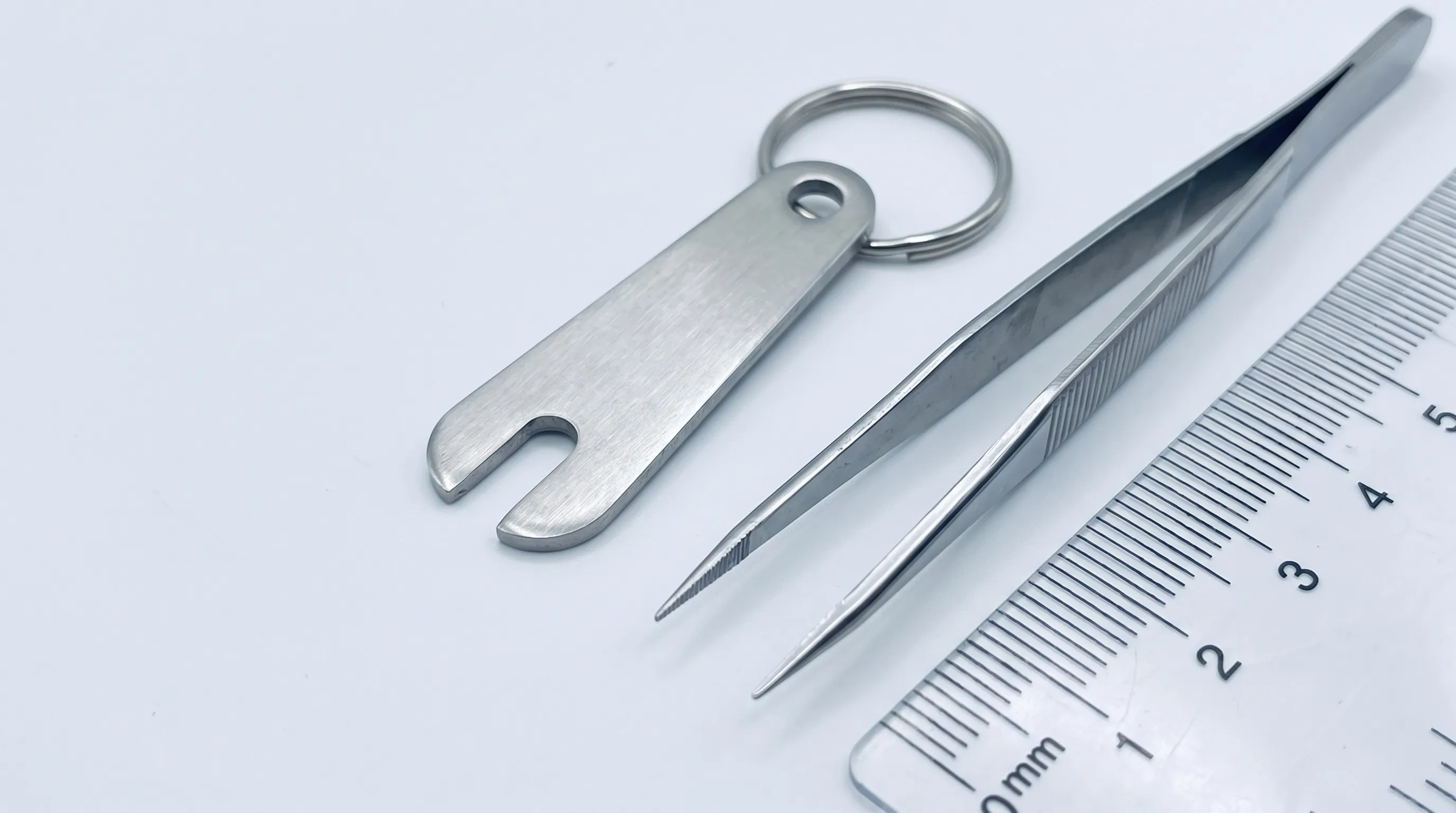
A tick removal keychain is a compact, purpose-engineered medical tool designed specifically for safe, efficient parasite extraction. Unlike generic tweezers, which vary widely in tip alignment and grip strength, these keychain devices feature a standardized geometric profile optimized for arthropod removal. The defining characteristic is a precision-milled notch or curved hook that slides under the tick’s capitulum (the head/mouthpart region) and rests flush against the skin surface. This design creates a fulcrum point that enables controlled rotational or sliding leverage, lifting the hypostome straight out of the epidermal tissue without lateral shearing forces that could cause tissue tearing or mouthpart fracture.
Manufacturers produce these tools from several biocompatible materials, each with distinct clinical advantages. Medical-grade stainless steel remains the industry standard due to its corrosion resistance, sterilization compatibility, and durability. Stainless steel models withstand repeated exposure to alcohol wipes, boiling water, and outdoor moisture without degrading, making them ideal for long-term first-aid kits. Titanium alternatives offer an ultra-lightweight profile for minimalist hikers who prioritize weight savings without compromising structural integrity. Some modern iterations incorporate medical-grade polymers or coated composites to provide enhanced grip, reduce metal sensitivity reactions, and improve tactile feedback during use. Regardless of material, every clinically validated tick removal keychain shares three non-negotiable features: a smooth interior notch surface to prevent skin abrasion, an ergonomic grip or lanyard hole for secure handling, and a compact form factor that prevents loss or damage during routine transport.
The integration of this tool into a keychain format addresses a critical behavioral gap in outdoor safety: accessibility. Traditional tick removal kits often require unpacking, assembly, or searching through a backpack, which delays extraction during those crucial first 24 hours. By attaching a tick removal keychain directly to your everyday keys, backpack zipper, or belt loop, you eliminate friction in emergency response. This immediate availability aligns perfectly with public health recommendations that emphasize minimizing attachment time as the single most effective strategy for reducing disease transmission (WHO Tick-Borne Disease Prevention). When every minute counts, having a specialized tool literally within your grasp transforms theoretical first-aid knowledge into actionable, life-preserving practice.
Why Speed and Precision Are Critical in Tick Removal
The relationship between tick attachment duration and disease transmission risk is well-documented across epidemiological studies. Public health agencies consistently emphasize that early detection and rapid removal are the strongest modifiable factors in preventing tick-borne illness. A tick that has been attached for less than 24 hours poses a substantially lower threat for bacterial pathogens, though viral and protozoal transmission timelines remain shorter and less predictable. This biological reality makes immediate action non-negotiable. Delaying removal to locate appropriate tools, waiting for professional medical assistance, or attempting unproven home remedies allows the tick to complete its cementing phase, increases saliva injection, and elevates the probability of pathogen transfer.
Precision in removal technique directly influences tissue trauma and infection outcomes. The human skin contains dense networks of capillaries, nerve endings, and immune cells concentrated around the bite site. Rough extraction using improper instruments can cause microtears in the epidermis, trigger localized inflammatory cascades, and create entry points for secondary bacterial infections like Staphylococcus aureus or Streptococcus pyogenes. Furthermore, leaving mouthparts embedded increases the risk of granuloma formation, a localized immune response where the body walls off foreign material, potentially leading to chronic inflammation or scarring. A tick removal keychain addresses these clinical concerns through engineered ergonomics that prioritize straight-line extraction forces, uniform pressure distribution, and minimal tissue displacement. The result is a clean extraction pathway that preserves skin integrity, reduces post-bite complications, and supports faster wound healing.
Clinical guidelines from the Centers for Disease Control and Prevention (CDC) and the World Health Organization (WHO) consistently recommend against folk remedies such as applying petroleum jelly, rubbing alcohol, nail polish, or heat sources. These methods do not induce detachment; instead, they trigger physiological stress in the tick, causing it to regurgitate digestive enzymes and potential pathogens directly into the host’s circulatory system. The precision mechanics of a specialized tool bypass these biological hazards entirely, enabling a controlled, predictable, and medically sound extraction process. When combined with proper post-removal wound care and symptom monitoring, rapid tool-assisted removal forms the foundation of evidence-based tick bite management.
How to Safely Use a Tick Removal Keychain: Step-by-Step Protocol
Executing a safe tick extraction requires a systematic approach that prioritizes visibility, tool positioning, and controlled force application. Before beginning, gather necessary supplies: the tick removal keychain, 70% isopropyl alcohol or iodine wipes, clean gauze pads, and a sealed container for tick preservation if laboratory testing is anticipated. Ensure you are working in a well-lit area, and if possible, use a magnifying lens or smartphone macro mode to clearly visualize the tick’s attachment point. Proper visualization prevents misalignment and reduces the likelihood of grasping surrounding skin instead of the parasite’s mouthparts.
Begin by sterilizing the notch surface of the keychain and cleaning the surrounding bite area with an antiseptic wipe. Gently slide the tool’s opening toward the skin until it rests flat against the surface, positioning the tick’s body so that the capitulum fits securely within the notch. Do not force the tool downward; instead, use a gentle gliding motion to allow the notch to slip beneath the tick’s head without puncturing the epidermis. Once the notch is properly positioned around the mouthparts, verify that the tool’s base maintains full contact with the skin. This contact point serves as the fulcrum for extraction and prevents lateral pulling that could tear tissue.
Apply slow, steady pressure. Depending on the tool design, this may involve a gentle upward lifting motion, a clockwise rotation, or a smooth sliding pull. The objective is to coax the hypostome out of the dermal matrix rather than yanking the parasite free. If resistance is encountered, pause, readjust the notch slightly, and continue with controlled force. Avoid squeezing the tick’s abdomen at all times. Once the tick detaches completely, place it in a sealed plastic bag or container with a damp paper towel if identification or pathogen testing is required. Immediately disinfect the bite site with antiseptic solution and wash the extraction tool thoroughly with soap and water before sterilizing with alcohol for future use.
When performing extractions on children or pets, adapt your technique to account for thinner skin, higher mobility, and denser hair coverage. For infants and toddlers, secure the area gently but firmly with one hand while executing removal with the other, using slower rotational motions to prevent skin tearing. For dogs or cats, part the fur completely around the bite site using a comb or brush before applying the tool. Pet skin is often thicker and more elastic, but tick cement can form stronger bonds, requiring slightly longer dwell time during the lifting phase. Always follow veterinary protocols for wound monitoring and consider prophylactic treatments in high-endemic areas. Demonstrating proper technique using a trusted tick removal keychain empowers caregivers to respond calmly and effectively during outdoor excursions, reducing panic-driven errors that commonly lead to incomplete extractions or secondary infections.
Comparing Removal Methods: Keychain vs. Alternatives
The market offers multiple approaches to tick extraction, ranging from clinical-grade instruments to improvised household tools. Understanding the comparative advantages and limitations of each method is essential for informed first-aid decision-making. Standard fine-point tweezers are widely available and familiar, yet they require precise grip control to avoid crushing the tick’s body. Misalignment is common, especially when removing ticks from difficult-to-reach areas like the scalp or behind ears. Needle-based extraction, though occasionally recommended for embedded mouthparts, carries high risks of introducing foreign contaminants and causing unnecessary tissue damage. DIY methods involving petroleum jelly, heat, or chemical irritants consistently fail to induce natural detachment and instead provoke regurgitation, directly contradicting established medical guidance.
| Method | Mechanism | Pathogen Risk | Tissue Trauma | Ease of Use | Clinical Recommendation |
|---|---|---|---|---|---|
| Tick Removal Keychain | Notch-based leverage, straight-line pull | Low (prevents abdominal compression) | Minimal | High | Strongly Recommended |
| Fine-Point Tweezers | Direct grip at base, upward pull | Moderate to High (risk of crushing if misaligned) | Low to Moderate | Moderate | Acceptable with caution |
| Needle/Scalpel | Manual extraction of embedded parts | High (introduces contaminants, deep tissue disruption) | High | Low | Only by medical professionals |
| Petroleum Jelly/Heat | Asphyxiation or irritation attempts | Very High (triggers regurgitation and salivation) | Variable | Low | Strongly Discouraged |
| Specialized Tick Spoon | Scooping motion under body | Low to Moderate | Moderate | Moderate | Viable alternative |
The table clearly illustrates why specialized tools have gained clinical endorsement. A tick removal keychain eliminates the grip variability inherent in tweezers, bypasses the infection risks associated with invasive procedures, and neutralizes the biological hazards of folk remedies. Its design ensures that force is applied exclusively to the tick’s structural anchor point rather than its abdomen, preserving internal integrity during extraction. For individuals frequently visiting endemic regions, integrating this tool into daily carry systems represents a low-cost, high-impact intervention that aligns perfectly with public health directives. When paired with proper technique and timely removal, the mechanical advantages of a well-engineered device translate directly into reduced infection rates and faster tissue recovery.

Maintenance, Hygiene, and Storage Best Practices
A medical instrument is only as reliable as its upkeep routine. Because tick removal keychains are frequently exposed to outdoor environments, bodily fluids, and repeated sterilization cycles, proper maintenance is critical for longevity and clinical safety. After each use, immediately rinse the tool under warm running water to remove visible debris, saliva residue, or dried blood. Use a soft-bristled brush to clean the notch crevices, where organic matter tends to accumulate. Once thoroughly cleaned, submerge or wipe the device with 70% isopropyl alcohol for at least 30 seconds. Alcohol evaporates quickly, leaving no toxic residue, and effectively neutralizes bacteria, fungi, and viral particles. Avoid bleach or harsh industrial cleaners, which can corrode medical-grade steel or degrade polymer coatings over time.
For long-term storage, keep the tick removal keychain in a dry, ventilated environment. Humidity promotes oxidation, particularly in stainless steel models, leading to pitting that compromises surface smoothness and increases infection risk during future use. Many manufacturers include protective silicone sleeves or small metal tins that serve as effective moisture barriers during travel. If you plan to store the tool for extended periods between hiking seasons, consider placing a silica gel desiccant packet in the storage container to maintain optimal humidity levels. Regularly inspect the notch for bending, microfractures, or surface roughness. Any deformation that alters the tool’s geometry should prompt immediate replacement, as compromised alignment can increase tissue trauma during extraction.
Traveling with a tick removal keychain requires additional considerations, particularly when crossing international borders or flying through security checkpoints. The compact design easily complies with TSA and airline carry-on regulations, but it is advisable to place the tool in a clear first-aid pouch to expedite screening. When backpacking in remote locations, secure the keychain to a dedicated carabiner or lanyard loop rather than loosely attaching it to keys. This prevents loss during rough terrain navigation, ensures quick access during emergencies, and keeps the tool separated from contaminants that commonly accumulate in pockets or gear compartments. Establishing a consistent inspection and sterilization routine transforms a simple accessory into a dependable clinical instrument that performs reliably across seasons, environments, and usage frequencies.
Post-Bite Monitoring and When to Seek Medical Care
Successful tick extraction marks only the beginning of the clinical observation period. Even with rapid, tool-assisted removal, residual saliva proteins or localized immune responses can trigger delayed symptoms that require professional evaluation. The bite site should be cleaned thoroughly after extraction and monitored for 30 days for characteristic indicators of tick-borne illness. Early warning signs include expanding erythema (bullseye rash), persistent joint stiffness, unexplained fever, chills, fatigue, muscle aches, or neurological symptoms such as headaches, facial drooping, or cognitive fog (Mayo Clinic Tick Bite Complications). These manifestations vary significantly by pathogen and individual immune status, making standardized symptom tracking essential.
Document the extraction date, estimated attachment duration, and geographic location where exposure occurred. This information assists healthcare providers in determining appropriate diagnostic testing, prophylactic antibiotic eligibility, and regional pathogen prevalence patterns. If a tick has been attached for more than 36 hours in an endemic Lyme disease zone, clinicians may recommend a single prophylactic dose of doxycycline, provided the patient has no contraindications (CDC Antimicrobial Prophylaxis Guidelines). This intervention significantly reduces symptomatic infection risk when administered within 72 hours of removal. Patients with compromised immune systems, pregnant individuals, or young children require closer medical supervision, as disease progression can be more rapid and presentation less typical.
Laboratory testing of removed ticks remains controversial among medical professionals (Cleveland Clinic). Commercial tick testing services often detect pathogen DNA presence but cannot confirm active transmission or predict clinical outcomes. A positive test does not guarantee infection, and a negative result does not eliminate risk, as co-infections or sampling errors frequently occur. Instead, clinical guidelines emphasize patient-centered monitoring and symptom-driven evaluation. Keep a daily symptom journal during the post-bite window, noting temperature fluctuations, rash progression, energy levels, and neurological changes. If symptoms develop, seek prompt medical attention rather than self-medicating. Early diagnosis and targeted antimicrobial therapy yield the best outcomes for most tick-borne illnesses. A reliable tick removal keychain empowers you to control the initial exposure event, but sustained health outcomes depend on vigilant observation, professional medical consultation, and evidence-based follow-up care.
Frequently Asked Questions
Is a tick removal keychain more effective than regular tweezers?
Yes, when used correctly. The specialized notch design allows for even pressure distribution around the tick's mouthparts without squeezing the body. This significantly reduces the risk of pathogen regurgitation and tissue damage compared to standard pointed tweezers, which can inadvertently crush the tick's abdomen and force infectious fluids into the wound.
How long must a tick remain attached to transmit Lyme disease?
According to established public health guidelines, most black-legged ticks must be attached for 36 to 48 hours or more before transmitting the bacteria that causes Lyme disease (CDC). Rapid and proper removal using a dedicated extraction tool within the first 24 hours dramatically lowers transmission risk for most common tick-borne pathogens, though some viral agents can transmit much faster.
Can I use a tick removal keychain on pets?
Yes, but technique adjustments are necessary. Pets have thicker skin and denser fur that can obscure the attachment point. Use gentle, slow twisting or sliding motions to avoid tearing animal tissue. Ensure the tool's notch fits securely around the mouthparts before applying leverage, and always follow up with veterinary-approved wound care and symptom monitoring.
What should I do if part of the tick remains embedded in the skin?
Do not dig aggressively with a needle or sharp object, as this increases secondary infection risk (NIH MedlinePlus). Clean the area thoroughly with isopropyl alcohol or mild soap and water. The remaining mouthparts typically work themselves out during natural skin cell turnover over several days. Monitor for redness, swelling, warmth, or pus, and consult a healthcare provider if localized infection symptoms develop.
How do I properly disinfect a tick removal keychain after use?
Wash the tool with warm water and antibacterial soap, scrubbing all crevices with a soft brush to remove organic debris. Rinse thoroughly and sterilize by wiping with 70% isopropyl alcohol or briefly boiling in water if the manufacturer specifies heat compatibility. Allow it to air dry completely and store in a moisture-resistant pouch to prevent corrosion or microbial growth before next use.
Conclusion
Mastering tick safety begins with preparation and ends with precise execution. The integration of a well-designed tick removal keychain into your outdoor routine transforms a potentially dangerous encounter into a manageable first-aid scenario. By understanding tick biology, respecting the critical transmission windows, and adhering to evidence-based extraction protocols, you significantly reduce the likelihood of long-term health complications. These compact tools eliminate the guesswork and mechanical hazards associated with improvised methods, delivering consistent, clinically sound performance when seconds matter. Pairing immediate removal with diligent post-bite monitoring, professional medical guidance, and seasonal awareness creates a comprehensive defense strategy against vector-borne illness. Whether you are navigating wilderness trails, tending to backyard gardens, or supervising outdoor family activities, carrying a dedicated extraction device is a small investment that yields substantial health returns. Stay informed, stay prepared, and prioritize proactive tick management to protect yourself and your loved ones throughout every season of exploration.
How we work
Researched and drafted with AI assistance, then reviewed by a human editor against the cited sources.
This article is general health information, not medical advice. Consult a qualified healthcare professional about your own situation.