The Complete Guide to Epsom Salt and Soda Baths: Benefits, Safety, and Protocols

Water has served as a therapeutic medium for millennia, with ancient civilizations recognizing its profound capacity to heal, restore, and rejuvenate. Modern wellness science continues to validate these historical practices, particularly when synergistic compounds are introduced into the immersion protocol. Among the most widely recommended and clinically researched hydrotherapy combinations is the epsom salt and soda bath. This therapeutic soak merges the neuromuscular-relaxing properties of magnesium sulfate with the alkalizing, soothing characteristics of sodium bicarbonate. When properly formulated and administered, this dual-salt immersion can alleviate chronic muscle tension, support dermatological healing, modulate inflammatory pathways, and significantly lower sympathetic nervous system overactivation. Understanding the physiological mechanisms, optimal dosing parameters, and essential safety precautions is crucial for maximizing benefits while minimizing risks. Whether you are an athlete recovering from intense training, an individual managing chronic dermatological irritation, or simply someone seeking a structured method for evening stress reduction, this comprehensive guide will provide the evidence-based protocols necessary to integrate an epsom salt and soda bath into a sustainable wellness routine.
What Are Epsom Salt and Baking Soda Baths?
The Chemical Composition of Magnesium Sulfate
Epsom salt is not a true sodium chloride compound but rather a naturally occurring crystalline mineral composed of magnesium, sulfur, and oxygen, chemically known as magnesium sulfate heptahydrate. The name derives from a bitter saline spring discovered in Epsom, England, during the 17th century. In therapeutic contexts, magnesium plays a fundamental role as a cofactor for over 300 enzymatic reactions within the human body, including ATP synthesis, protein formation, and neuromuscular transmission. When dissolved in warm water, magnesium sulfate dissociates into magnesium and sulfate ions. While systemic absorption through intact skin remains scientifically debated, transdermal exposure is widely recognized for its localized vasodilatory effects and capacity to interact with cutaneous nerve receptors, potentially modulating pain signaling pathways. The sulfate component also participates in hepatic detoxification processes and supports the synthesis of glycosaminoglycans, which are critical for joint lubrication and connective tissue integrity.
Free calculatorWater Intake CalculatorCalculate daily water needsOpen the calculatorThe Alkalizing Properties of Sodium Bicarbonate
Sodium bicarbonate, commonly referred to as baking soda, is a weak alkaline compound with a pH of approximately 8.3 when dissolved in water. Unlike magnesium sulfate, its primary therapeutic mechanism is not systemic mineral supplementation but rather localized pH modulation. The skin's acid mantle typically maintains a slightly acidic pH between 4.5 and 5.5. However, environmental pollutants, synthetic detergents, chronic sweating, and inflammatory skin conditions can disrupt this delicate balance, leading to barrier compromise, microbial proliferation, and heightened nerve sensitivity. Introducing sodium bicarbonate into a bath neutralizes mildly acidic irritants on the epidermal surface, reduces pruritus (itching), and creates a more hospitable microenvironment for dermatological healing and skin barrier repair. Additionally, the alkaline environment facilitates the softening of keratinized tissue, making it highly effective for soothing conditions like eczema, psoriasis flares, and contact dermatitis. When combined with Epsom salt, sodium bicarbonate enhances the overall osmotic gradient and may improve the solubility and dispersion of magnesium ions in the bathwater.
Clinically Supported Health Benefits
Neuromuscular Relaxation and Recovery Protocols
Athletes and individuals with physically demanding occupations frequently utilize hydrotherapy to mitigate exercise-induced muscle damage and accelerate functional recovery. The primary mechanism by which an epsom salt and soda bath facilitates this process involves thermal vasodilation combined with osmotic pressure. Warm water immersion expands peripheral blood vessels, enhancing the delivery of oxygenated blood to microtraumatized tissues while accelerating the clearance of metabolic byproducts such as lactate and reactive oxygen species. Magnesium, when present in the bathing solution, may interact with calcium channels in skeletal muscle cells, theoretically promoting relaxation by antagonizing calcium-induced contraction cycles. While rigorous double-blind studies on transdermal magnesium are still evolving, clinical observations consistently demonstrate reduced perceived muscle soreness, decreased stiffness, and improved range of motion following structured bath protocols. Integrating sodium bicarbonate further mitigates local acidosis in fatigued tissues, creating a synergistic environment that supports cellular recovery.
Dermatological Relief for Irritated Skin
Chronic dermatological conditions often involve disrupted barrier function, localized inflammation, and persistent pruritus. The alkalizing action of baking soda directly addresses the symptomatic discomfort associated with these conditions by neutralizing acidic sweat components and environmental allergens trapped within the stratum corneum. Simultaneously, the osmotic properties of magnesium sulfate can draw out superficial edema, reducing swelling and discomfort in inflamed areas. For individuals suffering from mild sunburn, allergic reactions, or folliculitis, a properly diluted epsom salt and soda bath can provide immediate symptomatic relief while supporting the skin's natural regenerative processes. It is critical to note that severe or weeping wounds should never be submerged, as salt solutions can induce significant stinging and potentially delay epithelialization. Always consult a dermatologist or primary care physician when managing active dermatological flare-ups.
Systemic Detoxification and pH Balance
The concept of "detoxification" through bathing is frequently misunderstood. While the liver and kidneys remain the body's primary detoxification organs, hydrotherapy can support their function indirectly by stimulating perspiration and enhancing peripheral circulation. Sweating during warm water immersion facilitates the excretion of trace heavy metals, urea, and lactic acid through eccrine and apocrine glands. The addition of sulfate compounds may further support phase II hepatic conjugation pathways, which are responsible for processing and eliminating lipid-soluble toxins. Furthermore, baking soda's mild alkalinity can help restore cutaneous pH balance after exposure to chlorinated pools, hard water, or harsh cleansing agents, preventing transepidermal water loss and maintaining microbiome equilibrium. Regular use of an epsom salt and soda bath as part of a broader hydration and nutrition strategy can contribute to homeostatic maintenance.
Psychological Stress Reduction and Sleep Enhancement
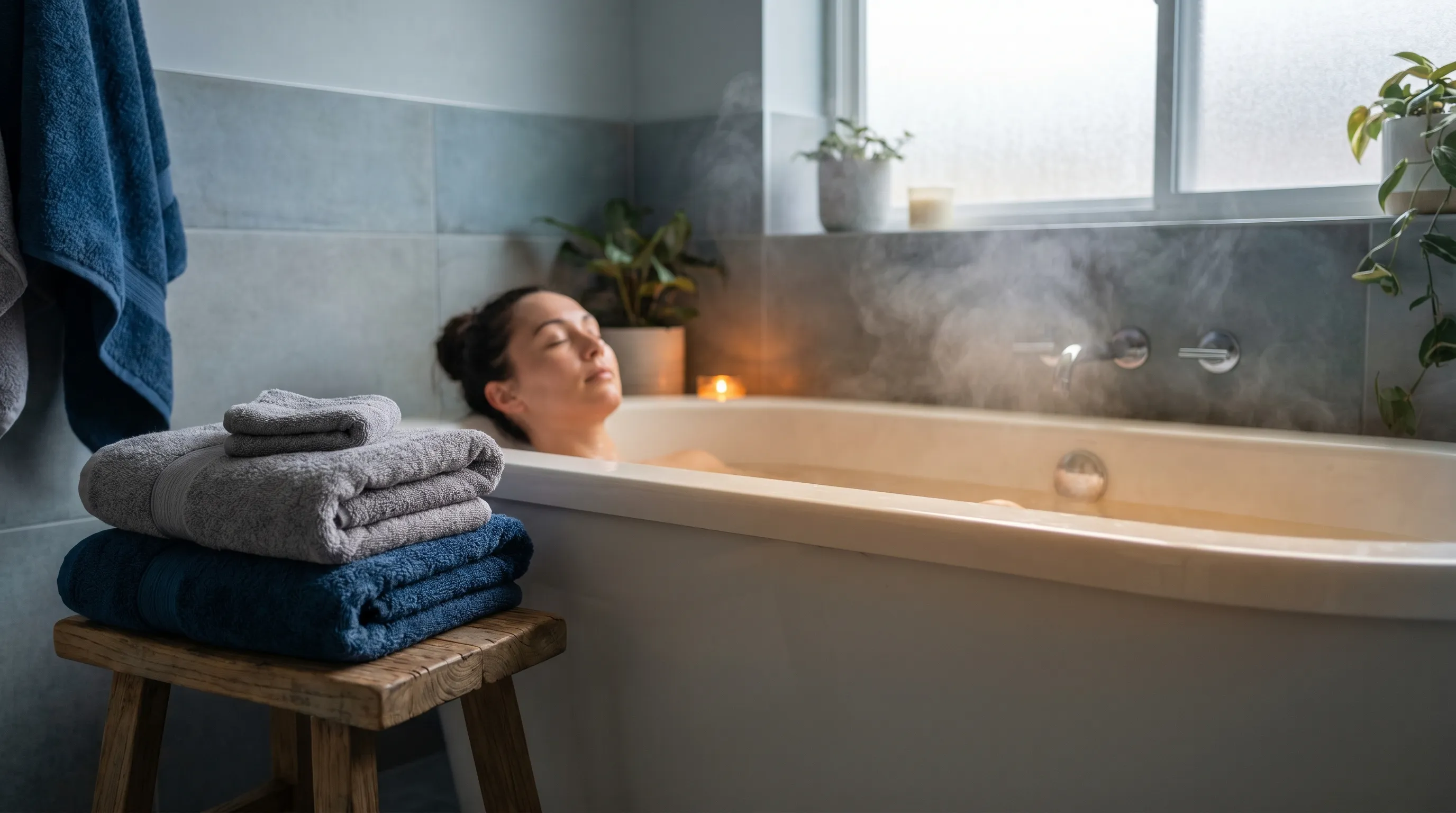
The autonomic nervous system operates through a delicate balance between sympathetic (fight-or-flight) and parasympathetic (rest-and-digest) activity. Chronic stress, poor sleep architecture, and sustained cortisol elevation disrupt this equilibrium, contributing to systemic inflammation and metabolic dysregulation. Warm water immersion is one of the most reliable non-pharmacological methods for activating the parasympathetic response. The hydrostatic pressure of water bathes mechanoreceptors, signaling the vagus nerve to downregulate heart rate and lower respiratory frequency. Magnesium's established role as a natural calcium antagonist extends to neurotransmitter regulation, where it modulates GABAergic pathways, promoting neuronal calmness and reducing hyperarousal. When combined with the soothing, anti-pruritic effects of baking soda, an epsom salt and soda bath becomes a powerful behavioral intervention for insomnia, anxiety, and chronic tension. Implementing this practice 60 to 90 minutes before bedtime can significantly improve sleep onset latency and sleep quality metrics.
How to Properly Prepare an Epsom Salt and Soda Bath
Optimizing Water Temperature and Duration
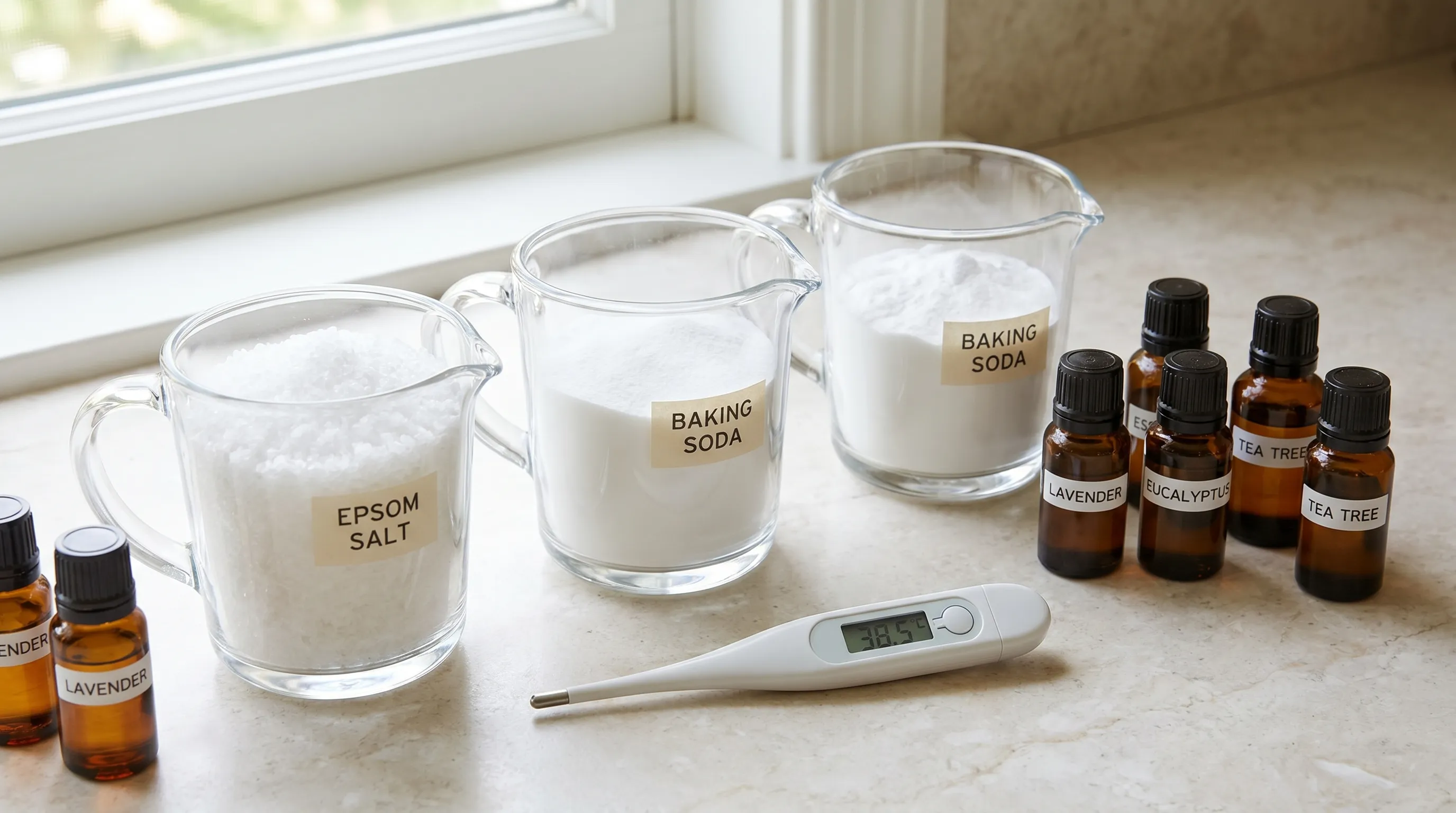
Therapeutic efficacy depends heavily on precise environmental parameters. Water that is excessively cool fails to induce vasodilation or promote mineral dispersion, while scalding temperatures can cause vasovagal syncope, epidermal stripping, and cardiovascular strain. Clinical guidelines recommend maintaining bathwater between 98°F and 102°F (37°C to 39°C) for safe and effective hydrotherapy. A digital floating thermometer should be used for accuracy, as subjective hand testing is notoriously unreliable. Immersion duration should be carefully controlled; beginners should start with 10 to 12 minutes, gradually extending to 20 to 25 minutes as tolerance is established. Exceeding 30 minutes can disrupt the skin's natural lipid barrier, leading to xerosis (abnormal dryness) and paradoxical irritation. For maximum parasympathetic activation, the bathroom should be kept warm but well-ventilated to prevent excessive humidity buildup, which can trigger respiratory discomfort.
Measuring Therapeutic Dosages and Ratios
Proportionality is essential to avoid osmotic shock or chemical irritation. A standard therapeutic formulation for a full-sized bathtub (approximately 40 to 50 gallons) consists of 2 cups of food-grade or pharmaceutical-grade Epsom salt and 1 cup of pure sodium bicarbonate. For individuals seeking mild maintenance soaks, 1 cup of Epsom salt and half a cup of baking soda may suffice. It is imperative to use products free from fragrances, anti-caking agents, synthetic dyes, and artificial moisturizers, as these additives frequently trigger contact dermatitis and counteract the therapeutic goals. The salts should be added to running warm water to ensure complete dissolution before immersion. Partially dissolved crystals can cause localized skin irritation or slip hazards. Stirring the water gently with a clean hand or wooden spoon for 60 seconds guarantees even dispersion and optimal ionic concentration.
Step-by-Step Preparation Guide
- Clean the bathtub thoroughly with a mild, non-toxic cleanser to remove residual soap scum or bacterial biofilm.
- Begin filling the tub with lukewarm water, aiming for the mid-tub level to accommodate full immersion while preventing overflow upon entry.
- Measure the recommended quantities of magnesium sulfate and sodium bicarbonate using standardized dry measuring cups.
- Place the containers under the running water stream, allowing turbulence to break down crystals rapidly.
- Verify water temperature using a calibrated thermometer, adjusting hot or cold faucets until the 98°F–102°F range is achieved.
- Enter the tub slowly, using the non-slip mat and handrails, allowing 60 to 90 seconds for peripheral circulation to adapt to thermal changes.
- Maintain a relaxed posture, keeping the head above water level to prevent dizziness and overheating.
- Hydrate continuously; place a glass of room-temperature water or an electrolyte beverage within arm's reach.
- Exit gradually, standing slowly to avoid orthostatic hypotension.
- Rinse briefly with lukewarm water if skin sensitivity is high, then pat dry with a clean towel.
Safety Considerations and Medical Contraindications
Cardiovascular and Renal Health Precautions
While hydrotherapy is generally safe, warm water immersion places measurable hemodynamic demands on the cardiovascular system. Peripheral vasodilation redistributes blood volume toward the skin, reducing central venous pressure and requiring compensatory tachycardia. Individuals with uncontrolled hypertension, congestive heart failure, severe arrhythmias, or advanced peripheral vascular disease should consult a cardiologist before adopting regular bath routines. Furthermore, systemic magnesium absorption, while limited, becomes clinically relevant in patients with stage 3 or higher chronic kidney disease. Impaired glomerular filtration can lead to hypermagnesemia, manifesting as bradycardia, respiratory depression, muscle weakness, and cardiac conduction abnormalities in patients with compromised renal function. Renal patients must obtain medical clearance before using any magnesium-containing topical preparations.
Dermatological Reactions and Sensitivity Testing
Sodium bicarbonate, despite its soothing reputation, can be overly alkaline for some skin types. Prolonged exposure or overly concentrated solutions may temporarily elevate skin pH beyond 7.5, disrupting the acid mantle and increasing susceptibility to bacterial colonization. Signs of adverse reactions include erythema, tightness, burning sensations, or localized flaking. To mitigate this risk, conduct a patch test by dissolving a quarter cup of each compound in a large basin of warm water and immersing a forearm for 5 minutes. Monitor the area for 24 hours. If irritation occurs, reduce concentrations by 50%, decrease immersion time, or switch to a shower rinse method. Individuals with compromised skin barriers from recent surgical procedures, severe burns, or active infections should avoid immersion entirely.
Special Populations: Pregnancy, Infants, and Chronic Illness
Pregnant individuals frequently seek hydrotherapy for pelvic girdle pain and lower extremity edema. Moderate use of an epsom salt and soda bath is generally considered safe during uncomplicated pregnancies, provided water temperature does not exceed 100°F (38°C). Prolonged hyperthermia in the first trimester has been associated with neural tube defects, making temperature control non-negotiable per public health guidelines. For infants and toddlers, the immature thermoregulatory system and highly permeable stratum corneum require drastically modified protocols. Water temperature must remain below 95°F, concentrations should be quartered from adult recommendations, and supervision must be continuous. Chronic autoimmune conditions, such as systemic lupus erythematosus or multiple sclerosis, may exhibit heat sensitivity. Patients experiencing Uhthoff's phenomenon or post-exertional malaise should limit bath duration to 8 minutes and maintain ambient room cooling.
Comparative Analysis: Individual vs. Combined Use
When to Isolate Magnesium Sulfate
Magnesium sulfate excels in protocols targeting deep neuromuscular tension, exercise-induced microtrauma, and restless leg syndrome. When the primary goal is skeletal muscle relaxation, improved circulation, or magnesium repletion following intense physical exertion, isolating Epsom salt at 2 to 3 cups per bath is appropriate. This formulation maximizes the osmotic and thermal vasodilatory effects without altering cutaneous pH, which is preferable for individuals maintaining strict skincare regimens or using pH-dependent topical medications.
When to Isolate Sodium Bicarbonate
Baking soda baths are exceptionally effective for acute dermatological flare-ups, insect bites, poison ivy exposure, and generalized pruritus. Isolating sodium bicarbonate at 1 to 1.5 cups allows the alkaline compound to neutralize acidic irritants, soften hyperkeratotic lesions, and reduce inflammatory cytokine signaling in the epidermis. This standalone approach is ideal when magnesium supplementation is contraindicated or when the therapeutic objective focuses exclusively on surface-level symptom relief and microbiome balancing.
Synergistic Effects of the Combined Soak
Combining both compounds creates a multi-target therapeutic intervention. The alkalizing environment of baking soda may enhance the solubility and ionic activity of magnesium sulfate, potentially improving transdermal dispersion. Simultaneously, the anti-inflammatory properties of both ingredients address both systemic muscular tension and localized dermatological irritation. An epsom salt and soda bath therefore serves as a comprehensive recovery modality, suitable for post-workout regeneration, chronic stress management, and maintenance of integumentary health.
| Feature | Epsom Salt (Magnesium Sulfate) Only | Baking Soda (Sodium Bicarbonate) Only | Combined Epsom Salt and Soda Bath |
|---|---|---|---|
| Primary Mechanism | Vasodilation, calcium antagonism, osmotic draw | Alkalization, pH neutralization, anti-pruritic | Multi-pathway relief: muscular + dermatological |
| Best For | Muscle recovery, tension relief, restless legs | Eczema, insect bites, allergic reactions | Stress reduction, full-body recovery, maintenance |
| Optimal Dosage | 2–3 cups per full bath | 1–1.5 cups per full bath | 2 cups Epsom + 1 cup baking soda per bath |
| Skin Impact | Mild drying if overused | Can elevate pH if concentration is too high | Balanced if ratios are maintained |
| Safety Profile | Avoid in severe renal impairment | Patch test required for sensitive skin | Generally safe; monitor for combined reactions |
Integrating the Soak into a Holistic Wellness Regimen
Pre-Bath Preparation and Hydration Strategies
Thermoregulation and fluid balance require proactive management. Consuming 16 to 20 ounces of room-temperature water 30 minutes before immersion ensures baseline hydration and supports cardiovascular stability during vasodilation. Avoid alcohol consumption prior to bathing, as ethanol compounds vasodilatory effects and significantly increases the risk of hypotension and syncope. Light stretching or myofascial release using a foam roller for 5 to 10 minutes can enhance tissue pliability and improve the distribution of thermal energy during immersion. The environment should be optimized for relaxation: dim lighting, neutral temperatures, and elimination of digital distractions facilitate parasympathetic dominance.
Post-Bath Recovery and Skin Moisturization
Upon exiting, the epidermis is highly receptive to barrier-restoring compounds. Patting the skin dry with a 100% cotton towel preserves surface moisture and prevents microabrasions. Applying a fragrance-free, ceramide-rich moisturizer or squalane-based emulsion within 3 minutes of exiting locks in hydration and supports transepidermal water retention. For individuals using an epsom salt and soda bath to manage dermatological conditions, following immersion with a cool-water rinse can normalize surface pH and reduce residual mineral deposition. Replenishing electrolytes with a balanced oral rehydration solution or mineral-rich water helps restore sodium-potassium balance altered through perspiration and osmotic fluid shifts.
Frequency and Timing Recommendations
Therapeutic dosing follows a bell-curve response; excessive frequency yields diminishing returns and potential barrier compromise. For maintenance and stress management, 1 to 2 sessions weekly provide optimal benefits without disrupting homeostatic regulation. During acute recovery periods or inflammatory flare-ups, daily soaks for 3 consecutive days may be utilized, followed by a mandatory 4-day rest period. Timing significantly influences circadian alignment. Conducting the bath 60 to 90 minutes before sleep leverages the natural post-thermal rebound drop in core body temperature, signaling melatonin release and facilitating rapid sleep onset. Morning immersions, while less common, can stimulate circulation and reduce morning stiffness when paired with gentle mobility work.
Frequently Asked Questions
How long does it take to feel the effects of an epsom salt and soda bath?
Subjective relaxation typically occurs within the first 5 to 10 minutes due to hydrostatic pressure and thermal vasodilation. Muscular relief and dermatological soothing often manifest after 12 to 20 minutes of sustained immersion. Systemic sleep improvements and reduced next-day stiffness are generally reported after 24 to 48 hours following consistent use over several weeks. Individual variability in pain threshold, hydration status, and skin barrier integrity will influence the onset and duration of perceived benefits.
Can I add essential oils to my epsom salt and soda bath?
While many essential oils possess therapeutic properties, adding them directly to a salt bath requires caution. Essential oils are lipophilic and will not disperse in water; they can concentrate on the skin surface, causing chemical burns or contact dermatitis. If adding botanical oils, always dilute 5 to 10 drops in a carrier oil or unscented bath gel first. Eucalyptus and peppermint may exacerbate skin sensitivity when combined with baking soda, while lavender and chamomile generally pair well for relaxation-focused protocols. Always verify oil purity and perform a patch test before full immersion.
Does hard water interfere with the effectiveness of the bath?
Hard water contains elevated levels of calcium and magnesium carbonates, which can react with sodium bicarbonate to form precipitates, slightly reducing the alkalizing capacity and leaving a mineral film on the skin. While this does not completely neutralize the therapeutic value of an epsom salt and soda bath, it may diminish the tactile smoothness of the experience. Using a water softener showerhead prior to bathing or adding a quarter cup of distilled white vinegar during the rinse phase can help dissolve residual deposits and restore skin comfort.
Is it safe to shower immediately after the soak?
A brief lukewarm shower can be beneficial, particularly for individuals prone to residue buildup or those who experienced high perspiration during immersion. Rinsing removes excess sulfate and bicarbonate ions that may continue drawing moisture from the epidermis post-bath. Avoid hot water and aggressive scrubbing, which can strip the newly balanced lipid layer. The shower should last no more than 60 to 90 seconds, followed immediately by moisturizer application to preserve barrier integrity.
Can an epsom salt and soda bath help with joint stiffness and arthritis symptoms?
Yes, hydrotherapy is widely recommended as an adjunctive treatment for osteoarthritis and rheumatoid arthritis flare-ups. Warm water reduces joint capsule viscosity, improves synovial fluid circulation, and temporarily relieves compressive load on weight-bearing structures. The osmotic and anti-inflammatory properties of the combined salts may further reduce periarticular edema. However, baths do not reverse structural degeneration or replace disease-modifying pharmacological interventions. Patients should view this modality as a complementary pain-management strategy to be coordinated with their rheumatologist or physical therapist.
Conclusion
The integration of an epsom salt and soda bath into a structured wellness protocol offers a scientifically grounded, cost-effective, and highly accessible method for addressing muscular tension, dermatological irritation, and autonomic nervous system dysregulation. By understanding the distinct physiological roles of magnesium sulfate and sodium bicarbonate, individuals can tailor temperature, duration, and concentration to their specific therapeutic objectives while adhering to essential safety parameters. Proper preparation, mindful frequency, and strategic post-immersion care maximize the restorative potential while minimizing the risk of barrier disruption or systemic overload. As with all self-care interventions, consultation with a licensed healthcare provider is strongly advised for individuals managing chronic medical conditions, pregnancy, or compromised renal function. When applied correctly, this timeless hydrotherapy practice remains a powerful, evidence-aligned tool for enhancing recovery, promoting relaxation, and supporting long-term physiological resilience.
How we work
Researched and drafted with AI assistance, then reviewed by a human editor against the cited sources.
This article is general health information, not medical advice. Consult a qualified healthcare professional about your own situation.