The Complete Guide to Ceramic Braces: Clinical Insights, Care, and Costs

Welcome to the world of modern orthodontics, where the pursuit of a perfectly aligned smile no longer requires compromising on aesthetics. Ceramic braces have emerged as a premier solution for adolescents and adults seeking discreet, highly effective dental correction. Unlike traditional metal orthodontic appliances, these innovative devices utilize tooth-colored or transparent brackets that seamlessly blend with your natural dentition. As dental technology advances, understanding the nuances of this treatment is essential for making informed health decisions. Whether you are a parent exploring options for your teenager or an adult seeking subtle alignment correction, evaluating the clinical benefits, maintenance requirements, and financial investment of this system is crucial. Backed by decades of orthodontic research and endorsed by leading dental professionals, ceramic orthodontic systems deliver precise biomechanical force to gradually reposition misaligned teeth. In this comprehensive guide, we will explore the medical science behind the treatment, compare it with alternative therapies, and provide actionable care strategies to ensure optimal outcomes and long-term oral health.
Understanding the Fundamentals of Ceramic Orthodontics
At their core, orthodontic appliances operate on the principle of controlled, gradual pressure application to stimulate bone remodeling and tooth movement. Ceramic braces function through an identical biomechanical mechanism as conventional metallic systems, but the primary distinction lies in the material composition and visual presentation. The ceramic material, typically crafted from high-strength polycrystalline alumina or zirconia composites, is engineered to withstand the continuous forces exerted by archwires while maintaining a translucent or tooth-matching finish.
Free calculatorBMI CalculatorCalculate Body Mass IndexOpen the calculator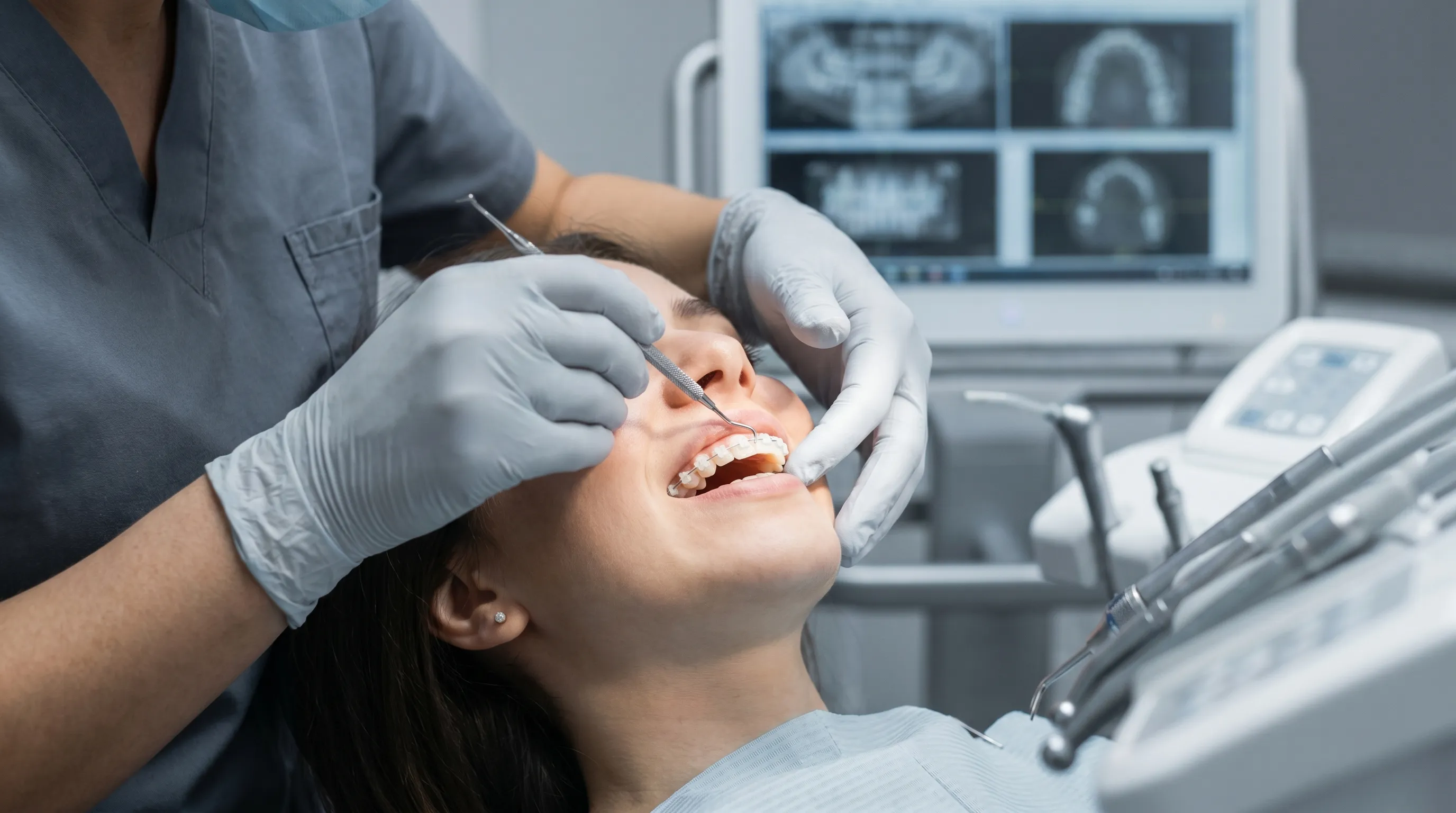
Core Components and Structural Design
Every fixed orthodontic system relies on three fundamental components working in harmony to achieve proper dental alignment. First, the brackets are individually bonded to the facial surface of each tooth. These small, square structures act as anchors that grip the connecting archwire. In ceramic applications, the brackets are either clear or shaded to mimic the natural enamel of the patient's teeth, drastically reducing visual prominence. Second, the archwire serves as the primary force-generating element. This metal or white-coated wire runs through the bracket slots and applies continuous, gentle tension that guides teeth into their predetermined anatomical positions. Third, elastic bands (often referred to as ligatures or ties) wrap around the brackets to secure the wire in place. For patients prioritizing discretion, orthodontists can utilize clear or tooth-colored elastics to complete the low-profile appearance.
The physics behind tooth movement involves periodontal ligament compression and tension. When the archwire exerts pressure on a specific tooth, the periodontal ligament on one side compresses while stretching on the opposite side. This triggers osteoclast and osteoblast activity, which resorb bone on the compressed side and deposit new bone on the tension side. Over time, this cellular remodeling allows the tooth to shift incrementally. Ceramic braces facilitate this exact biological process, ensuring that aesthetic preferences do not compromise clinical efficacy.
Treatment Mechanisms and Force Distribution
Unlike removable trays, fixed ceramic systems remain bonded to the teeth 24 hours a day, ensuring uninterrupted orthodontic force delivery. This continuous engagement is particularly advantageous for addressing rotational issues, deep bites, and significant crowding. Orthodontists periodically adjust the archwire thickness and tension during routine appointments, progressively guiding the dental arch toward ideal occlusion. The ceramic brackets themselves are engineered with precise slot geometries that allow the wire to slide smoothly during adjustments while minimizing friction. Modern ceramic designs often incorporate metallic slots or reinforced bases to enhance durability without sacrificing the tooth-colored appearance.
Ceramic Braces vs. Traditional Metal Braces: A Clinical Comparison
When evaluating orthodontic options, patients frequently weigh the aesthetic advantages of ceramic appliances against the proven durability of conventional stainless steel systems. Both methods achieve comparable clinical outcomes, but their structural differences significantly impact the patient experience, maintenance requirements, and treatment logistics. Understanding these distinctions helps individuals select the appliance that best aligns with their lifestyle and dental needs.
| Feature | Ceramic Braces | Metal Braces |
|---|---|---|
| Appearance | Tooth-colored or translucent; highly discreet | Highly visible metallic brackets and wires |
| Material Composition | Polycrystalline alumina or zirconia composite | Surgical-grade stainless steel or titanium |
| Durability | More brittle; higher fracture risk | Exceptionally resilient and impact-resistant |
| Breakage Rate | Approximately 2x more likely to fracture or debond | Highly resistant to mechanical stress |
| Average Cost | $1,000 to $2,000 higher than metal options | Generally more affordable baseline pricing |
| Treatment Duration | 18 to 36 months (case-dependent) | 18 to 36 months (case-dependent) |
| Ideal For | Adults, professionals, metal-allergy patients | Active youth, severe trauma-prone cases, budget-conscious patients |
Durability and Structural Fragility Considerations
The most significant clinical trade-off with ceramic systems is their inherent brittleness. While ceramic materials are highly stain-resistant and visually appealing, they possess a lower tensile strength than medical-grade stainless steel. Research indicates that ceramic brackets are more than twice as likely to fracture or crack under excessive occlusal force or trauma. Patients who grind their teeth, participate in high-impact contact sports without proper mouthguards, or frequently chew hard objects face an elevated risk of bracket failure. When a ceramic bracket fractures, it must be carefully removed and rebonded, which can temporarily disrupt treatment progress and potentially extend the overall timeline. Orthodontists mitigate this risk by placing ceramic brackets primarily in the upper arch or by reinforcing high-stress areas with metal variants.
Aesthetic Integration and Visibility
The primary driver for choosing ceramic braces is undoubtedly cosmetic integration. In social and professional environments where visible dental hardware may cause self-consciousness, the translucent or enamel-matched brackets offer a sophisticated compromise. The brackets can be customized further by selecting clear or white-coated archwires and translucent elastic ties, creating a nearly seamless orthodontic profile. However, patients should recognize that complete invisibility is unattainable; the archwire and occasional elastic discoloration will still be visible upon close inspection. For many individuals, this subtle presence is entirely acceptable and far less conspicuous than the reflective metallic hardware associated with traditional systems.
Ceramic Braces vs. Clear Aligners: Evaluating Modern Alternatives
The orthodontic market has experienced rapid growth in removable aligner therapy, but these systems operate on fundamentally different mechanical principles. Understanding the clinical boundaries of each modality prevents treatment delays and ensures patients receive the most effective intervention for their specific malocclusion.
Treatment Speed and Biomechanical Efficiency
Ceramic braces consistently outperform clear aligners in terms of treatment velocity, particularly for complex movements. Because they are fixed directly to the tooth surface, they can apply three-dimensional rotational and tipping forces that removable trays often struggle to generate. Aligners rely heavily on patient compliance, requiring 20 to 22 hours of daily wear to maintain therapeutic pressure. In contrast, ceramic braces deliver uninterrupted force, allowing teeth to track predictably without patient intervention. For cases involving significant crowding, crossbites, or vertical discrepancies, ceramic braces move teeth faster and with greater precision than sequential aligner therapy.
Suitability for Severe Malocclusions
Clear aligner systems are predominantly designed for mild to moderate spacing issues and minor rotations. They lack the anchorage control required to manage severe skeletal discrepancies, deep overbites, or significant transverse deficiencies. Ceramic braces, functioning as fixed appliances, can integrate elastics, coils, and precision bends to address complex orthodontic challenges that aligners cannot correct. Medical reviews from licensed orthodontists consistently emphasize that severe misalignment and malocclusion often require the continuous, anchored force delivery of fixed brackets to achieve stable, long-term occlusal harmony.
Clinical Advantages and Potential Drawbacks
Making an informed orthodontic decision requires a balanced assessment of both therapeutic benefits and clinical limitations. The following breakdown provides evidence-based insights into what patients can realistically expect during their treatment journey.
Key Clinical Advantages
The aesthetic superiority of ceramic braces remains their most celebrated benefit, but the clinical advantages extend far beyond cosmetics. Patients with documented nickel or base metal allergies find ceramic systems to be a highly biocompatible alternative that eliminates allergic stomatitis and mucosal irritation. Additionally, ceramic materials produce significantly less signal interference during advanced diagnostic imaging, including magnetic resonance imaging (MRI) and computed tomography (CT) scans. This makes them an optimal choice for patients requiring frequent neurological, craniofacial, or orthopedic imaging. Furthermore, the ability to customize elastic band colors allows for personal expression, particularly among younger patients, transforming routine orthodontic visits into engaging aesthetic decisions.
Potential Drawbacks and Clinical Risks
Despite their aesthetic benefits, ceramic braces introduce several clinical considerations that patients must acknowledge. The elevated cost, typically $1,000 to $2,000 more than conventional metal brackets, represents a significant financial commitment. The increased fragility necessitates careful dietary management and protective measures during physical activities. Furthermore, ceramic brackets are often slightly bulkier than their metallic counterparts, which can create additional plaque retention sites and complicate oral hygiene routines. If cleaning is neglected, this increased surface area may contribute to gingival inflammation, enamel demineralization, or localized gum recession. The debonding phase also requires heightened clinical precision, as the strong adhesive bond combined with brittle ceramic material demands careful removal techniques to prevent superficial enamel damage.
Financial Investment, Treatment Timeline, and Insurance Navigation
Orthodontic therapy represents a long-term investment in functional health and psychosocial well-being. Understanding the financial parameters and expected treatment duration helps patients plan effectively and maintain realistic expectations throughout the process.
Breaking Down the Financial Commitment
The cost differential between ceramic and metal braces primarily stems from material manufacturing expenses, laboratory fabrication fees, and the advanced bonding techniques required. While the baseline orthodontic fee typically covers the entire treatment cycle, including initial bonding, monthly adjustments, and final debonding, patients should inquire about comprehensive coverage that includes retainer fabrication post-treatment. Dental insurance plans frequently allocate a specific orthodontic lifetime maximum, often covering a percentage of the total cost regardless of bracket material. Flexible Spending Accounts (FSAs), Health Savings Accounts (HSAs), and orthodontic office payment plans can further offset out-of-pocket expenses. It is advisable to request a detailed treatment estimate that itemizes ceramic bracket premiums versus standard appliance fees.
Typical Treatment Timeline and Retention Phase
Most patients undergoing fixed appliance therapy can expect an active treatment phase lasting between 18 and 36 months. The exact duration depends on baseline malocclusion severity, patient age, biological bone remodeling rates, and strict adherence to dietary and hygiene guidelines. Ceramic braces generally follow the same timeline as metal braces, but bracket fractures or prolonged appointment intervals can introduce minor delays. Once the orthodontic objectives are achieved, the retention phase begins. Retainers, whether fixed or removable, are mandatory for stabilizing the newly aligned dental arch. Bone remodeling around the roots takes several months to consolidate, and without consistent retainer wear, teeth will gradually drift back toward their original positions due to periodontal memory and natural occlusal forces.
Comprehensive Care and Maintenance Protocols
Successful orthodontic outcomes rely heavily on patient-driven home care. Maintaining optimal oral hygiene and adhering to dietary restrictions are non-negotiable components of ceramic bracket therapy. The American Dental Association emphasizes that neglecting maintenance during active treatment can lead to irreversible enamel damage, gingival disease, and prolonged treatment timelines.
Establishing a Rigorous Oral Hygiene Routine
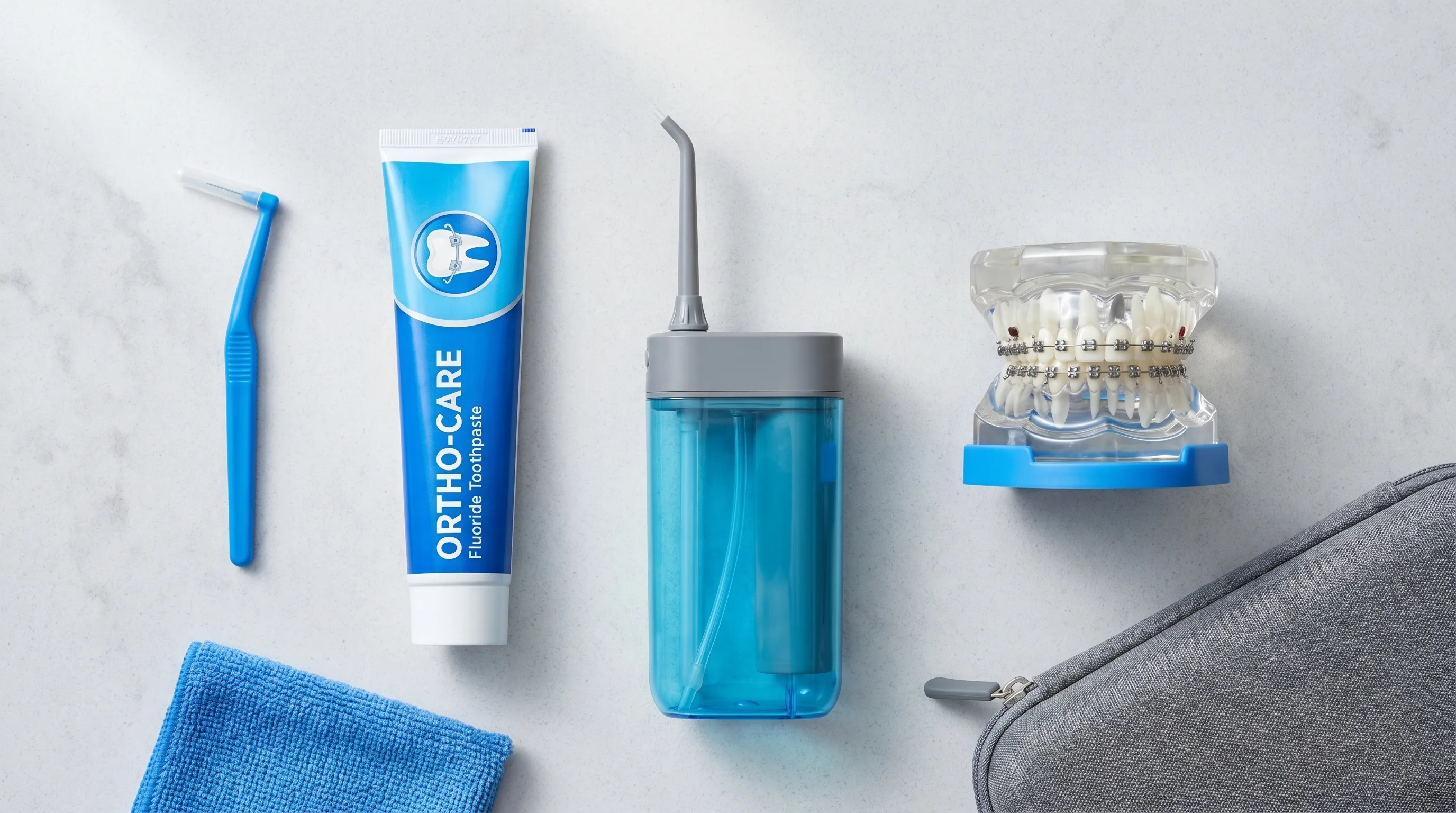
Fixed appliances create multiple sheltered zones where food particles and bacterial plaque readily accumulate. Patients must brush after every meal using a soft-bristled or orthodontic-specific toothbrush, angling the bristles both above and below the bracket to disrupt biofilm formation. Interdental brushes or proxy brushes are essential for cleaning around the archwire and between bracket edges. Daily flossing remains mandatory but requires specialized techniques, such as utilizing orthodontic floss threaders or water flossers to navigate the wire without dislodging ties. Antimicrobial mouth rinses containing fluoride can further protect enamel against acid attacks and reduce gingival inflammation. Regular professional cleanings every three to four months are highly recommended during active treatment.
Dietary Adjustments and Food Restrictions
The mechanical integrity of ceramic brackets demands strict dietary vigilance. Patients must eliminate hard, crunchy, sticky, and excessively chewy foods that can fracture the brackets or bend the archwire. Specific restrictions include avoiding popcorn kernels, whole apples (which must be sliced), hard candies, ice, chewing gum, and caramel. Carbonated beverages and sugary snacks should be minimized, as prolonged sugar exposure promotes plaque acid production that accelerates enamel demineralization around bracket perimeters. Maintaining a balanced diet rich in calcium, phosphorus, and vitamins C and D supports periodontal health and accelerates tissue healing during orthodontic adjustments.
Managing Staining and Emergency Repairs
Clear and white elastic ties are highly susceptible to chromatic degradation from pigmented foods and beverages. Patients who consume coffee, tea, red wine, curry, or berries should anticipate more frequent elastic changes during adjustment visits. If a ceramic bracket fractures or debonds prematurely, patients should contact their orthodontist immediately. Leaving a detached bracket in place can cause archwire displacement, soft tissue trauma, and uncontrolled tooth movement. Temporary relief can be achieved using orthodontic wax to cover sharp edges, but professional rebonding should be scheduled promptly to prevent treatment delays and minimize enamel stress from repeated adhesive applications.
Ideal Candidates and Demographic Considerations
Ceramic braces are not universally indicated for every orthodontic patient. Careful clinical screening ensures that the appliance matches the patient's anatomical, lifestyle, and physiological requirements.
Age Parameters and Developmental Timing
While orthodontic therapy can successfully reposition healthy teeth at any age, the optimal window for initiating fixed appliance therapy typically falls between ages 8 and 14. During this developmental phase, mixed dentition and active jaw growth allow orthodontists to harness biological momentum for efficient arch expansion and bite correction. However, adults comprise a substantial and growing percentage of orthodontic patients. Ceramic braces are exceptionally well-suited for working professionals who require discreet treatment without interrupting their daily routines. Adult bone metabolism is slower, which may extend treatment duration slightly, but modern orthodontic mechanics successfully achieve excellent results in mature dentitions.
Medical Considerations and Contraindications
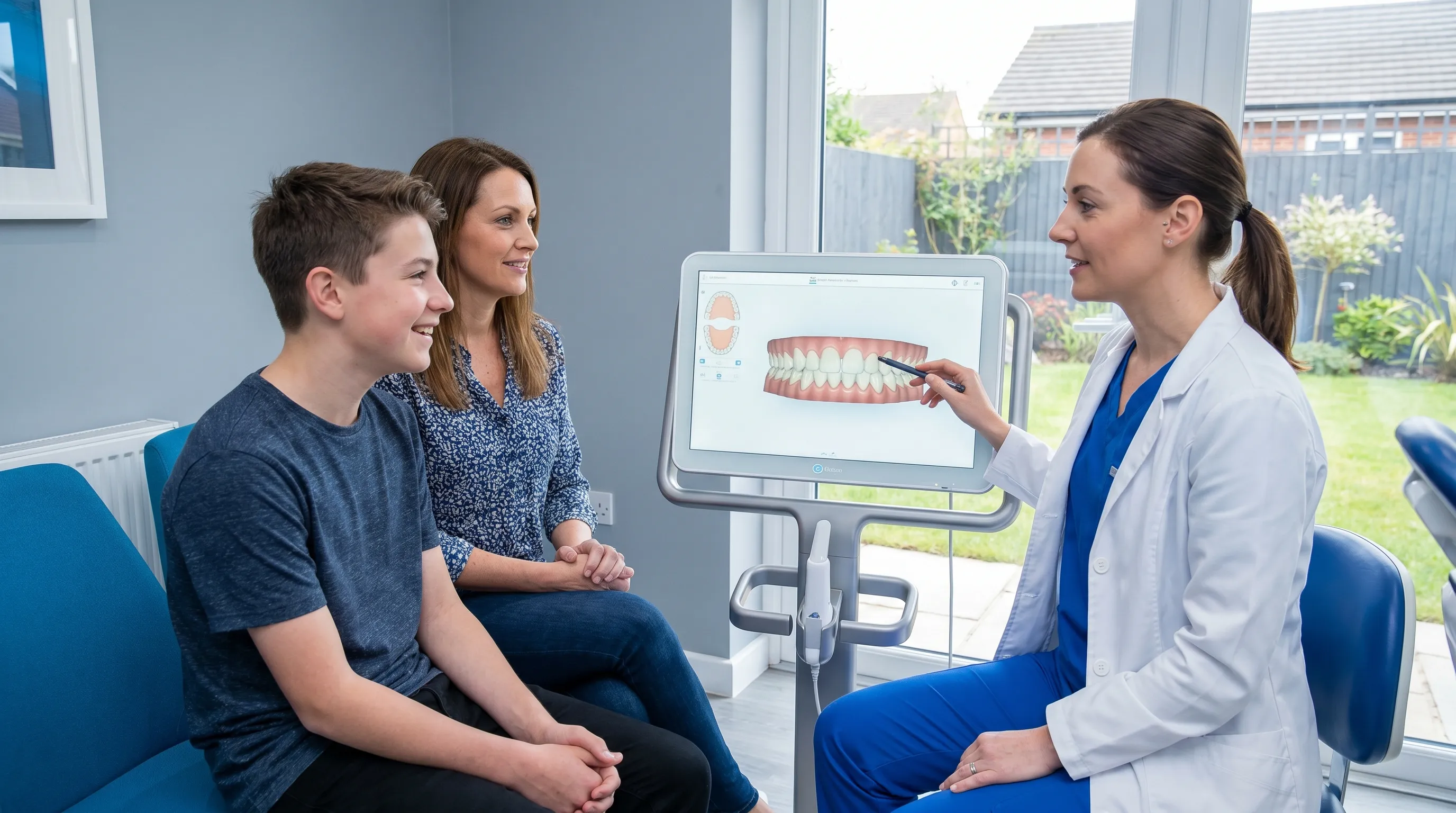
Patients with severe bruxism, uncontrolled periodontal disease, or poor oral hygiene habits may not be ideal candidates for ceramic systems, as the increased fragility and plaque retention risks could compromise outcomes. Conversely, individuals with documented nickel sensitivities, frequent requirements for craniofacial imaging, or moderate to severe malocclusions that exceed the therapeutic scope of removable aligners represent ideal candidates for fixed ceramic therapy. A comprehensive orthodontic consultation, including panoramic radiographs, cephalometric analysis, and digital intraoral scanning, will determine the most appropriate intervention tailored to the patient's unique anatomical profile.
Frequently Asked Questions
Do ceramic braces move teeth faster than clear aligners?
Yes, ceramic braces typically achieve faster and more predictable tooth movement than clear aligner systems. Because they are permanently bonded to the tooth structure, they deliver continuous, three-dimensional orthodontic force without relying on patient compliance. Aligners often require longer wear times and are limited in their ability to manage complex root movements or severe rotations.
Are ceramic braces a safe option for patients with metal allergies?
Absolutely. Ceramic brackets are fabricated from polycrystalline alumina or similar bioinert ceramic compounds, making them completely free of nickel and other base metals commonly found in stainless steel orthodontic hardware. This eliminates the risk of allergic contact dermatitis, mucosal swelling, or systemic sensitivity reactions in highly susceptible individuals.
Will the clear elastic bands on my braces stain over time?
Yes, transparent or white elastic ligatures are porous and readily absorb pigments from heavily colored foods and beverages. Common culprits include coffee, tea, red wine, turmeric, and soy sauce. While the ceramic brackets themselves resist discoloration, the elastics will require routine replacement during adjustment appointments to maintain a uniform, low-profile appearance throughout treatment.
How long does a complete ceramic brace treatment cycle take?
The active treatment phase generally spans 18 to 36 months, depending on malocclusion complexity, biological bone turnover rates, and strict adherence to orthodontic instructions. Following bracket removal, a dedicated retention phase using fixed or removable retainers is mandatory to stabilize the new dental positions and prevent orthodontic relapse.
Is there a higher risk of enamel damage when ceramic braces are removed?
While ceramic braces do not damage enamel during the active treatment phase, the debonding process requires specialized clinical techniques. Ceramic materials bond exceptionally well to tooth enamel, which means orthodontists must use controlled force and specialized removal pliers to safely detach the brackets without causing superficial enamel micro-fractures or adhesive residue damage. Choosing an experienced orthodontist significantly minimizes this risk.
Conclusion
Ceramic braces represent a sophisticated fusion of aesthetic discretion and orthodontic precision, offering a highly effective solution for individuals who require complex dental alignment but prefer a less conspicuous appearance. By leveraging the same proven biomechanical principles as traditional metal systems, they deliver reliable treatment outcomes for a wide range of malocclusions, from moderate crowding to severe overbites. However, patients must carefully weigh the clinical trade-offs, including elevated costs, increased bracket fragility, and the necessity for meticulous oral hygiene and dietary modifications. Success ultimately hinges on a collaborative partnership between the patient and a qualified orthodontic specialist, supported by consistent home care and realistic treatment expectations. For those seeking a balanced approach that prioritizes both dental function and social confidence, ceramic orthodontic systems remain an outstanding, evidence-backed choice. For further reading and patient resources, consult authoritative dental education platforms such as MouthHealthy.org (American Dental Association) - Braces, Healthline (Medically Reviewed) - Ceramic Braces: Pros and Cons, and Medical News Today (Medically Reviewed) - Ceramic braces: Pros, cons, and cost. Always schedule a comprehensive orthodontic evaluation to determine the optimal treatment pathway for your unique dental anatomy and lifestyle requirements.
How we work
Researched and drafted with AI assistance, then reviewed by a human editor against the cited sources.
This article is general health information, not medical advice. Consult a qualified healthcare professional about your own situation.