The Complete Guide to CBD Salves: Benefits, Science, and How to Use Them Effectively
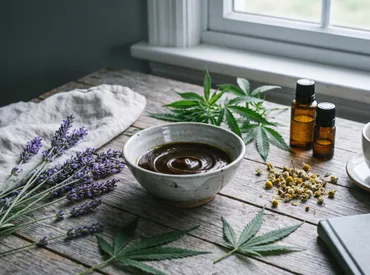
The growing interest in plant-based wellness has brought hemp-derived remedies into mainstream conversations, with topical applications leading the charge. Among these, a cbd salve has emerged as a highly sought-after option for localized support, offering a targeted approach that bypasses systemic digestion while delivering concentrated botanical compounds directly to the skin and underlying tissues. Whether you are managing everyday joint stiffness, soothing post-activity muscle tension, or addressing dry, irritated skin patches, understanding how these formulations work, what makes them effective, and how to apply them correctly is essential for safe and consistent results. This comprehensive guide explores the science behind topical cannabinoid delivery, compares formulation types, evaluates quality markers, and provides actionable protocols to help you integrate this botanical tool into your daily routine with confidence.
Understanding CBD and Topical Delivery
Cannabidiol, widely recognized by its abbreviation CBD, is one of over a hundred naturally occurring phytocannabinoids found in Cannabis sativa plants. Unlike tetrahydrocannabinol (THC), CBD does not produce psychoactive effects, making it an attractive compound for individuals seeking therapeutic support without cognitive impairment. The endocannabinoid system (ECS), a complex network of receptors, enzymes, and endogenous ligands distributed throughout the body, plays a crucial role in maintaining physiological homeostasis. Cannabinoid receptors, particularly CB1 and CB2, are densely located in the skin, peripheral nerves, and musculoskeletal tissues. When applied topically, CBD interacts with these localized receptors, modulating inflammatory pathways and supporting cellular communication in the area of application.
Free calculatorDosage CalculatorCalculate medication dosageOpen the calculatorHow CBD Interacts with the Endocannabinoid System
The skin functions as an active endocrine organ with its own localized ECS. Keratinocytes, immune cells, and sensory nerve endings all express CB2 receptors and transient receptor potential (TRP) channels that respond to cannabinoid stimulation. Research published by the National Institutes of Health (NIH) indicates that CBD demonstrates affinity for TRPV1 receptors, which regulate pain perception, thermal sensitivity, and inflammatory responses. By modulating these pathways, CBD can help reduce localized discomfort and support tissue recovery without entering systemic circulation. This targeted mechanism explains why a cbd salve is frequently preferred by individuals who want to avoid whole-body effects or potential drug interactions associated with oral ingestion. The localized nature of topical delivery ensures that active compounds remain concentrated exactly where they are needed most.
Salves vs. Creams vs. Ointments: Key Differences
Topical formulations vary significantly in their base ingredients, absorption rates, and intended use cases. A salve is traditionally an anhydrous preparation, meaning it contains no water. Instead, it relies on a combination of plant oils (such as olive, hemp seed, or coconut oil) and waxes (like beeswax or candelilla wax) to create a semi-solid, highly concentrated matrix. This structure slows down evaporation and allows the active ingredients to remain on the skin surface longer, promoting gradual absorption. In contrast, creams are oil-in-water emulsions that absorb rapidly, making them ideal for broader coverage but less effective for sustained, localized delivery. Ointments contain a higher concentration of occlusive agents like petrolatum, creating a protective barrier but sometimes limiting cannabinoid penetration. Understanding these distinctions helps consumers select the most appropriate vehicle for their specific wellness goals.
The Science Behind CBD Topical Absorption
The human skin serves as a formidable barrier, composed of multiple layers that regulate hydration, temperature, and pathogen defense. The outermost layer, the stratum corneum, consists of dead keratinocytes embedded in a lipid matrix that restricts the passage of large or hydrophilic molecules. Cannabinoids like CBD are highly lipophilic, meaning they dissolve readily in fats and oils rather than water. This property is advantageous for topical formulations because the lipid-rich stratum corneum allows CBD to integrate into the skin's natural barrier and migrate toward deeper dermal structures.
Localized vs. Systemic Effects
One of the most significant advantages of topical application is its localized action profile. When CBD is absorbed through the skin, it primarily interacts with cannabinoid receptors in the epidermis, dermis, subcutaneous fat, and adjacent muscle tissue. Unlike oral or sublingual routes that undergo first-pass metabolism in the liver, as detailed by the Cleveland Clinic, topicals bypass hepatic processing entirely. Consequently, plasma concentrations of CBD remain negligible, reducing the likelihood of systemic side effects or interactions with medications metabolized by cytochrome P450 enzymes. This makes a cbd salve particularly appealing for older adults, individuals managing polypharmacy regimens, or those seeking targeted relief without altering baseline physiological parameters.
Penetration Enhancers and Carrier Oils
While CBD's lipophilic nature supports skin absorption, the stratum corneum remains a restrictive barrier. Formulators often incorporate penetration enhancers such as terpenes (limonene, caryophyllene, pinene), ethanol, propylene glycol, or essential oils like peppermint and eucalyptus to temporarily disrupt lipid organization and increase permeability. Additionally, carrier oils play a vital role in solubilizing cannabinoids and supporting transdermal delivery. Hemp seed oil, rich in linoleic and gamma-linolenic acids, helps restore the skin barrier and improves the vehicle's compatibility with epidermal lipids. MCT oil provides a light, stable medium that enhances cannabinoid bioavailability without clogging pores. The synergistic combination of these ingredients determines how efficiently active compounds reach their target sites and how long the therapeutic effects persist.
Potential Therapeutic Benefits of CBD Salves
Clinical research and preclinical models have explored the dermatological and musculoskeletal applications of topical CBD. While regulatory bodies emphasize the need for larger-scale human trials, existing data and mechanistic studies support several plausible benefits that align with traditional herbal medicine practices and modern dermatological science.
Managing Joint Discomfort and Inflammation
Chronic joint stiffness and exercise-induced muscle soreness often stem from localized inflammatory cascades involving prostaglandins, cytokines, and oxidative stress. CBD exhibits documented anti-inflammatory and antioxidant properties that can help modulate these pathways. By inhibiting cyclooxygenase (COX) enzymes and reducing nuclear factor-kappa B (NF-κB) activation, CBD may lower inflammatory mediator production at the application site, a mechanism supported by clinical reviews from the Mayo Clinic regarding its anti-inflammatory potential. Many athletes and physically active individuals incorporate a cbd salve into post-workout recovery routines to support muscle pliability, reduce tension, and maintain mobility. Consistent application over several weeks typically yields more pronounced improvements than isolated use, as the ECS requires sustained modulation to restore optimal signaling equilibrium.
Soothing Skin Irritations and Dryness
Beyond musculoskeletal support, CBD salves are widely utilized for dermatological comfort. The compound's interaction with sebaceous glands and immune cells in the skin helps regulate sebum production and calm reactive inflammation. Individuals experiencing seasonal dryness, minor friction-related redness, or environmental stress-related discomfort often report improved skin texture and hydration retention after regular topical CBD use, aligning with dermatological safety evaluations from the World Health Organization. The wax-based matrix of traditional salves provides an occlusive layer that minimizes transepidermal water loss while allowing slow-release cannabinoid delivery. When combined with complementary botanicals like calendula, arnica, or chamomile, the formulation becomes a multi-targeted skin support tool that aligns with holistic wellness principles.
How to Choose the Right CBD Salve
The topical market has expanded rapidly, resulting in significant variability in product quality, potency accuracy, and ingredient transparency. Navigating this landscape requires a systematic approach that prioritizes safety, efficacy, and regulatory compliance.
Understanding CBD Spectrum: Full, Broad, and Isolate
Cannabinoid formulations are generally categorized by their phytochemical profile. Full-spectrum CBD contains the complete array of naturally occurring compounds from the hemp plant, including trace amounts of THC (legally capped at 0.3% in the United States), terpenes, flavonoids, and minor cannabinoids. The entourage effect hypothesis suggests that these compounds work synergistically to enhance therapeutic outcomes. Broad-spectrum CBD undergoes additional processing to remove THC while preserving other cannabinoids and terpenes, making it suitable for individuals who prefer to avoid even trace psychoactive compounds. CBD isolate consists of pure, crystallized cannabidiol stripped of all other plant constituents. While isolates offer precise dosing and minimal risk of allergic reactions, some users report that full or broad-spectrum options provide more comprehensive localized relief due to multi-target receptor modulation.
Evaluating Quality and Third-Party Testing
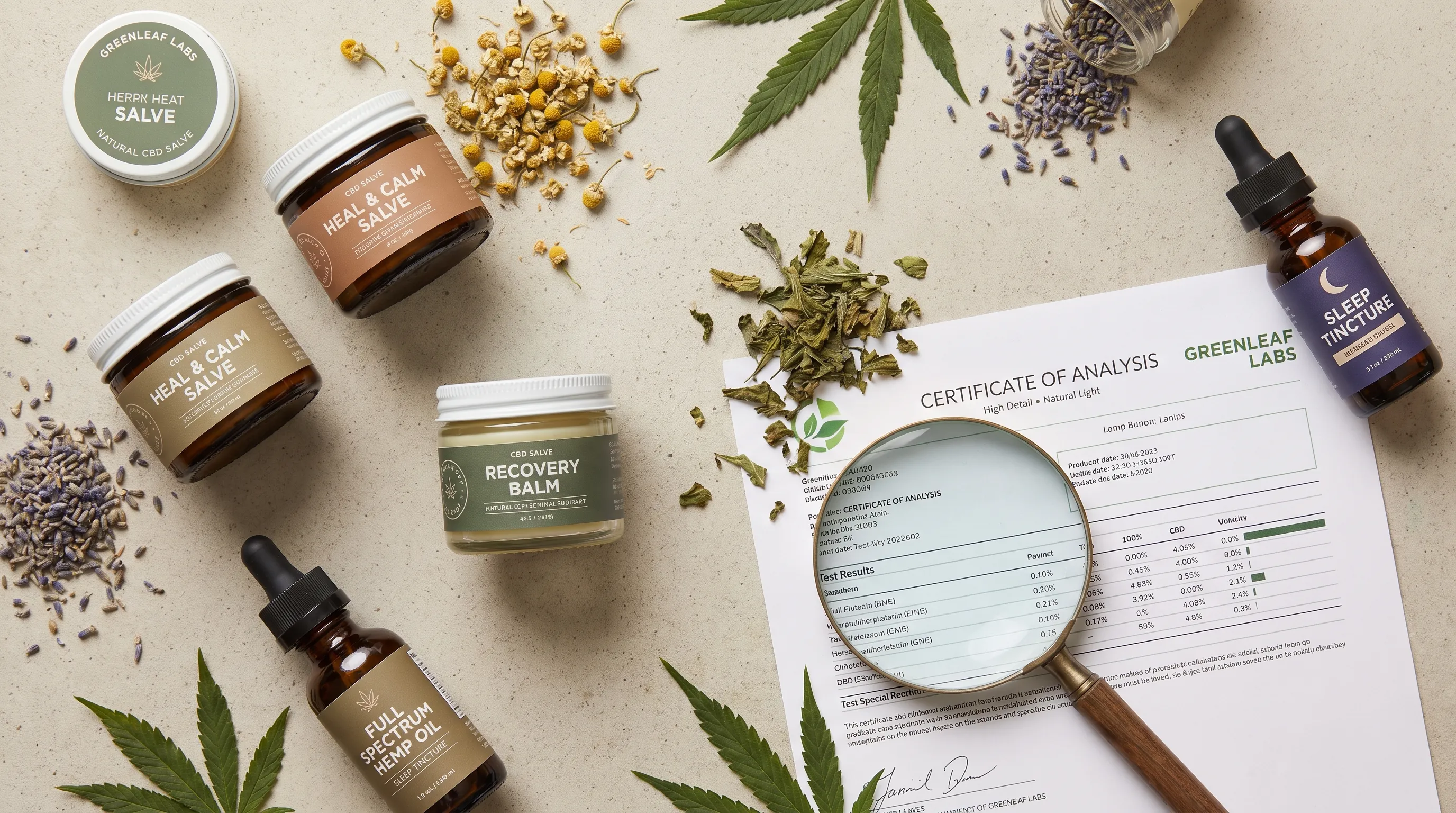
Reputable manufacturers recognize the importance of independent verification. Certificates of Analysis (COAs) from accredited third-party laboratories confirm cannabinoid potency, screen for heavy metals, residual solvents, pesticides, and microbial contaminants, and verify that THC levels comply with legal thresholds. Consumers should always request batch-specific COAs rather than relying on generic website claims. Products lacking transparent lab documentation, using vague potency labels like "CBD-rich" without milligram specifications, or omitting extraction methods should be approached with caution. The extraction process itself matters: supercritical CO2 extraction is widely regarded as the cleanest and most efficient method, preserving heat-sensitive terpenes without introducing toxic residues.
Checking for Beneficial Complementary Ingredients
A high-quality cbd salve leverages botanical synergy to enhance performance. Terpenes such as beta-caryophyllene (which directly binds to CB2 receptors) and menthol (which activates cooling TRPM8 receptors) provide complementary mechanisms that work alongside CBD. Anti-inflammatory herbs like white willow bark, turmeric extract, or boswellia may further support musculoskeletal comfort. For dermatological applications, ingredients like shea butter, vitamin E, and aloe vera improve skin barrier integrity and hydration. Conversely, consumers should avoid formulations containing synthetic fragrances, artificial preservatives, or excessive alcohol content, as these can compromise the stratum corneum and trigger contact dermatitis.
| Formulation Type | Base Composition | Absorption Speed | Longevity on Skin | Ideal Use Case | Best For |
|---|---|---|---|---|---|
| CBD Salve | Anhydrous (waxes + carrier oils) | Slow to moderate | High (hours) | Targeted, prolonged application | Joint areas, concentrated tension points |
| CBD Cream | Oil-in-water emulsion | Moderate to fast | Low to moderate | Broad coverage, quick absorption | Large surface areas, daily skin hydration |
| CBD Lotion | High water content, lighter oils | Fast | Low | Frequent reapplication | Whole-body moisturizing, mild tension relief |
| CBD Balm | Petrolatum/oil heavy | Moderate | High | Protective occlusion, barrier support | Cracked skin, extreme dryness, protective layering |
Step-by-Step Guide to Using a CBD Salve Effectively
Proper application technique significantly influences therapeutic outcomes. Many users apply topical CBD incorrectly, either using insufficient product, failing to massage adequately, or expecting immediate results without establishing a consistent routine.
Preparation and Application Techniques
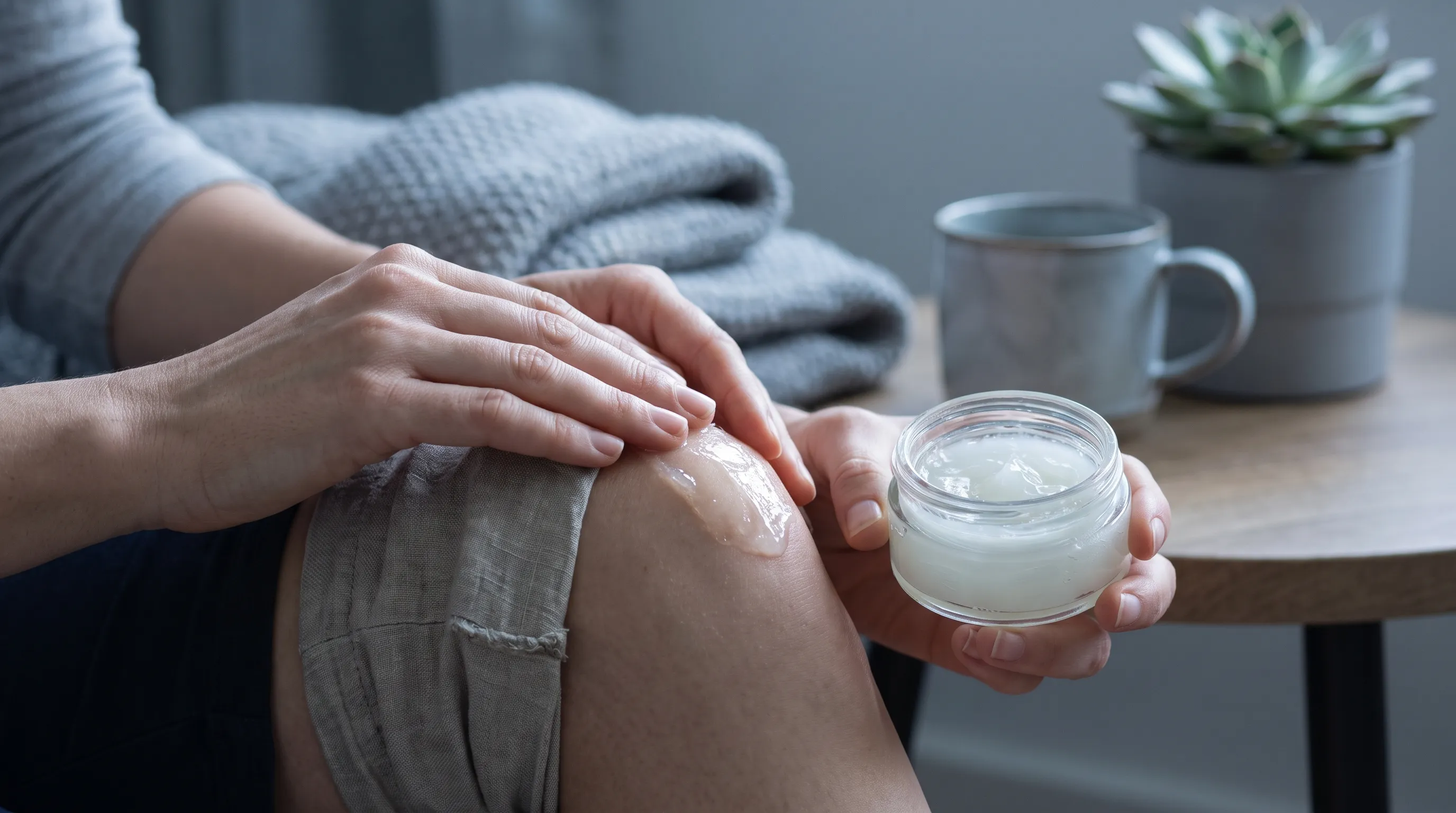
Begin by cleansing the target area with mild soap and water to remove dirt, sweat, or residual skincare products that could impede absorption. Dry the skin thoroughly, as excess moisture can dilute the salve's lipid base. Scoop a pea- to nickel-sized amount of product using clean fingertips or a dedicated applicator tool. Warm the salve between your palms for 10 to 15 seconds to soften the wax matrix and activate volatile terpenes. Apply the product using gentle, circular massage motions for at least 30 seconds. This mechanical action increases local blood flow, warms the tissue, and helps the formulation integrate with the stratum corneum. Avoid pressing too aggressively, as excessive friction can irritate sensitive areas or push product away from the intended site.
Dosage Considerations and Consistency
Topical CBD lacks a universally standardized dosing protocol because absorption rates vary by individual physiology, skin thickness, and formulation composition. A practical approach is to start with a conservative application (approximately 2 to 5 milligrams per use) and assess the response after 48 hours. If localized relief remains insufficient, gradually increase the applied amount by 1 to 2 milligrams per session until optimal comfort is achieved. Consistency matters more than occasional heavy application. The ECS responds best to steady, moderate stimulation over time. Most clinical observational data suggests that applying a cbd salve two to three times daily yields the most reliable outcomes for chronic tension or persistent discomfort. Track your application schedule, product batch number, and symptom changes to identify patterns and refine your routine.
Safety, Side Effects, and Precautions
While topical CBD is generally well-tolerated, responsible use requires awareness of potential contraindications, skin sensitivities, and regulatory considerations. Medical guidance remains essential for individuals navigating chronic health conditions or complex medication regimens.
Potential Drug Interactions and Systemic Considerations
Although topicals rarely produce measurable blood concentrations, excessive application over large surface areas or compromised skin barriers may allow minor systemic absorption. CBD is a known inhibitor of CYP3A4 and CYP2C19 enzymes, which metabolize numerous prescription medications including anticoagulants, certain antidepressants, and antiepileptic drugs, according to public health advisories from the CDC. Individuals taking medications with narrow therapeutic indices should consult a qualified healthcare provider before initiating regular topical CBD use. Additionally, combining a cbd salve with other topical analgesics like diclofenac gel or capsaicin cream may amplify localized effects, sometimes leading to heightened sensitivity or unexpected interactions at the application site. Spacing applications by several hours typically prevents overlapping pharmacological activity.
Who Should Avoid CBD Topicals
Certain populations should exercise caution or avoid topical cannabinoids entirely. Pregnant or breastfeeding individuals lack sufficient safety data regarding fetal or infant exposure, even through transdermal routes. Individuals with known allergies to hemp, beeswax, or specific essential oils should carefully review ingredient lists and perform patch testing before widespread use. Patients with severe dermatological conditions like psoriasis, eczema flare-ups, or open ulcerations should seek medical clearance, as altered skin barrier function changes absorption dynamics and may exacerbate inflammation. Always discontinue use immediately if signs of contact dermatitis appear, including intense itching, swelling, blistering, or spreading redness.
Frequently Asked Questions
Does a CBD salve enter the bloodstream?
Standard topical CBD formulations are designed for localized delivery and typically do not penetrate deeply enough to reach systemic circulation. They primarily interact with cannabinoid receptors in the skin, muscles, and peripheral nerves near the application site, making them non-intoxicating and unlikely to cause whole-body effects.
How long does it take for a CBD salve to start working?
Most users report noticeable localized relief within 20 to 45 minutes after application. The exact onset depends on factors such as skin thickness at the application site, the presence of penetration enhancers like menthol or essential oils, and individual endocannabinoid system responsiveness. Consistent daily application typically yields better long-term outcomes.
What is the difference between a CBD salve and a CBD cream?
A CBD salve is typically an anhydrous (water-free) formulation made primarily of beeswax or candelilla wax blended with infused carrier oils, resulting in a thicker, longer-lasting consistency that sits on the skin longer. CBD creams usually contain water, emulsifiers, and preservatives, making them lighter, faster-absorbing, and easier to spread over larger surface areas.
Can I use a CBD salve on open wounds or broken skin?
It is strongly advised to avoid applying any CBD salve to broken, ulcerated, or actively bleeding skin unless explicitly directed by a healthcare provider. The stratum corneum acts as a protective barrier, and compromised skin can allow deeper penetration of ingredients, potentially causing irritation, delayed healing, or unpredictable absorption rates.
How should I store a CBD salve to preserve potency?
CBD salves should be stored in a cool, dark place away from direct sunlight, extreme heat, and humidity. Opaque, airtight containers help prevent oxidation and degradation of cannabinoids and terpenes. Most high-quality salves remain stable for 12 to 24 months when stored properly at room temperature.
Conclusion
Integrating a cbd salve into your wellness routine requires a foundational understanding of how topical delivery works, what ingredients support optimal absorption, and how to apply the product consistently for meaningful results. By prioritizing third-party tested formulations, selecting complementary botanicals aligned with your specific needs, and establishing a regular application schedule, you can safely explore the localized benefits that this plant-based approach offers. The scientific landscape surrounding topical cannabinoids continues to evolve, with ongoing research examining precise dosing thresholds, receptor modulation pathways, and long-term skin compatibility. Until broader regulatory frameworks and standardized clinical trials are established, informed consumer education, transparent manufacturing practices, and professional medical guidance remain the cornerstones of responsible use. As with any wellness intervention, patience, observation, and consistency yield the most sustainable outcomes. When chosen carefully and applied correctly, a cbd salve can serve as a valuable, non-invasive tool in your daily self-care protocol, supporting comfort, mobility, and skin health through nature-inspired mechanisms.
How we work
Researched and drafted with AI assistance, then reviewed by a human editor against the cited sources.
This article is general health information, not medical advice. Consult a qualified healthcare professional about your own situation.