The Complete Guide to CBD Patches: Science, Benefits, and Usage Protocols

The wellness industry has experienced a transformative evolution over the past decade, with cannabidiol establishing itself as a foundational component of modern integrative health strategies. Among the diverse array of delivery mechanisms available to consumers, transdermal systems have emerged as a highly effective solution for individuals seeking sustained, targeted, and predictable compound exposure. Unlike traditional oral supplements that undergo extensive hepatic metabolism, cbd patches deliver active botanical compounds directly through the dermal layers and into systemic circulation. This unique pharmacological pathway bypasses gastrointestinal digestion and first-pass liver metabolism, resulting in significantly higher bioavailability and prolonged therapeutic windows Mayo Clinic. For individuals managing persistent musculoskeletal discomfort, inflammatory cascades, sleep architecture disruptions, or neurochemical stress responses, understanding the underlying science, proper application protocols, and comprehensive safety parameters is absolutely essential. This extensively researched guide explores the physiological mechanisms of transdermal delivery, evaluates clinical applications across multiple health domains, outlines evidence-based usage strategies, and systematically addresses common market misconceptions. Whether you are a first-time wellness enthusiast exploring alternative symptom management options or a healthcare practitioner seeking to optimize patient care protocols, the following sections provide actionable, scientifically grounded insights to support informed decision-making and sustainable health outcomes.
Understanding the Science Behind Transdermal CBD Delivery
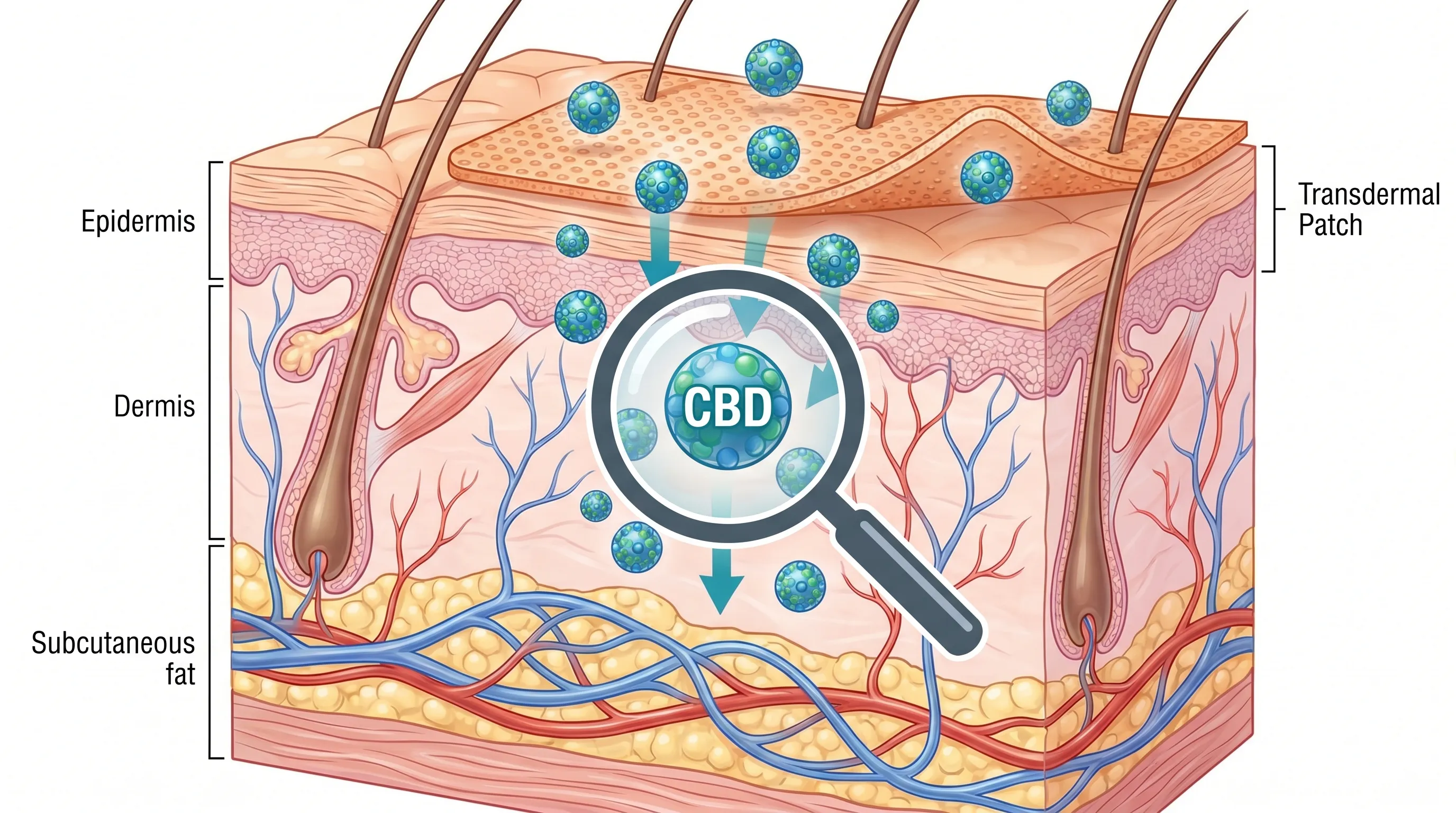
The fundamental therapeutic appeal of transdermal cannabinoid administration lies in its distinct route of biological entry. When properly applied to the epidermis, the adhesive matrix creates a controlled microenvironment that facilitates steady-state plasma concentrations without the sharp pharmacokinetic peaks associated with bolus dosing. Human skin functions as a highly selective semipermeable barrier, primarily orchestrated by the stratum corneum, which is structurally designed to prevent exogenous substances from penetrating the vascular network. However, advanced formulation engineering incorporates scientifically validated penetration enhancers that temporarily modulate lipid bilayers within the corneocyte matrix, allowing lipophilic cannabidiol molecules to traverse the dermal architecture efficiently. Once successfully absorbed into the capillary bed, the compound binds to transient receptor potential vanilloid 1 (TRPV1) ion channels and interacts with peripheral cannabinoid receptors densely distributed within cutaneous nerve endings, keratinocytes, mast cells, and local immune tissues.
Free calculatorSleep CalculatorCalculate sleep cyclesOpen the calculatorThe Endocannabinoid System and Skin Absorption
The epidermal and dermal layers contain a remarkably dense network of endocannabinoid receptors, primarily CB1 and CB2 subtypes, which play indispensable roles in regulating localized inflammatory responses, cellular differentiation, oxidative stress mitigation, and nociceptive signaling. When cannabidiol successfully penetrates the dermal barrier, it modulates these receptor populations without triggering psychoactive pathways typically associated with delta-9-tetrahydrocannabinol World Health Organization). Peer-reviewed dermatological research highlights that transdermal delivery enables localized receptor saturation while simultaneously achieving systemic distribution through capillary uptake. Unlike sublingual tinctures that produce rapid onset but comparatively short-lived peak plasma concentrations, cbd patches maintain consistent compound availability over 24 to 48 hour intervals. This extended release profile effectively minimizes the fluctuation-related adverse reactions frequently reported with rapid absorption formats, providing a more stable physiological environment for chronic symptom management. Clinical observations consistently demonstrate that steady-state transdermal concentrations support improved pain threshold modulation, reduced inflammatory cytokine expression, and enhanced tissue recovery parameters over prolonged application periods.
Pharmacokinetics of Transdermal Patches vs. Oral Forms
Comprehensive pharmacokinetic profiling reveals a pronounced divergence between transdermal and oral administration pathways. Orally ingested cannabidiol undergoes extensive first-pass hepatic metabolism, where cytochrome P450 enzyme families, particularly CYP3A4 and CYP2C19 isoforms, rapidly metabolize approximately 60 to 80 percent of the active compound into hydroxy and carboxyl metabolites before systemic distribution can occur Cleveland Clinic. This extensive enzymatic degradation drastically reduces oral bioavailability, frequently necessitating substantially higher initial doses to achieve clinically relevant therapeutic thresholds. In contrast, transdermal systems completely circumvent gastrointestinal absorption challenges and hepatic first-pass clearance. Clinical pharmacology data consistently indicate that transdermal delivery achieves systemic bioavailability rates ranging from 70 to 90 percent, heavily dependent upon formulation matrix quality, skin hydration status, and regional vascularity at the application site. The extended terminal half-life associated with sustained transdermal release directly translates to fewer daily dosing requirements, improved therapeutic consistency, and significantly enhanced long-term compliance for chronic wellness protocols requiring continuous compound exposure.
What to Look for in High-Quality CBD Patches
The clinical efficacy and safety profile of any transdermal cannabinoid product depend overwhelmingly upon stringent manufacturing standards, precise excipient formulation, botanical sourcing integrity, and transparent quality verification. The contemporary wellness marketplace remains highly fragmented, containing products that range from pharmaceutical-grade systems to poorly manufactured alternatives with inconsistent cannabinoid concentrations. Consumers must develop literacy regarding the technical specifications that differentiate clinically reliable formulations from substandard market entries. Reputable manufacturers utilize standardized hemp cultivars cultivated under regulated agricultural frameworks, ensuring consistent phytochemical profiles, minimal heavy metal accumulation, and negligible pesticide contamination throughout the growth cycle.
Carrier Agents and Penetration Enhancers
The adhesive matrix, drug reservoir, and backing layer serve as far more than basic mechanical components. Sophisticated transdermal formulations incorporate scientifically validated penetration enhancers such as pharmaceutical-grade ethanol, propylene glycol, oleic acid, and specific terpene isolates. These compounds temporarily disrupt intercellular lipid packing within the stratum corneum without causing chronic dermal irritation or barrier dysfunction. Additionally, hydrophilic or lipophilic carrier vehicles are carefully selected based upon the solubility characteristics and molecular weight of the cannabidiol extract. Liposomal encapsulation, phospholipid bilayer technology, and advanced nanoemulsion processing are increasingly utilized by leading manufacturers to enhance molecular stability, prevent oxidative degradation, and optimize dermal absorption kinetics. When evaluating product specifications, consumers should prioritize explicit documentation regarding excipient ratios, flux rate studies, and polymer degradation timelines. These technical details are routinely outlined in formulation transparency reports and independently published pharmacological assessments.
Spectrum Options: Full-Spectrum, Broad-Spectrum, and Isolate
Cannabidiol formulations are categorized into three primary phytochemical profiles, each offering distinct pharmacological characteristics and therapeutic applications. Full-spectrum extracts preserve the complete botanical matrix of the hemp cultivar, encompassing minor cannabinoids such as cannabigerol, cannabinol, and tetrahydrocannabivarin, alongside naturally occurring terpene families and legally compliant concentrations of delta-9-tetrahydrocannabinol. The entourage effect hypothesis suggests that these co-occurring compounds exhibit synergistic receptor modulation, potentially enhancing overall therapeutic efficacy compared to isolated administration. Broad-spectrum products undergo precise fractional distillation and chromatographic separation to eliminate all detectable tetrahydrocannabinol while preserving beneficial minor cannabinoids and terpenes, making them ideal for individuals subject to mandatory occupational drug screening. Pure isolate formulations undergo extensive crystallization processes to deliver 99 percent pure cannabidiol with all secondary phytochemicals removed entirely, offering precise milligram dosing control for highly sensitive individuals or clinical protocols requiring single-compound therapy with zero phytochemical variability.
Third-Party Testing and Certifications
Independent laboratory verification remains the unequivocal gold standard for consumer protection and product validation. Comprehensive certificates of analysis must explicitly detail cannabinoid potency verification, complete terpene profiling, heavy metal concentration limits, residual pesticide screening, microbiological contamination thresholds, and solvent residual quantification. Reputable manufacturers publish batch-specific COAs through publicly accessible online databases with transparent tracking identifiers that correspond directly to packaging codes. Consumers should exclusively prioritize testing facilities accredited by ISO 17025 standards, which enforce rigorous methodological validation, equipment calibration protocols, and analytical accuracy requirements. Additionally, certifications from recognized agricultural compliance programs and documented adherence to current good manufacturing practice guidelines indicate uncompromising quality control spanning the entire cultivation, extraction, formulation, and packaging lifecycle.
Primary Benefits and Clinical Applications
Transdermal cannabidiol systems are increasingly integrated into complementary wellness protocols spanning multiple physiological domains. Clinical case documentation, observational cohort studies, and extensive patient-reported outcome surveys consistently highlight their utility in managing persistent inflammatory cascades, sleep architecture irregularities, neurochemical stress dysregulation, and localized tissue discomfort. The controlled delivery mechanism enables sustained receptor exposure without the gastrointestinal irritation, enzymatic degradation, or rapid plasma fluctuation commonly reported with conventional oral supplementation formats.
Targeted Pain and Inflammatory Relief
Chronic musculoskeletal discomfort frequently originates from persistent inflammatory cascades characterized by elevated prostaglandin synthesis, pro-inflammatory cytokine release, and localized oxidative tissue stress. Cannabidiol demonstrates well-documented interaction with vanilloid receptor pathways while simultaneously modulating glycine receptor activity within spinal cord nociceptive tracts, effectively dampening pain signal transmission National Center for Complementary and Integrative Health (NIH). Transdermal administration maintains consistent compound saturation at peripheral receptor sites, proving particularly advantageous for degenerative joint pathology, post-exertional muscle microtrauma, and peripheral neuropathic symptomatology. Clinical case reports and integrative pain management literature consistently indicate that sustained transdermal exposure reduces reliance on conventional nonsteroidal anti-inflammatory medications while significantly improving functional mobility metrics and quality-of-life indicators over extended therapeutic windows.
Sleep Optimization and Circadian Rhythm Support
Sleep architecture disruption frequently stems from chronically elevated cortisol secretion, circadian misalignment, hyperactive sympathetic nervous system tone, and impaired melatonin synthesis. Cannabidiol exerts measurable influence over hypothalamic-pituitary-adrenal axis regulation while interacting directly with gamma-aminobutyric acid receptor complexes to promote central nervous system quieting and neural excitability reduction. Individuals utilizing transdermal systems during evening hours frequently report markedly decreased sleep onset latency, significantly reduced nocturnal awakenings, and improved rapid eye movement cycle continuity. The slow-release matrix effectively prevents mid-sleep compound depletion, supporting uninterrupted restorative physiological processes. Integrative sleep specialists routinely recommend transdermal formats for patients experiencing chronic insomnia, circadian rhythm sleep-wake disorders, or medication-induced sleep fragmentation, particularly when combined with evidence-based sleep hygiene optimization protocols.
Stress Management and Anxiety Reduction
The physiological stress cascade involves highly complex neuroendocrine pathways primarily mediated by amygdala activation, hippocampal feedback loops, and prefrontal cortical regulation deficits. Extensive preclinical and clinical literature demonstrates that cannabidiol possesses robust anxiolytic properties achieved through serotonin 5-HT1A receptor modulation, enhanced hippocampal neurogenesis, and hypothalamic cortisol regulation. Transdermal administration delivers steady-state plasma concentrations that maintain emotional equilibrium and physiological calmness without the cognitive sedation or rebound activation frequently associated with conventional pharmaceutical anxiolytics. Many professionals integrate these systems into daily routines to manage workplace tension, performance-related stress, and socially induced anxiety episodes. When strategically paired with cognitive behavioral techniques, nutritional optimization, and consistent physical activity, the neuroregulatory effects are substantially amplified and clinically sustained.
How to Use CBD Patches Effectively
Proper application techniques, strategic placement selection, and methodical dosing strategies are absolutely fundamental to maximizing therapeutic outcomes while minimizing adverse dermatological or systemic reactions. Unlike oral supplements with relatively predictable gastrointestinal absorption kinetics, transdermal systems require careful consideration of local skin physiology, ambient environmental conditions, and individual metabolic variability. Adhering strictly to evidence-based application protocols ensures consistent compound delivery, prevents active ingredient wastage, and promotes long-term dermal health.
Optimal Placement and Application Techniques
Anatomical site selection directly dictates absorption efficiency and transdermal flux velocity. Regions exhibiting higher superficial vascularity, thinner stratum corneum thickness, and minimal adipose tissue consistently yield superior systemic delivery rates. Evidence-based recommendations strongly favor the upper lateral arm, posterior cervical region, medial anterior forearm, lower thoracic back, and medial ankle areas as primary application zones. Prior to placement, thoroughly cleanse the target epidermis using fragrance-free soap and lukewarm water, then pat completely dry to eliminate surface moisture. Never apply over pre-existing lotions, essential oils, or residual sunscreen formulations, as exogenous lipid barriers severely impede molecular diffusion. Carefully remove the protective release liner, align the adhesive matrix without stretching the underlying skin, and apply firm, even pressure across the entire surface for 15 to 20 seconds to guarantee complete adhesive contact and eliminate trapped air pockets. Rotate anatomical sites with every replacement cycle to prevent localized cutaneous irritation, preserve barrier integrity, and maintain consistent transdermal permeability across treatment periods.
Dosage Guidelines and Gradual Titration
Individual physiological tolerance varies substantially based upon body composition, basal metabolic rate, enzymatic activity variations, and baseline symptom severity. Initiating transdermal therapy with conservative low-dose formulations allows the endocannabinoid system to gradually adapt without overwhelming physiological homeostasis. Standard clinical starting protocols consistently recommend beginning with 10 to 20 milligram daily applications, administered at the exact same circadian period to establish consistent receptor occupancy. Monitor physiological responses systematically across a 7 to 10 day observation window before contemplating incremental dosage modifications. Increase administered milligram strength in precise 5 to 10 milligram increments every fourteen days until optimal therapeutic thresholds are reliably achieved. Maintain a comprehensive daily wellness journal documenting symptom intensity scales, sleep architecture metrics, mood fluctuations, gastrointestinal feedback, and any dermatological observations. This longitudinal data collection facilitates precision titration, prevents unnecessary compound overconsumption, and enables healthcare providers to adjust treatment plans with clinical accuracy.
Maximizing Absorption with Lifestyle Adjustments
Systemic environmental factors and behavioral patterns exert significant influence over transdermal delivery efficiency and overall therapeutic efficacy. Hydration status plays a critical, often overlooked role in maintaining optimal skin pliability and molecular diffusion capacity. Consistently consuming adequate purified water throughout waking hours maintains dermal cellular turgor and epidermal elasticity, directly enhancing passive compound absorption. Gentle mechanical exfoliation of the intended application site approximately 24 hours prior to initial use can effectively remove accumulated keratinocyte debris, substantially improving transdermal flux without inducing microscopic tissue trauma. Avoid exposing the active application zone to extreme environmental temperatures, as prolonged direct heat exposure accelerates adhesive polymer degradation and unpredictably alters controlled-release kinetics. When participating in strenuous cardiovascular training, extended outdoor activities, or aquatic environments, apply a breathable waterproof occlusive barrier over the patch perimeter to maintain secure adhesive contact and prevent moisture-induced displacement. Unwavering consistency remains the single most critical success factor; transdermal systems require uninterrupted dermal contact to establish and maintain steady-state systemic concentrations.
Safety Profile, Side Effects, and Contraindications
Extensive pharmacological literature consistently documents that cannabidiol exhibits a remarkably favorable safety profile across diverse demographic populations, with clinically reported adverse events generally remaining mild, transient, and easily manageable. However, transdermal administration introduces unique dermatological considerations and potential pharmacological interactions that warrant careful clinical attention and informed consumer awareness. Understanding potential contraindications ensures responsible integration into daily wellness regimens and proactively minimizes risk for physiologically vulnerable populations.
Common Mild Reactions and Management
Dermatological responses represent the most frequently documented clinical concerns, typically manifesting as localized transient erythema, mild superficial pruritus, temporary xerosis, or minor adhesive sensitivity at the direct application site. These localized reactions frequently result from individual hypersensitivity to medical-grade adhesive polymers or specific penetration enhancer compounds rather than the active cannabidiol molecule itself. Temporarily discontinuing application and switching to hypoallergenic, silicone-based adhesive formulations typically resolves symptoms completely within 48 to 72 hours. Systemic physiological effects, when they occasionally occur, may include mild transient drowsiness, slight appetite modulation, or subtle gastrointestinal discomfort unrelated to hepatic metabolism. Immediately reducing the applied dosage strength or extending the rotation interval between application sites generally mitigates these mild systemic responses. Always promptly remove transdermal systems if severe localized irritation, vesicular formation, urticaria, or signs of allergic contact dermatitis develop, and consult a dermatology specialist if symptoms persist beyond three days.
Drug Interactions and the Cytochrome P450 Pathway
Despite effectively circumventing first-pass gastrointestinal metabolism, systemically distributed cannabidiol still actively interacts with hepatic enzyme systems responsible for metabolizing numerous conventional pharmaceutical compounds. Cannabidiol functions as a competitive substrate inhibitor of cytochrome P450 isoforms, predominantly CYP3A4, CYP2C19, and CYP2D6 U.S. Food and Drug Administration (FDA). This enzymatic interaction can significantly prolong the plasma half-life of concurrently administered medications including anticoagulant therapies, selective serotonin reuptake inhibitors, anticonvulsant protocols, and immunosuppressive regimens, potentially elevating baseline drug concentrations and increasing dose-dependent side effect risks. Individuals actively taking prescribed medications must consult licensed healthcare providers before initiating transdermal cannabidiol therapy. Routine therapeutic drug monitoring, comprehensive liver function testing, and systematic clinical symptom tracking enables safe integration without compromising established pharmacological efficacy or patient safety.
Special Populations: Pregnancy, Children, and Elderly
Vulnerable demographic cohorts require highly specialized clinical consideration due to fundamentally altered physiological processing capabilities, developmental neurological sensitivity, and increased polypharmacy exposure. During active pregnancy and breastfeeding periods, rapid endocrine fluctuations and ongoing fetal neural development necessitate extreme precaution, with established medical consensus strongly advising against non-prescribed cannabinoid exposure until comprehensive long-term safety data becomes available Centers for Disease Control and Prevention (CDC). Pediatric populations exhibit distinctly different hepatic metabolic clearance rates and significantly lower total body mass, requiring substantially reduced dosing parameters exclusively under direct pediatric specialist supervision. Elderly individuals frequently experience age-related reductions in renal filtration capacity, altered hepatic enzyme activity, and complex multi-medication regimens, dramatically increasing potential pharmacokinetic interaction risks. Geriatric patients should initiate therapy at highly conservative dosage thresholds with extended monitoring intervals between titration phases. Always prioritize direct clinical oversight and comprehensive medical consultation when integrating transdermal systems into these sensitive demographic populations.
CBD Patches vs. Other CBD Delivery Methods
The strategic selection of an optimal cannabinoid delivery system depends entirely upon specific therapeutic objectives, symptom chronicity, individual lifestyle compatibility, occupational constraints, and inherent physiological response patterns. Conducting a comprehensive comparative analysis between transdermal applications and alternative delivery formats reveals distinct pharmacological advantages, inherent limitations, and practical use-case alignments that directly inform personalized wellness protocol development. Understanding these fundamental differences empowers consumers and practitioners to make highly informed decisions precisely aligned with targeted health outcomes.
Comparison of CBD Delivery Methods
| Delivery Method | Onset Time | Duration of Effect | Bioavailability | Best Clinical Use Case | Primary Advantages | Key Limitations |
|---|---|---|---|---|---|---|
| Transdermal Patches | 60–180 minutes | 12–48 hours | 70–90% | Chronic symptom management, sustained physiological support | Steady plasma concentrations, bypasses first-pass metabolism, exceptional dosing compliance | Slower initial onset, potential localized skin sensitivity, requires daily rotation |
| Sublingual Oil Tinctures | 15–30 minutes | 4–6 hours | 13–35% | Acute symptom flare-ups, rapid intervention needs, precise micro-dosing | Fast onset kinetics, easy milligram titration, high absorption consistency | Pronounced earthy taste, requires mucosal holding time, variable salivary enzyme degradation |
| Oral Capsules & Softgels | 45–90 minutes | 6–8 hours | 4–20% | Daily foundational supplementation, discreet routine integration | Pre-measured dosing accuracy, zero preparation required, flavorless administration | Extensive first-pass hepatic degradation, highly variable gastrointestinal transit times, delayed onset |
| Topical Creams & Balms | 20–40 minutes | 2–4 hours | Localized Only | Targeted joint discomfort, localized dermatological conditions, superficial inflammation | Direct localized site application, zero systemic distribution, highly customizable | Restricted to surface tissues only, frequent reapplication necessary, limited systemic benefit |
| Edibles & Gummies | 60–120 minutes | 4–8 hours | 4–20% | Routine lifestyle integration, flavor preference-driven users | Highly palatable, prolonged duration of effect, discrete consumption | Highly unpredictable absorption kinetics, extended digestive transit delays, dose variability |
When to Choose Patches Over Tinctures, Capsules, or Topicals
Individuals requiring consistent, long-duration compound exposure fundamentally benefit most from advanced transdermal delivery systems. Patients actively managing chronic inflammatory pathologies, persistent sleep cycle disruptions, extended professional work shifts, or demanding travel schedules deeply appreciate the uninterrupted pharmacological delivery that completely eliminates the need for midday dosing interruptions. Conversely, individuals experiencing acute episodic symptom exacerbations or requiring immediate intervention will achieve superior outcomes utilizing rapidly absorbing sublingual or inhalation methods. Users seeking strictly localized surface relief without any systemic receptor modulation should exclusively select high-penetration topical preparations, while individuals prioritizing exact milligram tracking and rapid onset kinetics frequently prefer traditional oil formulations. Lifestyle integration factors including occupational uniform restrictions, travel frequency, daily routine complexity, and manual dexterity limitations also heavily influence optimal format selection. cbd patches provide unmatched compliance advantages for busy professionals, geriatric patients managing complex medication schedules, and wellness-focused individuals seeking discreet, maintenance-oriented physiological support without constant daily scheduling demands.
Navigating Regulatory Landscape and Legal Considerations
The evolving legal status and regulatory oversight framework surrounding cannabinoid-based wellness products continues to shift dynamically as peer-reviewed scientific research expands exponentially and governmental health agencies systematically refine classification standards and marketing guidelines. Understanding current jurisdictional boundaries, federal agricultural exemptions, and workplace compliance protocols ensures lawful product utilization while effectively protecting consumers from unverified market risks. The complex intersection of agricultural legislation, pharmaceutical classification boundaries, occupational drug screening standards, and interstate commerce regulations demands careful navigation and continuous consumer education.
FDA Guidelines and Hemp Farm Act Implications
Current federal legislation explicitly distinguishes between marijuana-derived and industrial hemp-derived compounds based strictly upon delta-9-tetrahydrocannabinol concentration thresholds established at the federal level. The landmark Hemp Farming Act legally authorized domestic agricultural production and interstate commerce of hemp cultivars containing less than 0.3 percent delta-9-THC measured on a strict dry weight basis. However, the Food and Drug Administration retains comprehensive regulatory authority over all therapeutic health claims, commercial marketing practices, manufacturing safety standards, and labeling compliance requirements for cannabinoid products nationwide FDA. To date, federal health authorities have not formally approved transdermal cannabidiol applications for diagnosing, treating, curing, or preventing any specific medical disease entity. Commercial manufacturers making unsubstantiated disease treatment or cure claims explicitly violate established federal compliance guidelines and remain highly susceptible to aggressive regulatory enforcement actions. Consumers must rigorously verify that all product labeling, marketing materials, and online descriptions fully comply with federal structural requirements while completely avoiding prohibited medical assertions.
Workplace Drug Testing Considerations
Standard occupational urine and hair follicle drug screenings primarily target THC-COOH metabolites rather than unmetabolized cannabidiol or its direct metabolites. Full-spectrum formulations legally containing trace delta-9-tetrahydrocannabinol concentrations may gradually accumulate within adipose tissues during prolonged daily transdermal exposure, potentially yielding positive workplace screening results depending upon laboratory assay sensitivity, confirmation cutoff thresholds, and individual metabolic clearance rates. Broad-spectrum and crystalline isolate product categories entirely eliminate this occupational risk through rigorous chromatographic purification processes. Employees subjected to mandatory employer testing protocols must exclusively select independently verified THC-free formulations and proactively request laboratory documentation confirming absolute zero tetrahydrocannabinol content. Certain occupational employers utilize advanced mass spectrometry confirmation testing capable of differentiating between cannabinoid metabolites, yet proactive selection of rigorously tested products remains the single safest strategy for maintaining uninterrupted professional employment compliance.

Frequently Asked Questions
How long should I wear transdermal patches before replacing them?
Most clinically formulated systems are engineered for continuous 12 to 24 hour wear. The sustained-release matrix gradually depletes active compounds, with therapeutic efficacy declining significantly after the 24-hour window. Remove patches daily, cleanse the skin thoroughly, and allow a 2 to 3 hour break before applying a fresh unit to restore dermal permeability, prevent adhesive residue accumulation, and maintain optimal transdermal flux rates throughout the treatment cycle.
Can I physically cut a patch in half to adjust my daily dosage?
Modifying the physical architecture of transdermal systems is strongly discouraged by formulation experts. Cutting, folding, or altering the adhesive matrix disrupts the controlled-release polymer network, potentially causing dose dumping or severely uneven compound diffusion. Always select pre-manufactured dosage strengths that align with your individual titration plan rather than attempting physical modifications that compromise pharmacokinetic stability.
Will these patches leave sticky residue or cause dermatological irritation?
Medical-grade adhesives are formulated to minimize residue, but individual dermatological sensitivity varies based on skin pH and barrier function. If mild residue occurs, gently remove it with warm water and fragrance-free soap. For persistent irritation, rotate application sites daily, ensure skin is completely dry before application, and select hypoallergenic formulations utilizing silicone-based medical adhesives and reduced penetration enhancer concentrations.
Do I require a medical prescription to purchase high-quality products?
In jurisdictions compliant with federal hemp legislation, over-the-counter purchase is legally permitted provided delta-9-tetrahydrocannabinol concentrations remain below the 0.3 percent threshold. However, licensed healthcare providers may recommend specific medical-grade formulations for chronic condition management, particularly when integrating transdermal therapy into existing pharmacological treatment protocols requiring close clinical monitoring.
How should I store patches to maintain chemical potency and stability?
Cannabinoid compounds degrade rapidly when exposed to ultraviolet light, excessive heat, and environmental humidity. Store products in their original sealed packaging within a cool, dark environment maintained between 60 and 70 degrees Fahrenheit. Avoid bathroom storage due to frequent humidity fluctuations. Proper environmental control maintains lipid matrix integrity, prevents excipient oxidation, and ensures consistent transdermal delivery throughout the product lifecycle.
Conclusion
The integration of transdermal cannabidiol into modern wellness protocols represents a substantial advancement in targeted, sustained physiological symptom management and daily homeostatic support. By strategically leveraging advanced dermal pharmacology and sustained-release polymer technology, cbd patches effectively bypass gastrointestinal degradation, deliver consistent systemic plasma concentrations, and provide unmatched compliance advantages over rapidly fluctuating alternative delivery formats. Understanding the intricate science behind transdermal absorption kinetics, rigorously selecting independently third-party verified products, implementing precise application techniques, systematically titrating dosages, and respecting established pharmacological interactions guarantees safe, highly effective, and clinically sustainable utilization. As peer-reviewed clinical research continues to rapidly expand our comprehensive understanding of endocannabinoid receptor modulation, transdermal matrix engineering, and longitudinal safety outcomes, these systems will undoubtedly play an increasingly central role in personalized integrative health strategies worldwide. Always prioritize consultation with qualified healthcare professionals when initiating new wellness regimens, particularly when managing chronic physiological conditions, navigating polypharmacy interactions, or addressing complex dermatological concerns. With thoroughly informed usage practices, disciplined quality-conscious selection criteria, and consistent application protocols, transdermal cannabidiol delivers a highly reliable, scientifically validated pathway toward optimized daily physiological balance and long-term wellness sustainability.
How we work
Researched and drafted with AI assistance, then reviewed by a human editor against the cited sources.
This article is general health information, not medical advice. Consult a qualified healthcare professional about your own situation.