Managing Pregnancy Low Blood Pressure Third Trimester: A Comprehensive Medical Guide

Navigating the physical changes of late pregnancy can feel overwhelming, especially when unexpected symptoms disrupt your daily comfort. If you have been experiencing lightheadedness, sudden fatigue, or near-fainting episodes as you approach your due date, you may be dealing with pregnancy low blood pressure third trimester complications. While many women associate pregnancy with elevated blood pressure or preeclampsia, hypotension is actually a highly common cardiovascular adaptation that requires thoughtful management and careful monitoring. Understanding why your circulatory system behaves this way, recognizing when symptoms cross into concerning territory, and implementing evidence-based lifestyle adjustments can make a profound difference in your comfort and safety. This comprehensive guide explores the physiological mechanisms, practical self-care strategies, and clinical guidelines necessary to manage late-pregnancy hypotension effectively. By combining medical expertise with actionable daily routines, you can navigate the final weeks of your pregnancy with confidence, ensuring optimal maternal well-being and healthy fetal development until labor begins.
Understanding Blood Pressure Dynamics During Pregnancy
Cardiovascular physiology undergoes extraordinary transformations from conception through delivery. These changes are not random; they are highly coordinated evolutionary adaptations designed to meet the escalating metabolic demands of both the growing fetus and the expanding maternal system. To fully grasp why pregnancy low blood pressure third trimester occurs, it is essential to first understand the baseline hemodynamic shifts that define a healthy gestation, as outlined by the National Institutes of Health.
Free calculatorMAP CalculatorMean Arterial Pressure calculatorOpen the calculatorThe Physiological Adaptations of Maternal Circulation
During early pregnancy, circulating levels of progesterone and estrogen rise dramatically. These hormones act as potent vasodilators, relaxing the smooth muscle lining arterial walls and expanding peripheral vascular beds. This vasodilation reduces systemic vascular resistance, which naturally drives down arterial pressure. Simultaneously, total blood volume increases by approximately forty to fifty percent to accommodate the developing uterine vasculature, placental exchange, and renal filtration demands. The combination of widened vessels and expanded fluid volume typically results in a blood pressure nadir during the second trimester, usually between weeks sixteen and twenty. While pressure often stabilizes or rises slightly as the third trimester approaches, many women continue to experience hypotensive readings well into late gestation due to persistent vascular relaxation and ongoing mechanical pressures within the abdominal cavity.
The Role of the Placenta in Hemodynamic Shifts
The placenta functions as a low-resistance vascular circuit that continuously siphons blood from the maternal systemic circulation. As fetal mass increases during the final twelve weeks of pregnancy, the placenta enlarges proportionally, creating a substantial vascular sink. This physiological shunting further reduces overall arterial tone and can contribute to lower-than-pre-pregnancy baseline readings. Healthcare providers routinely monitor these trends because sustained hypotension, particularly when symptomatic, warrants careful evaluation. The American College of Obstetricians and Gynecologists emphasizes that while transient drops are generally benign, persistent pregnancy low blood pressure third trimester readings below ninety over sixty millimeters of mercury accompanied by clinical symptoms should trigger a thorough assessment to rule out secondary complications such as anemia, endocrine dysfunction, or autonomic imbalance, per Mayo Clinic clinical guidelines.

Primary Causes of Hypotension in Late Pregnancy
While the hormonal and volume-related mechanisms described above represent the foundation of gestational blood pressure changes, several distinct factors can amplify hypotensive episodes during the final months. Identifying these triggers is crucial for implementing targeted interventions and preventing recurrent symptoms.
Vascular Changes and Progesterone-Mediated Dilation
Progesterone remains elevated until placental delivery, continuously promoting smooth muscle relaxation throughout the venous and arterial systems. This sustained dilation reduces the heart’s afterload and can cause blood pressure to hover below standard thresholds. Women who experienced naturally lower baseline readings prior to conception often notice more pronounced drops, as their vascular tone has less compensatory reserve. Additionally, the renin-angiotensin-aldosterone system undergoes complex modulation during gestation, altering sodium retention patterns and further influencing fluid distribution. These neurohormonal adjustments are protective in theory but can manifest clinically as fatigue, pallor, and orthostatic intolerance when blood pressure regulation becomes less responsive to positional shifts.
Supine Hypotensive Syndrome and Mechanical Compression
Perhaps the most mechanically driven cause of pregnancy low blood pressure third trimester involves uterine weight. By weeks twenty-eight through forty, the uterus can weigh over a kilogram and occupy a significant portion of the abdominal cavity. When a pregnant individual reclines on their back, this mass compresses the inferior vena cava, the primary venous conduit returning blood from the lower extremities and pelvis to the heart. The resulting reduction in preload causes a sharp decline in cardiac output, frequently dropping systolic pressure by twenty millimeters or more. Patients may experience sudden sweating, tachycardia, nausea, and profound dizziness within minutes of lying supine. This phenomenon, extensively documented by the Cleveland Clinic, underscores why left lateral positioning is universally recommended for sleep, prolonged rest, and clinical examinations during late gestation.
Nutritional and Metabolic Contributors
Dietary patterns and metabolic demands significantly influence blood pressure stability. Iron-deficiency anemia, highly prevalent in the third trimester due to accelerated red blood cell turnover and fetal iron sequestration, reduces oxygen-carrying capacity and forces the heart to work harder while circulating less effective blood volume. Similarly, inadequate caloric intake or prolonged fasting can trigger hypoglycemia, which disrupts autonomic regulation and precipitates hypotensive symptoms. Electrolyte imbalances, particularly low sodium or potassium levels caused by excessive diuresis or poor hydration, further impair vascular responsiveness. Addressing these nutritional gaps through balanced macronutrient distribution, targeted supplementation, and consistent meal timing remains foundational to stabilizing circulatory function, aligning with CDC maternal nutrition recommendations.
Recognizing Symptoms and Clinical Warning Signs
Symptom awareness is critical because mild hypotension often mimics normal third-trimester discomforts. Differentiating between expected physiological fatigue and clinically significant circulatory compromise ensures timely intervention without unnecessary anxiety.
Common Clinical Presentations
The hallmark indicators typically include persistent lightheadedness when standing, episodes of near-syncope, generalized fatigue that does not resolve with rest, and blurred or tunnel vision during prolonged upright periods. Some individuals report cold extremities, clammy skin, and mild tachycardia as the heart attempts to compensate for reduced vascular pressure. Nausea and appetite loss can also emerge as secondary autonomic responses. These manifestations frequently intensify after hot showers, prolonged standing in queues, or sudden transitions from sitting to standing. Tracking the frequency, duration, and contextual triggers of these episodes provides invaluable data for prenatal care visits.
Distinguishing Normal Changes from Pathology
Occasional dizziness that resolves within seconds of sitting or hydrating usually reflects benign pregnancy low blood pressure third trimester adaptations. However, symptoms warrant medical escalation if they include actual loss of consciousness, severe headaches unrelieved by rest, chest tightness, palpitations exceeding one hundred ten beats per minute at rest, or a sudden decline in fetal kick counts. The latter is particularly significant because while the fetus generally thrives under mild hypotension due to robust placental reserve, sustained maternal hypoperfusion can compromise oxygen delivery. Healthcare providers may order complete blood counts, thyroid panels, iron studies, and electrocardiograms to exclude underlying etiologies such as arrhythmias, endocrine disorders, or occult hemorrhage, following WHO maternal danger sign protocols.
Impact on Maternal and Fetal Health
While most cases of gestational hypotension resolve without long-term consequences, understanding the potential physiological ripple effects ensures appropriate vigilance and proactive care planning.
Fetal Perfusion and Growth Considerations
The placental interface is highly efficient at autoregulation, meaning it can maintain relatively stable fetal blood flow across a wide range of maternal pressures through localized vasodilation of chorionic vessels. Nevertheless, severe or sustained maternal hypotension exceeding twenty-five percent below baseline may gradually reduce uterine artery perfusion. Research published by the National Institutes of Health indicates that significant third-trimester hypotension correlates modestly with lower birth weight in susceptible populations, particularly when combined with preexisting maternal anemia or malnutrition. Routine fetal growth ultrasounds, Doppler velocimetry studies, and nonstress testing provide reassurance that placental function remains intact. Most importantly, maintaining consistent hydration and avoiding prolonged supine positioning effectively preserves uteroplacental blood flow.
Maternal Safety and Fall Prevention
The most immediate risk associated with pregnancy low blood pressure third trimester is physical trauma from falls. Rapid syncopal episodes can lead to abdominal impact, sprains, or fractures, all of which carry heightened risks during late gestation due to ligamentous laxity and altered center of gravity. Preventive strategies focus on environmental modifications, such as removing loose rugs, installing grab bars near bathrooms, wearing slip-resistant footwear, and avoiding elevated surfaces. Care providers also recommend that patients change positions slowly, pause at the edge of beds or chairs before standing, and keep a sturdy support object within arm’s reach in high-traffic areas. These simple yet effective measures dramatically reduce injury risk while preserving independence.
Evidence-Based Management and Self-Care Strategies
Implementing structured lifestyle interventions remains the cornerstone of managing symptomatic hypotension during the final weeks of pregnancy. Medical professionals consistently emphasize non-pharmacological approaches first, reserving clinical treatments for refractory or high-risk cases.
Hydration Protocols and Electrolyte Optimization
Increasing daily fluid intake is the most direct method of expanding intravascular volume and supporting blood pressure stability. Health authorities recommend approximately ten to twelve cups of fluids daily for pregnant individuals, though those experiencing hypotensive episodes may benefit from adding an extra twelve to sixteen ounces of water or electrolyte solutions. Coconut water, diluted fruit juices, and oral rehydration salts containing sodium, potassium, and magnesium help replenish minerals lost through diuresis. Avoiding excessive caffeine remains advisable, as it acts as a mild diuretic and can exacerbate volume depletion when consumed beyond two hundred milligrams daily. Spreading fluid consumption evenly throughout the day prevents sudden gastric distension while maintaining steady circulatory volume, as supported by Mayo Clinic hydration guidelines.
Postural Modifications and Movement Patterns
Positional awareness profoundly impacts venous return and arterial pressure. Always transition from lying to sitting by pausing for thirty seconds before standing, allowing baroreceptors to recalibrate. When resting, prioritize the left lateral decubitus position to offload vena cava compression and maximize cardiac output. Avoid crossing legs while seated, as this further impedes venous drainage from the lower extremities. Elevating the feet slightly when sitting for prolonged periods reduces peripheral pooling and encourages central circulation. Additionally, performing gentle ankle pumps and calf stretches while seated activates the skeletal muscle pump, naturally propelling blood upward toward the heart.
Nutritional Adjustments and Meal Frequency
Large meals divert substantial blood flow to the splanchnic circulation for digestion, triggering postprandial hypotension that can last up to two hours. Dividing daily intake into five or six smaller meals prevents dramatic blood pressure dips while stabilizing glucose levels. Prioritize complex carbohydrates, lean proteins, and healthy fats to sustain energy and vascular tone. Including moderate sodium intake under medical guidance can help retain fluid volume, though this should be discussed with a prenatal provider, especially if hypertension develops later in gestation. Iron-rich foods such as spinach, lentils, fortified cereals, and lean meats, paired with vitamin C sources, enhance hemoglobin synthesis and improve oxygen transport efficiency.
Compression Therapy and Safe Physical Activity
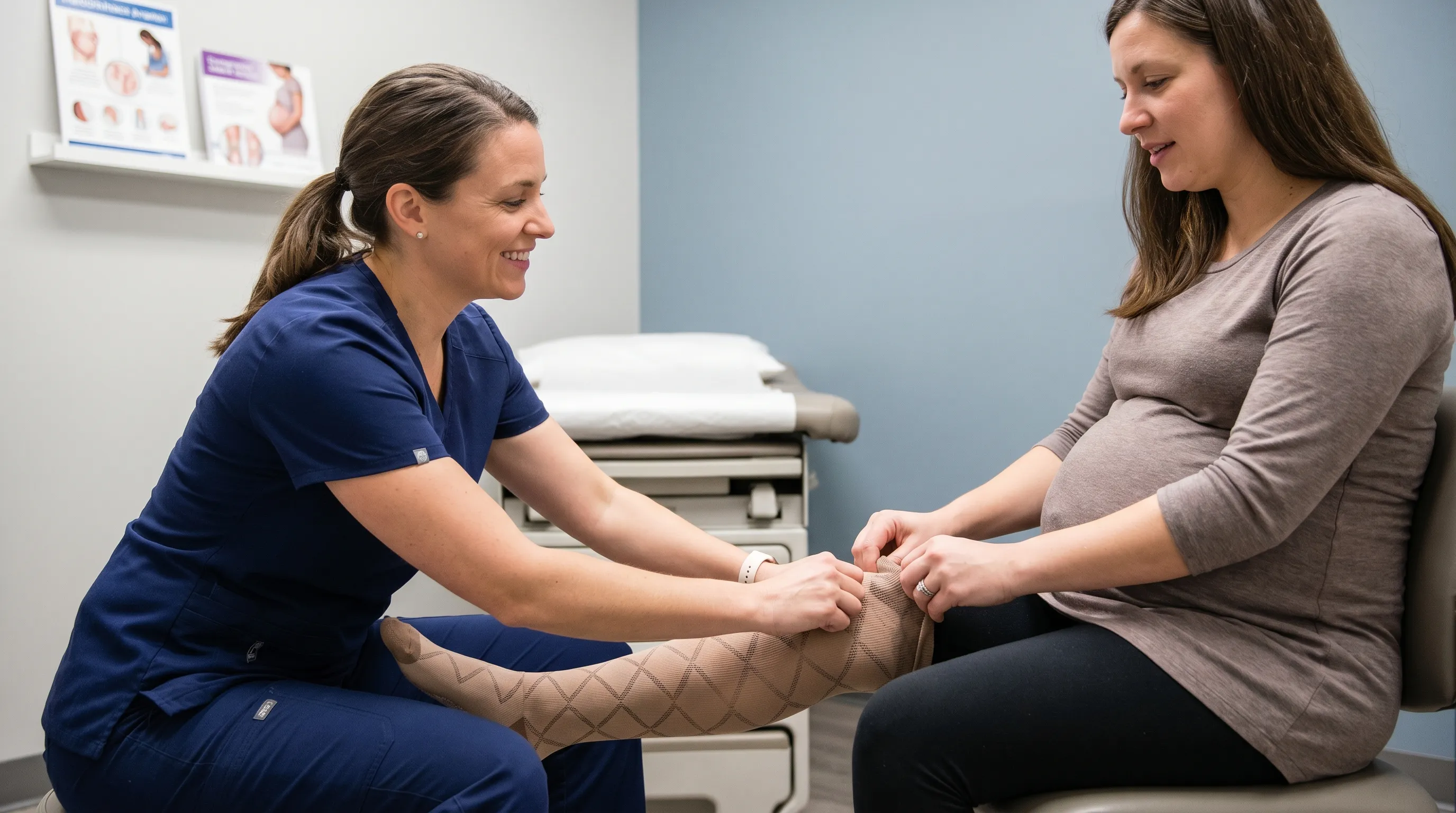
Graduated compression stockings exert controlled external pressure on the lower limbs, preventing venous pooling and promoting upward blood flow during upright activities. Wearing twenty to thirty millimeter of mercury compression garments in the morning before swelling peaks yields optimal results. Combine this with low-impact exercises such as prenatal swimming, stationary cycling, or guided yoga, which enhance vascular elasticity and cardiac efficiency without overstraining the circulatory system. Avoid exercising in hot environments, lying flat on the back during workouts, or holding breath during exertion, as these practices can precipitate rapid pressure drops. Always maintain open communication with your obstetric team regarding activity intensity and duration.
Monitoring Techniques and Clinical Escalation Guidelines
Home tracking and structured communication with healthcare providers bridge the gap between daily self-management and clinical oversight. Implementing a consistent monitoring routine empowers patients to recognize patterns and intervene early.
Home Blood Pressure Tracking Protocols
Using a validated upper-arm digital sphygmomanometer at consistent times each morning and evening provides accurate longitudinal data. Record readings alongside symptom notes, meal times, fluid intake, and activity levels to identify correlations. Ensure proper cuff sizing, sit quietly for five minutes before measuring, keep feet flat on the floor, and support the arm at heart level. A single isolated low reading is rarely clinically significant, but a sustained trend below ninety over fifty millimeters of mercury warrants provider review. Digital logs or smartphone applications streamline data sharing during prenatal visits, enabling clinicians to adjust recommendations based on real-world patterns rather than isolated clinic measurements, following Cleveland Clinic home monitoring best practices.
Red Flag Symptoms Requiring Immediate Evaluation
Certain clinical presentations transcend benign gestational hypotension and necessitate prompt medical assessment. Seek emergency care if dizziness progresses to complete syncope, particularly if accompanied by head trauma. Persistent chest pain, unexplained shortness of breath, severe abdominal cramping, or vaginal bleeding require immediate obstetric evaluation. Additionally, a noticeable reduction in fetal movement after week twenty-eight should never be ignored, as it may indicate compromised placental function. When in doubt, contacting your maternity triage line or visiting the nearest labor and delivery unit ensures timely intervention. Early clinical correlation with ultrasound monitoring, cardiotocography, and laboratory testing provides definitive reassurance or guides targeted therapy, per Mayo Clinic emergency pregnancy guidelines.
| Symptom Category | Benign Pregnancy Low BP Signs | Concerning Clinical Indicators |
|---|---|---|
| Neurological | Mild lightheadedness upon standing, resolves quickly with rest | Recurrent fainting, confusion, severe headache, visual disturbances |
| Cardiovascular | Mild tachycardia after standing, normal resting heart rate | Sustained palpitations, chest pressure, resting HR over 110 bpm |
| Fetal | Normal movement patterns, consistent kick counts | Sudden decrease in fetal activity, irregular movement clusters |
| Systemic | Fatigue relieved by hydration and nutrition | Cold sweats, persistent nausea, unexplained bruising or bleeding |
| Positional | Brief dizziness when rising quickly, improves with left-side rest | Inability to tolerate any upright position, supine intolerance lasting over 10 minutes |
Frequently Asked Questions
Understanding the nuances of gestational circulatory changes helps alleviate anxiety and promotes informed decision-making throughout late pregnancy.
Is low blood pressure dangerous in the third trimester of pregnancy?
In most clinical scenarios, mild to moderate pregnancy low blood pressure third trimester readings represent normal physiological adaptations rather than pathological conditions. The maternal cardiovascular system intentionally lowers vascular resistance to accommodate expanded blood volume and ensure adequate placental perfusion. Complications typically arise only when hypotension becomes severe enough to trigger recurrent fainting, compromise maternal hydration, or coincide with underlying conditions like anemia or cardiac dysfunction, according to CDC maternal health resources. Routine prenatal monitoring effectively distinguishes benign trends from clinically significant patterns.
How can I safely raise my blood pressure during late pregnancy?
Evidence-based approaches prioritize volume expansion and mechanical support over pharmacological intervention. Increase daily water and electrolyte intake, consume frequent small meals to prevent postprandial drops, and incorporate moderate dietary sodium if approved by your provider. Always rise slowly from seated or supine positions, rest primarily on your left side, and wear properly fitted compression garments to enhance venous return. These strategies collectively support hemodynamic stability without introducing medication-related risks to fetal development (Cleveland Clinic).
Can dehydration cause low blood pressure during pregnancy?
Absolutely. As blood volume expands by nearly half, maintaining adequate hydration becomes critical for sustaining intravascular pressure. Dehydration reduces circulating plasma volume, impairs renal compensation, and diminishes tissue perfusion, directly contributing to pregnancy low blood pressure third trimester symptoms such as dizziness, dark urine, dry mucous membranes, and pronounced fatigue. Implementing a structured hydration schedule with water, herbal infusions, and oral rehydration solutions consistently improves vascular tone and symptom frequency, as emphasized in WHO hydration and pregnancy guidelines.
When should I go to the hospital for low blood pressure while pregnant?
Immediate medical evaluation is necessary when symptoms transition from manageable discomfort to acute clinical concerns. This includes actual loss of consciousness, falls resulting in trauma, persistent chest pain, unrelenting shortness of breath, severe abdominal contractions, or a marked decline in fetal movement patterns. These indicators may signal underlying complications requiring urgent diagnostic imaging, laboratory assessment, or continuous fetal monitoring. Contacting your maternity triage line or visiting the nearest emergency department ensures rapid, coordinated care (Mayo Clinic).
Does lying on your back make pregnancy low blood pressure third trimester worse?
Yes, significantly. Supine positioning during late gestation compresses the inferior vena cava beneath the gravid uterus, drastically reducing venous return to the heart. This mechanical obstruction lowers cardiac output within minutes, triggering supine hypotensive syndrome characterized by sudden sweating, nausea, profound dizziness, and rapid pressure drops. Transitioning immediately to the left lateral position restores venous flow and alleviates symptoms. Healthcare providers universally recommend avoiding prolonged flat supine rest, examinations, or sleep after twenty-eight weeks, per established NIH obstetric care standards.
Conclusion
Navigating pregnancy low blood pressure third trimester fluctuations requires a balanced approach grounded in physiological understanding, consistent self-monitoring, and evidence-based lifestyle adjustments. While the cardiovascular adaptations that lower vascular resistance during gestation are fundamentally protective, recognizing when symptoms cross into clinically significant territory ensures both maternal safety and optimal fetal development. By prioritizing hydration, implementing strategic positional modifications, maintaining balanced nutritional intake, and utilizing compression support, most individuals can effectively manage hypotensive episodes without medical intervention. Open communication with your prenatal care team remains essential, particularly when tracking home blood pressure trends or evaluating persistent symptoms. With structured self-care protocols and routine clinical oversight, you can confidently navigate the final weeks of pregnancy, prioritizing comfort, stability, and readiness for the transformative journey ahead. Always consult your healthcare provider before implementing new dietary or supplement routines, and never hesitate to seek urgent evaluation for severe or rapidly worsening symptoms.
How we work
Researched and drafted with AI assistance, then reviewed by a human editor against the cited sources.
This article is general health information, not medical advice. Consult a qualified healthcare professional about your own situation.