How Much Caffeine Does Matcha Have? A Complete Scientific Guide

The modern wellness landscape has seen an unprecedented surge in the popularity of traditional botanical beverages, yet few have captured both the culinary and therapeutic imagination quite like Japanese matcha. As health-conscious consumers increasingly seek alternatives to conventional energy drinks and heavily roasted coffees, understanding the precise pharmacological profile of this ancient green tea powder has become essential. One question consistently dominates search trends, clinical discussions, and dietary consultations alike: exactly how much caffeine does matcha have? The answer is not merely a single number, but a complex interplay of agricultural practices, biochemical synergies, preparation methods, and individual metabolic variability. To navigate this topic effectively, we must look beyond superficial marketing claims and delve into peer-reviewed nutritional science, clinical research, and evidence-based dietary guidelines. By examining the precise milligram counts, understanding how matcha’s unique compound matrix alters caffeine’s physiological impact, and learning practical consumption strategies, you can make informed decisions that align with your health goals. Whether you are managing caffeine sensitivity, optimizing cognitive performance, or simply seeking a sustainable morning ritual, a thorough scientific breakdown will empower you to harness matcha’s full potential safely and effectively.
The Science Behind Matcha and Its Caffeine Concentration
Matcha is not simply ground green tea; it is a highly concentrated botanical extract that delivers the entire tea leaf into your system. To fully grasp the question of how much caffeine does matcha have, we must first understand its cultivation process, known as shaded growth. Approximately three to four weeks before harvest, matcha tea plants (Camellia sinensis) are covered with bamboo mats or synthetic tarps to block roughly ninety percent of direct sunlight. This deliberate light deprivation triggers a profound biochemical shift within the leaves. Deprived of sunlight, the tea plant overproduces chlorophyll to maximize light absorption, resulting in the vibrant jade-green color characteristic of high-quality matcha. More importantly for our discussion, the plant simultaneously increases the synthesis of amino acids, particularly L-glutamic acid and L-theanine, while also elevating caffeine production. Caffeine acts as a natural pesticide and UV protectant for the plant, and its concentration peaks in the young, tender shoots harvested during the first spring flush.
Free calculatorCaffeine Half-Life CalculatorCaffeine metabolism calculatorOpen the calculatorWhy Consuming the Whole Leaf Changes the Caffeine Equation
When you steep traditional green tea bags or loose-leaf varieties, you are performing a partial extraction. Hot water pulls soluble compounds out of the leaf, but a significant portion of the caffeine, catechins, and fiber remains trapped within the discarded plant material. Matcha preparation, however, involves whisking finely milled powder into water or milk until fully suspended. This means you are ingesting one hundred percent of the tea leaf’s cellular matrix. Consequently, the caffeine delivered per gram of matcha powder is substantially higher than what you would obtain from an equivalent weight of steeped green tea. Clinical analyses consistently show that a standard one-teaspoon serving of high-grade matcha contains approximately sixty-eight to seventy-five milligrams of caffeine, though this can fluctuate based on terroir, harvest timing, and milling techniques. The USDA FoodData Central database and peer-reviewed phytochemical studies confirm that matcha delivers roughly two to three times the caffeine of steeped green tea, yet it remains notably lower than a standard eight-ounce cup of brewed coffee, which typically ranges from ninety to one hundred milligrams. Understanding this distinction is crucial for individuals tracking their daily stimulant intake or managing conditions like generalized anxiety, adrenal fatigue, or caffeine intolerance.
Agricultural Variables That Influence Caffeine Levels
Not all matcha products are created equal, and several agricultural and processing factors directly answer the practical question of how much caffeine does matcha have in any given package. The first variable is leaf age. The earliest harvests, known as first flush or ichibancha, contain the highest caffeine and L-theanine concentrations. Later harvests (nibancha, sanbancha) yield lower caffeine levels due to reduced shading intensity and increased leaf maturity. The second factor is geographical origin. Matcha cultivated in Uji, Nishio, and Shizuoka benefit from volcanic soil compositions and precise microclimates that naturally optimize alkaloid production. The final variable is milling speed and temperature. Modern granite stone mills grind the leaves at low speeds to prevent heat degradation of volatile compounds. If a manufacturer uses high-speed industrial milling, thermal degradation can alter the caffeine-to-catechin ratio, sometimes resulting in a product with less predictable stimulant effects. Consumers seeking consistent results should always verify that their matcha is stone-ground, shade-grown, and sourced from reputable Japanese agricultural cooperatives.
Quantifying the Dose: Clinical Breakdown and Serving Standards
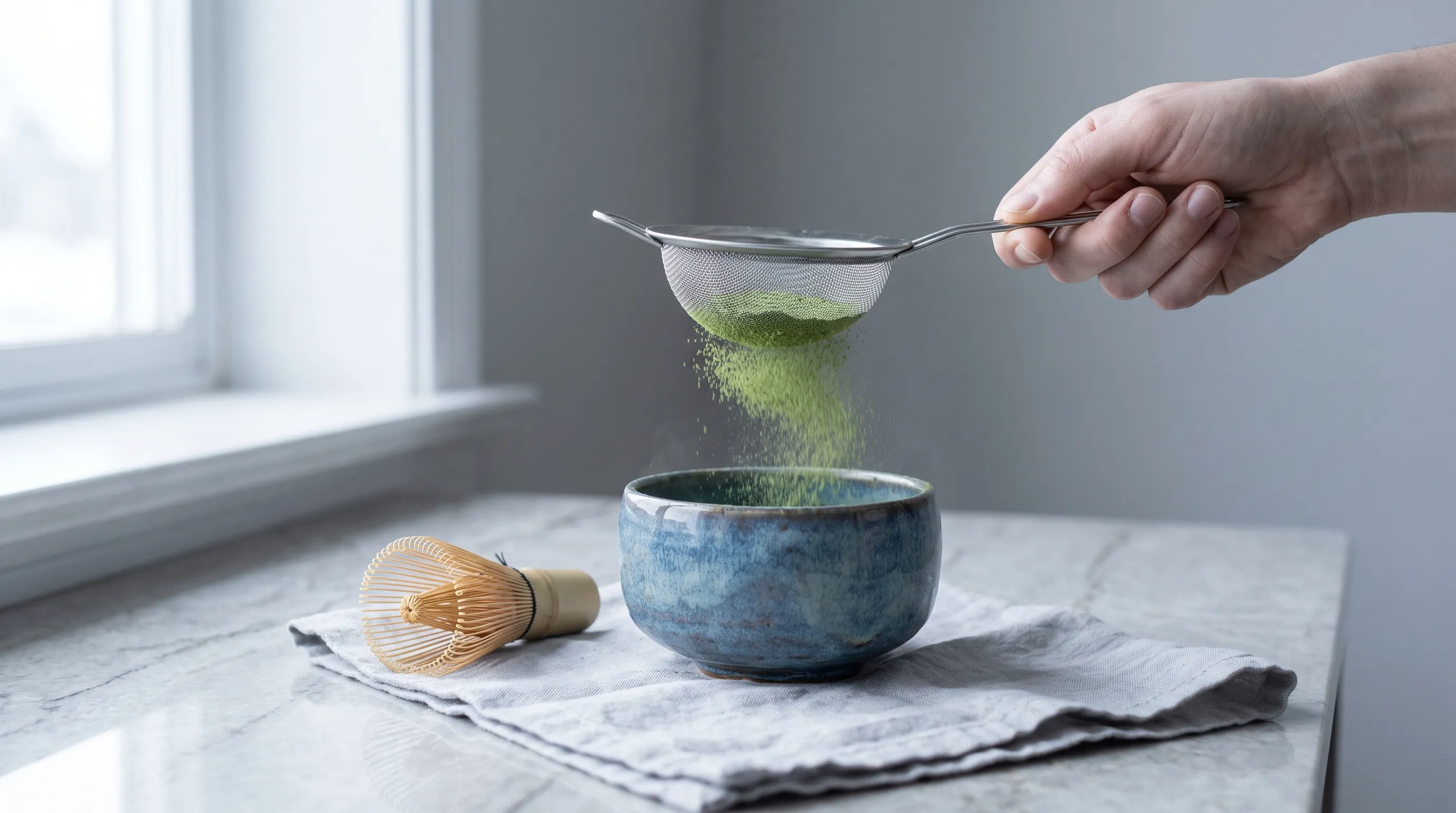
When evaluating how much caffeine does matcha have, standardizing your serving size is the most reliable method to achieve predictable physiological outcomes. The Japanese tea ceremony tradition utilizes a standardized measurement known as the chashaku (bamboo scoop), which typically holds two grams of powder. Modern kitchen measurements translate this to roughly one level teaspoon, which yields approximately seventy milligrams of caffeine. However, many commercial matcha lattes, cafe preparations, and culinary recipes use significantly more powder. A standard sixteen-ounce matcha latte from a specialty cafe often contains two to three grams of powder, pushing the total caffeine content to one hundred twenty to two hundred ten milligrams. This is comparable to, or sometimes exceeds, a strong cup of brewed coffee, yet it is frequently marketed as a mild alternative, leading to unintentional overconsumption. For home preparation, sticking to a one-to-two-gram baseline allows you to titrate your intake precisely. If you are highly sensitive to stimulants or are taking medications that affect cytochrome P450 liver enzymes (which metabolize caffeine), starting with a half-teaspoon dose and monitoring your response over three days is a clinically sound approach.
How Caffeine Content Translates to Blood Concentration
Pharmacokinetic studies demonstrate that matcha’s caffeine absorption follows a slightly delayed curve compared to isolated anhydrous caffeine or coffee. While coffee typically peaks in plasma within thirty to forty-five minutes, matcha’s caffeine peak occurs between sixty and ninety minutes post-consumption. This delay is directly attributable to the presence of complex polysaccharides and polyphenols in the whole leaf matrix, which modulate gastric emptying and intestinal permeability. The extended absorption timeline prevents the abrupt sympathetic nervous system activation (jitteriness, tachycardia, and cortisol spikes) frequently reported by coffee drinkers. Instead, matcha promotes a gradual rise in circulating caffeine that supports sustained adenosine receptor antagonism. By blocking adenosine, caffeine reduces the perception of fatigue while simultaneously enhancing dopaminergic and noradrenergic signaling in the prefrontal cortex. This neurochemical environment is ideal for deep focus, prolonged physical endurance, and stress-resilient alertness. Understanding this pharmacokinetic profile clarifies why many users report that matcha provides a cleaner, longer-lasting energy curve despite having a lower milligram count per serving than espresso-based beverages.
| Beverage Type | Typical Serving Size | Average Caffeine Content (mg) | L-Theanine Content (mg) | Absorption Profile | Energy Duration |
|---|---|---|---|---|---|
| Traditional Brewed Green Tea | 8 oz (240 ml) | 25–35 mg | 20–25 mg | Partial extraction | 1.5–2 hours |
| Standard Matcha (1 tsp) | 2 oz (60 ml) water | 68–75 mg | 35–45 mg | Whole leaf suspension | 4–6 hours |
| Cafe Matcha Latte (16 oz) | 16 oz (475 ml) milk | 120–210 mg | 50–80 mg | Powder + fat matrix | 4–7 hours |
| Drip Coffee (8 oz) | 8 oz (240 ml) | 90–100 mg | 0 mg | Hot water extraction | 2–3 hours |
| Cold Brew Coffee (16 oz) | 16 oz (475 ml) | 180–200 mg | 0 mg | Cold water extraction | 3–5 hours |
| Energy Drink (Standard) | 8.4 oz (250 ml) | 80 mg | Variable/Synthetic | Rapid absorption | 1–2 hours |
The L-Theanine Synergy: Why Milligram Counts Don't Tell the Whole Story
If we only focused on raw milligrams when asking how much caffeine does matcha have, we would fundamentally misunderstand matcha’s physiological impact. The true clinical significance of matcha lies in the synergistic interaction between caffeine and L-theanine, an amino acid that constitutes one to two percent of dry tea leaf weight. L-theanine readily crosses the blood-brain barrier and modulates glutamate receptors, inhibiting excessive neuronal firing while simultaneously promoting the generation of alpha brain waves. Alpha waves are associated with relaxed focus, mental clarity, and reduced anxiety—a neurological state rarely achieved through isolated caffeine consumption. Multiple randomized controlled trials have demonstrated that combining one hundred milligrams of caffeine with two hundred milligrams of L-theanine significantly improves attentional switching, working memory accuracy, and subjective alertness compared to either compound alone. Matcha naturally delivers this optimal ratio, making it one of the few dietary sources that inherently contains the precise neurochemical pairing required for balanced cognitive enhancement.
How to Optimize the Caffeine-L-Theanine Ratio
While high-quality matcha naturally contains a favorable ratio, processing methods, water temperature, and dietary context can alter how effectively these compounds interact in your system. Water heated to one hundred sixty-five to one hundred seventy-five degrees Fahrenheit (seventy-three to eighty degrees Celsius) is the clinical standard for whisking matcha. Boiling water degrades delicate amino acids and oxidizes catechins, reducing L-theanine bioavailability and increasing bitter tannin extraction. Additionally, consuming matcha alongside dietary fats (such as oat milk, almond milk, or MCT oil) can further slow caffeine absorption and enhance the lipid-soluble delivery of catechins. For individuals seeking peak nootropic effects, avoiding high-protein or high-carbohydrate meals within ninety minutes of consumption prevents competitive amino acid transport across the intestinal wall. If your primary goal is athletic performance or metabolic stimulation, pairing matcha with a light, protein-moderate meal can sustain the caffeine-L-theanine synergy while supporting muscle glycogen utilization. Tracking your subjective response across different preparation styles will help you identify the exact protocol that aligns with your neurological baseline and daily demands.
Metabolic and Cardiovascular Implications of Matcha’s Stimulant Profile
Beyond cognitive performance, the question of how much caffeine does matcha have carries significant implications for metabolic health and cardiovascular function. Caffeine is a well-documented mild thermogenic agent that increases resting metabolic rate by three to four percent through enhanced lipolysis and catecholamine release. Matcha amplifies this effect through its high epigallocatechin gallate (EGCG) concentration, a polyphenol that synergistically upregulates fat oxidation pathways. Clinical trials published in metabolic journals indicate that consuming matcha before moderate-intensity aerobic exercise increases lipid utilization by up to seventeen percent compared to exercise alone. This makes matcha an exceptional adjunct for individuals pursuing sustainable weight management, body recomposition, or endurance training. However, the cardiovascular effects of matcha’s caffeine content must be contextualized. While coffee can transiently elevate systolic blood pressure and heart rate, especially in caffeine-naive individuals, matcha’s vasodilatory polyphenols and L-theanine-mediated nitric oxide production often result in a more neutral or even mildly hypotensive long-term profile. Regular matcha consumption has been associated with improved endothelial function, reduced arterial stiffness, and lower circulating inflammatory markers in epidemiological studies.
Safe Integration Into Fitness and Recovery Protocols
Athletes and active individuals frequently ask how much caffeine does matcha have in the context of pre-workout timing and recovery nutrition. The delayed absorption curve makes matcha an ideal pre-exercise beverage when consumed forty-five to sixty minutes before training. Unlike fast-acting synthetic pre-workout powders, which can cause gastrointestinal distress and mid-session energy crashes, matcha provides steady oxygen delivery and sustained glycogen sparing. Post-exercise, the anti-inflammatory properties of matcha’s catechins help mitigate exercise-induced oxidative stress and accelerate muscle tissue repair. However, timing matters significantly. Consuming matcha immediately after intense resistance training may blunt the mTOR activation required for maximal hypertrophy if taken alongside high-dose antioxidants. Instead, scheduling matcha intake for morning mobility work, low-intensity steady-state cardio, or afternoon focus sessions allows you to harness its metabolic benefits without interfering with anabolic signaling. Individuals with hypertension, arrhythmias, or hyperthyroidism should consult a physician before integrating daily matcha into their routine, as even moderate caffeine doses can exacerbate underlying cardiovascular instability.
Practical Guidelines for Safe and Effective Daily Consumption
Establishing a sustainable matcha routine requires understanding your personal tolerance thresholds and aligning intake with circadian biology. The FDA recommends a maximum daily caffeine intake of four hundred milligrams for healthy adults according to established safety guidelines. Given that one standard serving of matcha delivers approximately seventy milligrams, consuming up to five servings per day falls within established safety parameters. However, practical wellness guidelines rarely recommend pushing to the absolute limit, especially when factoring in other dietary caffeine sources like dark chocolate, herbal supplements, or medication additives. A clinically optimized approach involves capping matcha intake at two to three servings daily, spacing them at least four hours apart to prevent receptor desensitization. This strategy maintains adenosine receptor sensitivity, prevents tolerance buildup, and preserves matcha’s neuroprotective benefits over months and years of consistent use. Additionally, hydration status plays a critical role in caffeine metabolism. Caffeine is a mild diuretic, and adequate water intake ensures efficient hepatic clearance and prevents secondary dehydration, which can mimic caffeine-induced fatigue or brain fog.
Recognizing Individual Sensitivity and Adjusting Accordingly
Caffeine metabolism is primarily governed by the CYP1A2 gene, which exhibits significant polymorphism across different populations. Approximately fifty percent of individuals are classified as fast metabolizers, rapidly breaking down caffeine and experiencing minimal sleep disruption or anxiety. The other half are slow metabolizers, where caffeine lingers in the bloodstream, potentially causing prolonged insomnia, jitteriness, or elevated cortisol. If you experience heightened anxiety, digestive upset, or heart palpitations after consuming matcha, your phenotype likely leans toward slow metabolism. In such cases, reducing your serving to half a teaspoon, switching to culinary-grade matcha (which naturally contains slightly less caffeine), or consuming it exclusively with food can mitigate adverse effects. Pregnant individuals, those with gastroesophageal reflux disease (GERD), or patients taking stimulant-based psychiatric medications should exercise particular caution, as matcha’s caffeine and catechins can interact with gastric acid secretion and neurotransmitter reuptake inhibitors. Always prioritize individualized biofeedback over generalized recommendations, and consider genetic testing or clinical consultation if you plan to incorporate matcha into a therapeutic or high-performance protocol.
Addressing Common Misconceptions and Navigating Quality Control
The rapid commercialization of matcha has led to widespread misconceptions regarding its caffeine potency, sourcing transparency, and therapeutic value. Many consumers assume that all green powder labeled as matcha delivers identical physiological effects, but this is fundamentally incorrect. The market is saturated with adulterated products, low-grade tea dust, and artificially colored powders that lack the authentic shade-grown cultivation required to produce optimal caffeine and L-theanine levels. When evaluating products, always look for certifications indicating Japanese origin, organic cultivation, and stone-ground processing. Reputable brands will provide third-party laboratory testing for heavy metals, pesticide residues, and standardized polyphenol content. If a product appears overly bright neon green, has an unusually low price point, or lacks harvest date transparency, it likely contains fillers, spinach powder blends, or late-harvest tea with negligible caffeine concentrations. Authentic ceremonial-grade matcha will have a deep, vegetal umami flavor profile with a smooth finish, while culinary-grade matcha will present more pronounced bitterness and astringency, suitable for baking but less ideal for direct beverage consumption.
Storage and Shelf Life: Protecting Potency and Freshness
Once you have sourced high-quality matcha, preserving its caffeine and antioxidant integrity requires strict adherence to proper storage protocols. Matcha’s high lipid content makes it highly susceptible to oxidation, moisture absorption, and light degradation. Exposure to air rapidly depletes L-theanine and oxidizes EGCG, altering both the flavor and the pharmacological profile. For optimal preservation, store matcha in an airtight, opaque container and refrigerate it immediately after opening. Avoid freezing unless you plan to consume it within two months, as repeated temperature cycling causes condensation that accelerates spoilage. Properly stored matcha will retain peak potency for six to eight months after opening. Using a clean, dry bamboo scoop instead of metal utensils prevents static-induced clumping and moisture transfer. Whisking the powder thoroughly into water ensures complete suspension and maximizes bioavailability. If your matcha develops a flat aroma, dull color, or noticeably harsh taste, it has likely oxidized, and the original caffeine-to-amino-acid ratio will have shifted, resulting in diminished therapeutic efficacy and increased gastrointestinal irritation.
Frequently Asked Questions
How does the caffeine content in ceremonial grade matcha compare to culinary grade?
Ceremonial grade matcha typically contains slightly higher caffeine levels per serving because it is made from younger, more tender tea leaves harvested in early spring. These leaves naturally produce more caffeine as a defense mechanism against UV exposure and insects. Culinary grade, often harvested later, tends to have marginally less caffeine but a more robust, astringent flavor profile suitable for cooking.
Is matcha safe to drink during pregnancy?
Pregnant individuals are generally advised to limit daily caffeine intake to under two hundred milligrams. Since one teaspoon of ceremonial matcha contains approximately seventy milligrams of caffeine, consuming one cup daily is typically considered safe. However, due to variations in brand processing and individual metabolic differences, consulting an obstetrician before regular consumption is highly recommended.
Does matcha cause an energy crash like coffee does?
Matcha is less likely to cause a sharp energy crash due to its high concentration of L-theanine, an amino acid that modulates caffeine absorption. L-theanine promotes alpha brain wave activity, leading to a state of relaxed alertness. This synergistic effect provides sustained energy for four to six hours without the rapid spike and subsequent adrenal fatigue commonly associated with coffee.
How long does the caffeine from matcha stay in the body?
The half-life of caffeine from matcha is similar to other dietary sources, averaging three to five hours in healthy adults. However, the presence of L-theanine and catechins slows gastrointestinal absorption and hepatic metabolism, resulting in a more prolonged, gentle release. This means matcha consumers typically experience sustained cognitive and metabolic benefits without abrupt withdrawal symptoms.
What time of day is best to consume matcha for optimal results?
The ideal window for consuming matcha is mid-morning or early afternoon, typically between nine and eleven o'clock AM or one to three o'clock PM. This aligns with natural cortisol rhythms and avoids interfering with melatonin production later in the evening. Avoiding matcha within six hours of bedtime is strongly advised to preserve sleep architecture and maintain circadian rhythm stability.
Conclusion
Understanding exactly how much caffeine does matcha have requires moving beyond simple milligram counts and embracing a comprehensive view of botanical pharmacology, individualized metabolism, and preparation science. While a standard one-teaspoon serving delivers approximately sixty-eight to seventy-five milligrams of caffeine, the true physiological impact is defined by the synergistic presence of L-theanine, catechins, and complex plant matrices that modulate absorption, enhance cognitive focus, and support metabolic health. By sourcing authentic stone-ground matcha, adhering to optimal water temperatures, respecting circadian timing, and listening to your body’s unique tolerance signals, you can harness this ancient botanical as a sustainable, evidence-based tool for daily vitality. Whether you are seeking sustained mental clarity, improved athletic endurance, or a gentler alternative to conventional stimulants, matcha offers a scientifically validated pathway to balanced energy and long-term wellness when consumed mindfully and responsibly.
How we work
Researched and drafted with AI assistance, then reviewed by a human editor against the cited sources.
This article is general health information, not medical advice. Consult a qualified healthcare professional about your own situation.