How Long Can Pink Eye Bacteria Live on a Surface? A Complete Guide to Contagion and Prevention
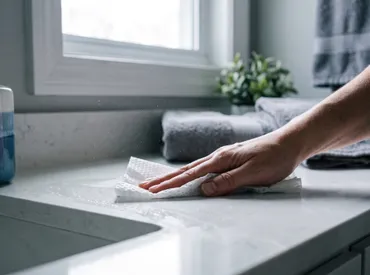
Key points
- Thick, yellow or greenish discharge: This pus-like discharge is a hallmark of bacterial infection and often causes the eyelids to stick together, especially after sleep.
- Redness in one or both eyes: The whites of the eyes appear pink or red due to inflamed blood vessels.
- Gritty sensation: Patients often feel like there is sand or grit in their eye.
- Swelling: The eyelids may become puffy and swollen.
Waking up with crusty, stuck-shut eyes is a distressing experience that many people associate immediately with "pink eye." Medically known as conjunctivitis, this common eye condition causes inflammation of the transparent membrane that lines your eyelid and covers the white part of your eyeball. While viral and allergic forms of conjunctivitis are prevalent, bacterial pink eye poses a unique challenge due to its highly contagious nature and the resilience of the pathogens involved. One of the most pressing questions for patients and caregivers alike is understanding the environmental persistence of these pathogens. Specifically, knowing how long can pink eye bacteria live on a surface is crucial for breaking the chain of transmission in homes, schools, and workplaces.
The anxiety surrounding an eye infection is not just about the discomfort it causes the individual but also about the potential to spread it to family members, classmates, or colleagues. Bacterial conjunctivitis is caused by various types of bacteria, including Staphylococcus aureus, Streptococcus pneumoniae, and Haemophilus influenzae. These microorganisms are surprisingly tough. They can hitch a ride on towels, pillowcases, makeup brushes, and even smartphone screens, waiting for the next host to touch their face. Understanding the lifespan of these bacteria outside the human body is the first step in effective prevention. If you are dealing with an active case of pink eye, or if someone in your household has recently been diagnosed, the information in this guide will help you navigate the cleanup process, understand the risks, and protect your loved ones from becoming the next victim. We will delve deep into the science of bacterial survival, effective disinfection strategies, and the critical hygiene practices that serve as your best defense against this stubborn infection.
Understanding Bacterial Conjunctivitis and Its Pathogens
Before we can accurately assess how long can pink eye bacteria live on a surface, it is essential to understand what bacterial conjunctivitis is and which specific organisms are responsible for it. Conjunctivitis is broadly categorized into three types: viral, bacterial, and allergic. While viral conjunctivitis is often associated with upper respiratory infections and allergic conjunctivitis is triggered by environmental allergens like pollen or pet dander, bacterial conjunctivitis is an infection caused by bacteria entering the eye, according to the National Eye Institute.
Free calculatorBMI CalculatorCalculate Body Mass IndexOpen the calculatorCommon Bacterial Culprits
The most common bacteria responsible for pink eye vary slightly by age group but generally include:
- Staphylococcus aureus: This is one of the most frequent causes of bacterial conjunctivitis in adults. It is a bacterium that commonly lives on the skin and in the nose of healthy people but can cause infection when it enters the eye.
- Streptococcus pneumoniae: Often associated with respiratory infections, this bacterium is a common cause of pink eye in children.
- Haemophilus influenzae: Despite its name, this bacterium does not cause the flu but is a significant pathogen in pediatric conjunctivitis cases.
- Moraxella catarrhalis: Less common but still a potential cause, particularly in children.
These bacteria are opportunistic pathogens. They thrive in warm, moist environments, which makes the human eye an ideal breeding ground. However, their ability to survive outside the body on inanimate objects—known as fomites—is what makes them so difficult to contain. When an infected person touches their eye and then touches a doorknob, they transfer millions of bacterial cells. The question of how long can pink eye bacteria live on a surface depends largely on the specific strain of bacteria and the conditions of that surface.
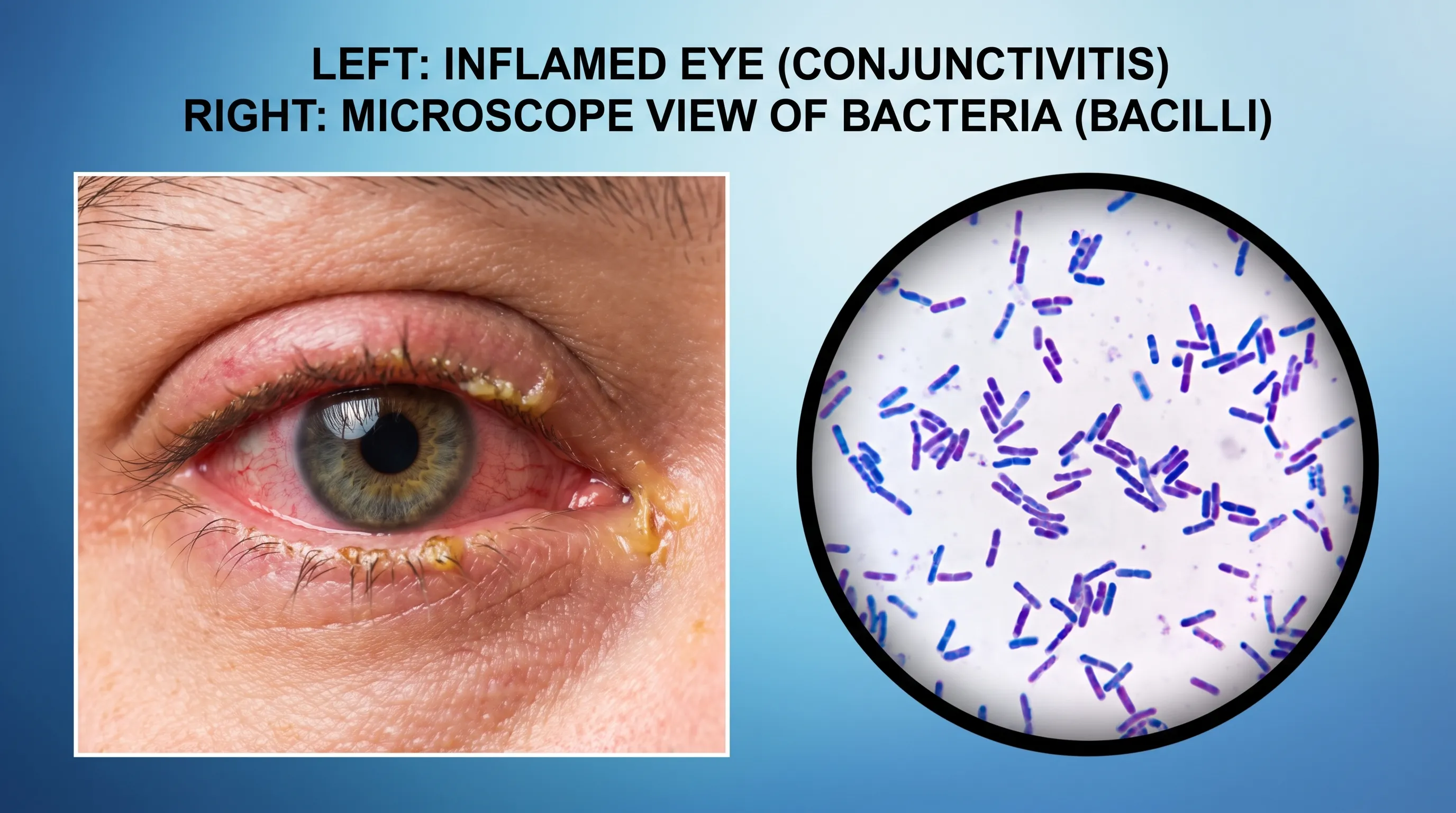
Symptoms That Distinguish Bacterial Pink Eye
Identifying bacterial conjunctivitis correctly is vital because the treatment differs from viral or allergic types. Bacterial pink eye typically presents with symptoms outlined by the Centers for Disease Control and Prevention (CDC):
- Thick, yellow or greenish discharge: This pus-like discharge is a hallmark of bacterial infection and often causes the eyelids to stick together, especially after sleep.
- Redness in one or both eyes: The whites of the eyes appear pink or red due to inflamed blood vessels.
- Gritty sensation: Patients often feel like there is sand or grit in their eye.
- Swelling: The eyelids may become puffy and swollen.
Unlike viral pink eye, which often accompanies a cold or sore throat, bacterial pink eye can occur independently. Furthermore, while viral conjunctivitis usually starts in one eye and spreads to the other, bacterial conjunctivitis can affect one or both eyes simultaneously. Recognizing these symptoms early allows for prompt treatment, which not only speeds up recovery but also reduces the window of time during which the bacteria can contaminate your environment. This directly impacts the duration of risk regarding how long can pink eye bacteria live on a surface in your home, as effective treatment reduces the bacterial load shed by the patient.
The Science of Bacterial Survival on Surfaces
To grasp the full scope of the contamination risk, we must look at the biological mechanisms that allow bacteria to persist outside a host. Bacteria are single-celled organisms that are remarkably adaptable. When expelled from the human body via eye discharge or hand contact, they do not die instantly. Instead, they enter a state of dormancy or slow metabolic activity, waiting for favorable conditions to reactivate.
Factors Influencing Bacterial Longevity
The answer to how long can pink eye bacteria live on a surface is not a single number but a range influenced by several environmental variables:
- Surface Type: Porous surfaces like fabric, paper, and wood tend to absorb moisture, which can dry out bacteria more quickly, potentially reducing their lifespan. Non-porous surfaces like stainless steel, plastic, glass, and laminate provide a smoother landscape where bacteria can remain in moist droplets longer, extending their survival time.
- Humidity and Temperature: Bacteria generally survive longer in cool, humid conditions. High temperatures and low humidity accelerate desiccation (drying out), which kills many bacterial strains. However, some pathogens have protective outer layers that allow them to withstand harsher conditions for extended periods.
- Presence of Organic Matter: If the bacteria are embedded in dried eye discharge, mucus, or skin cells, they are protected from environmental stressors. This organic matrix acts as a shield, allowing the bacteria to survive significantly longer than they would on a clean, dry surface.
- Bacterial Strain: Different species have different inherent resistances. For instance, Staphylococcus aureus is known for its hardiness and can survive on dry surfaces for weeks under certain conditions, whereas Haemophilus influenzae is more fragile and may die within hours once dried.
Typical Survival Times
Research indicates that common bacteria causing conjunctivitis can survive on surfaces for varying durations. According to studies on hospital-acquired infections and pathogen survival:
- Staphylococcus aureus: Can survive on dry surfaces for days to weeks. On moist surfaces, its survival is even longer.
- Streptococcus pneumoniae: Typically survives for a few hours to a couple of days on surfaces, depending on humidity.
- Haemophilus influenzae: Generally survives for a shorter period, often less than 24 hours on dry surfaces, but can persist longer in moist environments.
When considering how long can pink eye bacteria live on a surface, it is safe to assume a conservative window of 24 to 48 hours for most common pathogens on household items. However, in optimal conditions for the bacteria, this can extend to several days. This prolonged viability is why thorough cleaning is non-negotiable during an outbreak.
High-Risk Surfaces and Transmission Vectors
Understanding which surfaces pose the greatest risk is key to targeted cleaning. Not all surfaces in your home are equally likely to harbor infectious doses of bacteria. High-touch items and those in close proximity to the face are the primary vectors for transmission.
Personal Items: The Primary Vector
The most dangerous surfaces are often personal items that come into direct contact with the eyes or hands. These include:
- Pillowcases and Bedding: Since we spend a third of our lives sleeping, pillowcases accumulate significant amounts of eye discharge and skin bacteria. If not changed daily during an infection, they become a reservoir for reinfection or transmission to a partner.
- Towels and Washcloths: Sharing towels is a major cause of spread within households. A damp towel provides an ideal environment for bacterial survival.
- Makeup and Applicators: Mascara wands, eyeliner pencils, and eyeshadow brushes can harbor bacteria for months. Using contaminated makeup can lead to recurrent infections.
- Contact Lens Cases and Solutions: Improper cleaning of lens cases can lead to severe eye infections, including those caused by bacteria like Pseudomonas aeruginosa, which can be devastating. The CDC recommends strict hygiene for contact lens users to prevent such infections.
Household High-Touch Points
Beyond personal items, communal surfaces play a significant role in the spread of how long can pink eye bacteria live on a surface scenarios:
- Doorknobs and Light Switches: These are touched frequently by everyone in the house. If an infected person touches their eye and then a doorknob, the next person who touches it and then their face is at risk.
- Smartphones and Tablets: We constantly touch our faces while using these devices. Screens are rarely cleaned, making them potent carriers of bacteria.
- Countertops and Sinks: Bathroom and kitchen surfaces can become contaminated during handwashing or face-washing routines.
| Surface Type | Estimated Bacterial Survival Time | Risk Level | Cleaning Frequency Recommendation |
|---|---|---|---|
| Pillowcases | Up to 24-48 hours (if damp) | Very High | Daily during infection |
| Towels | Up to 24 hours (if damp) | Very High | After each use |
| Doorknobs | 24-48 hours | High | Twice daily |
| Smartphones | Several days | High | Daily |
| Countertops | 24-48 hours | Moderate | Daily |
| Carpet/Upholstery | Hours to Days (variable) | Low-Moderate | Vacuum regularly |
This table highlights that while how long can pink eye bacteria live on a surface varies, the risk is manageable with consistent hygiene. The "Risk Level" is determined by the frequency of contact and the likelihood of transferring bacteria to the eye.
Effective Cleaning and Disinfection Protocols
Knowing that bacteria can linger for days, the next logical step is implementing a rigorous cleaning protocol. Standard cleaning with soap and water removes dirt and some germs, but disinfection is required to kill the resilient bacteria causing pink eye. The Environmental Protection Agency (EPA) provides a list of registered disinfectants effective against various pathogens.
Choosing the Right Disinfectant
Not all cleaners are created equal. To effectively neutralize the threat, you need products that are proven to kill bacteria. Look for EPA-registered household disinfectants. Key ingredients to look for include:
- Sodium Hypochlorite (Bleach): A diluted bleach solution (1/3 cup bleach per gallon of water, or 4 teaspoons per quart) is highly effective against most bacteria, including Staph and Strep. Note that bleach solutions lose potency over time, so make fresh batches daily.
- Alcohol: Solutions containing at least 70% alcohol are effective for disinfecting small surfaces like phones and glasses frames.
- Quaternary Ammonium Compounds: Found in many commercial disinfectant wipes and sprays, these are effective against a broad spectrum of bacteria.
Always follow the manufacturer's instructions regarding "contact time." This is the amount of time the surface must remain wet with the disinfectant to effectively kill the pathogens. For many products, this is between 3 to 10 minutes. Wiping it off immediately renders the disinfection ineffective.
Step-by-Step Cleaning Guide
- Pre-clean: Remove visible dirt or discharge with soap and water. Disinfectants work best on clean surfaces.
- Apply Disinfectant: Spray or wipe the surface thoroughly. Ensure complete coverage.
- Wait: Let the product sit for the recommended contact time. Do not rinse or wipe dry unless instructed.
- Air Dry: Allow the surface to air dry if possible.

Special Considerations for Delicate Items
For items that cannot be bleached or soaked in harsh chemicals, such as electronics or delicate fabrics:
- Electronics: Use 70% alcohol wipes. Gently wipe the screen and casing. Avoid getting moisture into ports.
- Makeup: Discard any eye makeup used during the infection. Do not attempt to disinfect mascara wands or liquid liners; the risk of reinfection is too high.
- Clothing and Linens: Wash bedding, towels, and clothes in hot water (at least 60°C or 140°F) with detergent. Dry on the highest heat setting suitable for the fabric. Heat is an excellent bactericide.
By adhering to these protocols, you actively reduce the timeframe of how long can pink eye bacteria live on a surface in your immediate environment, thereby lowering the viral load and protecting your household.
Prevention Strategies and Hygiene Best Practices
Disinfection is reactive; prevention is proactive. To stop the spread of bacterial conjunctivitis, you must adopt strict hygiene habits. These practices are effective not only for pink eye but for preventing a wide range of infectious diseases, as noted by the World Health Organization (WHO) regarding general hand hygiene.
Hand Hygiene: The First Line of Defense
Hand washing is the single most effective way to prevent the spread of pink eye. Hands are the primary vehicle that transfers bacteria from surfaces to the eyes.
- Wash Frequently: Use soap and warm water for at least 20 seconds. Sing the "Happy Birthday" song twice to ensure you wash long enough.
- Sanitize: If soap and water are not available, use an alcohol-based hand sanitizer with at least 60% alcohol.
- Avoid Touching Your Face: This is difficult but crucial. Train yourself and your children to keep hands away from the eyes, nose, and mouth.
Isolation Measures
If you or a family member has bacterial pink eye:
- Stay Home: Keep children home from school or daycare until they are no longer contagious. This is typically 24 hours after starting antibiotic treatment or when discharge has stopped, according to guidelines from the American Academy of Ophthalmology.
- Separate Personal Items: Do not share towels, washcloths, pillowcases, eye drops, or makeup. Label items if necessary to avoid accidental sharing.
- Change Linens Daily: As mentioned earlier, daily changes of pillowcases and towels are essential.
Contact Lens Care
For contact lens wearers, the risk of complications is higher. Bacteria can adhere to lenses and cases, leading to serious corneal infections.
- Stop Wearing Lenses: Switch to glasses until the infection is completely resolved and your doctor gives the all-clear.
- Discard Current Lenses: Throw away the pair of contacts you were wearing when the infection started.
- Replace the Case: Buy a new contact lens case. Do not reuse the old one.
These preventive measures address the root cause of transmission. By understanding how long can pink eye bacteria live on a surface, you realize that vigilance must be maintained not just during the acute phase of the illness but for several days afterward to ensure all residual bacteria are eliminated.
Treatment and Recovery: Reducing Contagion
While hygiene prevents spread, medical treatment resolves the infection. Prompt treatment not only alleviates symptoms but also shortens the period during which the patient is contagious, thereby reducing the environmental contamination burden. More information on treatments can be found at the Mayo Clinic.
Antibiotic Therapy
Bacterial conjunctivitis is treated with antibiotic eye drops or ointments. Common prescriptions include:
- Trimethoprim-polymyxin B: A broad-spectrum antibiotic drop.
- Ciprofloxacin or Ofloxacin: Fluoroquinolone drops often used for more resistant strains.
- Erythromycin Ointment: Often prescribed for children as it is easier to apply and stays in the eye longer.
It is crucial to complete the full course of antibiotics, even if symptoms improve after a few days. Stopping early can lead to a recurrence of the infection and prolong the period of contagiousness. Most patients see improvement within 24 to 48 hours of starting treatment. After 24 hours of antibiotic use, the risk of spreading the bacteria decreases significantly, although hygiene practices should continue.
Supportive Care
In addition to antibiotics, supportive care can ease discomfort:
- Warm Compresses: Apply a clean, warm washcloth to the closed eyelids to loosen crusty discharge. Use a fresh cloth for each eye to prevent cross-contamination.
- Artificial Tears: Lubricating eye drops can help soothe irritation. Use preservative-free single-use vials to avoid contaminating the bottle.
When to See a Doctor
Not all red eyes require antibiotics, but professional evaluation is necessary to distinguish bacterial from viral or allergic causes. Seek medical attention if:
- You have moderate to severe pain in the eye.
- You experience sensitivity to light (photophobia).
- Your vision is blurred and does not clear with blinking.
- Symptoms worsen or do not improve after 24 hours of antibiotic treatment.
Timely medical intervention is a key component in managing the overall timeline of how long can pink eye bacteria live on a surface in your home, as it rapidly reduces the source of the bacteria. Additional resources are available at the Cleveland Clinic.
Frequently Asked Questions
How long can pink eye bacteria live on a surface?
Bacteria that cause pink eye, such as Staphylococcus aureus and Streptococcus pneumoniae, can survive on surfaces for anywhere from a few hours to several days. Generally, most bacterial strains remain viable on hard, non-porous surfaces like doorknobs and countertops for up to 24 to 48 hours, depending on environmental conditions like humidity and temperature. In some cases, particularly with Staphylococcus aureus on dry surfaces, survival can extend to several days or even weeks if protected by organic matter.
Can you get pink eye from touching a contaminated surface?
Yes, you can contract bacterial pink eye by touching a surface contaminated with the bacteria and then rubbing your eyes. This is known as indirect transmission. The bacteria can survive on objects like towels, pillowcases, and doorknobs. If you touch these items and then touch your eyes without washing your hands, you can introduce the bacteria to your conjunctiva, leading to infection. This is why hand hygiene is critical.
What is the best way to disinfect surfaces after someone has had pink eye?
To effectively kill pink eye bacteria on surfaces, use an EPA-registered household disinfectant or a solution of bleach and water (one part bleach to ten parts water). Wipe down high-touch areas such as doorknobs, light switches, countertops, and electronic devices regularly during the infection period. Ensure the disinfectant remains wet on the surface for the recommended contact time (usually 3-10 minutes) to ensure effectiveness.
Does bacterial pink eye go away on its own?
While mild cases of bacterial conjunctivitis may resolve on their own within a week, antibiotic eye drops or ointments are often prescribed to speed up recovery, reduce contagiousness, and prevent complications. Without treatment, the infection can last longer and poses a higher risk of spreading to others. It is essential to consult a healthcare provider for proper diagnosis and treatment to ensure the best outcome.
How long is bacterial pink eye contagious?
Bacterial pink eye is typically contagious as long as there is discharge from the eye or until 24 hours after starting appropriate antibiotic treatment. During this time, strict hygiene measures should be maintained to prevent spreading the infection to others. Once the discharge has cleared and antibiotics have been taken for at least 24 hours, the risk of transmission drops significantly, but good hygiene should continue for a few more days.
Conclusion
Dealing with bacterial conjunctivitis is a challenge that extends beyond personal discomfort; it requires a concerted effort to manage environmental contamination. The question of how long can pink eye bacteria live on a surface is central to this management strategy. As we have explored, these resilient pathogens can persist on household items for 24 to 48 hours, and in some cases, even longer. This longevity underscores the importance of rigorous hygiene and disinfection practices.
By understanding the specific survival traits of bacteria like Staphylococcus aureus and Streptococcus pneumoniae, you can take targeted actions to protect your family. Regular hand washing, avoiding face touching, and isolating personal items are simple yet powerful tools. Furthermore, implementing a robust cleaning routine using appropriate disinfectants ensures that your home environment does not become a reservoir for reinfection.
Remember, prompt medical treatment not only aids in your recovery but also significantly reduces the window of contagion. Combining medical advice with diligent home care creates a comprehensive defense against the spread of pink eye. Stay informed, stay hygienic, and prioritize eye health to keep your community safe from this common but troublesome infection.
How we work
Researched and drafted with AI assistance, then reviewed by a human editor against the cited sources.
This article is general health information, not medical advice. Consult a qualified healthcare professional about your own situation.