Does Hair Produce More Oil The More You Wash It? A Dermatological Breakdown
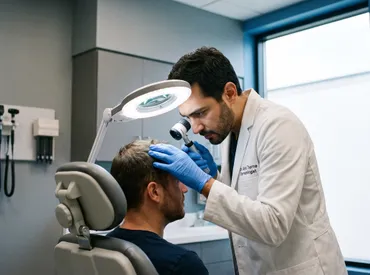
It is a question that has echoed through bathrooms, salons, and online forums for decades: does hair produce more oil the more you wash it? The short answer is a resounding no, but understanding why this belief persists requires a deep dive into dermatology, cosmetic chemistry, and human physiology. For years, beauty enthusiasts have been told to train their hair by spacing out washes, operating under the assumption that sebaceous glands will somehow recalibrate and reduce output if left alone. Modern trichological science, however, paints a completely different picture. Sebum production is a tightly regulated biological process governed by internal hormonal pathways, genetic coding, and environmental influences—not by how frequently you lather up with shampoo. When hair feels greasier shortly after a wash, it is rarely because the scalp is compensating. Instead, it is usually the result of barrier disruption, product formulation mismatch, or the natural contrast between stripped hair shafts and returning lipids. Navigating scalp care requires moving past folklore and embracing evidence-based routines tailored to your unique biology. In this comprehensive guide, we will dissect the anatomy of the scalp, examine the hormonal drivers of oil secretion, debunk long-standing myths, and provide strategies for maintaining optimal scalp equilibrium. Whether you have fine, oily strands or coarse, textured coils, understanding the true mechanisms behind sebum will empower you to wash with confidence, choose the right formulations, and achieve lasting hair health without unnecessary stress or overcompensation.
The Science of Scalp Sebum Production
To understand why the frequency of cleansing does not dictate oil output, we must first examine what sebum actually is and how it is synthesized. Sebum is a complex, waxy lipid mixture produced by sebaceous glands, which are microscopic structures attached to hair follicles. Unlike sweat glands, which primarily regulate body temperature, sebaceous glands are part of the pilosebaceous unit and serve crucial protective functions. Their primary role is to coat the hair shaft and surrounding epidermis with a thin, hydrophobic film that prevents excessive transepidermal water loss, maintains antimicrobial defenses, and preserves cuticle flexibility.
Free calculatorA1C CalculatorA1C to average blood glucoseOpen the calculatorSebaceous Gland Physiology and Lipid Synthesis
Sebum production occurs through a process called holocrine secretion. Sebocytes, the specialized cells within each gland, accumulate lipids as they mature. Once fully loaded, these cells undergo programmed cell death, rupturing and releasing their contents into the follicular canal. The resulting sebum mixture is approximately 40–60 percent triglycerides and free fatty acids, 20–25 percent wax esters, and 10–15 percent squalene and cholesterol derivatives. This precise biochemical composition is not randomly generated; it is continuously synthesized from endogenous substrates and tightly regulated by intracellular enzymatic pathways, particularly those involving 5-alpha-reductase and acetyl-CoA carboxylase.
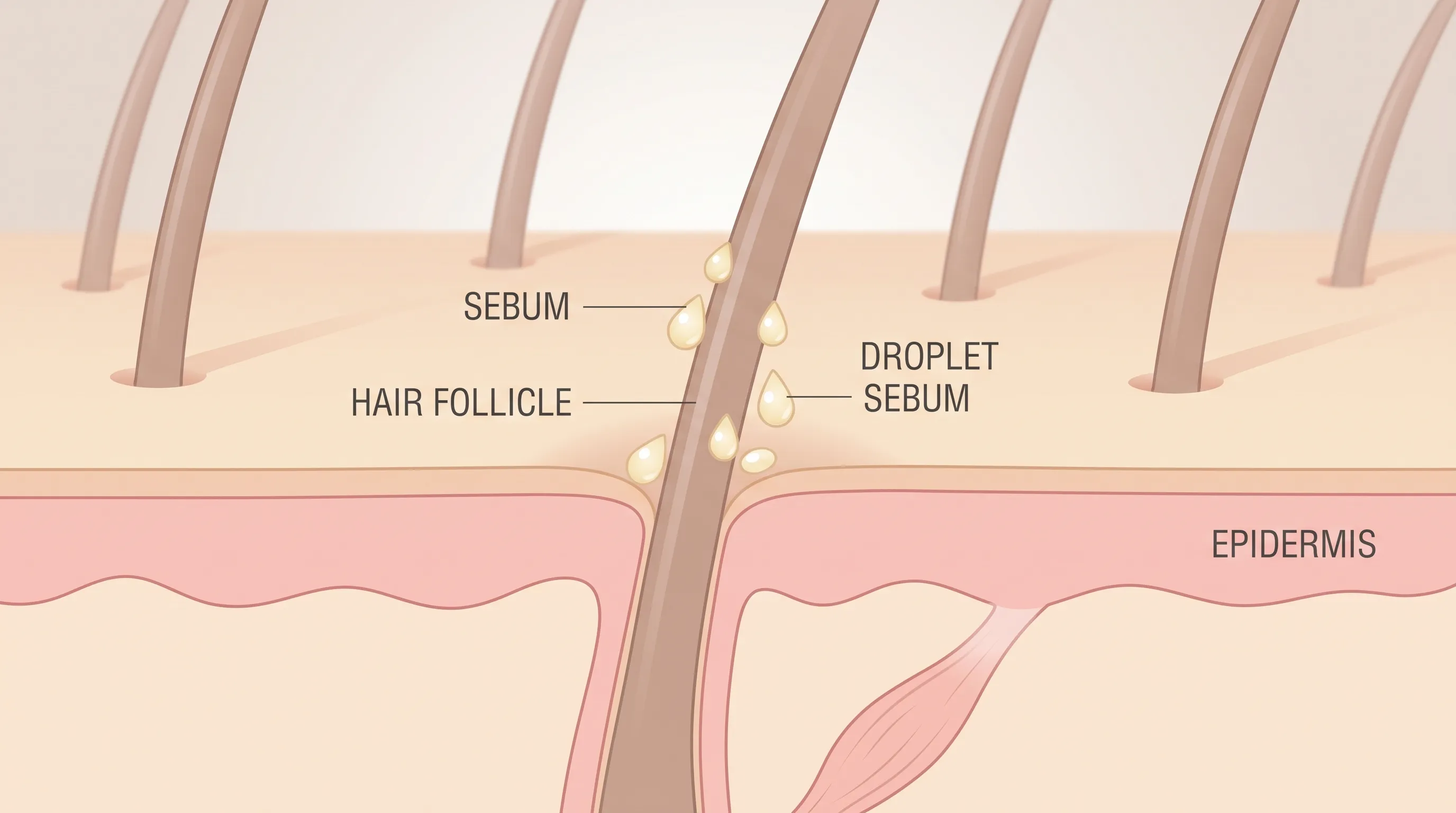
Once secreted, sebum travels upward along the hair shaft through capillary action and mechanical friction from brushing or styling. It does not pool indefinitely because it is gradually degraded by cutaneous enzymes, washed away by environmental exposure, or absorbed by the surrounding stratum corneum. The rate at which it moves and becomes visible depends heavily on hair density, diameter, and texture rather than the absolute volume produced. This physiological reality underscores a fundamental truth: when investigating does hair produce more oil the more you wash it, the answer remains consistently negative because the glandular machinery operates independently of external cleansing cycles.
Hormonal and Genetic Regulation of Oil Secretion
The primary drivers of sebaceous gland activity are endogenous hormones, particularly androgens. Dihydrotestosterone (DHT), a potent metabolite of testosterone, binds to androgen receptors on sebocytes and upregulates lipid synthesis. This explains why sebum output typically surges during puberty, stabilizes in early adulthood, and gradually declines with age. Estrogen, conversely, tends to have a suppressive effect on glandular activity, which is why many individuals notice shifts in scalp oiliness during pregnancy, menopause, or menstrual cycle fluctuations.
Genetics play an equally critical role. Polymorphisms in genes regulating steroid metabolism, sebum composition, and follicular architecture are inherited, meaning baseline oil production is largely predetermined. Environmental factors such as ultraviolet exposure, ambient humidity, and dietary glycemic load can modulate these pathways, but none of them are triggered by the act of shampooing. The nervous system and local inflammatory mediators also contribute, but again, these operate on a biochemical timeline that has no direct mechanical feedback to surfactant exposure. When dermatologists address whether does hair produce more oil the more you wash it, they emphasize that hormonal signaling and genetic expression remain the sole controllers of volumetric output.
Debunking the Washing Frequency Myth
Despite clear physiological evidence, the belief that frequent cleansing stimulates overproduction remains deeply entrenched. This misconception stems from misinterpreted sensory experiences, marketing narratives, and historical shifts in hair care culture. Understanding the origins of this myth helps patients recognize why their hair might feel heavier after washing and how to correctly interpret those signals.
Why the Myth Persists: The Sensory Contrast Effect
When individuals use strong anionic surfactants like sodium lauryl sulfate (SLS) or sodium laureth sulfate (SLES), the cleansing process efficiently emulsifies and removes not only environmental debris but also the natural lipid barrier. The hair shaft, now stripped of its hydrophobic coating, becomes highly absorbent and porous. As the scalp resumes its normal secretory rhythm, freshly synthesized sebum rapidly coats the bare cuticles. The sudden transition from a completely desiccated state to a lightly lubricated one creates a pronounced tactile and visual contrast. The brain interprets this rapid reappearance of oil as an accelerated production rate, when in reality, the glands are simply functioning at their genetically programmed baseline.
Additionally, frequent washing with inappropriate formulations can compromise the scalp's acid mantle, which normally maintains a pH of 4.5 to 5.5. Disruption of this barrier can temporarily alter microbial homeostasis and increase transepidermal water loss, leading to mild compensatory hydration responses that are often mistaken for oiliness. The myth thrives because sensory perception rarely aligns with biochemical reality, and without clinical measurement tools, consumers rely on how their hair feels rather than how much sebum is actually being synthesized.
The No-Poo Movement and the Myth of Gland Training
The popularization of alternative cleansing methods, particularly the no-poo movement, heavily reinforced the idea that hair can be conditioned or trained to produce less oil. Proponents advocated for extended periods without shampoo, relying instead on baking soda, apple cider vinegar, or plain water to reset scalp equilibrium. While reducing washing frequency may temporarily decrease visible greasiness by allowing sebum to distribute more evenly along longer strands, it does not downregulate sebaceous gland activity. Dermatologists and trichologists consistently note that glands lack the neuroplasticity required for behavioral conditioning. They do not respond to absence by permanently reducing output; they simply continue secreting at a genetically predetermined rate.
Moreover, prolonged intervals between cleansing can lead to several unintended consequences. Product accumulation, environmental particulate buildup, and microbial proliferation (particularly Malassezia species) can thrive in an uncleaned follicular environment. This can trigger folliculitis, seborrheic dermatitis, or telogen effluvium in susceptible individuals. When examining does hair produce more oil the more you wash it, clinical data consistently shows that reducing frequency does not alter glandular volume but may increase the risk of inflammatory scalp conditions that paradoxically worsen perceived oiliness due to altered lipid composition and scaling.
What Actually Drives Oil Production?
Since washing habits do not dictate sebum output, identifying the true influencers is essential for personalized scalp management. Multiple physiological and external variables interact to determine how oily your hair appears, how quickly it feels heavy, and how effectively your natural barrier maintains balance.
Age and Life Stage Dynamics
Sebum production follows a predictable lifecycle trajectory. During infancy, maternal hormones stimulate temporary high output, which then declines until puberty. The onset of gonadarche triggers a significant surge in androgen synthesis, causing a marked increase in scalp oiliness throughout adolescence and the twenties. Peak production typically occurs in the late twenties to early thirties, followed by a gradual, decades-long decline. Women experiencing menopause often notice drier scalps due to dropping estrogen and relatively higher androgen ratios, while younger adults may struggle with persistent greasiness tied to robust hormonal signaling. Understanding where you fall in this timeline helps set realistic expectations and prevents unnecessary product switching based on temporary physiological shifts.
Genetics, Sex Differences, and Follicular Architecture
Biological sex significantly influences baseline secretion. On average, males produce approximately 20–30 percent more sebum than females due to higher circulating testosterone and DHT levels. Genetic background also determines follicle density, shaft diameter, and lipid composition. Individuals of East Asian descent often exhibit thicker hair fibers and higher sebum secretion rates, while those with naturally fine or thin hair may experience more rapid visibility of oil simply because fewer, smaller strands are coated more quickly.
Hair texture plays a crucial role in perception as well. Straight hair provides an unimpeded pathway for lipids to migrate from root to tip, making greasiness apparent within hours of washing. In contrast, tightly coiled or highly porous textured hair disrupts this capillary flow, allowing oil to remain concentrated at the roots while the distal portions remain dry. This structural difference is why individuals with curly hair often require less frequent washing without experiencing clinical scalp issues.
Environmental Triggers and Lifestyle Modulators
External factors exert a measurable influence on how oil behaves on the scalp and hair. High ambient humidity can cause the cuticle to swell and feel heavier, amplifying the sensation of greasiness. Hard water deposits, rich in calcium and magnesium, bind with shampoo residues and sebum, creating a waxy film that resists rinsing and leaves hair feeling coated. Dietary patterns high in refined carbohydrates and dairy have been linked in some observational studies to increased insulin-like growth factor 1 (IGF-1) and subsequent androgen signaling, which can mildly elevate sebum synthesis. Chronic psychological stress elevates cortisol, which indirectly modulates androgen receptor sensitivity and inflammatory cytokine release, potentially altering lipid distribution patterns.
When asking does hair produce more oil the more you wash it, it is vital to separate environmental perception from biological production. A humid summer day, a change in water filtration, or a stressful life transition will dramatically affect how your hair feels without altering the fundamental rate at which your glands synthesize lipids.
Washing Guidelines
Board-certified dermatologists and clinical trichologists emphasize that cleansing frequency should be dictated by individual need, hair type, and product formulation rather than arbitrary rules or fear of stimulating oil glands. Evidence-based hair care guidelines consistently advise that shampooing should occur when the scalp feels unclean, heavy, or visibly coated, recognizing that optimal intervals vary widely across populations.
Matching Frequency to Hair Type and Scalp Condition
A one-size-fits-all approach rarely succeeds in scalp care. Oily scalps with fine, straight strands typically benefit from daily or every-other-day cleansing to prevent follicular congestion and maintain comfort. Individuals with normal to dry scalps usually maintain optimal balance with two to three washes weekly. Those with highly textured, coily, or chemically processed hair often thrive on weekly or biweekly routines, preserving natural moisture while preventing cuticle damage.
The following table outlines evidence-based washing frequencies aligned with clinical recommendations:
| Hair Type / Scalp Condition | Recommended Frequency | Ideal Cleanser Type | Key Considerations |
|---|---|---|---|
| Fine, Oily, Straight | Daily or every other day | Mild sulfate-free, low-residue formulas | Focus on roots, avoid heavy silicones, double cleanse only if heavily coated |
| Normal, Medium Texture | 2–3 times weekly | Balanced surfactant blends with panthenol or glycerin | Alternate between gentle cleansing and light conditioning treatments |
| Coarse, Curly, Textured | Once weekly or biweekly | Cream-based, moisturizing cleansers or co-washes | Pre-oil treatments before washing, deep condition mid-lengths to ends |
| Chemically Treated or Fragile | 1–2 times weekly | Amino acid-based or pH-balanced mild cleansers | Minimize mechanical friction, use lukewarm water, avoid heat styling immediately post-wash |
When evaluating does hair produce more oil the more you wash it, remember that these guidelines prioritize barrier preservation. Daily washing with gentle, scientifically formulated products is entirely safe for oily scalps and will not trigger overproduction.
Choosing the Right Formulations and Surfactants
The cleansing agent in your shampoo dictates how thoroughly lipids are removed and how the cuticle responds post-rinse. Traditional anionic surfactants like SLS provide excellent lather and degreasing but can disrupt the acid mantle if used excessively. Modern formulations often substitute them with sodium laureth sulfate, sodium methyl cocoyl taurate, or decyl glucoside, which clean effectively while maintaining barrier integrity.
Patients should also consider ingredient synergy. Shampoos containing salicylic acid, pyrithione zinc, or climbazole help manage microbial overgrowth and follicular debris without aggressively stripping. Conversely, heavy conditioning shampoos packed with dimethicone and fatty alcohols may leave a residual film that mimics oiliness, particularly on fine hair. Reading labels, understanding your scalp's actual needs, and rotating between clarifying and moisturizing formulas based on seasonal changes will yield far better results than rigidly altering washing frequency.
Practical Strategies for Balanced Hair Care
Implementing a sustainable scalp routine requires more than selecting the right shampoo. Proper technique, targeted product placement, and environmental awareness all contribute to long-term equilibrium. These actionable strategies are grounded in clinical dermatology and cosmetic trichology principles.
Optimizing Washing Technique and Water Temperature
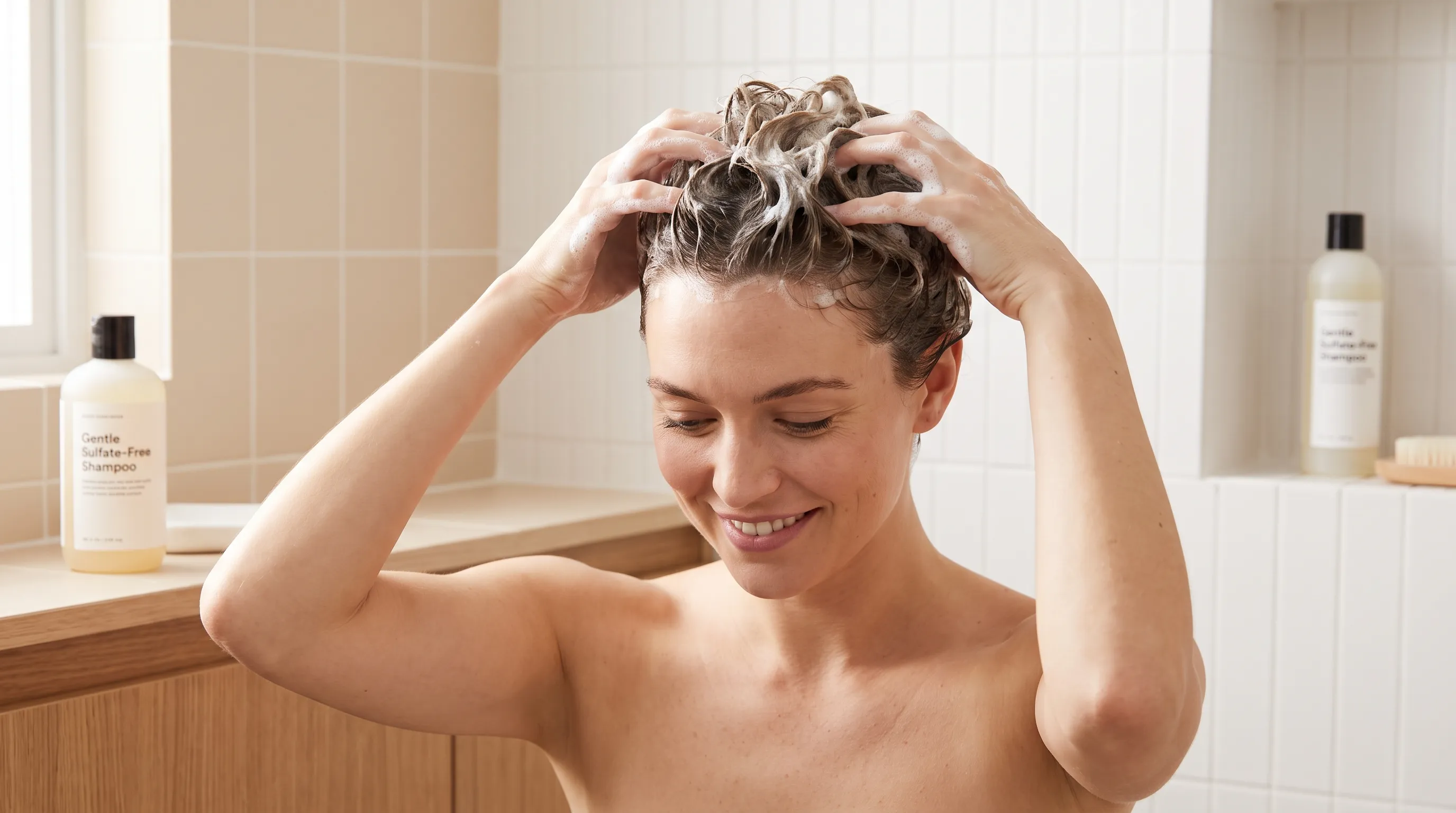
How you wash matters as much as what you use. Begin by thoroughly saturating the hair with lukewarm water. Excessively hot water can temporarily vasodilate superficial capillaries and increase the perception of scalp warmth, but it does not accelerate sebum synthesis. Apply a quarter-sized amount of shampoo to the palms, emulsify with water, and massage directly onto the scalp using the pads of your fingers—not the nails—to lift debris without causing micro-abrasions.
Focus exclusively on the roots and scalp for the first sixty to ninety seconds. The lather naturally travels down the shaft as you massage, eliminating the need to aggressively rub the mid-lengths and ends, which are typically older, more fragile, and less prone to accumulating sebum. Rinse thoroughly until the water runs clear, then repeat a second wash only if heavy styling products or environmental pollutants are present. Finish with a brief cool-water rinse to help close the cuticle and enhance shine.
Strategic Conditioner and Treatment Application
Conditioners are formulated to deposit hydrophobic molecules and cationic polymers onto negatively charged, damaged cuticles. Applying them directly to the scalp can clog follicles, trap dead cells, and create a heavy, greasy sensation regardless of how often you shampoo. Reserve conditioners, masks, and leave-in treatments exclusively for the mid-shaft to distal two-thirds of the hair. If you have an oily scalp but dry ends, consider split-application: cleanse the roots thoroughly, apply conditioner only to the lengths, and rinse completely.
For individuals struggling with rapid return of oil, incorporating a weekly scalp exfoliant containing alpha-hydroxy acids (AHAs) or beta-hydroxy acids (BHAs) can help clear follicular openings, improve product penetration, and reduce microbial load without altering hormonal output. Always patch-test new actives and introduce them gradually to monitor tolerance.
When to Consult a Medical Professional
Sudden, unexplained changes in scalp oiliness warrant clinical evaluation. If you notice rapid greasing accompanied by intense itching, visible yellowish scaling, hair shedding, or pustular lesions, you may be experiencing seborrheic dermatitis, a Malassezia-driven inflammatory condition, or a hormonal imbalance such as polycystic ovary syndrome (PCOS). Certain medications, including corticosteroids, antidepressants, and hormonal contraceptives, can also alter sebaceous activity.
Dermatologists can perform trichoscopic examinations, assess follicular health, and prescribe targeted therapies such as topical antifungals, oral antiandrogens, or barrier-repair serums. Self-treating persistent oiliness with increasingly frequent washes or harsh clarifying products can exacerbate underlying inflammation and lead to a compromised scalp barrier. When in doubt, professional guidance ensures that you address the root cause rather than chasing a myth.
To further visualize guidance on this topic, consider watching educational content from board-certified dermatologists who break down sebum physiology and cleansing science:
Frequently Asked Questions
Does hair produce more oil the more you wash it?
No. Sebum production is regulated by hormones, genetics, and age, not by washing frequency. There is no physiological feedback mechanism that causes sebaceous glands to overcompensate after shampooing.
Why do people believe washing increases oiliness?
The perception arises from using harsh, stripping formulas that completely remove natural lipids. When normal sebum returns, it contrasts sharply against dried, porous hair shafts, creating the illusion of accelerated production.
Can I reduce my scalp's oil output permanently?
Genetic and hormonal baselines are largely fixed. However, maintaining a balanced scalp microbiome, avoiding heavy product buildup, and using appropriately formulated cleansers can optimize how oil distributes and feels on your hair.
How often should I wash if I have fine, straight hair?
Most dermatologists recommend washing fine, oily hair daily or every other day. Use mild, sulfate-free shampoos to cleanse effectively without compromising the cuticle or triggering irritation.
Does dry shampoo make my scalp produce more oil?
Dry shampoo does not stimulate glands, but it can contribute to follicular congestion if overused. It absorbs surface sebum and starches it, creating volume temporarily. Always wash thoroughly within 48 hours to prevent buildup and microbial imbalance.
Should I avoid washing if I have dandruff?
No. In fact, regular washing is often recommended to remove excess sebum that feeds Malassezia yeast, a primary driver of dandruff and seborrheic dermatitis. Use medicated shampoos containing ketoconazole, zinc pyrithione, or selenium sulfide as directed by your dermatologist.
Can stress cause my hair to feel greasier?
Yes. Chronic stress elevates cortisol, which can indirectly influence androgen activity and inflammatory responses in the scalp. While this doesn't permanently increase glandular capacity, it can temporarily alter sebum composition and distribution, making hair feel heavier.
What water temperature is best for oily scalps?
Lukewarm water is ideal. It effectively emulsifies lipids and rinses product residue without stripping the barrier or causing thermal stress. Avoid excessively hot water, which can irritate the epidermis and increase post-wash dryness.
Conclusion
The enduring question of whether does hair produce more oil the more you wash it has been thoroughly examined through clinical dermatology, trichological research, and cosmetic science. The evidence is unequivocal: sebaceous glands operate on a genetically programmed, hormonally regulated timeline that remains entirely unaffected by how frequently you lather up. What changes with your washing routine is not the volume of sebum produced, but rather how it interacts with your hair shaft, scalp microbiome, and chosen formulations. Harsh cleansers strip protective barriers, create sensory contrast effects, and lead to temporary dryness that masks as accelerated oiliness. Conversely, gentle, pH-balanced routines tailored to your specific hair type maintain follicular health, preserve cuticle integrity, and allow natural lipids to function as intended.
By abandoning the myth of gland training and embracing personalized, evidence-based care, you can achieve a healthier scalp environment without fear of triggering compensatory overproduction. Wash when your hair feels genuinely unclean, select formulations that align with your biological needs, and prioritize scalp barrier preservation above arbitrary cleansing schedules. When sudden changes or persistent concerns arise, consult a board-certified dermatologist to rule out underlying hormonal shifts or inflammatory conditions. Ultimately, understanding the true mechanisms behind sebum empowers you to make informed, confident choices that honor your hair's natural physiology and support long-term vitality.
How we work
Researched and drafted with AI assistance, then reviewed by a human editor against the cited sources.
This article is general health information, not medical advice. Consult a qualified healthcare professional about your own situation.