Uneven Hairline Explained: Medical Causes, Diagnostic Scales, and Evidence-Based Treatments

Noticing a shift in your hairline can be unsettling, but understanding what drives these changes is the first step toward effective management. An uneven hairline refers to a hair boundary across the forehead that lacks uniform symmetry, often appearing noticeably higher on one side or receding at different rates along the temples. While mild natural asymmetry exists in everyone, pronounced unevenness typically signals underlying shifts in follicular health, hormonal balances, genetic programming, or mechanical stress. The hair growth cycle is remarkably resilient, yet highly sensitive to internal and external triggers that disrupt normal shedding and regeneration patterns. Recognizing the distinction between temporary shedding and progressive follicular miniaturization empowers individuals to seek appropriate interventions before permanent structural changes occur. Whether driven by hereditary predispositions, autoimmune activity, or daily styling habits, asymmetrical hair loss requires a systematic, evidence-based approach to diagnosis and care.
What Defines an Uneven Hairline and How Does It Develop?
The human hairline is not a static anatomical feature; it is a dynamic boundary shaped by decades of biological activity. At the microscopic level, each hair follicle operates independently through a continuous cycle of growth, transition, and rest. As documented by the National Institutes of Health (NIH), the anagen phase represents active growth and can last between two to seven years. The catagen phase is a brief transitional period lasting two to three weeks, during which the follicle shrinks and detaches from its blood supply. Finally, the telogen phase is a resting period of approximately three months before the old hair sheds and a new strand begins to form. In a healthy scalp, roughly 85 to 90 percent of follicles are actively in the anagen phase at any given time. When this synchronized cycle becomes desynchronized across different regions of the scalp, visible asymmetry emerges.
Free calculatorBMI CalculatorCalculate Body Mass IndexOpen the calculatorAn uneven hairline typically develops when specific follicular zones enter the telogen phase prematurely or fail to transition back into anagen at the expected rate. This localized disruption can be triggered by hormonal receptor sensitivity, localized inflammation, vascular changes, or external tension applied to specific hair shafts. The forehead and temple regions are particularly vulnerable because the follicles in these areas naturally possess shorter anagen phases compared to occipital scalp follicles. Consequently, when systemic or localized stressors occur, the frontal and temporal hairlines often exhibit the earliest and most pronounced signs of thinning or recession. Understanding this biological foundation clarifies why targeted treatments must address the underlying physiological drivers rather than merely treating surface symptoms.
The Anatomy of the Hair Growth Cycle
Hair follicles are complex mini-organs embedded in the dermal and subcutaneous layers of the scalp. Each follicle contains a dermal papilla, which regulates nutrient delivery and signaling pathways that dictate hair shaft production. The bulge region houses stem cells responsible for follicular regeneration, while the matrix cells rapidly divide to form the keratinized hair shaft. When these structures receive optimal signaling from androgens, growth factors, and micronutrients, the follicle maintains robust production. However, when localized inflammation, genetic programming, or mechanical trauma interferes with dermal papilla signaling, the follicle undergoes miniaturization. This process shortens the anagen phase, thins the hair shaft diameter, and eventually leaves only fine vellus hairs visible before complete dormancy occurs. The spatial variation of these changes across the frontal scalp directly contributes to an asymmetrical hair boundary.
How Symmetry Shifts Occur Over Time
Symmetry shifts rarely happen overnight. They develop gradually as micro-environmental changes accumulate across specific follicular zones. Factors such as localized vascular constriction, uneven sebum production, differential exposure to environmental stressors, or habitual styling tension can create a compounding effect that alters follicular behavior on one side more severely than the other. Over months and years, these micro-changes manifest as visible unevenness. Recognizing these early temporal shifts allows for timely intervention, preserving follicular viability and preventing irreversible architectural changes to the scalp.
The Primary Medical Causes Behind Hairline Asymmetry
Identifying the exact etiology of an uneven hairline requires careful clinical differentiation. Multiple distinct pathophysiological pathways can produce remarkably similar visual outcomes, yet each demands a unique therapeutic approach. Genetic predispositions, autoimmune dysregulation, mechanical trauma, and systemic metabolic imbalances represent the most common drivers. Accurate classification prevents misdirected treatments and optimizes long-term outcomes.
Androgenetic Alopecia (Male Pattern Baldness)
Androgenetic alopecia is the predominant cause of progressive hairline changes in men and significantly influences female hair patterns as well. This hereditary condition is driven by the interaction of genetic susceptibility, circulating androgens, and chronological aging. Testosterone is enzymatically converted into dihydrotestosterone (DHT) by 5-alpha reductase. In genetically predisposed individuals, DHT binds to androgen receptors in frontal and vertex follicles, triggering inflammatory cascades that accelerate follicular miniaturization. This process does not occur uniformly; temporal follicles are often more sensitive than those at the crown or mid-scalp, resulting in asymmetric recession. By age fifty, epidemiological studies indicate that approximately half of men exhibit some degree of this pattern. The progression typically follows recognizable trajectories, where the hairline migrates backward at variable rates, occasionally leaving an isolated central island that creates a V-shaped appearance commonly known as a widow's peak. For a comprehensive breakdown of this mechanism, the Cleveland Clinic provides extensive clinical documentation on hereditary pattern baldness and its hormonal interactions.
Frontal Fibrosing Alopecia (FFA)
Frontal fibrosing alopecia represents a distinct and increasingly prevalent form of scarring alopecia, predominantly affecting postmenopausal women, though rising case reports note significant prevalence among Black women as well. Classified as a variant of lichen planopilaris, FFA is characterized by lymphocytic inflammation targeting the hair follicle infundibulum. This chronic inflammatory process gradually replaces functional follicular tissue with fibrous scar tissue, rendering regrowth impossible once destruction occurs. The condition typically presents as a symmetrical or asymmetrical band-like recession of the frontal hairline, often accompanied by perifollicular erythema, scaling, and eyebrow loss. The Mayo Clinic emphasizes that early intervention is absolutely critical to halt inflammatory progression and preserve remaining follicles. Delayed diagnosis frequently results in permanent, irreversible balding along the frontal boundary. Dermatologists utilize clinical examination, dermoscopy, and sometimes scalp biopsies to confirm this diagnosis and initiate immunomodulatory therapies.
Traction Alopecia
Mechanical stress represents a highly preventable yet frequently overlooked cause of asymmetric hairline displacement. Traction alopecia occurs when chronic, repetitive tension is applied to the hair shaft, physically traumatizing the follicle and triggering inflammatory responses that disrupt normal cycling. Hairstyles such as tight braids, cornrows, heavy ponytails, locs, and rigid hair rollers exert continuous pulling forces that disproportionately affect follicles along the frontal and temporal margins. The American Academy of Dermatology highlights that the pattern and severity of hair loss directly correlate with the specific tension vectors applied over time. Initially, traction-induced damage is reversible; however, prolonged mechanical stress leads to permanent follicular fibrosis and irreversible thinning. Modifying styling practices, reducing tension, and allowing follicular recovery periods are foundational steps in halting progression and encouraging natural regrowth.
Alopecia Areata
Alopecia areata is an autoimmune-mediated condition wherein the body's immune system mistakenly targets hair follicle structures, primarily during the anagen phase. Cytotoxic T cells infiltrate the perifollicular region, releasing inflammatory mediators that abruptly halt hair production and induce shedding. While classically presenting as well-demarcated, circular patches of complete hair loss, the condition can occasionally manifest asymmetrically along the frontal hairline, creating an irregular and uneven boundary. The disorder frequently coexists with other autoimmune conditions such as thyroid disease, vitiligo, or atopic dermatitis, suggesting shared immunogenetic pathways. Treatment strategies focus on immunosuppression to restore immune tolerance to follicular antigens, allowing dormant follicles to re-enter the growth cycle.
Systemic and Environmental Triggers
Beyond localized and genetic factors, several systemic conditions can precipitate asymmetrical shedding patterns. Thyroid dysfunction, whether hypothyroidism or hyperthyroidism, disrupts metabolic homeostasis and alters hair follicle cycling, often resulting in diffuse thinning that may appear uneven depending on baseline follicular density. Nutritional deficiencies, particularly inadequate iron, zinc, protein, or biotin, impair keratin synthesis and cellular proliferation within the hair matrix. According to the World Health Organization (WHO), iron deficiency is a leading global contributor to non-scarring hair loss and must be clinically ruled out before initiating restorative therapies. Fungal infections such as tinea capitis induce localized inflammation and follicular damage that mimic patterned recession. Additionally, pharmacological agents including lithium, beta-blockers, anticoagulants, and chemotherapeutic drugs can trigger acute telogen effluvium, causing sudden, widespread shedding that may unmask pre-existing asymmetries. Physical trauma, surgical procedures, or severe emotional stress can similarly push a disproportionate number of follicles into the resting phase, temporarily altering hairline symmetry until metabolic equilibrium is restored.
Clinical Assessment and Diagnostic Frameworks
Accurate diagnosis of an uneven hairline relies on standardized clinical evaluation protocols that integrate visual assessment, patient history, and targeted laboratory or histological testing. Dermatologists employ structured classification systems to grade severity, predict progression trajectories, and formulate individualized treatment plans.
Understanding the Norwood Scale
The Norwood-Hamilton classification remains the gold standard for staging male androgenetic alopecia. It provides a systematic framework for documenting hairline recession patterns, ranging from Stage 1, which shows minimal temporal changes, to Stage 7, where only a horseshoe-shaped band of hair remains on the posterior scalp. Intermediate stages detail specific configurations, including mild recession, moderate temporal deepening, frontal island formation, and extensive vertex involvement. By mapping an uneven hairline onto this scale, clinicians can accurately track disease velocity, estimate remaining follicular viability, and determine candidacy for pharmacological or surgical interventions. The scale also facilitates standardized communication among practitioners and ensures treatment benchmarks are consistently applied.
Dermatological Evaluation and Testing
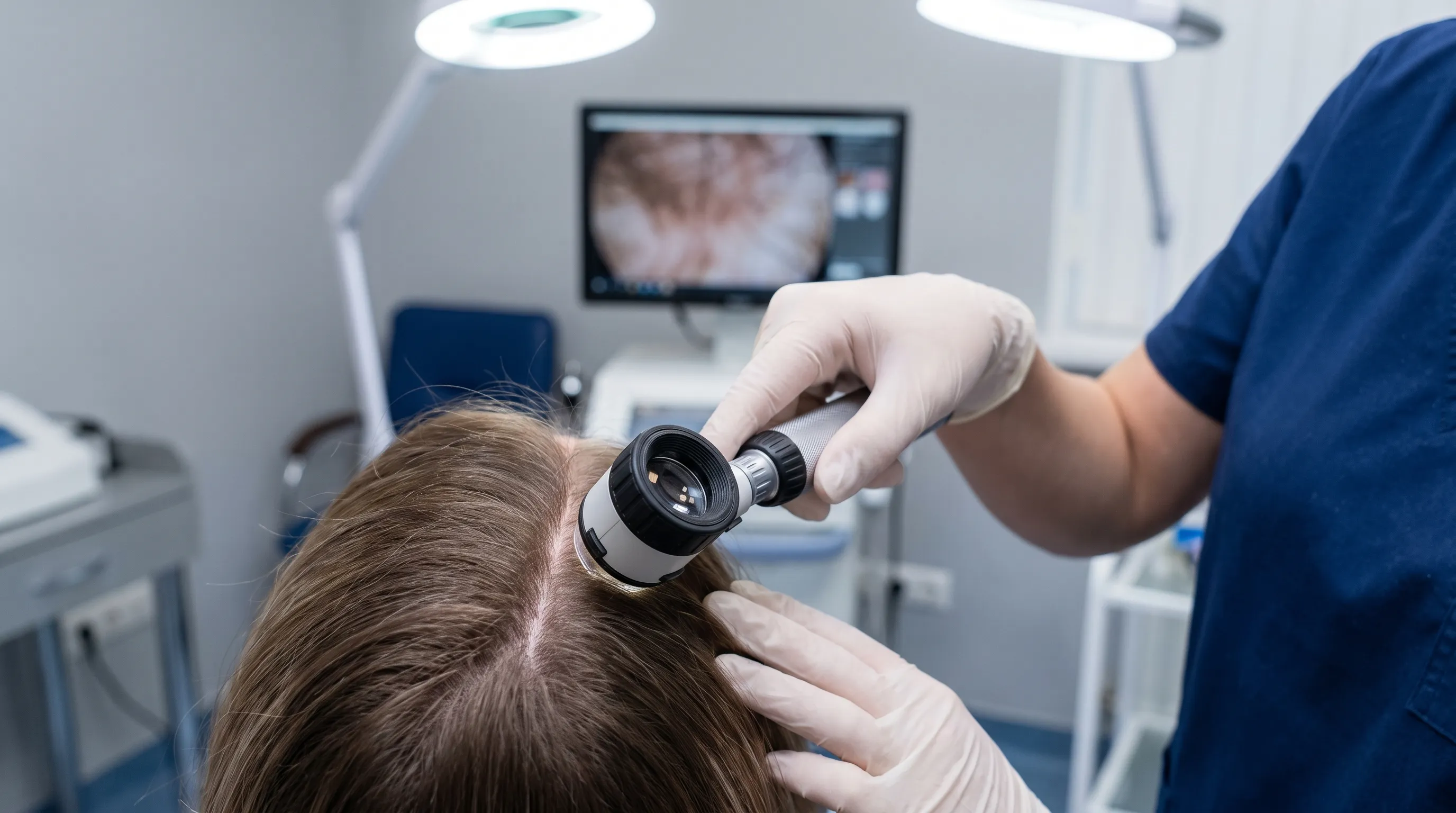
A comprehensive clinical evaluation begins with a detailed medical and family history, followed by a thorough scalp examination using trichoscopy or dermatoscopy. These magnification tools reveal follicular density, hair shaft diameter variation, perifollicular scaling, and vascular patterns that distinguish non-scarring from scarring processes. Pull tests assess active shedding rates, while laboratory panels typically evaluate thyroid function, ferritin levels, vitamin D status, zinc concentrations, and hormonal profiles. In cases where clinical presentation remains ambiguous, a punch biopsy of the affected scalp region provides definitive histopathological evidence of follicular inflammation, miniaturization, or fibrosis. This diagnostic rigor ensures that therapeutic strategies are precisely matched to the underlying pathophysiology.
Evidence-Based Treatment Pathways
Management of an uneven hairline requires a tiered approach that prioritizes disease stabilization, follicular preservation, and aesthetic restoration. Treatment selection depends on etiology, disease stage, patient demographics, and individual treatment goals. Current clinical guidelines emphasize early intervention to maximize therapeutic efficacy and prevent irreversible follicular loss.
Pharmacological Interventions
Topical minoxidil remains one of the most extensively studied and widely utilized over-the-counter treatments for pattern hair loss. Originally developed as an antihypertensive, minoxidil acts as a vasodilator and potassium channel opener, enhancing perifollicular blood flow and prolonging the anagen phase. Available in two and five percent formulations, it demonstrates moderate efficacy in stabilizing recession and promoting regrowth in both male and female patients. Clinical consensus notes that therapeutic effects are maintenance-dependent; discontinuation typically results in progressive shedding and loss of gains within three to six months. Oral finasteride, a 5-alpha reductase inhibitor, represents the cornerstone pharmacological therapy for male pattern baldness. By reducing systemic DHT conversion by approximately seventy percent, finasteride effectively halts follicular miniaturization and frequently stimulates partial regrowth in the frontal and vertex regions. It is FDA-approved exclusively for men, with contraindications for use in women of childbearing potential due to teratogenic risks. The NHS confirms that while these agents represent the most effective mainstream options, they do not guarantee universal success and require consistent, long-term adherence.
Surgical and Procedural Options
When pharmacological stabilization reaches its limits or when patients seek definitive aesthetic correction, surgical restoration becomes highly viable. Hair transplantation involves harvesting follicular units from the occipital donor zone, which is genetically resistant to DHT-induced miniaturization, and meticulously implanting them into receding frontal and temporal regions. Follicular unit extraction (FUE) and follicular unit transplantation (FUT) represent the two primary techniques, differing primarily in harvesting methodology and resulting scarring patterns. Scalp reduction surgery, though less common, involves excising bald scalp sections and suturing adjacent hair-bearing tissue closer together, effectively narrowing the bald area and repositioning the hairline forward. Both procedures require careful patient selection, realistic expectation management, and often complementary medical therapy to preserve native hair surrounding the transplanted grafts.
Emerging and Adjunctive Therapies
Recent advancements in trichology have introduced several innovative modalities. Platelet-rich plasma (PRP) therapy utilizes centrifuged autologous blood to concentrate growth factors, including PDGF, TGF-beta, and VEGF, which are then injected into the scalp to stimulate follicular proliferation and enhance angiogenesis. Low-level laser therapy (LLLT) employs specific wavelengths of red light to increase cellular metabolism and reduce oxidative stress within follicles. Additionally, targeted immunomodulators have revolutionized alopecia areata management. Baricitinib, marketed as Olumiant, recently received FDA approval as a Janus kinase inhibitor that interrupts inflammatory signaling pathways responsible for autoimmune follicular attack. These emerging treatments expand the therapeutic arsenal, particularly for patients who respond poorly to conventional therapies.
Cosmetic and Non-Medical Solutions
For individuals seeking immediate aesthetic improvement or those managing irreversible scarring alopecia, non-medical alternatives provide reliable cosmetic restoration. High-quality wigs, available in synthetic and human hair varieties, offer customizable styling options with varying durability. Scalp micropigmentation involves depositing medical-grade pigment into the upper dermis to create the illusion of densely shaved hair follicles, effectively camouflaging thinning zones and reconstructing the visual boundary of the hairline. Strategic hairstyling techniques, including volumizing cuts, layered arrangements, and directional parting, can successfully conceal asymmetrical recession without medical intervention.
| Treatment Category | Specific Option | Primary Indication | Key Considerations |
|---|---|---|---|
| Pharmacological | Minoxidil (Topical) | Androgenetic alopecia (men/women), telogen effluvium | Requires lifelong use; local scalp irritation possible |
| Pharmacological | Finasteride (Oral) | Male pattern baldness | Prescription only; contraindicated in pregnancy; systemic side effects possible |
| Procedural | Hair Transplantation (FUE/FUT) | Stabilized pattern loss, permanent scarring | High upfront cost; requires donor hair availability; post-op recovery period |
| Emerging | PRP Injections | Early thinning, adjunct to medical therapy | Multiple sessions required; efficacy varies; minimally invasive |
| Emerging | Baricitinib (Oral) | Severe alopecia areata | FDA-approved; immune suppression monitoring required |
| Cosmetic | Micropigmentation | Irreversible baldness, scar camouflage | Semi-permanent; requires maintenance sessions; non-biological |
Prevention Strategies and Daily Self-Care
Proactive scalp care and lifestyle optimization play a fundamental role in preserving hairline integrity and preventing premature asymmetric recession. While genetic and autoimmune factors cannot be entirely eliminated, mitigating environmental stressors significantly reduces the risk of exacerbating underlying vulnerabilities.
Protective Styling and Hair Care Routines
Minimizing mechanical trauma is essential for long-term follicular preservation. Avoiding excessively tight hairstyles, heavy accessories, and restrictive headgear reduces chronic tension along the frontal and temporal margins. Utilizing wide-tooth combs, silk or satin pillowcases, and gentle detangling techniques minimizes friction-induced breakage. Heat styling should be moderated, with protective serums and temperature regulation below 350°F to prevent keratin degradation and cuticle damage. Regular cleansing with mild, pH-balanced shampoos removes sebum and environmental pollutants without stripping essential lipids, maintaining a healthy follicular microenvironment.
Nutritional Optimization for Follicle Health
Hair follicles are metabolically active structures that require consistent micronutrient delivery to sustain keratin production and cellular division. Adequate dietary protein provides the essential amino acids necessary for hair shaft synthesis. Iron facilitates oxygen transport to rapidly dividing matrix cells, with deficiency commonly linked to increased telogen shedding. Zinc supports enzymatic functions involved in tissue repair and hormone metabolism, while B vitamins and biotin contribute to fatty acid synthesis and energy production within the follicle. Addressing documented nutritional gaps through balanced whole-food diets or targeted supplementation ensures optimal biological support for hairline maintenance.
When to Seek Professional Medical Advice
Early clinical evaluation remains the most reliable strategy for managing progressive hairline changes. Waiting until substantial recession occurs significantly reduces the window for medical intervention, particularly in inflammatory or scarring conditions.
Warning Signs That Require Immediate Evaluation
Seek prompt dermatological consultation if you experience sudden, unexplained patchy hair loss, shedding that consistently exceeds one hundred strands daily, rapid frontal recession, or hairline displacement accompanied by scalp erythema, pruritus, scaling, or tenderness. Women experiencing progressive frontotemporal thinning should prioritize evaluation, as early diagnosis of frontal fibrosing alopecia dramatically improves outcomes. Persistent asymmetry that fails to stabilize after three to six months of conservative care also warrants professional assessment.
What to Expect During a Specialist Consultation
An initial dermatological visit typically involves a comprehensive medical history review, family pattern analysis, and physical scalp examination using trichoscopic magnification. Laboratory testing may be ordered to rule out metabolic, endocrine, or nutritional contributors. If autoimmune or scarring pathology is suspected, a minor scalp biopsy may be performed under local anesthesia to obtain histological confirmation. Based on these findings, the clinician will develop a personalized treatment protocol combining medical therapy, lifestyle modifications, and, when appropriate, referral for procedural interventions. The Mayo Clinic reinforces that timely specialist engagement maximizes follicular preservation and prevents irreversible architectural changes to the frontal scalp.
Psychological Impact and Holistic Management
Hairline alterations frequently extend beyond physical appearance, significantly influencing self-perception, social confidence, and emotional well-being. The visibility of the hairline during interpersonal interactions makes asymmetrical recession particularly challenging to conceal, often triggering anxiety, social withdrawal, or depressive symptoms. Recognizing the psychological dimensions of hair loss is essential for comprehensive patient care. Integrating counseling support, peer communities, and mindfulness-based stress management techniques alongside medical treatment fosters resilience and improves overall quality of life. Patients benefit from realistic expectation setting, understanding that hair restoration is typically a gradual process requiring sustained commitment. Combining clinical interventions with holistic wellness strategies ensures that management addresses both biological and emotional components of the condition.

Frequently Asked Questions
Can an uneven hairline grow back naturally?
Whether an uneven hairline can recover naturally depends entirely on the underlying cause. If the asymmetry stems from temporary stress, nutritional deficiencies, or early traction alopecia with styling changes, the follicles often reactivate, and hair regrowth occurs within months. However, genetic hair loss (androgenetic alopecia) and scarring conditions like frontal fibrosing alopecia typically cause progressive follicular miniaturization or permanent damage, requiring medical intervention to halt progression or stimulate regrowth.
Is an uneven hairline always a sign of permanent balding?
No, an uneven hairline is not automatically permanent. Many reversible conditions, including telogen effluvium triggered by physical or emotional shock, thyroid imbalances, or mechanical stress from tight hairstyles, can create asymmetrical hair loss patterns that resolve once the root cause is addressed. Early dermatological evaluation is crucial to distinguish between temporary shedding cycles and progressive, scarring, or genetic conditions that require targeted therapy.
What is the difference between male and female uneven hairlines?
Men typically experience a receding hairline that begins at the temples, gradually forming a V-shaped or M-shaped pattern as hair follicles miniaturize due to dihydrotestosterone sensitivity. Women, conversely, more commonly experience diffuse thinning along the central part while retaining their frontal hairline. However, an increasing number of women are developing frontal fibrosing alopecia, which causes a distinct receding and asymmetrical hairline that differs significantly from classic female pattern thinning.
How effective are over-the-counter treatments like minoxidil for hairline asymmetry?
Topical minoxidil is FDA-approved for pattern hair loss and can help stabilize an uneven hairline by prolonging the anagen growth phase and increasing follicular blood flow. Clinical data shows moderate effectiveness, particularly in the crown and mid-scalp, though results on the frontal hairline vary. Consistent, lifelong application is mandatory, as benefits reverse within months of discontinuation. It is generally well-tolerated but works best when combined with other therapies or early intervention strategies.
When should someone see a doctor for a receding or uneven hairline?
You should consult a dermatologist or primary care physician if you notice sudden, patchy, or rapidly progressive hair loss, if shedding exceeds normal daily limits (over 100 strands consistently), or if hair loss is accompanied by scalp itching, scaling, redness, or pain. Early intervention is particularly critical for conditions like frontal fibrosing alopecia, where delayed treatment significantly increases the risk of permanent follicular scarring and irreversible baldness.
Do hair transplants guarantee a perfectly symmetrical hairline?
While hair transplantation offers the most definitive aesthetic correction, absolute symmetry is anatomically impossible due to natural follicular variation, existing native hair patterns, and individual healing characteristics. Skilled surgical planning aims to create a harmonious, age-appropriate hairline that complements facial proportions. Realistic expectations, combined with post-operative medical maintenance to protect surrounding native hair, yield the most natural and sustainable outcomes.
Conclusion
An uneven hairline is a clinically significant presentation that warrants thorough evaluation rather than dismissive acceptance. Whether driven by genetic programming, autoimmune activity, mechanical trauma, or metabolic disruption, the underlying mechanisms share a common trajectory of follicular compromise. Early recognition, accurate diagnostic classification, and timely implementation of evidence-based therapies dramatically improve long-term preservation rates and aesthetic outcomes. From FDA-approved pharmacological agents to advanced surgical techniques and emerging immunomodulators, modern trichology offers a robust arsenal for managing hairline asymmetry. Coupling medical intervention with protective styling practices, nutritional optimization, and psychological support ensures a comprehensive, patient-centered approach. By prioritizing proactive scalp health and seeking guidance at the first signs of progressive change, individuals can maintain hairline integrity and confidently navigate the spectrum of available restorative pathways.
How we work
Researched and drafted with AI assistance, then reviewed by a human editor against the cited sources.
This article is general health information, not medical advice. Consult a qualified healthcare professional about your own situation.