Cooked Jasmine Rice Macros: Nutrition Profile, Glycemic Impact & Health Guide

Jasmine rice has earned a permanent place on dinner plates worldwide, celebrated for its distinctive floral aroma, delicate flavor, and remarkably soft texture. However, for individuals navigating specific health objectives, understanding the exact nutritional footprint of this staple grain is essential. Whether you are actively managing metabolic parameters, optimizing athletic recovery, or simply tracking daily macronutrient distribution, analyzing cooked jasmine rice macros provides the foundational data needed to make informed, clinically sound dietary choices. This comprehensive guide systematically breaks down the biochemical reality behind a standard serving, explores how specific starch ratios influence digestive kinetics, and outlines evidence-based strategies to integrate this carbohydrate source safely and effectively into your long-term nutrition architecture. By examining peer-reviewed glycemic data, USDA nutrient profiles, and clinical metabolic guidelines from the NIH, we can move beyond generic calorie counting and develop a nuanced approach to carbohydrate utilization that aligns with your unique physiological demands.
Understanding the Core Macronutrient Breakdown
When evaluating any dietary carbohydrate, precision matters. Relying on package estimates or generalized calorie databases often leads to inaccurate macronutrient tracking, which can derail blood sugar management or athletic periodization goals. The standardized nutritional profile of one cup of cooked white jasmine rice (approximately 158 grams), consistent with USDA FoodData Central specifications, reveals a highly carbohydrate-dense food with minimal lipid content and moderate protein delivery. At roughly 205 kilocalories, this serving delivers a concentrated energy source that is rapidly mobilized by active tissues and hepatic stores. The carbohydrate content sits at 44.5 grams, comprising the overwhelming majority of the serving’s total caloric contribution. Within this carbohydrate matrix, dietary fiber remains exceptionally low at 0.6 grams, reflecting the removal of the fibrous bran layer during industrial milling. Total sugars are virtually negligible at 0.1 grams, confirming that jasmine rice functions as a complex starch rather than a simple sugar source. Protein contributes approximately 4.3 grams per cup, providing essential branched-chain amino acids like leucine and isoleucine, though it lacks the complete amino acid spectrum required for standalone muscle synthesis. Total fat measures just 0.4 grams, and the remaining weight consists of approximately 115 grams of absorbed water. This hydration factor contributes to volumetric satiety without increasing caloric density. When mapping out cooked jasmine rice macros, it becomes immediately apparent that this grain operates primarily as an efficient, rapidly accessible glycogen-replenishing substrate rather than a fat-modulating or fiber-dense whole food.
Free calculatorMacros CalculatorCalculate protein, carbs, and fatOpen the calculator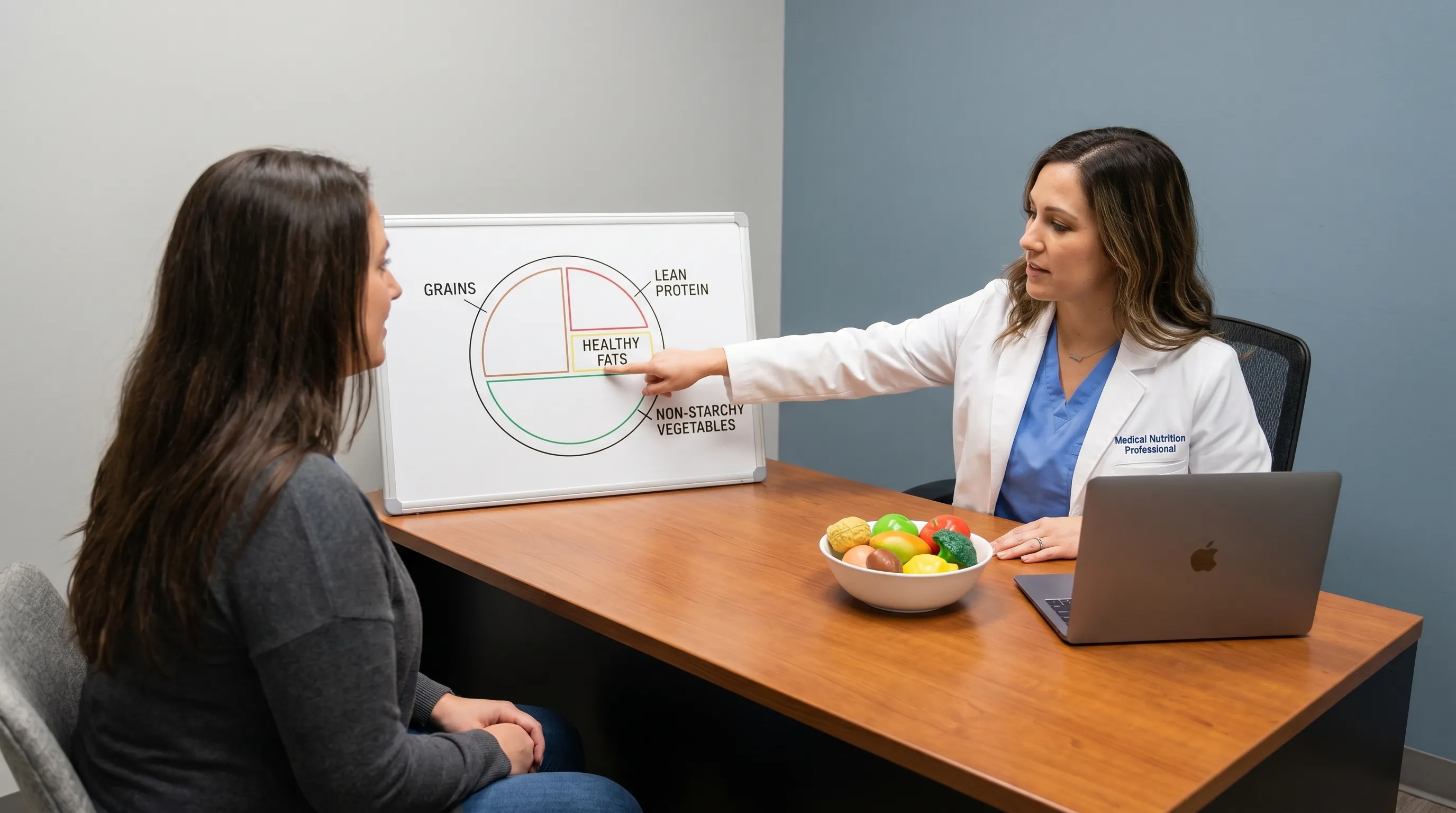
| Nutrient | White Jasmine Rice (1 Cup Cooked) | Brown Jasmine Rice (1 Cup Cooked) | Physiological Impact |
|---|---|---|---|
| Calories | ~205 kcal | ~216 kcal | Nearly identical energy yield |
| Total Carbohydrates | 44.5 g | 45.0 g | Primary fuel source |
| Dietary Fiber | 0.6 g | ~3.5 g | Brown supports gut motility & SCFA production |
| Protein | 4.3 g | ~5.0 g | Both provide moderate, incomplete amino acid profiles |
| Total Fat | 0.4 g | ~1.8 g | Brown contains beneficial lipid fractions in the germ |
| Glycemic Index | 68–80 (High) | 50–55 (Moderate) | Processing level dictates digestive velocity |
| Glycemic Load | ~29 | ~20–22 | Serving size and fiber significantly alter blood glucose impact |
Calories and Energy Density
The 205-kilocalorie yield of a standard cup positions cooked jasmine rice as a moderate-energy grain. For individuals engaged in high-volume training or manual labor, this caloric concentration supports positive energy balance without excessive food volume. Conversely, for sedentary adults or those in caloric deficit phases, tracking cooked jasmine rice macros becomes crucial, as multiple servings can quickly exceed daily carbohydrate allocations. The energy density is almost entirely carbohydrate-driven, meaning each gram contributes approximately 4 kilocalories, aligning with standard metabolic combustion pathways. This predictable energy output makes jasmine rice highly reliable for meal planning software and clinical dietetic calculations.
Carbohydrate Architecture and Fiber Deficit
The 44.5-gram carbohydrate matrix consists predominantly of starch granules that gelatinize during thermal processing. Unlike legumes or whole wheat products, which deliver substantial insoluble and soluble fibers, milled jasmine rice contains a mere 0.6 grams of dietary fiber per cup. This deficit removes the natural mechanical brake on intestinal transit, allowing rapid enzymatic hydrolysis. For digestive health, this means jasmine rice is exceptionally gentle on compromised gastrointestinal tracts but offers minimal prebiotic value. Individuals seeking microbiome diversity must intentionally pair this grain with resistant fiber sources such as cruciferous vegetables, flaxseed, or fermented foods to offset the lack of intrinsic fermentable substrate.
Protein, Lipids, and Hydration Factors
At 4.3 grams of protein and 0.4 grams of fat, the non-carbohydrate macronutrients play supporting roles. The lipid fraction contains negligible saturated fat and trace amounts of linoleic acid, primarily concentrated in the germ tissue that is largely removed during refining. The 115 grams of water absorbed during cooking contributes to gastric distension, promoting short-term fullness signals via vagal nerve activation. While the protein quantity appears modest, it contributes to the overall amino acid pool, which is vital when considering cumulative daily intake across all meals. Understanding these baseline values ensures accurate tracking when evaluating cooked jasmine rice macros against your specific daily requirements.
The Science of Starch: Amylose vs. Amylopectin Explained
Carbohydrate quality is dictated not just by quantity, but by molecular architecture. Rice starches are composed of two primary glucose polymers: amylose and amylopectin. The precise ratio between these two molecules determines cooking behavior, textural properties, and digestive kinetics. Jasmine rice is genetically classified as a low-amylose variety, containing approximately 15–18% amylose and a dominant 82–85% amylopectin fraction. This molecular profile distinguishes it sharply from high-amylose grains like traditional basmati or parboiled rice, which often contain 25–30% or more amylose. The higher amylopectin concentration creates a highly branched, tree-like molecular structure that presents a massive surface area for salivary and pancreatic alpha-amylase to attach. Consequently, jasmine rice cooks rapidly, develops a cohesive, slightly sticky texture, and yields to digestive enzymes with remarkable efficiency. This structural reality directly translates to metabolic outcomes, as the speed of enzymatic cleavage governs the rate at which glucose enters the systemic circulation.
Molecular Structure and Culinary Behavior
Amylose molecules are essentially linear glucose chains that align tightly during cooling, forming rigid, crystalline structures. This alignment resists enzymatic breakdown, resulting in firmer, separate grains that maintain structural integrity over time. In contrast, amylopectin’s dense branching prevents tight packing, allowing water to penetrate rapidly during boiling. The resulting hydration creates a soft, tender matrix that gelatinizes at lower thermal thresholds. When analyzing cooked jasmine rice macros, it is important to recognize that the high amylopectin content is responsible for the rapid texture development and the equally rapid postprandial glucose excursion. Culinary techniques like precise water-to-rice ratios and controlled simmering times directly influence how completely these granules swell, thereby altering the final digestible carbohydrate load per serving.
Enzymatic Breakdown and Digestive Kinetics
Upon ingestion, salivary amylase initiates starch hydrolysis, though the brief oral exposure time limits its impact. Once the bolus reaches the small intestine, pancreatic alpha-amylase rapidly cleaves the glycosidic bonds of amylopectin. The branched structure allows multiple enzyme molecules to act simultaneously across different chains, accelerating maltose and dextrin production. Brush-border enzymes (maltase, sucrase-isomaltase) then complete the hydrolysis, releasing free glucose molecules that are actively transported across the enterocyte membrane via SGLT1 and GLUT5 transporters. This highly efficient absorption pipeline explains why jasmine rice delivers such a rapid glycemic response. For individuals with optimized insulin sensitivity, this rapid flux is easily managed and effectively utilized. For those with impaired beta-cell function or chronic insulin resistance, the same kinetic profile can overwhelm hepatic uptake capacity, leading to prolonged hyperglycemia.
Starch Retrogradation and Metabolic Adaptation
Interestingly, the starch profile of jasmine rice is not permanently fixed after cooking. Thermal cycling triggers a physical rearrangement of glucose polymers known as retrogradation. When cooked rice is cooled in refrigeration, linear amylose and partially branched amylopectin chains realign and form hydrogen bonds that create semi-crystalline, heat-stable structures. This process converts approximately 10–15% of the originally digestible starch into resistant starch (Type III), a metabolic transformation extensively reviewed by the Cleveland Clinic. Resistant starch escapes small intestinal digestion entirely, traveling to the colon where it undergoes bacterial fermentation. The resulting production of short-chain fatty acids, particularly butyrate, supports intestinal barrier integrity, modulates systemic inflammation, and improves insulin receptor signaling. Therefore, while baseline cooked jasmine rice macros reflect a high-glycemic profile, simple preparation and storage modifications can functionally alter its metabolic trajectory.
Glycemic Index, Glycemic Load, and Blood Sugar Dynamics
Glycemic metrics provide a standardized framework for predicting carbohydrate-induced blood glucose responses, as detailed by Mayo Clinic nutrition specialists. Research consistently classifies white jasmine rice as a high-GI food, typically scoring between 68 and 80 on the glucose reference scale. The glycemic load (GL) for a standard one-cup serving approximates 29, placing it firmly in the high category. These numbers are not arbitrary; they are derived from repeated human trials measuring incremental area under the glucose curve (iAUC) after consuming fixed carbohydrate portions. The high GI/GL combination signals rapid carbohydrate absorption, which triggers a correspondingly sharp insulin release. While acute insulin spikes are physiologically normal and necessary for nutrient partitioning, chronic exposure to high-glycemic loads without adequate metabolic flexibility can contribute to pancreatic beta-cell fatigue, lipogenesis, and eventual glucose dysregulation.
Decoding the Numbers: GI 68–80 and GL ~29
The glycemic index measures quality, indicating how quickly a carbohydrate source elevates blood glucose relative to pure glucose. Jasmine rice’s 68–80 range reflects its low amylose content and rapid gelatinization properties. Glycemic load, however, accounts for quantity. The formula (GI × available carbohydrates in grams) ÷ 100 yields the GL. With 44.5 grams of available carbohydrates (total carbs minus fiber), jasmine rice delivers a substantial glucose payload per standard serving. When mapping cooked jasmine rice macros into a clinical context, practitioners use these values to calculate meal-level glycemic impact. A GL above 20 is generally considered high for individuals with prediabetes or metabolic syndrome, necessitating strategic mitigation through food pairing or portion reduction.
Clinical Implications for Insulin and Glucose Homeostasis
The postprandial period following jasmine rice consumption is characterized by a swift glucose peak, typically occurring within 30 to 45 minutes. In healthy individuals, first-phase insulin secretion rapidly transports this glucose into skeletal muscle and hepatic tissue. In metabolically compromised populations, delayed insulin onset or receptor downregulation results in prolonged hyperglycemia and compensatory hyperinsulinemia. Epidemiological data, including a landmark meta-analysis published in the British Medical Journal, demonstrates that high-frequency consumption of refined white rice correlates with a dose-dependent increase in type 2 diabetes incidence, a public health priority extensively documented by the CDC. This does not condemn jasmine rice as inherently harmful, but it underscores the necessity of contextualizing cooked jasmine rice macros within broader dietary patterns, physical activity levels, and individual genetic predispositions.
Evidence from Longitudinal and Meta-Analytic Research
Multiple clinical investigations validate the glycemic behavior of jasmine rice. The International Tables of Glycemic Index and Glycemic Load, authored by Foster-Powell and colleagues, systematically categorize jasmine rice alongside other high-GI refined grains. Studies examining meal composition reveal that substituting jasmine rice with higher-amylose or intact whole grains significantly improves 24-hour glycemic control, reduces fasting insulin concentrations, and lowers triglyceride synthesis. However, intervention trials also demonstrate that jasmine rice, when strategically dosed and combined with dietary fiber and complete proteins, produces glycemic curves comparable to whole grains. This evidence reinforces the principle that no single food dictates metabolic health; rather, the synergistic interaction of cooked jasmine rice macros with concurrent nutrients determines the physiological outcome.
Micronutrient Profile and Fortification Realities
While macronutrients dominate energy metabolism, micronutrients govern enzymatic function, hormonal synthesis, and cellular repair. Commercial white jasmine rice undergoes a rigorous milling process that removes approximately 80% of its naturally occurring vitamins and minerals, along with the protective bran layer. To counteract this nutritional depletion, regulatory bodies in many countries mandate enrichment. Standardized fortification reintroduces thiamine (vitamin B1), niacin (vitamin B3), folic acid (vitamin B9), and elemental iron at levels comparable to or exceeding those found in whole grains. This public health intervention successfully reduced deficiencies like beriberi and neural tube defects. However, fortification does not restore the full phytonutrient matrix. Brown jasmine rice, which bypasses intensive milling, retains natural reserves of magnesium, phosphorus, zinc, selenium, and vitamin B6, alongside antioxidant phenolic compounds and lignans that support redox balance and vascular health.
Commercial Enrichment vs. Whole-Grain Retention
The fortification process involves spraying synthetic or bioavailable mineral and vitamin solutions onto the polished grain surface, followed by heat fixation to prevent leaching during washing. While effective at preventing acute deficiency states, enriched white rice lacks the co-factors and fiber structures that naturally facilitate nutrient absorption. For example, magnesium, which is crucial for over 300 enzymatic reactions including glucose transporter regulation, is largely depleted in white rice but remains abundant in brown varieties. When evaluating the complete nutritional profile alongside cooked jasmine rice macros, individuals prioritizing long-term micronutrient sufficiency often incorporate a rotating grain strategy, alternating between enriched white rice for rapid energy and intact brown rice for comprehensive mineral delivery.
Bioavailability and Absorption Factors
The bioavailability of iron and zinc in plant-based foods is heavily influenced by phytate content. Milling significantly reduces phytate concentrations in white rice, paradoxically improving the fractional absorption of the added fortificants compared to the intact bran. This means the iron added to white jasmine rice is often more readily absorbed than the native iron in brown rice, provided the meal lacks polyphenol-rich inhibitors like strong tea or coffee. Conversely, the absence of vitamin C in rice meals limits non-heme iron uptake. Understanding these absorption dynamics allows dietitians to prescribe precise accompaniments, ensuring that the micronutrient profile complements rather than competes with the macronutrient matrix.
Strategic Integration into Modern Dietary Protocols
Food is rarely consumed in isolation. The metabolic fate of any carbohydrate source is profoundly altered by the accompanying macronutrients, the timing of ingestion, and the individual’s physiological state. Clinical nutrition frameworks from institutions like the Harvard T.H. Chan School of Public Health emphasize food synergy over nutrient isolation. By strategically positioning cooked jasmine rice macros within specific dietary contexts, individuals can harness its energy-dense properties while minimizing adverse glycemic excursions. The following frameworks outline evidence-based applications for athletic performance, metabolic management, and general wellness.
Athletic Performance and Post-Exercise Glycogen Restoration
For endurance athletes, bodybuilders, and high-intensity interval practitioners, glycogen depletion represents a primary limiting factor in performance. Following exhaustive exercise, skeletal muscle exhibits heightened insulin sensitivity and upregulates GLUT4 transporter translocation to the sarcolemma. This physiological window creates an ideal environment for rapid carbohydrate replenishment. Jasmine rice’s low fiber, minimal fat, and high amylopectin profile align perfectly with sports nutrition guidelines recommending 1.0–1.2 grams of carbohydrate per kilogram of body weight immediately post-exercise. Unlike fibrous grains that may cause gastrointestinal distress during active recovery, jasmine rice digests efficiently, shuttling glucose directly to depleted myocytes. Tracking cooked jasmine rice macros allows athletes to precisely hit these replenishment targets without exceeding daily caloric budgets, supporting subsequent training sessions and adaptation phases.

Metabolic Management and Portion Calibration
Conversely, individuals navigating insulin resistance, polycystic ovary syndrome, or type 2 diabetes must approach high-glycemic carbohydrates with calculated restraint. Clinical guidelines recommend limiting refined grain servings to one-half or two-thirds of a cup per meal when managing glucose homeostasis. This portion adjustment directly reduces the glycemic load from approximately 29 to 10–14, moving the meal into the low-to-moderate GL category. By scaling the serving size while maintaining the protein and vegetable ratios, patients can enjoy jasmine rice without triggering prolonged hyperglycemia. Registered dietitians frequently employ carbohydrate counting protocols that treat one-third cup of cooked jasmine rice as a single 15-gram carbohydrate exchange, enabling precise insulin dosing for diabetic patients.
Nutrient Synergy and Meal Composition Strategies
The most powerful tool for glycemic blunting is strategic food pairing. Consuming jasmine rice alongside 20–30 grams of complete protein (such as poultry, tofu, fish, or legumes) stimulates robust incretin hormone release, particularly GLP-1 and GIP, which slow gastric emptying and promote satiety. Simultaneously, incorporating 1–2 tablespoons of healthy fats like olive oil, avocado, or nuts forms an emulsion in the small intestine that further delays carbohydrate exposure to brush-border enzymes. Adding 1–2 cups of non-starchy vegetables provides soluble and insoluble fibers that create a physical mesh, trapping glucose and slowing its absorption rate. When executed correctly, a meal containing modified cooked jasmine rice macros, adequate protein, dietary fats, and fibrous plants can produce a flat, manageable glucose curve despite the presence of a high-GI grain.
Preparation Techniques That Modify Nutritional Bioavailability
Culinary methodology is not merely a matter of flavor preference; it actively alters the biochemical composition and physiological impact of food. Research demonstrates that water ratios, cooking temperatures, post-cooking thermal cycling, and mechanical rinsing can shift the digestible carbohydrate fraction, modify resistant starch formation, and influence heavy metal retention. Mastering these techniques transforms a standard grain into a metabolically optimized dietary component.
The Pasta Method and Heavy Metal Mitigation
Rice plants naturally absorb arsenic from soil and irrigation water more efficiently than other cereal crops, accumulating inorganic arsenic primarily within the bran and grain matrix. Chronic exposure to low-level arsenic is associated with endothelial dysfunction, oxidative stress, and increased cancer risk. The absorption cooking method, where rice is boiled in a precise 1:1 or 2:1 water-to-rice ratio and fully absorbed, retains nearly all dissolved arsenic. Clinical studies confirm that utilizing the pasta method—boiling rice in excess water (6:1 to 10:1 ratio) and draining the liquid upon completion—can reduce inorganic arsenic content by 40–60%, a risk-reduction strategy supported by NIH environmental health research. While this method leaches a small fraction of water-soluble vitamins, the safety benefits significantly outweigh the minor nutrient loss. When considering the long-term health implications of cooked jasmine rice macros, employing the pasta method serves as a critical risk-reduction strategy for daily consumers.
Thermal Cycling and Resistant Starch Optimization
As previously detailed, cooling gelatinized starch triggers retrogradation. To maximize this effect, freshly cooked jasmine rice should be rapidly cooled to room temperature and then refrigerated for 12 to 24 hours. This cold incubation period allows amylose chains to recrystallize into resistant starch type III. Interestingly, subsequent reheating does not fully reverse this process; a significant portion of the resistant starch remains heat-stable, meaning the modified glycemic profile persists through serving. This technique effectively lowers the available carbohydrate count, shifts the glycemic index downward, and increases prebiotic fiber delivery. For individuals utilizing continuous glucose monitors, meals incorporating retrograded jasmine rice consistently demonstrate blunted postprandial peaks compared to freshly cooked equivalents. Implementing batch cooking and thermal cycling transforms meal preparation into a metabolic optimization protocol.
Surface Starch Reduction and Cooking Ratios
Rinsing jasmine rice thoroughly under cool running water before thermal processing serves multiple physiological functions. The mechanical agitation removes loose surface amylopectin granules, reducing the overall stickiness and preventing excessive clumping during cooking. From a metabolic perspective, this superficial starch layer would otherwise gelatinize instantly, contributing to a rapid initial glucose surge. Rinsing delays the early-stage absorption velocity, allowing for a more gradual glucose influx. Additionally, adjusting the cooking water ratio to slightly higher levels and maintaining a steady, covered simmer ensures uniform hydration without overcooking. Overcoated grains burst, releasing more starch into the surrounding matrix and increasing the glycemic response. Precise water management and controlled heat application preserve grain integrity and maintain a more favorable cooked jasmine rice macros profile for sustained energy release.
Frequently Asked Questions
How do cooked jasmine rice macros compare to standard long-grain white rice?
Cooked jasmine rice macros are nearly identical to other refined long-grain white varieties, both yielding approximately 200–205 calories and 44–45 grams of carbohydrates per cup. The primary distinction lies in starch architecture: jasmine rice contains significantly higher amylopectin (82–85%), which accelerates digestion and elevates the glycemic response compared to higher-amylose long-grain rices that typically score lower on the glycemic index scale.
Can individuals with type 2 diabetes safely include this rice in their diet?
Yes, but strategic portion control and nutrient pairing are mandatory. Clinical nutrition guidelines recommend limiting servings to one-half to two-thirds of a cup, pairing with adequate protein, dietary fats, and high-fiber vegetables, and monitoring postprandial glucose responses. Substituting a portion of the serving with brown jasmine rice or cauliflower rice further reduces the glycemic load while preserving volume and satiety.
Does the aromatic quality of jasmine rice indicate higher sugar content?
The floral aroma results from volatile organic compounds, primarily 2-acetyl-1-pyrroline, which are naturally synthesized during grain development. This sensory characteristic is entirely independent of carbohydrate metabolism. The actual sugar content remains negligible (0.1 g per cup), confirming that the aroma does not correlate with glycemic impact or metabolic burden.
How long does cooked jasmine rice last in the refrigerator, and does storage affect macros?
Properly stored in airtight containers, cooked jasmine rice remains safe for refrigeration for 4–6 days. Storage duration does not significantly alter baseline calories, protein, or fat values. However, extended refrigeration continues the retrogradation process, gradually increasing resistant starch content and slightly decreasing the pool of rapidly digestible carbohydrates, effectively modifying the metabolic response over time.
Is jasmine rice gluten-free, and is it suitable for celiac disease?
Naturally, all rice varieties, including jasmine, are completely free of gluten proteins. It is inherently safe for individuals with celiac disease or non-celiac gluten sensitivity, aligning with WHO recommendations for gluten-free dietary management. The primary concern in commercial processing is cross-contamination in shared facilities. Individuals with severe gluten intolerance should verify certified gluten-free packaging to avoid trace wheat contamination during milling and transport.
Conclusion
Navigating carbohydrate consumption in modern nutrition requires moving beyond simplistic good-versus-bad classifications and embracing biochemical nuance. The analysis of cooked jasmine rice macros reveals a highly efficient energy substrate characterized by moderate caloric density, substantial carbohydrate content, minimal fiber, and rapid digestive kinetics. Its elevated amylopectin concentration and corresponding high glycemic index make it an exceptional tool for glycogen replenishment in athletic populations, while simultaneously demanding careful portion management and strategic food pairing for those addressing insulin resistance or metabolic syndrome. By understanding the molecular architecture of its starch, implementing evidence-based preparation modifications like the pasta method and thermal cycling, and aligning intake with individual activity levels, jasmine rice transforms from a potential glycemic liability into a highly adaptable nutritional asset. Ultimately, sustainable health outcomes are not dictated by the exclusion of refined carbohydrates, but by the intelligent integration of cooked jasmine rice macros into a diverse, fiber-rich, and nutrient-dense dietary framework. Consulting with registered healthcare providers or sports dietitians ensures that these macronutrient insights are tailored to your unique physiological profile, metabolic markers, and long-term wellness objectives.
How we work
Researched and drafted with AI assistance, then reviewed by a human editor against the cited sources.
This article is general health information, not medical advice. Consult a qualified healthcare professional about your own situation.