7-Day Diet Plan for Hashimoto's Disease: Evidence-Based Guide to Healing

Navigating life with an autoimmune thyroid condition can feel overwhelming, especially when fatigue, unexplained weight fluctuations, and persistent brain fog disrupt your daily routine. If you are searching for a structured, evidence-based 7-day diet plan for hashimoto's disease, you have likely already discovered that there is no single magic bullet. Instead, long-term symptom management requires a strategic, anti-inflammatory nutritional approach tailored to calm your immune system, heal your gut lining, and provide the precise micronutrients your thyroid needs to synthesize hormones efficiently. This comprehensive guide will walk you through the physiological mechanisms of autoimmune thyroid dysfunction, explain the core dietary principles backed by current clinical research, and deliver a practical, day-by-day meal framework designed to reduce inflammation and restore metabolic vitality. Always remember that nutritional changes work best when integrated alongside professional medical supervision, regular thyroid panel monitoring, and personalized lifestyle modifications.
Understanding Hashimoto’s Disease and the Role of Nutrition
Hashimoto’s disease, also known as chronic autoimmune thyroiditis, represents the most common cause of hypothyroidism worldwide. Unlike primary thyroid failure caused by iodine deficiency or surgical removal, Hashimoto’s occurs when the immune system mistakenly identifies thyroid peroxidase (TPO) and thyroglobulin (Tg) as foreign invaders, producing autoantibodies that gradually damage thyroid follicular cells. This autoimmune attack triggers chronic low-grade inflammation, impairs hormone production, and disrupts the delicate hypothalamic-pituitary-thyroid (HPT) axis. Over time, patients experience a cascade of symptoms including profound fatigue, cold intolerance, dry skin, hair thinning, depression, and metabolic slowdown.
Free calculatorSleep CalculatorCalculate sleep cyclesOpen the calculatorThe Autoimmune Connection
The root of the autoimmune response lies in a complex interplay between genetic predisposition and environmental triggers. While certain HLA gene variants increase susceptibility, modern research consistently highlights environmental stressors such as chronic psychological stress, viral infections, heavy metal exposure, and, critically, dietary components that compromise intestinal barrier integrity. When the gut lining becomes permeable—a state often referred to as leaky gut—undigested food particles and bacterial endotoxins enter systemic circulation. The immune system responds by mounting a widespread inflammatory cascade, which frequently cross-reacts with thyroid tissue due to molecular mimicry. Understanding this gut-thyroid axis is fundamental to implementing any effective 7-day diet plan for hashimoto's disease, as reducing antigenic load and restoring mucosal immunity form the foundation of autoimmune symptom relief.
How Diet Influences Thyroid Function
Food does more than provide calories; it acts as biochemical signaling that directly modulates gene expression, immune activity, and enzymatic thyroid hormone synthesis. The thyroid gland requires adequate iodine, selenium, zinc, iron, and vitamin D to efficiently produce and convert tetraiodothyronine (T4) into the biologically active triiodothyronine (T3). Simultaneously, dietary patterns that are high in refined carbohydrates, industrial seed oils, and food additives promote oxidative stress and elevate inflammatory cytokines like interleukin-6 and tumor necrosis factor-alpha. These cytokines interfere with thyroid receptor sensitivity, leading to a state of functional hypothyroidism even when standard lab values appear borderline normal. By shifting toward whole, nutrient-dense, anti-inflammatory foods, patients can downregulate autoantibody production, support enzymatic deiodinase activity, and improve cellular energy metabolism.
Key Nutrients for Thyroid Support
Several micronutrients play non-negotiable roles in thyroid physiology. Selenium is essential for glutathione peroxidase, an enzyme that protects the thyroid gland from hydrogen peroxide generated during hormone synthesis. Clinical trials demonstrate that 200 micrograms of selenium daily can reduce anti-TPO antibody titers by up to 20% over six months. Zinc acts as a cofactor for thyroid hormone synthesis and facilitates T3 receptor binding, while iron is required for thyroid peroxidase activity. Vitamin D modulates regulatory T-cell function, preventing excessive autoimmunity, and magnesium supports hundreds of enzymatic reactions involved in cellular energy production. A well-designed 7-day diet plan for hashimoto's disease intentionally incorporates foods rich in these nutrients while eliminating common dietary irritants that trigger immune flare-ups.
Core Principles of a Hashimoto’s-Friendly Diet
Implementing sustainable dietary changes requires moving away from restrictive fad diets and toward a nourishing, anti-inflammatory framework. The goal is not deprivation, but rather strategic nourishment that supports immune regulation, gut barrier integrity, and stable blood glucose levels. Below are the foundational pillars that guide successful autoimmune nutrition protocols.
Foods to Emphasize
Prioritize high-quality, pasture-raised or wild-caught proteins such as salmon, sardines, grass-fed beef, and free-range eggs. These provide complete amino acids for tissue repair and contain bioavailable omega-3 fatty acids that actively resolve inflammation. Load half your plate with non-starchy, colorful vegetables like leafy greens, cruciferous vegetables (lightly cooked to reduce goitrogenic compounds), bell peppers, carrots, and zucchini. Incorporate low-glycemic fruits such as blueberries, strawberries, and green apples in moderation to provide polyphenols that modulate gut microbiota. Include healthy fats from avocado, olive oil, coconut oil, and nuts or seeds like walnuts, pumpkin seeds, and chia seeds. Bone broth, fermented foods (if tolerated), and fiber-rich prebiotics like sweet potatoes and squash nurture the gut microbiome and support mucosal healing.
Foods to Limit or Avoid
Gluten remains the most widely documented dietary trigger in Hashimoto’s patients due to its structural similarity to thyroid tissue and its role in increasing zonulin, a protein that regulates intestinal permeability. Many individuals also react to conventional dairy proteins (casein and whey), which can provoke inflammatory responses similar to gluten. Processed sugars and refined grains spike insulin, exacerbating cortisol dysregulation and promoting visceral fat storage. Industrial vegetable oils (soybean, corn, canola, sunflower) contain high ratios of pro-inflammatory omega-6 fatty acids. Nightshade vegetables, eggs, and soy are sometimes temporarily eliminated during autoimmune protocols to assess individual tolerance. Alcohol and excessive caffeine can disrupt sleep architecture, deplete B-vitamins, and burden hepatic detoxification pathways essential for hormone metabolism.
Gut Health and Leaky Gut Considerations
The intestinal lining consists of a single cell layer that acts as a selective barrier. In autoimmune thyroid disease, this barrier is frequently compromised by dysbiosis, chronic stress, NSAID use, or antibiotic overuse. Restoring gut integrity involves removing irritants, supporting beneficial bacterial colonization, and providing nutrients like L-glutamine, zinc carnosine, and quercetin that tighten epithelial junctions. Fermented foods such as unsweetened coconut yogurt or sauerkraut introduce live probiotics, while resistant starches feed beneficial commensal bacteria. A healing-focused 7-day diet plan for hashimoto's disease intentionally avoids common disruptors and emphasizes easily digestible, nutrient-dense meals that reduce the digestive workload while maximizing absorption.
Designing Your 7-Day Diet Plan for Hashimoto’s Disease
A structured meal framework eliminates guesswork and ensures consistent delivery of thyroid-supportive nutrients. The following day-by-day breakdown emphasizes anti-inflammatory proteins, complex carbohydrates, healthy fats, and gut-friendly fibers. Portion sizes should be adjusted based on individual caloric needs, activity level, and metabolic rate.
Day-by-Day Meal Breakdown (Days 1-3)
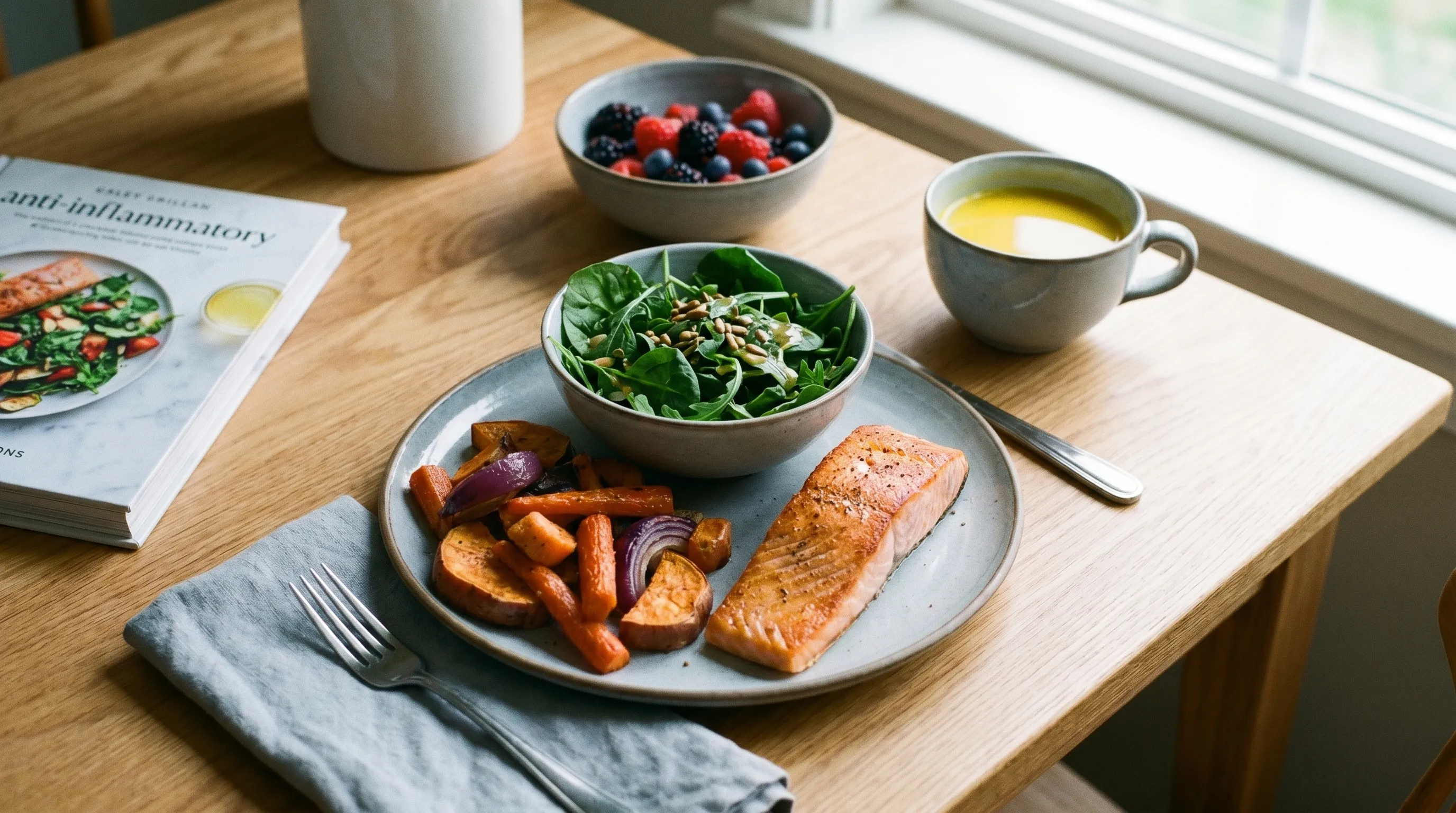
Day 1 begins with a protein-rich breakfast of scrambled eggs cooked in olive oil with sautéed spinach, tomatoes, and a side of half an avocado. Mid-morning, enjoy a green smoothie blending unsweetened almond milk, one scoop of collagen peptides, blueberries, and fresh mint. For lunch, prepare a large bowl of quinoa salad with grilled chicken breast, diced cucumber, roasted bell peppers, olive oil, and lemon-tahini dressing. Afternoon snack consists of a handful of walnuts and carrot sticks with hummus. Dinner features baked wild salmon seasoned with garlic and dill, served alongside roasted asparagus and a small portion of sweet potato. This combination delivers omega-3s, complete amino acids, and complex carbohydrates to stabilize energy and support overnight hormone synthesis.
Day 2 shifts focus to plant-forward diversity and gut-nourishing fibers. Breakfast includes overnight chia pudding made with unsweetened coconut milk, topped with sliced strawberries, pumpkin seeds, and a drizzle of raw honey. Mid-morning tea pairing of green tea and a hard-boiled egg provides sustained satiety. Lunch consists of a hearty vegetable and lentil soup simmered with turmeric, ginger, and fresh herbs, accompanied by a side of steamed broccoli. Afternoon snack features apple slices with a tablespoon of almond butter. Dinner offers grass-fed beef stir-fry with zucchini noodles, bok choy, mushrooms, and a tamari-ginger glaze over a small bed of brown rice. The variety of phytonutrients and prebiotic fibers actively feed beneficial gut flora while delivering iron and zinc critical for thyroid enzymatic function.
Day 3 emphasizes anti-inflammatory fats and easily digestible proteins. Breakfast combines plain coconut yogurt (if tolerated) or lactose-free alternative with mixed berries, hemp seeds, and a sprinkle of cinnamon. Mid-morning, sip warm bone broth with a pinch of sea salt for electrolyte balance and gut healing. Lunch features a large salad of mixed greens, shredded beets, roasted chickpeas, pumpkin seeds, avocado, and olive oil vinaigrette. Afternoon snack includes sliced cucumber and celery sticks with guacamole. Dinner provides pan-seared cod with a light lemon-caper sauce, paired with roasted Brussels sprouts and a quarter-cup of wild rice. This day strategically reduces heavy carbohydrate loads while maintaining adequate protein to prevent muscle breakdown during the metabolic transition.
Day-by-Day Meal Breakdown (Days 4-7)
Day 4 reintroduces cruciferous vegetables cooked thoroughly to deactivate goitrogens while maintaining their cancer-protective sulforaphane compounds. Breakfast includes a vegetable omelet with sautéed kale, onions, and turkey slices, accompanied by a side of berries. Lunch features a turkey and avocado wrap using collard green leaves, served with a small cup of roasted pumpkin seeds. Afternoon snack consists of a handful of mixed nuts and a small green apple. Dinner offers herb-roasted chicken thighs with garlic-roasted green beans and a small portion of cauliflower rice. This meal combination supports phase II liver detoxification, crucial for metabolizing excess thyroid hormones and preventing recirculation.
Day 5 focuses on omega-3 enrichment and magnesium delivery. Breakfast blends a nutrient-dense smoothie with unsweetened almond milk, spinach, half a frozen banana, collagen powder, and a teaspoon of flaxseed meal. Lunch provides a Mediterranean-inspired bowl with baked white fish, diced tomatoes, kalamata olives (if tolerated), cucumber, red onion, olive oil, and fresh parsley. Snack includes roasted edamame seasoned with sea salt and lemon zest. Dinner features grass-fed sirloin steak with roasted sweet potato wedges and a large side of steamed Swiss chard. The combination of magnesium-rich leafy greens and bioavailable heme iron directly supports oxygen transport and cellular energy production, often deficient in autoimmune thyroid patients.
Day 6 emphasizes fermented food integration and gentle carbohydrates. Breakfast offers sweet potato pancakes made with almond flour, topped with warm cinnamon apples and a dollop of coconut cream. Lunch consists of a large mixed salad with grilled shrimp, avocado, cherry tomatoes, radishes, and a lemon-olive oil dressing. Snack includes a cup of bone broth or mushroom tea for immune modulation. Dinner provides slow-cooked lamb stew with carrots, celery, onions, and herbs, served over a small portion of buckwheat groats. The slow-cooked proteins and root vegetables provide collagen-building amino acids and resistant starch that nurture the gut microbiome without triggering inflammatory responses.
Day 7 serves as a consolidation day, reinforcing sustainable habits while preparing for long-term adherence. Breakfast includes scrambled tofu with nutritional yeast, sautéed spinach, and a side of fresh pineapple chunks for digestive enzymes. Lunch features a large grain-free Buddha bowl with roasted zucchini, eggplant, bell peppers, chickpeas, tahini drizzle, and a sprinkle of sesame seeds. Afternoon snack combines sliced pears with a tablespoon of sunflower seed butter. Dinner offers grilled wild-caught shrimp skewers with a large garden salad, roasted cauliflower, and a small portion of quinoa. This final day of the 7-day diet plan for hashimoto's disease demonstrates how diverse, flavorful, and satisfying autoimmune nutrition can be when properly structured.
Portion Sizing and Timing Strategies
Meal timing significantly impacts cortisol regulation and insulin sensitivity. Aim to consume meals within a consistent 8- to 10-hour window, allowing a 14- to 16-hour fasting period overnight to support cellular autophagy and hepatic hormone clearance. Plate composition should follow the 50% non-starchy vegetables, 25% high-quality protein, and 25% complex carbohydrate or starchy vegetable ratio. Adjust carbohydrate intake based on activity level: higher on training days, lower on sedentary days. Prioritize protein at breakfast to blunt cortisol spikes and sustain satiety throughout the morning. Avoid heavy meals within three hours of bedtime to optimize sleep quality and prevent nocturnal blood sugar fluctuations that can disrupt thyroid axis feedback loops.
Practical Implementation Tips for Long-Term Success
Adopting a new dietary protocol requires strategic planning, especially when managing autoimmune fatigue and brain fog. The following implementation strategies streamline the transition from planning to daily execution.
Meal Prep and Grocery Shopping
Batch cooking eliminates decision fatigue and ensures nutrient availability during low-energy days. Dedicate two hours weekly to roasting vegetables, cooking proteins, and preparing sauces or dressings in mason jars. Organize grocery lists by store sections: produce first, followed by proteins, healthy fats, and pantry staples like nuts, seeds, gluten-free grains, and herbal teas. Read labels meticulously for hidden gluten, dairy derivatives, soy, and added sugars. Use apps that scan barcodes to verify clean ingredients. Invest in quality food storage containers that are microwave-safe, leak-proof, and clearly labeled with meal names and expiration dates.
Managing Social Dining and Cravings
Navigating restaurants and social gatherings requires preparation rather than restriction. Research menus online beforehand, identify safe options, and communicate your dietary needs politely without over-explaining. Request modifications such as grilled instead of fried proteins, steamed instead of boiled vegetables, and olive oil on the side instead of heavy sauces. Keep emergency snacks like mixed nuts, seed packets, or individual collagen packets in your bag. When cravings strike, pause to assess whether they stem from emotional stress, nutrient deficiency, or habit. Drinking water, consuming a protein-rich snack, or practicing deep breathing often diminishes impulsive eating urges. A well-structured 7-day diet plan for hashimoto's disease should never feel like punishment; it should feel like a compassionate commitment to healing.
Tracking Symptoms and Adjusting the Plan
Objective tracking transforms subjective fatigue into measurable progress. Use a dedicated journal or health app to log daily energy levels, mood stability, digestive comfort, sleep quality, and thyroid-specific symptoms like hair shedding, temperature tolerance, and cognitive clarity. Take monthly photographs, track weight trends alongside how clothes fit, and note any changes in medication requirements discussed with your physician. If certain foods consistently trigger bloating, joint pain, or brain fog after reintroduction, document them and maintain avoidance. Conversely, celebrate foods that improve energy and digestion. Regular thyroid panel testing (TSH, free T3, free T4, reverse T3, and anti-TPO) every 8 to 12 weeks validates whether dietary adjustments are translating into physiological improvement.

Complementary Lifestyle Modifications
Nutrition operates synergistically with movement, sleep, and stress regulation to downregulate autoimmune activity. Addressing these pillars accelerates healing and prevents symptom relapse.
Stress Management Techniques
Chronic psychological stress elevates cortisol and adrenaline, which directly suppress thyroid hormone production, increase reverse T3, and impair T4-to-T3 conversion. Implement daily parasympathetic nervous system activation through diaphragmatic breathing, vagus nerve toning exercises, or gentle yoga sequences. Practice mindfulness meditation for 10 to 15 minutes daily, focusing on present-moment awareness without judgment. Schedule deliberate unstructured time to prevent overcommitment, set boundaries around work hours, and engage in hobbies that spark joy without performance pressure. Chronic stress management is not optional in autoimmune recovery; it is foundational to hormonal equilibrium.
The Importance of Sleep Quality
Sleep deprivation disrupts circadian cortisol rhythms, increases inflammatory cytokines, and reduces insulin sensitivity. Aim for seven to nine hours of uninterrupted sleep in a cool, dark, and quiet environment. Establish a consistent sleep-wake schedule, even on weekends. Implement a digital sunset 60 minutes before bed, replacing screens with reading, warm baths, or light stretching. Limit fluid intake close to bedtime to prevent nocturnal awakenings, and avoid caffeine after noon. Prioritizing sleep hygiene allows the thyroid gland and immune system to undergo nightly repair processes essential for autoimmune stabilization.
Safe Exercise Guidelines
While physical activity improves mood and metabolism, excessive high-intensity interval training (HIIT) or prolonged endurance exercise can elevate cortisol and exacerbate Hashimoto’s fatigue. Opt for moderate, consistent movement such as brisk walking, swimming, cycling, or resistance training two to three times weekly. Listen to your body’s feedback: if exercise leaves you exhausted rather than energized the following day, reduce volume or intensity. Incorporate restorative movement like restorative yoga, Pilates, or stretching on recovery days. Movement should support healing, not stress the system.
Evidence-Based Research and Medical Guidelines
The intersection of clinical research and functional medicine has produced robust data supporting dietary intervention in autoimmune thyroid disease. Understanding the scientific foundation empowers patients to make informed, confident choices.
What Clinical Studies Show
Multiple peer-reviewed studies demonstrate that a gluten-free diet significantly reduces anti-TPO and anti-Tg antibody levels in patients with Hashimoto’s, independent of celiac disease status. Research published in the Journal of Clinical Endocrinology & Metabolism confirms that selenium supplementation at 200 mcg daily reduces thyroid antibodies and improves ultrasound echogenicity over 12 months. Clinical trials evaluating the Autoimmune Protocol (AIP) diet report statistically significant improvements in quality of life, inflammation markers, and symptom burden after just 10 weeks. Systematic reviews consistently highlight that eliminating processed foods, reducing added sugars, and emphasizing omega-3 fatty acids correlate with improved thyroid function and metabolic markers. While individual responses vary, the cumulative evidence strongly supports an anti-inflammatory, nutrient-dense dietary pattern as a cornerstone of Hashimoto’s management.
When to Consult a Healthcare Professional
Nutritional protocols should always complement, not replace, standard medical care. Consult an endocrinologist or functional medicine physician if you experience rapid weight changes, severe fatigue, palpitations, depression, or menstrual irregularities. Work with a registered dietitian specializing in autoimmune conditions to personalize macronutrient ratios, address specific nutrient deficiencies, and navigate safe supplementation. Never discontinue thyroid medication without medical supervision, as dietary improvements may enhance medication efficacy, requiring dosage adjustments to prevent iatrogenic hyperthyroidism. Regular lab monitoring ensures that your nutritional and lifestyle interventions are producing measurable, physiological benefits.
| Dietary Approach | Primary Focus | Pros | Cons | Best For |
|---|---|---|---|---|
| Standard Anti-Inflammatory | Whole foods, omega-3s, fiber | Sustainable, nutrient-dense, widely studied | May not address severe gut permeability initially | Long-term maintenance, general symptom relief |
| Autoimmune Protocol (AIP) | Strict elimination of potential triggers | Rapid symptom reduction, gut healing | Highly restrictive, socially challenging | Initial flare management, severe cases |
| Low-Goitrogen & Gluten-Free | Eliminates raw crucifers, wheat, dairy | Targets cross-reactivity, preserves thyroid function | Requires careful preparation, cooking needed | Patients sensitive to thyroid inhibitors |
| Mediterranean Hashimoto's Hybrid | Plant-forward, olive oil, lean proteins | Heart-healthy, evidence-backed, flavorful | Moderate reintroduction of legumes/grains | Patients prioritizing cardiovascular health alongside autoimmune care |
Frequently Asked Questions
Can a 7-day diet plan for hashimoto's disease cure the condition?
Hashimoto's is a chronic autoimmune condition with no known cure, but a structured nutritional approach can significantly reduce inflammation, lower thyroid antibody levels, and alleviate symptoms like fatigue, brain fog, and digestive discomfort. Long-term dietary consistency is key to sustaining remission and improving quality of life.
Do I need to avoid gluten and dairy permanently?
Many individuals with Hashimoto's experience cross-reactivity between gluten and thyroid tissue, and some have dairy sensitivities. While a 30 to 90-day elimination phase is highly recommended to assess symptom response, reintroduction can be attempted under medical guidance if tolerated. Some patients thrive with permanent removal, while others successfully cycle these foods back in.
How soon will I notice improvements after starting this plan?
Most patients report improved energy, reduced bloating, and clearer cognition within 7 to 14 days. Meaningful reductions in thyroid antibodies and stable hormone markers typically require 8 to 12 weeks of consistent dietary adherence, combined with stress management and appropriate medication monitoring.
Should I take iodine or selenium supplements while following the plan?
Selenium is clinically proven to help reduce anti-TPO antibodies and support T4-to-T3 conversion, making supplementation generally beneficial at 200 mcg daily. Iodine should be approached cautiously; excessive intake can trigger thyroid flare-ups in Hashimoto's patients. Always consult an endocrinologist or registered dietitian before adding targeted thyroid supplements.
Is this 7-day plan safe for people on levothyroxine or thyroid medication?
Yes, the nutritional approach complements standard thyroid replacement therapy. However, high-fiber meals, calcium, iron, and coffee must be spaced at least 4 hours apart from levothyroxine to prevent absorption interference. Work closely with your prescribing physician to adjust dosages as dietary changes improve your metabolic baseline.
Conclusion
Adopting a structured 7-day diet plan for hashimoto's disease represents a proactive, evidence-based step toward reclaiming your energy, stabilizing your mood, and supporting long-term thyroid health. By focusing on anti-inflammatory whole foods, eliminating common immune triggers, nourishing the gut microbiome, and pairing nutrition with stress management and quality sleep, patients can significantly reduce autoimmune activity and improve daily functioning. Healing is rarely linear, and individual responses to specific foods will vary. The key lies in consistent implementation, mindful symptom tracking, and ongoing collaboration with qualified healthcare professionals. Start with this foundational framework, honor your body’s unique signals, and remember that sustainable wellness is built through daily, compassionate choices rather than overnight perfection. Your thyroid health deserves the same attention to quality and care that you invest in every other aspect of your life.
How we work
Researched and drafted with AI assistance, then reviewed by a human editor against the cited sources.
This article is general health information, not medical advice. Consult a qualified healthcare professional about your own situation.