Will Urinating After Intercourse Prevent Pregnancy? The Science Explained

Navigating reproductive health can be overwhelming, especially when conflicting advice circulates across social media, family gatherings, and outdated wellness forums. One of the most persistent questions people ask is whether will urinating after intercourse prevent pregnancy, and the answer carries significant implications for family planning, sexual wellness, and anatomical literacy. Understanding how conception actually works versus what the body experiences during post-coital routines is essential for making informed health decisions. Many individuals rely on home remedies or behavioral tricks they believe will act as natural contraception, only to discover later that biology does not operate on folklore. The truth is grounded in human anatomy, reproductive physiology, and decades of clinical research. When we strip away the myths and examine the scientific evidence, it becomes abundantly clear how reliable contraception truly functions and why certain habits, while beneficial for urinary health, have absolutely zero impact on conception prevention. In this comprehensive guide, we will dismantle this widespread misconception, explore the real reasons behind post-intercourse urination recommendations, and provide you with medically backed, actionable strategies to protect your reproductive health while maintaining a fulfilling, stress-free intimate life.
The Short Answer: Does Peeing After Sex Work?
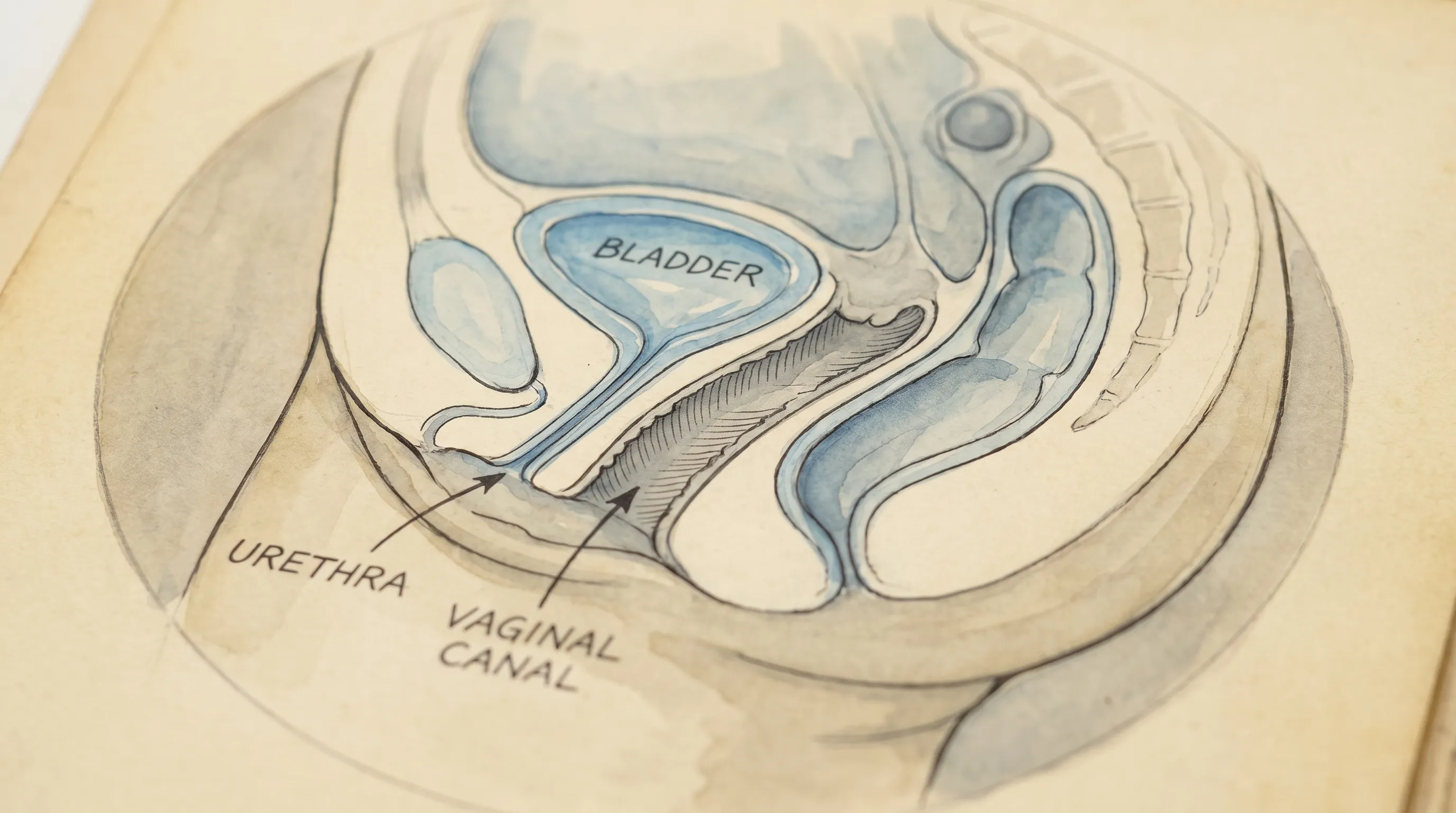
To address the core concern directly: no, will urinating after intercourse prevent pregnancy is a definitive medical impossibility. The act of emptying your bladder has no mechanical, chemical, or physiological pathway to remove sperm from the reproductive tract or halt fertilization. When ejaculation occurs, millions of sperm are deposited into the vaginal canal, where they immediately begin migrating through cervical mucus toward the fallopian tubes. This journey is driven by microscopic tail propulsion and muscular contractions within the female reproductive system, processes that occur entirely independent of the urinary bladder. Urination, conversely, expels waste fluid stored in the bladder through the urethra, a completely separate opening and channel located anterior to the vagina and clitoris. Because these two systems do not intersect, the fluid exiting during urination contains zero sperm. Clinical guidelines from leading reproductive health organizations like the CDC consistently emphasize that relying on post-coital urination for pregnancy prevention is not only ineffective but can lead to unintended pregnancies if used as a primary contraceptive method. Understanding this anatomical reality is the first step toward adopting safe, evidence-based family planning practices.
The Science Behind Conception and Urination
To fully grasp why this common belief lacks scientific foundation, we must examine the biological mechanics of human reproduction and compare them with the urinary system's structure and function. Medical education routinely highlights the distinct pathways that sperm and urine follow, reinforcing why these two bodily functions cannot interfere with one another in the way myths suggest.
How Pregnancy Actually Occurs
Conception begins when healthy sperm successfully navigate the vaginal canal, pass through the cervical os, and enter the uterus. From there, they travel into the fallopian tubes, where fertilization typically occurs if a mature ovum is present. This entire process is highly time-sensitive and heavily influenced by hormonal fluctuations, cervical mucus consistency, and the precise timing of ovulation. Once sperm penetrates the egg, cellular division begins almost immediately, forming a zygote that eventually implants into the uterine lining approximately six to twelve days later. Throughout this journey, sperm are completely isolated from the urinary tract. The vaginal environment naturally supports their survival by providing an alkaline buffer against the typically acidic conditions of the external genitalia. Factors like hydration, lubrication, and hormonal balance significantly influence conception odds, but none of these variables are altered by urinating after intercourse. If you are actively tracking fertility for either prevention or conception goals, monitoring cervical fluid changes, basal body temperature, and ovulation predictor kits will yield far more accurate insights than relying on post-sex bathroom habits.
The Anatomy of the Urinary vs. Reproductive Tracts
A clear understanding of pelvic anatomy instantly resolves the confusion surrounding will urinating after intercourse prevent pregnancy. In biological females, three distinct external openings exist: the urethra, the vagina, and the anus. The urethra is a short tube connecting the bladder to the exterior, solely responsible for transporting urine. The vagina is a muscular canal connecting the external vulva to the cervix and uterus, serving as the birth canal and the pathway for menstrual flow, intercourse, and childbirth. These structures are separated by tissue barriers and lack any shared chambers or valves that would allow fluid transfer between them. During sexual activity, friction, arousal, and hormonal changes may cause slight swelling or increased blood flow to the pelvic region, but the structural boundaries remain intact. When the bladder contracts to expel urine, the urinary sphincter opens while the vaginal walls remain unaffected. Even if semen remains visible near the vaginal opening or on the external vulva after intercourse, it cannot migrate into the urethra due to anatomical orientation and the direction of gravitational and muscular forces. Medical resources like the Cleveland Clinic consistently map these systems as parallel rather than intersecting, providing definitive evidence against the notion that bladder emptying can act as a contraceptive measure.
Why the Myth Persists
Despite overwhelming clinical evidence, the belief that will urinating after intercourse prevent pregnancy continues to circulate widely. This endurance is not random; it stems from historical communication gaps, misinterpreted health advice, and the human tendency to seek simple solutions to complex biological questions. Recognizing why this misconception thrives can help individuals replace outdated assumptions with modern, reliable knowledge.
Historical Beliefs and Anecdotal Evidence
For centuries, before the advent of modern gynecology and reproductive endocrinology, people relied on observational trial-and-error to manage fertility and family size. Many traditional practices involved post-coital rituals like jumping, douching with various solutions, squatting, or immediate bathroom visits. When these methods occasionally aligned with natural infertility periods (such as during menstruation or outside the fertile window), people mistakenly credited the ritual rather than acknowledging cyclical biological timing. Word-of-mouth transmission across generations solidified these practices as facts, even when statistical analysis proved otherwise. In the pre-internet era, limited access to peer-reviewed research meant that personal anecdotes often outweighed clinical trials. Today, while medical literature is readily available, algorithm-driven social media platforms frequently amplify unverified claims, causing ancient myths to resurface as modern wellness trends. Critical media literacy and consulting board-certified healthcare providers remain essential for filtering evidence-based guidance from viral misinformation.
Confusing UTI Prevention with Contraception
One of the most significant sources of this confusion lies in the well-established medical recommendation to urinate after sexual activity. Healthcare professionals universally advise this practice, but explicitly for a completely different reason: preventing urinary tract infections (UTIs), as highlighted by Mayo Clinic prevention guidelines. Because sexual intercourse can introduce bacteria like Escherichia coli from the perineal and vaginal areas near the urethral opening, flushing the urethra with urine shortly after intimacy significantly reduces infection risk. When patients receive this advice without a detailed explanation of the underlying rationale, they sometimes misattribute the benefit to pregnancy prevention. This conflation is understandable but clinically inaccurate. Clear communication between patients and providers is vital. When seeking contraception guidance, explicitly state your goal, and request a comprehensive breakdown of reliable methods rather than assuming general wellness tips serve dual purposes. Understanding the distinct purposes of post-coital urination ensures you protect both your bladder health and your reproductive autonomy without crossing into ineffective territory.
Real Benefits of Urinating After Intercourse
While it will not stop conception, emptying your bladder shortly after sexual activity provides several validated health advantages that support overall pelvic wellness. Incorporating this simple habit into your routine, alongside proper hydration and hygiene practices, can dramatically reduce discomfort and infection risks.
Preventing Urinary Tract Infections
UTIs occur when bacteria travel up the urethra into the bladder, sometimes reaching the kidneys if left untreated. Sexual activity is one of the most common triggers for bacterial displacement due to friction and proximity of the urethral opening to the vagina. Urinating within fifteen to thirty minutes after intercourse mechanically flushes out potential pathogens before they can adhere to the bladder lining or multiply. Clinical studies consistently show a marked reduction in recurrent UTI episodes among individuals who maintain this routine. Staying well-hydrated before and after intimacy further supports this protective effect by increasing urine volume and flow rate. Wiping from front to back, avoiding irritating feminine hygiene products, and urinating consistently throughout the day also contribute to long-term urinary tract resilience. If you experience frequent burning, urgency, or cloudy urine despite following these practices, consult a urologist or gynecologist for targeted treatment and possible prophylactic strategies.
Supporting Vaginal pH Balance and Comfort
Sexual activity naturally introduces various fluids, lubricants, and potential irritants to the external genitalia. Urinating afterward can help rinse away residual semen or synthetic lubricants that might otherwise alter the delicate vaginal pH or cause external irritation. While the internal vaginal environment regulates itself through natural secretions and lactobacilli dominance, maintaining cleanliness around the vulva and urethral opening supports overall comfort and reduces the likelihood of minor inflammation. Using water and a mild, unscented soap for external washing, wearing breathable cotton underwear, and avoiding tight synthetic clothing during recovery hours further enhance comfort. Remember that the goal is gentle hygiene, not aggressive cleansing, which can disrupt natural flora and increase infection susceptibility. Listening to your body and adjusting routines based on sensitivity levels ensures sustainable pelvic health.
Proven Methods to Prevent Pregnancy
If your primary objective is avoiding unintended pregnancy, relying on evidence-based contraception is non-negotiable. The medical community offers a wide array of options, each with distinct mechanisms, efficacy rates, and lifestyle compatibility, as outlined by WHO family planning standards. Understanding how to will urinating after intercourse prevent pregnancy will never yield results, but selecting the right contraceptive strategy will. Below is a comprehensive overview of clinically validated methods.
Barrier Methods and Spermicides
Barrier contraception physically blocks sperm from reaching the cervix. Male and female condoms, when used correctly and consistently, offer approximately ninety-eight percent efficacy over a year of perfect use, with typical use efficacy around eighty-seven percent, according to CDC contraceptive effectiveness data. Condoms additionally provide protection against sexually transmitted infections (STIs), making them uniquely valuable for comprehensive sexual health. Diaphragms and cervical caps require fitting by a healthcare provider and must be used with spermicidal gel to maximize effectiveness, typically achieving seventy-six to eighty-eight percent efficacy with typical use. Spermicides alone (containing nonoxynol-9) carry lower efficacy rates and may cause vaginal irritation or microtears, potentially increasing STI transmission risk. For optimal results, combine barrier methods with cycle tracking or hormonal backups, and always follow manufacturer instructions for application and timing.
Hormonal and Long-Acting Reversible Contraceptives (LARCs)
Hormonal methods regulate ovulation, thicken cervical mucus, and alter the uterine lining to prevent implantation. Daily oral contraceptive pills, transdermal patches, and vaginal rings typically achieve over ninety-nine percent efficacy with perfect use. Progestin-only options are suitable for breastfeeding individuals or those contraindicated for estrogen. Long-acting reversible contraceptives represent the gold standard in modern family planning. Intrauterine devices (IUDs) and subdermal implants exceed ninety-nine percent efficacy and require minimal user compliance once inserted. Copper IUDs offer hormone-free protection for up to ten years and can double as emergency contraception if inserted within five days of unprotected intercourse. Hormonal IUDs and implants provide three to eight years of reliable protection. Removal is straightforward, and fertility returns rapidly, making them ideal for individuals seeking long-term control without permanent sterilization. Discuss your medical history, lifestyle, and preferences with a licensed provider to identify the most appropriate option.
| Method | Typical Use Efficacy | Duration | Hormonal? | STI Protection | Best For |
|---|---|---|---|---|---|
| Male Condom | ~87% | Per use | No | Yes | Comprehensive protection, casual or new partners |
| Combined Oral Pill | ~91% | Daily | Yes | No | Consistent daily routine, cycle regulation |
| Hormonal IUD | >99% | 3-8 years | Yes | No | Long-term, low-maintenance, highly reliable |
| Copper IUD | >99% | Up to 10 years | No | No | Hormone-free preference, extended duration |
| Subdermal Implant | >99% | 3 years | Yes | No | Maximum reliability, discreet placement |
Emergency Contraception and Backup Planning
Accidents happen, contraceptive methods fail, and unprotected intercourse occasionally occurs. When this scenario arises, understanding will urinating after intercourse prevent pregnancy becomes irrelevant because immediate medical intervention is required. Emergency contraceptive pills containing levonorgestrel or ulipristal acetate can delay ovulation and prevent fertilization if taken within seventy-two to one hundred twenty hours after unprotected sex, per NIH emergency contraception guidelines. The copper IUD remains the most effective emergency option when inserted by a clinician within five days. These methods are not intended for routine use but serve as critical safety nets. Always store backup condoms, know the location of your nearest pharmacy or urgent care clinic, and maintain open communication with partners about contraceptive responsibility. Tracking your menstrual cycle helps predict fertility windows, but calendar-based methods alone lack the reliability needed for consistent prevention without additional barriers.
When to Seek Medical Advice
Proactive healthcare management ensures you stay informed, address concerns early, and maintain optimal reproductive function. Certain scenarios warrant professional consultation rather than relying on internet research or anecdotal advice.
Recognizing Early Pregnancy Indicators
If contraception fails or you experience unprotected intercourse, monitoring your body for early pregnancy signs is crucial. Common early indicators include missed or unusually light menstruation, breast tenderness, fatigue, mild cramping, implantation bleeding, and heightened sense of smell or food aversions. Home pregnancy tests typically detect human chorionic gonadotropin (hCG) accurately ten to fourteen days after ovulation or a missed period, as recommended by Mayo Clinic testing guidelines. Testing too early yields false negatives, so patience and proper timing matter significantly. If a test returns positive or you experience irregular bleeding combined with pelvic pain, schedule an appointment with an OB-GYN immediately to rule out ectopic pregnancy or other complications. Early prenatal care or informed decision-making requires timely medical guidance, making prompt testing and professional consultation essential.
Navigating Fertility Awareness and Cycle Tracking
Many individuals seek natural or minimally invasive pregnancy prevention strategies. Fertility awareness methods (FAM) involve tracking basal body temperature, cervical mucus consistency, and menstrual cycle length to identify fertile and infertile windows, following CDC fertility awareness protocols. When practiced rigorously with proper training, FAM can achieve seventy-six to ninety percent efficacy with typical use. However, stress, illness, travel, hormonal fluctuations, and inconsistent tracking drastically reduce accuracy. Symptothermal methods combining temperature and mucus tracking generally outperform calendar-only approaches. For those considering FAM, enrolling in a certified instructor-led course, using clinically validated tracking apps, and incorporating barrier methods during fertile days significantly improves outcomes. If your primary goal is absolute pregnancy avoidance, FAM should supplement, not replace, highly reliable hormonal or LARC methods.

Frequently Asked Questions
Does drinking water immediately after sex help flush out sperm?
No. Increasing fluid intake supports overall hydration and bladder function, which indirectly aids urinary tract health, but it does not create a flushing mechanism capable of removing sperm from the cervix or uterus. Sperm migrate rapidly into the reproductive tract upon ejaculation, completely bypassing the digestive and urinary systems.
Can you get pregnant if you urinate right after unprotected intercourse?
Yes. The anatomical separation between the urethra and reproductive tract means urination has zero contraceptive effect. Conception depends on ovulation timing, sperm viability, and cervical mucus quality, none of which are altered by post-coital bladder emptying.
Why do doctors say you should pee after sex if it doesn't prevent pregnancy?
Healthcare providers recommend urinating after intercourse specifically to reduce the risk of urinary tract infections by clearing bacteria from the urethra. This practice supports bladder and kidney health but has no relationship to pregnancy prevention or conception control.
How effective is washing or douching after sex for avoiding pregnancy?
Douching or vaginal washing is entirely ineffective at preventing pregnancy and is strongly discouraged by medical professionals due to infection risks highlighted by the NIH. It can push sperm closer to the cervix, disrupt healthy vaginal flora, and increase the risk of bacterial vaginosis and pelvic inflammatory disease.
What is the most reliable way to avoid pregnancy after unprotected sex?
The most reliable approach is using emergency contraception within the recommended timeframe (up to five days depending on the method) combined with ongoing highly effective contraception like an IUD, implant, or consistent hormonal pill regimen. Consult a licensed healthcare provider to determine the safest and most appropriate plan for your individual health profile.
Conclusion
The question of will urinating after intercourse prevent pregnancy has a straightforward, scientifically validated answer: it does not. Human anatomy clearly separates the urinary and reproductive systems, making bladder emptying completely incapable of halting sperm migration or preventing fertilization. While peeing after sexual activity remains a highly recommended practice for urinary tract infection prevention, it should never be conflated with contraception. Protecting your reproductive health requires reliance on clinically proven methods such as condoms, hormonal contraceptives, IUDs, and implants, all of which offer predictable, high-efficacy outcomes when used correctly. By understanding your anatomy, tracking your cycle responsibly, and consulting board-certified healthcare professionals, you can confidently manage your family planning goals without falling prey to persistent myths. Prioritize evidence-based guidance, maintain open communication with your partner, and always keep emergency contraception options accessible. Informed decisions lead to healthier outcomes, greater peace of mind, and sustainable sexual wellness throughout every stage of life.

About the author
Sofia Rossi, MD, is a board-certified obstetrician-gynecologist with over 15 years of experience in high-risk pregnancies and reproductive health. She is a clinical professor at a top New York medical school and an attending physician at a university hospital.