Does Peeing After Sex Prevent Pregnancy? Facts, Myths & Expert Guidance

The landscape of sexual health is crowded with folklore, generational advice, and internet rumors that often blur the line between medical science and anecdotal belief. Among the most persistent narratives circulating through locker rooms, online forums, and casual conversations is the idea that peeing after sex can prevent pregnancy. While this practice is frequently recommended by healthcare providers, its true purpose is consistently misunderstood. Instead of acting as a contraceptive, post-coital urination serves a completely different, yet equally vital, physiological function. Understanding the distinction between reproductive anatomy and the urinary system is essential for anyone making informed decisions about family planning and intimate wellness (Mayo Clinic). Relying on unverified methods for pregnancy prevention can lead to unintended outcomes, unnecessary anxiety, and missed opportunities to adopt clinically proven strategies. This guide will dismantle long-standing misconceptions, clarify the biological realities of conception, and provide actionable, evidence-based recommendations to support your reproductive health journey with confidence and clarity.
The Anatomy of Reproduction vs. The Urinary System
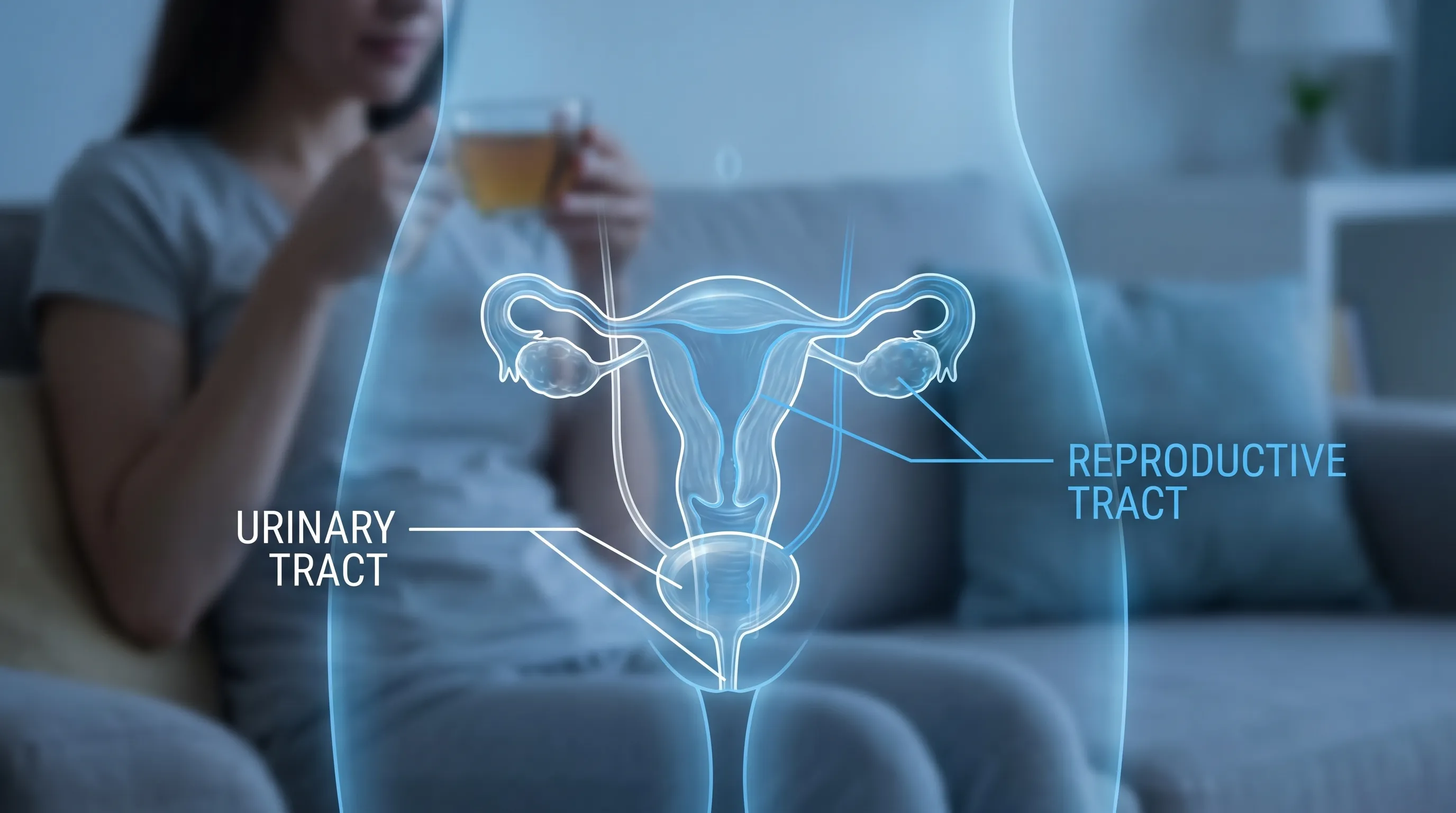
To fully grasp why certain intimate habits impact fertility while others do not, we must first examine the structural layout of the female pelvic region. The human body operates on highly specialized, compartmentalized pathways, each designed for distinct physiological tasks. Confusion often arises because the urinary opening and vaginal opening are located in close proximity within the vulvar region. However, proximity does not equal connectivity. The reproductive and excretory systems remain entirely isolated from the moment of tissue development in utero, maintaining separate routes, separate muscular control, and entirely different biological objectives (NIH). Recognizing this fundamental anatomical separation is the first step toward dismantling misinformation surrounding conception and intimate care.
Distinct Pathways: The Vagina, Urethra, and Cervix
The female reproductive tract begins externally with the vulva, which houses both the vaginal introitus and the urethral meatus. The vaginal canal serves as the muscular passageway connecting the external body to the cervix and uterus. Its epithelial lining is designed to withstand friction, accommodate physiological stretching, and maintain a slightly acidic environment through natural lactic acid production. In contrast, the urethra is a narrow, short tube dedicated exclusively to expelling urine from the bladder. It contains no connection to the vaginal vault, the cervix, or the uterine cavity. Because these pathways share a regional neighborhood but never intersect, fluids exiting one system cannot physically enter or cleanse the other. This anatomical reality directly explains why urination has zero mechanical impact on reproductive processes, yet remains a highly effective habit for maintaining urinary tract health.
How Conception Actually Occurs
Conception is a complex, multi-stage biological event that relies on precise timing, cellular compatibility, and unimpeded sperm transport. Following ejaculation inside the vaginal canal, millions of sperm cells begin navigating toward the cervix. Within seconds, the most motile sperm penetrate the cervical mucus, which acts as both a selective filter and a nutrient medium. Once through the cervical canal, sperm enter the uterine cavity and ascend into the fallopian tubes, where fertilization typically occurs if a mature ovum is present. This entire journey happens within minutes to hours after intercourse, entirely independent of urinary function (CDC). Because sperm deposit occurs in the vaginal canal while urination originates in the bladder, the two fluids never interact in a way that would alter fertility outcomes. Relying on the belief that peeing after sex can prevent pregnancy fundamentally misinterprets how the body transports and retains reproductive cells.
Debunking the Myth: Why the Belief Persists
Despite overwhelming medical consensus, the narrative surrounding post-coital urination continues to circulate as a contraceptive shortcut. This persistence can be attributed to historical practices, misinterpreted health advice, and the human tendency to seek simple solutions for complex biological processes. When advice is passed down informally, critical context is often stripped away, leaving behind a fragmented rule that sounds logical on the surface but fails under clinical scrutiny. Examining the origins of this misconception reveals how easily physiological hygiene practices can be mistaken for fertility control, especially when comprehensive sex education remains inconsistent across different regions and demographics.
Historical Roots of the Misconception
Throughout various cultural and historical periods, intimate hygiene was closely tied to fertility management. Ancient practices involving herbal rinses, post-intercourse positioning, and immediate washing were believed to influence conception probabilities. In eras before modern gynecology and microscopic understanding of reproductive cells, observable patterns were often misinterpreted. If someone urinated or washed immediately after intimacy and did not become pregnant, the action was retroactively credited as the cause. Over generations, this correlation solidified into a widely repeated guideline. The lack of accessible reproductive science allowed these habits to evolve into pseudo-medical advice, blending legitimate hygiene practices with unfounded contraceptive claims. Today, digital platforms amplify these outdated notions, creating an illusion of validity that contradicts established clinical evidence.
Scientific Consensus and Clinical Evidence
Modern reproductive medicine has thoroughly investigated the relationship between post-coital habits and pregnancy rates. Extensive peer-reviewed studies consistently demonstrate that urination does not alter sperm viability, motility, or cervical penetration rates. Medical organizations explicitly clarify that behavioral habits like peeing after sex can prevent pregnancy lack biological plausibility. Clinical data shows that sperm reach the cervical canal within ninety seconds of ejaculation, long before voluntary bladder emptying can occur. Furthermore, laboratory analyses confirm that urine pH and composition have no contact with deposited semen once it enters the vaginal environment. Medical professionals emphasize that while post-intimacy urination is highly recommended for infection prevention (CDC), it should never be substituted for evidence-based contraception. Understanding this distinction protects individuals from relying on ineffective methods and encourages the adoption of scientifically validated reproductive planning strategies.
The Physiological Reality of Post-Intimacy Urination
When you visit the bathroom after sexual activity, a series of coordinated physiological responses occurs. The pelvic floor muscles relax, the detrusor muscle contracts, and urine flows through the urethral sphincters into the external environment. While this process is highly beneficial for urinary tract maintenance, it does not interact with the reproductive cavity. The mechanics of urination simply cannot alter the internal environment where conception takes place. Recognizing the actual biological impact of this habit helps redirect focus toward its legitimate health advantages while preventing dangerous misconceptions from compromising family planning goals.
Does Urine Contact Sperm in the Reproductive Tract?
Physiologically, urine and semen travel through entirely separate systems. Urine is stored in the bladder, passes through the urethra, and exits the body without crossing the vaginal barrier. During intercourse, semen is deposited at or near the cervix, immediately entering an environment isolated from the urinary tract. Even in positions where gravity might theoretically pull fluids downward, the anatomical separation ensures no crossover occurs. Additionally, the cervix remains partially sealed outside of fertile windows, further isolating the upper reproductive tract from external exposure. Because the two systems operate independently, the assumption that urination flushes reproductive cells is anatomically impossible. This fundamental biological separation confirms that peeing after sex can prevent pregnancy is a myth without physiological support, while simultaneously highlighting why the practice remains medically valuable for entirely different reasons.
The Role of Vaginal pH and Cervical Mucus
The vaginal environment is meticulously regulated to maintain a pH between three point eight and four point five, creating an acidic barrier that inhibits pathogenic bacterial growth. Semen, by contrast, is alkaline, with a pH ranging from seven point one to eight point two. When semen enters the vagina, temporary pH shifts occur to protect sperm viability, allowing them to survive long enough to reach the cervix. Urine typically falls within a neutral to slightly acidic range, but it never enters the vaginal canal during normal urination. Even if minimal external moisture contact occurred, it would not penetrate the deeper reproductive tissues or alter cervical mucus consistency. Cervical mucus itself undergoes cyclic transformations, becoming thinner and more permeable during ovulation to facilitate sperm transport. Because urinary output does not interact with these internal chemical balances, it cannot serve as a barrier to fertilization. The persistent idea that peeing after sex can prevent pregnancy overlooks the sophisticated biochemical environment required for successful conception.

Proven Benefits: Why Doctors Actually Recommend This Habit
While post-coital urination does not influence fertility, it remains one of the most widely endorsed recommendations in urology and gynecology. Medical professionals consistently advise patients to empty their bladder shortly after intimacy to support urinary tract integrity and reduce infection susceptibility (Cleveland Clinic). The female anatomy naturally predisposes individuals to ascending bacterial infections due to a shorter urethral length and closer proximity to the anal region. Understanding the genuine protective mechanisms of this habit transforms it from a misunderstood contraceptive shortcut into a proactive health strategy that genuinely improves quality of life.
Bacterial Clearance and UTI Prevention
Sexual activity naturally introduces external microorganisms into the periurethral area. Friction and moisture create an ideal environment for bacteria, particularly Escherichia coli, to migrate toward the urethral opening. When these organisms ascend the urinary tract, they can cause cystitis, urethritis, or more severe kidney infections. Urinating shortly after intercourse generates a mechanical flushing effect that expels bacteria before they can adhere to the urethral lining or travel upward. Clinical guidelines emphasize that this simple action can reduce UTI incidence significantly when combined with proper hydration and gentle cleansing techniques. The medical endorsement of post-intimacy urination has nothing to do with conception control, but everything to do with maintaining a sterile urinary pathway and preventing recurrent infections that disrupt daily functioning.
Pelvic Comfort and Muscle Relaxation
Beyond infection prevention, post-coital urination supports pelvic floor recovery and overall physical comfort. Intimacy engages multiple muscle groups, including the levator ani, pubococcygeus, and abdominal stabilizers. These muscles experience temporary tension and increased blood flow during sexual activity. Visiting the bathroom encourages mindful relaxation, allowing the pelvic floor to release residual contraction while reducing lower abdominal fullness. Hydration combined with gentle bladder emptying also prevents urinary retention, which can cause discomfort, bloating, and disrupted sleep. By viewing this habit through the lens of musculoskeletal recovery and urological wellness, individuals can appreciate its legitimate role in a comprehensive intimacy care routine. Recognizing that peeing after sex can prevent pregnancy is incorrect allows couples to focus on its real, measurable benefits without compromising their reproductive planning efforts.
Reliable Contraceptive Strategies That Actually Work
Family planning requires methods grounded in clinical efficacy, consistent usage patterns, and personalized health considerations. While behavioral habits and traditional practices hold cultural significance, they do not meet modern standards for pregnancy prevention. Evidence-based contraception ranges from daily hormonal regimens to long-term implantable devices, each offering distinct advantages depending on individual health profiles, lifestyle demands, and reproductive goals (WHO). Selecting a method should involve consultation with a licensed provider, thorough review of contraindications, and realistic assessment of adherence capabilities.
Hormonal Options and Their Efficacy
Hormonal contraceptives work by suppressing ovulation, thickening cervical mucus, and thinning the uterine lining. Combination pills, patches, and vaginal rings deliver synthetic estrogen and progestin, while mini-pills, injections, and subdermal implants rely on progestin alone. When used correctly, these methods achieve over ninety-three to ninety-nine percent effectiveness. However, typical use rates often drop to approximately ninety-one percent due to missed doses or delayed application. Patients must understand the strict timing requirements and potential side effects, including mood fluctuations, breakthrough bleeding, and changes in metabolic markers. Despite these considerations, hormonal contraception remains one of the most reversible, accessible, and thoroughly researched family planning tools available. Relying on these medically validated options ensures reliable protection while eliminating the guesswork associated with behavioral myths.
Barrier Methods and Long-Acting Reversible Contraceptives
Condoms, diaphragms, and cervical caps provide physical blockage to sperm entry while simultaneously offering protection against sexually transmitted infections. Male and female condoms, when used consistently and correctly, achieve approximately eighty-five to ninety-eight percent effectiveness. For individuals seeking minimal daily maintenance, long-acting reversible contraceptives offer superior convenience and efficacy. Intrauterine devices release localized hormones or copper ions to prevent fertilization, while implants continuously deliver progestin for up to three years. Both methods exceed ninety-nine percent effectiveness and do not require daily user intervention. Choosing an appropriate strategy depends on reproductive timelines, health history, and personal preference. Consulting a healthcare provider ensures the selected method aligns with individual needs while providing scientifically proven protection that behavioral shortcuts simply cannot replicate.
Comparison of Evidence-Based Contraceptive Methods
| Method Type | Typical Effectiveness | Reversibility | STI Protection | Primary Use Consideration |
|---|---|---|---|---|
| Combined Oral Contraceptives | 91-99% | Immediate | None | Requires daily adherence |
| Male Condoms | 87-98% | Immediate | Yes | Single-use, partner-dependent |
| Hormonal IUD | 99% | Quick after removal | None | Requires clinical insertion |
| Copper IUD | 99% | Quick after removal | None | May increase menstrual flow |
| Contraceptive Implant | 99% | Quick after removal | None | Long-term, provider-managed |
| Emergency Contraception | 58-95% | N/A | None | Time-sensitive post-event use |
Actionable Guidelines for Reproductive Health
Maintaining optimal intimate wellness requires a combination of proactive hygiene, informed family planning, and consistent medical communication. Integrating simple daily habits with clinically approved contraceptive methods creates a comprehensive approach that supports both physical comfort and reproductive autonomy. By replacing outdated assumptions with structured, evidence-based practices, individuals can confidently manage their sexual health while minimizing complications and maximizing overall well-being.
Pre-Intimacy Preparation
Proper preparation significantly reduces infection risk and enhances overall comfort. Staying adequately hydrated ensures healthy mucosal lining and supports urinary tract clearance. Gentle external cleansing with lukewarm water removes residual bacteria without disrupting natural vaginal flora. Applying a water-based or silicone-based lubricant reduces friction, minimizes microtears, and maintains epithelial integrity, particularly for individuals experiencing dryness or using barrier methods. Open communication regarding contraceptive use, STI testing status, and mutual health expectations establishes a foundation for responsible intimacy. Preparing a clean, comfortable environment and discussing boundaries beforehand reduces anxiety and promotes mindful engagement. These foundational practices complement medical recommendations and reinforce a proactive approach to sexual wellness.
Post-Intimacy Care Protocol
Following intercourse, establishing a consistent care routine maximizes protective benefits and supports physiological recovery. Emptying the bladder within thirty minutes remains the cornerstone of urinary tract maintenance. Patting the external genital area dry with a clean, soft towel prevents moisture accumulation that can foster bacterial growth. Changing into breathable, cotton underwear promotes air circulation and reduces irritation. Avoiding harsh soaps, scented products, or internal rinsing preserves natural pH balance and prevents dysbiosis. Drinking additional fluids supports renal filtration and maintains optimal hydration levels. If discomfort, unusual discharge, or persistent urgency develops, documenting symptoms and consulting a provider ensures timely intervention. This structured routine transforms post-intimacy care into a reliable wellness habit grounded in clinical best practices.
Recognizing When to Seek Medical Advice
While routine hygiene prevents most complications, certain symptoms require professional evaluation. Burning during urination, frequent urgency, lower abdominal pain, or unusual vaginal discharge may indicate infection, allergic reaction, or hormonal imbalance. Persistent pelvic discomfort, irregular bleeding patterns, or pain during intercourse warrants clinical assessment to rule out structural or inflammatory conditions. Individuals experiencing contraceptive failure or suspecting pregnancy should seek timely testing and discuss appropriate follow-up care. Mental health considerations, including anxiety surrounding conception or intimacy-related stress, also benefit from professional support. Accessing licensed healthcare providers ensures accurate diagnosis, personalized treatment, and continuous guidance tailored to individual physiological needs. Prioritizing medical consultation over self-diagnosis protects long-term reproductive health and prevents minor concerns from escalating into complex clinical issues.
Frequently Asked Questions
Is it medically accurate that peeing after sex can prevent pregnancy?
No. Clinical anatomy and reproductive physiology confirm that urination does not interact with the vaginal canal or cervix. Sperm enter the cervical mucus within seconds of ejaculation, while urine exits through an entirely separate pathway. Medical professionals universally agree that peeing after sex can prevent pregnancy is a misconception that should be replaced with evidence-based contraceptive planning.
What is the optimal timing for post-intimacy urination?
Healthcare guidelines recommend urinating within thirty minutes following intercourse. This window maximizes bacterial clearance before pathogens can adhere to urethral tissues. Delaying urination beyond several hours reduces the mechanical flushing benefit and increases the likelihood of microorganism colonization. Staying adequately hydrated ensures sufficient urine volume for effective cleansing.
Can alternative washing methods replace proper contraception?
No. External rinsing, douching, or using household solutions cannot prevent conception and frequently cause harm. Internal cleansing disrupts protective vaginal flora, increases infection susceptibility, and may alter natural pH balance in ways that promote pathogenic growth. Evidence-based family planning methods remain the only reliable approach to fertility management and should always replace behavioral shortcuts.
How does post-coital care support long-term reproductive wellness?
Consistent bladder emptying, hydration, and gentle hygiene practices reduce recurrent infections that can cause chronic discomfort and medical complications. Maintaining mucosal integrity and avoiding harsh products supports natural microbiome balance. Combined with routine clinical screenings and appropriate contraceptive selection, these habits create a sustainable framework for lifelong reproductive health and informed intimacy management.
When should someone transition from behavioral habits to clinical contraception?
Immediately, if pregnancy prevention is a priority. Behavioral practices lack contraceptive efficacy and cannot guarantee fertility control. Individuals seeking reliable protection should consult a licensed provider to evaluate hormonal options, barrier methods, or long-acting devices tailored to their health profile, lifestyle requirements, and reproductive timelines. Early professional guidance ensures safe, effective, and personalized family planning strategies.
Conclusion
Navigating sexual health requires separating cultural folklore from clinical reality. While the persistent belief that peeing after sex can prevent pregnancy has been passed down through generations, modern reproductive science clearly demonstrates that urination does not interact with conception processes. Instead, this highly recommended habit serves a completely different, equally vital purpose: maintaining urinary tract integrity and reducing infection risk. By understanding the anatomical separation between the urinary and reproductive systems, individuals can make informed decisions that genuinely protect their health and align with evidence-based medical guidelines. Relying on clinically validated contraceptive methods, maintaining consistent hygiene practices, and consulting licensed healthcare providers ensures reliable family planning while supporting overall pelvic wellness. Prioritizing accurate information over outdated myths empowers individuals to approach intimacy with confidence, responsibility, and long-term reproductive autonomy. When in doubt, always seek guidance from qualified medical professionals who can provide personalized, scientifically grounded recommendations tailored to your unique health journey.


About the author
Sofia Rossi, MD, is a board-certified obstetrician-gynecologist with over 15 years of experience in high-risk pregnancies and reproductive health. She is a clinical professor at a top New York medical school and an attending physician at a university hospital.