Vyvanse Alcohol Interaction: Comprehensive Safety Guide & Risks

Navigating the intersection of prescription stimulant therapy and social or recreational drinking requires a thorough understanding of neuropharmacology, clinical guidelines, and individualized health risks. As medications for Attention Deficit Hyperactivity Disorder (ADHD) and moderate-to-severe Binge Eating Disorder (BED) become increasingly prevalent, patients frequently encounter situations where social expectations, personal habits, and prescribed treatments collide. Understanding the vyvanse alcohol interaction is not merely a theoretical exercise; it is a critical component of safe medication management that directly impacts cardiovascular stability, cognitive performance, and long-term therapeutic success. Central nervous system stimulants and depressants operate along fundamentally opposing physiological pathways, and their concurrent use creates a complex pharmacological environment that can mask intoxication, amplify adverse effects, and place unnecessary strain on the heart and nervous system. This comprehensive guide examines the scientific mechanisms behind this interaction, outlines FDA-backed clinical recommendations, explores neuropsychiatric implications, and provides actionable safety strategies to protect your health while maximizing treatment efficacy.
Understanding Vyvanse and Alcohol: A Pharmacological Conflict
Lisdexamfetamine, marketed under the brand name Vyvanse, belongs to a distinct class of central nervous system stimulants designed to modulate neurotransmitter activity in the brain. Unlike immediate-release stimulants, Vyvanse functions as an inactive prodrug, which fundamentally alters its absorption and metabolic pathway. After oral administration, the compound undergoes enzymatic hydrolysis primarily within erythrocytes (red blood cells). Peptidase enzymes cleave the lysine moiety from the lisdexamfetamine molecule, gradually releasing dextroamphetamine into systemic circulation. This conversion process is remarkably consistent across individuals, as it bypasses hepatic cytochrome P450 pathways that are frequently responsible for drug-drug interactions. The onset of therapeutic effects typically occurs within 90 minutes, and the active metabolite maintains a steady pharmacological presence for approximately 10 to 14 hours, depending on individual metabolic rates, body composition, and hydration status.
Free calculatorTDEE CalculatorCalculate Total Daily Energy ExpenditureOpen the calculatorEthanol, the psychoactive compound in alcoholic beverages, operates through an entirely different neurochemical framework. Alcohol functions primarily as a CNS depressant by enhancing the inhibitory effects of gamma-aminobutyric acid (GABA) at the GABA-A receptor sites while simultaneously suppressing excitatory glutamate signaling, particularly at N-methyl-D-aspartate (NMDA) receptors. This dual action produces the characteristic sedative, anxiolytic, and motor-impairing effects associated with drinking. The pharmacokinetic profile of ethanol relies heavily on hepatic metabolism via alcohol dehydrogenase and aldehyde dehydrogenase, with elimination rates averaging approximately 0.015 g/dL per hour in most healthy adults. When examining the vyvanse alcohol interaction, it is crucial to recognize that while their metabolic pathways do not directly interfere, their pharmacodynamic profiles collide in ways that significantly elevate clinical risk.
The Masking Effect: Why You Feel “Sober” When You Aren’t
One of the most dangerous consequences of combining these substances is the masking effect. Because Vyvanse elevates alertness, focus, and physiological arousal, it effectively counteracts the subjective feelings of sedation, drowsiness, and motor impairment typically associated with alcohol consumption. A patient may consume multiple drinks while experiencing minimal perceived intoxication, leading to a false sense of sobriety and impaired self-regulation. This phenomenon is particularly hazardous because blood alcohol concentration (BAC) continues to rise regardless of how alert the individual feels. The resulting disconnect between perceived impairment and actual physiological intoxication frequently leads to binge drinking, alcohol poisoning, and high-risk behaviors such as impaired driving or poor decision-making. Clinical studies consistently demonstrate that individuals combining stimulants with alcohol exhibit significantly higher rates of emergency department visits and alcohol-related injuries compared to those consuming either substance alone. Understanding this perceptual distortion is the first step toward responsible medication management and harm reduction.
Cardiovascular and Physical Health Risks
The cardiovascular system bears a disproportionate burden when CNS stimulants and depressants are introduced simultaneously. Both Vyvanse and ethanol independently influence autonomic nervous system regulation, heart rate variability, and vascular resistance. Dextroamphetamine stimulates the release of norepinephrine and dopamine, which activates sympathetic nervous system pathways, leading to peripheral vasoconstriction, increased myocardial contractility, and elevated systolic and diastolic blood pressure. Alcohol, while initially causing vasodilation, triggers compensatory mechanisms that can result in rebound hypertension, particularly during the absorption and early elimination phases. When these compounds interact, the additive cardiovascular strain becomes clinically significant.
Additive Strain on the Heart and Blood Vessels
Simultaneous exposure to lisdexamfetamine and ethanol forces the cardiovascular system to reconcile conflicting physiological signals. The stimulant component drives the heart to work harder to maintain adequate perfusion, while the depressant component disrupts normal autonomic reflexes that regulate heart rate and vascular tone. This creates a perfect storm for arrhythmogenic activity. Patients may experience pronounced tachycardia, premature ventricular contractions, atrial fibrillation, or palpitations that feel erratic and uncomfortable. In rare but documented cases, particularly among individuals with undiagnosed congenital heart defects, hypertension, or structural cardiac abnormalities, the combination can precipitate hypertensive crisis, acute myocardial ischemia, or sudden cardiac arrest. The FDA prescribing information explicitly highlights this risk, emphasizing that cardiovascular strain is not merely a theoretical concern but a measurable clinical reality that warrants strict avoidance. Read the FDA prescribing information for detailed cardiovascular warnings.
Recognizing Warning Signs of Cardiovascular Distress
Patients and caregivers must remain vigilant for early indicators of cardiovascular compromise. Warning signs often manifest subtly before progressing to acute events. These include persistent or pounding headaches, unusual sweating, chest tightness, shortness of breath during minimal exertion, lightheadedness, or a racing heartbeat that does not subside with rest. Because alcohol impairs interoceptive awareness, individuals may delay recognizing these symptoms until they become severe. Hydration status further complicates the clinical picture, as both substances promote diuresis and fluid loss, potentially leading to electrolyte imbalances that exacerbate arrhythmias. Monitoring heart rate and blood pressure during periods of concurrent use, even if unintentional, provides critical data for healthcare providers. Mayo Clinic guidelines emphasize that prompt medical evaluation is essential when cardiovascular symptoms arise following substance combination.

Cognitive, Psychological, and Sleep-Related Impacts
Beyond cardiovascular considerations, the neurocognitive and psychiatric consequences of the vyvanse alcohol interaction demand equal attention. The brain’s executive functioning networks, which govern decision-making, impulse control, emotional regulation, and spatial awareness, rely on delicate neurochemical equilibrium. Introducing a stimulant and depressant simultaneously disrupts this balance, leading to measurable impairments in cognitive processing and behavioral regulation.
Amplified Impairment in Judgment and Motor Skills
While Vyvanse enhances focus and alertness under normal conditions, its concurrent use with alcohol does not restore impaired motor function or reflexes. In fact, research indicates that reaction times, hand-eye coordination, and divided attention are significantly compromised when these substances are mixed. The prefrontal cortex, responsible for rational decision-making and risk assessment, becomes particularly vulnerable to conflicting neurotransmitter signals. Dopaminergic stimulation may create an illusion of cognitive clarity, while GABAergic suppression impairs fine motor control and spatial judgment. This discrepancy frequently results in overconfidence, leading individuals to engage in physically demanding or dangerous activities while operating at suboptimal neurological capacity. The American Psychiatric Association (APA) consistently advises clinicians to educate patients on this specific risk profile, particularly those who may need to operate machinery or drive.
Anxiety, Mood Swings, and the “Crash”
Psychiatric symptoms represent another major concern. As alcohol’s depressant effects begin to metabolize and wear off, the prolonged presence of dextroamphetamine in the bloodstream can trigger paradoxical mood shifts. Patients often experience intense anxiety, agitation, irritability, or sudden depressive episodes as the sedative counterbalance disappears. This mismatch frequently manifests during the late evening or early morning hours, disrupting emotional stability and increasing the likelihood of impulsive behaviors. For individuals with comorbid anxiety disorders or mood dysregulation, the combination can precipitate panic attacks or severe emotional distress. NIH StatPearls documentation highlights the importance of stabilizing neurochemical baselines before introducing additional psychoactive compounds, reinforcing why concurrent use is strongly discouraged.
The Double Blow to Sleep Architecture
Restorative sleep is foundational for cognitive recovery, metabolic regulation, and emotional resilience. Unfortunately, Vyvanse and alcohol independently disrupt distinct phases of sleep architecture. Stimulants delay sleep onset by increasing cortical arousal and reducing the natural progression toward slow-wave sleep. Alcohol, while initially promoting drowsiness, fragments sleep cycles, suppresses rapid eye movement (REM) sleep, and causes frequent micro-arousals throughout the night. When combined, patients experience severely compromised sleep quality, leading to next-day fatigue, cognitive fog, and increased medication tolerance. Chronic sleep disruption further exacerbates cardiovascular strain and diminishes the therapeutic efficacy of Vyvanse, creating a counterproductive cycle that undermines treatment goals.
FDA Guidelines and Clinical Recommendations
Regulatory agencies and medical organizations maintain clear, evidence-based positions on stimulant-alcohol combinations. The FDA-approved prescribing information for Vyvanse explicitly advises patients to avoid alcohol during treatment due to the potential for increased cardiovascular risk and impaired judgment. This directive is not arbitrary; it stems from extensive pharmacovigilance data, clinical trial observations, and real-world adverse event reporting. Understanding the rationale behind these guidelines empowers patients to make informed, health-preserving decisions.
Official Prescribing Information and Warnings
The official FDA label categorizes the interaction as pharmacodynamically antagonistic yet behaviorally synergistic. While alcohol does not alter the rate at which lisdexamfetamine converts to dextroamphetamine, it significantly modifies the subjective and physiological response to both substances. The prescribing information emphasizes that patients should abstain from alcohol, particularly during the initial dose-titration phase when healthcare providers are establishing optimal therapeutic ranges and monitoring individual tolerance. During this critical window, even moderate alcohol consumption can obscure side effect profiles, making it difficult for clinicians to accurately assess medication efficacy and safety. Drugs.com interaction database provides additional clinical breakdowns of these warnings for patient education purposes.
Dose Titration and Initial Treatment Phases
Clinical guidelines from pediatric and adult psychiatry associations universally recommend counseling patients on the risks of concurrent substance use. During the titration phase, prescribers typically adjust doses incrementally to balance symptom control with minimal adverse effects. Introducing alcohol during this period introduces uncontrolled variables that can mimic or mask dose-related side effects, such as appetite suppression, elevated heart rate, or mood fluctuations. By maintaining alcohol abstinence during the first several weeks of therapy, patients and clinicians can establish a stable baseline, accurately track symptom improvement, and identify any necessary dose adjustments without confounding factors.
Special Considerations for Binge Eating Disorder (BED)
Vyvanse holds FDA approval for the treatment of moderate-to-severe Binge Eating Disorder, expanding its clinical utility beyond ADHD management. This indication highlights the medication’s ability to modulate impulse control and reduce compulsive food-seeking behaviors. However, alcohol consumption directly counteracts these therapeutic mechanisms, introducing significant challenges for individuals pursuing recovery.
How Alcohol Undermines Therapeutic Goals
Alcohol impairs prefrontal cortical function, which governs inhibitory control and decision-making. For patients managing BED, this impairment can trigger relapse into binge episodes, even when medication adherence is otherwise strict. Ethanol also disrupts glucose metabolism and appetite regulation, frequently increasing cravings for high-calorie, highly palatable foods. The combination creates a physiological environment where hunger signals are amplified while self-regulation pathways are suppressed. Furthermore, alcohol contains empty calories that contribute to rapid blood sugar fluctuations, which can intensify emotional eating patterns and undermine nutritional rehabilitation efforts. Wikipedia pharmacology reference outlines the broader clinical context of lisdexamfetamine’s approved indications and metabolic considerations.
Impulse Control and Empty Calories
Successful BED management requires consistent dietary structure, mindful eating practices, and stable emotional regulation. Alcohol disrupts each of these pillars by lowering psychological barriers, increasing disinhibition, and introducing metabolic instability. Patients frequently report feeling a loss of control over food intake following alcohol consumption, leading to guilt, emotional distress, and potential discontinuation of medication. Healthcare providers specializing in eating disorders strongly advise against alcohol use during active treatment phases to preserve the medication’s impulse-modulating benefits and support sustainable recovery trajectories.
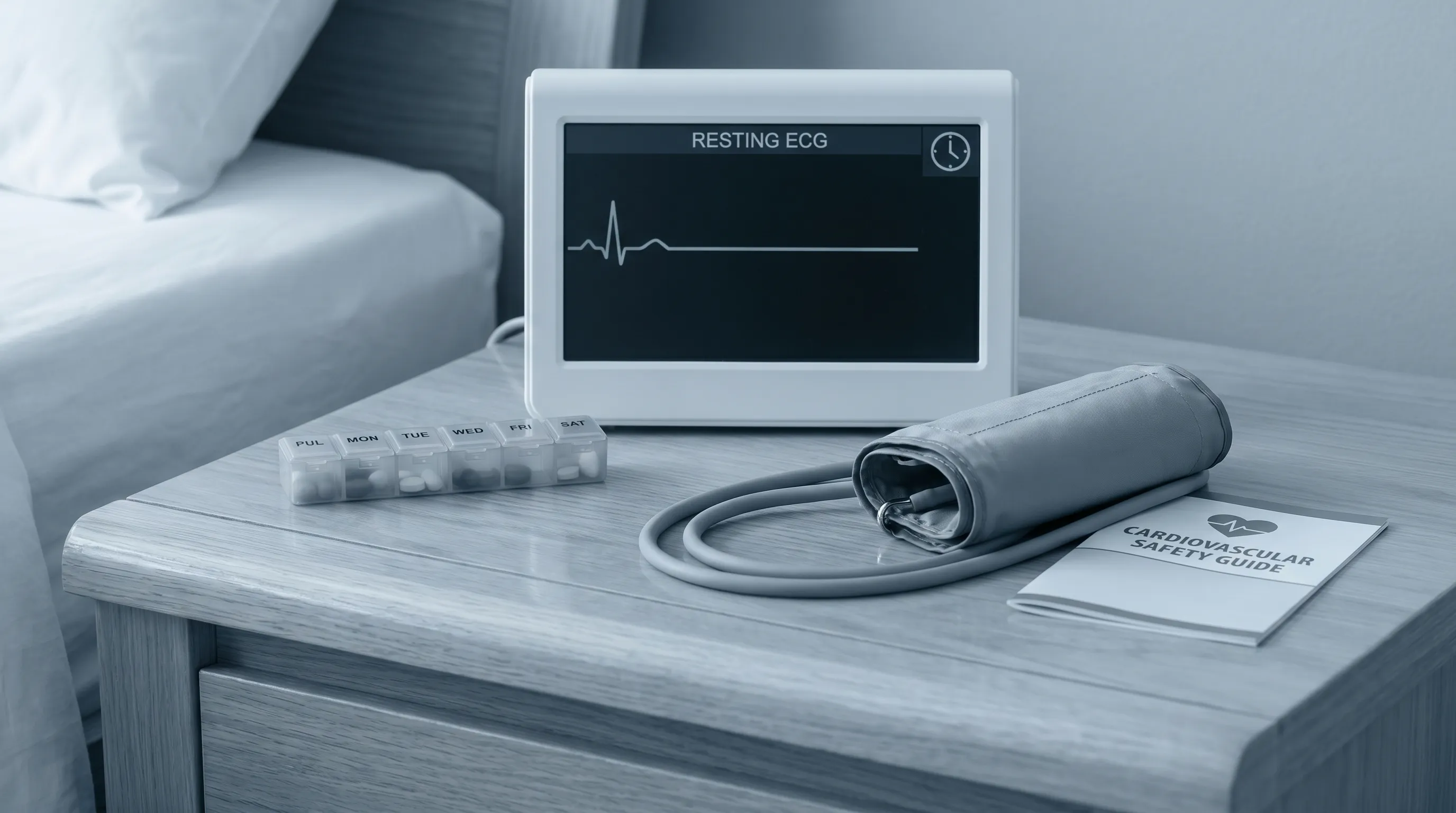
Practical Safety Guidelines and Harm Reduction
While complete avoidance remains the clinically recommended approach, understanding practical strategies for harm reduction and symptom management is essential for patients navigating real-world social environments or recovering from accidental exposure. These evidence-based recommendations prioritize physiological stability, informed decision-making, and proactive communication with healthcare providers.
Timing and Abstinence Strategies
If alcohol consumption is unavoidable or accidental, maintaining strict timing boundaries minimizes physiological overlap. Given Vyvanse’s 10 to 14 hour duration of action, patients should avoid drinking entirely on active medication days. Waiting until the medication has fully cleared from systemic circulation reduces the likelihood of additive cardiovascular strain and masking effects. Planning social engagements on medication-free days, if clinically appropriate, provides a safer alternative. Open communication with prescribing physicians about lifestyle habits allows for individualized guidance and potential schedule adjustments that align with both therapeutic goals and personal routines.
Hydration, Nutrition, and Symptom Monitoring
Both substances promote dehydration and appetite suppression, creating compounding metabolic stress. Maintaining consistent fluid intake with electrolyte-rich beverages supports vascular function and renal clearance. Consuming balanced meals with adequate protein, complex carbohydrates, and healthy fats stabilizes blood glucose levels and reduces gastrointestinal discomfort. Regular monitoring of vital signs, particularly heart rate and blood pressure, during periods of potential overlap provides objective data for healthcare providers. Patients should document any unusual symptoms, including sleep disturbances, mood shifts, or digestive changes, to facilitate accurate clinical assessment.
When to Seek Emergency Medical Care
Recognizing red-flag symptoms is critical for preventing acute medical emergencies. Immediate emergency services should be contacted if patients experience chest pain, severe shortness of breath, fainting, irregular heartbeat, extreme confusion, uncontrollable tremors, or signs of alcohol poisoning such as vomiting with inability to stay awake. Delaying medical intervention can result in irreversible cardiovascular or neurological damage. Emergency department staff require accurate information about both substances, including dosage, timing of ingestion, and quantity of alcohol consumed, to initiate appropriate supportive care.
Vyvanse Alcohol Interaction Summary
| Aspect | Vyvanse (Stimulant) | Alcohol (Depressant) | Combined Effect | Clinical Recommendation |
|---|---|---|---|---|
| CNS Action | Increases alertness & dopamine/norepinephrine | Enhances GABA, reduces glutamate | Masks intoxication, amplifies risk-taking | Avoid concurrent use |
| Cardiovascular Impact | Increases HR & BP via sympathetic activation | Initial vasodilation, rebound hypertension | Additive strain, arrhythmia risk | Monitor HR/BP; seek care if abnormal |
| Metabolic Pathway | RBC enzymatic hydrolysis | Hepatic ADH/ALDH metabolism | No pharmacokinetic interference | Interaction is purely pharmacodynamic |
| Sleep Architecture | Delays sleep onset | Fragments REM & deep sleep | Severe sleep disruption | Prioritize 7-9 hrs rest; avoid late drinking |
| Therapeutic Interference | Improves focus & impulse control | Impairs executive function & lowers inhibition | Undermines ADHD/BED treatment goals | Complete abstinence during titration |
Frequently Asked Questions
Can I drink a small amount of alcohol occasionally while taking Vyvanse?
Clinical guidelines and FDA prescribing information strongly advise avoiding alcohol entirely during treatment. Even minimal consumption triggers the masking effect, which obscures true intoxication levels and impairs self-regulation. The pharmacodynamic interaction increases cardiovascular workload regardless of volume, and the risk of impaired judgment does not scale linearly with drink quantity. Patients seeking safer social alternatives should discuss alcohol-free event planning or schedule adjustments with their prescriber.
Does alcohol speed up or slow down the metabolism of Vyvanse?
No significant pharmacokinetic interaction occurs. Lisdexamfetamine is converted to dextroamphetamine via enzymatic hydrolysis in red blood cells, operating independently of hepatic cytochrome P450 pathways. Alcohol does not alter this activation rate or elimination timeline. The interaction is entirely pharmacodynamic, meaning both substances influence the same neurological and cardiovascular systems simultaneously, producing amplified effects without changing metabolic clearance speeds.
What are the immediate signs of dangerous vyvanse alcohol mixing?
Warning signs include persistent or severe tachycardia, irregular heartbeat rhythms, chest tightness, pronounced dizziness, shortness of breath at rest, intense anxiety or panic episodes, confusion, and sudden loss of motor coordination. These symptoms indicate acute cardiovascular or neurological stress. Because alcohol impairs symptom recognition, patients should monitor vital signs closely and seek immediate emergency medical care if multiple warning signs occur simultaneously or worsen rapidly.
Is it safe to drink alcohol the evening after taking Vyvanse in the morning?
Vyvanse maintains active therapeutic levels for approximately 10 to 14 hours following ingestion. Consuming alcohol within that active window is not recommended, as residual dextroamphetamine continues to exert stimulant effects on the cardiovascular and central nervous systems. Even after the primary effects subside, metabolic clearance and neurological recovery may still be ongoing. Patients should allow at least a full medication-free day before considering alcohol consumption, and only after consulting their prescribing clinician.
Why do healthcare providers warn against using alcohol to manage Vyvanse side effects?
Attempting to self-medicate stimulant-induced insomnia, anxiety, or jitteriness with alcohol creates a harmful dependency cycle and exacerbates underlying physiological stress. Alcohol temporarily induces sedation but severely fragments subsequent sleep architecture, worsening next-day fatigue and cognitive impairment. This counterproductive pattern increases the likelihood of tolerance development, psychological dependence, and compounded cardiovascular strain. Always consult your healthcare provider for evidence-based strategies to manage medication side effects, which may include dose timing adjustments, sleep hygiene protocols, or adjunctive therapies.
Conclusion
The interaction between Vyvanse and alcohol represents a clinically significant pharmacological conflict that extends far beyond temporary discomfort or mild impairment. By understanding how CNS stimulants and depressants operate on opposing yet intersecting pathways, patients and caregivers can make informed decisions that prioritize long-term health, therapeutic efficacy, and physiological stability. The masking effect, additive cardiovascular strain, cognitive impairment, and sleep disruption collectively create a risk profile that consistently outweighs any perceived social or recreational benefit. Regulatory agencies, clinical guidelines, and pharmacovigilance data uniformly emphasize complete avoidance during active treatment, particularly during initial dose titration and therapeutic stabilization phases. For individuals managing ADHD or Binge Eating Disorder, maintaining medication adherence, practicing proactive lifestyle planning, and engaging in transparent dialogue with prescribing healthcare professionals remain the most effective strategies for achieving sustainable wellness outcomes. When navigating complex medication regimens, prioritizing evidence-based safety over convenience ensures that therapeutic goals are met without compromising cardiovascular, neurological, or psychological health.
Disclaimer: This content is provided for educational and informational purposes only and does not constitute medical advice, diagnosis, or treatment. Always consult a licensed healthcare provider before making changes to medication regimens, dietary habits, or alcohol consumption patterns. Individual health profiles, comorbid conditions, and concurrent medications may significantly influence clinical recommendations.
How we work
Researched and drafted with AI assistance, then reviewed by a human editor against the cited sources.
This article is general health information, not medical advice. Consult a qualified healthcare professional about your own situation.